
Your Brain on Rewards: How Dopamine Creates Your Internal Compass

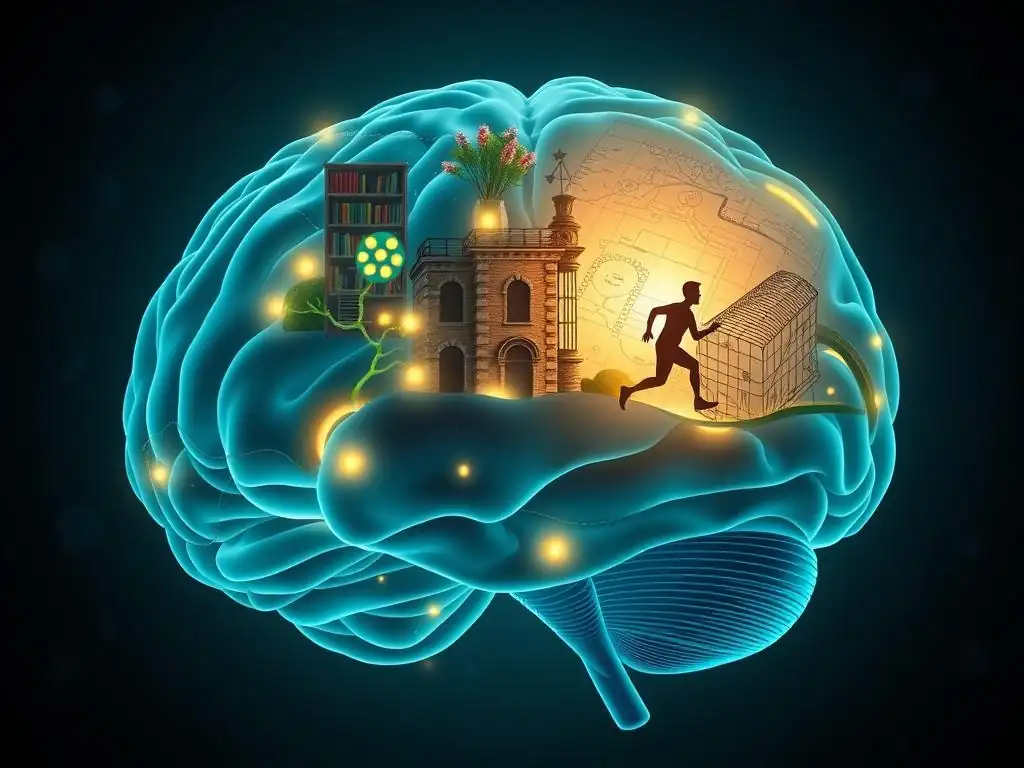
Welcome to Mind Care Guide, your sanctuary for understanding and nurturing your mental well-being. Ever wondered why some goals ignite a fire within, while others feel like a chore? Dive into "Your Brain on Rewards: How Dopamine Creates Your Internal Compass" and unravel the secrets of dopamine rewards and their profound impact on internal motivation. Discover how this powerful neurochemical shapes your drive, influences your decisions, and ultimately, guides you towards a more fulfilling life. Curious to learn how to harness the power of dopamine for your own mental well-being? Let's explore!
Your Brain on Rewards: How Dopamine Creates Your Internal Compass
- Understanding the Dopamine Reward System and Internal Motivation
- The Dopamine-Reward Loop: A Deep Dive
- Dopamine Deficiency and Lack of Motivation: Identifying the Link
- The Dark Side of Dopamine: Addiction and Compulsive Behaviors
- Dopamine and Mental Health: Connections to Disorders
- Optimizing Your Dopamine System for Enhanced Internal Motivation
- Horizontal Line:
- Horizontal Rule:
-
Frequently Asked Questions
- What is dopamine's role in creating an internal compass?
- How does the dopamine reward system influence our mental well-being?
- What is the relationship between "dopamine rewards" and "internal motivation"?
- Can we intentionally influence our dopamine levels to boost motivation?
- What are some resources available for understanding and improving mental well-being related to dopamine?
- Final Reflection: Rewiring Your Internal Compass with Dopamine
- Unlock Your Inner Drive: Master Your Dopamine Compass
Understanding the Dopamine Reward System and Internal Motivation
Our brains are complex engines, constantly processing information to guide our actions and decisions. At the heart of this process, especially when it comes to driving behavior and shaping our internal motivation, lies a powerful chemical messenger: dopamine. This neurotransmitter plays a pivotal role in what feels rewarding and consequently, what we are motivated to pursue. Understanding this system is key to unlocking greater self-direction and well-being.
The intricate pathways involving dopamine are fundamental to learning, pleasure, and our drive towards goals. It's not just about feeling good; it's about signaling importance and reinforcing behaviors that lead to desired outcomes. By exploring how dopamine rewards influence internal motivation, we gain insights into why we do what we do and how we can better align our actions with our long-term aspirations.
What is Dopamine and Its Role in Reward Processing?
Dopamine is a type of neurotransmitter, a chemical messenger that transmits signals between nerve cells (neurons) in the brain. It's often associated with pleasure and reward, but its function is far broader, encompassing movement, learning, attention, and emotional responses. In the context of reward processing, dopamine acts as a signal that something important is happening or about to happen – particularly something beneficial or novel.
When we experience something rewarding, whether it's eating a delicious meal, receiving praise, or achieving a small goal, neurons in specific brain areas release dopamine. This release doesn't just create a feeling of pleasure; it also strengthens the neural connections associated with the behavior that led to the reward.
This reinforcement is critical for learning which actions are worth repeating, effectively training our brains to seek out similar experiences in the future. Research suggests that the anticipation of a reward can often lead to a greater surge in dopamine than the reward itself, highlighting its role in driving motivated behavior.
The Neuroscience of Motivation: How Dopamine Drives Behavior
Motivation, the force that propels us to act, is deeply intertwined with the brain's dopamine system. Dopamine neurons originating in the ventral tegmental area (VTA) project to various brain regions, including the nucleus accumbens, prefrontal cortex, and amygdala, forming the mesolimbic pathway – often called the "reward pathway." This pathway is central to linking actions with pleasurable outcomes.
When you set a goal, like learning a new skill or completing a challenging task, your brain's reward system is engaged. Anticipating the satisfaction or benefit of achieving that goal triggers dopamine release, which provides the motivational impetus to start and persist.
This chemical signal reinforces the actions taken towards the goal, making it more likely you'll repeat them in the future. Studies involving neuroimaging techniques like fMRI have shown increased activity in dopamine-rich areas when individuals are engaged in goal-directed tasks, particularly when the reward is uncertain or delayed, emphasizing dopamine's role in driving sustained effort and shaping dopamine rewards internal motivation.
Dopamine Pathways: Mesolimbic, Mesocortical, Nigrostriatal, and Tuberoinfundibular
While the mesolimbic pathway is most famous for its role in reward and motivation, dopamine operates through several distinct pathways in the brain, each with unique functions. The mesolimbic pathway, originating in the VTA and projecting to the nucleus accumbens, amygdala, and hippocampus, is crucial for processing reward and pleasure, influencing emotional responses and memory formation related to rewarding experiences.
The mesocortical pathway also originates in the VTA but projects to the prefrontal cortex. This pathway is vital for cognitive functions such as planning, decision-making, working memory, and executive control. It plays a significant role in evaluating potential rewards and inhibiting impulsive behaviors, allowing for more complex, long-term goal pursuit driven by dopamine rewards internal motivation. Dysfunction in this pathway is implicated in conditions like ADHD and schizophrenia.
The nigrostriatal pathway connects the substantia nigra to the striatum (caudate nucleus and putamen) and is primarily involved in motor control. Loss of dopamine neurons in this pathway is the hallmark of Parkinson's disease. Finally, the tuberoinfundibular pathway connects the hypothalamus to the pituitary gland and regulates hormone release, particularly prolactin. Understanding these distinct pathways is crucial for appreciating the multifaceted influence of dopamine throughout the brain.
The Dopamine-Reward Loop: A Deep Dive
The experience of reward isn't a single event but a dynamic process involving anticipation, action, outcome, and learning. Dopamine is the central player in this continuous loop, signaling value and driving the brain to repeat behaviors that lead to positive results. This loop is fundamental to how we learn from our environment and build habits, forming the basis of our internal compass guided by dopamine rewards internal motivation.
This intricate feedback system allows the brain to constantly update its predictions about the world and adjust behavior accordingly. It's a powerful learning mechanism that, while essential for survival and growth, can also be hijacked, leading to maladaptive behaviors if the reward signals become distorted or overly strong, as seen in addiction.
How the Brain Processes Rewards: The Dopamine Cycle Explained
The processing of rewards involves a sequence of events within the brain's reward circuitry, heavily influenced by dopamine. It begins with anticipation: simply thinking about a potential reward, like a tasty meal or a successful presentation, can trigger a surge of dopamine in the nucleus accumbens. This initial release provides the motivational energy to pursue the reward.
As we engage in the behavior aimed at obtaining the reward (e.g., cooking the meal, preparing the presentation), dopamine continues to play a role, reinforcing the steps involved. Upon receiving the reward, there's another, often larger, burst of dopamine. This signal tells the brain, "This was good!
Remember how you did it." This reinforcement strengthens the neural pathways associated with the successful behavior, making it more likely that you will repeat that behavior in similar situations in the future. This continuous cycle of anticipation, action, and reinforcement driven by dopamine is the engine behind habit formation and goal pursuit, solidifying the link between dopamine rewards and internal motivation.
The Role of Prediction Error in Dopamine Release and Learning
A key insight into dopamine's function came from research showing that dopamine neurons fire most strongly not just when a reward is received, but when the reward is unexpected or better than predicted. This phenomenon is known as the "reward prediction error." If a reward is exactly as expected, dopamine neurons fire at a baseline level upon receiving it. If the reward is larger or better than expected, there's a positive prediction error, leading to a surge in dopamine release.
Conversely, if an expected reward is not received, or is smaller than expected, there's a negative prediction error, and dopamine neuron firing decreases below baseline. This prediction error signal is a crucial learning mechanism. The brain uses this dopamine signal to update its predictions about which cues in the environment predict rewards and which actions are most likely to lead to them. This dynamic adjustment based on prediction error is how the dopamine system continuously refines our understanding of the world and shapes our future behavior and dopamine rewards internal motivation.
Dopamine and Goal-Directed Behavior: Shaping Internal Motivation
Goal-directed behavior, the ability to plan and execute actions to achieve a desired future state, relies heavily on the interplay between the prefrontal cortex and the dopamine reward system. The prefrontal cortex sets goals and plans strategies, while dopamine provides the motivational drive and reinforcement needed to follow through.
Setting a goal, whether it's learning a new language or saving for a down payment, engages the mesocortical dopamine pathway, which is involved in evaluating the long-term value of the goal. As you take steps towards the goal, small successes or even just the anticipation of progress can trigger dopamine release in the mesolimbic pathway, providing immediate reinforcement and maintaining motivation. This continuous feedback loop, where dopamine signals reinforce goal-relevant actions and cues, is fundamental to building intrinsic drive and sustaining effort over time, effectively translating external aims into deep-seated dopamine rewards internal motivation.
Dopamine Deficiency and Lack of Motivation: Identifying the Link
When the dopamine system isn't functioning optimally, it can have profound effects on motivation, mood, and overall well-being. Conditions associated with low dopamine levels or impaired dopamine signaling often manifest as a noticeable decrease in drive, pleasure, and the ability to pursue goals. Recognizing the signs of such imbalances is an important step towards seeking appropriate support and strategies.
Understanding the connection between dopamine deficiency and motivational issues helps contextualize experiences of lethargy, apathy, and difficulty finding joy in activities that were once pleasurable. It underscores the biological basis of these challenges and highlights the importance of addressing the underlying neurochemical factors.
Low Dopamine Symptoms: Recognizing the Signs of Motivational Issues
Symptoms associated with low dopamine levels or reduced dopamine activity can vary but often include a cluster of signs related to diminished motivation and pleasure. A primary symptom is anhedonia, the inability to experience pleasure from activities that are normally enjoyable, such as hobbies, social interactions, or even eating.
Other common signs include fatigue, difficulty concentrating, poor memory, mood disturbances like sadness or irritability, and a general lack of drive or enthusiasm for life. Physically, low dopamine can sometimes manifest as tremors or coordination issues, though these are more characteristic of severe deficiencies in the nigrostriatal pathway, as seen in Parkinson's. Experiencing several of these symptoms consistently, particularly a persistent lack of motivation and interest in activities, could indicate an issue with dopamine signaling or related brain circuits affecting dopamine rewards internal motivation.
The Impact of Dopamine Imbalance on Reward Processing
An imbalance in dopamine levels significantly disrupts the brain's ability to process rewards effectively. With insufficient dopamine activity, the reward signal is weakened. This means that even when someone achieves a goal or engages in a potentially pleasurable activity, the reinforcing signal is too weak to register strongly or motivate future action.
This blunted response makes it difficult to find activities rewarding, leading to a lack of drive and interest – the core of motivational issues. The brain doesn't get the necessary chemical 'push' to remember and repeat behaviors that were previously associated with positive outcomes. Furthermore, an imbalance can affect prediction error signaling; if the baseline signal is low, even expected rewards may not provide enough of a boost to reinforce learning and behavior, hindering the development and maintenance of dopamine rewards internal motivation.
Strategies to Boost Dopamine Levels Naturally and Enhance Motivation [Diet, Exercise, Sleep, Mindfulness]
While severe deficiencies may require medical intervention, many lifestyle factors can support healthy dopamine function and enhance motivation naturally.
- Diet: Consuming a balanced diet rich in protein is important, as amino acids like tyrosine and phenylalanine are precursors to dopamine. Foods like lean meats, poultry, fish, eggs, dairy, beans, and nuts contain these amino acids. Limiting saturated fat intake is also advised, as some research suggests it can impair dopamine signaling.
- Exercise: Regular physical activity is known to boost mood and cognitive function, partly through its effects on neurotransmitters, including dopamine. Aerobic exercise, in particular, has been shown in some studies to increase dopamine receptor density, potentially enhancing the brain's response to reward and improving dopamine rewards internal motivation. Aim for at least 30 minutes of moderate exercise most days of the week.
- Sleep: Adequate sleep is crucial for overall brain health and neurotransmitter regulation. Sleep deprivation can negatively impact dopamine receptor availability and function. Prioritizing 7-9 hours of quality sleep per night supports healthy dopamine levels and improves motivational capacity.
- Mindfulness: Engaging in mindfulness practices, such as meditation, can influence brain chemistry and structure over time. Some studies suggest that mindfulness can increase dopamine release and improve the functioning of brain areas involved in reward and motivation, helping individuals better appreciate present moment rewards and fostering intrinsic dopamine rewards internal motivation.
Task List for Enhancing Dopamine Naturally:
- [ ] Incorporate protein-rich foods into daily meals.
- [ ] Schedule at least 30 minutes of moderate exercise daily.
- [ ] Aim for 7-9 hours of quality sleep each night.
- [ ] Practice mindfulness or meditation for 10-15 minutes daily.
The Dark Side of Dopamine: Addiction and Compulsive Behaviors
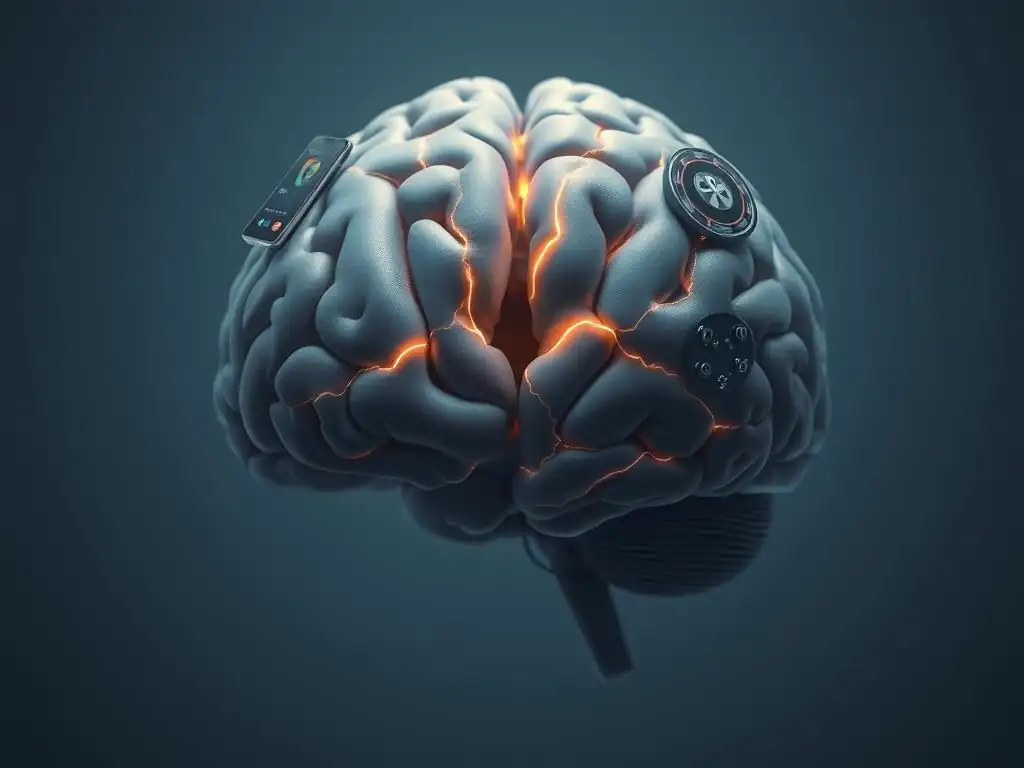
While essential for motivation and learning, the dopamine reward system is also the primary pathway involved in addiction. Substances of abuse and certain highly rewarding behaviors can hijack this system, leading to powerful cravings and compulsive patterns that override rational decision-making and healthy dopamine rewards internal motivation.
Understanding how dopamine contributes to addiction is crucial for both prevention and treatment. It highlights why addiction is a disease of the brain, characterized by altered reward processing and impaired impulse control.
Dopamine and Addiction: The Neurological Basis of Compulsion
Addictive drugs, such as cocaine, methamphetamine, nicotine, and alcohol, cause an unnaturally large and rapid surge of dopamine in the nucleus accumbens, far exceeding the levels produced by natural rewards like food or social interaction. For example, cocaine can block the reuptake of dopamine, leading to a massive buildup in the synapse, while amphetamines can force dopamine out of vesicles and reverse the transporter.
This intense, artificial dopamine signal powerfully reinforces drug-seeking behavior. The brain begins to associate cues related to the drug (e.g., location, people, paraphernalia) with this overwhelming reward signal, leading to intense cravings even in the absence of the drug.
Over time, the brain adapts to these high dopamine levels, reducing its sensitivity to natural rewards and making it difficult to feel pleasure from anything other than the addictive substance or behavior. This creates a vicious cycle where more of the substance is needed just to feel 'normal' and to get any sense of reward, fundamentally altering dopamine rewards internal motivation away from healthy pursuits.
How Dopamine Overstimulation Can Lead to Unhealthy Habits
Chronic overstimulation of the dopamine system by addictive substances or behaviors (like excessive gambling or certain internet activities) can lead to significant neuroadaptations. The brain attempts to restore balance by reducing the number of dopamine receptors or decreasing baseline dopamine production.
This downregulation means the system becomes less responsive to normal, everyday rewards. Activities that used to be enjoyable no longer provide sufficient dopamine release to feel rewarding or motivating. This state contributes to the anhedonia and lack of motivation often seen in withdrawal and chronic addiction. The brain is rewired to prioritize the highly potent artificial reward signal, making it extremely difficult to resist compulsive urges and diminishing the capacity for healthy dopamine rewards internal motivation.
Managing dopamine-related addictions requires comprehensive strategies that address both the behavioral patterns and the underlying neurobiological changes.
- Cognitive Behavioral Therapy (CBT): CBT is a highly effective therapy that helps individuals identify and change thought patterns and behaviors contributing to addiction. It teaches coping skills to manage cravings, identify triggers, and develop healthier responses to stress and challenging situations. By reframing thoughts about rewards and consequences, CBT can help rewire the brain's response to cues previously associated with the addiction, supporting the development of healthier dopamine rewards internal motivation.
- Support Groups: Participation in support groups like Alcoholics Anonymous (AA) or Narcotics Anonymous (NA) provides a crucial social support network and a sense of community. Sharing experiences with others facing similar challenges can reduce feelings of isolation and provide practical advice and encouragement. The social connection and positive reinforcement within these groups can also stimulate natural reward pathways.
- Medication: For many addictions, medications can play a vital role in treatment. For example, medications like naltrexone can block the euphoric effects of opioids and alcohol, reducing the reward signal. Others, like buprenorphine or methadone, can help manage withdrawal symptoms and cravings for opioids. These medications work by interacting with opioid receptors, which are closely linked to the dopamine system, helping to restore a semblance of balance and allowing the individual to engage in therapy and rebuild healthy dopamine rewards internal motivation.
Block Quote:
Recovery from addiction is a process of rewiring the brain's reward system. It involves reducing the overwhelming influence of the addictive stimulus and strengthening the response to natural, healthy rewards and activities.
Dopamine and Mental Health: Connections to Disorders
Dopamine's widespread influence in the brain means that dysregulation in its pathways is implicated in several significant mental health disorders, extending beyond addiction. Understanding these connections helps to clarify the complex symptoms associated with conditions like depression, ADHD, and schizophrenia and informs potential treatment approaches.
The intricate balance of dopamine activity across different brain regions is critical for mood regulation, cognitive function, and perception. When this balance is disrupted, it can lead to debilitating symptoms that significantly impact an individual's life and their capacity for functional dopamine rewards internal motivation.
Dopamine's Role in Depression: Understanding Anhedonia
While often primarily associated with serotonin, dopamine dysfunction is increasingly recognized as playing a significant role in certain aspects of depression, particularly anhedonia (the inability to experience pleasure). In some individuals with depression, there appears to be reduced activity or sensitivity in the brain's reward pathways, including those involving dopamine.
This can manifest as a profound lack of motivation, loss of interest in previously enjoyed activities, and difficulty experiencing positive emotions. The brain's ability to register and respond to natural rewards is diminished, making it challenging to find the drive to engage with the world. Treatments for depression sometimes target dopamine pathways, in addition to serotonin, to help restore the capacity for pleasure and improve dopamine rewards internal motivation.
Dopamine and ADHD: The Link Between Focus and Reward
Attention-Deficit/Hyperactivity Disorder (ADHD) is strongly linked to differences in dopamine signaling, particularly in the prefrontal cortex and striatum. These brain regions are crucial for executive functions, attention, impulse control, and motivation. In individuals with ADHD, there is often evidence of reduced dopamine transporter density or altered dopamine receptor function.
This can lead to difficulties maintaining focus, controlling impulses, and regulating activity levels. The reward system may be less responsive to delayed rewards, making immediate gratification more appealing than pursuing long-term goals. Medications commonly used to treat ADHD, such as stimulants like methylphenidate and amphetamines, work by increasing dopamine levels in the synapse, particularly in the prefrontal cortex, improving focus, impulse control, and the ability to engage in tasks that require sustained effort, thereby supporting functional dopamine rewards internal motivation.
Dopamine and Schizophrenia: The Dopamine Hypothesis
Schizophrenia is a complex psychiatric disorder, and the "dopamine hypothesis" has been a cornerstone of understanding its neurobiology for decades. This hypothesis suggests that an imbalance in dopamine activity contributes significantly to the symptoms of schizophrenia. Specifically, it posits excessive dopamine activity in certain subcortical areas (like the limbic system), contributing to positive symptoms like hallucinations and delusions, and potentially reduced dopamine activity in cortical areas (like the prefrontal cortex), contributing to negative symptoms like apathy, social withdrawal, and lack of motivation.
Antipsychotic medications, the primary treatment for schizophrenia, work by blocking dopamine receptors (specifically D2 receptors) in the brain. While effective at reducing positive symptoms, they can sometimes worsen negative symptoms or cause motor side effects due to their effects on different dopamine pathways. Research continues to refine our understanding of dopamine's complex role in schizophrenia, but its central involvement in perception, motivation, and thought processes is clear, highlighting the intricate link between dopamine and mental health and the ability to utilize dopamine rewards for internal motivation.
Optimizing Your Dopamine System for Enhanced Internal Motivation
Given dopamine's critical role in motivation, finding healthy ways to support its function can significantly enhance our drive and ability to pursue goals. This isn't about seeking constant highs, which can be detrimental, but about promoting a balanced and responsive dopamine system that effectively signals the value of productive activities and fosters sustainable dopamine rewards internal motivation.
Lifestyle choices and conscious strategies can help regulate dopamine release, making us more sensitive to natural rewards and better equipped to tackle challenges. It's about working with your brain's reward system, rather than against it.
Lifestyle Strategies to Support Healthy Dopamine Function
Maintaining overall brain health through healthy lifestyle choices is foundational for optimal dopamine function. This includes the strategies mentioned earlier – a nutrient-rich diet, regular exercise, and sufficient sleep. These habits provide the necessary building blocks and environment for neurotransmitter synthesis and signaling.
Furthermore, managing stress is crucial. Chronic stress can disrupt dopamine pathways and impair reward processing. Engaging in stress-reducing activities like yoga, meditation, or spending time in nature can help maintain dopamine balance. Limiting exposure to highly stimulating, artificial rewards (like excessive social media or processed foods) can also help reset the system's sensitivity to natural, healthier rewards, thereby enhancing healthy dopamine rewards internal motivation.
The Power of Small Wins: Utilizing Dopamine to Build Momentum
One highly effective strategy for leveraging the dopamine system to build momentum is to focus on achieving "small wins." Breaking down larger goals into smaller, manageable steps allows for frequent, tangible progress. Each time you complete a small step, your brain registers a mini-achievement.
This sense of accomplishment triggers a small release of dopamine, providing a positive reinforcement signal. This reinforces the behavior of working towards the goal and creates a positive feedback loop. These regular dopamine boosts build momentum and make it easier to stay motivated for the long haul. Celebrating these small victories, even just acknowledging them mentally, strengthens the link between effort and reward, cultivating robust dopamine rewards internal motivation.
Mindfulness and Dopamine: Cultivating Awareness to Regulate Reward Responses [Mindful Breathing, Body Scan Meditation]
Mindfulness practices can help individuals become more aware of their internal states, including cravings, impulses, and responses to potential rewards. By observing these sensations without immediate judgment or reaction, individuals can gain greater control over their behavior.
- Mindful Breathing: Simply focusing on the sensation of breath can help calm the nervous system and create space between an urge (like reaching for an unhealthy snack) and the automatic response. This pause allows the prefrontal cortex to engage and make a more deliberate choice, rather than being solely driven by an impulsive dopamine-fueled craving.
- Body Scan Meditation: This practice involves systematically bringing attention to different parts of the body, noticing physical sensations. This can increase interoceptive awareness – the ability to sense internal states. By becoming more attuned to subtle feelings of satisfaction or discomfort, individuals can better recognize the true rewards of healthy behaviors and the negative consequences of unhealthy ones, helping to recalibrate their dopamine rewards internal motivation towards well-being.
Horizontal Line:
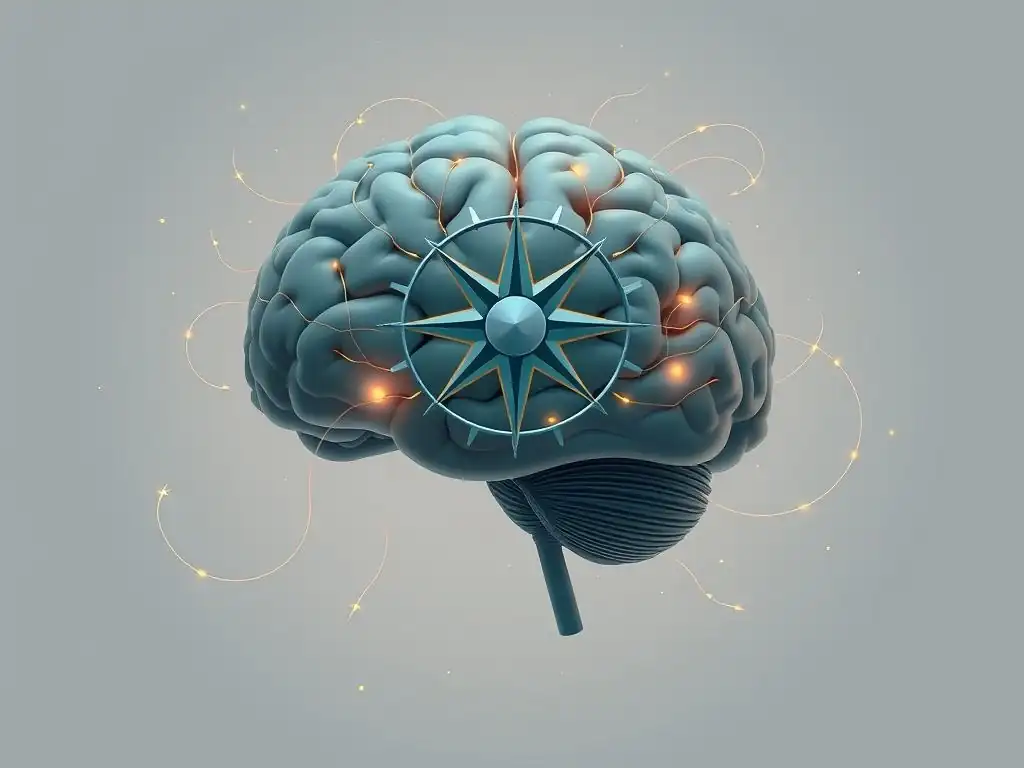
Ultimately, the power of the dopamine system lies in its ability to connect our actions to outcomes and drive us towards goals. By consciously aligning our pursuits with activities that provide natural, sustainable rewards, we can harness this system to build lasting habits, achieve significant milestones, and cultivate a deeper sense of purpose.
It's not just about chasing fleeting pleasures, but about utilizing the brain's reward circuitry to reinforce behaviors that contribute to our long-term well-being and fulfillment. This is where understanding dopamine rewards internal motivation becomes truly transformative.
Connecting Dopamine Rewards to Long-Term Goals
Achieving major life goals, like completing a degree, building a successful career, or running a marathon, requires sustained effort over extended periods. While the ultimate reward is distant, connecting the dopamine system to these long-term goals is possible by focusing on the process and celebrating intermediate milestones.
Breaking down large goals into smaller, actionable steps provides opportunities for regular "small wins," as discussed earlier. Each completed step triggers a dopamine release, reinforcing the path towards the final goal. Furthermore, visualizing the successful outcome and the positive feelings associated with achieving the goal can activate reward pathways, providing ongoing motivational fuel. By consciously associating the effort and progress with the desired future state, we strengthen the neural links that support persistence and consolidate dopamine rewards internal motivation.
Using Dopamine to Build Habits and Achieve Success
Habits are essentially automated behaviors that are triggered by specific cues and reinforced by rewards. The dopamine system plays a critical role in this habit formation loop. When a behavior is followed by a reward (a dopamine release), the brain strengthens the connection between the cue (e.g., seeing running shoes by the door) and the routine (going for a run).
To build positive habits that support success, identify clear cues for the desired behavior and ensure there's a subsequent reward, even a small one. This could be the feeling of accomplishment after exercising, the satisfaction of checking off a task, or a planned small treat after completing a challenging work block. Consistent repetition of this cue-routine-reward cycle, fueled by dopamine, solidifies the habit, making the desired behavior more automatic and requiring less conscious effort, thereby building robust dopamine rewards internal motivation.
Reframing Rewards: Finding Intrinsic Motivation in Everyday Life
While external rewards like money or praise can trigger dopamine release, focusing solely on these can sometimes lead to dissatisfaction. True, sustainable motivation often comes from intrinsic rewards – the satisfaction derived from the activity itself, such as the joy of learning, the flow state experienced during focused work, or the connection felt during social interaction.
Cultivating an appreciation for these intrinsic rewards can lead to a more resilient and fulfilling form of dopamine rewards internal motivation. Mindfulness practices, focusing on the present moment experience of an activity, can help highlight these internal rewards. Shifting focus from the outcome to the process itself allows the brain to find pleasure and reinforcement in the effort and engagement, leading to a deeper, more sustainable drive.
Horizontal Rule:
The brain is not static; it's constantly changing and adapting based on our experiences and behaviors – a property known as neuroplasticity. The dopamine system is intimately involved in this process, acting as a key signal that influences which neural connections are strengthened or weakened. This means we have the capacity to actively "rewire" our brains to enhance motivation and build healthier habits by consciously directing our attention and actions towards rewarding, positive pursuits.
Understanding neuroplasticity in the context of dopamine allows us to see motivation not just as a fixed trait, but as something that can be cultivated and strengthened through deliberate practice and reinforcement of desired behaviors, ultimately shaping our dopamine rewards internal motivation.
Understanding Neuroplasticity and Its Role in Motivation
Neuroplasticity refers to the brain's ability to reorganize itself by forming new neural connections throughout life. Every time we learn something new, practice a skill, or form a habit, the physical structure and function of our brain change. In relation to motivation, neuroplasticity allows us to learn new strategies for goal pursuit, adapt to changing circumstances, and strengthen the pathways associated with rewarding, productive behaviors.
The dopamine system facilitates this process by signaling the importance of certain experiences and actions. When a behavior leads to a positive outcome, the associated neural pathways are strengthened through mechanisms like Long-Term Potentiation (LTP), a process often modulated by dopamine. Conversely, lack of reinforcement or negative outcomes can weaken connections. This dynamic process of strengthening and weakening connections, guided by dopamine signals, is how the brain learns what is worth pursuing and builds the neural infrastructure for sustained dopamine rewards internal motivation.
Using Dopamine to Strengthen Positive Neural Pathways
We can intentionally leverage the dopamine system to strengthen the neural pathways associated with positive, healthy behaviors. This involves creating conditions where desired actions are reliably followed by a reward signal. As mentioned before, this can be achieved through achieving small wins, celebrating progress, or finding intrinsic satisfaction in the activity itself.
For example, if you want to build a reading habit, set a small goal (e.g., read for 15 minutes). After completing the 15 minutes, acknowledge your accomplishment and allow yourself to feel the satisfaction. This positive reinforcement, mediated by dopamine, strengthens the connection between the cue (e.g., sitting down with the book) and the behavior (reading), making it easier to repeat in the future. Consistently pairing desired behaviors with positive reinforcement actively rewires the brain, making those behaviors more appealing and automatic and boosting dopamine rewards internal motivation.
The Importance of Consistent Effort in Rewiring Your Brain
Rewiring the brain for enhanced motivation through neuroplasticity is not an overnight process. It requires consistent, repeated effort. Just as practicing a musical instrument or learning a new language requires regular practice to build proficiency, strengthening neural pathways for motivation requires consistently engaging in desired behaviors and reinforcing them.
Each repetition of the cue-routine-reward cycle reinforces the neural connections. Over time, these pathways become more robust, and the desired behaviors become more deeply ingrained. Even small, consistent efforts are more effective than sporadic large ones. This highlights that building strong dopamine rewards internal motivation is a skill that can be developed through persistent, mindful practice, leveraging the brain's natural capacity for change.
Frequently Asked Questions
What is dopamine's role in creating an internal compass?
Dopamine acts as a neurotransmitter, signaling to the brain which behaviors are rewarding and worth repeating. This forms the basis of our internal motivation system, guiding our choices.
How does the dopamine reward system influence our mental well-being?
The dopamine reward system is crucial for feeling pleasure and motivation. Imbalances can contribute to issues like depression and addiction, impacting overall mental well-being.
What is the relationship between "dopamine rewards" and "internal motivation"?
Dopamine release in response to rewarding experiences reinforces those behaviors. This reinforcement strengthens our internal drive to pursue similar activities, shaping our motivation.
Can we intentionally influence our dopamine levels to boost motivation?
Yes, engaging in healthy activities like exercise, mindfulness, and achieving small goals can naturally increase dopamine levels. Avoiding addictive substances is key to maintaining balance.
Mind Care Guide offers comprehensive information, support, and resources for understanding mental health challenges related to dopamine. You can find guidance on managing stress and promoting positive mental habits.
Final Reflection: Rewiring Your Internal Compass with Dopamine
Understanding the dopamine reward system is not just a neurological exercise; it's the key to unlocking our potential and building a life of purpose. The intricate dance between dopamine, reward anticipation, and subsequent action profoundly shapes our choices, habits, and overall well-being. Ignoring this powerful internal compass leaves us adrift, susceptible to external pressures and fleeting gratifications.
The impact of dopamine on our daily lives is undeniable, influencing everything from our work ethic to our relationships. It's the driving force behind our pursuit of goals, big and small, and the subtle satisfaction we derive from achieving them. Yet, understanding this system allows us to harness its power consciously, rather than being passively driven by it. The brain is a wonderful organ; it starts working the moment you get up in the morning and does not stop until you get to the office.
– Robert Frost (paraphrased to fit the context). This humorous quote highlights the constant, often unconscious, work of our dopamine system, shaping our experiences from the moment we wake.
Now, consider how you can consciously leverage this knowledge. What are your intrinsic rewards? What activities genuinely spark joy and a sense of accomplishment? By consciously aligning your actions with your internal compass, guided by the principles of dopamine reward, you can cultivate a life filled with purpose, motivation, and lasting satisfaction. Don't just react to external stimuli; actively shape your internal landscape, one rewarding experience at a time.
Unlock Your Inner Drive: Master Your Dopamine Compass
Thanks for exploring the fascinating world of dopamine and its influence on your choices! We hope you gained valuable insights into how this powerful neurotransmitter shapes your motivations and goals. Now it's time to put that knowledge into action.
- Craft your ideal reward system: Identify 3 activities that genuinely excite you and strategically integrate them into your daily routine as rewards for completing tasks. This will harness the power of dopamine to build positive habits.
- Share your "Aha!" moment: What surprising fact about dopamine resonated most with you? Let's discuss it in the comments below!
- Explore further: Dive deeper into the science of motivation by searching for "neuroplasticity" and "habit formation" online.
What small, rewarding step will you take today to better understand and utilize your dopamine system?