
Can We Reverse Environmental Damage to the Brain? Neuroplasticity and Mental Health

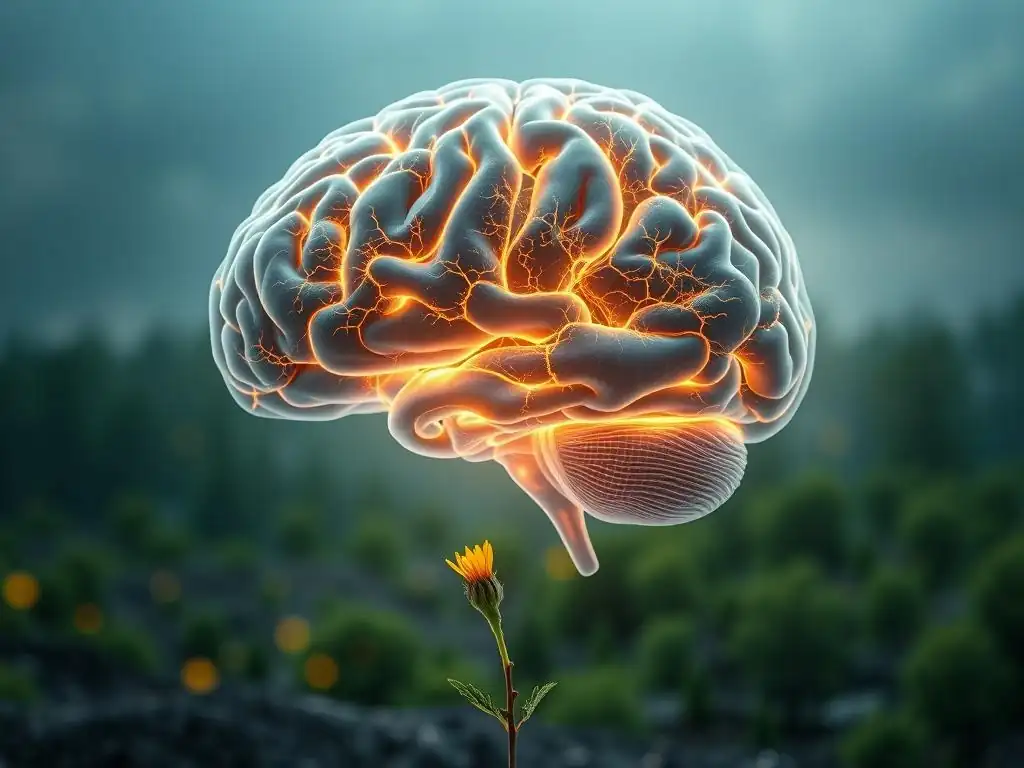
Welcome to Mind Care Guide, a space dedicated to nurturing your mental well-being.
Ever wondered if the challenges life throws your way leave permanent marks on your mind? Dive into our exploration of brain plasticity mental health recovery, and discover the remarkable potential your brain has to heal and adapt. It's time to understand how neuroscience offers hope and tangible strategies for reclaiming your mental health. What if the damage isn't permanent?
Can We Reverse Environmental Damage to the Brain? Neuroplasticity and Mental Health
- Understanding Environmental Impacts on Brain Health and Mental Well-being
- The Power of Neuroplasticity: Rewiring the Brain for Mental Health Recovery
- Environmental Factors and Specific Mental Health Conditions
- Strategies to Enhance Neuroplasticity and Promote Brain Health After Environmental Exposure
- Research and Future Directions in Neuroplasticity and Environmental Brain Damage
- Taking Control of Your Brain Health: Practical Steps for a Healthier Environment
-
Frequently Asked Questions
- What is neuroplasticity and how does it relate to mental health recovery?
- How does environmental damage impact mental well-being and what role does neuroplasticity play in reversing these effects?
- What are some practical strategies mentioned in the article, "Can We Reverse Environmental Damage to the Brain? Neuroplasticity and Mental Health," to leverage neuroplasticity for mental health improvement?
- Does the article suggest that neuroplasticity offers a complete cure for all mental health conditions caused by environmental damage?
- Where can I find more resources and support related to brain plasticity and mental health recovery, as suggested by Mind Care Guide?
- Final Reflection: Rewiring Hope: Neuroplasticity's Promise for Environmental Brain Damage
- Unleash Your Brain's Healing Power: Take Charge of Your Mental Wellbeing
Understanding Environmental Impacts on Brain Health and Mental Well-being
The Interplay Between Environment, Brain Function, and Mental Disorders
Our environment, encompassing everything from the air we breathe to the water we drink and the social interactions we experience, profoundly influences brain structure and function. This intricate relationship means that exposures to harmful substances or stressful conditions can disrupt neural pathways, alter neurotransmitter systems, and even change the physical architecture of the brain.
Such changes are not merely abstract concepts; they manifest in tangible ways, impacting cognitive abilities, emotional regulation, and behavior, and contributing significantly to the development or exacerbation of various mental health conditions. The brain, though resilient, is constantly interacting with its surroundings, and chronic negative environmental inputs can lead to persistent alterations that challenge its optimal performance and contribute to mental health struggles.
Research consistently demonstrates this link. For instance, studies tracking populations exposed to high levels of urban pollution or childhood lead paint have shown increased rates of anxiety, depression, ADHD, and even neurodegenerative diseases later in life. The developing brain is particularly vulnerable, but even the adult brain remains susceptible to environmental insults. Understanding this dynamic interplay is foundational to addressing mental health from a holistic perspective, recognizing that factors outside our immediate biology play a critical role in our psychological well-being and the potential for brain plasticity mental health recovery.
Defining Environmental Damage: What Impacts Brain Health?
Environmental damage to the brain refers to adverse changes in brain structure, chemistry, or function resulting from exposure to harmful external factors. These factors are diverse and can include chemical pollutants like heavy metals or pesticides, physical elements like noise or radiation, social stressors like chronic trauma or neglect, and even lifestyle factors like poor diet or lack of sleep, which are often influenced by our environment.
The impact can range from subtle cognitive deficits and mood disturbances to severe neurological impairments and psychiatric disorders. It's not just acute, high-level exposure that poses a risk; chronic, low-level exposure to multiple stressors can also accumulate over time, leading to significant cumulative damage.
Consider the impact of persistent noise pollution in urban areas. Studies have linked chronic exposure to elevated stress hormone levels, which can negatively affect areas of the brain involved in memory and emotion, like the hippocampus and amygdala. Similarly, living in areas with limited access to nutritious food (food deserts) can lead to dietary deficiencies that impair brain development and function. Defining environmental damage goes beyond just toxins; it encompasses any external factor that disrupts the delicate balance required for optimal brain health and contributes to challenges in brain plasticity mental health recovery.
Common Environmental Toxins and Their Effects on the Brain
Several environmental toxins are well-documented for their detrimental effects on brain health. Lead, for example, is a heavy metal historically found in paint and gasoline, and even low-level exposure, especially in children, can cause irreversible damage. It disrupts neurotransmitter systems, impairs synaptic plasticity, and is linked to reduced IQ scores, learning disabilities, and increased rates of behavioral problems such as aggression and impulsivity. Although lead exposure has decreased in many regions due to regulations, it remains a concern in older housing and certain industrial settings.
Another class of pervasive toxins is pesticides and herbicides used in agriculture and pest control. Organophosphate pesticides, for instance, are known neurotoxins that inhibit enzymes crucial for nerve signaling. Exposure has been associated with a range of neurological and psychiatric issues, including increased risk of ADHD in children and links to Parkinson's disease symptoms in adults. Air pollution, particularly fine particulate matter (PM2.5), is increasingly recognized as a neurotoxic agent.
These tiny particles can enter the bloodstream and potentially reach the brain, triggering inflammation and oxidative stress, which are implicated in cognitive decline, depression, and anxiety disorders. Research published in recent years has shown correlations between long-term exposure to high levels of PM2.5 and measurable reductions in brain volume in areas related to cognitive function. These examples highlight the widespread nature of environmental threats to brain health, emphasizing the need for strategies that promote brain plasticity mental health recovery.
The Power of Neuroplasticity: Rewiring the Brain for Mental Health Recovery
What is Neuroplasticity and How Does it Work?
Neuroplasticity is the remarkable ability of the brain to reorganize itself throughout life. This involves the formation of new neural connections, the strengthening or weakening of existing ones, and even the generation of new neurons in certain brain regions (neurogenesis). Far from being a static organ, the brain is dynamic, constantly adapting in response to experiences, learning, and environmental stimuli. This process occurs at multiple levels, from changes in individual synapses (synaptic plasticity) to alterations in the structure and function of entire brain regions.
How does it work? When we learn a new skill, recall a memory, or adapt to a change, specific neural pathways are activated. Repeated activation strengthens these connections, making them more efficient. Conversely, pathways that are used infrequently may weaken. This constant remodeling is driven by various factors, including neurotransmitters, growth factors like BDNF (Brain-Derived Neurotrophic Factor), and the electrical activity of neurons. This inherent flexibility provides the biological basis for learning, memory, and crucially, for recovery from injury or adverse environmental impacts, offering hope for brain plasticity mental health recovery.
Neuroplasticity's Role in Recovering from Environmental Brain Damage
Neuroplasticity plays a critical role in the brain's capacity to recover from the detrimental effects of environmental exposures. While some damage, particularly from acute, high-level toxin exposure or severe trauma during critical developmental periods, can be difficult or impossible to fully reverse, the brain's plastic nature allows for significant adaptation and compensation. This involves several mechanisms:
- Rewiring Around Damaged Areas: Healthy parts of the brain can take over functions previously performed by damaged regions by forming new connections.
- Strengthening Alternative Pathways: Existing, less-used neural circuits can be enhanced to compensate for impaired primary pathways.
- Neurogenesis: In areas like the hippocampus, new neurons can be generated and integrated into existing circuits, potentially restoring lost function.
- Synaptic Remodeling: The strength and number of connections between neurons can be altered to improve efficiency and bypass damaged connections.
For example, someone who experienced cognitive deficits due to lead exposure in childhood might, through targeted cognitive training and enriched environmental experiences, strengthen alternative neural networks to improve executive functions. While the initial damage might leave a lasting mark, the brain's plasticity allows for significant functional improvement and adaptation, supporting the process of brain plasticity mental health recovery.
Brain Plasticity: A Pathway to Mental Health Improvement
The concept of brain plasticity is not just about recovering from physical damage; it is fundamentally intertwined with mental health improvement and resilience. Many mental health conditions, such as depression, anxiety disorders, and PTSD, are associated with detectable changes in brain structure and function, including altered connectivity in mood regulation circuits (like those involving the prefrontal cortex and amygdala) and reduced volume in areas like the hippocampus. Brain plasticity offers a mechanism through which these changes can potentially be modified.
Therapies like Cognitive Behavioral Therapy (CBT), for instance, work by helping individuals identify and change negative thought patterns and behaviors. This process is believed to rely on neuroplasticity, literally rewiring the brain's response to certain stimuli and situations. Similarly, mindfulness practices have been shown to increase gray matter density in areas associated with self-awareness and emotion regulation. By engaging in activities and therapies that promote positive neuroplastic changes, individuals can strengthen neural circuits associated with resilience, emotional balance, and positive cognitive function, paving a concrete pathway toward brain plasticity mental health recovery.
Environmental Factors and Specific Mental Health Conditions

The Link Between Air Pollution and Cognitive Decline & Mental Health
The air we breathe has a more direct impact on our cognitive and mental health than previously understood. Research has established a significant link between exposure to air pollutants, particularly fine particulate matter (PM2.5) and nitrogen dioxide (NO2), and adverse neurological and psychological outcomes.
A comprehensive review in Environmental Health Perspectives summarized findings indicating that long-term exposure to PM2.5 is associated with an increased risk of developing depression and anxiety disorders. One large-scale study involving over 150,000 participants in the UK Biobank found that exposure to higher levels of air pollution was associated with a greater risk of developing depression and anxiety, even after accounting for socioeconomic factors.
Beyond mood disorders, air pollution is also implicated in cognitive decline and increased risk of dementia. Studies have shown that pollutants can induce neuroinflammation and oxidative stress in the brain, processes known to contribute to neurodegenerative pathways.
For instance, research has found that older adults living in areas with higher levels of traffic-related air pollution exhibit faster rates of cognitive decline and have a higher incidence of dementia compared to those in less polluted areas. These findings underscore the urgent need to consider air quality as a critical environmental factor influencing brain health and the potential for brain plasticity mental health recovery.
Heavy Metals and Neurodevelopmental Disorders: A Neuroplasticity Perspective
Heavy metals such as lead, mercury, arsenic, and cadmium are potent neurotoxins, and exposure during critical periods of brain development can have profound and lasting impacts, often contributing to neurodevelopmental disorders. Lead exposure in early childhood is a classic example, known to disrupt synaptic pruning and myelination, crucial processes for healthy brain wiring. Even low-level exposure has been linked to reduced cognitive function, lower IQ scores (with estimated average decreases of 3-5 points in affected populations), attention deficits, and increased rates of behavioral problems characteristic of ADHD and conduct disorder.
Mercury, particularly in its organic form, methylmercury (often found in contaminated fish), is another significant concern. Prenatal exposure to methylmercury can impair neuronal migration and differentiation, leading to developmental delays, cognitive impairments, and symptoms resembling autism spectrum disorder.
While neuroplasticity offers hope for functional recovery, the extent of damage caused by heavy metals during development can be substantial, making early identification and prevention paramount. However, therapeutic interventions leveraging brain plasticity, such as intensive behavioral therapies, can help individuals build compensatory skills and improve outcomes, demonstrating the relevance of brain plasticity mental health recovery even in cases of early environmental insult.
Pesticide Exposure and its Impact on Brain Function and Mental Health
Exposure to pesticides, commonly used in agriculture and residential settings, has been linked to a range of neurological and psychiatric issues. Organophosphate pesticides, which work by inhibiting acetylcholinesterase, an enzyme essential for nerve signal transmission, are particularly concerning. Chronic or acute exposure can lead to symptoms ranging from headaches and dizziness to more severe neurological effects like tremors and seizures. Epidemiological studies have associated occupational exposure among farmworkers with increased risks of depression and anxiety disorders.
Furthermore, research suggests a link between pesticide exposure, especially during critical developmental windows, and neurodevelopmental conditions. Studies have indicated that prenatal exposure to certain organophosphate pesticides may be associated with an increased risk of ADHD and autism spectrum disorder in children. While direct causal links are complex to establish, the evidence points towards pesticides as significant environmental disruptors of brain function. Understanding these links is crucial for developing strategies, including those that harness brain plasticity, to mitigate their impact and support brain plasticity mental health recovery in affected individuals.
Strategies to Enhance Neuroplasticity and Promote Brain Health After Environmental Exposure
Lifestyle Modifications for Brain Health and Mental Wellness
Adopting healthy lifestyle habits is a cornerstone for promoting brain plasticity and supporting recovery from environmental damage. These choices directly influence the brain's ability to adapt, repair, and build resilience. Focusing on nutrition, physical activity, and sleep hygiene can create an optimal environment for neural growth and connectivity. These are not passive measures but active steps that empower individuals in their journey toward brain plasticity mental health recovery.
The Importance of Diet and Nutrition for Brain Plasticity
Nutrition plays a vital role in brain health. The brain requires a steady supply of specific nutrients to function optimally and support neuroplasticity. Diets rich in omega-3 fatty acids (found in fatty fish, flaxseeds), antioxidants (found in colorful fruits and vegetables), B vitamins, and minerals like zinc and magnesium are associated with better cognitive function and mental health outcomes.
The Mediterranean diet, characterized by high intake of fruits, vegetables, whole grains, nuts, seeds, olive oil, and fish, has been linked in numerous studies to a reduced risk of cognitive decline and depression. Conversely, diets high in saturated fats, sugar, and processed foods can promote inflammation, which is detrimental to brain health and impairs neuroplastic processes. Ensuring adequate hydration is also critical, as dehydration can negatively impact cognitive function.
Exercise and its Positive Effects on Brain Function and Mental Health
Regular physical exercise is one of the most powerful promoters of neuroplasticity. Aerobic exercise, in particular, increases blood flow to the brain, delivering oxygen and nutrients essential for neuronal health. It also stimulates the production of neurotrophic factors like BDNF, which is crucial for neurogenesis (the birth of new neurons) and the growth and survival of existing neurons.
Studies have shown that regular exercise can increase the size of the hippocampus, a brain region vital for memory and learning, and improve executive functions like planning and problem-solving. Furthermore, exercise is a potent mood booster, reducing symptoms of anxiety and depression, likely through the release of endorphins and its positive effects on neurotransmitter systems. Aiming for at least 150 minutes of moderate-intensity aerobic exercise per week, as recommended by health guidelines, can significantly support brain plasticity mental health recovery.
Sleep Hygiene and its Role in Neuro Recovery
Sufficient, quality sleep is non-negotiable for brain health and plasticity. During sleep, the brain is not merely resting; it is actively engaged in crucial processes including memory consolidation, synaptic pruning (trimming weaker connections to strengthen important ones), and clearing metabolic waste products (via the glymphatic system). Chronic sleep deprivation impairs these processes, leading to reduced cognitive function, impaired emotional regulation, and increased vulnerability to stress and mental health issues.
Establishing a regular sleep schedule, creating a dark and quiet sleep environment, and avoiding stimulants before bed are key components of good sleep hygiene. Prioritizing 7-9 hours of quality sleep per night provides the brain with the necessary time and resources to undergo essential repair and reorganization, vital for supporting brain plasticity mental health recovery.
Therapeutic Interventions to Stimulate Neuroplasticity
Beyond lifestyle, specific therapeutic interventions can be employed to directly stimulate neuroplasticity and facilitate recovery from environmental impacts or mental health challenges. These approaches often involve targeted cognitive or behavioral training designed to promote beneficial changes in brain activity and structure.
Cognitive Behavioral Therapy (CBT) and Brain Rewiring
Cognitive Behavioral Therapy (CBT) is a widely effective psychotherapy that operates, in part, by leveraging the principles of neuroplasticity. CBT helps individuals identify and challenge negative or irrational thought patterns and replace them with more realistic and positive ones. By practicing new ways of thinking and behaving in response to triggering situations, individuals are essentially retraining their brains.
This repeated practice of new cognitive and behavioral strategies strengthens the neural pathways associated with these healthier responses and weakens those linked to maladaptive patterns. Functional MRI studies have shown that successful CBT treatment for conditions like depression or anxiety is often accompanied by measurable changes in brain activity and connectivity in regions involved in emotion regulation, demonstrating how talk therapy can induce tangible neuroplastic changes essential for brain plasticity mental health recovery.
Neurofeedback and Brain Activity Regulation
Neurofeedback is a type of biofeedback that allows individuals to see their brainwave activity in real-time and learn to alter it. By providing visual or auditory feedback based on specific brainwave patterns (e.g., increasing alpha waves for relaxation, decreasing theta waves for focus), neurofeedback training helps individuals gain conscious control over their brain states. This targeted training is believed to promote neuroplastic changes by reinforcing desired patterns of neural activity.
Neurofeedback has been explored as a therapeutic tool for conditions like ADHD, anxiety, and PTSD, where dysregulated brain activity is often observed. While more research is needed, it offers a promising avenue for directly influencing brain function and supporting the brain's capacity for self-regulation and recovery.
Mindfulness Meditation and its Impact on Brain Structure
Mindfulness meditation, a practice involving focused attention and non-judgmental awareness of the present moment, has been shown to induce significant neuroplastic changes. Regular mindfulness practice has been associated with structural changes in the brain, including increased gray matter density in areas like the prefrontal cortex (involved in attention, decision-making) and the hippocampus (memory, learning), and decreased gray matter density in the amygdala (involved in fear and stress responses).
Functionally, mindfulness practice can improve attention control, emotion regulation, and self-awareness. By training the mind to be more present and less reactive to stressors, mindfulness cultivates neural pathways associated with calm and resilience, offering a powerful tool for enhancing brain health and promoting brain plasticity mental health recovery, particularly in the face of environmental stress.
The Role of Supplements in Supporting Brain Plasticity and Mental Health
While lifestyle and therapy are primary drivers of neuroplasticity, certain nutritional supplements may offer supportive benefits for brain health and resilience, especially when dietary intake is insufficient or specific needs arise.
Omega-3 Fatty Acids and Brain Health
Omega-3 fatty acids, particularly DHA (docosahexaenoic acid) and EPA (eicosapentaenoic acid), are critical components of brain cell membranes and play vital roles in neuronal function, synaptic plasticity, and reducing inflammation. They are essential for both brain development and maintenance throughout life. Research suggests that adequate intake of omega-3s is associated with a lower risk of depression and cognitive decline.
Supplementation has shown some promise in improving mood symptoms in individuals with mild to moderate depression and supporting cognitive function. While supplementation should not replace a healthy diet rich in omega-3s, it can be a valuable tool for ensuring the brain has the necessary building blocks for optimal function and plasticity, contributing to brain plasticity mental health recovery.
Curcumin and its Neuroprotective Effects
Curcumin, the active compound in turmeric, is a potent antioxidant and anti-inflammatory agent that has garnered attention for its potential neuroprotective effects. Studies suggest that curcumin can cross the blood-brain barrier and exert beneficial effects on brain health. It has been shown to promote neurogenesis in animal models and may help protect neurons from damage caused by oxidative stress and inflammation, processes often triggered by environmental toxins.
Some human studies suggest curcumin supplementation may improve mood and cognitive function, although more large-scale research is needed. As a natural compound with a strong safety profile, curcumin holds potential as a supportive supplement for enhancing brain resilience and potentially aiding brain plasticity mental health recovery.
Research and Future Directions in Neuroplasticity and Environmental Brain Damage

Emerging Therapies for Reversing Environmental Damage to the Brain
The growing understanding of neuroplasticity is fueling the development of novel therapies aimed at reversing or mitigating the effects of environmental brain damage. Researchers are exploring approaches such as transcranial magnetic stimulation (TMS) and transcranial direct current stimulation (tDCS), non-invasive brain stimulation techniques that can modulate neural activity and promote synaptic plasticity in targeted brain regions. While primarily used for conditions like depression and OCD, their potential application in addressing environmentally induced neural dysfunction is an active area of investigation.
Furthermore, research into growth factors like BDNF and their delivery mechanisms (e.g., through gene therapy or specialized drug compounds) holds promise for directly stimulating neurogenesis and synaptogenesis. Stem cell therapy is also being explored, though it is still largely experimental for neurological conditions. These emerging therapies represent the cutting edge of leveraging brain plasticity to restore function and promote recovery following environmental insults.
The Importance of Early Intervention in Mitigating Environmental Impacts
Evidence consistently highlights the critical importance of early intervention, particularly when environmental exposures occur during sensitive periods of brain development in childhood. The developing brain is highly plastic but also uniquely vulnerable to disruption. Identifying and reducing exposure to toxins like lead or mercury in early life can prevent significant and potentially irreversible damage. Screening for exposure in at-risk populations and implementing public health measures to clean up contaminated environments are crucial preventative steps.
When exposure has occurred, early therapeutic interventions, such as targeted educational support, behavioral therapy, and nutritional interventions, can capitalize on the young brain's higher degree of plasticity to build compensatory skills and promote alternative neural pathways. Studies on children with early lead exposure, for example, show that those who receive early educational and environmental enrichment interventions often exhibit better long-term outcomes compared to those who do not. This underscores that while brain plasticity offers lifelong potential for brain plasticity mental health recovery, intervening early maximizes the chances of mitigating the worst impacts of environmental damage.
Future Research: Unlocking the Full Potential of Neuroplasticity for Mental Health Recovery
Future research is focused on gaining a deeper understanding of the specific mechanisms by which environmental factors influence neuroplasticity and identifying more precise ways to harness this capacity for recovery. Key areas of investigation include:
- Biomarkers: Identifying biomarkers that can detect early signs of environmental brain damage and predict an individual's capacity for neuroplastic recovery.
- Personalized Interventions: Developing personalized therapeutic strategies based on an individual's specific exposure history, genetic predispositions, and unique patterns of neural dysfunction.
- Combination Therapies: Exploring the synergistic effects of combining different interventions, such as exercise, nutrition, and targeted cognitive training or brain stimulation, to optimize neuroplastic gains.
- Environmental Justice: Research into how disparities in environmental exposures contribute to mental health inequities and developing targeted interventions for vulnerable populations.
The goal is to move beyond simply understanding the problem to developing highly effective, evidence-based strategies that maximize the brain's inherent ability to heal and adapt, truly unlocking the full potential of brain plasticity mental health recovery in the face of environmental challenges.
Taking Control of Your Brain Health: Practical Steps for a Healthier Environment
Minimizing Exposure to Environmental Toxins in Daily Life
Taking proactive steps to reduce your exposure to environmental toxins is a critical component of protecting brain health. While complete avoidance is often impossible, significant reductions are achievable through conscious choices.
- [ ] Filter your tap water to remove potential contaminants like lead or pesticides.
- [ ] Improve indoor air quality by using air purifiers with HEPA filters and ensuring adequate ventilation.
- [ ] Choose cleaning products and personal care items that are free from harsh chemicals and fragrances.
- [ ] Wash fruits and vegetables thoroughly to reduce pesticide residues, and consider choosing organic options when possible, especially for produce with thin skins.
- [ ] Be mindful of potential lead sources in older homes (paint, pipes) and take precautions during renovations.
- [ ] Reduce consumption of high-mercury fish (e.g., shark, swordfish) and follow local advisories for fish consumption.
Creating a Brain-Healthy Environment at Home and Work
Beyond avoiding toxins, actively cultivating an environment that supports brain health is beneficial. This involves creating spaces that promote calm, focus, and positive social interaction.
- [ ] Incorporate plants into your living and workspaces, as they can help improve air quality and reduce stress.
- [ ] Minimize exposure to excessive noise, using earplugs or noise-canceling headphones in loud environments.
- [ ] Ensure adequate natural light exposure during the day and minimize blue light exposure from screens in the evening to support healthy sleep cycles.
- [ ] Organize your physical space to reduce clutter, which can decrease mental load and improve focus.
- [ ] Foster positive social connections with family, friends, and colleagues, as strong social support networks are linked to better mental health and resilience.
- [ ] Dedicate space and time for relaxation, hobbies, and activities that bring joy and reduce stress.
If you suspect that environmental exposures may be impacting your mental health or contributing to cognitive difficulties, seeking professional help is essential. Healthcare providers, including doctors, neurologists, psychologists, and environmental health specialists, can help assess potential exposures, evaluate symptoms, and recommend appropriate interventions.
- [ ] Consult with a doctor about any potential environmental exposures you are concerned about and discuss your symptoms.
- [ ] Seek a mental health professional (therapist, counselor, psychiatrist) if you are experiencing symptoms of anxiety, depression, cognitive changes, or other mental health challenges. They can provide diagnosis, therapy (like CBT), and support.
- [ ] Consider consulting an environmental health specialist or toxicologist if you have known exposure to specific toxins to understand the potential health implications and mitigation strategies.
- [ ] Discuss lifestyle modifications and potential supplements with your healthcare provider to ensure they are appropriate for your individual needs and health status.
Remember, you don't have to navigate these challenges alone. Professional guidance can provide tailored strategies and support to enhance your brain health and promote brain plasticity mental health recovery.
Frequently Asked Questions
What is neuroplasticity and how does it relate to mental health recovery?
Neuroplasticity is the brain's ability to reorganize itself by forming new neural connections throughout life. This brain plasticity is crucial for mental health recovery because it allows the brain to adapt and heal from environmental damage and trauma.
How does environmental damage impact mental well-being and what role does neuroplasticity play in reversing these effects?
Environmental damage, such as stress or poor nutrition, can negatively affect brain structure and function, leading to mental health challenges. Neuroplasticity offers hope by allowing the brain to rewire and recover from these detrimental effects.
What are some practical strategies mentioned in the article, "Can We Reverse Environmental Damage to the Brain? Neuroplasticity and Mental Health," to leverage neuroplasticity for mental health improvement?
Strategies include engaging in cognitive training, practicing mindfulness, and adopting healthy lifestyle habits like exercise and a balanced diet. These activities stimulate neuroplastic changes that can improve mental well-being.
Does the article suggest that neuroplasticity offers a complete cure for all mental health conditions caused by environmental damage?
No, while neuroplasticity offers significant potential for recovery, it's often part of a comprehensive treatment plan. It's not a guaranteed cure and may require professional support like therapy or medication.
Mind Care Guide offers various informational articles, support groups, and resources related to mental well-being. You can find more information on their website dedicated to mental health challenges.
Final Reflection: Rewiring Hope: Neuroplasticity's Promise for Environmental Brain Damage
The devastating impact of environmental toxins on brain health is a stark reality, but the emerging field of neuroplasticity offers a beacon of hope. Understanding how our brains can adapt and rewire themselves presents a powerful opportunity to mitigate the damage caused by pollution, trauma, and other environmental stressors, paving the way for meaningful mental health recovery. This is not merely a scientific pursuit; it's a crucial step towards building a healthier future for all.
The exploration of neuroplasticity's role in environmental brain damage recovery has profoundly shifted my understanding of resilience and the human spirit. It's a testament to the incredible adaptability of the brain, a capacity that offers hope even in the face of significant adversity. The brain is the ultimate learning machine. It can change, adapt, and grow throughout our lives.
This quote encapsulates the core message of this article: we are not prisoners of our past environmental exposures; we have the potential to reshape our neural pathways and improve our mental well-being. The ongoing research in this field is not just about scientific advancement; it's about empowering individuals and communities to take control of their mental health outcomes.
Consider the implications of this research for your own life. Are you actively engaging in practices that support brain health, such as mindfulness, exercise, and a healthy diet? Do you advocate for policies that protect our environment and reduce exposure to harmful toxins?
The journey towards mental well-being is a personal one, but it's also a collective responsibility. By understanding the power of neuroplasticity and actively working to create a healthier environment, both for ourselves and for future generations, we can collectively cultivate a world where mental health thrives. Let this knowledge inspire you to take action, to advocate for change, and to embrace the remarkable capacity of the human brain to heal and grow.
Unleash Your Brain's Healing Power: Take Charge of Your Mental Wellbeing
Thanks for taking the time to explore the fascinating world of neuroplasticity and its impact on mental health! You've gained valuable insights into how our brains can adapt and heal. Now, let's put that knowledge into action.
- Prioritize a brain-boosting lifestyle: Commit to incorporating just one new healthy habit this week – whether it's mindful meditation, regular exercise, or a nutritious dietary change. Small steps make a big difference!
- Share your newfound knowledge: Discuss the power of neuroplasticity with friends and family. You might inspire someone to embark on their own journey to better mental wellbeing.
- Explore further: Dive deeper into specific techniques mentioned in the article (e.g., mindfulness exercises, cognitive behavioral strategies) by researching relevant resources online.
Ready to nurture your brain's incredible capacity for change? What small step will you take today to improve your mental wellbeing?