
DNA Methylation: The Key Switch for Gene Expression in Mental Health


Welcome to Mind Care Guide, a space dedicated to nurturing your mental well-being.
Feeling lost in the complexities of mental health? You're not alone. We're here to illuminate a path towards understanding, starting with a fascinating area of research: DNA methylation. Could this be the key to unlocking a deeper understanding of mental well-being? Join us as we delve into the groundbreaking science behind DNA methylation mental health support and explore its potential impact on your journey to a healthier mind. Intrigued? Read on to discover the groundbreaking connection!
DNA Methylation: The Key Switch for Gene Expression in Mental Health - Mind Care Guide
- Understanding DNA Methylation and its Role in Mental Health
- The Link Between DNA Methylation and Mental Health Disorders
- DNA Methylation as a Target for Mental Health Support and Treatment
- Practical Implications of DNA Methylation Research for Mental Health Support
- Conclusion: DNA Methylation as a Crucial Factor in Mental Health - A Path Forward
-
Frequently Asked Questions
- What exactly is DNA methylation, and how does it relate to mental health?
- How does DNA methylation affect gene expression in the context of mental well-being?
- Can DNA methylation patterns be influenced by environmental factors, and if so, how might this impact mental health?
- Is DNA methylation a potential target for mental health therapies, and what would that look like?
- Where can I find reliable DNA methylation mental health support resources?
- Final Reflection: Unlocking the Secrets of Mental Health Through Epigenetics
- Unlock Your Mental Wellness: Take Control of Your Genes
Understanding DNA Methylation and its Role in Mental Health
What is DNA Methylation? A Primer on Epigenetics
DNA methylation is a fundamental epigenetic mechanism, meaning it's a change that affects gene activity without altering the underlying DNA sequence itself. Think of it as a molecular "switch" or "dimmer" attached to the DNA molecule.
Specifically, it involves the addition of a methyl group (a small chemical tag consisting of one carbon atom bonded to three hydrogen atoms) to a cytosine base that is followed by a guanine base in a DNA strand (often referred to as a CpG site). These CpG sites are not uniformly distributed across the genome but are often clustered in regions called CpG islands, which are frequently found near the start of genes.
When methylation occurs in a gene's promoter region (the area that controls whether the gene is turned on or off), it typically leads to gene silencing or reduced expression. This is because the methyl group can physically block proteins that are needed to initiate transcription (the process of copying DNA into RNA), or it can attract other proteins that further compact the DNA structure, making it inaccessible.
Conversely, demethylation (removal of the methyl group) in a promoter region is often associated with increased gene expression. This dynamic process of adding and removing methyl groups is crucial for normal development and cellular function, but disruptions can have significant consequences, particularly in the complex environment of the brain.
The Central Dogma of Biology and Gene Expression
The central dogma of molecular biology describes the flow of genetic information within a biological system. It states that information typically flows from DNA to RNA to protein. DNA contains the instructions for building and maintaining an organism. These instructions are transcribed into messenger RNA (mRNA) molecules, which then serve as templates for the synthesis of proteins. Proteins are the workhorses of the cell, carrying out a vast array of functions necessary for life, from building tissues to catalyzing biochemical reactions and transmitting signals.
Gene expression is the process by which the information encoded in a gene is used to create a functional product, usually a protein. This process is tightly regulated, ensuring that the right genes are turned on or off at the right time and in the right cells.
While the DNA sequence itself provides the blueprint, the level of gene expression is influenced by a complex interplay of factors, including transcription factors, non-coding RNAs, and crucially, epigenetic modifications like DNA methylation. Variations in gene expression can lead to differences in cellular function, development, and ultimately, contribute to health or disease states, including those affecting mental well-being.
How DNA Methylation Acts as an Epigenetic Modifier
DNA methylation is one of the best-studied epigenetic mechanisms that directly impacts gene expression without changing the underlying genetic code. By adding or removing methyl groups, cells can control which genes are accessible for transcription and which are not. This is particularly important during development, where different cell types need to express different sets of genes despite having the same DNA sequence. For example, brain cells express a different set of genes than liver cells, a distinction partly regulated by unique DNA methylation patterns.
In the context of mental health, DNA methylation plays a critical role in shaping neuronal function and connectivity. Studies have shown that methylation patterns can change in response to environmental stimuli, such as stress or early life experiences. These changes can then persist, affecting the long-term expression of genes involved in neurotransmitter systems, stress response pathways, and synaptic plasticity.
Aberrant methylation patterns have been observed in post-mortem brain tissue and peripheral blood samples from individuals with various mental health conditions, suggesting that these epigenetic marks could contribute to the development and maintenance of these disorders. Understanding these patterns is key to developing effective DNA methylation mental health support strategies.
The Link Between DNA Methylation and Mental Health Disorders

DNA Methylation and its Influence on Brain Development
Brain development is a remarkably complex process that involves the precise timing and spatial control of gene expression. From the initial formation of neural tubes to the intricate wiring of neuronal circuits, every step relies on genes being activated and silenced in a highly coordinated manner. DNA methylation is a crucial player in this developmental symphony. For instance, during embryonic development, widespread epigenetic reprogramming occurs, including changes in methylation patterns that are essential for cell differentiation and the establishment of distinct cell lineages, including neurons and glial cells.
Specific genes involved in neurogenesis (the birth of new neurons), neuronal migration, synapse formation, and myelination are known to be regulated by DNA methylation. For example, studies in animal models and human post-mortem brain tissue have highlighted the role of methylation in regulating genes like BDNF (Brain-Derived Neurotrophic Factor), which is vital for neuronal survival, growth, and plasticity. Alterations in the methylation status of BDNF and other critical neurodevelopmental genes during critical periods of brain development can lead to lasting changes in brain structure and function, potentially increasing vulnerability to mental health disorders later in life.
Specific Mental Health Conditions Linked to Aberrant DNA Methylation Patterns
A growing body of research indicates that deviations from normal DNA methylation patterns are associated with a range of mental health conditions. These epigenetic alterations can affect genes involved in various pathways relevant to brain function, such as neurotransmitter signaling, stress response, and immune function. While the field is still evolving, studies often identify specific genes or sets of genes with altered methylation in individuals diagnosed with these disorders compared to control groups.
It's important to note that altered DNA methylation is not typically seen as the sole cause of a mental health disorder but rather as a contributing factor, often interacting with genetic predisposition and environmental exposures. The complexity lies in the fact that methylation patterns can vary across different brain regions and cell types, and research often relies on accessible tissues like blood, where the patterns may not perfectly mirror those in the brain. Nevertheless, the consistent findings across multiple studies provide strong evidence for the involvement of epigenetic dysregulation.
DNA Methylation in Schizophrenia: Current Research
Research into DNA methylation in schizophrenia has revealed complex and sometimes contradictory findings, reflecting the heterogeneity of the disorder. However, several genes involved in neuronal development, synaptic function, and neurotransmitter signaling have been implicated. One area of focus has been genes related to GABAergic (gamma-aminobutyric acid) interneurons, which are crucial for regulating brain activity. For example, studies have reported altered methylation of the GAD1 gene (which codes for an enzyme that synthesizes GABA) in the prefrontal cortex of individuals with schizophrenia, potentially contributing to observed deficits in inhibitory neurotransmission.
Another gene frequently studied is RELN (Reelin), involved in neuronal migration and synaptic plasticity. Altered methylation patterns, often hypermethylation leading to reduced RELN expression, have been observed in post-mortem brain samples. While findings vary between studies and brain regions, these examples illustrate how epigenetic changes could disrupt fundamental brain processes linked to schizophrenia symptoms. The hope is that understanding these specific methylation patterns could eventually lead to more targeted DNA methylation mental health support strategies.
DNA Methylation and Depression: Exploring the Connection
Major depressive disorder is another condition where DNA methylation has been extensively studied. Research suggests that stress-related genes, particularly those involved in the hypothalamic-pituitary-adrenal (HPA) axis (the body's primary stress response system), are susceptible to epigenetic modification in the context of depression. A widely cited example is the NR3C1 gene, which codes for the glucocorticoid receptor. Studies have shown that early life adversity, a known risk factor for depression, can lead to increased methylation of the NR3C1 promoter region, potentially impairing the HPA axis's ability to regulate stress hormones effectively.
Beyond stress response genes, studies have also identified altered methylation in genes involved in monoamine neurotransmitter systems (like serotonin and dopamine) and neurotrophic factors like BDNF. For instance, some studies report decreased methylation of BDNF in certain brain regions, while others find increased methylation, highlighting the complexity and potential regional specificity of these changes in depression. These findings underscore the potential for epigenetic markers to reflect the impact of life experiences on brain function and contribute to the development of depression.
DNA Methylation and Anxiety Disorders: What the Data Shows
Anxiety disorders, including generalized anxiety disorder, panic disorder, and phobias, also show links to altered DNA methylation patterns, often overlapping with findings in depression due to shared biological pathways like the stress response. Research has pointed to epigenetic changes in genes involved in fear conditioning and extinction, processes critical for regulating anxiety. For example, studies in both humans and animal models have investigated methylation changes in genes within the amygdala, a brain region central to processing fear and anxiety.
Similar to depression research, the NR3C1 gene and others involved in the HPA axis are frequently implicated in anxiety disorders, particularly when linked to stress or trauma exposure. Studies have also explored genes related to serotonin and GABA signaling. While the data is still accumulating and specific epigenetic signatures for different anxiety subtypes are being investigated, the consistent observation of altered methylation in stress-related and fear-circuitry genes provides a biological basis for understanding how environmental factors and life events might contribute to the susceptibility or maintenance of anxiety.
DNA Methylation and PTSD: Epigenetic Marks of Trauma
Post-traumatic stress disorder (PTSD) is perhaps one of the most compelling examples of how environmental trauma can leave epigenetic marks on the genome, influencing mental health. Exposure to severe trauma is the precipitating event for PTSD, and research strongly suggests that lasting changes in DNA methylation contribute to the persistent symptoms. Key genes implicated include NR3C1 (glucocorticoid receptor), FKBP5 (a protein involved in glucocorticoid receptor sensitivity), and genes involved in immune and inflammatory responses.
A landmark study on Holocaust survivors and their offspring provided compelling evidence for intergenerational epigenetic transmission related to trauma. The study found methylation differences in the NR3C1 gene in both survivors who developed PTSD and their children, suggesting that trauma-induced epigenetic changes could potentially be passed down.
While the mechanisms of intergenerational inheritance are still debated, studies on FKBP5 have shown that specific methylation patterns in this gene are associated with increased risk for PTSD following trauma exposure and altered stress hormone regulation. These findings highlight the potential for epigenetic research to provide deeper insights into the biological impact of trauma and guide DNA methylation mental health support.
The Role of Environmental Factors in Modulating DNA Methylation in Mental Health
While genetics provides the initial blueprint, environmental factors act as powerful modulators of our epigenome, including DNA methylation. Our experiences, exposures, and lifestyle choices throughout life can influence where and when methyl groups are added or removed from our DNA. This dynamic interaction between genes and environment, mediated by epigenetics, is particularly relevant to mental health, as many psychiatric conditions are known to be influenced by both genetic predisposition and environmental stressors or protective factors.
Understanding how factors like diet, stress, toxins, and social interactions impact DNA methylation is crucial. These environmental influences don't change the letters of our genetic code, but they can change how those letters are read and interpreted by the cell, thereby altering gene expression and ultimately affecting brain function and behavior. This plasticity of the epigenome offers potential avenues for intervention, suggesting that positive environmental changes or specific therapies could potentially modify methylation patterns to support mental well-being.
Diet and DNA Methylation in Mental Well-being
Diet is a significant environmental factor that can influence DNA methylation, as nutrients provide the building blocks for methylation reactions. Key nutrients involved include B vitamins (like folate, B12, and B6), methionine, and choline, which are precursors for S-adenosylmethionine (SAM), the primary methyl group donor in the body. Deficiencies or excesses of these nutrients can affect the availability of methyl groups and thus impact methylation patterns across the genome, including in genes relevant to brain function.
Studies suggest that diets rich in methyl-donating nutrients, such as leafy greens, legumes, nuts, and seeds, may support healthy methylation processes. Conversely, diets lacking these nutrients or high in processed foods might negatively impact the epigenome. While direct links between specific dietary patterns, methylation changes, and mental health outcomes are still being actively researched, the established biochemical pathways highlight the potential for nutritional interventions to influence epigenetic landscapes and contribute to overall brain health and potentially support mental well-being.
Stress and its Impact on DNA Methylation Patterns
Stress, particularly chronic or severe stress, is a potent environmental factor known to induce changes in DNA methylation. The body's stress response system involves the release of hormones like cortisol, and these hormones can directly or indirectly influence the activity of enzymes that add or remove methyl groups from DNA. As mentioned earlier, genes involved in the stress response itself, such as NR3C1 and FKBP5, are particularly vulnerable to stress-induced methylation changes.
The timing and duration of stress exposure are critical. Early life stress, such as childhood maltreatment or neglect, has been shown to have profound and lasting effects on DNA methylation patterns, especially in genes related to stress reactivity and emotional regulation. These enduring epigenetic marks are thought to contribute to increased vulnerability to stress-related mental health conditions like depression, anxiety, and PTSD later in life. Even acute stress can induce temporary methylation changes, suggesting a dynamic interplay between our experiences and our epigenome.
The Influence of Early Life Experiences on DNA Methylation
The period from conception through early childhood is a critical window during which the brain is rapidly developing, and it is particularly sensitive to environmental influences, including those that shape the epigenome. Early life experiences, ranging from maternal nutrition and stress during pregnancy to parental care and adverse childhood experiences (ACEs) like abuse or neglect, can leave lasting epigenetic marks, including changes in DNA methylation.
Research using both human cohorts and animal models has demonstrated that variations in maternal care, for example, can lead to persistent differences in methylation of stress-related genes in offspring, affecting their stress reactivity and behavior throughout life. These findings underscore the profound impact of the early social and physical environment on shaping the developing brain via epigenetic mechanisms. Understanding these early-life epigenetic vulnerabilities is vital for developing preventative strategies and early intervention programs focused on DNA methylation mental health support.
DNA Methylation as a Target for Mental Health Support and Treatment
The discovery that DNA methylation patterns are dynamic and can be influenced by environmental factors and even potentially by therapeutic interventions opens up exciting new possibilities for mental health support and treatment. Unlike the fixed nature of our genetic code, the epigenome represents a layer of biological information that is potentially modifiable. This suggests that it might be possible to develop treatments that aim to correct aberrant methylation patterns associated with mental health disorders.
Current research is exploring various approaches, from pharmacological agents that directly or indirectly affect methylation enzymes to lifestyle interventions that are known to influence epigenetic marks. While epigenetic therapies specifically for mental health are still largely in the experimental stages, the field is rapidly advancing. The potential to target the underlying epigenetic dysregulation offers hope for more personalized and effective treatments in the future, moving beyond simply managing symptoms.
Can DNA Methylation be Reversed? Exploring Therapeutic Potential
Yes, DNA methylation is a reversible process. Enzymes called DNA methyltransferases (DNMTs) are responsible for adding methyl groups, while other enzymes, such as those in the TET (Ten-Eleven Translocation) family, are involved in removing them or initiating demethylation pathways. The balance between the activity of these enzymes determines the methylation status of specific DNA regions. This enzymatic control means that methylation patterns are not set in stone but can change over time in response to biological signals and environmental cues.
The reversibility of DNA methylation is what makes it a promising target for therapeutic intervention. The idea is to use drugs or other methods to modulate the activity of these enzymes, either increasing or decreasing methylation at specific gene sites to restore more typical patterns associated with healthy brain function. While achieving highly specific targeting remains a significant challenge, the principle of epigenetic plasticity offers a biological basis for potential therapeutic strategies aimed at correcting methylation-related dysfunctions in mental health.
Pharmaceutical Interventions Targeting DNA Methylation
Pharmaceutical research is exploring compounds that can influence DNA methylation as potential treatments for various diseases, including neurological and psychiatric disorders. These compounds broadly fall into categories like DNMT inhibitors and activators, or agents that affect TET enzyme activity. Some DNMT inhibitors, such as azacytidine, have already been approved for use in other conditions like myelodysplastic syndromes, where aberrant methylation contributes to disease progression.
Applying these concepts to mental health is more complex due to the need for drugs to cross the blood-brain barrier and target specific brain regions or cell types without causing widespread, potentially harmful, epigenetic changes. Early research is investigating the effects of specific compounds in animal models of mental illness and in cell cultures. For example, some studies are looking into whether compounds that increase methylation could help silence genes that are inappropriately overexpressed in certain conditions, or vice versa. While still preliminary, this represents a frontier in developing novel pharmacological DNA methylation mental health support.
Lifestyle Interventions and their Potential to Influence DNA Methylation
Beyond pharmaceuticals, lifestyle factors that are already known to benefit mental health may exert some of their positive effects by influencing DNA methylation patterns. This aligns with the understanding that the epigenome is responsive to environmental input. Factors like diet (as discussed), exercise, sleep, stress management techniques, and social interactions have all been shown in various studies to be associated with changes in methylation patterns in humans and animal models.
This area of research is particularly exciting because it suggests that empowering individuals with positive lifestyle changes could be a form of epigenetic therapy, complementing traditional treatments. While more research is needed to fully understand the specific epigenetic mechanisms involved and how they translate into mental health outcomes, the existing evidence supports the idea that adopting healthy habits can have a tangible biological impact on the brain via epigenetic pathways. This reinforces the value of holistic approaches to mental health support.
Mindfulness and Meditation for Healthy DNA Methylation
Mindfulness and meditation practices are increasingly recognized for their benefits in reducing stress and improving mental well-being. Emerging research suggests that these practices may also influence epigenetic markers, including DNA methylation. Studies comparing individuals who regularly practice mindfulness or meditation with control groups have observed differences in methylation patterns in genes related to stress response, inflammation, and aging.
For instance, some studies have found associations between mindfulness practice and decreased methylation of genes involved in inflammatory pathways, which are increasingly linked to mood disorders. While the exact mechanisms are still being elucidated, it's hypothesized that by reducing stress hormone levels and promoting a state of relaxation, mindfulness and meditation may create a cellular environment that favors healthier epigenetic regulation. This provides a potential biological explanation for how these practices contribute to resilience and improved mental health.
Exercise and its impact on Epigenetic Markers
Regular physical exercise is well-established as beneficial for both physical and mental health, helping to alleviate symptoms of depression and anxiety. Research indicates that exercise can also induce changes in DNA methylation patterns in various tissues, including muscle and brain. These exercise-induced epigenetic modifications are thought to contribute to the many positive effects of physical activity, such as improved metabolic health, reduced inflammation, and enhanced neuroplasticity.
Studies have shown that exercise can influence the methylation status of genes involved in glucose metabolism, lipid metabolism, and inflammation. In the brain, exercise has been linked to increased expression of neurotrophic factors like BDNF, potentially mediated in part by changes in BDNF gene methylation. While more research is needed to specifically link exercise-induced methylation changes in the brain to mental health improvements, the evidence suggests that physical activity is a powerful environmental modulator of the epigenome with potential benefits for brain function and mental well-being.
The Future of DNA Methylation Research in Mental Health
The field of DNA methylation research in mental health is still relatively young but holds immense promise. Future research is likely to focus on several key areas. Firstly, large-scale studies using advanced sequencing technologies will aim to map methylation patterns across the entire genome in large cohorts of individuals with and without mental health conditions, accounting for genetic background and environmental exposures. This will help identify more robust and specific epigenetic biomarkers.
Secondly, research will delve deeper into understanding the causal relationships – does altered methylation cause the disorder, or is it a consequence? Longitudinal studies tracking individuals over time and studies using animal models or in vitro systems will be crucial here. Finally, the translational aspect will accelerate, focusing on developing and testing epigenetic therapies and exploring how lifestyle and psychological interventions specifically impact methylation patterns. The goal is to leverage this understanding for better diagnosis, prognosis, and personalized DNA methylation mental health support.
Practical Implications of DNA Methylation Research for Mental Health Support
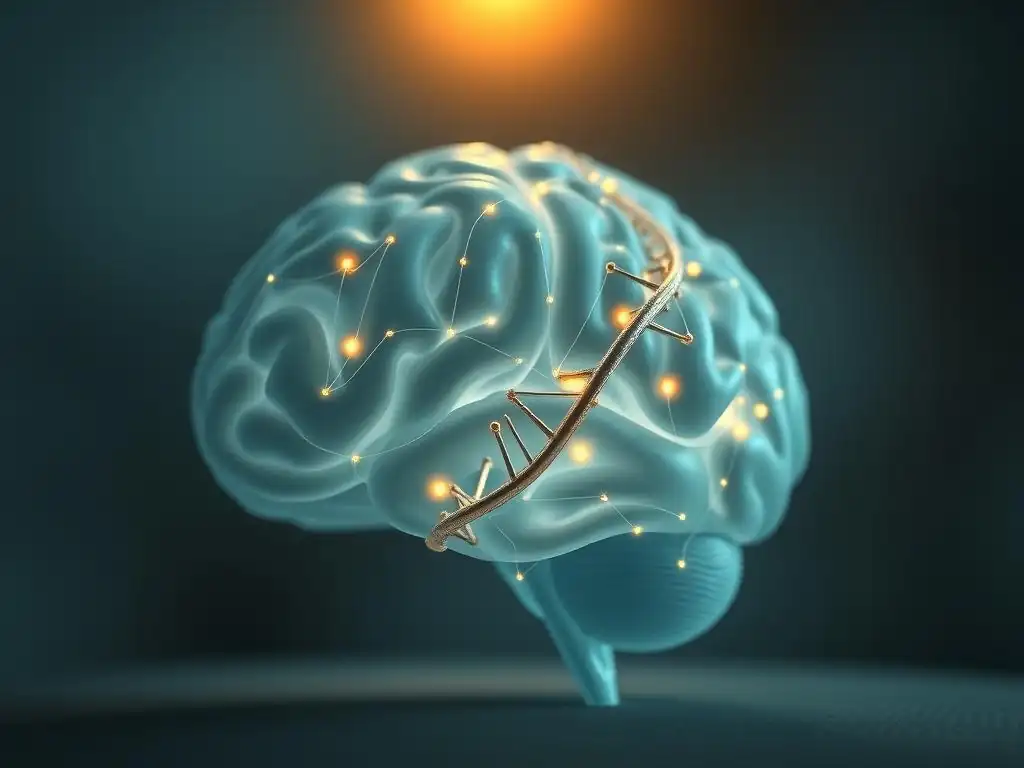
While epigenetic therapies are not yet widely available for mental health conditions, the current understanding of DNA methylation already has practical implications for how we approach mental health support. It reinforces the complex interplay between our biology and our environment and highlights the importance of considering both in prevention, intervention, and treatment strategies. Understanding the concept of epigenetic plasticity can be empowering, suggesting that positive changes in lifestyle and environment can have a biological impact.
Furthermore, the potential for epigenetic markers to serve as biomarkers could revolutionize diagnosis and treatment selection in the future. Imagine a world where a simple test could provide insights into an individual's epigenetic profile, helping clinicians predict risk, choose the most effective therapy, and monitor treatment response. While this is not yet a reality, the ongoing research is laying the groundwork for such personalized approaches to DNA methylation mental health support.
Understanding Your Genetic Predisposition and Epigenetic Influences
Learning about DNA methylation can help individuals understand that while genetic predisposition may increase vulnerability to certain mental health conditions, it doesn't seal one's fate. Our genes load the gun, but the environment pulls the trigger – or in epigenetic terms, influences the methylation status that determines whether certain genes are expressed. This knowledge can shift the focus from a deterministic view of genetics to a more dynamic understanding of how biology interacts with life experiences.
It highlights the importance of managing environmental risk factors (like chronic stress, poor diet, lack of sleep) and leveraging protective factors (like social support, healthy lifestyle, stress management techniques) to positively influence the epigenome and support mental well-being. While direct testing of specific methylation patterns for individual risk assessment is not yet standard clinical practice for mental health, understanding the principle can empower individuals to make informed choices about their lifestyle and seek appropriate DNA methylation mental health support based on their overall risk profile and family history.
The Importance of Personalized Mental Health Care
The recognition that DNA methylation patterns are unique to individuals and can change over time due to environmental factors strongly supports the move towards personalized mental health care. Different individuals with the same diagnosis might have different underlying epigenetic profiles contributing to their symptoms. This suggests that a one-size-fits-all approach to treatment may not be optimal.
In the future, analyzing an individual's epigenetic profile, perhaps through blood or saliva samples, could help clinicians predict their response to different medications or therapies. For example, certain methylation patterns might indicate that a patient is more likely to respond to a specific antidepressant or psychotherapy approach. This personalized approach, informed by epigenetic insights, has the potential to improve treatment outcomes, reduce trial-and-error, and provide more effective DNA methylation mental health support tailored to the individual's unique biological and environmental landscape.
Resources and Support for Individuals and Families Affected by Mental Health Conditions
Navigating mental health challenges can be difficult, and understanding complex topics like DNA methylation and epigenetics can be overwhelming. Fortunately, numerous resources are available to provide support, information, and guidance. While these resources may not specifically focus on DNA methylation mental health support at a clinical level yet, they offer vital assistance in managing conditions, finding treatment, and connecting with others.
Consider exploring the following types of resources:
- Mental health advocacy organizations: Provide education, support groups, and policy information.
- National and local helplines: Offer immediate support and crisis intervention.
- Therapist and counselor directories: Help find qualified mental health professionals.
- Support groups: Connect with peers who have similar experiences.
- Educational websites and materials: Offer reliable information about specific conditions and treatment options.
- University research centers: Often have public outreach programs or opportunities to participate in studies.
It's important to remember that seeking help is a sign of strength, and effective support is available. Discussing any interest in how factors like genetics and environment might influence your mental health with a qualified healthcare provider is always recommended.
Conclusion: DNA Methylation as a Crucial Factor in Mental Health - A Path Forward
The Power of Epigenetics in Understanding and Addressing Mental Health Challenges
DNA methylation, as a key epigenetic mechanism, represents a crucial bridge between our genetic blueprint and the dynamic influence of our environment on brain function and mental health. It helps explain why individuals with similar genetic backgrounds can have different vulnerabilities to mental illness and how life experiences, particularly stress and early adversity, can leave lasting biological imprints. Understanding the role of altered methylation patterns in conditions like schizophrenia, depression, anxiety, and PTSD provides valuable insights into their underlying biology.
This epigenetic perspective moves us beyond a purely genetic or purely environmental view, embracing the complex interplay that shapes our mental landscape. The fact that methylation is modifiable offers a powerful message of hope. It suggests that interventions, ranging from pharmaceutical developments to lifestyle changes and targeted therapies aimed at correcting aberrant epigenetic marks, could provide new avenues for preventing and treating mental health disorders and enhancing DNA methylation mental health support.
Further Research and the Promise of Epigenetic Therapies
The field of DNA methylation research in mental health is rapidly advancing, driven by technological innovations and a growing recognition of the epigenome's importance. Future research will continue to deepen our understanding of specific methylation changes associated with different conditions, their causal role, and how they interact with genetic and environmental factors. This knowledge is essential for translating research findings into practical applications.
The ultimate promise lies in the development of epigenetic therapies – interventions designed to precisely target and modify aberrant methylation patterns to restore healthy gene expression in the brain. While significant challenges remain in achieving this goal safely and effectively, the potential to address the root causes of epigenetic dysregulation offers a compelling vision for the future of mental health treatment.
Coupled with personalized approaches informed by individual epigenetic profiles, this research holds the key to providing more effective, targeted, and potentially preventative DNA methylation mental health support for millions worldwide. The journey is ongoing, but the insights gained from studying DNA methylation illuminate a promising path forward in the effort to understand and improve mental well-being.
Frequently Asked Questions
What exactly is DNA methylation, and how does it relate to mental health?
DNA methylation is a chemical modification to DNA that doesn't change the DNA sequence itself, but it can change how a gene is expressed. In mental health, it's being studied as a potential mechanism influencing the risk and development of various conditions.
How does DNA methylation affect gene expression in the context of mental well-being?
Methylation can silence or activate genes, controlling the production of proteins crucial for brain function. This regulation is important for neurotransmitter production, neuronal plasticity, and stress response, all critical aspects of mental well-being.
Can DNA methylation patterns be influenced by environmental factors, and if so, how might this impact mental health?
Yes, environmental factors like stress, diet, and exposure to toxins can alter DNA methylation patterns. These changes can then lead to altered gene expression, potentially increasing the risk or severity of mental health issues.
Is DNA methylation a potential target for mental health therapies, and what would that look like?
Researchers are exploring whether therapies can reverse or modify methylation patterns to improve mental health. This could involve pharmaceutical interventions or lifestyle changes designed to influence gene expression in beneficial ways.
Where can I find reliable DNA methylation mental health support resources?
Mind Care Guide is a great place to start, offering comprehensive information and support. You can also seek guidance from mental health professionals and consider participating in research studies focused on DNA methylation and mental health.
Final Reflection: Unlocking the Secrets of Mental Health Through Epigenetics
The intricate dance between our genes and our environment, mediated by DNA methylation, is no longer a theoretical concept; it's a crucial frontier in understanding and treating mental health disorders. This understanding offers a powerful new lens through which to view the complexities of conditions like depression, anxiety, and PTSD, moving beyond simplistic genetic determinism and embracing the dynamic interplay of nature and nurture. The implications for personalized medicine and targeted therapies are profound and rapidly evolving.
The exploration of DNA methylation's role in mental health has profoundly shifted my perspective on the very nature of these conditions. It's no longer sufficient to simply identify genetic predispositions; we must also consider the epigenetic modifications that shape gene expression throughout a lifetime. These modifications, influenced by factors like stress, diet, and lifestyle, offer potential avenues for intervention and prevention. The human genome is not a fixed entity, but rather a dynamic system that is constantly being shaped by our experiences.
This quote encapsulates the transformative power of understanding epigenetics in the context of mental well-being.
Consider the implications of this knowledge for your own life. Are you actively engaging in lifestyle choices that support healthy DNA methylation? This isn't just about genetics; it's about empowerment. By understanding the influence of environmental factors on gene expression, you can take proactive steps to nurture your mental health. Embrace the power of epigenetics – make conscious choices that promote well-being, and contribute to a future where mental health support is informed by the intricate mechanisms of DNA methylation.
Unlock Your Mental Wellness: Take Control of Your Genes
Thanks for diving deep into the fascinating world of DNA methylation and its impact on mental health! You've now gained valuable insights into how your genes might be influencing your wellbeing. Ready to put this knowledge into action?
- Prioritize lifestyle changes: Focus on diet, exercise, and stress management techniques – these are powerful tools to positively impact your methylation patterns. This is the most impactful step you can take today based on what you’ve just learned.
- Share your newfound knowledge: Discuss what you've discovered with friends and family – spreading awareness about the mind-body connection is crucial.
- Explore further: Deepen your understanding by researching specific methylation-supporting supplements or therapies (always consult a healthcare professional first).
What small step will you take today to nurture your mental health through the power of epigenetics?