
The Epigenetic Code: Your Environment's Impact on Your Brain

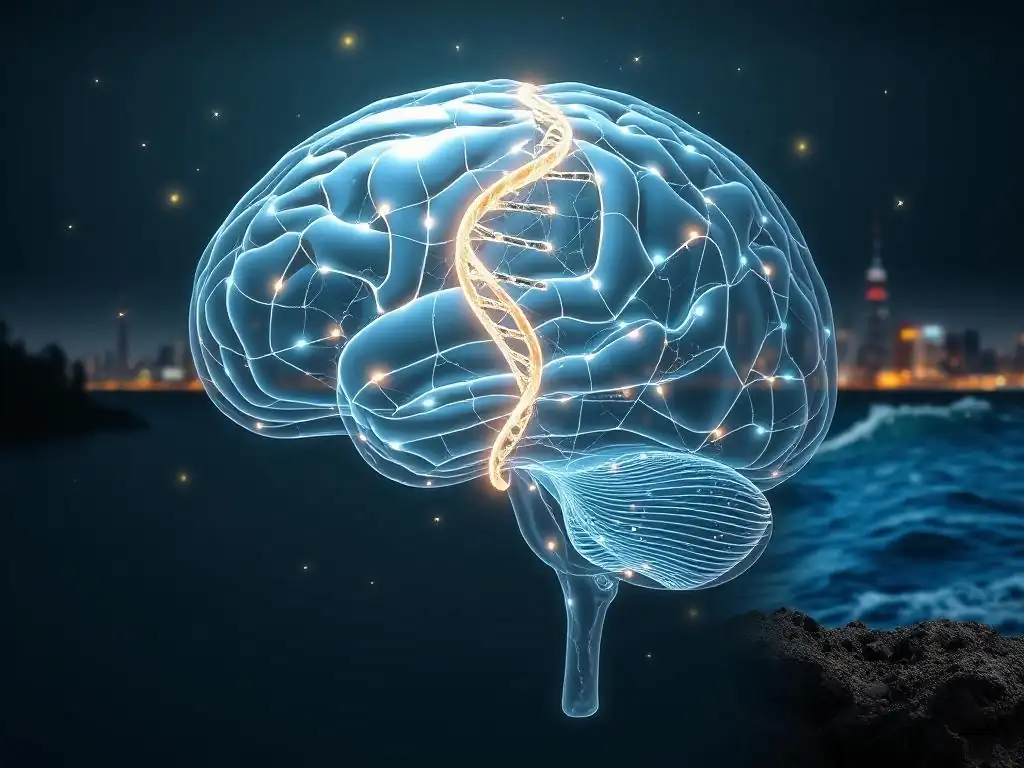
Welcome to Mind Care Guide, a sanctuary for nurturing your mental well-being.
Are you curious about how your surroundings subtly shape your thoughts, feelings, and even your brain itself? This is where the fascinating world of environmental epigenetics and brain health unfolds. Discover how your environment might be silently influencing your mental landscape, and what you can do to harness its power for a healthier, happier you. Let's embark on this enlightening journey together...
The Epigenetic Code: Your Environment's Impact on Your Brain
- Introduction: Unveiling the Influence of Environmental Epigenetics on Brain Health
- What is Epigenetics? A Foundation in Gene Expression and Modification
- Environmental Factors Influencing Brain Epigenetics
-
How Environmental Epigenetics Affects Brain Health and Mental Well-being
- The Role of Epigenetics in Neurodevelopmental Disorders: Autism Spectrum Disorder
- Epigenetic Mechanisms in Mood Disorders: Depression and Bipolar Disorder
- Epigenetics and Neurodegenerative Diseases: Alzheimer's Disease and Parkinson's Disease
- Environmental Epigenetics and Addiction: Mechanisms of Addiction
- Reversing Epigenetic Changes: Potential Therapeutic Strategies for Brain Health
- The Future of Environmental Epigenetics Research in Mental Health
- Conclusion: Leveraging Environmental Epigenetics for a Healthier Brain
-
Frequently Asked Questions
- What is environmental epigenetics and how does it relate to brain health?
- How can environmental factors like stress or diet affect my brain through epigenetics?
- What are some specific examples of epigenetic changes in the brain caused by environmental factors?
- Can epigenetic changes in the brain be passed down to future generations?
- What can I do to positively influence my brain health through environmental epigenetics?
- Final Reflection: Unlocking the Brain's Environmental Code
- Unlock Your Brain's Potential: Take Control of Your Epigenetics
Introduction: Unveiling the Influence of Environmental Epigenetics on Brain Health
Our understanding of how our environment shapes who we are has dramatically expanded with the field of epigenetics. Far from being solely determined by our inherited DNA sequence, our brain's structure, function, and susceptibility to mental health conditions are profoundly influenced by external factors throughout life. This intricate interplay forms the core of environmental epigenetics brain health, a dynamic area of research revealing how experiences, diet, toxins, and even social interactions leave molecular marks on our genes, altering how they are expressed in the brain.
Understanding the Complex Relationship Between Genes, Environment, and Brain Function
The traditional view often pitted genetics against environment, debating which held greater sway. However, modern neuroscience and epigenetics demonstrate a continuous, bidirectional conversation between our genes and the world around us. Our genetic code provides the potential, but the environment acts as the conductor, directing which genes are turned 'on' or 'off' and how strongly. This molecular orchestration directly impacts neural circuits, neurotransmitter systems, and overall brain plasticity, fundamentally shaping cognitive abilities, emotional resilience, and behavioral patterns.
Consider the development of the prefrontal cortex, a brain region crucial for decision-making and emotional regulation. Studies show that early life stress, a significant environmental factor, can lead to lasting epigenetic changes in genes vital for neuronal connectivity and stress response pathways in this area. For instance, research in animal models has demonstrated alterations in gene expression related to glucocorticoid receptors (involved in stress response) within the hippocampus and prefrontal cortex, often linked to modified DNA methylation patterns.
These changes, initiated by environmental signals, can persist into adulthood, influencing vulnerability to conditions like anxiety and depression. Understanding this complex relationship is paramount for grasping how environmental epigenetics brain health operates at a fundamental level.
Why Environmental Epigenetics is Crucial for Mental Well-being
Recognizing the power of environmental epigenetics brain health shifts our perspective on mental health challenges. It moves beyond a purely genetic deterministic model to acknowledge the significant role of modifiable environmental factors. This offers hope and empowers individuals and communities. If adverse environments can negatively impact brain epigenetics, then positive environments and interventions hold the potential to mitigate harm or even promote beneficial epigenetic changes.
For example, research into the effects of exercise on brain health has shown that physical activity can influence the expression of genes involved in neurogenesis (the birth of new neurons) and synaptic plasticity in areas like the hippocampus, potentially through epigenetic mechanisms like histone modifications. Similarly, dietary interventions rich in specific nutrients have been linked to improved cognitive function and reduced risk of neurodegenerative diseases, likely mediated, in part, by their influence on epigenetic pathways in the brain.
This perspective underscores the importance of public health initiatives, therapeutic interventions, and personal lifestyle choices that focus on creating supportive environments for optimal environmental epigenetics brain health. It highlights that while we cannot change our inherited DNA sequence, we can influence how our genes function throughout life by modifying our environmental exposures and adopting healthy habits.
What is Epigenetics? A Foundation in Gene Expression and Modification
At its core, epigenetics explores the heritable changes in gene expression that occur without alterations to the underlying DNA sequence. Think of DNA as the computer hardware – the fundamental blueprint. Epigenetics is the software that dictates how and when that hardware is used. These epigenetic "marks" are dynamic and can be influenced by a myriad of factors, including our environment, diet, and lifestyle. They play a critical role in cellular differentiation during development and in the ongoing function of all cells, particularly the complex and specialized cells of the brain.
Understanding these foundational concepts is essential for appreciating the nuances of environmental epigenetics brain health. It's not about mutations or changes in the ATCG sequence of DNA; it's about the molecular tags and structures that sit on top of the DNA and associated proteins, controlling access to the genetic information and thereby regulating gene activity. This layer of control allows a single genome to give rise to diverse cell types with distinct functions, from a liver cell to a neuron, and allows cells to respond dynamically to their surroundings.
Defining Epigenetics: Beyond the Blueprint of DNA
Epigenetics literally means "on top of" or "in addition to" genetics. It refers to stable, potentially heritable changes in gene activity that are not caused by changes in the DNA sequence itself. Instead, these changes involve chemical modifications to the DNA or to the histone proteins that DNA is wrapped around.
These modifications act like molecular switches or dimmers, controlling whether a gene is accessible to the cellular machinery that reads it and translates it into proteins. An epigenetic change in a brain cell could, for instance, silence a gene crucial for memory formation or activate a gene involved in inflammation.
The significance of this definition lies in its implications for development and disease. While our DNA sequence is largely fixed from conception (with rare exceptions like somatic mutations), our epigenome is remarkably plastic, particularly in response to environmental cues. This plasticity is most pronounced during critical periods of brain development, but it persists throughout life. This means that experiences and exposures encountered across the lifespan can leave lasting molecular imprints on brain cells, influencing their function and connectivity, thereby directly impacting environmental epigenetics brain health.
Key Epigenetic Mechanisms: DNA Methylation, Histone Modification, and Non-Coding RNAs
Several key molecular mechanisms mediate epigenetic control. The most well-studied is DNA methylation, which typically involves the addition of a methyl group (CH3) to a cytosine base, often when it's followed by a guanine (a CpG site). Methylation in gene promoter regions (the control switches for genes) usually acts to repress gene expression.
Another major mechanism is histone modification. DNA is wound around proteins called histones; chemical tags added to these histones (like acetylation, methylation, or phosphorylation) can alter how tightly the DNA is packed. Tightly packed DNA (heterochromatin) is generally inaccessible and genes are silenced, while loosely packed DNA (euchromatin) is accessible for transcription.
A third important class of epigenetic regulators involves non-coding RNAs (ncRNAs). These RNA molecules are transcribed from DNA but are not translated into proteins. They can influence gene expression through various mechanisms, including interacting with DNA, histones, or messenger RNAs (mRNAs), thereby affecting transcription or translation.
MicroRNAs (miRNAs), a type of small ncRNA, are particularly well-studied in the brain and have been shown to regulate the expression of hundreds of genes involved in neuronal development, synaptic function, and plasticity. All these mechanisms work in concert, creating a complex regulatory network that is highly responsive to environmental signals and plays a critical role in shaping environmental epigenetics brain health.
Epigenetics vs. Genetics: Differentiating and Connecting the Concepts
It's crucial to differentiate epigenetics from genetics while recognizing their interconnectedness. Genetics refers to the study of inherited traits and the genes (DNA sequences) that code for them. A genetic change is a change in the actual sequence of the DNA nucleotides (A, T, C, G). For example, inheriting a specific variant of the APOE gene is a genetic factor that increases the risk of Alzheimer's disease. This sequence difference is fixed from birth (with very rare exceptions).
Epigenetics, conversely, studies the changes in gene expression that occur without altering the DNA sequence. While genetics provides the potential coding information, epigenetics determines whether and how much of that information is accessed and used by the cell. Think of it as the difference between having the recipe book (genetics) and deciding which recipes to cook, how often, and with slight variations (epigenetics).
Environmental factors like diet or stress don't change the APOE gene sequence itself, but they could potentially influence its epigenetic state (e.g., its methylation pattern), thereby modulating its expression level and potentially affecting disease risk. Thus, environmental epigenetics brain health is a product of the dynamic interaction between our genetic blueprint and the epigenetic modifications driven by our experiences.
Environmental Factors Influencing Brain Epigenetics

The brain, being highly plastic and metabolically active, is particularly susceptible to epigenetic modifications induced by the environment. From the nutrients we consume to the stress we endure, external factors can trigger a cascade of molecular events that alter the epigenetic landscape of neurons and glial cells, leaving lasting marks that influence brain function throughout life. Understanding these influences is central to comprehending environmental epigenetics brain health.
These environmental signals are not passive bystanders; they are active participants in shaping our neural circuitry. The timing and duration of exposure are critical. Early life experiences, for instance, during periods of rapid brain development, can have particularly profound and enduring epigenetic consequences. However, the brain remains epigenetically responsive throughout adulthood, meaning that lifestyle changes and environmental interventions can continue to influence brain health later in life.
Diet and Nutrition: Shaping Brain Health Through Epigenetic Pathways
Our diet is a powerful environmental factor that directly impacts the availability of substrates and cofactors required for key epigenetic processes, such as DNA methylation and histone modification. Nutrients like folate, vitamin B12, methionine, and choline are essential donors of methyl groups, crucial for DNA methylation.
Deficiencies or excesses in these nutrients, particularly during critical developmental windows, can alter methylation patterns across the genome, including in the brain. For example, studies have shown that maternal folate deficiency during pregnancy is associated with altered methylation patterns in the offspring's brain and an increased risk of neural tube defects and potentially other neurodevelopmental issues.
Beyond providing building blocks, specific dietary components can directly interact with epigenetic machinery. Polyphenols found in fruits and vegetables, such as those in green tea or berries, have been shown to influence histone modification enzymes. Omega-3 fatty acids, abundant in fish oil, can also modulate epigenetic marks in the brain, potentially contributing to their observed benefits in cognitive function and mood regulation. A diet rich in these 'epigenetic nutrients' can support healthy environmental epigenetics brain health, while poor nutrition can introduce imbalances that negatively impact gene regulation in neural tissue.
Stress and Trauma: Leaving Epigenetic Marks on the Brain
Acute and chronic stress, especially during sensitive developmental periods, are well-documented environmental influences with significant epigenetic consequences in the brain. The release of stress hormones like cortisol can trigger changes in DNA methylation and histone modification in brain regions involved in stress response, learning, and memory, such as the hippocampus, amygdala, and prefrontal cortex. For instance, research in individuals exposed to significant early-life trauma, like child abuse, has revealed persistent epigenetic changes (specifically, increased methylation) in the promoter region of the gene encoding the glucocorticoid receptor (NR3C1) in brain tissue and peripheral blood cells.
These stress-induced epigenetic modifications can alter the expression of genes critical for neuronal plasticity, neurotransmitter signaling, and the regulation of the hypothalamic-pituitary-adrenal (HPA) axis, the body's central stress response system. Such changes can lead to heightened stress reactivity, impaired emotional regulation, and increased vulnerability to psychiatric disorders later in life. The epigenetic marks left by traumatic experiences highlight how environmental factors, particularly psychological ones, can profoundly and durably impact environmental epigenetics brain health, influencing our susceptibility to mental health challenges.
Exposure to Toxins and Pollutants: Modifying Brain Function at the Molecular Level
Exposure to environmental toxins and pollutants represents another significant external factor capable of altering brain epigenetics. Heavy metals like lead and mercury, pesticides, air pollutants, and endocrine-disrupting chemicals (like BPA) have been shown in various studies to induce epigenetic modifications in brain cells. Lead exposure, for example, is known to interfere with DNA methylation patterns and histone modifications in the developing brain, potentially contributing to cognitive deficits and behavioral problems observed in affected children.
These toxins can exert their epigenetic effects through multiple pathways, including generating oxidative stress, interfering with enzymatic activity involved in adding or removing epigenetic marks, or directly binding to DNA or histone proteins. The resulting changes in gene expression can disrupt critical processes like neurogenesis, neuronal migration, synapse formation, and neurotransmitter synthesis. The impact of these exposures on environmental epigenetics brain health is a growing area of concern, emphasizing the need for environmental protection and public health measures to reduce exposure to neurotoxic substances, particularly for vulnerable populations like pregnant women and young children.
The social environment, particularly during early development, exerts a profound influence on brain development and function, mediated significantly by epigenetic mechanisms. The quality of parental care, social interactions, and overall nurturing environment can shape the epigenetic landscape of the developing brain. Classic studies on rodent models have demonstrated that differences in maternal care (high vs. low licking/grooming) lead to distinct and enduring patterns of DNA methylation and histone acetylation in the offspring's hippocampus, specifically at the glucocorticoid receptor gene (NR3C1).
These epigenetic differences are associated with altered stress reactivity and behavioral phenotypes in adulthood. Similar principles are believed to apply to humans; studies examining individuals who experienced early adversity or neglect have found correlations between these experiences and specific epigenetic marks in genes related to stress response and mood regulation.
A supportive and enriching social environment can promote healthy epigenetic patterns that support resilience and optimal brain function, while adverse experiences can leave epigenetic scars that increase vulnerability. This underscores the critical role of early interventions and supportive environments in fostering positive environmental epigenetics brain health outcomes across the lifespan.
How Environmental Epigenetics Affects Brain Health and Mental Well-being
The epigenetic modifications induced by environmental factors don't just sit on the DNA; they actively influence gene expression, which in turn dictates the production of proteins essential for brain cell function, connectivity, and overall circuitry. These changes can impact neurodevelopment, predispose individuals to mood disorders, contribute to neurodegenerative processes, and play a role in the complex mechanisms underlying addiction. Exploring these links provides concrete examples of how environmental epigenetics brain health is directly implicated in various neurological and psychiatric conditions.
Understanding these pathways offers insights into the molecular underpinnings of these complex conditions and opens doors for potential therapeutic interventions that target the epigenetic machinery or reverse adverse epigenetic marks. It highlights that while genetic predisposition exists, environmental factors and their epigenetic consequences are critical modulators of disease risk and trajectory.
The Role of Epigenetics in Neurodevelopmental Disorders: Autism Spectrum Disorder
Neurodevelopmental disorders, such as Autism Spectrum Disorder (ASD), are believed to arise from a complex interplay of genetic and environmental factors. While specific genetic mutations are identified in some cases, the majority are thought to involve multiple genes and significant environmental contributions. Epigenetics provides a framework for understanding how environmental exposures during critical periods of brain development might interact with genetic susceptibility to influence risk. Studies have identified altered DNA methylation patterns in post-mortem brain tissue and blood samples from individuals with ASD compared to controls.
These epigenetic differences have been found in genes known to be involved in synaptic function, neural connectivity, and chromatin remodeling. For example, research has pointed to differential methylation in genes like MECP2 (mutations in which cause Rett Syndrome, a related disorder) and others involved in the GABAergic system, crucial for inhibitory signaling in the brain. Environmental factors such as prenatal exposure to certain infections, maternal stress, or specific toxins have been implicated as potential triggers for these epigenetic changes, suggesting how environmental epigenetics brain health disturbances during gestation could contribute to the complex etiology of ASD.
Epigenetic Mechanisms in Mood Disorders: Depression and Bipolar Disorder
Mood disorders like Major Depressive Disorder (MDD) and Bipolar Disorder are highly prevalent and complex conditions influenced by both genetic vulnerability and environmental stressors. Research into environmental epigenetics brain health has revealed distinct epigenetic signatures associated with these disorders, particularly in brain regions involved in emotional regulation and reward pathways, such as the prefrontal cortex, amygdala, and nucleus accumbens. Studies comparing individuals with MDD to healthy controls have identified differential methylation and histone modification patterns in genes related to neurotransmitter systems (like serotonin and dopamine), neurotrophic factors (like BDNF), and stress response genes (like NR3C1).
For instance, post-mortem brain studies have reported altered BDNF (Brain-Derived Neurotrophic Factor) gene expression and promoter methylation in the hippocampus of individuals with depression. Similarly, research in bipolar disorder has pointed towards epigenetic dysregulation in genes involved in circadian rhythms and immune function. These epigenetic alterations are often linked to a history of adverse life events or chronic stress, suggesting that environmental factors can trigger or exacerbate mood disorders by leaving persistent epigenetic marks that disrupt the finely tuned molecular machinery of the brain.
Epigenetics and Neurodegenerative Diseases: Alzheimer's Disease and Parkinson's Disease
Neurodegenerative diseases, including Alzheimer's Disease (AD) and Parkinson's Disease (PD), are characterized by the progressive loss of specific populations of neurons. While genetic factors play a role, particularly in early-onset forms, environmental exposures and aging are major risk factors for the more common sporadic forms. Environmental epigenetics brain health research is shedding light on how these factors contribute to disease onset and progression by influencing gene expression patterns in vulnerable neurons.
In AD, studies have identified altered DNA methylation and histone modification patterns in brain regions affected by the disease, such as the hippocampus and cortex. These changes occur in genes involved in amyloid-beta processing, tau protein metabolism, inflammation, and synaptic function. For example, differential methylation has been observed in the promoter of the APOE gene and genes related to the immune response in AD brains.
Similarly, in PD, epigenetic alterations have been found in genes associated with alpha-synuclein aggregation and mitochondrial function. Environmental exposures like pesticides (e.g., rotenone, paraquat) have been shown to induce epigenetic changes in animal models that mimic aspects of PD pathology. These findings suggest that environmental factors can push the brain towards a neurodegenerative state through epigenetic dysregulation.
Environmental Epigenetics and Addiction: Mechanisms of Addiction
Addiction is a chronic brain disease characterized by compulsive drug seeking and use, despite harmful consequences. It involves profound and long-lasting changes in brain circuitry, particularly in reward pathways and areas involved in decision-making and impulse control. Environmental factors, such as the type and duration of drug exposure, stress, and social environment, significantly influence addiction vulnerability and relapse. Epigenetic mechanisms are increasingly recognized as key players in mediating these long-term changes in gene expression that underpin the persistent behavioral alterations seen in addiction.
Studies have shown that exposure to drugs of abuse can induce specific epigenetic modifications (like histone acetylation and methylation, and DNA methylation) in neurons of the nucleus accumbens and prefrontal cortex. For instance, chronic cocaine exposure has been shown to alter histone modifications at the promoters of genes involved in neuronal plasticity and reward signaling, leading to persistent changes in gene expression that contribute to drug-seeking behavior.
Similarly, stress, a major risk factor for relapse, can induce epigenetic changes that reinstate drug memories and behaviors. This highlights how environmental factors (including the drug itself as an environmental stimulus) can hijack the epigenetic machinery of the brain, leaving enduring marks that contribute to the compulsive nature of addiction and complicating efforts to maintain recovery.
Reversing Epigenetic Changes: Potential Therapeutic Strategies for Brain Health
The dynamic nature of the epigenome offers a promising avenue for therapeutic interventions. If adverse environmental factors can induce detrimental epigenetic changes in the brain that contribute to disease, then perhaps interventions – including lifestyle modifications and targeted pharmacological agents – can reverse or modulate these changes to promote brain health and alleviate symptoms of neurological and psychiatric disorders. This concept is at the forefront of research into environmental epigenetics brain health interventions.
While reversing complex epigenetic patterns across the entire brain is a significant challenge, targeting specific genes or pathways implicated in disease offers realistic therapeutic potential. The goal is often not to erase all epigenetic marks but to restore a more balanced and functional epigenetic state that supports healthy gene expression and neuronal function.
Lifestyle Interventions: Diet, Exercise, and Mindfulness for Epigenetic Modulation
Lifestyle factors, which are essentially controllable aspects of our environment, represent powerful tools for influencing brain epigenetics. As discussed, diet provides the molecular building blocks for epigenetic modifications. A balanced diet rich in fruits, vegetables, lean proteins, and healthy fats provides necessary methyl donors and cofactors and contains bioactive compounds that can directly influence epigenetic enzymes. For example, sulforaphane from broccoli has been shown to inhibit histone deacetylases (HDACs), enzymes that remove acetyl groups from histones, potentially leading to increased expression of beneficial genes.
Physical exercise is another potent modulator of brain function with documented epigenetic effects. Exercise has been shown to increase the expression of BDNF in the hippocampus, partly through epigenetic mechanisms like changes in DNA methylation and histone acetylation at the BDNF gene promoter. This contributes to improved cognitive function and resilience to stress. Mindfulness and stress reduction techniques can also influence the HPA axis and associated epigenetic marks, potentially mitigating the negative epigenetic consequences of chronic stress on environmental epigenetics brain health. These lifestyle interventions offer accessible and often synergistic ways to positively influence the brain's epigenome.
Pharmacological Approaches: Targeting Epigenetic Enzymes and Pathways
Given the role of epigenetic enzymes (like DNA methyltransferases - DNMTs, histone deacetylases - HDACs, and histone acetyltransferases - HATs) in regulating gene expression, these proteins represent attractive targets for pharmacological intervention. Drugs that inhibit or activate specific epigenetic enzymes are being explored for their potential therapeutic use in various diseases, including those affecting the brain. For example, HDAC inhibitors are being investigated for their potential to influence gene expression patterns altered in neurodegenerative diseases, potentially promoting neuronal survival or function.
Similarly, DNMT inhibitors are being studied, although their use in the brain is complex due to the widespread role of DNA methylation. The challenge lies in developing highly specific drugs that target the relevant epigenetic enzymes or pathways in the appropriate brain regions without causing widespread, undesirable changes in gene expression throughout the body. While still largely in preclinical or early clinical stages for brain disorders, the development of 'epidrugs' holds promise for directly modulating the epigenetic state of brain cells to treat conditions linked to environmental epigenetics brain health dysregulation.
Future Directions in Epigenetic Therapies for Mental Health
The field of epigenetic therapies for mental health is rapidly evolving. Future directions include the development of more targeted and brain-penetrant epigenetic drugs, potentially delivered via novel methods like nanoparticles. Research is also focusing on understanding the specific epigenetic signatures associated with different subtypes of mental disorders to allow for more personalized therapeutic approaches. Furthermore, combining epigenetic therapies with other treatment modalities, such as psychotherapy or deep brain stimulation, is being explored.
Another exciting area is the potential for using behavioral or environmental interventions in conjunction with pharmacological agents to achieve more robust and sustained epigenetic modulation. For example, could specific nutrients or exercise regimens enhance the efficacy of an epidrug? The complexity of the brain epigenome means that single-target approaches may be insufficient, and future therapies may involve modulating multiple epigenetic pathways simultaneously. The goal is to move towards interventions that not only alleviate symptoms but also address the underlying molecular dysregulation contributing to environmental epigenetics brain health challenges.
The Future of Environmental Epigenetics Research in Mental Health
The field of environmental epigenetics brain health is poised for significant advancements, driven by technological innovations and a deeper understanding of the complex interplay between genes, environment, and brain function. Continued research is crucial to translate the exciting findings from basic science into practical applications for diagnosis, prevention, and treatment of mental health conditions.
The ability to profile the epigenome at higher resolution and in specific cell types within the brain is revolutionizing our understanding. This allows researchers to pinpoint the precise epigenetic changes associated with specific environmental exposures and disease states, paving the way for more targeted interventions.
Advancements in Epigenomic Technologies and Brain Imaging
Rapid advancements in high-throughput sequencing technologies have dramatically improved our ability to map epigenetic modifications across the entire genome (epigenomics) and specifically within the brain. Techniques like whole-genome bisulfite sequencing (WGBS) can quantify DNA methylation across millions of CpG sites, while ChIP-sequencing (Chromatin Immunoprecipitation Sequencing) allows for mapping histone modifications and transcription factor binding sites. Single-cell epigenomics is enabling researchers to study epigenetic heterogeneity within complex brain tissue, identifying how different cell types (neurons, astrocytes, microglia) respond epigenetically to environmental cues.
Coupled with advances in non-invasive brain imaging techniques like fMRI (functional Magnetic Resonance Imaging) and PET (Positron Emission Tomography), researchers can begin to correlate specific epigenetic patterns observed in accessible tissues (like blood or saliva, often used as proxies) or post-mortem brain samples with changes in brain structure, function, and connectivity in living individuals. While directly imaging epigenetic marks in the living human brain remains a challenge, integrating epigenomic data with neuroimaging provides a more holistic view of how environmental factors influence environmental epigenetics brain health.
Personalized Medicine: Tailoring Treatments Based on Individual Epigenetic Profiles
One of the most promising future applications of environmental epigenetics research is in the realm of personalized medicine for mental health. Just as genetic testing is beginning to inform treatment choices, epigenetic profiling could offer a dynamic layer of information. An individual's unique epigenetic profile, shaped by their lifetime environmental exposures and genetic background, could provide insights into their susceptibility to certain disorders, the likely trajectory of their condition, and their potential response to different therapies.
For example, epigenetic markers associated with stress sensitivity could identify individuals who might benefit most from early stress-reduction interventions. Similarly, epigenetic profiles might predict which patients are more likely to respond to specific antidepressants or psychotherapies. While still in its early stages, the vision is to use epigenetic information from easily accessible samples (like blood or even hair or skin) as biomarkers to guide clinical decision-making, tailoring preventative strategies and treatments to the individual's specific environmental epigenetics brain health state.
Ethical Considerations in Epigenetic Research and Interventions
As our ability to understand and potentially manipulate the epigenome grows, so too do the ethical considerations. Research into environmental epigenetics brain health raises questions about privacy, data security, and the potential for discrimination based on epigenetic profiles. Who owns epigenetic information, and how should it be used? There are concerns about the potential for employers or insurance companies to use epigenetic data to assess risk.
Furthermore, interventions aimed at modifying the epigenome, particularly those targeting the germline (sperm or egg cells), raise profound questions about intergenerational effects and unintended consequences. Even somatic epigenetic therapies require careful consideration of off-target effects and long-term safety. As the field progresses, it is crucial to engage in open dialogue about these ethical challenges, developing guidelines and regulations to ensure that research and potential clinical applications are conducted responsibly and equitably, protecting individual autonomy and preventing misuse of epigenetic information.
Conclusion: Leveraging Environmental Epigenetics for a Healthier Brain
The journey into the epigenetic code reveals a profound truth: our brain health is not solely predetermined by our genes but is constantly being written and rewritten by our environment and experiences. The field of environmental epigenetics brain health underscores the dynamic interplay between our inherited blueprint and the molecular marks left by diet, stress, toxins, and social interactions. These epigenetic modifications influence gene expression, shaping neural circuits and contributing to our vulnerability or resilience to mental health challenges and neurological diseases throughout life.
Understanding the mechanisms by which environmental factors influence brain epigenetics empowers us to view mental well-being through a more nuanced and hopeful lens. It highlights that while certain predispositions may exist, our lifestyle choices and the environments we inhabit or create can significantly impact our brain's molecular landscape and functional health. This offers a powerful rationale for promoting healthy environments and adopting beneficial lifestyle habits at all stages of life.
Empowering Individuals to Make Informed Choices for Brain Health
Recognizing the influence of environmental epigenetics brain health empowers individuals to become active participants in their own well-being. Simple yet impactful choices related to diet, physical activity, stress management, and minimizing exposure to harmful substances can positively influence the brain's epigenome. Adopting a nutrient-rich diet, engaging in regular exercise, practicing mindfulness, ensuring adequate sleep, and fostering supportive social connections are not just generally healthy behaviors; they are interventions that can modulate epigenetic marks associated with stress resilience, cognitive function, and mood regulation.
Educating the public about the principles of environmental epigenetics brain health can provide a deeper motivation for adopting these lifestyle changes. It shifts the perspective from a passive acceptance of genetic destiny to an understanding of the brain's remarkable plasticity and responsiveness to positive environmental input. While individual circumstances vary, promoting awareness of these connections can foster a sense of agency and encourage proactive steps towards optimizing brain health.
The Importance of Continued Research in Environmental Epigenetics and Mental Well-being
Despite the significant progress made, the field of environmental epigenetics brain health is still relatively young. Much remains to be discovered about the specific epigenetic signatures associated with different mental health conditions, the precise mechanisms by which various environmental factors exert their effects, and the extent to which epigenetic changes are reversible or transgenerational. Continued research is essential to unravel these complexities.
Further studies are needed to develop robust epigenetic biomarkers for diagnosis and prognosis, identify novel targets for therapeutic intervention, and understand how to best translate basic research findings into effective prevention and treatment strategies. Investing in this research is critical for developing more personalized, effective, and potentially preventative approaches to mental health care, ultimately leveraging the power of environmental epigenetics to foster healthier brains and improve lives.
Frequently Asked Questions
What is environmental epigenetics and how does it relate to brain health?
Environmental epigenetics refers to how your environment influences your genes' activity without changing the underlying DNA sequence. This can significantly impact brain development and function, potentially leading to both positive and negative outcomes.
How can environmental factors like stress or diet affect my brain through epigenetics?
Stress and diet are powerful environmental factors that can alter epigenetic markers in the brain. These alterations can affect gene expression related to mood, learning, and memory, potentially increasing the risk of mental health challenges.
What are some specific examples of epigenetic changes in the brain caused by environmental factors?
Exposure to toxins or childhood trauma can induce epigenetic changes, like DNA methylation, which can silence genes involved in stress response and emotional regulation. This can make individuals more vulnerable to anxiety and depression.
Can epigenetic changes in the brain be passed down to future generations?
Yes, some epigenetic changes can be inherited across generations, meaning that environmental exposures experienced by parents or even grandparents can influence the brain health of their descendants. This is an area of active research.
What can I do to positively influence my brain health through environmental epigenetics?
Adopting a healthy lifestyle, including a balanced diet, regular exercise, and stress management techniques, can promote beneficial epigenetic changes in the brain. Creating a supportive and nurturing environment is also crucial.
Final Reflection: Unlocking the Brain's Environmental Code
The understanding of environmental epigenetics is no longer a niche scientific pursuit; it's a crucial key to unlocking a future of improved brain health and well-being. The implications of how our environment directly shapes our genetic expression, impacting everything from cognitive function to the risk of neurodegenerative diseases, are profound and demand immediate attention. This knowledge empowers us to take proactive steps towards a healthier future, both individually and collectively.
The ongoing revelation of the intricate dance between our genes and our environment has profoundly shifted my understanding of health and resilience. It's no longer a simple equation of nature versus nurture; it's a complex interplay where our experiences, from nutrition to stress levels, leave lasting marks on our brains. The environment is not just something we live in; it is something we are made of.
This quote encapsulates the essence of epigenetic influence, highlighting the inseparable connection between our surroundings and our very being. This understanding challenges us to reconsider our relationship with our world and the choices we make daily.
Consider the power you hold. You are not merely a product of your genes; you are an active participant in shaping your brain's destiny. By consciously choosing a lifestyle that prioritizes healthy nutrition, stress management, and meaningful social connections, you can actively influence your epigenetic landscape. Embrace this knowledge, make informed choices, and become the architect of your own brain health. The future of brain health isn't predetermined; it's a future we actively create, one conscious choice at a time.
Unlock Your Brain's Potential: Take Control of Your Epigenetics
Thanks for exploring the fascinating world of epigenetics with us! You've now gained valuable insights into how your environment shapes your brain—a powerful understanding that can change your life. Ready to put this knowledge into action?
- Prioritize lifestyle changes: Identify one small, manageable change you can make today to positively influence your epigenetic landscape (better sleep, mindful movement, or a nutrient-rich meal). This is your first step to a healthier, more resilient you.
- Share your journey: Discuss this new understanding with a friend or family member. Inspire them to explore their own epigenetic potential, and build a supportive community around this transformative knowledge.
- Dive deeper: Explore Mind Care Guide's resources for further insights on brain health and wellness. (This is where you would link to related articles or resources on your site)
What small, impactful step will you take today to nurture your brain’s epigenetic potential?