
Epigenetic Therapies: The Future of Mental Health Treatment?


Welcome to Mind Care Guide, your sanctuary for understanding and navigating the complexities of mental well-being. Ever wondered if your genes tell the whole story about your mental health? Delve into the fascinating world of "Epigenetics mental health treatment options" and discover how cutting-edge therapies are rewriting the narrative, offering hope and new possibilities for healing. Let's explore how our understanding of epigenetics is shaping the future of mental health treatment.
- Epigenetic Therapies: A New Frontier in Mental Health Treatment
- Current Mental Health Treatments: Limitations and the Need for Innovation
- Exploring Epigenetic Mechanisms in Mental Health
- Promising Epigenetic Therapeutic Approaches for Mental Disorders
- Epigenetics and Specific Mental Health Conditions: An In-Depth Look
- The Future of Epigenetic Mental Health Treatment: Challenges and Opportunities
- Lifestyle Factors and Epigenetic Influence on Mental Well-being
- Conclusion: Epigenetics – A Promising New Direction in Mental Health Care
-
Frequently Asked Questions
- What exactly is epigenetics, and how does it relate to mental health?
- How might epigenetic therapies differ from traditional mental health treatments like medication or therapy?
- Are there any epigenetic mental health treatment options currently available, or are they still in the research phase?
- What are the potential benefits and risks associated with using epigenetic therapies for mental health conditions?
- How does the Mind Care Guide support individuals interested in learning more about epigenetics and mental health?
- Final Reflection: Unlocking the Epigenetic Code for Mental Wellness
- Unlock Your Mental Wellness Potential
Epigenetic Therapies: A New Frontier in Mental Health Treatment
What is Epigenetics? A Concise Overview
Epigenetics refers to heritable changes in gene expression that occur without alterations to the underlying DNA sequence. Think of it not as changing the words in a book (the DNA), but changing how the book is read – which chapters are highlighted, which pages are dog-eared, or even which books are opened at all.
These modifications act like switches or volume controls for our genes, determining when and where they are turned on or off, and how much protein they produce. Unlike genetic mutations, epigenetic changes are often dynamic and can be influenced by environmental factors throughout a person's life.
These epigenetic marks, such as DNA methylation or histone modifications, play a crucial role in normal development, guiding cell differentiation and ensuring that the right genes are active in the right tissues at the right time. However, disruptions in these processes can lead to altered gene activity in the brain, potentially contributing to the development and progression of various mental health conditions. Understanding these fundamental mechanisms is key to exploring epigenetic mental health treatment options that could target the root causes of dysfunction.
The Dynamic Interaction of Genes, Environment, and Mental Health
Mental health is a complex interplay between our genetic predisposition and environmental influences. While genetics provides the basic blueprint, environmental factors like early life stress, trauma, diet, toxins, and even social interactions can leave lasting marks on our epigenome. These epigenetic modifications can then alter the expression of genes involved in brain development, neurotransmission, stress response pathways, and overall neural plasticity.
For instance, exposure to severe stress during critical developmental periods can induce specific epigenetic changes in genes regulating the hypothalamic-pituitary-adrenal (HPA) axis, the body's primary stress response system. These changes can persist into adulthood, leading to a dysregulated stress response that increases vulnerability to conditions like depression and anxiety. This dynamic interaction highlights why individuals with similar genetic backgrounds can have vastly different mental health trajectories, and it underscores the potential of targeting the epigenome as a way to modify the impact of environmental stressors.
Distinguishing Epigenetics from Genetics in the Context of Mental Health
While genetics involves changes to the DNA sequence itself (like a mutation, for example, a change from A to T at a specific point), epigenetics involves changes on or around the DNA that affect how the genes are read, without altering the sequence. A genetic mutation is typically permanent and affects all cells in the body that carry that DNA. Epigenetic marks, however, can be tissue-specific, cell-type-specific, and critically, are potentially reversible.
In mental health, genetics might confer a risk or predisposition for a disorder, but epigenetics can explain why that risk is expressed in one individual but not another, or how environmental factors trigger the onset of symptoms. For example, a person might inherit genetic variants associated with an increased risk of schizophrenia, but epigenetic changes induced by factors like prenatal infection or cannabis use in adolescence might be the key factors that precipitate the disorder's onset.
This distinction is vital because while we cannot change our inherited genes, epigenetic modifications offer a potential target for intervention, paving the way for novel epigenetic mental health treatment options.
Current Mental Health Treatments: Limitations and the Need for Innovation
Limitations of Current Pharmacological and Psychological Approaches
Current pharmacological treatments for mental health conditions, such as antidepressants, antipsychotics, and anxiolytics, have undoubtedly helped millions, but they also face significant limitations. Many patients experience only partial symptom relief, and a substantial percentage do not respond adequately to initial treatment. For example, studies indicate that approximately 30-40% of individuals with Major Depressive Disorder may not achieve remission even after trying several different antidepressant medications. Furthermore, these medications often target broad neurochemical systems, which can lead to side effects ranging from weight gain and metabolic issues to cognitive dulling, impacting adherence and overall quality of life.
Psychological therapies, such as Cognitive Behavioral Therapy (CBT) or Dialectical Behavior Therapy (DBT), are effective for many, but they require significant time commitment, access to trained therapists, and can be challenging for individuals with severe symptoms or cognitive impairments. While valuable, their efficacy can also vary widely depending on the individual, the specific condition, and the therapist's skill. The need for more effective, personalized, and mechanism-based therapies remains a pressing challenge in mental healthcare.
Addressing Treatment Resistance and the Need for Novel Strategies
A significant proportion of individuals with mental health disorders experience treatment resistance, where symptoms persist despite multiple treatment attempts. This is particularly challenging in conditions like severe depression, bipolar disorder, and schizophrenia. Understanding the biological underpinnings of treatment resistance is crucial, and evidence suggests that epigenetic alterations may play a role. For example, specific epigenetic patterns have been associated with non-response to certain antidepressant classes.
The limitations of current approaches highlight the urgent need for novel strategies that can target the underlying pathology more precisely. Instead of broadly modulating neurotransmitter levels, future treatments could potentially correct the dysregulated gene expression patterns that contribute to neural circuit dysfunction. This quest for more targeted and effective interventions is driving research into areas like neuroinflammation, gut-brain axis interactions, and increasingly, epigenetic mechanisms, opening up new avenues for developing more effective epigenetic mental health treatment options.
Epigenetics: A Potential Avenue for Overcoming Treatment Limitations
The dynamic and potentially reversible nature of epigenetic modifications makes them attractive targets for novel therapeutic interventions. If mental health disorders are linked to maladaptive epigenetic patterns that silence or activate genes inappropriately, then therapies designed to correct these patterns could potentially restore healthy brain function. Unlike genetic mutations, which are largely fixed, the epigenome is malleable, offering a window for therapeutic manipulation.
Research is exploring how epigenetic-modifying compounds might reverse the detrimental epigenetic marks associated with disease states. For example, if a gene crucial for neuronal function is abnormally silenced via hypermethylation in a specific brain region in depression, an epigenetic therapy might aim to reduce that methylation, thereby restoring gene expression. This targeted approach holds promise for addressing the root causes of dysfunction and potentially overcoming the limitations of current treatments that primarily focus on symptom management.
Exploring Epigenetic Mechanisms in Mental Health
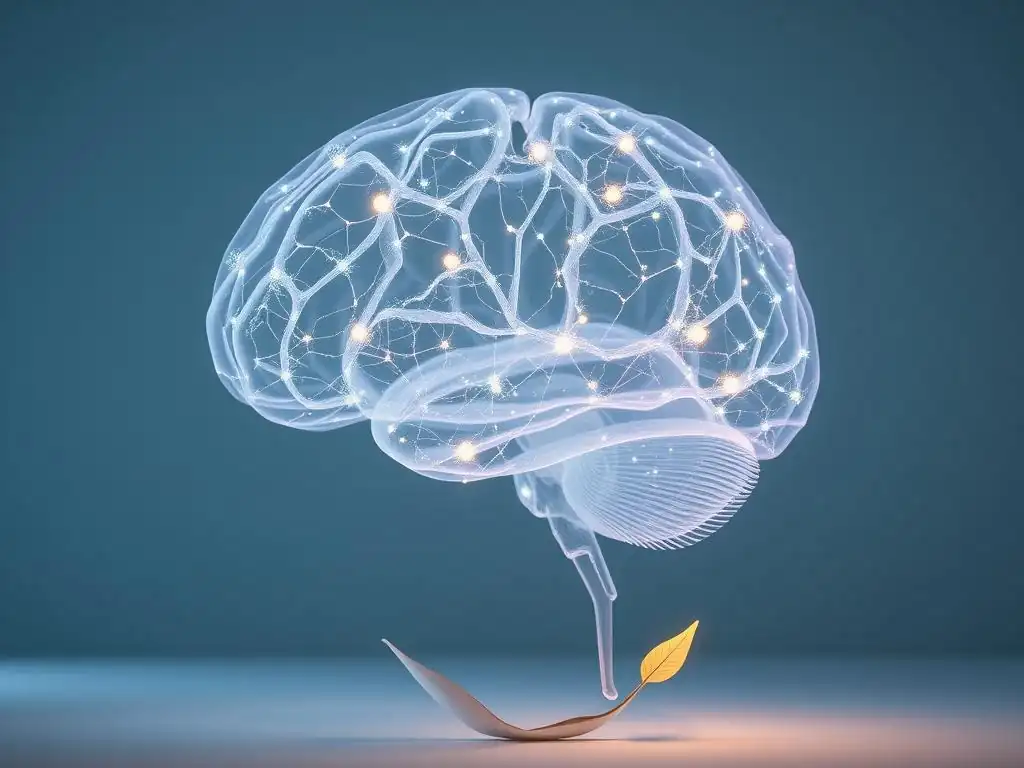
DNA Methylation: Its Role in Mental Health Disorders
DNA methylation is one of the most well-studied epigenetic mechanisms, involving the addition of a methyl group (CH₃) to a cytosine base, typically when it's followed by a guanine (CpG site). This modification often occurs in regions called CpG islands located near gene promoters and can act as a repressive mark, generally leading to gene silencing or reduced expression. Altered patterns of DNA methylation have been implicated in numerous mental health conditions.
Studies have found aberrant DNA methylation patterns in the brains and peripheral tissues of individuals with schizophrenia, bipolar disorder, and major depressive disorder. For instance, research has identified altered methylation in genes related to GABAergic neurotransmission ( GAD1) and dopamine signaling ( COMT) in schizophrenia, potentially contributing to the observed cognitive and psychotic symptoms. In depression, changes in methylation have been noted in genes involved in stress response ( NR3C1, encoding the glucocorticoid receptor) and neurotrophic support ( BDNF), suggesting a link between early life stress, epigenetic modifications, and later vulnerability. These findings underscore DNA methylation as a key player in the epigenetic landscape of mental health disorders and a potential target for epigenetic mental health treatment options.
Histone Modification: A Key Target for Therapeutic Intervention
Histones are proteins around which DNA is wrapped to form chromatin. Modifications to these histones, such as acetylation, methylation, phosphorylation, and ubiquitination, can alter the structure of chromatin, making DNA more or less accessible to the cellular machinery that reads genes. For example, histone acetylation generally 'loosens' chromatin structure, promoting gene expression, while deacetylation often 'tightens' it, repressing expression. Enzymes like Histone Acetyltransferases (HATs) and Histone Deacetylases (HDACs) control these modifications.
Dysregulation of histone modification enzymes and patterns has been linked to various mental health conditions. In anxiety and depression, altered histone acetylation in brain regions like the hippocampus and prefrontal cortex has been observed, affecting the expression of genes critical for learning, memory, and emotional regulation. Because enzymes like HDACs are druggable targets, they represent a significant focus for developing epigenetic mental health treatment options. Inhibitors of HDACs, for example, are being investigated for their potential to reverse maladaptive histone acetylation patterns and restore healthy gene expression in affected brain circuits.
Non-coding RNAs: Emerging Regulators of Gene Expression in Mental Health
Beyond DNA methylation and histone modifications, various types of non-coding RNAs (ncRNAs) also play crucial roles in regulating gene expression at the epigenetic level. These include microRNAs (miRNAs), long non-coding RNAs (lncRNAs), and circular RNAs (circRNAs), which do not code for proteins but can influence gene activity through diverse mechanisms. miRNAs, for instance, are small molecules that can bind to messenger RNA (mRNA) molecules, leading to their degradation or blocking their translation into proteins, effectively silencing gene expression.
Research has identified altered expression profiles of specific ncRNAs in individuals with mental health disorders. For example, certain miRNAs have been found to be dysregulated in the blood and brain tissue of patients with schizophrenia and bipolar disorder, impacting the expression of genes involved in neuronal development, synaptic function, and neurotransmitter signaling. Similarly, lncRNAs have been implicated in regulating chromatin structure and gene looping, contributing to the complex transcriptional dysregulation seen in conditions like depression. The intricate regulatory roles of ncRNAs position them as fascinating emerging targets for developing highly specific epigenetic mental health treatment options.
Promising Epigenetic Therapeutic Approaches for Mental Disorders
DNA Methyltransferase (DNMT) Inhibitors: Potential Applications and Research
DNA Methyltransferases (DNMTs) are the enzymes responsible for adding methyl groups to DNA. Inhibiting their activity could potentially reverse abnormal DNA hypermethylation that silences beneficial genes in mental health disorders. DNMT inhibitors, such as azacytidine and decitabine, are already used in cancer treatment to reactivate tumor suppressor genes. However, their application in mental health is still largely in preclinical stages due to challenges related to blood-brain barrier penetration, specificity, and potential systemic toxicity.
Despite the challenges, research is exploring the potential of novel, brain-permeable DNMT inhibitors or targeted delivery methods. Studies in animal models of depression and anxiety have shown that administering DNMT inhibitors can reverse stress-induced behavioral changes and normalize methylation patterns in specific brain regions. While direct clinical trials using broad-spectrum DNMT inhibitors for primary mental health conditions are limited, understanding their mechanisms provides valuable insights for developing more targeted epigenetic mental health treatment options in the future, perhaps focusing on specific DNMT subtypes or delivery to specific brain areas.
Histone Deacetylase (HDAC) Inhibitors: Clinical Trials and Future Directions
Histone Deacetylase (HDAC) inhibitors block the activity of enzymes that remove acetyl groups from histones, leading to increased histone acetylation and potentially activating genes that were previously silenced. This class of compounds has shown promise in preclinical models of various neurological and psychiatric conditions, including depression, anxiety, and PTSD, by promoting synaptic plasticity and neurogenesis. Several classes of HDAC inhibitors exist, targeting different subtypes of the enzyme, which is crucial for achieving therapeutic specificity and minimizing side effects.
Some early-phase clinical trials have investigated the use of HDAC inhibitors for mood disorders, often as adjunctive therapy. While results are preliminary and the specific HDAC subtypes involved in different disorders are still being clarified, this area of research is rapidly advancing. Future directions involve developing more brain-specific and subtype-selective HDAC inhibitors and determining optimal dosing and duration of treatment. The potential of HDAC inhibitors to modulate gene expression related to neural circuits dysfunction makes them one of the most actively explored epigenetic mental health treatment options.
MicroRNA-Based Therapies: Targeted Gene Regulation for Mental Well-being
MicroRNAs (miRNAs) offer another exciting avenue for epigenetic intervention. Since miRNAs regulate gene expression by targeting specific mRNA molecules, therapies can be designed to either inhibit the activity of a detrimental miRNA (using anti-miRNAs or 'antagomirs') or to introduce a beneficial miRNA that is deficient in a disease state (using miRNA mimics). This approach allows for highly targeted modulation of gene expression, potentially affecting multiple genes within a pathway.
Research is identifying specific miRNAs that are consistently dysregulated in conditions like schizophrenia, bipolar disorder, and depression. For instance, studies have shown that inhibiting certain miRNAs can reverse stress-induced deficits in animal models. The development of miRNA-based therapies faces challenges related to delivery to the brain and ensuring specificity to avoid off-target effects. However, advances in nanoparticle delivery systems and chemical modifications to enhance stability and specificity are bringing miRNA-based epigenetic mental health treatment options closer to reality, offering the potential for precise gene regulation to restore mental well-being.
Epigenetics and Specific Mental Health Conditions: An In-Depth Look
Epigenetic Alterations in Major Depressive Disorder: Research Advances
Major Depressive Disorder (MDD) is a debilitating condition, and research increasingly points to the role of epigenetic mechanisms in its pathophysiology. Studies comparing individuals with MDD to healthy controls have identified differential DNA methylation patterns in genes involved in stress response, neurotrophic support ( BDNF), and monoamine signaling ( SLC6A4, the serotonin transporter). For example, altered methylation of the NR3C1 gene, which encodes the glucocorticoid receptor, has been linked to early life adversity and increased vulnerability to depression later in life, affecting how the body responds to stress.
Furthermore, research has shown altered histone modifications and dysregulated non-coding RNA expression in post-mortem brain tissue and peripheral blood samples from individuals with MDD. These epigenetic changes can affect the function and connectivity of key brain regions involved in mood regulation, such as the prefrontal cortex and hippocampus. Understanding these specific epigenetic signatures is crucial for developing targeted epigenetic mental health treatment options for depression that go beyond simply modulating neurotransmitter levels.
Schizophrenia: Unraveling the Epigenetic Complexity
Schizophrenia is a severe psychiatric disorder characterized by disruptions in thought processes, perceptions, and emotions. Epigenetic factors are believed to play a significant role, interacting with genetic predispositions and environmental factors like prenatal infections, stress, or cannabis use during adolescence. Studies have found widespread epigenetic alterations in the brains of individuals with schizophrenia, affecting genes involved in synaptic function, neuronal development, and immune response.
Specific findings include altered DNA methylation in genes related to GABAergic neurotransmission ( GAD1) and glutamatergic signaling ( GRIN2B), which are critical for inhibitory and excitatory balance in the brain, respectively. Dysregulation of histone modifications and non-coding RNAs has also been observed, contributing to the complex transcriptional changes seen in schizophrenia. Research into these epigenetic signatures is not only improving our understanding of the disorder's origins but also identifying potential targets for novel epigenetic mental health treatment options aimed at correcting these molecular dysfunctions.
Anxiety Disorders: Exploring the Epigenetic Landscape
Anxiety disorders, including Generalized Anxiety Disorder, Panic Disorder, and PTSD, are characterized by excessive fear and worry. Epigenetic mechanisms are thought to mediate the long-lasting effects of stressful experiences on anxiety circuits in the brain. Early life stress, in particular, can induce persistent epigenetic modifications in genes related to the HPA axis and fear conditioning pathways.
Studies in both animal models and humans have identified epigenetic changes in genes like BDNF, CRF (corticotropin-releasing factor), and receptors for stress hormones in brain regions like the amygdala and hippocampus in response to stress and in the context of anxiety disorders. For instance, altered DNA methylation in the BDNF gene has been linked to impaired fear extinction, a key process disrupted in PTSD. These findings highlight how epigenetic marks can contribute to the persistent and often debilitating nature of anxiety, suggesting that targeting these marks could offer new avenues for epigenetic mental health treatment options.
Trauma and PTSD: Investigating Epigenetic Inheritance and Resilience
Post-Traumatic Stress Disorder (PTSD) develops in some individuals after exposure to severe trauma. Epigenetic modifications are believed to play a crucial role in determining vulnerability to PTSD and in mediating the long-term impact of trauma on brain function. Research focuses on how trauma leaves epigenetic "scars" on genes involved in stress response, emotional regulation, and memory processing.
Intriguingly, there is also emerging research exploring the concept of "epigenetic inheritance," where trauma-induced epigenetic changes in one generation might potentially influence the stress reactivity or mental health vulnerability of subsequent generations, although this area is still highly debated and requires much more research, particularly in humans. Understanding the epigenetic mechanisms underlying both vulnerability and resilience to trauma is key to developing personalized epigenetic mental health treatment options that could either reverse maladaptive changes or enhance protective epigenetic profiles.
The Future of Epigenetic Mental Health Treatment: Challenges and Opportunities
Overcoming Hurdles in Epigenetic Drug Development and Delivery
Developing effective epigenetic mental health treatment options faces significant challenges. One major hurdle is achieving tissue-specific delivery of epigenetic drugs to the brain, as many compounds struggle to cross the blood-brain barrier. Systemic administration can lead to off-target effects in other tissues, causing unwanted side effects. Furthermore, ensuring that therapies target only the specific epigenetic modifications relevant to the disorder, without disrupting normal gene regulation, is crucial for minimizing adverse outcomes.
Drug development also requires designing compounds that are potent, stable, and can selectively modulate the activity of specific epigenetic enzymes or target specific non-coding RNAs. Research is actively exploring innovative delivery methods, such as nanoparticles or viral vectors, to enhance brain targeting. Developing highly selective inhibitors or activators of specific epigenetic targets is also a major focus. Despite these hurdles, the potential for precision medicine in mental health offered by epigenetics provides a powerful incentive for overcoming these technical challenges.
Personalized Medicine: Tailoring Epigenetic Therapies to Individual Needs
One of the most exciting opportunities presented by epigenetics is the potential for personalized mental health treatment. Just as an individual's genetic makeup influences their response to medication, their unique epigenome, shaped by their life experiences, may also predict treatment response or vulnerability to side effects. Identifying epigenetic biomarkers – specific epigenetic patterns in blood, saliva, or even brain imaging – could help clinicians select the most appropriate therapy for a given patient.
For example, research might identify a specific methylation pattern in a stress-response gene that predicts non-response to a particular antidepressant. In the future, a clinician could test for this pattern and choose an alternative treatment, perhaps even an epigenetic therapy designed to correct that specific methylation mark. Tailoring epigenetic mental health treatment options based on an individual's epigenetic profile holds the promise of improving efficacy, reducing trial-and-error, and minimizing adverse effects, leading to more effective and humane mental healthcare.
Ethical Implications of Epigenetic Interventions: A Responsible Approach
As epigenetic mental health treatment options advance, it is crucial to consider the ethical implications. Modifying the epigenome, particularly in the brain, raises questions about the potential for unintended long-term effects, including those that might be heritable (though evidence for robust transgenerational epigenetic inheritance in humans is limited and controversial). Ensuring the safety and reversibility of epigenetic interventions is paramount.
There are also broader societal questions about who has access to these potentially transformative therapies and whether interventions aimed at modifying behavior or personality traits through epigenetic means are ethically justifiable. A responsible approach requires careful consideration of these issues through ongoing dialogue between scientists, clinicians, ethicists, policymakers, and the public. Transparency about the potential benefits and risks of epigenetic mental health treatment is essential to navigate this new frontier ethically and equitably.
Lifestyle Factors and Epigenetic Influence on Mental Well-being
Nutrition's Impact on the Epigenome and Mental Health
Diet is a powerful environmental factor that can significantly influence the epigenome and, consequently, mental health. Nutrients act as essential cofactors for epigenetic enzymes (like DNMTs and HATs/HDACs) or directly provide the building blocks for epigenetic marks (like methyl groups from folate and B vitamins). A diet rich in methyl-donors, vitamins, and omega-3 fatty acids can support healthy epigenetic patterns, while nutrient deficiencies or exposure to certain toxins can disrupt them.
For example, studies suggest that omega-3 fatty acids can influence the methylation of genes involved in neurotransmission and inflammation, potentially impacting mood and cognitive function. Conversely, diets high in saturated fats and sugars have been associated with negative epigenetic changes linked to inflammation and metabolic dysfunction, which are increasingly recognized as contributors to depression and anxiety. Understanding these nutritional impacts provides avenues for supporting mental well-being through dietary interventions that positively influence the epigenome, complementing potential epigenetic mental health treatment options.
Exercise and its Positive Epigenetic Effects on Mental Health
Regular physical exercise is well-known to have significant benefits for mental health, reducing symptoms of depression and anxiety and improving cognitive function. Emerging research indicates that these benefits are mediated, at least in part, through epigenetic mechanisms. Exercise can induce favorable epigenetic modifications in brain regions involved in mood, stress response, and learning.
Studies in both humans and animal models have shown that exercise can alter DNA methylation and histone modification patterns in genes related to neurotrophic factors ( BDNF), synaptic plasticity, and mitochondrial function in the hippocampus and other brain areas. For instance, exercise has been shown to increase acetylation of histones in the BDNF promoter, leading to increased gene expression and neuronal growth. These findings highlight exercise as a potent lifestyle intervention that can positively shape the epigenome, offering a natural way to support mental well-being and potentially enhance the effects of other epigenetic mental health treatment options.
Stress Reduction Techniques and their Role in Epigenetic Regulation
Chronic stress is a major risk factor for various mental health conditions and is known to induce maladaptive epigenetic changes. Techniques aimed at reducing stress, such as mindfulness meditation, yoga, and deep breathing exercises, have demonstrated efficacy in improving mental health outcomes. Research suggests that these practices may exert their beneficial effects, in part, by positively influencing the epigenome.
Studies, though still early, have explored the epigenetic effects of mindfulness and other relaxation techniques. Some findings indicate that these practices can influence the activity of enzymes involved in epigenetic modifications and alter the expression of genes related to inflammation and stress response, potentially reversing some of the negative epigenetic impacts of chronic stress. Incorporating stress reduction techniques can be seen as a complementary strategy to support a healthy epigenome, working alongside or even potentially enhancing the effects of future epigenetic mental health treatment options.
Conclusion: Epigenetics – A Promising New Direction in Mental Health Care
The Potential of Epigenetic Therapies to Transform Mental Health Treatment
The field of epigenetics is rapidly transforming our understanding of mental health disorders, revealing how the dynamic interplay between genes and environment shapes brain function and vulnerability. By identifying and characterizing the specific epigenetic modifications associated with conditions like depression, schizophrenia, and anxiety, researchers are uncovering novel molecular targets for intervention. The potential for epigenetic therapies to correct maladaptive gene expression patterns offers a fundamentally new approach compared to current treatments that primarily modulate neurochemical symptoms.
While significant challenges remain in drug development and delivery, the promise of more targeted, effective, and personalized epigenetic mental health treatment options is substantial. Imagine therapies that can reverse the epigenetic scars left by trauma, restore healthy neural circuit function in depression, or correct the gene dysregulation underlying psychosis. This precision approach holds the potential to improve remission rates, reduce side effects, and offer hope to individuals who do not respond to existing treatments.
Future Directions: Research, Innovation, and Hope for Improved Outcomes
The future of epigenetic mental health treatment is bright, driven by ongoing research and technological innovation. Continued efforts are needed to precisely map the epigenomic landscapes of various mental health conditions, identify robust epigenetic biomarkers for diagnosis and treatment prediction, and develop highly selective and brain-permeable epigenetic drugs. Advances in areas like gene editing technologies (e.g., CRISPR-based tools modified to target epigenetic marks) and novel drug delivery systems hold particular promise.
Furthermore, integrating epigenetic insights with other areas of neuroscience, such as neuroimaging and connectomics, will provide a more comprehensive picture of how epigenetic changes impact brain circuits. As research progresses from preclinical studies to clinical trials, the hope is that these efforts will translate into tangible improvements in patient care, offering novel and more effective strategies for promoting mental well-being for millions worldwide.
Resources and Support for Understanding Epigenetics and Mental Health
Understanding complex topics like epigenetics and its role in mental health can be challenging, but access to accurate information is crucial. Reputable scientific organizations, university research centers, and mental health advocacy groups often provide resources explaining the basics of epigenetics and the latest research findings in accessible language. Patients and their families seeking information about current and emerging mental health treatment options should consult with qualified healthcare professionals.
While epigenetic therapies are still largely experimental, staying informed about scientific advancements and engaging in healthy lifestyle practices known to positively influence the epigenome – such as balanced nutrition, regular exercise, and stress management – can be empowering. Remember, knowledge is a key step in navigating mental health challenges and exploring all potential avenues for support and healing.
Frequently Asked Questions
What exactly is epigenetics, and how does it relate to mental health?
Epigenetics refers to changes in gene expression that don't involve alterations to the DNA sequence itself. These changes can affect brain function and development, potentially contributing to various mental health conditions. Understanding epigenetics opens doors to new treatment strategies.
How might epigenetic therapies differ from traditional mental health treatments like medication or therapy?
Traditional treatments often target symptoms, while epigenetic therapies aim to address the underlying biological mechanisms influencing gene expression. This could potentially lead to more targeted and personalized treatment approaches.
Are there any epigenetic mental health treatment options currently available, or are they still in the research phase?
While still largely in the research and development phase, some epigenetic therapies are being explored in clinical trials. These include DNMT inhibitors and HDAC inhibitors, which modify epigenetic marks. More research is needed before widespread use.
What are the potential benefits and risks associated with using epigenetic therapies for mental health conditions?
Potential benefits include more precise and effective treatments that target the root causes of mental illness. However, risks include potential off-target effects and long-term consequences that are not yet fully understood.
How does the Mind Care Guide support individuals interested in learning more about epigenetics and mental health?
The Mind Care Guide provides information, support, and resources related to epigenetics and its role in mental well-being. We aim to keep users informed about the latest research and potential future Epigenetics Mental Health Treatment Options.
Final Reflection: Unlocking the Epigenetic Code for Mental Wellness
The exploration of epigenetic modifications offers a revolutionary paradigm shift in our understanding and treatment of mental health disorders. No longer are we limited to solely considering genetic predispositions; we are now peering into the dynamic interplay between genes and environment, opening doors to personalized therapies tailored to individual needs and experiences. This understanding holds immense potential for transforming the lives of millions currently struggling with debilitating mental illnesses.
The implications of epigenetic research extend far beyond the laboratory, profoundly impacting our cultural understanding of mental illness. It challenges the simplistic nature-versus-nurture debate, highlighting the intricate dance between our inherited blueprint and the environmental factors that shape our mental well-being. This nuanced perspective fosters empathy and understanding, moving away from stigmatizing labels towards a more holistic approach to care. The mind is not a vessel to be filled, but a fire to be kindled.
- Plutarch. This quote resonates deeply, as epigenetic therapies aim to ignite the inherent resilience within individuals, rather than simply suppressing symptoms.
Consider the potential: imagine a future where personalized epigenetic interventions prevent the onset of mental illness, or effectively reverse the damaging effects of trauma and stress. This is not merely a hopeful vision; it is a tangible goal fueled by ongoing research and innovative therapies. You, the reader, are empowered to learn more, to advocate for increased funding in this vital area of research, and to support initiatives that promote mental wellness through a lens of epigenetic understanding. Embrace this knowledge, and let it inspire you to contribute to a future where mental health is prioritized and effectively treated.
Unlock Your Mental Wellness Potential
Thanks for exploring the exciting world of epigenetic therapies with us! You've now gained valuable insights into a potentially revolutionary approach to mental health. Ready to take the next step?
- Dive deeper: Explore reputable resources online to learn more about epigenetic research and its implications for your mental well-being. Look for studies and articles published in peer-reviewed journals.
- Share your thoughts: Start a conversation! Join our community forum (link would go here, but per instructions, omitted) and share your thoughts or questions about epigenetic therapies. Let's learn from each other.
- Consider your lifestyle: Reflect on how your daily habits might influence your epigenetic profile. What small changes could you make today to support your mental health in the long term?
What small step will you take today to nurture your mental wellness through an epigenetic lens?