
Epigenetics of Depression: Unraveling the GeneEnvironment Link

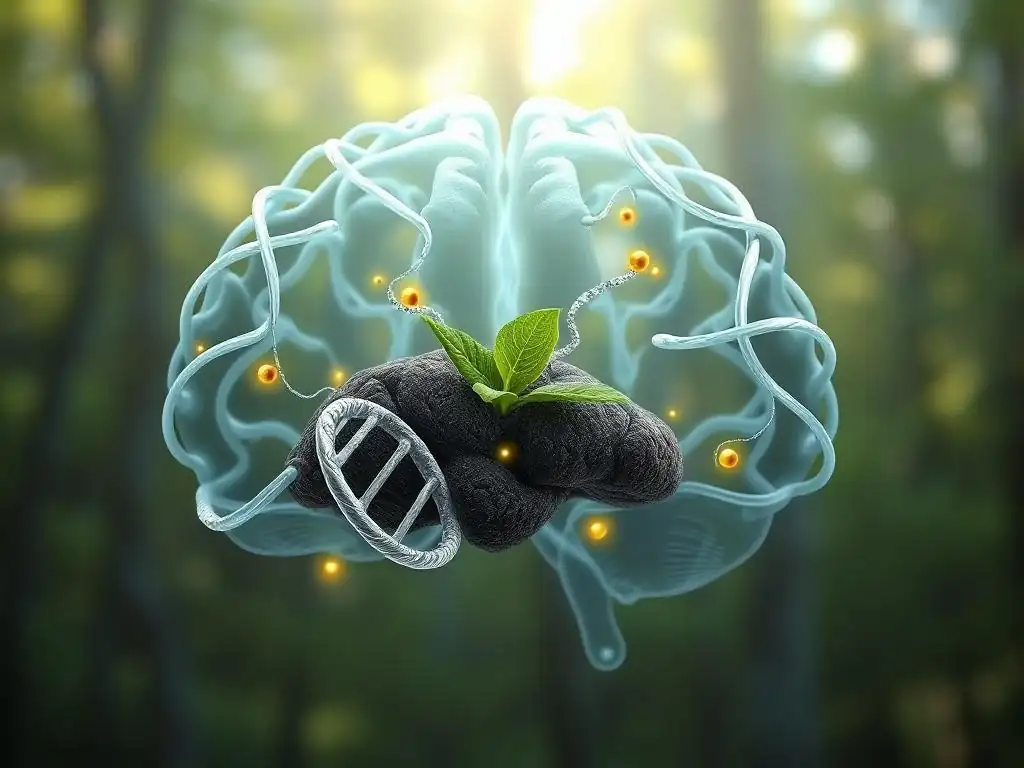
Welcome to Mind Care Guide, a space dedicated to nurturing your mental well-being.
Feeling overwhelmed by the complexities of depression? We understand. In this insightful exploration, we delve into the fascinating world of epigenetics depression treatment strategies, unraveling the intricate link between your genes and environment. Discover how this groundbreaking research is paving the way for new hope and personalized approaches to mental health. Curious to learn more about how your experiences can shape your genetic expression and influence your journey towards recovery? Let's begin.
Epigenetics of Depression: Unraveling the Gene-Environment Link
- Introduction to Epigenetics and Depression
- The Role of Epigenetics in Depression Development
- Specific Genes and Epigenetic Modifications Associated with Depression
- Epigenetics and the Heterogeneity of Depression
- Epigenetics Depression Treatment Strategies: Novel Therapeutic Targets
- Epigenetic Changes in Depression: Research Challenges and Future Directions
- Conclusion: Epigenetics as a Key to Understanding and Treating Depression
-
Frequently Asked Questions
- What is epigenetics and how does it relate to depression?
- How do environmental factors influence the epigenetics of depression?
- What are some potential "Epigenetics Depression Treatment Strategies"?
- How does the gene-environment interaction work in the context of depression?
- What kind of support and resources does "Mind Care Guide" offer in relation to the epigenetics of depression?
- Final Reflection: The Emerging Dawn of Epigenetic Depression Treatment
- Unlock Your Resilience: Take Charge of Your Mental Wellbeing
Introduction to Epigenetics and Depression
Depression is a complex mental health condition affecting millions worldwide, characterized by persistent sadness, loss of interest, and impaired functioning. While genetic predisposition has long been recognized as a risk factor, genes alone do not fully explain who develops depression. Environmental influences, from early life stress to lifestyle factors, play a significant role. The field of epigenetics offers a powerful framework for understanding how these environmental factors interact with our genetic makeup to influence the risk and trajectory of depressive disorders.
Epigenetics, meaning "on top of" or "in addition to" genetics, explores heritable changes in gene expression that occur without alterations to the underlying DNA sequence. These modifications act like molecular switches, turning genes on or off, or dialing their activity up or down. By studying these epigenetic marks, researchers are gaining unprecedented insight into the intricate molecular mechanisms linking our experiences and environment to our mental health, particularly in the context of depression.
Understanding Epigenetics: A Primer for Mental Health Professionals
Epigenetics involves several key mechanisms that modify chromatin structure and regulate gene activity. The primary mechanisms include DNA methylation, histone modifications, and non-coding RNA regulation. These processes are dynamic and can be influenced by environmental factors throughout life.
DNA methylation typically involves the addition of a methyl group to cytosine bases, often in CpG islands near gene promoters. This modification generally leads to gene silencing. For example, hypermethylation of a gene's promoter region can effectively "turn off" that gene's expression. Conversely, hypomethylation can lead to increased gene expression. Histone modifications involve chemical changes to the proteins around which DNA is wrapped. These changes, such as acetylation, methylation, phosphorylation, and ubiquitination, can alter how tightly the DNA is coiled, thus affecting the accessibility of genes to the transcription machinery.
The Interplay of Genes and Environment in Depression
The traditional view of depression often focused on either genetic vulnerability or environmental triggers. However, the reality is far more nuanced. Genes provide the blueprint, but the environment shapes how that blueprint is read and implemented. Epigenetics acts as the bridge, demonstrating how environmental exposures can leave lasting marks on the genome, influencing gene expression patterns relevant to brain function and mood regulation.
Research suggests that while specific genetic variants might confer a certain level of risk for depression, it is often the interaction between these variants and environmental stressors that significantly increases susceptibility. For instance, individuals carrying a particular genotype might be more vulnerable to developing depression if they experience early childhood trauma. Epigenetic modifications are hypothesized to be the molecular mechanism mediating this gene-environment interaction, translating the environmental signal into altered gene activity within the brain, particularly in areas crucial for stress response, emotional regulation, and cognitive function like the hippocampus and prefrontal cortex.
Why Study Epigenetics in the Context of Depression?
Studying the epigenetics of depression offers several critical advantages. Firstly, it provides a molecular explanation for the observed link between environmental factors, such as stress, trauma, and lifestyle, and the development of depressive symptoms. Understanding these mechanisms can shed light on how experiences get "under the skin" and impact brain function.
Secondly, epigenetic modifications are potentially reversible, unlike genetic mutations. This offers hope for novel therapeutic interventions. If epigenetic alterations contributing to depression can be identified and modified, new epigenetics depression treatment strategies could be developed that target these specific molecular pathways. This approach could lead to more effective and personalized treatments compared to current therapies that primarily target neurotransmitter systems, which may not work for a significant portion of patients. Finally, epigenetic markers could potentially serve as biomarkers for predicting risk, diagnosing subtypes of depression, and monitoring treatment response.
The Role of Epigenetics in Depression Development
Epigenetic mechanisms play a crucial role in regulating gene expression in the brain, particularly in circuits involved in mood, stress response, and cognition. Dysregulation of these epigenetic processes in specific brain regions like the prefrontal cortex, hippocampus, and amygdala has been consistently linked to the pathophysiology of depression.
These modifications are not static; they can be established during critical developmental periods but also remain dynamic throughout life, responding to ongoing environmental signals. This plasticity makes epigenetic mechanisms prime candidates for mediating the long-lasting effects of early life experiences and chronic stress on brain function and vulnerability to depression in adulthood. Understanding these molecular shifts is key to unlocking new ways to address depressive disorders.
DNA Methylation and Depression: How Genes are Silenced or Activated
DNA methylation is one of the most well-studied epigenetic mechanisms in depression research. Changes in methylation patterns, specifically the addition or removal of methyl groups to cytosine bases (often in CpG dinucleotides), can significantly impact gene transcription. Hypermethylation in a gene's promoter region is typically associated with transcriptional repression, effectively silencing the gene, while hypomethylation can lead to increased expression.
Studies have identified altered DNA methylation patterns in several genes implicated in depression. For instance, research has shown differential methylation in genes related to the hypothalamic-pituitary-adrenal (HPA) axis, neurotransmitter systems (like serotonin and dopamine), and neurotrophic factors (like BDNF) in individuals with depression compared to healthy controls. Post-mortem brain studies and analyses of peripheral blood samples from depressed patients have revealed specific methylation signatures linked to the disorder, although replicating findings across studies remains a challenge due to tissue-specific differences and sample heterogeneity.
Histone Modification in Depression: Altering Chromatin Structure
Histones are proteins that package DNA into structural units called nucleosomes. Modifications to histones, such as acetylation, methylation, phosphorylation, ubiquitination, and sumoylation, can alter the structure of chromatin, making it more or less accessible to transcription factors. Acetylation of histones, for example, typically loosens chromatin structure, promoting gene transcription, while deacetylation tends to compact chromatin, repressing transcription.
Dysregulation of histone modification enzymes, such as histone deacetylases (HDACs) and histone acetyltransferases (HATs), has been implicated in depression models and in post-mortem brain studies of depressed individuals. Research suggests that altered histone acetylation patterns in brain regions involved in mood regulation contribute to the altered expression of genes critical for neuronal plasticity and stress response. For instance, increased HDAC activity has been linked to deficits in synaptic plasticity and memory consolidation, symptoms often observed in depression. Targeting these enzymes represents a potential avenue for epigenetics depression treatment strategies.
Non-Coding RNAs and Depression: Regulating Gene Expression
Beyond DNA methylation and histone modifications, non-coding RNAs (ncRNAs) represent another crucial layer of epigenetic regulation. These RNA molecules, which are not translated into proteins, can influence gene expression through various mechanisms, including transcriptional and post-transcriptional regulation. Key types of ncRNAs involved in epigenetic processes include microRNAs (miRNAs), long non-coding RNAs (lncRNAs), and circular RNAs (circRNAs).
miRNAs, for example, are small ncRNAs (about 20-22 nucleotides long) that can bind to messenger RNA (mRNA) molecules, leading to their degradation or translational repression. This effectively reduces the amount of protein produced from the target gene. Studies have identified dysregulated expression of specific miRNAs in the brains and peripheral blood of individuals with depression, with these miRNAs targeting genes involved in neurodevelopment, synaptic function, and stress response pathways.
lncRNAs are longer ncRNAs that can interact with DNA, RNA, and proteins to influence gene expression in complex ways, including recruiting chromatin-modifying enzymes to specific genomic loci. Research into the role of lncRNAs and circRNAs in depression is still emerging but highlights the intricate network of epigenetic regulation underlying the disorder.
Environmental Factors Influencing Epigenetic Changes in Depression
Environmental factors are powerful modulators of epigenetic landscapes, particularly during critical developmental periods and in response to chronic stress. These external influences can leave lasting molecular marks that alter gene expression patterns, contributing to long-term vulnerability or resilience to depression. Understanding which environmental factors induce which epigenetic changes is crucial for developing targeted prevention and intervention strategies.
The impact of the environment on epigenetics highlights the dynamic nature of the epigenome. While some epigenetic marks may be relatively stable, others are highly plastic and can be rapidly altered by experiences. This responsiveness allows organisms to adapt to their environment, but adverse exposures can lead to maladaptive epigenetic changes that contribute to disease states like depression.
Early Life Adversity and Epigenetic Programming
Early life adversity (ELA), such as childhood trauma, neglect, or abuse, is a significant risk factor for developing depression later in life. Research strongly suggests that ELA induces long-lasting epigenetic modifications in brain regions involved in stress response and emotional regulation, such as the hippocampus and prefrontal cortex. These epigenetic changes can alter the expression of genes critical for the development and function of these brain circuits.
A landmark study by Meaney and colleagues demonstrated that maternal care in rats induces specific epigenetic changes (DNA methylation and histone acetylation) in the hippocampus that affect the expression of the glucocorticoid receptor gene ( NR3C1). High levels of maternal care were associated with reduced methylation and increased expression of NR3C1, leading to better stress response regulation. Conversely, low maternal care resulted in increased methylation and reduced NR3C1 expression, leading to exaggerated stress responses and increased anxiety-like behavior, mirroring aspects of depression. Similar findings regarding NR3C1 methylation have been reported in post-mortem brain samples from individuals who experienced childhood abuse and died by suicide.
Diet and Nutrition's Impact on Depression-Related Epigenetic Markers
Diet and nutrition are increasingly recognized as environmental factors that can influence the epigenome. Nutrients such as folate, choline, vitamin B12, methionine, and zinc are essential for key epigenetic processes like DNA methylation, as they are involved in the one-carbon metabolism pathway that produces methyl groups. Deficiencies or imbalances in these nutrients can disrupt methylation patterns.
Studies have explored the link between dietary patterns and epigenetic changes relevant to depression. For example, diets rich in fruits, vegetables, and omega-3 fatty acids (like the Mediterranean diet) are associated with a lower risk of depression and may positively influence epigenetic markers related to inflammation and neuroprotection.
Conversely, diets high in saturated fats and refined sugars have been linked to increased risk and potentially adverse epigenetic changes. While direct causation is complex to prove in humans, research in animal models and observational studies suggests that nutritional interventions could potentially modulate the epigenome and influence mood, pointing towards dietary changes as potential epigenetics depression treatment strategies.
Social Isolation and Epigenetic Modification
Social environments, including social support and isolation, can also impact epigenetic profiles. Chronic social isolation is a known stressor and risk factor for depression. Emerging research suggests that social isolation can induce epigenetic changes in the brain that contribute to altered social behavior and increased vulnerability to mood disorders.
Animal studies have shown that social isolation can lead to specific changes in DNA methylation and histone modifications in brain regions like the nucleus accumbens, an area involved in reward and motivation, which are often disrupted in depression. These epigenetic alterations can affect the expression of genes related to neurotransmitter signaling and synaptic function. While research in humans is more challenging, studies are beginning to explore epigenetic differences in individuals experiencing chronic loneliness or social deprivation, aiming to identify molecular links between social environment and mental health outcomes.
Specific Genes and Epigenetic Modifications Associated with Depression
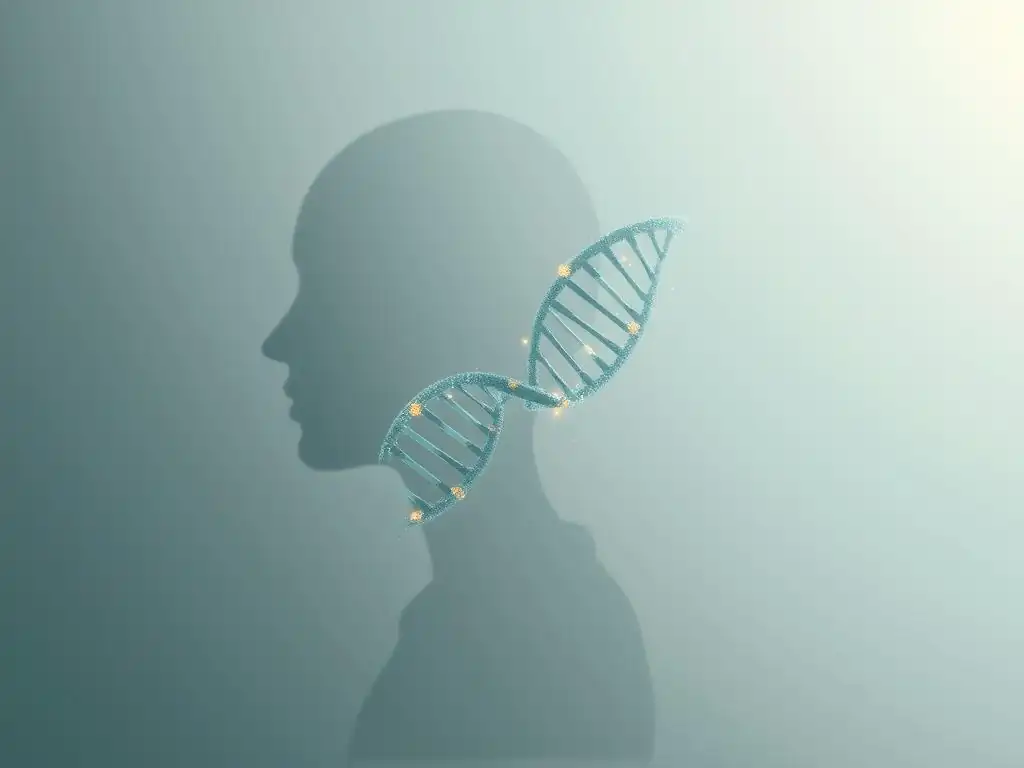
Research has focused on several key genes known to be involved in stress response, neuroplasticity, and neurotransmission, as these are central to the understanding of depression pathophysiology. Epigenetic modifications in these genes are thought to mediate the impact of environmental factors on their expression and function, contributing to vulnerability or resilience.
Identifying these specific gene-epigenetic links provides concrete targets for investigation and potential therapeutic development. While many genes are likely involved in the complex etiology of depression, focusing on those with established roles in stress and mood regulation offers a starting point for unraveling the epigenetic landscape of the disorder.
BDNF (Brain-Derived Neurotrophic Factor) and Epigenetic Regulation in Depression
Brain-Derived Neurotrophic Factor (BDNF) is a protein crucial for neuronal survival, growth, differentiation, and synaptic plasticity – processes often impaired in depression. Reduced levels of BDNF have been consistently observed in individuals with depression and in animal models of the disorder. Epigenetic mechanisms, particularly DNA methylation, are known to regulate BDNF gene expression.
Studies have found increased DNA methylation in the promoter regions of the BDNF gene in the brains of individuals with depression, especially in regions like the hippocampus and prefrontal cortex. This hypermethylation is associated with reduced BDNF expression. Conversely, antidepressant treatments, such as selective serotonin reuptake inhibitors (SSRIs) and electroconvulsive therapy (ECT), have been shown in some studies to decrease BDNF promoter methylation and increase BDNF expression in animal models and in human studies. This suggests that modulating the epigenetic state of the BDNF gene could be a promising target for epigenetics depression treatment strategies.
The HPA Axis and Epigenetic Control in Depressive Disorders
The Hypothalamic-Pituitary-Adrenal (HPA) axis is the body's central stress response system, and its dysregulation is a hallmark of many cases of depression. Chronic stress can lead to HPA axis hyperactivity, resulting in elevated cortisol levels, which can have detrimental effects on the brain. Epigenetic modifications play a critical role in regulating the genes involved in the HPA axis feedback loop, particularly the glucocorticoid receptor ( NR3C1).
As mentioned earlier, early life adversity has been linked to increased methylation of the NR3C1 promoter in the hippocampus, leading to reduced receptor expression. A less sensitive glucocorticoid receptor impairs the negative feedback loop of the HPA axis, resulting in prolonged and exaggerated cortisol release in response to stress. This epigenetic alteration in NR3C1 is considered a key mechanism by which early experiences can program a persistent vulnerability to stress and depression later in life. Other genes within the HPA axis, such as the corticotropin-releasing hormone ( CRH) gene, are also subject to epigenetic regulation, further contributing to the complex interplay between stress, epigenetics, and depression.
Serotonin Transporter Gene (SLC6A4) and Epigenetic Modifications
The serotonin transporter gene ( SLC6A4, also known as 5-HTT or SERT) encodes the protein responsible for reuptaking serotonin from the synaptic cleft, thereby regulating serotonin signaling. Variations in this gene, particularly a functional polymorphism in its promoter region, have been extensively studied in relation to depression risk, although findings have been inconsistent. However, epigenetic regulation of SLC6A4 offers another layer of complexity and potential insight.
Research has investigated DNA methylation patterns within the SLC6A4 gene, particularly in its promoter and intronic regions, in individuals with depression. Studies have reported associations between altered SLC6A4 methylation and depression risk, especially in the context of stress exposure. For instance, increased methylation in certain regions of SLC6A4 has been observed in individuals exposed to early life stress, potentially contributing to altered serotonin signaling and increased vulnerability to depression. These findings suggest that epigenetic modifications to genes involved in neurotransmitter systems like serotonin could be key contributors to the pathophysiology of depression and potential targets for intervention.
NR3C1 and Epigenetic Modifications in Depression
The Glucocorticoid Receptor gene ( NR3C1) is arguably one of the most studied genes in the epigenetics of depression, particularly concerning the long-term effects of stress and early life adversity. NR3C1 encodes the glucocorticoid receptor, which mediates the effects of cortisol and plays a central role in the negative feedback regulation of the HPA axis. Proper functioning of this receptor is essential for terminating the stress response.
As detailed previously, early life experiences, specifically the quality of maternal care or exposure to trauma, can induce stable epigenetic modifications, such as DNA methylation, in the NR3C1 promoter region. Increased methylation at specific CpG sites within this promoter is associated with reduced NR3C1 expression in brain regions like the hippocampus. This leads to impaired feedback inhibition of the HPA axis, resulting in a hyperactive stress response system that is less able to cope with subsequent stressors, significantly increasing the risk for developing depression and anxiety disorders in adulthood. This robust finding across species and studies highlights NR3C1 epigenetic regulation as a critical mechanism linking environmental stress to enduring neurobiological changes and vulnerability to depression.
Epigenetics and the Heterogeneity of Depression
Depression is not a single disorder but rather a heterogeneous collection of symptoms and subtypes with varying underlying biological mechanisms. This heterogeneity poses a significant challenge for diagnosis and treatment, as different individuals may respond differently to the same therapy. Epigenetics offers a potential avenue for understanding and stratifying this heterogeneity.
By examining the unique epigenetic profiles of individuals, researchers may be able to identify distinct molecular signatures associated with different subtypes of depression or varying treatment responses. This could pave the way for more personalized and effective approaches to mental healthcare, moving beyond a one-size-fits-all model.
Epigenetic Signatures in Different Subtypes of Depression
Emerging research suggests that different subtypes of depression may be associated with distinct epigenetic signatures. For example, studies comparing individuals with melancholic depression (characterized by severe symptoms, psychomotor retardation, and vegetative symptoms) versus atypical depression (characterized by mood reactivity, increased appetite, and hypersomnia) might reveal differential methylation or histone modification patterns in genes related to specific neurobiological pathways.
While research is still in its early stages, some studies have begun to identify epigenetic markers that correlate with specific symptom clusters or clinical presentations within major depressive disorder. For instance, differential methylation patterns have been observed in genes related to inflammation or metabolic pathways in individuals with depression characterized by significant somatic symptoms compared to those with primarily affective symptoms. Identifying these subtype-specific epigenetic profiles could help refine diagnostic categories and predict which treatments are most likely to be effective for a given individual.
Personalized Medicine Approaches Based on Epigenetic Profiles
The ability of epigenetics to reflect the unique interplay between an individual's genetic background and their lifetime environmental exposures makes it highly relevant for personalized medicine. By analyzing an individual's epigenetic profile, particularly in accessible tissues like blood or saliva (as proxies for brain changes), clinicians might eventually be able to gain insights into their specific disease mechanisms and predict their response to different therapies.
For example, if a patient's epigenetic profile indicates significant dysregulation of the HPA axis due to early life stress-induced changes in NR3C1 methylation, they might benefit more from therapies specifically targeting stress resilience or HPA axis function, potentially including epigenetic interventions or behavioral therapies known to modulate stress pathways. Conversely, a profile dominated by epigenetic changes in genes related to inflammatory pathways might suggest a different therapeutic approach. This personalized approach, guided by epigenetics depression treatment strategies tailored to the individual's molecular profile, holds significant promise for improving treatment outcomes.
Identifying Biomarkers for Depression Diagnosis and Prognosis
Epigenetic modifications, being relatively stable and potentially measurable in peripheral tissues, are promising candidates for biomarkers in depression. Biomarkers are measurable indicators of a biological state or condition, useful for diagnosis, predicting disease course (prognosis), or monitoring treatment response.
Studies are actively investigating specific epigenetic marks, such as methylation levels at particular CpG sites in candidate genes (e.g., NR3C1, BDNF, SLC6A4) or global methylation patterns, as potential diagnostic markers for depression. While no single epigenetic marker has yet demonstrated sufficient sensitivity and specificity for routine clinical diagnosis, panels of multiple epigenetic markers, potentially combined with other biological data, show promise. Furthermore, epigenetic profiles might predict the likelihood of remission or relapse, or identify individuals at high risk of developing depression following stress exposure. For instance, specific methylation patterns might indicate a higher vulnerability to stress-induced depressive episodes, allowing for targeted preventive interventions.
Epigenetics Depression Treatment Strategies: Novel Therapeutic Targets

The reversibility and dynamic nature of epigenetic modifications open up exciting possibilities for developing novel therapeutic interventions for depression. Unlike genetic mutations, which are largely fixed, epigenetic marks can be altered by pharmacological agents, behavioral therapies, and lifestyle changes. This makes the epigenome a highly attractive target for developing new epigenetics depression treatment strategies.
Targeting epigenetic mechanisms offers the potential to influence gene expression patterns that are dysregulated in depression, aiming to restore a healthier molecular state in relevant brain circuits. This approach complements traditional treatments that focus primarily on neurotransmitter levels and could offer alternatives or adjuncts for patients who do not respond well to existing therapies.
Targeting DNA Methyltransferases (DNMTs) for Depression Treatment
DNA methylation is catalyzed by a family of enzymes called DNA methyltransferases (DNMTs). Inhibiting the activity of DNMTs could potentially reverse aberrant hypermethylation patterns observed in depression, thereby reactivating the expression of genes that have been inappropriately silenced.
Preclinical studies using animal models of depression have explored the effects of DNMT inhibitors. Some studies have shown that treatment with DNMT inhibitors can reverse depression-like behaviors and restore the expression of certain genes implicated in mood regulation, such as BDNF. However, DNMTs are essential for many fundamental biological processes, and broad inhibition could lead to significant side effects. Future research needs to focus on developing more selective inhibitors or targeting specific DNMT isoforms that are predominantly involved in the maladaptive epigenetic changes seen in depression. Furthermore, delivering these inhibitors specifically to relevant brain regions remains a challenge for developing effective epigenetics depression treatment strategies.
Histone Deacetylase (HDAC) Inhibitors as Potential Antidepressants
Histone acetylation, mediated by histone acetyltransferases (HATs) and removed by histone deacetylases (HDACs), is a key epigenetic modification regulating chromatin structure and gene expression. Increased HDAC activity and reduced histone acetylation have been implicated in animal models of depression and in post-mortem brain tissue from depressed individuals, leading to the repression of genes involved in neuronal plasticity and function.
Inhibiting HDACs can lead to increased histone acetylation, opening up chromatin and promoting the expression of genes that may be beneficial for mood regulation and synaptic function, such as BDNF and genes involved in glutamatergic signaling. Several classes of HDAC inhibitors have been developed and tested in preclinical models of depression, showing promising antidepressant-like effects. Some HDAC inhibitors are already approved for other conditions, such as certain cancers, and are being explored for neuropsychiatric applications. However, like DNMTs, HDACs have diverse roles, and developing isoform-selective HDAC inhibitors or finding ways to target them to specific brain regions or cell types is crucial for minimizing side effects and maximizing therapeutic efficacy as part of epigenetics depression treatment strategies.
Dietary and Lifestyle Interventions Targeting Epigenetic Mechanisms
Beyond pharmacological approaches, dietary and lifestyle interventions represent powerful, albeit less direct, ways to modulate the epigenome and potentially influence depression. As discussed earlier, nutrients like folate, B vitamins, and omega-3 fatty acids are essential for epigenetic processes. Ensuring adequate intake of these nutrients, potentially through dietary changes or supplementation, could support healthy epigenetic function.
Furthermore, lifestyle factors such as exercise, sleep, and stress management techniques like mindfulness or meditation have been shown to have beneficial effects on mood and may exert some of their effects through epigenetic mechanisms. For instance, exercise has been shown to increase BDNF expression in the hippocampus, potentially through epigenetic modifications. Stress reduction techniques can influence HPA axis activity, which in turn is linked to epigenetic regulation of genes like NR3C1. These interventions offer accessible and complementary epigenetics depression treatment strategies that empower individuals to positively influence their mental health through daily choices, potentially by promoting a healthier epigenetic landscape.
The Future of Epigenetic Therapies for Depression
The field of epigenetic therapy for depression is still nascent but holds immense potential. Future developments will likely involve the development of highly specific epigenetic modifiers targeting particular enzymes or even specific genomic loci. This could involve small molecule inhibitors or activators of epigenetic enzymes, or even gene editing technologies like CRISPR-based tools modified to target epigenetic marks rather than the DNA sequence itself.
Another exciting area is the development of delivery systems that can selectively target therapeutic agents to specific brain regions or cell types involved in depression, minimizing off-target effects. The integration of epigenetic analysis into clinical practice could also lead to the use of "epi-drugs" in a personalized manner, selecting therapies based on an individual's unique epigenetic profile. While significant challenges remain, including understanding the complex interplay between different epigenetic marks and ensuring the long-term stability and safety of epigenetic interventions, the promise of developing novel and more effective epigenetics depression treatment strategies is driving intense research efforts.
Epigenetic Changes in Depression: Research Challenges and Future Directions
Despite significant progress, research into the epigenetics of depression faces several challenges. These include methodological complexities, the need for more longitudinal studies, ethical considerations, and the challenge of translating findings from basic research into clinical practice. Addressing these challenges is crucial for realizing the full potential of epigenetics in understanding and treating depression.
The dynamic nature of the epigenome, its tissue-specificity, and the complex interplay of multiple environmental factors over a lifetime make it a challenging subject to study rigorously in humans. Overcoming these hurdles requires innovative research designs, advanced technologies, and collaborative efforts across disciplines.
Methodological Considerations in Epigenetic Research on Depression
Studying epigenetic changes in depression presents numerous methodological hurdles. One major challenge is accessing relevant brain tissue from living individuals. Most human epigenetic studies rely on peripheral tissues like blood, saliva, or buccal swabs, which may not accurately reflect the epigenetic state of brain cells involved in mood regulation. While some correlations exist, tissue-specific epigenetic differences are significant.
Furthermore, epigenetic marks are dynamic and can change rapidly in response to acute environmental stimuli or physiological states. This makes it difficult to distinguish epigenetic changes that are causes of depression from those that are consequences of the illness or its treatment. Confounding factors such as age, sex, lifestyle, medication use, and other co-occurring conditions must also be carefully controlled for in study designs.
The choice of epigenetic assay (e.g., whole-genome bisulfite sequencing, reduced representation bisulfite sequencing, ChIP-seq, RNA-seq), data analysis pipelines, and statistical methods also significantly impact findings, contributing to variability across studies. Standardizing methodologies and promoting data sharing are essential for advancing the field.
Longitudinal Studies Needed to Understand Epigenetic Stability
Cross-sectional studies, which assess epigenetic profiles at a single point in time, can identify associations but cannot establish causality or determine the stability of epigenetic marks over time. To understand how environmental exposures lead to persistent epigenetic changes that contribute to the long-term risk of depression, longitudinal studies are critically needed.
Longitudinal studies that track individuals over many years, collecting biological samples and detailed information on environmental exposures (e.g., stress, diet, social experiences) and mental health status, can help determine when epigenetic changes occur in relation to the onset and course of depression. Such studies can also investigate whether specific epigenetic marks are stable traits that predict vulnerability or dynamic states that fluctuate with symptom severity or treatment response. Understanding the trajectory and stability of epigenetic modifications is fundamental for developing effective prevention strategies and targeted epigenetics depression treatment strategies.
Ethical Implications of Epigenetic Interventions for Mental Health
As the possibility of directly modifying the epigenome for therapeutic purposes becomes more realistic, significant ethical considerations arise. Epigenetic modifications can potentially be passed down to future generations (transgenerational epigenetic inheritance, although its extent in humans is debated), raising concerns about the long-term and unintended consequences of epigenetic therapies.
There are also ethical questions surrounding the use of epigenetic information. If specific epigenetic profiles can predict a person's risk for depression or other mental health conditions, how should this information be used? Issues of privacy, potential for discrimination (e.g., in insurance or employment), and the psychological impact of receiving predictive epigenetic information need careful consideration. Ensuring equitable access to potential epigenetic therapies and preventing their misuse are also critical ethical challenges that must be addressed as the field progresses and epigenetics depression treatment strategies are developed.
Opportunities for Translating Epigenetic Findings into Clinical Practice
Translating findings from epigenetic research into clinical practice for depression is a major goal. This involves developing reliable epigenetic biomarkers for diagnosis, prognosis, and treatment response prediction, as well as developing and testing novel epigenetic therapies. The path from laboratory discovery to clinical application is long and requires rigorous validation.
Developing clinically useful epigenetic biomarkers will require large-scale, well-designed studies to identify markers that are robust, reproducible, and predictive across diverse populations. These markers will need to be validated in prospective studies. For epigenetic therapies, preclinical findings showing efficacy in animal models must be translated into human clinical trials.
This involves demonstrating safety, determining optimal dosing, and showing clinical efficacy in depressed patients. The development of targeted delivery systems and strategies to minimize off-target effects will be crucial. Despite the challenges, the potential for epigenetics to revolutionize the diagnosis and treatment of depression provides a strong impetus for continued research and translation efforts, ultimately leading to more effective epigenetics depression treatment strategies.
Conclusion: Epigenetics as a Key to Understanding and Treating Depression
Epigenetics has emerged as a critical field for understanding the complex interplay between genes and environment in the development of depression. By providing a molecular link between life experiences, particularly stress and adversity, and altered gene expression in the brain, epigenetics offers profound insights into the biological underpinnings of this pervasive mental health condition.
The dynamic and potentially reversible nature of epigenetic modifications makes them not only valuable for understanding vulnerability but also exciting targets for novel therapeutic interventions. While research is ongoing and challenges remain, the progress made so far highlights the transformative potential of applying epigenetic principles to the study and treatment of depression.
The Promise of Epigenetic-Based Therapies for Depression
The development of therapies that can modulate aberrant epigenetic marks holds significant promise for individuals who do not respond adequately to current antidepressant treatments or who experience significant side effects. Targeting enzymes like DNMTs and HDACs, or influencing non-coding RNA profiles, could offer new ways to restore healthy gene expression patterns in brain circuits critical for mood regulation.
Unlike traditional drugs that primarily target neurotransmitter levels, epigenetic therapies aim to address the underlying molecular machinery that controls gene activity, potentially offering more sustained effects or addressing root causes related to stress-induced neuroadaptations. The development of selective and safely delivered epigenetic modifiers is a key area of focus for future research, paving the way for innovative epigenetics depression treatment strategies.
Moving Towards Personalized and Preventive Mental Healthcare
Understanding the unique epigenetic profiles associated with different individuals and subtypes of depression is a crucial step towards personalized mental healthcare. Epigenetic biomarkers could eventually help clinicians predict an individual's risk, select the most appropriate treatment based on their specific molecular signature, and monitor their response to therapy.
Furthermore, identifying epigenetic changes induced by early life adversity or other risk factors opens the door for preventive interventions. If specific epigenetic vulnerabilities can be identified early, targeted interventions, such as behavioral therapies, nutritional support, or stress management programs, could potentially buffer the effects of environmental stressors and prevent the development of depression. This proactive approach, informed by epigenetic insights, could revolutionize how we approach mental health prevention.
Systems Biology Approaches to Epigenetics and Depression
The epigenome does not operate in isolation; it interacts dynamically with the genome, transcriptome, proteome, and metabolome. A systems biology approach, integrating data from multiple levels of biological organization, is essential for gaining a comprehensive understanding of how epigenetic changes contribute to the complex phenotype of depression.
Analyzing large datasets generated by high-throughput sequencing technologies, combined with advanced computational modeling, can help researchers unravel the intricate networks of genes, epigenetic modifications, and signaling pathways that are dysregulated in depression. This holistic perspective is necessary to move beyond studying individual genes or epigenetic marks in isolation and to understand the systemic impact of epigenetic dysregulation on brain function and behavior. Such integrated approaches will be crucial for developing the next generation of epigenetics depression treatment strategies that address the complexity of the disorder.
Frequently Asked Questions
What is epigenetics and how does it relate to depression?
Epigenetics refers to changes in gene expression without altering the DNA sequence itself. These changes can be influenced by environmental factors and significantly impact an individual's susceptibility to depression.
How do environmental factors influence the epigenetics of depression?
Environmental stressors, such as childhood trauma or chronic stress, can trigger epigenetic modifications. These modifications can alter the way genes associated with mood regulation and stress response are expressed, increasing depression risk.
What are some potential "Epigenetics Depression Treatment Strategies"?
Research explores therapies targeting epigenetic mechanisms, like histone modification inhibitors or DNA methylation agents. These strategies aim to reverse the epigenetic changes associated with depression and restore normal gene function.
How does the gene-environment interaction work in the context of depression?
The interaction means that genes don't act in isolation; environmental factors can switch genes on or off. This interaction contributes to individual differences in vulnerability to depression, even among those with similar genetic predispositions.
What kind of support and resources does "Mind Care Guide" offer in relation to the epigenetics of depression?
"Mind Care Guide" provides information about the link between epigenetics and depression, highlighting emerging treatment approaches. It also provides access to resources and support networks for individuals struggling with mental health challenges, especially depression.
Final Reflection: The Emerging Dawn of Epigenetic Depression Treatment
The intricate dance between our genes and environment, as revealed through epigenetics, is no longer a theoretical concept; it's the key to unlocking more effective and personalized depression treatment strategies. Understanding how environmental factors modify gene expression without altering the DNA sequence itself offers a revolutionary approach to a debilitating condition affecting millions. This shift in perspective moves us beyond simplistic genetic determinism and opens doors to targeted interventions that address the root causes of depression, rather than merely managing its symptoms.
The implications of epigenetic research on our understanding of depression are profound and far-reaching. It challenges the long-held belief that depression is solely a chemical imbalance, highlighting the significant role of life experiences – trauma, stress, even nutrition – in shaping our susceptibility to this illness. This understanding fosters empathy and a more holistic approach to care. The mind is not a vessel to be filled, but a fire to be kindled.
– Plutarch. This quote perfectly encapsulates the power of epigenetic influence; our experiences don't just fill our minds, they fundamentally alter how our genes function, influencing our mental health trajectory.
Consider the possibilities: Imagine a future where personalized epigenetic testing allows clinicians to identify individuals at high risk for depression based on their unique epigenetic profiles. Imagine treatments tailored to reverse detrimental epigenetic modifications, restoring healthy gene expression and mitigating the severity of depressive symptoms. This isn't science fiction; it's the exciting frontier of mental health research.
You, the reader, can be a part of this revolution by staying informed, advocating for research funding, and supporting initiatives that promote mental health awareness and personalized medicine. Let's work together to kindle the fire within, illuminating a path towards a future where depression is better understood, prevented, and treated.
Unlock Your Resilience: Take Charge of Your Mental Wellbeing
Thanks for diving deep into the fascinating world of epigenetics and depression with us! We hope you gained valuable insights into how your environment interacts with your genes to influence your mental health. Now, let's turn those insights into action:
- Prioritize daily practices that support epigenetic change: Focus on one small, manageable change this week, whether it's incorporating more mindful moments, improving your sleep, or adding nutritious foods to your diet. Small steps can make a big difference.
- Share your newfound knowledge: Spread the word about the power of epigenetics and mental wellbeing with friends and family. Start a conversation and encourage others to explore this transformative field.
- Explore resources for further learning: Dive deeper into MindCareGuide.org for more articles on related topics, providing you with a stronger understanding of your mental health and wellbeing.
What small step will you take today to nurture your mental resilience, knowing the impact you can have on your own gene expression?