
Feed Your Mind: The Surprising Link Between Diet and Brain Plasticity

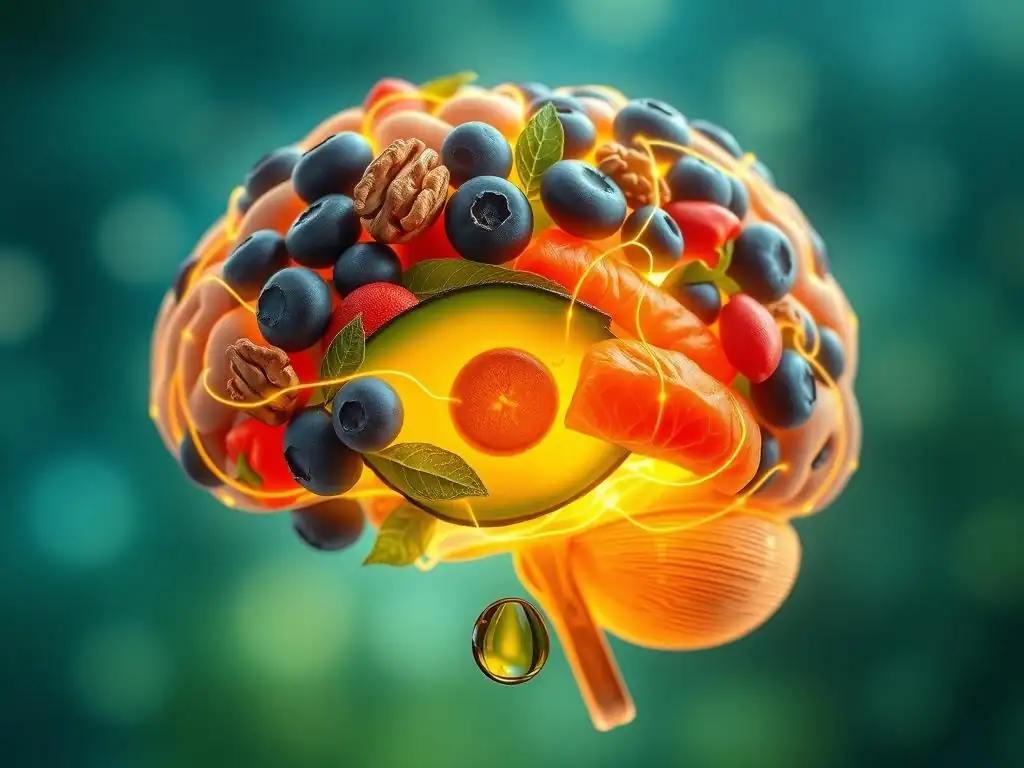
Welcome to Mind Care Guide, a safe space dedicated to nurturing your mental well-being. Are you aware that the food you eat can actively reshape your brain? In this article, we delve into the fascinating connection between diet and brain plasticity, exploring how mindful eating can unlock your brain's potential for growth and resilience. Intrigued? Discover the surprising ways your plate can influence your mental landscape and embark on a journey towards a healthier, happier you. Let's explore together!
- Feed Your Mind: The Surprising Link Between Diet and Brain Plasticity
- Understanding Brain Plasticity: The Foundation for a Healthy Mind
- The Impact of Diet on Brain Plasticity: Fueling Mental Flexibility
-
Key Nutrients for Enhanced Brain Plasticity: A Dietary Guide
- Omega-3 Fatty Acids: Essential for Brain Cell Membrane Health and Neuroplasticity
- Antioxidants: Protecting the Brain from Oxidative Stress and Enhancing Cognitive Function
- B Vitamins: Supporting Neurotransmitter Production and Brain Energy Metabolism
- The Role of Minerals: Magnesium, Zinc, and Iron in Cognitive Enhancement and Brain Health
- Probiotics and Prebiotics: Nurturing the Gut Microbiome for Optimal Brain Function
- Foods that Support Brain Plasticity: A Practical Eating Plan
-
Lifestyle Factors that Enhance Diet-Induced Brain Plasticity
- Exercise and Brain Plasticity: Synergistic Effects for Mental Wellness
- Sleep Hygiene: Supporting Brain Consolidation and Plasticity During Rest
- Stress Management Techniques: Reducing Cortisol Levels and Promoting Brain Resilience
- Cognitive Training and Learning: Maximizing the Benefits of a Healthy Diet
- The Long-Term Benefits of a Brain-Healthy Diet: Cognitive Resilience and Mental Well-being
- Conclusion: Empowering Your Brain Through Diet and Lifestyle
- Frequently Asked Questions
- Final Reflection: Cultivating a Brighter Mind Through Nourishment
- Unlock Your Brain's Potential: Boost Neuroplasticity Today!
Feed Your Mind: The Surprising Link Between Diet and Brain Plasticity
Introduction: Unveiling the Connection Between Nutrition and Brain Rewiring
The human brain, a marvel of biological engineering, possesses an astonishing ability to reorganize itself throughout life. This capacity, known as brain plasticity or neuroplasticity, allows us to learn, adapt, and recover from injury. For decades, this concept was largely confined to the realm of neuroscience research, but increasingly, its profound implications for mental well-being are becoming clear. While genetics and early life experiences play significant roles, emerging research highlights a powerful, often underestimated, influencer of this rewiring process: our diet.
The food we consume provides the building blocks and energy required for every cellular process in the body, including the intricate functions of the brain. The nutrients from our meals don't just fuel our physical activities; they directly impact the health and flexibility of our neurons, the connections between them, and the chemical messengers that facilitate communication.
Understanding the intricate link between diet and brain plasticity offers a compelling pathway to enhance cognitive function, improve mood, and build resilience against mental health challenges. This article explores this vital connection, providing insights into how specific dietary choices can actively support and promote the brain's remarkable ability to change and adapt.
Understanding Brain Plasticity: The Foundation for a Healthy Mind
What is Brain Plasticity and Why is it Important for Mental Well-being?
Brain plasticity, also known as neuroplasticity, refers to the brain's lifelong ability to reorganize itself by forming new neural connections throughout life. It allows neurons to compensate for injury and disease and to adjust their activities in response to new situations or changes in their environment. This dynamic process involves changes at the cellular level, including alterations in synaptic strength (the efficiency of communication between neurons), neurogenesis (the birth of new neurons), and the formation or pruning of neural pathways. It's the biological basis for learning, memory, and recovery from brain insults.
For mental well-being, brain plasticity is fundamentally important. It underpins our capacity to learn new coping mechanisms, adapt to stressful situations, and recover from trauma or mental health conditions like depression or anxiety. A plastic brain is a resilient brain, better equipped to navigate life's challenges. When plasticity is compromised, the brain can become rigid, making it harder to break negative thought patterns, learn new behaviors, or recover from emotional distress. Therefore, supporting this inherent capacity is crucial for maintaining cognitive function and emotional balance throughout the lifespan.
Neuroplasticity: Adapting and Changing Throughout Life
Neuroplasticity is not a phenomenon limited to childhood; it continues throughout adulthood, although certain types of plasticity may be more pronounced at different life stages. This ongoing adaptability means that our brains are constantly being shaped by our experiences, thoughts, and actions. Every time we learn a new skill, practice a language, or even reflect on an experience, we are engaging neuroplastic processes that modify the brain's structure and function.
This continuous process of adaptation is vital for navigating a changing world. For example, studies have shown that learning a new language can increase the density of gray matter in certain brain regions, suggesting structural changes associated with the learning process. Similarly, practicing mindfulness meditation over time has been linked to changes in areas of the brain associated with self-awareness and emotional regulation. This lifelong capacity for change underscores the potential for interventions, including dietary ones, to positively influence brain health and function at any age.
Factors Influencing Brain Plasticity: Beyond Genetics
While genetics certainly lay the groundwork for brain development, numerous environmental and lifestyle factors significantly influence the degree and nature of brain plasticity. Early life experiences, education, social interactions, physical activity, sleep quality, and stress levels all play critical roles in shaping neural pathways and promoting or hindering the brain's ability to adapt. For instance, chronic stress can impair plasticity in areas like the hippocampus, crucial for learning and memory.
Increasingly, research points to nutrition as a powerful, modifiable factor impacting brain plasticity. The availability of specific nutrients is essential for processes like neurogenesis, synaptogenesis (the formation of new synapses), and myelination (the insulation of nerve fibers). Inflammation, often influenced by diet, can negatively impact these processes. Therefore, while genetics set a baseline, our daily choices regarding food, exercise, sleep, and stress management are active determinants of how effectively our brains can wire and rewire themselves.
The Impact of Diet on Brain Plasticity: Fueling Mental Flexibility
How Nutrition Shapes Brain Structure and Function
The brain is an energy-intensive organ, consuming roughly 20% of the body's total energy despite making up only about 2% of its weight. This energy is derived directly from the nutrients we consume. Beyond providing fuel, dietary components serve as building blocks for brain cells, neurotransmitters, and the complex structures that facilitate communication between neurons. For example, fatty acids are crucial components of cell membranes, including those of neurons.
Furthermore, nutrients influence cellular processes essential for brain plasticity, such as gene expression, protein synthesis, and cellular signaling pathways. A diet rich in certain vitamins, minerals, and other bioactive compounds can promote the growth of new neurons (neurogenesis), strengthen connections between existing neurons (synaptogenesis), and enhance the efficiency of neural communication. Conversely, diets lacking essential nutrients or high in inflammatory components can impair these processes, potentially hindering the brain's ability to adapt and function optimally. The link between diet and brain plasticity is therefore direct and profound, impacting both the physical structure and the dynamic function of neural networks.
The Gut-Brain Axis: A Key Pathway for Dietary Influence on Brain Plasticity
The gut-brain axis is a bidirectional communication system linking the central nervous system with the enteric nervous system (the nervous system of the gut). This axis involves complex interactions between the gut microbiome (the trillions of microorganisms living in our intestines), the immune system, the endocrine system (hormones), and the vagus nerve. The composition and activity of the gut microbiome are profoundly influenced by diet.
The gut microbiome produces various neuroactive compounds, such as short-chain fatty acids (SCFAs) like butyrate, which can cross the blood-brain barrier and directly influence brain function, including neurogenesis and synaptic plasticity. Dysbiosis, an imbalance in the gut microbiome often caused by poor dietary habits, has been linked to inflammation, altered neurotransmitter production, and impaired brain function, potentially impacting brain plasticity. Thus, the gut-brain axis serves as a critical intermediary through which diet exerts a powerful influence on the brain's ability to adapt and rewire, highlighting the importance of nurturing a healthy gut microbiome through our food choices.
Specific Nutrients that Promote Brain Plasticity: A Deep Dive
Numerous specific nutrients have been identified through research as having significant roles in supporting and enhancing brain plasticity. These include omega-3 fatty acids, particularly DHA and EPA, which are vital structural components of neuronal membranes and influence synaptic function. Antioxidants, such as vitamins C and E, carotenoids, and polyphenols, protect brain cells from oxidative stress, a process that can damage neurons and impair plasticity.
B vitamins (like B6, B9/folate, and B12) are essential for neurotransmitter synthesis and energy metabolism in the brain. Minerals such as magnesium, zinc, and iron are cofactors for enzymes involved in various brain processes, including neurotransmitter function and synaptic plasticity. Furthermore, compounds found in certain foods, like flavonoids in berries and curcumin in turmeric, have demonstrated neuroprotective and plasticity-enhancing effects in studies. Understanding the roles of these specific nutrients helps illuminate the powerful connection between diet and brain plasticity.
Key Nutrients for Enhanced Brain Plasticity: A Dietary Guide
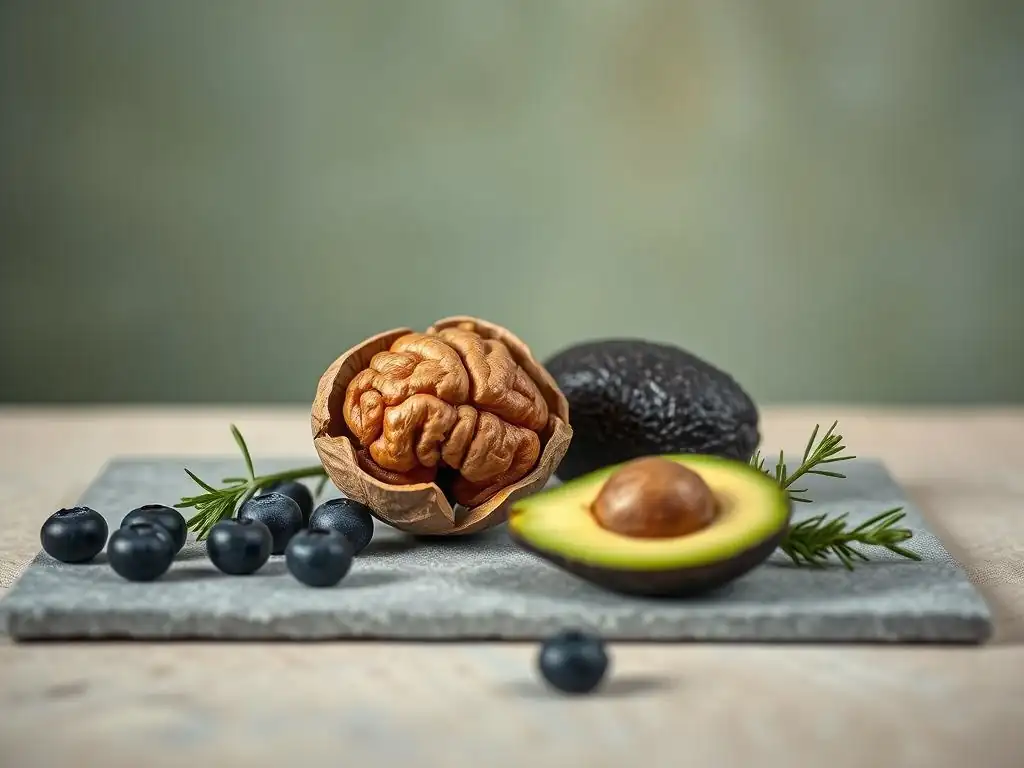
Omega-3 Fatty Acids: Essential for Brain Cell Membrane Health and Neuroplasticity
Omega-3 fatty acids, particularly docosahexaenoic acid (DHA) and eicosapentaenoic acid (EPA), are critical components of neuronal cell membranes. DHA makes up a significant portion of the structural lipids in the brain, especially in areas vital for learning and memory like the hippocampus. These fatty acids influence the fluidity and function of cell membranes, which is essential for efficient communication between neurons via synapses.
Research consistently shows that adequate intake of omega-3s is associated with improved cognitive function and may support processes related to brain plasticity, such as neurogenesis and synaptogenesis. For example, studies have indicated that higher levels of DHA are correlated with larger brain volume and better cognitive performance in older adults. A deficiency in these essential fats can impair neuronal development and function, potentially hindering the brain's ability to adapt and form new connections.
Antioxidants: Protecting the Brain from Oxidative Stress and Enhancing Cognitive Function
The brain is particularly vulnerable to oxidative stress due to its high metabolic rate and lipid content. Oxidative stress occurs when there's an imbalance between free radicals and antioxidants, leading to cellular damage. This damage can impair neuronal function and contribute to neuroinflammation, processes that negatively impact brain plasticity and cognitive health. Antioxidants, found abundantly in fruits, vegetables, nuts, and seeds, help neutralize free radicals, protecting brain cells from damage.
Vitamins C and E, beta-carotene, selenium, and various phytochemicals like polyphenols and flavonoids act as potent antioxidants. Diets rich in these compounds are associated with a reduced risk of cognitive decline and neurodegenerative diseases. By mitigating oxidative damage and inflammation, antioxidants create a more favorable environment for the brain's plastic processes to occur, thereby enhancing cognitive function and potentially supporting brain rewiring.
B Vitamins: Supporting Neurotransmitter Production and Brain Energy Metabolism
B vitamins, including thiamine (B1), riboflavin (B2), niacin (B3), pantothenic acid (B5), pyridoxine (B6), biotin (B7), folate (B9), and cobalamin (B12), play indispensable roles in brain function. They are essential cofactors for enzymes involved in energy production within brain cells, ensuring the brain has the necessary fuel to perform its complex tasks, including those related to plasticity.
Furthermore, several B vitamins, notably B6, folate, and B12, are crucial for the synthesis of neurotransmitters like serotonin, dopamine, and norepinephrine, which are vital for mood regulation, cognition, and synaptic function. They are also involved in the metabolism of homocysteine; elevated levels of homocysteine are linked to cognitive impairment and may negatively impact brain structure and function. Ensuring adequate intake of B vitamins through diet is fundamental for supporting brain energy metabolism, neurotransmitter balance, and the overall health required for effective brain plasticity.
The Role of Minerals: Magnesium, Zinc, and Iron in Cognitive Enhancement and Brain Health
Essential minerals like magnesium, zinc, and iron are also critical for optimal brain function and play roles in supporting brain plasticity. Magnesium is involved in numerous enzymatic reactions in the brain, including those related to energy production and neurotransmitter function, particularly glutamate and GABA systems which are central to synaptic plasticity. Adequate magnesium levels are associated with improved learning and memory.
Zinc is highly concentrated in certain brain regions, including the hippocampus, and is involved in synaptic transmission and modulating neuronal excitability. It plays a role in neurogenesis and synaptogenesis. Iron is essential for oxygen transport to the brain and is a cofactor for enzymes involved in neurotransmitter synthesis and myelin production. Iron deficiency, even mild, can impair cognitive function, especially in children. Ensuring sufficient intake of these minerals is therefore vital for supporting cognitive processes and the biological mechanisms underlying brain plasticity.
Probiotics and Prebiotics: Nurturing the Gut Microbiome for Optimal Brain Function
As discussed regarding the gut-brain axis, the health of our gut microbiome significantly impacts brain function and potentially brain plasticity. Probiotics are beneficial live microorganisms that, when consumed in adequate amounts, confer a health benefit to the host. Prebiotics are non-digestible fibers that selectively stimulate the growth and/or activity of beneficial bacteria in the gut.
Consuming probiotic-rich foods (like yogurt, kefir, sauerkraut) and prebiotic-rich foods (like garlic, onions, bananas, oats) can help maintain a balanced and diverse gut microbiome. A healthy gut microbiome can produce beneficial compounds like SCFAs, reduce systemic inflammation, and influence neurotransmitter levels, all of which can positively impact brain health and support mechanisms related to brain plasticity. Nurturing the gut through diet is an indirect yet powerful way to support the brain's capacity for change.
Foods that Support Brain Plasticity: A Practical Eating Plan
Incorporating Brain-Boosting Foods into Your Daily Diet
Transitioning to a diet that actively supports brain plasticity doesn't require drastic changes overnight but rather a focus on incorporating nutrient-dense foods regularly. Prioritize foods rich in omega-3s, antioxidants, B vitamins, and essential minerals. Fatty fish like salmon, mackerel, and sardines are excellent sources of DHA and EPA. Aim for at least two servings per week. If you are vegetarian or vegan, consider algal oil supplements and incorporate flaxseeds, chia seeds, and walnuts (though the conversion of plant-based omega-3s to DHA/EPA is less efficient).
Load your plate with a variety of colorful fruits and vegetables; their vibrant hues indicate a high concentration of antioxidants and vitamins. Berries (blueberries, strawberries), leafy greens (spinach, kale), cruciferous vegetables (broccoli), and bell peppers are particularly good choices. Include sources of B vitamins like whole grains, legumes, nuts, seeds, and lean proteins. For minerals like magnesium and zinc, incorporate nuts, seeds, legumes, and dark chocolate. Remember to also include prebiotic-rich foods like oats, bananas, and asparagus, and probiotic sources like fermented foods to support the gut-brain axis.
Sample Daily Meal Plans for Brain Plasticity
Here is a sample structure for a day of eating designed to support diet and brain plasticity:
- Breakfast: Oatmeal topped with berries, walnuts, and a sprinkle of chia seeds. Served with a side of Greek yogurt (probiotic) or a plant-based alternative. This provides complex carbs, omega-3s, antioxidants, fiber, and probiotics.
- Lunch: A large salad with mixed greens, colorful vegetables (bell peppers, carrots, tomatoes), chickpeas (B vitamins, fiber), avocado (healthy fats), and grilled salmon or lentils (omega-3s or plant protein). Dress with olive oil and lemon juice (antioxidants, healthy fats).
- Snack: A handful of almonds or walnuts (magnesium, zinc, omega-3s), or an apple with peanut butter (fiber, healthy fats).
- Dinner: Baked chicken or tofu with a side of quinoa (whole grain, B vitamins) and steamed broccoli (antioxidants, vitamins). Alternatively, a lentil soup with plenty of vegetables.
- Evening: A small bowl of plain yogurt with a few berries, or a cup of herbal tea.
This plan is just a template; the key is variety and consistency in choosing nutrient-dense foods from different groups throughout the day. Focusing on whole, unprocessed foods is generally the most effective strategy for supporting brain health and plasticity.
Foods to Limit or Avoid: Minimizing Negative Impacts on Brain Health
Just as some foods support brain plasticity, others can hinder it. Minimizing the consumption of foods high in saturated and trans fats, refined sugars, and processed ingredients is crucial. Diets high in these components are often pro-inflammatory and can contribute to oxidative stress, both of which can impair neuronal function and reduce plasticity. For example, a diet high in added sugars has been linked to reduced levels of brain-derived neurotrophic factor (BDNF), a protein vital for neurogenesis and synaptic plasticity.
Highly processed foods, sugary drinks, and excessive consumption of red and processed meats should be limited. While occasional treats are fine, making these items staples of your diet can create a biochemical environment in the brain that is less conducive to healthy adaptation and rewiring. Focusing on whole, unprocessed foods allows you to naturally reduce your intake of these detrimental components while increasing your consumption of brain-supportive nutrients, optimizing the link between diet and brain plasticity.
Lifestyle Factors that Enhance Diet-Induced Brain Plasticity

Exercise and Brain Plasticity: Synergistic Effects for Mental Wellness
Physical exercise is a powerful catalyst for brain plasticity, and its effects are highly synergistic with a healthy diet. Regular aerobic exercise increases blood flow to the brain, delivering essential oxygen and nutrients. It also stimulates the production of neurotrophic factors, such as BDNF, which are crucial for the growth, survival, and differentiation of neurons, as well as for promoting synaptogenesis and neurogenesis.
Studies have shown that combining exercise with a nutrient-rich diet can have a more significant positive impact on cognitive function and brain structure than either factor alone. For instance, research on older adults combining aerobic exercise with a Mediterranean-style diet has shown enhanced cognitive improvements. Exercise helps create the environment for new neural connections, while a healthy diet provides the necessary building blocks and energy for these connections to form and strengthen.
Sleep Hygiene: Supporting Brain Consolidation and Plasticity During Rest
Adequate and quality sleep is fundamental for cognitive function and plays a critical role in consolidating memories and facilitating processes related to brain plasticity. During sleep, the brain actively prunes unnecessary synaptic connections and strengthens important ones, a process vital for learning and adaptation. Sleep deprivation, even short-term, can impair working memory, attention, and executive function, and chronic poor sleep is linked to reduced brain volume in certain areas.
While diet provides the fuel and building blocks for brain health, sleep is when much of the 'rewiring' and maintenance work happens. Ensuring good sleep hygiene – consistent sleep schedule, a dark and quiet sleep environment, avoiding caffeine and alcohol before bed – supports the brain's ability to consolidate learning and maintain its plastic capabilities. The benefits of a brain-healthy diet can be significantly amplified when combined with sufficient restorative sleep.
Stress Management Techniques: Reducing Cortisol Levels and Promoting Brain Resilience
Chronic stress, and the sustained release of stress hormones like cortisol, can have detrimental effects on brain structure and function, particularly impacting areas involved in memory and emotional regulation like the hippocampus and prefrontal cortex. Elevated cortisol levels can impair neurogenesis and reduce synaptic plasticity, making it harder for the brain to adapt and cope with challenges.
Implementing effective stress management techniques – such as mindfulness meditation, yoga, deep breathing exercises, spending time in nature, or engaging in hobbies – can help lower cortisol levels and mitigate the negative impact of stress on the brain. Reducing stress creates a more favorable environment for brain plasticity. Combined with a diet that supports brain health and reduces inflammation, stress management contributes significantly to building cognitive resilience and maintaining mental well-being.
Cognitive Training and Learning: Maximizing the Benefits of a Healthy Diet
Engaging in mentally stimulating activities and continuous learning is another powerful way to promote brain plasticity. Learning new skills, reading, playing challenging games, or taking up a new hobby creates new neural pathways and strengthens existing ones, actively exercising the brain's capacity to change. This process is often referred to as "use it or lose it."
When cognitive training and continuous learning are combined with a diet rich in brain-supporting nutrients, the effects are likely enhanced. The healthy diet provides the biological foundation – the energy, building blocks, and reduced inflammation – necessary for the brain to effectively form and strengthen these new connections stimulated by mental activity. This holistic approach, integrating diet with cognitive engagement, exercise, and stress management, offers the most comprehensive strategy for maximizing brain plasticity and maintaining cognitive vitality throughout life.
The Long-Term Benefits of a Brain-Healthy Diet: Cognitive Resilience and Mental Well-being
As we age, some degree of cognitive change is normal, but significant cognitive decline is not inevitable. A large body of research indicates that dietary patterns, particularly those rich in plant-based foods, healthy fats, and low in processed items, are associated with a reduced risk of developing age-related cognitive impairment and dementia. The Mediterranean diet and the MIND diet (a hybrid of the Mediterranean and DASH diets focusing on brain-healthy foods) are two examples that have shown promise in epidemiological studies.
These diets provide the essential nutrients and bioactive compounds that protect brain cells from damage, reduce inflammation, and support the structural and functional integrity of neural networks. By consistently providing the brain with the necessary resources and minimizing exposure to harmful dietary components over the long term, a brain-healthy diet helps maintain the brain's plastic capacity, supporting cognitive functions like memory, attention, and processing speed well into older age. This proactive dietary approach is a cornerstone of building cognitive resilience.
Diet and Mental Health: Alleviating Symptoms of Depression and Anxiety
The link between diet and mental health is increasingly recognized. Research suggests that dietary patterns can influence the risk and severity of mood disorders like depression and anxiety. Diets high in processed foods, sugar, and unhealthy fats are often associated with a higher incidence of these conditions, while diets rich in fruits, vegetables, whole grains, lean protein, and healthy fats are linked to better mental health outcomes.
This connection is thought to involve several mechanisms, including inflammation, oxidative stress, gut microbiome health, and the availability of nutrients required for neurotransmitter synthesis and brain function. By supporting brain plasticity, a healthy diet can potentially help the brain adapt to emotional challenges, regulate stress responses, and improve the function of neural circuits involved in mood. While not a substitute for professional treatment, dietary changes can be a valuable complementary strategy for managing symptoms and supporting overall mental well-being.
Supporting Recovery from Brain Injuries: The Role of Nutrition in Neurorehabilitation
For individuals recovering from brain injuries, such as stroke or traumatic brain injury (TBI), nutrition plays a crucial role in supporting neurorehabilitation and maximizing the brain's capacity for recovery through plasticity. The injured brain requires increased energy and specific nutrients to repair damaged tissue, reduce inflammation, and facilitate the rewiring processes necessary for functional recovery.
Adequate protein intake is essential for tissue repair. Omega-3 fatty acids can help reduce inflammation and support neuronal membrane health. Antioxidants protect against secondary injury caused by oxidative stress. B vitamins and other micronutrients are vital for energy metabolism and neurotransmitter production. A tailored nutritional approach, often involving increased calorie and protein intake and supplementation with specific nutrients, can support the biological processes underlying neuroplasticity, potentially enhancing the effectiveness of rehabilitation therapies and improving long-term outcomes.
Conclusion: Empowering Your Brain Through Diet and Lifestyle
Embracing a Holistic Approach to Brain Health: Diet, Exercise, and Mental Well-being
The brain's remarkable capacity for plasticity offers a powerful message of hope and potential. It means that our brains are not fixed but can change and adapt throughout our lives. While genetics and early experiences are important, our daily lifestyle choices hold significant power in shaping this process. As we have explored, the connection between diet and brain plasticity is profound – the food we eat provides the essential fuel and building blocks for neuronal health, communication, and the very mechanisms of rewiring.
However, optimizing brain plasticity is not solely about diet. It is part of a larger, holistic picture of brain health. Regular physical exercise, sufficient and restorative sleep, effective stress management, and continuous cognitive engagement all work synergistically to create an environment where the brain can thrive and maintain its flexibility. Embracing these pillars of health together offers the most robust strategy for promoting cognitive vitality and emotional resilience.
Call to Action: Implementing Dietary Changes for Improved Brain Plasticity.
Understanding the link between diet and brain plasticity is the first step; the next is action. Consider making conscious changes to your eating habits to prioritize nutrient-dense foods that actively support your brain's health and adaptability. Start small – perhaps by adding a handful of berries to your breakfast, incorporating fatty fish into your weekly meals, or increasing your intake of leafy greens.
Focus on progress, not perfection. Every healthy food choice is an investment in your brain's future, supporting its ability to learn, adapt, and maintain mental well-being. By nourishing your brain with the right foods and integrating other healthy lifestyle practices, you are actively empowering its incredible capacity to rewire and build resilience, contributing to a healthier, more vibrant mind throughout your life.
Frequently Asked Questions
How does diet influence brain plasticity?
Diet plays a crucial role by providing the necessary nutrients for brain function and structure. Specific foods can either promote or hinder the brain's ability to adapt and change, affecting brain plasticity directly. This impacts learning and memory.
What are some specific foods that can enhance brain plasticity?
Foods rich in omega-3 fatty acids, such as salmon and flaxseeds, are known to support brain plasticity. Also, antioxidant-rich foods, like berries and leafy greens, can protect brain cells and improve their function. These are vital for brain health.
Can a poor diet negatively impact brain plasticity?
Yes, a diet high in processed foods, sugar, and unhealthy fats can impair brain plasticity. These foods can lead to inflammation and oxidative stress, hindering the brain's ability to form new connections and adapt. This can decrease cognitive function.
How quickly can dietary changes affect brain plasticity?
While significant changes take time, some improvements can be observed within weeks or months of adopting a healthier diet. The brain is constantly remodeling itself, so consistent, positive dietary choices can lead to noticeable cognitive benefits.
Beyond diet, what other lifestyle factors support brain plasticity?
Alongside diet, regular exercise, adequate sleep, and engaging in mentally stimulating activities are crucial. These factors work synergistically to promote brain health and enhance the brain's capacity for change and adaptation, impacting mental well-being.
Final Reflection: Cultivating a Brighter Mind Through Nourishment
The connection between what we eat and the remarkable adaptability of our brains is not merely a scientific curiosity; it's a powerful tool for personal growth and well-being. Understanding this link empowers us to actively shape our cognitive destiny, influencing everything from memory and focus to mood and emotional resilience. The implications are profound, impacting not only individual lives but also the collective potential of society.
The ongoing research into diet and brain plasticity underscores the crucial role nutrition plays in shaping our mental landscape. It's a humbling realization that the seemingly simple act of choosing our food can have such a far-reaching impact on our cognitive abilities and overall mental health. This understanding has profoundly shifted my own approach to eating, encouraging mindful choices that support optimal brain function. The brain is the organ that makes everything else work. If you don't take care of it, nothing else matters.
This quote, while not directly about diet, perfectly encapsulates the importance of prioritizing brain health.
Now, consider your own relationship with food. What steps can you take today to nourish your brain and unlock its incredible potential? Perhaps it's incorporating more brain-boosting foods into your diet, exploring mindful eating practices, or simply taking a moment to appreciate the profound connection between your plate and your mind. Embrace this knowledge, and embark on a journey of conscious nourishment, paving the way for a brighter, sharper, and more resilient you.
Unlock Your Brain's Potential: Boost Neuroplasticity Today!
Thanks for exploring the fascinating connection between diet and brain plasticity! You’ve learned how powerful food choices are in shaping your cognitive abilities. Now, it's time to put this knowledge into action.
- Prioritize brain-boosting foods: Start incorporating foods rich in Omega-3s, antioxidants, and B vitamins into your diet this week. Think salmon, blueberries, and leafy greens!
- Share your discoveries: Tell a friend or family member about the surprising impact of nutrition on brain health. Inspire them to make positive changes too!
- Experiment with new recipes: Find one new brain-healthy recipe this week and try it out. You might discover your new favorite dish!
Ready to nourish your mind and unlock your brain's full potential? What simple dietary change will you make first?