
Managing Chronic Pain: The BrainBody Connection in Neurofeedback

Welcome to Mind Care Guide, where we believe in understanding and nurturing your mental well-being.
Are you living with chronic pain and searching for a different path to relief? You're not alone, and we're here to help you explore innovative approaches. In this article, we delve into the fascinating world of Neurofeedback chronic pain management, uncovering how harnessing the power of your brain can offer a promising new avenue for finding comfort and reclaiming your life. Intrigued? Let's explore the connection between your brain and body together...
- Understanding Chronic Pain and the Brain
- Neurofeedback for Chronic Pain Management: An Overview
- Benefits of Neurofeedback for Chronic Pain Relief
-
Types of Neurofeedback Protocols for Chronic Pain
- Frequency-Based Neurofeedback: Targeting Specific Brainwave Patterns
- sLORETA Neurofeedback: Precision Targeting of Brain Regions Involved in Pain
- Alpha-Theta Neurofeedback: Promoting Relaxation and Emotional Processing
- Infra-Low Frequency Neurofeedback: Addressing Neurological Stability and Regulation
- The Neurofeedback Process: What to Expect
- Scientific Evidence: Neurofeedback for Pain Management Research
- Is Neurofeedback Right for You?
- Potential Side Effects and Risks of Neurofeedback
- Integrating Neurofeedback with Other Pain Management Strategies
- Long-Term Pain Management with Neurofeedback
- Neurofeedback: A Promising Approach to Chronic Pain Relief
-
Frequently Asked Questions
- What is Neurofeedback and how does it relate to chronic pain management?
- How does Neurofeedback address the brain-body connection in chronic pain?
- What are the potential benefits of using Neurofeedback for chronic pain compared to traditional methods?
- Is Neurofeedback a suitable treatment option for all types of chronic pain?
- How do I find a qualified Neurofeedback practitioner for chronic pain management?
- Final Reflection: Rewiring the Pain Response: Hope Through Neurofeedback
- Unlock Your Pain-Free Potential: Take Control Now!
Understanding Chronic Pain and the Brain
What is Chronic Pain? Defining Persistent Pain Conditions
Chronic pain is typically defined as pain that lasts for three months or longer. Unlike acute pain, which serves as a warning signal of immediate injury or illness and resolves once the underlying cause is treated, chronic pain persists beyond the expected healing time. It can range from mild to severe and may be constant or intermittent.
This type of pain is not merely a symptom but often becomes a condition in itself, significantly impacting an individual's physical and emotional well-being, their ability to work, and their social life. Common chronic pain conditions include back pain, headaches, fibromyalgia, arthritis, and nerve pain.
The experience of chronic pain is complex and multifaceted. It involves not just the physical sensation but also psychological factors such as mood, stress, and past experiences. The persistent nature of the pain can lead to a cycle of reduced activity, muscle deconditioning, social isolation, and increased anxiety or depression, further exacerbating the pain experience. Understanding chronic pain requires acknowledging its biological origins in nerve signaling and tissue issues, but also recognizing the profound influence of the brain and nervous system's response to prolonged discomfort.
The Role of the Brain in Chronic Pain Perception
The brain plays a central role in processing and interpreting pain signals. While pain originates from nerve endings in the body, it is the brain that ultimately determines the intensity and quality of the pain sensation we perceive. In chronic pain states, the brain's pain pathways can become hypersensitized or even undergo structural and functional changes. Areas such as the anterior cingulate cortex, insula, and prefrontal cortex, which are involved in processing the emotional and cognitive aspects of pain, show altered activity patterns.
This phenomenon, sometimes referred to as central sensitization, means that the brain and nervous system become more reactive to pain signals, or even generate pain signals in the absence of ongoing tissue damage. The brain essentially learns to be in pain. This learning involves changes in synaptic strength and neural network activity. Consequently, stimuli that would normally be mildly uncomfortable or not painful at all can be perceived as intensely painful. Addressing chronic pain effectively often requires strategies that help retrain the brain's response to pain signals.
The Brain-Body Connection: How Pain Signals Travel
The brain-body connection is fundamental to understanding how pain is experienced. Pain signals are initiated when specialized nerve endings, called nociceptors, detect potential or actual tissue damage. These signals are transmitted along peripheral nerves to the spinal cord. In the spinal cord, the signals are processed and can be modulated before being relayed upwards through ascending tracts to the brainstem and then to various areas of the brain, including the thalamus, somatosensory cortex, and the limbic system.
This intricate network allows the brain to locate the source of the pain (somatosensory cortex), understand its emotional impact (limbic system), and integrate it with cognitive processes like memory and attention (prefrontal cortex). Furthermore, the brain can send descending signals back down the spinal cord to modulate the pain transmission. In chronic pain, this communication system can become dysregulated. The descending pain inhibition pathways may become less effective, while pathways that facilitate pain transmission become more active, contributing to the persistent pain experience. Effective neurofeedback chronic pain management aims to help regulate these complex brain-body communication loops.
Neurofeedback for Chronic Pain Management: An Overview
What is Neurofeedback? A Non-Invasive Brain Training Technique
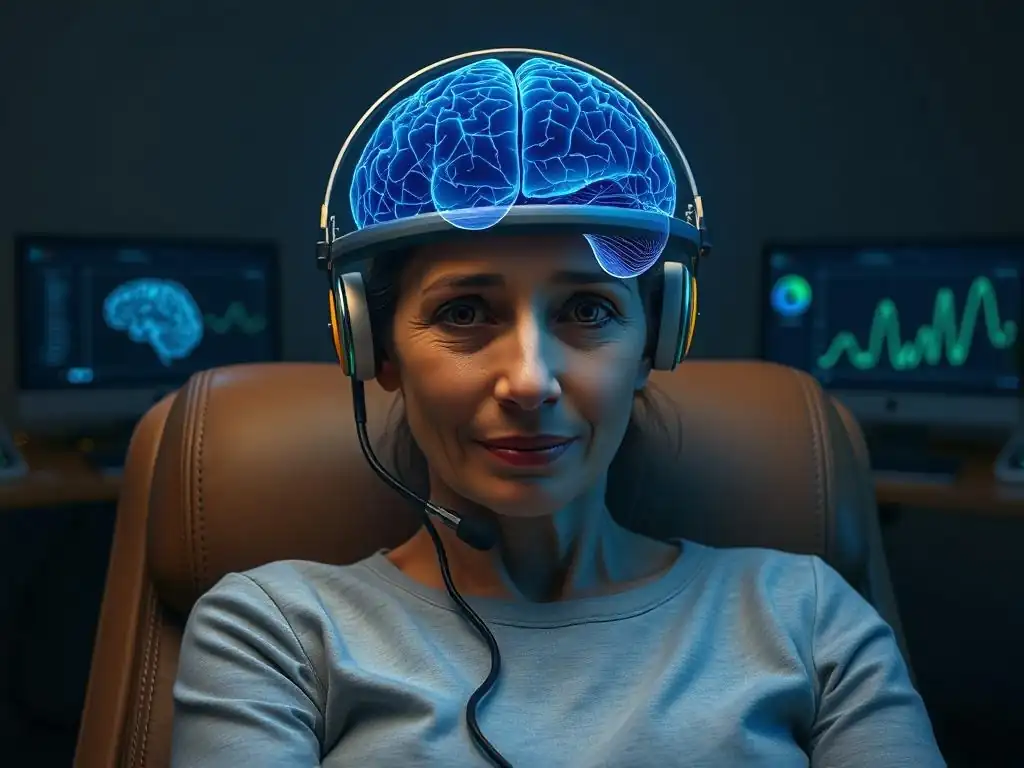
Neurofeedback, also known as EEG biofeedback, is a non-invasive therapeutic technique that helps individuals learn to self-regulate their brain activity. It is a form of biofeedback that specifically targets brainwave patterns. During a neurofeedback session, sensors are placed on the scalp to measure electrical activity in the brain (brainwaves), such as delta, theta, alpha, beta, and gamma waves. This activity is then displayed in real-time to the individual, often in the form of a video game, movie, or auditory feedback.
The core principle of neurofeedback is operant conditioning. The individual is rewarded (e.g., the video game character moves, the movie plays smoothly, a pleasant tone sounds) when their brainwave patterns move towards a desired state that is associated with improved function or reduced symptoms. Conversely, the feedback stops or becomes negative when the brain activity shifts away from the target state.
Through repeated training sessions, the brain learns to produce more of the desired brainwave patterns and less of the undesired ones, leading to lasting changes in brain regulation and function. It's a form of learning that empowers the individual to gain more control over their own brain activity.
How Neurofeedback Works: Training Brainwaves for Pain Relief
Neurofeedback works for chronic pain relief by targeting the specific brainwave patterns and regions that are often dysregulated in individuals experiencing persistent pain. Research has identified common brainwave patterns associated with chronic pain, such as increased high beta activity (often linked to anxiety, pain sensitivity, and muscle tension) and sometimes altered alpha or theta activity. By training the brain to reduce excessive high beta or normalize other relevant brainwave patterns, neurofeedback can help dampen the brain's hypersensitivity to pain signals.
The process helps to retrain neural pathways involved in pain processing and modulation. For example, reducing excessive activity in areas associated with the emotional or cognitive aspects of pain can decrease the perceived intensity and distress of the pain. Similarly, enhancing brainwave patterns associated with relaxation and calm, like alpha waves, can help reduce muscle tension and sympathetic nervous system arousal, both of which can exacerbate pain. Through this targeted brain training, neurofeedback chronic pain management aims to alter the central processing of pain, leading to reduced pain perception and improved coping mechanisms.
Neurofeedback and the Brain-Body Connection: Strengthening the Link
Neurofeedback strengthens the brain-body connection by improving the brain's ability to regulate physiological processes and interpret sensory information, including pain signals. Chronic pain often involves a breakdown in the effective communication and regulation between the brain and the rest of the body. The brain may be stuck in a loop of perceiving danger signals even when there is no ongoing threat, or the body's stress response system remains activated, contributing to inflammation and muscle tension.
By training specific brain regions and brainwave patterns involved in sensory processing, emotional regulation, and autonomic nervous system control, neurofeedback helps to restore a more balanced and functional brain-body dialogue. For instance, training brain areas involved in regulating the autonomic nervous system can help reduce the "fight or flight" response often heightened in chronic pain, leading to decreased muscle tension and improved circulation. This enhanced self-regulation facilitated by neurofeedback supports the body's natural healing processes and reduces the brain's tendency to amplify pain signals, thereby strengthening the crucial brain-body link for better pain management.
Benefits of Neurofeedback for Chronic Pain Relief
Reducing Pain Intensity and Frequency with Neurofeedback
One of the primary goals of neurofeedback for chronic pain management is to reduce the severity and occurrence of pain. Numerous studies and clinical reports suggest that individuals undergoing neurofeedback therapy often experience a significant decrease in their subjective pain levels. While results vary depending on the individual and the specific pain condition, many report reduced average pain scores and fewer days with severe pain.
For example, individuals with conditions like tension headaches or migraines have shown reductions in headache frequency and intensity after completing a course of neurofeedback training targeting specific brainwave patterns associated with these conditions. This reduction in pain is thought to be a direct result of the brain learning to regulate the neural activity patterns that contribute to pain perception and amplification. The brain becomes less reactive to pain triggers, leading to a diminished experience of pain over time.
Improving Quality of Life: Neurofeedback for Enhanced Functionality
Beyond simply reducing pain, neurofeedback can profoundly improve the quality of life for individuals living with chronic pain. Chronic pain often limits daily activities, disrupts sleep, impacts mood, and reduces social engagement. By addressing the underlying neurological dysregulation contributing to pain, neurofeedback can help reverse these negative effects.
As pain levels decrease, individuals often find they have more energy, improved mobility, and the ability to participate more fully in activities they had previously given up. Better sleep patterns, reduced anxiety and depression, and enhanced cognitive function (like improved focus and memory, which can be impaired by chronic pain) are commonly reported benefits. This holistic improvement in function allows individuals to regain independence and enjoy a higher quality of life, moving beyond merely managing pain symptoms to actively living well.
Non-Pharmacological Pain Management: A Natural Approach
A significant benefit of neurofeedback is that it offers a non-pharmacological approach to chronic pain management. Many individuals with chronic pain rely heavily on pain medications, which can have side effects, risks of dependence, and may not always fully alleviate the pain. Neurofeedback provides an alternative or complementary strategy that works by training the brain itself, without the use of drugs.
This natural method empowers the individual by teaching them self-regulation skills. While some individuals may still require medication, neurofeedback can potentially reduce the need for or dosage of pain relief drugs over time. It offers a sustainable way to manage pain by addressing its root cause in the brain's regulation rather than just masking the symptoms. This drug-free aspect makes neurofeedback an attractive option for those seeking natural or integrative treatment approaches for chronic pain.
Addressing Co-occurring Conditions: Neurofeedback for Anxiety and Depression in Chronic Pain Sufferers
Chronic pain frequently co-occurs with mental health conditions such as anxiety and depression. The persistent nature of pain, coupled with its impact on daily life, can significantly contribute to psychological distress. Conversely, anxiety and depression can amplify the perception of pain and make it harder to cope. Neurofeedback offers a unique advantage in this context as it can simultaneously address both pain and these related emotional states.
Specific neurofeedback protocols are designed to regulate brainwave patterns associated with anxiety and depression, such as excessive high beta activity in certain brain regions or imbalances in alpha and theta activity. By training these patterns, neurofeedback can help reduce feelings of worry, fear, sadness, and hopelessness that often accompany chronic pain. Addressing these co-occurring conditions not only improves mental well-being but can also lead to a reduction in pain perception, as the emotional state significantly influences the pain experience. This integrated approach makes neurofeedback a powerful tool for the comprehensive management of chronic pain and its psychological impact.
Types of Neurofeedback Protocols for Chronic Pain

Frequency-Based Neurofeedback: Targeting Specific Brainwave Patterns
Frequency-based neurofeedback is a common approach in neurofeedback chronic pain management. This method focuses on training specific frequency bands of brainwaves (Delta, Theta, Alpha, Beta, Gamma) in particular locations on the scalp, which correspond to underlying brain regions. Based on an initial assessment, such as a Quantitative EEG (QEEG), a practitioner identifies deviations from typical brainwave patterns that are associated with the individual's pain and related symptoms.
For example, training might involve decreasing excessive slow-wave activity (Delta or Theta) in certain areas if it's linked to cognitive fog or fatigue often seen in chronic pain conditions like fibromyalgia. Conversely, it might involve increasing Alpha or Theta activity to promote relaxation and reduce muscle tension, or decreasing high Beta activity which is often associated with anxiety and hypervigilance to pain. The specific frequencies and locations targeted are tailored to the individual's unique brain map and symptom presentation, aiming to normalize dysregulated brain activity contributing to the pain experience.
sLORETA Neurofeedback: Precision Targeting of Brain Regions Involved in Pain
sLORETA (Standardized Low-Resolution Electromagnetic Tomography) neurofeedback is a more advanced form of neurofeedback that provides greater precision in targeting specific brain regions in three dimensions (depth, not just surface). Unlike traditional surface EEG which primarily reflects activity near the electrodes, sLORETA uses complex mathematical algorithms to estimate the electrical activity within deeper brain structures known to be involved in pain processing.
This allows practitioners to train activity in specific networks and nodes within the pain matrix, such as the anterior cingulate cortex, insula, or thalamus, which play critical roles in the perception, emotional processing, and modulation of pain. By providing feedback based on the estimated activity of these deeper structures, sLORETA neurofeedback can potentially offer more targeted and effective training for complex chronic pain conditions where subcortical or deeper cortical structures are significantly involved. This precision targeting represents a sophisticated approach within neurofeedback chronic pain management.
Alpha-Theta Neurofeedback: Promoting Relaxation and Emotional Processing
Alpha-Theta neurofeedback is a protocol that focuses on training the ratio and amplitude of alpha and theta brainwaves, particularly in the parietal and occipital regions of the brain. This protocol is often used for conditions involving trauma, anxiety, and deep relaxation, but it can also be beneficial in chronic pain management, especially when pain is associated with significant emotional distress or past trauma.
The goal is to help the individual enter a deeply relaxed state, sometimes described as a twilight state, where conscious awareness (associated with Alpha) is present alongside a state of deep relaxation and access to subconscious material (associated with Theta). This state can facilitate emotional processing, release of tension, and promote a sense of calm that can be antagonistic to the heightened arousal and stress response often accompanying chronic pain.
While not directly targeting pain pathways in the same way as frequency or sLORETA protocols, Alpha-Theta training can indirectly reduce pain by addressing the psychological and physiological factors that exacerbate it.
Infra-Low Frequency Neurofeedback: Addressing Neurological Stability and Regulation
Infra-Low Frequency (ILF) neurofeedback is a newer development that trains brain activity at extremely slow frequencies, below 0.1 Hz, which are not typically measured or trained in traditional frequency-based neurofeedback. Proponents of ILF neurofeedback suggest that these very slow oscillations are fundamental to the nervous system's overall stability and regulation, including the regulation of arousal, affect, and pain processing.
Training these infra-low frequencies is believed to improve the brain's ability to regulate its own state and optimize its operational efficiency. For individuals with chronic pain, this can translate into improved autonomic nervous system balance, reduced overall nervous system reactivity, and a greater sense of internal stability. While the mechanisms are still being explored, ILF neurofeedback is used clinically to address a wide range of conditions involving dysregulation, including chronic pain, migraines, and complex trauma, by targeting these foundational regulatory processes.
The Neurofeedback Process: What to Expect
The first step in starting neurofeedback for chronic pain management is a comprehensive initial assessment. This typically involves a detailed intake interview to understand the individual's pain history, symptoms, lifestyle, medical history, and treatment goals. Psychological factors like stress, anxiety, and depression are also assessed, as they are often intertwined with chronic pain.
A key component of the assessment is often a Quantitative Electroencephalogram (QEEG), also known as a brain map. During a QEEG, a cap with multiple electrodes is placed on the scalp to record brainwave activity from many different locations. This data is then analyzed and compared to a normative database of healthy individuals of the same age. The QEEG report highlights specific brainwave patterns and areas of dysregulation that may be contributing to the individual's chronic pain and related symptoms. This assessment provides the objective data needed to create a personalized neurofeedback treatment plan.
Creating a Personalized Neurofeedback Treatment Plan
Based on the information gathered during the initial assessment, particularly the findings from the QEEG, a qualified neurofeedback practitioner develops a personalized treatment plan. This plan outlines the specific goals of the neurofeedback training, the target brainwave frequencies or regions to be trained, the locations on the scalp where electrodes will be placed, and the type of feedback that will be used.
The treatment plan is highly individualized because the brainwave patterns associated with chronic pain can vary from person to person, even with the same diagnosis. For example, one person with fibromyalgia might show excessive high beta activity in specific frontal regions, while another might show altered alpha-theta ratios in parietal areas. The plan specifies the desired direction of change for each targeted brainwave parameter (e.g., increase alpha, decrease high beta) and the criteria for successful training within each session. The plan may also recommend the number of sessions, although this is often adjusted based on progress.
Neurofeedback Sessions: The Training Procedure
Neurofeedback sessions are typically conducted in a comfortable and quiet environment. Electrodes are placed on the scalp according to the personalized treatment plan, often using a conductive paste or gel. These electrodes are passive sensors that only record brain activity; they do not send any electrical current into the brain. The electrodes are connected to an amplifier and a computer running specialized neurofeedback software.
The individual sits comfortably, often watching a screen or listening to sounds. The computer processes the brainwave data in real-time and provides feedback based on whether the brain activity is moving towards or away from the target goals. For instance, if the goal is to increase alpha waves, the screen might brighten or a movie might play smoothly when alpha activity increases, and dim or pause when it decreases.
Sessions usually last between 30 to 60 minutes. The individual is actively learning to influence their brain activity through this feedback loop, much like learning any new skill, but at an unconscious level.
Monitoring Progress and Adjusting the Treatment Plan
Throughout the course of neurofeedback therapy, the practitioner continuously monitors the individual's progress. This involves tracking changes in brainwave patterns during sessions, reviewing symptom checklists or pain diaries completed by the individual, and having regular discussions about how they are feeling and functioning outside of sessions.
Based on this ongoing assessment, the treatment plan can be adjusted as needed. If certain protocols are proving particularly effective, they might be continued or intensified. If progress is slow or symptoms change, the practitioner may modify the training parameters, electrode placements, or introduce different protocols based on the evolving QEEG data or clinical presentation. This iterative process of training, monitoring, and adjusting ensures that the neurofeedback therapy remains tailored to the individual's needs and optimizes the potential for successful neurofeedback chronic pain management.
Scientific Evidence: Neurofeedback for Pain Management Research
Clinical Studies on Neurofeedback and Chronic Pain
Research into the effectiveness of neurofeedback for chronic pain management has been growing over the past couple of decades. While the body of evidence is still developing compared to more established therapies, numerous clinical studies have explored its application across various chronic pain conditions. Studies have investigated neurofeedback for conditions such as fibromyalgia, migraines, tension headaches, complex regional pain syndrome (CRPS), and chronic back pain.
Many studies report positive outcomes, including statistically significant reductions in pain intensity, frequency, and duration. For instance, a systematic review and meta-analysis published in Applied Psychophysiology and Biofeedback in 2018 looked at studies on neurofeedback for headache disorders and found it to be effective in reducing migraine frequency and intensity, comparable to some pharmacological interventions. While some studies are small or lack rigorous control groups, the overall trend in the research suggests that neurofeedback holds promise as a therapeutic tool within neurofeedback chronic pain management strategies.
Neurofeedback vs. Other Pain Management Techniques: A Comparison
Comparing neurofeedback directly to other pain management techniques is complex, as chronic pain often requires a multimodal approach. However, studies have sometimes compared neurofeedback to treatments like medication, standard biofeedback (e.g., thermal or EMG biofeedback), or psychological therapies like Cognitive Behavioral Therapy (CBT).
Unlike medication, which primarily targets biochemical pathways, neurofeedback aims to retrain neurological patterns. Compared to standard biofeedback, which focuses on peripheral physiological signals like muscle tension or skin temperature, neurofeedback directly addresses central nervous system regulation. Some studies suggest that neurofeedback can be as effective as or more effective than certain medications for specific conditions like migraines, often with fewer side effects. When combined with other therapies like physical therapy or CBT, neurofeedback can potentially enhance overall outcomes by addressing both the physical and psychological aspects of chronic pain through brain regulation.
Research on Neurofeedback for Fibromyalgia: Pain Reduction and Improved Function (Egner & Gruzelier, 2004)
A notable early study exploring neurofeedback for fibromyalgia was conducted by Egner & Gruzelier in 2004, published in the Journal of Neurotherapy. This study investigated the effects of alpha-theta training, combined with SMR (Sensorimotor Rhythm) training, on symptoms in individuals with fibromyalgia, a condition characterized by widespread chronic pain, fatigue, sleep disturbances, and cognitive difficulties.
The findings of this study were significant, reporting substantial reductions in pain levels among participants who received the neurofeedback training. Beyond pain relief, participants also showed improvements in other core fibromyalgia symptoms, such as fatigue and sleep quality. The study suggested that neurofeedback, by targeting specific brainwave patterns, could help regulate the nervous system dysfunctions believed to contribute to fibromyalgia symptoms. This research was important in highlighting the potential of neurofeedback as a non-pharmacological intervention for complex chronic pain conditions like fibromyalgia, demonstrating its capacity not only to reduce pain but also to improve overall functional capacity and well-being.
Is Neurofeedback Right for You?
Who Can Benefit from Neurofeedback for Chronic Pain?
Neurofeedback for chronic pain management may be a suitable option for a wide range of individuals suffering from persistent pain conditions. It is often considered for those who have not found sufficient relief from traditional treatments, wish to reduce reliance on pain medications, or are looking for a non-pharmacological approach. Conditions that may respond well to neurofeedback include:
- Headache Disorders: Migraines, tension headaches, cluster headaches.
- Musculoskeletal Pain: Chronic back pain, neck pain, fibromyalgia.
- Neuropathic Pain: Pain resulting from nerve damage, though results can vary depending on the underlying cause.
- Complex Regional Pain Syndrome (CRPS): A chronic pain condition often affecting a limb.
- Pain associated with other conditions: Such as Lyme disease or Postural Orthostatic Tachycardia Syndrome (POTS), where nervous system dysregulation plays a role.
Individuals who are motivated, willing to commit to a series of sessions, and interested in an active role in their healing process are often good candidates.
Considerations Before Starting Neurofeedback Therapy
Before embarking on neurofeedback therapy for chronic pain, there are several important factors to consider. Firstly, it is crucial to have a thorough medical evaluation to rule out any underlying medical conditions requiring specific treatment. Neurofeedback is a complementary therapy and should not replace necessary medical care.
Secondly, consider the time and financial commitment. A typical course of neurofeedback therapy involves multiple sessions, often ranging from 20 to 40 sessions, depending on the individual and the complexity of the condition. Sessions are usually scheduled one to three times per week. The cost per session can vary widely depending on location and practitioner. Check if your insurance plan offers any coverage for neurofeedback or biofeedback. Finally, research and understand the process, potential benefits, and limitations of neurofeedback to ensure it aligns with your expectations and treatment philosophy.
Finding a Qualified Neurofeedback Practitioner for Pain Management
Finding a qualified and experienced neurofeedback practitioner is essential for effective neurofeedback chronic pain management. Look for practitioners who are certified by recognized bodies such as the Biofeedback Certification International Alliance (BCIA). BCIA certification indicates that a practitioner has met rigorous educational and training standards and adheres to ethical guidelines.
It is also beneficial to find a practitioner who has specific experience working with individuals suffering from chronic pain. Ask about their training, experience with your specific pain condition, and their approach to treatment. A good practitioner will conduct a thorough assessment, explain the QEEG results and treatment plan clearly, and be able to articulate how neurofeedback addresses the neurological aspects of your pain. Don't hesitate to ask questions and ensure you feel comfortable and confident in their expertise.
Potential Side Effects and Risks of Neurofeedback
Understanding Potential Temporary Side Effects
Neurofeedback is generally considered safe and non-invasive, with minimal risks compared to many pharmacological interventions for chronic pain. However, some individuals may experience temporary side effects, particularly in the initial sessions as the brain begins to adjust to the training. These side effects are typically mild and resolve shortly after the session ends or within a few hours.
Common temporary side effects can include fatigue, headache, feeling lightheaded or dizzy, or a temporary increase in symptoms such as pain or anxiety. Some individuals might feel slightly agitated or experience changes in sleep patterns initially. These effects are often indicative that the brain is responding to the training. A skilled practitioner will monitor for these side effects and adjust the training parameters accordingly to minimize discomfort. Open communication with your practitioner about any symptoms you experience is crucial.
Contraindications for Neurofeedback Therapy
While neurofeedback is safe for most people, there are certain contraindications or situations where it might not be recommended or requires caution and medical clearance. Individuals with active seizures disorders that are not well-controlled by medication may need to be treated with caution, although neurofeedback is sometimes used as a treatment for epilepsy under strict medical supervision.
Individuals with certain neurological conditions, acute psychosis, or severe cognitive impairment may not be suitable candidates. Pregnancy is often considered a relative contraindication, although there is no evidence of harm, as research in this area is limited. It is absolutely essential to disclose all medical conditions, medications, and health concerns to the neurofeedback practitioner during the initial assessment. They will work with you and potentially your physician to determine if neurofeedback is a safe and appropriate option for your specific situation, particularly in the context of neurofeedback chronic pain management.
Integrating Neurofeedback with Other Pain Management Strategies
Combining Neurofeedback with Physical Therapy
Integrating neurofeedback with physical therapy can be a powerful approach for managing chronic pain, as it addresses both the neurological and physical components of the condition. Physical therapy focuses on improving strength, flexibility, posture, and movement patterns, which are often compromised by chronic pain. However, the brain's altered pain processing can sometimes hinder progress in physical therapy, as fear of movement or heightened pain sensitivity can limit participation.
Neurofeedback can complement physical therapy by helping to regulate the brain's pain response, reduce muscle tension, and decrease anxiety related to movement. By calming the nervous system and reducing the brain's perception of threat, neurofeedback can make physical therapy exercises less painful and more effective. This combined approach allows individuals to build physical resilience while simultaneously retraining the brain's pain circuitry, leading to more comprehensive and lasting improvements in function and pain levels.
Neurofeedback and Medication Management: A Holistic Approach
For many individuals, medication is a necessary part of chronic pain management. Neurofeedback does not typically require individuals to stop taking their prescribed pain medications or other necessary drugs. Instead, it can be integrated into a holistic treatment plan alongside medication.
As neurofeedback helps the brain better regulate pain signals, some individuals may find that they require lower doses of pain medication over time, or that their current medication becomes more effective. Any changes to medication should only be made in consultation with the prescribing physician. The goal of integrating neurofeedback with medication management in neurofeedback chronic pain management is often to optimize pain relief, minimize side effects from medication, and address the underlying neurological dysregulation contributing to the pain, rather than solely relying on pharmacological symptom suppression.
The Importance of Lifestyle Factors: Diet, Exercise, and Sleep
Effective chronic pain management, including neurofeedback chronic pain management, relies heavily on addressing lifestyle factors such as diet, exercise, and sleep. These elements have a profound impact on inflammation, nervous system function, mood, and overall physical health, all of which influence the experience of chronic pain.
Maintaining a balanced, anti-inflammatory diet can help reduce systemic inflammation that may exacerbate pain. Regular, gentle exercise, tailored to individual capabilities, can improve muscle strength, flexibility, and circulation, while also releasing endorphins, natural pain relievers. Crucially, improving sleep quality and duration, which is often severely disrupted by chronic pain, is vital for tissue repair, mood regulation, and reducing pain sensitivity. Neurofeedback can sometimes help regulate sleep patterns, but incorporating healthy sleep hygiene practices is also essential. Practitioners often encourage patients to adopt healthy lifestyle habits alongside neurofeedback training to maximize treatment outcomes and support long-term well-being.
Long-Term Pain Management with Neurofeedback
Maintaining Pain Relief After Neurofeedback Treatment
A significant advantage of neurofeedback is its potential for providing long-lasting relief from chronic pain. Unlike treatments that only offer temporary symptom relief, neurofeedback aims to create lasting changes in brain function by teaching the brain self-regulation skills. Once the brain has learned to operate in a more balanced and regulated state, it can maintain these patterns over time, even after the formal training sessions have concluded.
While individual results vary, many people who complete a full course of neurofeedback therapy report sustained reductions in pain intensity and frequency months or even years later. The brain's ability to maintain these learned patterns is similar to how we retain other skills like riding a bike or playing a musical instrument; once learned, the underlying neural pathways are strengthened. This potential for durable change is a key benefit of using neurofeedback for chronic pain management.
Follow-Up Sessions and Booster Treatments
Although the goal is lasting change, some individuals may benefit from periodic follow-up or "booster" sessions after completing their initial course of neurofeedback therapy. These sessions can help reinforce the learned brainwave patterns and address any return of symptoms that might occur due to stress, illness, or other life events.
The need for booster sessions is highly individual. Some people maintain their gains indefinitely, while others may find that occasional sessions help to "top up" their brain's regulation, particularly during challenging periods. A practitioner can help determine if follow-up sessions are necessary based on the individual's ongoing symptoms and self-reported well-being. These booster sessions are typically less frequent than the initial training phase and serve to maintain the progress achieved through neurofeedback chronic pain management.
Empowering Self-Regulation for Long-Term Well-being
Ultimately, neurofeedback empowers individuals with chronic pain by enhancing their capacity for self-regulation. Through the training, they gain a greater awareness of their internal states and learn how to influence their own brain activity to promote calm, reduce reactivity, and manage pain signals more effectively.
This learned skill of self-regulation extends beyond the neurofeedback sessions. Individuals may become more attuned to early signs of increased tension or stress and be better equipped to apply relaxation techniques or other coping strategies to prevent pain flares. The confidence gained from actively participating in their own healing process fosters a sense of agency and control over their condition, which is crucial for long-term well-being when living with chronic pain. Neurofeedback provides a foundation for sustained improvement by equipping individuals with the tools to maintain a more balanced brain-body state.
Neurofeedback: A Promising Approach to Chronic Pain Relief
The Future of Neurofeedback in Pain Management
The field of neurofeedback is continuously evolving, driven by advances in neuroscience and technology. The future of neurofeedback in pain management looks promising, with ongoing research exploring more sophisticated protocols, improved hardware and software, and a deeper understanding of the specific neural mechanisms underlying different types of chronic pain.
As QEEG technology becomes more precise and affordable, personalized neurofeedback protocols based on individual brain maps will likely become even more refined. Research is also exploring the potential of combining neurofeedback with other technologies like virtual reality or transcranial magnetic stimulation (TMS) to enhance outcomes. Increased clinical adoption and integration into multidisciplinary pain management programs are also anticipated, making neurofeedback chronic pain management more accessible to those who could benefit.
Neurofeedback: A Complementary Therapy for Chronic Pain Management.
Neurofeedback is a valuable and promising complementary therapy for chronic pain management. It offers a non-invasive, drug-free approach that directly targets the brain's role in processing and perpetuating pain. By helping individuals learn to regulate their brainwave activity, neurofeedback can lead to significant reductions in pain intensity and frequency, improved sleep, reduced anxiety and depression, and enhanced overall quality of life.
While not a magic bullet or a cure for all chronic pain conditions, neurofeedback addresses the crucial brain-body connection that is often dysregulated in persistent pain states. When integrated into a comprehensive pain management plan that may include medical care, physical therapy, and lifestyle adjustments, neurofeedback empowers individuals to take an active role in their healing journey and build resilience against pain. As research continues to grow, neurofeedback stands out as an innovative and effective tool in the evolving landscape of chronic pain treatment.
Frequently Asked Questions
What is Neurofeedback and how does it relate to chronic pain management?
Neurofeedback is a type of biofeedback that trains the brain to self-regulate its activity. It's used in chronic pain management to help individuals learn to control brainwave patterns associated with pain perception and reduce reliance on medication.
How does Neurofeedback address the brain-body connection in chronic pain?
Neurofeedback directly targets the brain's role in processing pain signals. By retraining brainwave activity, it can disrupt the feedback loops that amplify pain sensations, thus influencing the physical experience of pain.
What are the potential benefits of using Neurofeedback for chronic pain compared to traditional methods?
Neurofeedback offers a non-invasive, drug-free alternative for managing chronic pain. It aims to address the root causes of pain by improving brain function, potentially leading to long-term pain relief and improved quality of life.
Is Neurofeedback a suitable treatment option for all types of chronic pain?
While promising, Neurofeedback isn't a one-size-fits-all solution. Its effectiveness can vary depending on the specific type of chronic pain, the individual's response to treatment, and the underlying causes of the pain.
How do I find a qualified Neurofeedback practitioner for chronic pain management?
Look for licensed mental health professionals or healthcare providers who are certified in Neurofeedback and have experience working with chronic pain patients. Research their credentials and ensure they use evidence-based protocols.
Final Reflection: Rewiring the Pain Response: Hope Through Neurofeedback
The understanding of chronic pain as a complex interplay between brain and body is no longer a niche concept; it's the cornerstone of effective, long-term management. This paradigm shift, highlighted throughout this article, offers a beacon of hope for millions struggling with debilitating pain conditions, moving beyond simple symptom management to address the root neurological causes.
The journey of exploring the brain-body connection in chronic pain has been profoundly impactful, revealing the incredible plasticity of the nervous system and the potential for self-regulation. This potential, often overlooked in traditional approaches, underscores the power of empowering individuals to actively participate in their healing. The body keeps the score,
as Bessel van der Kolk so eloquently states, reminding us that trauma and chronic pain are deeply embedded in our neurological pathways. Neurofeedback provides a tangible pathway to rewrite that score, offering a chance to reclaim agency over one's own experience of pain.
You now have a deeper understanding of how neurofeedback can help retrain your brain to manage chronic pain. This isn't just about symptom reduction; it's about fostering resilience, enhancing self-awareness, and ultimately, improving your overall quality of life. Consider how you might integrate these principles into your own wellness journey. Explore the possibilities, seek out qualified practitioners, and remember that healing is a process, not a destination. Embrace the opportunity to actively participate in your own recovery, and discover the transformative power of the brain-body connection.
Unlock Your Pain-Free Potential: Take Control Now!
Thanks for exploring the powerful connection between your brain and chronic pain! You've taken a crucial step towards understanding and managing your condition. Now it's time to put this knowledge into action.
- Schedule a consultation with a neurofeedback specialist: This is the most impactful step towards personalized pain management. They can assess your specific needs and create a tailored plan.
- Share this article with someone you know who's struggling with chronic pain. Helping others can be incredibly rewarding, and it might even spark insightful conversations.
- Explore Mind Care Guide's resources on stress reduction techniques – these can complement neurofeedback and boost your overall well-being.
Ready to experience real relief? What’s your first step towards a more pain-free life?