
Neurofeedback for Children: Helping Young Minds Regulate

Welcome to Mind Care Guide, a space dedicated to nurturing your mental well-being. Feeling overwhelmed by anxiety, especially when it affects our children? You're not alone. In this insightful article, we delve into the fascinating world of neurofeedback and its potential to empower children with effective anxiety regulation skills. Could this be the key to unlocking a calmer, more focused future for your child? Explore with us and discover the possibilities.
Neurofeedback for Children: Helping Young Minds Regulate
- Understanding Neurofeedback and Its Potential for Children
- Benefits of Neurofeedback for Children: Beyond Anxiety Regulation
- Is Neurofeedback Right for Your Child? Considerations and Candidacy
- What to Expect During Neurofeedback Sessions for Children
- Finding a Qualified Neurofeedback Practitioner for Children
- Neurofeedback vs. Other Therapies for Children: A Comparison
- Potential Side Effects and Risks of Neurofeedback in Children
- Neurofeedback Success Stories: Real-Life Examples of Children Benefiting
- Neurofeedback and Brain Health: Long-Term Benefits for Children's Development
- Cost of Neurofeedback for Children and Insurance Coverage
- Neurofeedback at Home: Is it a Viable Option for Children?
- Supporting Your Child Through Neurofeedback: A Parent's Guide
-
Frequently Asked Questions
- What is neurofeedback and how can it help children?
- How does neurofeedback specifically address anxiety in children?
- Is neurofeedback a safe and effective treatment option for children with anxiety?
- How long does a typical neurofeedback treatment program last for children?
- What are the potential benefits of neurofeedback beyond anxiety regulation in children?
- Final Reflection: Unlocking Potential: Neurofeedback's Promise for Children's Anxiety
- Unlock Your Child's Potential: Start Their Neurofeedback Journey Today!
Understanding Neurofeedback and Its Potential for Children
What is Neurofeedback Therapy? An Introduction for Parents
Neurofeedback, also known as EEG biofeedback, is a non-invasive therapeutic technique that teaches the brain to function more efficiently. It's a type of biofeedback that uses real-time displays of brain activity—most commonly, electroencephalography (EEG)—to teach self-regulation of brain function. For parents exploring options for their child's mental well-being, neurofeedback offers a different approach compared to traditional talk therapy or medication, focusing directly on brainwave patterns.
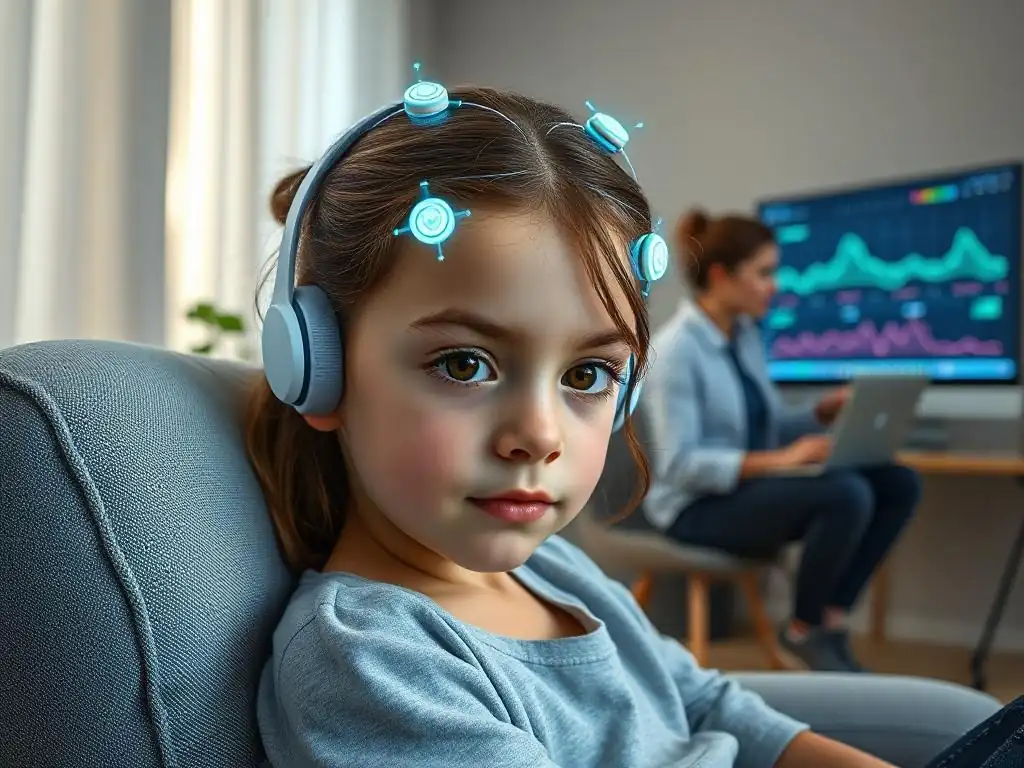
The process involves placing sensors gently on the child's scalp to measure electrical activity. This activity is then displayed on a computer screen in real-time, often presented as a video game, movie, or sound. The feedback is designed so that when the child's brain produces desired brainwave patterns (e.g., those associated with focus or calm), they are rewarded, such as by the game progressing or the movie becoming clearer.
Conversely, undesired patterns (e.g., those associated with anxiety or inattention) might cause the game to slow down or the screen to dim. Over multiple sessions, typically 30-60 minutes each, the child's brain learns to naturally produce more optimal patterns.
How Neurofeedback Works: A Simplified Explanation for Kids and Adults
Imagine your brain has different "speeds" or "channels" it uses for different things – like focusing, relaxing, or sleeping. Sometimes, these channels get stuck on the wrong speed. For example, a child might have too much "slow" activity when they need to focus in class, or too much "fast, worried" activity when trying to relax. Neurofeedback is like giving the brain a mirror so it can see what speed it's on and learn to adjust it.
During a session, small sensors read these brain speeds (brainwaves). The computer shows the child what their brain is doing, often through a fun game. If the brain uses the right speed for the task (like focusing in the game), the game works well.
If it uses the wrong speed (like getting distracted), the game might stop or slow down. This instant feedback helps the brain learn to choose the better speed more often, similar to how you learn to ride a bike by practicing and getting feedback from falling or balancing. With practice, the brain gets better at staying in the desired state, which can help with challenges like anxiety or difficulty focusing.
The Neuroscience Behind Neurofeedback: Training the Brain for Better Regulation
At its core, neurofeedback leverages the brain's remarkable capacity for neuroplasticity – its ability to change and reorganize itself by forming new neural connections. The process relies on principles of operant conditioning: behaviors (in this case, specific brainwave patterns) that are rewarded are more likely to be repeated. By providing immediate positive feedback when the brain exhibits a target pattern, neurofeedback reinforces that pattern.
Specific brainwave frequencies (Delta, Theta, Alpha, Beta, Gamma) are associated with different states of consciousness and cognitive functions. For instance, high Theta activity is often linked to drowsiness or inattention, while high Beta activity can be associated with anxiety or over-arousal.
Neurofeedback protocols are designed to either increase or decrease the amplitude or coherence of specific frequencies in particular brain regions based on a child's presenting symptoms and quantitative EEG (qEEG) assessment. For example, a common protocol for improving focus might aim to decrease the Theta/Beta ratio in certain frontal areas, while a protocol for Neurofeedback children anxiety regulation might focus on reducing high Beta activity in relevant regions or increasing Alpha/Theta states associated with calm.
Benefits of Neurofeedback for Children: Beyond Anxiety Regulation
Neurofeedback for Anxiety in Children: A Targeted Approach
Anxiety is a common challenge for many children, manifesting as excessive worry, fear, restlessness, difficulty sleeping, or physical symptoms like stomachaches. Neurofeedback children anxiety regulation is a key application, offering a non-pharmacological pathway to help young minds manage these overwhelming feelings. Protocols specifically designed for anxiety often target brain regions and frequencies associated with emotional processing and the stress response, such as reducing activity in areas linked to over-arousal (e.g., high Beta in certain cortical regions) or enhancing activity associated with calm states (e.g., Alpha or Alpha-Theta protocols).
The goal is to train the child's brain to shift out of anxious patterns more easily and maintain a calmer state. While individual results vary, studies and clinical experience suggest that many children see a significant reduction in self-reported anxiety levels and observable anxious behaviors after a course of neurofeedback.
For example, a review of multiple studies indicated that neurofeedback could lead to a clinically meaningful reduction in anxiety symptoms in children, sometimes comparable to or exceeding improvements seen with other interventions, with improvements potentially lasting long after training ceases. Anecdotal reports from parents often describe their child becoming less reactive to stressors, experiencing fewer panic symptoms, and being better able to cope with daily challenges like school or social situations.
Improving Focus and Attention: Neurofeedback for ADHD in Children
Attention-Deficit/Hyperactivity Disorder (ADHD) is another area where neurofeedback has shown significant promise for children. Children with ADHD often struggle with maintaining focus, controlling impulses, and managing hyperactivity, which can impact their academic performance, social interactions, and self-esteem. Neurofeedback provides a method to train the brain patterns associated with better attention and impulse control.
Common neurofeedback protocols for ADHD involve targeting the ratio of Theta waves (often associated with drowsiness or inattentiveness) to Beta waves (associated with alert concentration), typically aiming to decrease the Theta/Beta ratio in frontal and central brain regions. Research, including meta-analyses, has supported the efficacy of neurofeedback for improving inattention and impulsivity in children with ADHD, with effect sizes often reported in the moderate to large range.
For instance, a meta-analysis published in Clinical EEG and Neuroscience in 2009 found large effect sizes for inattention and impulsivity symptoms following neurofeedback training in children with ADHD. Many parents report tangible improvements at home and school, such as increased ability to complete homework assignments, better listening skills, and reduced disruptive behavior, often leading to improved academic outcomes and fewer behavioral challenges.
Neurofeedback for Emotional Regulation: Helping Children Manage Feelings
Emotional regulation is the ability to understand and manage one's emotional responses to situations. Children who struggle with emotional regulation might experience intense mood swings, frequent meltdrums, difficulty calming down when upset, or challenges handling frustration or disappointment. Neurofeedback can help these children develop greater control over their emotional states by training the brain areas and networks involved in processing and regulating emotions.
Protocols for emotional regulation often focus on the limbic system and prefrontal cortex, targeting brainwave patterns associated with emotional reactivity and control. For example, training might involve reducing excessive Gamma activity in certain areas linked to emotional intensity or increasing Alpha or SMR (Sensorimotor Rhythm) activity associated with calmer, more controlled states.
As children learn to regulate these patterns through neurofeedback, they may become less overwhelmed by strong emotions, better able to express their feelings constructively, and more resilient in the face of challenges. Parents often observe their children having fewer or less intense tantrums, being able to recover more quickly from upset, and showing improved social interactions due to better management of frustration and anger.
Other Potential Benefits: Sleep, Behavior, and Cognitive Skills
Beyond anxiety, ADHD, and emotional regulation, neurofeedback has been explored for its potential benefits in several other areas impacting children's well-being and development. Sleep disturbances are common in children and can significantly affect mood, behavior, and cognitive function. Neurofeedback protocols targeting brainwave patterns associated with sleep onset and maintenance, such as increasing Delta activity during sleep states or regulating SMR activity, may help improve sleep quality and duration for some children.
Behavioral issues, including oppositional behavior or impulsivity not associated with ADHD, can also be addressed through neurofeedback by training brain patterns linked to self-control and decision-making. Furthermore, some research suggests neurofeedback may enhance certain cognitive skills. This includes improvements in executive functions like planning and organization, working memory, and processing speed, which are crucial for academic success. While more research is ongoing in these areas, these potential benefits highlight neurofeedback's broad application as a tool for promoting overall brain health and function in children.
Is Neurofeedback Right for Your Child? Considerations and Candidacy
Identifying Children Who May Benefit from Neurofeedback
Neurofeedback is a non-invasive therapy that can be considered for children experiencing a range of challenges related to brain dysregulation. Children who might benefit include those diagnosed with or exhibiting symptoms of:
- Anxiety disorders (generalized anxiety, social anxiety, phobias)
- Attention-Deficit/Hyperactivity Disorder (ADHD)
- Learning disabilities (dyslexia, processing disorders)
- Autism Spectrum Disorder (ASD), particularly for challenges with social anxiety, sensory processing, or emotional regulation
- Sleep disturbances (insomnia, difficulty falling asleep)
- Behavioral challenges (impulsivity, oppositional behavior)
- Migraines or tension headaches
- Certain effects of traumatic brain injury (TBI) or concussion
It is generally considered for children where brainwave dysregulation is believed to play a significant role in their symptoms. For instance, a child with persistent high Beta activity might struggle with anxiety, while a child with excessive frontal Theta activity might present with inattention. Neurofeedback aims to address these underlying patterns.
Age Appropriateness: When Can Children Start Neurofeedback?
While there is no strict age limit for starting neurofeedback, many practitioners recommend beginning therapy when a child is around 5 or 6 years old. At this age, most children have developed the cognitive ability to understand the basic concept of the feedback (e.g., understanding that their brain activity affects the game or movie) and can sit still for the duration of a session, which is typically 30 to 60 minutes.
However, the appropriate age can vary depending on the child's maturity level, the specific challenges they face, and the practitioner's experience. Some practitioners may work with younger children using simplified protocols and feedback methods. The key is the child's ability to engage with the feedback process and tolerate having sensors placed on their scalp. Candidacy is always assessed on an individual basis, taking into account the child's developmental stage and readiness.
Assessing Your Child's Needs: Quantitative Electroencephalogram (qEEG) and Clinical Interview
A thorough assessment is crucial to determine if neurofeedback is appropriate for a child and to develop an individualized training plan. This typically begins with a comprehensive clinical interview with the child and parents. The practitioner gathers detailed information about the child's history, symptoms, challenges, strengths, and goals for therapy. This helps to understand the nature and severity of the difficulties the child is experiencing, whether it's Neurofeedback children anxiety regulation, focus issues, or other concerns.
Following the clinical interview, a quantitative Electroencephalogram (qEEG), often referred to as a "brain map," is usually performed. This involves recording the child's brain electrical activity using multiple sensors (often 19 or more) placed on the scalp. The recorded data is then analyzed using sophisticated software that compares the child's brainwave patterns (e.g., amplitude, coherence, phase) across different frequencies and locations to a large normative database of similarly aged individuals without clinical symptoms.
The qEEG helps identify specific patterns of dysregulation that correlate with the child's symptoms, providing objective data to inform the selection of neurofeedback protocols. For example, a qEEG might reveal excessive Theta activity in frontal regions for a child with ADHD symptoms or elevated Beta activity in parietal regions for a child with anxiety, guiding the practitioner in targeting these specific areas and frequencies during training sessions.
What to Expect During Neurofeedback Sessions for Children
The First Consultation: Review of History, Goals, and qEEG Preparation
The initial step in the neurofeedback process for children is typically a comprehensive consultation. This appointment usually involves the child and their parents meeting with the neurofeedback practitioner. During this session, the practitioner conducts an in-depth clinical interview, reviewing the child's developmental history, medical background, academic performance, social interactions, behavioral patterns, and emotional state. Parents are encouraged to share their primary concerns and goals for the therapy, whether it relates to improving focus, managing anxiety, or addressing other issues.
Part of this initial consultation often involves preparing for or conducting the qEEG assessment. The practitioner will explain the qEEG process to both the parents and the child in an age-appropriate manner, addressing any anxieties the child might have about the sensors or the procedure. They will typically explain that it's a non-invasive process that simply records brain activity, much like an EKG records heart activity. Instructions regarding hair cleanliness and avoiding certain hair products or medications before the qEEG are usually provided to ensure accurate data collection.
Setting Up the Session: Applying Sensors and Preparation
Before a typical neurofeedback training session begins, the practitioner prepares the child and the equipment. Small sensors, usually between 1 and 19 depending on the protocol, are placed on specific locations on the child's scalp. These sensors are connected to an amplifier and a computer. To ensure good contact and accurate signal transmission, a small amount of conductive paste or gel is applied under each sensor. The practitioner will explain to the child what they are doing and why, helping them feel comfortable with the process.
The child is then seated comfortably in a chair, often facing a computer screen or television monitor. The environment is usually quiet and calming to facilitate focus on the feedback. The practitioner checks the sensor connections on the computer to ensure a clear and stable signal is being received from the child's brain. Once the signals are satisfactory, the training session is ready to begin. The preparation process is usually quick and painless, designed to be as non-intrusive as possible for the child.
The Neurofeedback Training Process: Real-time Feedback and Brainwave Modulation
Once set up, the core of the neurofeedback session involves the child engaging with the real-time feedback provided by the computer software. This feedback is directly linked to their brainwave activity. The child might be asked to play a simple video game using only their brain (the game progresses when their brain produces desired patterns), watch a movie that gets brighter or clearer when their brain is in the target state, or listen to sounds that indicate successful brainwave regulation.
The practitioner monitors the child's brain activity and the feedback simultaneously, adjusting parameters as needed. The child is not consciously trying to change their brainwaves; rather, the brain learns through the process of operant conditioning, receiving rewards for shifting towards healthier patterns. For instance, if the goal is Neurofeedback children anxiety regulation, the system might reward the brain for decreasing high Beta activity.
Over repeated sessions, the brain's natural tendency shifts towards producing the more regulated patterns, leading to symptom reduction outside of the therapy room. Sessions typically last between 30 and 60 minutes, depending on the child's age and tolerance.
Duration and Frequency: How Long Does Neurofeedback Take?
The total number of neurofeedback sessions required varies significantly depending on the child's specific challenges, the severity of their symptoms, the chosen protocols, and their individual response to training. However, a typical course of neurofeedback therapy for children usually ranges from 20 to 60 sessions. Some children may see noticeable improvements within the first 10-20 sessions, while others with more complex or severe issues may require more extended training.
Sessions are typically scheduled at a frequency of one to three times per week. Consistency is key to achieving lasting changes, as the brain needs regular practice to learn and consolidate new patterns. The practitioner will regularly assess the child's progress based on symptom reports from parents and teachers, clinical observations, and sometimes repeat qEEG assessments to track changes in brainwave patterns. This ongoing assessment helps determine the optimal number of sessions and frequency for the child's needs.
Finding a Qualified Neurofeedback Practitioner for Children
Credentials and Experience: What to Look For in a Practitioner
Choosing a qualified and experienced neurofeedback practitioner is paramount, especially when seeking help for a child. Look for practitioners who are licensed mental health professionals (such as psychologists, social workers, counselors, or marriage and family therapists), medical doctors, or other allied health professionals with specific training in neurofeedback. Licensing ensures they adhere to professional ethical standards and have a foundation in understanding psychological and developmental issues in children.
Beyond licensing, it is highly recommended to find a practitioner who is certified in neurofeedback. The Biofeedback Certification International Alliance (BCIA) is a globally recognized body that sets standards for certification. A BCIA certification indicates that the practitioner has met rigorous educational and training requirements, passed a standardized exam, and adheres to ethical guidelines specific to biofeedback and neurofeedback.
Furthermore, inquire about their specific experience working with children and the particular challenges your child faces, such as Neurofeedback children anxiety regulation or ADHD. Experience working with similar cases can be a strong indicator of their ability to help your child effectively.
Questions to Ask: Evaluating a Neurofeedback Provider
When interviewing potential neurofeedback practitioners for your child, asking informed questions can help you evaluate their suitability and approach. Consider asking:
- What are your professional credentials and licenses? Are you BCIA certified?
- How much experience do you have working with children, specifically those with issues like anxiety, ADHD, or emotional regulation difficulties?
- What is your typical process for assessing a child's needs? Do you use qEEG?
- Based on my child's challenges, what specific neurofeedback protocols would you recommend, and why?
- How long is each session, and how many sessions do you anticipate my child will need?
- How do you measure progress throughout the therapy?
- What is the cost per session and for the initial assessment?
- Do you work with insurance, or can you provide documentation for out-of-network claims?
- Can you explain the process in a way my child will understand?
A good practitioner should be transparent, willing to answer your questions thoroughly, and able to explain their approach in clear, understandable terms.
Finding a Practitioner Near You: Professional Organizations and Online Directories
Several resources can help you locate a qualified neurofeedback practitioner specializing in children. Professional organizations dedicated to neurofeedback and biofeedback often maintain online directories of certified and practicing members. Key organizations include:
- The Biofeedback Certification International Alliance (BCIA)
- The Association for Applied Psychophysiology and Biofeedback (AAPB)
- The International Society for Neuroregulation & Research (ISNR)
Visiting the websites of these organizations and using their "Find a Practitioner" tools can help you search for professionals in your geographic area. You can often filter searches by specialization (e.g., child neurofeedback, specific conditions) or certification status. Additionally, asking for referrals from pediatricians, child psychologists, or other healthcare providers who understand your child's needs can also be a valuable way to find trusted professionals in your community.
Neurofeedback vs. Other Therapies for Children: A Comparison
Neurofeedback vs. Medication for ADHD: Weighing the Options
For conditions like ADHD, parents often face the decision between medication and alternative therapies like neurofeedback. Stimulant and non-stimulant medications are commonly prescribed for ADHD and can be effective in managing symptoms like inattention and impulsivity by altering brain chemistry. However, medications may also come with potential side effects, such as appetite suppression, sleep problems, mood changes, or growth effects, and their benefits are typically present only while the medication is active in the body.
Neurofeedback, on the other hand, is a non-pharmacological approach that aims to train the brain to self-regulate. It does not introduce external substances to the body. While results may take longer to appear compared to the immediate effects of medication, the goal of neurofeedback is to create lasting changes in brain function.
Research suggests that the benefits of neurofeedback for ADHD symptoms can be durable, potentially reducing or eliminating the need for medication in some cases. A 2014 meta-analysis published in European Child & Adolescent Psychiatry concluded that neurofeedback for ADHD had clinical efficacy comparable to medication, particularly for inattention and impulsivity symptoms, with effects maintained at follow-up. The choice between neurofeedback and medication, or using them in combination, depends on the child's specific needs, symptom severity, potential side effects, and family preferences, and should be discussed with healthcare professionals.
Neurofeedback and Talk Therapy: A Complementary Approach
Neurofeedback and talk therapy (such as Cognitive Behavioral Therapy - CBT, or play therapy) address different aspects of a child's challenges and can often be highly complementary. Talk therapy provides children with tools to understand their feelings, develop coping strategies, change negative thought patterns, and improve social skills. It relies on the child's ability to process information verbally and cognitively.
Neurofeedback, conversely, works at a more fundamental level, training the brain's physiological patterns. By improving brain self-regulation, neurofeedback can make a child more receptive to talk therapy. For example, reducing anxiety through Neurofeedback children anxiety regulation might make a child feel safe enough to engage openly in therapy sessions. Similarly, improving focus via neurofeedback can help a child concentrate better on the skills and strategies taught in therapy. Combining both approaches can potentially lead to more comprehensive and lasting improvements, addressing both the physiological underpinnings of symptoms and the psychological and behavioral aspects.
Neurofeedback as an Alternative to Traditional Treatments: Long-term Regulation Potential
For some children, neurofeedback may serve as a valuable alternative or adjunct to traditional treatments like medication or as a primary treatment for issues where medication is not typically used (like certain learning challenges or emotional dysregulation). One of the key appeals of neurofeedback is its focus on promoting long-term, sustainable changes in brain function. Unlike treatments that primarily manage symptoms, neurofeedback aims to train the brain to operate more efficiently on its own.
While traditional therapies offer significant benefits, neurofeedback's ability to enhance brain self-regulation offers a unique pathway, particularly for children with difficulties rooted in physiological brain patterns. The non-invasive nature and minimal side effects also make it an attractive option for parents seeking alternatives to medication. The potential for lasting improvements in areas like Neurofeedback children anxiety regulation, attention, and emotional control means that the benefits gained during a course of therapy may persist long after sessions conclude, fostering greater resilience and improved functioning throughout the child's development.
Potential Side Effects and Risks of Neurofeedback in Children
Understanding Common Side Effects: Fatigue, Headaches, and Emotional Reactivity
Neurofeedback is generally considered a very safe therapy for children, with side effects being infrequent, mild, and temporary. The most commonly reported side effects include fatigue, headaches, or a temporary increase in anxiety or irritability immediately following a session. These effects are usually short-lived, often resolving within a few hours.
Fatigue might occur as the brain is working hard and learning during the session. Headaches can sometimes result from the concentration required or, rarely, from the mild pressure of sensors. Temporary emotional reactivity might happen as brain patterns shift, potentially bringing underlying emotions to the surface briefly. Parents should communicate any observed changes or side effects to the practitioner.
Addressing Concerns: Adjusting Protocols and Providing Support
Qualified practitioners are trained to recognize and address potential side effects. If a child experiences discomfort or adverse reactions, the practitioner can often make adjustments to the neurofeedback protocol, such as changing the frequencies being trained, modifying the intensity of the feedback, or altering the duration of the session.
Open communication between the practitioner, parents, and child is essential. Parents should feel comfortable reporting any concerns, and the practitioner should be able to explain potential reactions and how they will be managed. Providing a supportive environment at home, ensuring the child is well-rested and hydrated before sessions, and allowing for quiet time afterward can also help minimize potential discomfort. The goal is to make the neurofeedback experience positive and beneficial while ensuring the child's well-being.
Contraindications: Seizure Disorders and Specific Neurological Conditions
While neurofeedback is safe for most children, there are a few contraindications or conditions that require careful consideration and discussion with both the neurofeedback practitioner and the child's primary physician or neurologist. Active, uncontrolled seizure disorders are typically considered a contraindication for standard neurofeedback protocols, as altering brainwave activity could potentially influence seizure activity.
Children with certain severe neurological conditions or those on specific medications might also require special consideration or may not be suitable candidates for neurofeedback. It is crucial for parents to provide the neurofeedback practitioner with a complete medical history, including any neurological diagnoses, existing health conditions, and all medications the child is currently taking. The practitioner can then assess whether neurofeedback is appropriate and safe for the child, potentially consulting with other healthcare providers as needed.
Neurofeedback Success Stories: Real-Life Examples of Children Benefiting
Case Study 1: Neurofeedback for a Child with Severe Anxiety
Note: This is a composite example based on typical clinical outcomes.
Sarah, a 10-year-old girl, suffered from severe generalized anxiety. Her anxiety manifested as constant worrying, difficulty sleeping, frequent stomachaches, and an inability to attend school consistently due to panic symptoms. She had tried talk therapy, which helped her understand her feelings, but her physiological anxiety response remained high. Her parents sought Neurofeedback children anxiety regulation as an alternative.
After an initial qEEG showed elevated high Beta activity in several areas, Sarah began neurofeedback training twice a week. Sessions involved watching a movie that would only play clearly when her brain reduced the target high Beta frequencies. Initially, Sarah felt slightly tired after sessions. However, after about 15 sessions, her parents noticed she was worrying less about small things.
By session 30, her stomachaches had significantly reduced, and she was sleeping through the night more often. Most importantly, she was able to return to school full-time without experiencing panic attacks, reporting feeling "calmer inside." Her anxiety symptoms, rated by her parents on a standardized scale, decreased by approximately 60% over the course of therapy.
Case Study 2: Improving Focus and Concentration in a Child with ADHD
Note: This is a composite example based on typical clinical outcomes.
Mark, an 8-year-old boy diagnosed with ADHD, struggled significantly with inattention and completing schoolwork. His teacher reported he was easily distracted and had difficulty sitting still for more than a few minutes. Medication helped somewhat but caused appetite loss and made him irritable. His parents were looking for a different solution and decided to try neurofeedback.
Mark's qEEG showed a high Theta/Beta ratio, particularly in his frontal lobes. His neurofeedback protocol focused on decreasing Theta waves and increasing Beta waves in these areas, often using a race car video game where the car only moved forward when his brain produced the desired patterns. Mark attended sessions three times a week.
After about 20 sessions, his teacher reported noticing Mark could stay on task for longer periods, typically increasing his focused work time from 5-10 minutes to 15-20 minutes at a stretch. His parents found he was able to complete his homework with less prompting and fewer distractions at home. His inattention scores on a parent rating scale improved by roughly 40% after 40 sessions, and his impulsivity also showed noticeable reduction.
Case Study 3: Neurofeedback for a Child with Autism Spectrum Disorder
Note: This is a composite example based on typical clinical outcomes.
Liam, a 7-year-old boy with Autism Spectrum Disorder, experienced significant sensory sensitivities, difficulty with emotional regulation (leading to frequent meltdowns), and challenges with social anxiety. While he received other therapies, his parents hoped neurofeedback could help with his intense reactions and anxiety.
Liam's protocol focused on regulating Alpha and Theta activity to help calm his nervous system and improve his ability to process sensory information. He attended sessions twice a week. Initially, adapting to the sensors was challenging, but the practitioner used patient, gentle methods. After about 25 sessions, his parents observed a noticeable decrease in the frequency and intensity of his meltdowns.
He seemed less overwhelmed by noisy environments, indicating improved sensory processing. His social anxiety also appeared to lessen; he was more willing to participate in small group activities at school and make eye contact more readily. While still needing support, these improvements in self-regulation and Neurofeedback children anxiety regulation significantly enhanced his quality of life and ability to engage with his environment.
Neurofeedback and Brain Health: Long-Term Benefits for Children's Development

Promoting Neuroplasticity: Shaping the Brain for Lasting Change
One of the most significant long-term benefits of neurofeedback for children lies in its ability to promote positive neuroplasticity. The child's brain is incredibly adaptable, and neurofeedback provides a targeted form of training that encourages the formation of new, more efficient neural pathways. By repeatedly rewarding desired brainwave patterns, neurofeedback reinforces the neural networks associated with those patterns.
This training helps the brain become more flexible and resilient. For example, a brain that has learned to downregulate excessive Beta activity through neurofeedback may become less prone to getting "stuck" in anxious states. This learned self-regulation is not dependent on ongoing external intervention like medication; instead, it's a skill the brain integrates. The changes facilitated by neurofeedback can help shape the developing brain in a way that supports healthier function not just in the short term but potentially throughout adolescence and into adulthood, contributing to better overall brain health.
Enhancing Cognitive Function: Improving Memory and Learning
Beyond addressing specific symptoms like anxiety or ADHD, neurofeedback can also contribute to broader improvements in cognitive function in children. By training brainwave patterns associated with states of alert focus and relaxed attention, neurofeedback can enhance the brain's capacity for various cognitive tasks.
Children who undergo neurofeedback for conditions like ADHD often show improvements not only in attention and impulsivity but also in related cognitive areas. This can include enhanced working memory (the ability to hold and manipulate information), improved processing speed (how quickly the brain takes in and responds to information), and better executive functions (higher-level skills like planning, organizing, and problem-solving). These cognitive gains can translate into improved academic performance, greater ease in learning new information, and better overall cognitive efficiency, supporting the child's intellectual development.
Building Resilience: Fostering Emotional Well-being
Neurofeedback's impact on emotional regulation and anxiety can significantly contribute to building resilience in children. Resilience is the ability to adapt well in the face of adversity, trauma, tragedy, threats, or significant sources of stress. Children who struggle with overwhelming anxiety or difficulty managing strong emotions may find it harder to bounce back from challenges.
By training the brain to maintain calmer states and regulate emotional responses more effectively, neurofeedback helps children develop a stronger foundation for emotional well-being. They may become less reactive to stressors, better able to cope with frustration or disappointment, and more confident in their ability to handle challenging situations. This improved capacity for self-regulation, particularly in areas like Neurofeedback children anxiety regulation and emotional control, equips children with essential skills for navigating the ups and downs of life, fostering greater emotional stability and resilience as they grow.
Cost of Neurofeedback for Children and Insurance Coverage
Understanding the Investment: Session Fees, Assessments, and Equipment (if applicable)
The cost of neurofeedback therapy for children represents a significant investment for families. The total expense is typically comprised of several components: the initial assessment (often including a qEEG), the cost per training session, and potentially the cost of equipment if pursuing home-based training (though this is less common and recommended only under strict professional guidance).
Session fees for neurofeedback can vary widely depending on the practitioner's location, credentials, and experience, typically ranging from $100 to $250 per session. The initial qEEG assessment often costs between $500 and $1500. Given that a full course of therapy can require anywhere from 20 to 60 sessions, the total cost can range from approximately $2,500 to over $15,000. While this can be a substantial financial commitment, many families view it as an investment in their child's long-term brain health and well-being.
Insurance Coverage: Out-of-Network Benefits and Flexible Spending Accounts
Insurance coverage for neurofeedback therapy for children can be complex and varies greatly depending on the specific insurance plan and the practitioner's billing practices. Neurofeedback is often considered an "out-of-network" service, meaning that while some plans may offer partial reimbursement, it is less likely to be fully covered like in-network services. It is crucial for parents to contact their insurance provider before starting therapy to understand their specific benefits for out-of-network mental health or behavioral health services.
Some practitioners may assist with submitting claims, while others may provide detailed superbills that parents can submit themselves for potential reimbursement. Flexible Spending Accounts (FSAs) and Health Savings Accounts (HSAs) can typically be used to pay for neurofeedback services, as they are considered qualified medical expenses. Families should verify eligibility with their plan administrator. Navigating insurance for Neurofeedback children anxiety regulation or other applications requires proactive communication with both the insurance company and the provider.
Exploring Financial Assistance: Sliding Scale Fees and Payment Plans
Recognizing that the cost of neurofeedback can be a barrier for many families, some practitioners and clinics may offer financial assistance options. These can include sliding scale fees based on household income, payment plans that allow families to spread the cost over several months, or package deals for a set number of sessions.
It is advisable to discuss financial concerns and inquire about available assistance options during the initial consultation. While not all providers can offer significant discounts, exploring these possibilities can sometimes make neurofeedback therapy more accessible. Additionally, some non-profit organizations or research programs may occasionally offer neurofeedback services at reduced costs, though availability can be limited.
Neurofeedback at Home: Is it a Viable Option for Children?
The Pros and Cons of Home Neurofeedback Systems
The advent of technology has led to the development of home-based neurofeedback systems, which some families consider for their children. The primary potential advantages are convenience and potentially lower per-session costs compared to clinic-based therapy, particularly when a large number of sessions are anticipated. Training can be done on the family's schedule without travel time.
However, there are significant cons, especially when it comes to treating complex issues in children like Neurofeedback children anxiety regulation or severe ADHD. Home systems often have fewer sensors and less sophisticated software than clinical systems. More critically, they lack the direct, in-person supervision and expertise of a qualified practitioner.
Neurofeedback protocols need to be carefully selected and adjusted based on the child's specific qEEG results, progress, and symptom presentation. A practitioner provides crucial clinical judgment, troubleshooting technical issues, and ensuring the child is responding appropriately. Without this expert oversight, home training can be ineffective or potentially lead to unintended effects.
Safety Considerations: Important Factors to Keep in Mind
Safety is a paramount concern when considering home neurofeedback for children. Unlike clinic-based neurofeedback guided by a trained professional who can monitor the child's response and adjust protocols in real-time, home systems place more responsibility on the parent or caregiver. Incorrect sensor placement, inappropriate protocol selection, or failure to recognize and respond to adverse reactions are potential risks.
While home systems are designed to be safe, the lack of clinical expertise guiding the process means they should be approached with extreme caution. Children are still developing, and their brains are highly sensitive to intervention. Using a home system without professional guidance carries a higher risk of selecting inappropriate protocols or failing to achieve the desired outcomes compared to clinic-based therapy.
Consulting with a Professional: The Importance of Guidance
Given the complexities of neurofeedback and the unique needs of developing brains, professional consultation is essential even if considering a home-based system. A qualified practitioner can perform a proper assessment, including a qEEG, to determine if neurofeedback is appropriate and identify the specific brainwave patterns and areas that need training for the child's particular challenges, such as Neurofeedback children anxiety regulation.
They can also help select appropriate home system protocols, provide guidance on proper setup and use, and monitor the child's progress remotely or through periodic check-ins. Some practitioners offer hybrid models, combining clinic sessions with supervised home training. While home systems offer convenience, they are best used as a supplement or under the close supervision of a qualified neurofeedback professional who can ensure the therapy is safe, effective, and tailored to the child's individual needs.
Supporting Your Child Through Neurofeedback: A Parent's Guide
Creating a Supportive Environment: Encouragement, Consistency, and Positive Reinforcement
Parents play a vital role in supporting their child throughout the neurofeedback process. Creating a positive and supportive home environment can significantly impact the child's engagement and overall outcome. This includes offering consistent encouragement and reassurance, especially if the child is initially hesitant or experiences mild, temporary side effects.
Ensuring consistency by attending sessions regularly and on schedule helps the brain establish the new learning patterns. Providing positive reinforcement for the child's effort in participating in sessions, regardless of immediate results, is also important. Celebrate small signs of progress, such as a slight reduction in anxiety or a few extra minutes of focus at home. Your positive attitude and belief in the process can help the child feel more comfortable and motivated.
Communicating with Your Child: Explaining the Process and Addressing Concerns
Open and age-appropriate communication about neurofeedback is crucial for helping your child feel comfortable and empowered. Explain what neurofeedback is in simple terms, using analogies they can understand (like the brain learning a new skill). Address any fears or questions they might have about the sensors or the process honestly and patiently.
Encourage your child to share how they are feeling before, during, and after sessions. Listen actively to their experiences and validate their feelings. If they express discomfort or frustration, communicate this feedback to the practitioner. Helping your child understand that neurofeedback is a process where their brain is getting "stronger" or "learning to be calm" can frame it positively and foster a sense of agency in their own healing journey, particularly when working on Neurofeedback children anxiety regulation.
Monitoring Progress: Tracking Behavioral Changes and Celebrating Successes
Monitoring your child's progress is an important aspect of supporting them through neurofeedback. While practitioners use clinical assessments and potentially qEEG follow-ups, parents are often the best observers of day-to-day behavioral and emotional changes. Keep a journal or checklist to track specific symptoms you are hoping to address, such as frequency of anxious episodes, duration of tantrums, ability to complete tasks, or quality of sleep.
Share these observations regularly with the neurofeedback practitioner, as this feedback helps them adjust protocols and gauge effectiveness. Celebrate milestones and successes, no matter how small. Noticing and acknowledging improvements in your child's ability to manage their feelings, focus in class, or overcome anxieties reinforces the positive changes occurring and motivates both the child and the family. This collaborative approach between parents and practitioner maximizes the potential benefits of neurofeedback for the child.
Frequently Asked Questions
What is neurofeedback and how can it help children?
Neurofeedback is a non-invasive training technique that helps children learn to regulate their brain activity. It uses real-time feedback to teach them to improve focus and manage emotions.
How does neurofeedback specifically address anxiety in children?
Neurofeedback helps children with anxiety by training their brains to produce more calming brainwave patterns. This can reduce anxiety symptoms and improve their ability to cope with stress.
Is neurofeedback a safe and effective treatment option for children with anxiety?
Neurofeedback is generally considered a safe treatment option for children. Studies suggest it can be effective in reducing anxiety, but further research is always ongoing to confirm its long-term benefits.
How long does a typical neurofeedback treatment program last for children?
The length of a neurofeedback program varies, but typically involves 20-40 sessions, usually lasting 30-60 minutes each. The frequency of sessions is typically 2-3 times per week.
What are the potential benefits of neurofeedback beyond anxiety regulation in children?
Besides anxiety, neurofeedback may also help children improve attention, sleep, and behavioral issues. It can also potentially improve academic performance and social skills.
Final Reflection: Unlocking Potential: Neurofeedback's Promise for Children's Anxiety
The rising tide of childhood anxiety demands innovative solutions, and neurofeedback offers a powerful, non-pharmaceutical approach to help young minds regulate. This technology, once relegated to specialized clinics, is increasingly accessible and demonstrating remarkable results in managing anxiety and improving overall cognitive function in children. Its potential to reshape the landscape of childhood mental health is undeniable.
The journey of exploring neurofeedback's impact on children's anxiety has been profoundly moving. Witnessing the transformative power of this technique, seeing children gain control over their emotional responses and build resilience, underscores its importance. The mind is not a vessel to be filled, but a fire to be kindled.
- Plutarch. This quote perfectly encapsulates the essence of neurofeedback – it doesn't simply treat symptoms, but empowers children to actively participate in shaping their own mental well-being, igniting their inner strength and capacity for self-regulation.
You, the reader, now hold the key to understanding a powerful tool for supporting children struggling with anxiety. Consider how neurofeedback might benefit a child in your life – a family member, a friend, or even yourself. Research the available resources in your community, and don't hesitate to explore this innovative approach to mental wellness. The future of childhood mental health lies in our collective commitment to providing children with the tools they need to thrive. Let's work together to kindle the fire within each young mind.
Unlock Your Child's Potential: Start Their Neurofeedback Journey Today!
Thanks for taking the time to learn about the amazing benefits of neurofeedback for children! You've now gained valuable insights into how this innovative therapy can help young minds thrive. Ready to take the next step?
- Schedule a consultation: This is the first crucial step to exploring if neurofeedback is right for your child. Let's discuss their unique needs and create a personalized plan.
- Share this article: Help other parents discover the power of neurofeedback by sharing this article with your network – you might change a child's life!
- Explore our resources: Dive deeper into neurofeedback by visiting our website and exploring our library of informative articles and parent testimonials.
So, what's the first step you'll take to support your child's neurodevelopment? Let's start the conversation in the comments below!