
Neurofeedback for Emotional Regulation: Mastering Your Feelings

Welcome to Mind Care Guide, a safe space dedicated to nurturing your mental well-being.
Feeling overwhelmed by your emotions? You're not alone. Dive into our insightful exploration of Neurofeedback emotional regulation techniques benefits and discover how this cutting-edge approach can help you regain control and cultivate inner peace. Curious to learn more about the neuroscience behind it and how it can help you? Let's begin your journey towards emotional mastery!
Neurofeedback for Anxiety Reduction: Calming the Mind
- Understanding Neurofeedback and Anxiety
- Neurofeedback Techniques for Anxiety Reduction: An Overview
- Benefits of Neurofeedback for Anxiety: A Detailed Look
- Neurofeedback vs. Traditional Therapies for Anxiety
- The Neurofeedback Process for Anxiety: What to Expect
- Neurofeedback for Specific Anxiety Disorders: Practical Applications
- Finding a Qualified Neurofeedback Practitioner for Anxiety
- Potential Risks and Side Effects of Neurofeedback for Anxiety
- Maintaining Anxiety Reduction with Neurofeedback: Long-Term Strategies
- Neurofeedback and the Future of Anxiety Treatment
-
Frequently Asked Questions
- What exactly is neurofeedback, and how does it relate to emotional regulation?
- What are the potential benefits of using neurofeedback for emotional regulation?
- How does neurofeedback work as an emotional regulation technique specifically?
- Is neurofeedback a safe and effective treatment for all emotional regulation issues?
- How long does it typically take to see Neurofeedback emotional regulation techniques benefits?
- Final Reflection: Unlocking Emotional Freedom Through Neurofeedback
- Unleash Your Inner Calm: Take Control of Your Emotions
Understanding Neurofeedback and Anxiety
What is Neurofeedback? A Non-Invasive Approach
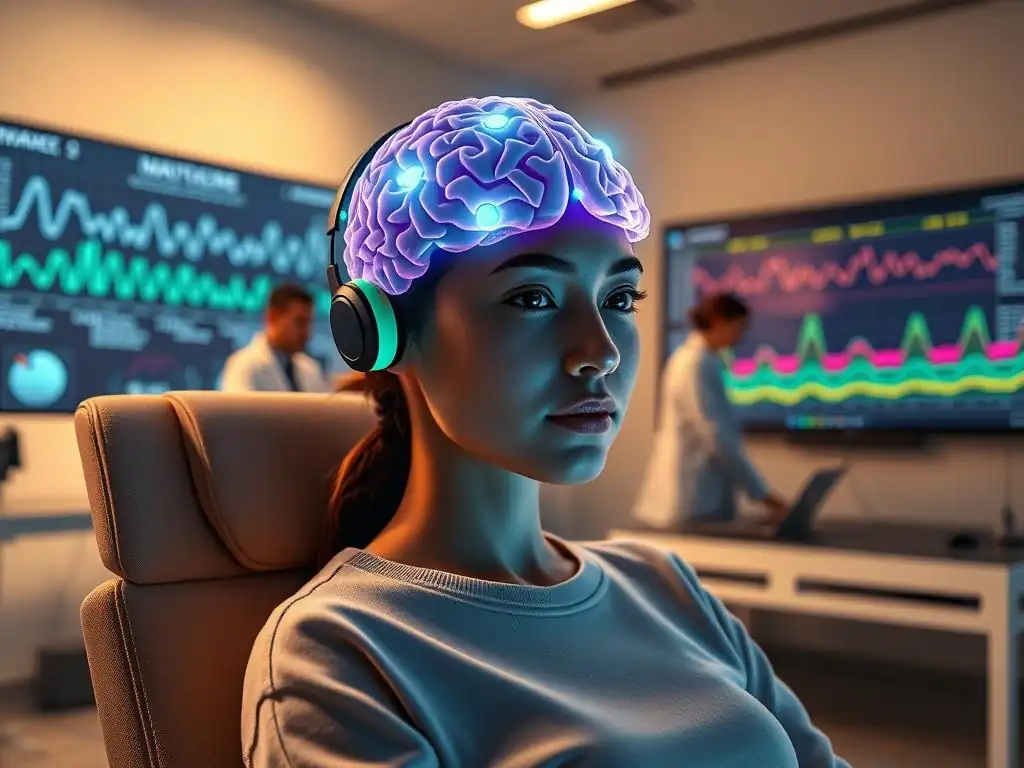
Neurofeedback, also known as EEG biofeedback, is a non-invasive therapeutic technique that allows individuals to learn to regulate their own brain activity. It works by measuring electrical activity in the brain using sensors placed on the scalp. This brainwave data is then displayed to the individual in real-time, often through a video game, movie, or sound.
The individual receives feedback (rewards or prompts) when their brain activity moves in a desired direction, typically towards a calmer or more focused state. Over time, through repeated sessions, the brain learns to maintain these beneficial patterns independently, leading to lasting changes in behavior and emotional states.
This process is essentially a form of operant conditioning applied to brainwaves. It doesn't involve introducing any electrical currents or substances into the body. Instead, it provides the brain with information about its own functioning, enabling it to self-correct. For someone struggling with anxiety, neurofeedback aims to train brainwave patterns that are typically associated with states of calm and reduced worry, while discouraging patterns linked to heightened stress and reactivity. The goal is to empower the individual to gain greater control over their physiological and emotional responses, thereby reducing the grip of anxiety.
The Neuroscience of Anxiety
Anxiety is a complex emotional state involving a network of brain regions, including the amygdala, hippocampus, prefrontal cortex, and anterior cingulate cortex. The amygdala, often considered the brain's "fear center," plays a crucial role in processing threats and triggering the body's fight-or-flight response. In individuals with anxiety disorders, the amygdala can be hyperactive, perceiving non-threatening situations as dangerous. The hippocampus, involved in memory, can link past fearful experiences to current stimuli, contributing to anxious responses.
Furthermore, imbalances in neurotransmitters like serotonin, norepinephrine, and GABA are often associated with anxiety. Brainwave activity, measured by electroencephalography (EEG), reflects the synchronous electrical activity of large populations of neurons. Different brainwave frequencies (Delta, Theta, Alpha, Beta, Gamma) are associated with different states of consciousness and cognitive function. In anxiety, specific patterns of these brainwaves are often observed, providing targets for neurofeedback intervention. Understanding these neural underpinnings is key to appreciating how neurofeedback techniques for anxiety aim to retrain the brain for greater calm.
Brainwave Patterns Associated with Anxiety
Research using quantitative EEG (qEEG) has identified several brainwave patterns frequently associated with anxiety. One common finding is excessive high-frequency Beta activity, particularly in frontal or central brain regions. High Beta is linked to mental overactivity, worry, and rumination. Conversely, some individuals with anxiety, particularly those who feel "stuck" or low in energy, might show excessive slow-wave activity (Theta or Delta) in certain areas, which can be associated with unfocused attention or internal preoccupation.
Another pattern often seen is an imbalance between different frequencies or different brain regions. For instance, a common pattern involves low Alpha waves (associated with relaxed alertness) and high Beta waves, indicating a state of being stressed but unable to relax effectively. Understanding these specific brainwave signatures is foundational for developing personalized neurofeedback protocols. By identifying these patterns through a qEEG assessment, a neurofeedback practitioner can determine which brainwave frequencies and locations need to be targeted during training sessions to help reduce anxiety symptoms.
Neurofeedback Techniques for Anxiety Reduction: An Overview
Quantitative EEG (qEEG) Brain Mapping for Anxiety Assessment
Quantitative EEG (qEEG), often referred to as brain mapping, is a critical first step in many neurofeedback protocols for anxiety. This process involves recording EEG activity from multiple sites on the scalp. The raw EEG data is then analyzed using sophisticated software and compared to a normative database of brain activity from healthy individuals of the same age. This comparison highlights deviations in brainwave patterns that may be contributing to anxiety symptoms.
The resulting qEEG "map" provides a visual representation of the individual's brain activity, showing areas where certain frequencies are excessively high or low, or where connectivity between regions is atypical. For someone with anxiety, the qEEG might reveal patterns like excessive high Beta in the frontal lobes (indicating worry) or imbalances in Alpha activity (suggesting difficulty relaxing). This detailed assessment allows the neurofeedback practitioner to create a highly personalized treatment plan, targeting the specific brain areas and frequencies most relevant to the individual's unique presentation of anxiety, rather than using a generic approach.
Personalized Alpha-Theta Training Protocols
Alpha-Theta training is a specific neurofeedback technique often used to address deep-seated anxiety, trauma, and emotional dysregulation. This protocol typically involves training the brain to increase Alpha waves (8-12 Hz), associated with relaxed alertness, and Theta waves (4-8 Hz), associated with a deeply relaxed, meditative, or dream-like state. The goal is to facilitate a state where the individual can access subconscious material in a safe environment, potentially processing traumatic memories or deeply held fears without being overwhelmed.
During Alpha-Theta training, the individual often sits or reclines comfortably with eyes closed. Feedback is usually provided through audio tones or music that changes based on the ratio of Alpha to Theta waves. For instance, the sound might become clearer or louder as the desired Alpha-Theta state is achieved. This technique is particularly noted for its ability to promote profound relaxation and facilitate emotional processing, making it a valuable neurofeedback technique for anxiety that stems from past experiences or is characterized by persistent feelings of unease.
Beta/SMR Training for Reducing Hyperarousal
Beta/SMR (Sensorimotor Rhythm) training is another common neurofeedback technique for anxiety, particularly effective for reducing symptoms of hyperarousal, restlessness, and difficulty focusing often associated with anxiety and related conditions like ADHD. SMR is a specific brainwave frequency (around 12-15 Hz) found over the sensorimotor cortex, associated with a calm, focused state, where the body is still but the mind is alert. Low Beta (15-18 Hz) is associated with focused attention.
In this type of training, the neurofeedback aims to increase SMR and/or Low Beta activity while often decreasing excessive high Beta activity (18-30+ Hz), which is linked to racing thoughts and worry. The individual typically watches a screen or listens to sounds, receiving positive feedback when their brain produces more SMR or Low Beta and less high Beta. By training the brain to produce more SMR and less high Beta, individuals can learn to feel calmer, less restless, and more able to concentrate, directly addressing key symptoms of generalized anxiety and panic.
Benefits of Neurofeedback for Anxiety: A Detailed Look
Decreasing Generalized Anxiety Symptoms
One of the primary benefits of neurofeedback for anxiety is a significant reduction in the overall severity of generalized anxiety symptoms. Studies and clinical reports consistently indicate that individuals undergoing neurofeedback training experience less worry, restlessness, and feeling on edge. For example, a meta-analysis published in the Journal of Clinical Psychology in 2020 reviewed multiple studies and found that neurofeedback interventions led to moderate to large effect sizes in reducing anxiety symptoms across various populations.
This reduction isn't just about feeling slightly better; for many, it means a fundamental shift in their baseline state of arousal. Instead of constantly feeling keyed up and anticipating the worst, they report feeling more grounded and able to handle daily stressors without being overwhelmed. Clinicians often observe changes in self-report questionnaires, such as the GAD-7 scale, showing clinically meaningful decreases in anxiety scores after a course of neurofeedback sessions, sometimes dropping from severe ranges (scores above 15) to mild or minimal ranges (scores below 5).
Reducing Panic Attack Frequency and Intensity
Neurofeedback techniques for anxiety, particularly those targeting hyperarousal patterns like excessive high Beta activity, can be highly effective in reducing the frequency and intensity of panic attacks. Panic attacks are characterized by sudden, intense surges of fear accompanied by physical symptoms like rapid heart rate, shortness of breath, dizziness, and trembling. These attacks are often linked to dysregulation in the brain's fear response circuitry.
By training the brain to produce calmer brainwave patterns and increase resilience in areas like the prefrontal cortex (involved in regulating the amygdala), neurofeedback helps individuals become less physiologically reactive to internal and external triggers. Many individuals who have experienced frequent panic attacks report a dramatic decrease in their occurrence, from multiple times a week or month to perhaps one or two isolated incidents over several months, or even complete cessation. When attacks do occur, they are often less severe and shorter in duration, making them more manageable.
Social anxiety disorder (SAD) involves intense fear of social situations, often driven by a fear of judgment or embarrassment. Neurofeedback can help alleviate social anxiety by addressing underlying brain patterns that contribute to excessive self-consciousness and heightened sensitivity to perceived social threats. Techniques that normalize activity in areas related to emotional processing and self-regulation can be particularly beneficial.
As anxiety levels decrease through neurofeedback, individuals often report feeling more comfortable and confident in social settings. They may find it easier to initiate conversations, participate in group activities, and express themselves authentically without the overwhelming fear of negative evaluation. Improvements in confidence are often reported not just in social contexts but generally, as the individual gains a sense of mastery over their internal state, which is a significant benefit of neurofeedback for anxiety.
Anxiety and insomnia are often deeply intertwined; worry and racing thoughts can make it difficult to fall asleep or stay asleep, while sleep deprivation can exacerbate anxiety. Neurofeedback for anxiety can significantly improve sleep quality by calming the overactive brain patterns that interfere with restful sleep. Training protocols that increase Alpha and Theta activity or balance Beta/SMR can help the brain transition more easily into relaxed states conducive to sleep.
Individuals undergoing neurofeedback for anxiety often report falling asleep faster, waking up less frequently during the night, and feeling more rested upon waking. For example, someone who typically takes an hour or more to fall asleep due to racing thoughts might find they are falling asleep within 15-20 minutes after several weeks of training. Improved sleep not only reduces the distress caused by insomnia but also has a positive feedback loop, as better sleep further helps to regulate mood and reduce anxiety levels during the day.
Neurofeedback vs. Traditional Therapies for Anxiety
Neurofeedback Compared to Cognitive Behavioral Therapy (CBT) for Anxiety
Cognitive Behavioral Therapy (CBT) is a highly effective and widely used psychotherapy for anxiety disorders. CBT focuses on identifying and changing negative thought patterns and behaviors that contribute to anxiety. It teaches coping skills, such as cognitive restructuring and exposure techniques. While both neurofeedback and CBT aim to reduce anxiety, they do so through different mechanisms. CBT works primarily at the cognitive and behavioral level, teaching conscious strategies. Neurofeedback works at the physiological level, directly training the brain to regulate its own activity.
Think of it this way: CBT teaches you what to think and how to behave differently when anxious, while neurofeedback trains your brain to be in a state where anxious thoughts and feelings are less likely to arise or are less intense. Some individuals find CBT challenging because their anxiety is so overwhelming that they struggle to implement the techniques. Neurofeedback can sometimes make the brain more receptive to cognitive and behavioral changes, making subsequent or concurrent CBT more effective. While both are valuable neurofeedback emotional regulation techniques benefits can be seen from either or a combination.
Neurofeedback as an Adjunct to Medication for Anxiety
Anxiety medications, such as SSRIs or benzodiazepines, work by altering brain chemistry to reduce symptoms. They can be very effective for many people, but they don't work for everyone, can have side effects, and typically manage symptoms rather than addressing the underlying brain dysregulation. Neurofeedback offers a non-pharmacological approach that aims to create lasting changes in brain function.
Neurofeedback can be used safely as an adjunct therapy alongside medication. For individuals who find medication helpful but still experience residual anxiety, neurofeedback can provide additional relief. It can also be an option for those who wish to reduce or eventually discontinue medication under medical supervision, as it helps train the brain to maintain a calmer state naturally. A study published in Applied Psychophysiology and Biofeedback demonstrated that adding neurofeedback to standard care (which often includes medication) led to greater reductions in anxiety symptoms compared to standard care alone.
Situations Where Neurofeedback May Be Preferred for Anxiety Treatment
Neurofeedback may be a preferred treatment option for anxiety in several situations. It is often considered by individuals who have not responded well to traditional therapies like CBT or medication, or who experience significant side effects from medication. Because it is non-invasive and drug-free, it is also a good option for those who prefer to avoid medication or who have contraindications for certain drugs.
Furthermore, individuals whose anxiety seems deeply rooted in physiological dysregulation, perhaps stemming from trauma or developmental issues reflected in their qEEG, may find neurofeedback particularly effective. It can also be a good choice for children or adolescents with anxiety, as the game-like nature of the training can be engaging, and it avoids the use of psychotropic medication. In such cases, exploring neurofeedback techniques for anxiety reduction offers a promising alternative or complementary path.
The Neurofeedback Process for Anxiety: What to Expect
Initial Assessment and qEEG Brain Mapping for Anxiety
The neurofeedback process for anxiety typically begins with a comprehensive initial assessment. This involves a detailed clinical interview where the practitioner gathers information about the individual's anxiety symptoms, history, and goals. Psychological questionnaires, such as the Beck Anxiety Inventory (BAI) or GAD-7, are often administered to quantify symptom severity.
Following the interview, a qEEG brain mapping session is usually conducted. This involves placing a cap or individual sensors on the scalp to record brain electrical activity. The recording takes about 10-20 minutes and is non-invasive and painless. The data is then processed and compared to a normative database. The practitioner analyzes the resulting brain map to identify specific brainwave patterns and areas that are dysregulated and contributing to the individual's anxiety. This assessment phase is crucial for developing a tailored neurofeedback protocol.
Neurofeedback Training Sessions: A Guided Experience
Based on the initial qEEG assessment, a personalized neurofeedback training plan is developed. Training sessions typically last 30-50 minutes and are usually scheduled 1-3 times per week. During a session, sensors are placed on the scalp at specific locations identified in the qEEG report. These sensors measure brainwave activity in real-time.
The brainwave data is fed into neurofeedback software, which provides instantaneous feedback to the individual. This feedback is often presented as a video game, a movie, or sounds that the individual controls with their brain activity. For example, in a game, a spaceship might move forward or a picture might become clearer only when the brain produces the desired brainwave pattern (e.g., more Alpha, less high Beta). The practitioner monitors the session, adjusts parameters as needed, and guides the individual. Over multiple sessions, the brain learns through this feedback loop to produce the desired, calmer patterns.
Tracking Progress and Tailoring the Treatment Plan
Tracking progress is an essential part of neurofeedback for anxiety. Progress is monitored through several means:
- Symptom Tracking: Regular check-ins with the practitioner to discuss changes in anxiety levels, frequency of panic attacks, sleep quality, and overall well-being. Re-administering questionnaires like the GAD-7 every few weeks can provide objective data on symptom reduction.
- EEG Data: The neurofeedback software records brainwave activity during each session, showing whether the brain is moving towards the target patterns. Practitioners analyze this data to see if the desired shifts in brain activity are occurring.
- Repeat qEEG: Sometimes, a repeat qEEG is conducted after a certain number of sessions (e.g., 20 sessions) to objectively assess how the brain map has changed compared to the initial baseline.
Based on this ongoing assessment, the neurofeedback protocol is often adjusted. If certain brain areas are responding well, the focus might shift to other areas. If progress plateaus, the protocol might be modified to target different frequencies or locations. This iterative process ensures that the neurofeedback treatment remains optimized for the individual's evolving needs and continues to drive improvements in anxiety reduction.
Neurofeedback for Specific Anxiety Disorders: Practical Applications
Neurofeedback for Generalized Anxiety Disorder (GAD)
Neurofeedback is a practical application for Generalized Anxiety Disorder (GAD), a condition characterized by persistent and excessive worry about various aspects of life. Individuals with GAD often exhibit patterns of excessive high Beta activity, particularly in frontal brain regions, reflecting their constant state of worry and rumination. They may also show imbalances in Alpha or Theta activity, indicating difficulty relaxing or disengaging from anxious thoughts.
Neurofeedback protocols for GAD typically focus on reducing excessive high Beta activity and increasing Alpha or SMR activity, aiming to calm the overactive mind and promote a state of relaxed alertness. For example, a protocol might involve placing sensors on the forehead (Fz) and training to decrease Beta activity above 18 Hz while increasing Alpha activity (8-12 Hz). Clinical reports suggest that after a course of neurofeedback, individuals with GAD experience significant reductions in worry, muscle tension, and fatigue, often reporting that their "internal volume knob" for worry has been turned down.
Neurofeedback for Panic Disorder
For Panic Disorder, characterized by recurrent, unexpected panic attacks, neurofeedback techniques for anxiety are often aimed at stabilizing brain activity patterns associated with the sudden onset of intense fear and physical symptoms. Individuals prone to panic attacks may exhibit heightened reactivity in the amygdala and dysregulation in brain regions involved in interpreting bodily sensations. Excessive high Beta and atypical Alpha/Theta patterns are commonly seen.
Neurofeedback protocols for Panic Disorder frequently involve training to increase Alpha and Theta activity (Alpha-Theta training) to promote deep relaxation and emotional processing, or training to increase SMR and decrease high Beta to reduce physiological hyperarousal. Training sites might include central or temporal regions. The goal is to help the individual's nervous system become less easily triggered into a panic state and to improve their ability to regulate their physiological responses when anxious feelings arise. Many individuals report fewer panic attacks and a greater sense of control over their body and mind.
Neurofeedback can be applied to Social Anxiety Disorder (SAD) by targeting brain patterns related to self-consciousness, fear of judgment, and heightened sensitivity to social cues. Individuals with SAD might show atypical activity in areas involved in social cognition and emotional regulation, such as the anterior cingulate cortex or prefrontal cortex. Excessive Beta activity in certain regions is also common.
Protocols for SAD often focus on normalizing activity in frontal and central brain areas, potentially increasing Alpha or SMR to promote calm presence, or addressing specific patterns of hyper- or hypo-coherence (connectivity) between brain regions identified in the qEEG. By helping the brain become less reactive to perceived social threats and promoting a more relaxed internal state, neurofeedback enables individuals with SAD to feel more comfortable and confident in social interactions. Improvements in initiating conversations, public speaking, and attending social gatherings are frequently reported benefits.
Neurofeedback for Obsessive-Compulsive Disorder (OCD)
While primarily classified as an anxiety-related disorder, Obsessive-Compulsive Disorder (OCD) involves persistent intrusive thoughts (obsessions) and repetitive behaviors or mental acts (compulsions). Neurofeedback for OCD often targets specific brain circuits implicated in the disorder, particularly the cortico-striatal-thalamo-cortical (CSTC) loop, which is thought to be overactive in OCD. qEEG findings in OCD often show excessive activity in frontal areas or atypical connectivity patterns.
Neurofeedback protocols for OCD may involve training to decrease specific frequencies (like high Beta or Gamma) in relevant brain regions, such as the anterior cingulate cortex (ACC) or orbitofrontal cortex (OFC), or training connectivity patterns. The aim is to help regulate the brain circuits involved in repetitive thoughts and compulsive urges. While often requiring more sessions than for generalized anxiety, neurofeedback has shown promise in reducing the intensity and frequency of obsessions and compulsions, offering another tool in the comprehensive treatment of OCD.
Finding a Qualified Neurofeedback Practitioner for Anxiety

Certifications and Experience: Key Considerations
When seeking neurofeedback for anxiety, it is crucial to find a qualified and experienced practitioner. Look for professionals who are licensed clinicians (e.g., psychologists, therapists, social workers, counselors, physicians) with specialized training in neurofeedback. Certification from recognized bodies like the Biofeedback Certification International Alliance (BCIA) is a strong indicator of competency and adherence to professional standards. BCIA certification requires specific coursework, supervised practice hours, and successful completion of an exam.
Experience in treating anxiety specifically with neurofeedback is also vital. Ask potential practitioners about their experience level, how many clients with anxiety they have treated, and what outcomes they typically see. A practitioner experienced with anxiety will be better equipped to interpret your qEEG, develop an appropriate protocol, and manage your progress effectively. Don't hesitate to ask about their training background and ongoing professional development in the field.
Essential Questions to Ask Potential Neurofeedback Providers
Before committing to a neurofeedback provider for anxiety, prepare a list of questions. Essential questions include:
- What is your professional license and certification in neurofeedback (e.g., BCIA)?
- What is your experience treating anxiety disorders with neurofeedback?
- Do you conduct a qEEG brain map as part of the assessment? What is the cost and process for this?
- How do you develop a personalized neurofeedback protocol based on the qEEG and clinical assessment?
- What specific neurofeedback techniques for anxiety do you use (e.g., Alpha-Theta, SMR/Beta)?
- How many sessions do you typically recommend for anxiety, and how often?
- How do you track progress during the course of treatment?
- What is the cost per session, and do you offer package deals?
- Can you provide references or testimonials from past clients with anxiety (while respecting privacy)?
Asking these questions will help you evaluate the practitioner's approach, qualifications, and experience, ensuring you find someone who is a good fit for your needs in addressing anxiety through neurofeedback.
The Value of a Customized Neurofeedback Strategy
A customized neurofeedback strategy, based on a thorough qEEG assessment and clinical evaluation, is far more effective for anxiety than a generic approach. Anxiety manifests differently in different people, and these differences are often reflected in unique brainwave patterns. A one-size-fits-all protocol, such as simply training Alpha up at one site, might help some individuals but could be ineffective or even counterproductive for others whose brain patterns are significantly different.
A practitioner who utilizes qEEG can pinpoint the specific areas and frequencies of dysregulation contributing to your unique anxiety symptoms. This allows them to design a protocol that directly targets those specific patterns, leading to more efficient and effective training. For example, if your qEEG shows excessive high Beta in the right frontal lobe, the protocol will specifically target that area and frequency. This personalized approach maximizes the potential benefits of neurofeedback for anxiety reduction and increases the likelihood of achieving lasting results.
Potential Risks and Side Effects of Neurofeedback for Anxiety
Common Side Effects and Management Strategies
Neurofeedback is generally considered very safe, with minimal side effects compared to pharmacological treatments. However, some individuals may experience temporary and mild side effects, particularly in the initial few sessions as the brain adjusts to the training. Common side effects can include fatigue, headache, feeling lightheaded, or increased anxiety or irritability immediately following a session. These effects are typically short-lived, often resolving within a few hours.
Managing these side effects usually involves simple strategies. Ensuring adequate hydration before and after sessions can help. If fatigue occurs, scheduling sessions at a time when you can rest afterward is advisable. If anxiety or irritability increases, discussing this with your practitioner is important, as it may indicate the need to adjust the training protocol (e.g., reducing the intensity or duration of the session, or changing the targeted frequency). Most side effects diminish or disappear as training progresses.
Contraindications for Neurofeedback Treatment in Anxiety
While neurofeedback is safe for most people, there are certain situations or conditions where it may be contraindicated or require special precautions. Individuals with active seizure disorders should only undergo neurofeedback with the direct supervision and approval of their neurologist, as certain frequencies could potentially lower seizure threshold in susceptible individuals, although this is rare with standard protocols.
Other considerations include individuals with serious head injuries, brain tumors, or certain neurological conditions, where a thorough medical evaluation and consultation with their physician are necessary before starting neurofeedback. Practitioners should also be cautious with individuals experiencing acute psychosis or severe dissociation, ensuring they are stable enough to engage with the feedback process safely. Always disclose all medical conditions and medications to your neurofeedback practitioner during the initial assessment.
Prioritizing Safety and Ethical Standards in Neurofeedback Practice
Prioritizing safety and ethical standards is paramount in neurofeedback practice for anxiety. This starts with the practitioner's qualifications – ensuring they are licensed, certified, and experienced. Ethical practice includes conducting a thorough assessment, including a qEEG, to ensure neurofeedback is appropriate and to guide personalized treatment. It also involves obtaining informed consent, clearly explaining the process, potential benefits, risks, and alternatives.
Practitioners should maintain confidentiality, use calibrated and properly functioning equipment, and adhere to the ethical guidelines of their licensing board and neurofeedback certification body (like BCIA). Regular communication about progress and any side effects is crucial, and the protocol should be adjusted as needed. A focus on safety means starting with conservative protocols and gradually increasing the training intensity as the individual tolerates it. This commitment to safety and ethics ensures that individuals seeking neurofeedback for anxiety receive competent and responsible care.
Maintaining Anxiety Reduction with Neurofeedback: Long-Term Strategies
Integrating Neurofeedback Benefits into Daily Routine
One of the key goals of neurofeedback for anxiety is to create lasting changes that integrate into daily life. As the brain learns to regulate itself more effectively during sessions, individuals begin to naturally carry this calmer state into their everyday activities. It's important to consciously practice the skills of self-awareness gained during training – noticing when anxiety levels are rising and applying learned techniques, such as deep breathing or mindfulness, which may feel easier now that the brain is less hyper-reactive.
Actively incorporating activities that support a calm nervous system, such as regular exercise, mindfulness meditation, yoga, or spending time in nature, can reinforce the brain changes achieved with neurofeedback. Think of these as complementary neurofeedback emotional regulation techniques benefits from which are enhanced by a calmer baseline state. Reflecting on situations that previously triggered significant anxiety and noticing how your response has shifted is also part of integrating the benefits.
Periodic Brain Training Sessions for Sustained Relief
For many individuals, a full course of neurofeedback sessions (typically 20-40 sessions) provides significant and lasting relief from anxiety. However, for some, particularly those with chronic or severe conditions, periodic "booster" sessions may be beneficial to maintain the gains over the long term. These might be scheduled every few months or on an as-needed basis if anxiety symptoms start to creep back during periods of high stress.
The need for booster sessions varies greatly from person to person. Some people maintain their results for years without further training, while others benefit from occasional tune-ups. Discussing this possibility with your practitioner towards the end of your initial treatment course is advisable. They can help you determine if booster sessions might be helpful for your specific situation and how frequently they might be needed to sustain anxiety reduction.
Lifestyle Modifications to Support Anxiety Management After Neurofeedback
Sustaining the benefits of neurofeedback for anxiety involves more than just the training itself; it requires supporting your brain and body through healthy lifestyle choices. Maintaining a balanced diet, getting sufficient sleep (which neurofeedback often helps improve), and engaging in regular physical activity are fundamental pillars of anxiety management. Physical activity, in particular, is known to reduce stress hormones and promote the release of endorphins, contributing to a calmer state.
Limiting or avoiding substances that can exacerbate anxiety, such as caffeine, alcohol, and nicotine, is also important. Developing healthy coping mechanisms for stress, such as journaling, creative pursuits, or spending time with supportive friends and family, further supports long-term well-being. By combining the lasting brain changes facilitated by neurofeedback with consistent healthy lifestyle practices, individuals can maximize their ability to manage anxiety effectively over their lifetime.
Neurofeedback and the Future of Anxiety Treatment
Recent Research on Neurofeedback for Anxiety Disorders
Research into neurofeedback for anxiety disorders continues to grow, providing increasing evidence for its efficacy. Recent studies often utilize more rigorous methodologies, including randomized controlled trials, and delve deeper into the specific brain mechanisms affected by training. For example, studies published in journals like Frontiers in Human Neuroscience or Applied Psychophysiology and Biofeedback have explored the impact of specific protocols (like Alpha-Theta or SMR training) on anxiety symptoms and associated brain activity patterns as measured by fMRI or high-density EEG.
Current research is also investigating optimal protocols for different types of anxiety and exploring the durability of treatment effects. While more large-scale studies are still needed to establish neurofeedback as a first-line treatment for all anxiety disorders, the body of evidence supporting its role as a valuable and effective option, particularly for individuals who haven't responded to other therapies, is steadily expanding. This ongoing research helps refine neurofeedback techniques for anxiety and clarify its place in the treatment landscape.
The Potential of Neurofeedback for Preventative Mental Health
Beyond treating existing anxiety, there is growing interest in the potential of neurofeedback for preventative mental health. By identifying suboptimal brainwave patterns early on, perhaps through qEEG assessments in individuals with risk factors or mild symptoms, neurofeedback could potentially be used to train the brain towards healthier patterns before severe anxiety disorders develop. This proactive approach aligns with a broader shift towards preventative care in mental health.
Training individuals, especially children and adolescents, to improve self-regulation and stress resilience through neurofeedback could equip them with skills to navigate challenges later in life, potentially reducing the incidence and severity of anxiety and other stress-related conditions. While this is still an emerging area, the concept of using neurofeedback to build a more resilient and adaptable brain for the future holds significant promise.
Technological Innovations in Neurofeedback for Anxiety Management
The field of neurofeedback is constantly evolving with technological advancements. Modern neurofeedback systems are becoming more sophisticated, offering higher channel counts for more detailed brain mapping, improved signal processing, and more engaging and immersive feedback options, including virtual reality environments. Home-based neurofeedback systems are also becoming more accessible, although clinical supervision is still highly recommended, especially for complex conditions like anxiety disorders.
Future innovations may include more automated protocol selection based on advanced machine learning analysis of qEEG data, integration with wearable technology for real-time monitoring, and personalized feedback tailored not just to brainwaves but also to physiological signals like heart rate variability (HRV), which is closely linked to anxiety. These technological advancements have the potential to make neurofeedback for anxiety even more effective, accessible, and personalized in the years to come.
Frequently Asked Questions
What exactly is neurofeedback, and how does it relate to emotional regulation?
Neurofeedback is a type of biofeedback that trains the brain to self-regulate. By providing real-time feedback on brain activity, it helps individuals learn to control brainwave patterns associated with different emotional states, thus improving emotional regulation.
What are the potential benefits of using neurofeedback for emotional regulation?
Neurofeedback can lead to improved emotional stability, reduced anxiety and depression symptoms, and enhanced focus. It also promotes self-awareness of emotional triggers and better coping mechanisms.
How does neurofeedback work as an emotional regulation technique specifically?
It works by training individuals to voluntarily adjust their brainwave activity to achieve a more balanced and calm state. Through repeated practice, the brain learns to maintain these healthier patterns, leading to improved emotional control.
Is neurofeedback a safe and effective treatment for all emotional regulation issues?
Neurofeedback is generally considered safe when administered by a qualified professional. While promising, its effectiveness can vary depending on the individual and the specific emotional regulation challenges being addressed. More research is always ongoing.
How long does it typically take to see Neurofeedback emotional regulation techniques benefits?
The timeline varies, but many individuals start to experience noticeable improvements within 10-20 sessions. The full course of treatment often involves 30-40 sessions, and consistent practice is vital for lasting results.
Final Reflection: Unlocking Emotional Freedom Through Neurofeedback
The ability to regulate our emotions is not a luxury, but a fundamental cornerstone of mental well-being, and neurofeedback offers a powerful pathway to achieving this. In a world increasingly demanding emotional resilience, understanding and harnessing the brain's own capacity for self-regulation is more crucial than ever. This article has explored the science behind neurofeedback, detailing its effectiveness in targeting specific brainwave patterns associated with emotional dysregulation, and highlighting the diverse benefits it offers.
The journey of emotional mastery is deeply personal, and witnessing the transformative impact of neurofeedback on individuals struggling with anxiety, depression, or trauma has been profoundly moving. The unexamined life is not worth living,
Socrates famously stated, and neurofeedback provides a powerful tool for examining and reshaping the neural pathways that underpin our emotional responses. It's not just about managing symptoms; it's about cultivating a deeper understanding of our inner landscape and developing the skills to navigate the complexities of human emotion with greater ease and grace.
Consider the potential within your reach. Neurofeedback isn't a quick fix; it's an investment in your long-term emotional well-being. This article has provided a foundation; now, I invite you to explore the possibilities further. Research practitioners in your area, ask questions, and consider if neurofeedback might be the key to unlocking your own potential for emotional freedom and a more fulfilling life. Take the first step towards mastering your feelings – your future self will thank you.
Unleash Your Inner Calm: Take Control of Your Emotions
Thanks for taking the time to explore the power of neurofeedback for emotional regulation! We hope you gained valuable insights into how this innovative technique can help you master your feelings and build a more resilient you. Ready to take the next step?
- Schedule a consultation with a certified neurofeedback practitioner: This is the most impactful step towards achieving emotional balance and harnessing the benefits of neurofeedback.
- Share this article with someone you know who might benefit from learning about neurofeedback. Helping others discover this powerful tool is a rewarding way to expand its reach.
- Explore guided meditation techniques to complement your neurofeedback journey: These practices can enhance your emotional regulation skills and deepen your self-awareness.
What specific emotional challenge are you most excited to address using neurofeedback? Let's discuss in the comments!