
Neurofeedback for Migraines: A Potential DrugFree Solution

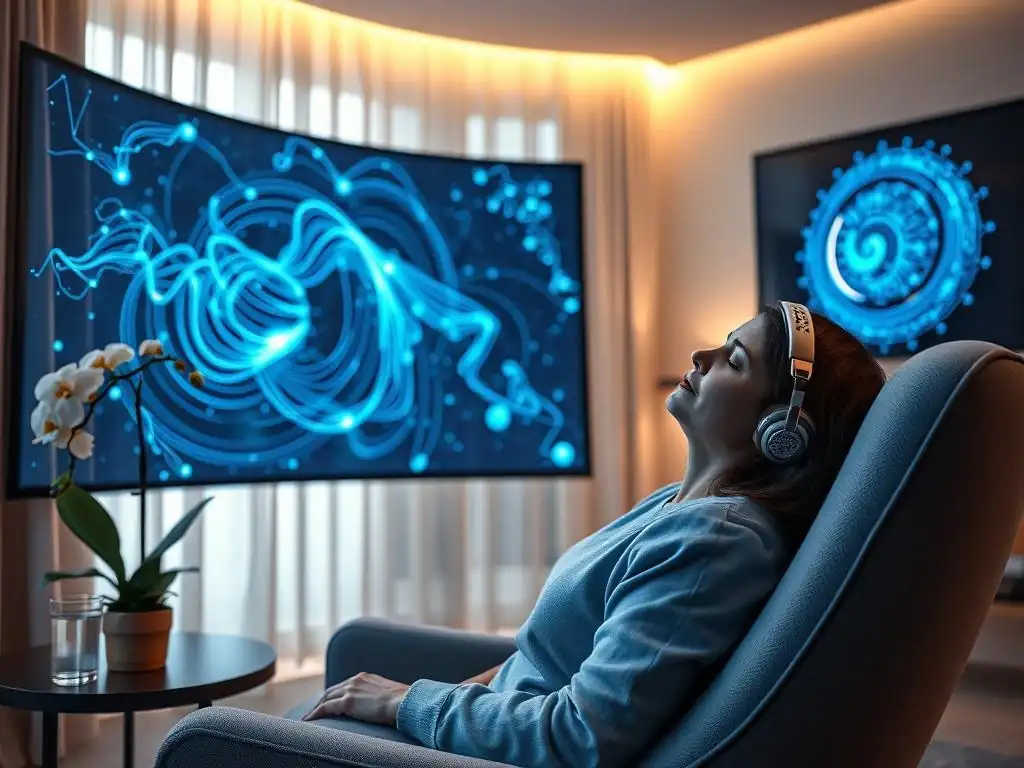
Welcome to Mind Care Guide, a space dedicated to nurturing your mental well-being.
Feeling overwhelmed by migraines and searching for a path to relief? You're not alone. We understand the debilitating impact migraines can have on your life. This article delves into neurofeedback migraine relief options, exploring how this innovative, drug-free approach could offer a beacon of hope. Intrigued? Discover how harnessing the power of your brain can potentially unlock a future with fewer headaches. Let's begin this journey of understanding and empowerment together.
Neurofeedback for Migraines: A Drug-Free Approach
- Understanding Neurofeedback for Migraine Management
- How Neurofeedback Targets Migraine Symptoms
- Benefits of Neurofeedback for Migraine Patients
- Neurofeedback Protocols for Migraine: An Overview
- Neurofeedback Compared to Other Migraine Treatments
- Scientific Evidence: Neurofeedback and Migraine Relief
- Candidacy for Neurofeedback: Is It Right for You?
- Potential Side Effects and Considerations
- Finding a Qualified Neurofeedback Practitioner
- Cost and Coverage: Financial Considerations
- Integrating Neurofeedback with Other Strategies
- Patient Success: Real-World Experiences
- Conclusion: Neurofeedback for Migraine Management
-
Frequently Asked Questions
- What is neurofeedback and how might it help with migraines?
- Is neurofeedback a drug-free treatment option for migraines?
- How effective is neurofeedback for migraine sufferers compared to traditional medications?
- How long does a typical neurofeedback treatment for migraines last?
- What are the potential side effects of neurofeedback for migraines?
- Final Reflection: Unlocking Migraine Relief: The Promise of Neurofeedback
- Unlock Your Migraine-Free Potential
Understanding Neurofeedback for Migraine Management
Migraines: A Neurological Disorder
Migraines are far more than just severe headaches; they are complex neurological events characterized by a range of symptoms, often including intense, throbbing pain usually on one side of the head, nausea, vomiting, and extreme sensitivity to light and sound. These debilitating attacks can last from a few hours to several days, significantly impacting an individual's ability to function in daily life.
The exact mechanisms underlying migraines are still being researched, but they are believed to involve changes in the brainstem and interactions with the trigeminal nerve, as well as imbalances in brain chemicals like serotonin. Understanding migraines as a neurological disorder underscores the need for treatments that address the underlying brain function rather than just managing symptoms.
While episodic migraines occur less than 15 days per month, chronic migraines affect individuals on 15 or more days per month for at least three months. Approximately 12% of the global population suffers from migraines, with women being about three times more likely to be affected than men. The economic burden is substantial, estimated in the billions annually in the US alone due to lost productivity and healthcare costs. This high prevalence and significant impact highlight the urgent need for effective and sustainable migraine relief options.
Limitations of Pharmaceutical Migraine Treatments
Current pharmaceutical treatments for migraines fall into two main categories: acute treatments designed to stop a migraine attack once it starts, and preventive treatments taken regularly to reduce the frequency and severity of attacks. Acute options include over-the-counter pain relievers, triptans, gepants, and ditans. Preventive options range from beta-blockers, antidepressants, and anti-seizure medications to CGRP inhibitors. While these medications can be effective for many individuals, they often come with significant limitations and side effects.
Many patients experience side effects such as fatigue, dizziness, nausea, weight changes, or cardiovascular risks, which can make long-term use challenging. Additionally, some acute medications, particularly over-the-counter pain relievers and triptans, can lead to medication overuse headache (MOH), creating a cycle where the treatment itself contributes to the problem. For a significant portion of migraine sufferers, medications provide only partial relief or are not well-tolerated, driving the search for alternative neurofeedback migraine relief options that are non-pharmacological and target the root cause.
Neurofeedback: A Non-Invasive Migraine Intervention
Neurofeedback, also known as EEG biofeedback, is a type of biofeedback that measures brainwave activity using sensors placed on the scalp. It then provides real-time feedback to the individual, typically in the form of visual or auditory cues. This feedback allows the person to learn to regulate their own brainwave patterns, aiming to shift them towards a healthier, more balanced state. Unlike medication, neurofeedback is non-invasive and does not introduce any substances into the body. It is essentially a form of brain training.
The goal of neurofeedback as a migraine intervention is to help the brain learn to maintain more stable and optimal patterns of electrical activity associated with fewer and less severe migraines. By providing feedback on specific brainwave frequencies linked to migraine susceptibility, individuals can gain conscious or unconscious control over these patterns. This offers a promising avenue for neurofeedback migraine relief options, focusing on empowering the individual to influence their own neurological regulation.
How Neurofeedback Targets Migraine Symptoms
Brainwave Dysregulation in Migraines
Research suggests that individuals prone to migraines often exhibit specific patterns of brainwave dysregulation. For instance, some studies indicate that migraineurs may have excessive slow-wave activity (delta or theta waves) in certain areas of the brain, or deficient fast-wave activity (beta or SMR waves). There might also be issues with coherence, which is the degree to which different areas of the brain are communicating or synchronized.
These patterns are not necessarily the cause of migraines but are often correlated with migraine susceptibility and severity. Identifying these specific dysregulated patterns in an individual is a crucial first step in developing a targeted neurofeedback protocol.
For example, some research points towards instability in alpha rhythms or excessive theta activity in the posterior regions of the brain during headache-free periods in migraine patients. Other studies highlight atypical patterns in the sensorimotor cortex. These findings suggest that by training the brain to normalize these specific electrical patterns – perhaps by reducing excessive slow waves or increasing certain fast waves – it might become less prone to the neurological cascade that results in a migraine attack. Addressing this underlying brainwave dysregulation is a core principle of neurofeedback migraine relief options.
Neurofeedback Training: A Personalized Approach
Neurofeedback therapy is highly personalized. It begins with an assessment, often a quantitative electroencephalogram (qEEG), to map the individual's specific brainwave patterns. Based on this map, a clinician designs a tailored training protocol. During a typical session, sensors are placed on the scalp to monitor brain activity. The individual sits in front of a screen or listens to sounds. They are then given feedback – perhaps a video plays smoothly or a sound tone remains steady – only when their brain activity is moving towards the desired pattern (e.g., increasing SMR waves, decreasing theta waves).
The training is a learning process for the brain. Over multiple sessions, the brain gradually learns to maintain the desired patterns even without the immediate feedback. This learning is based on operant conditioning – the brain is rewarded (by the feedback) for producing the target brainwave states. A standard course of neurofeedback for migraines typically involves 20 to 40 sessions, depending on the individual's response and the severity of their symptoms. This personalized, learning-based approach is key to the effectiveness of neurofeedback migraine relief options.
Quantitative EEG (qEEG) Assessment for Tailored Protocols
A quantitative EEG (qEEG), often referred to as a "brain map," is a critical component in tailoring neurofeedback protocols for migraine sufferers. This assessment involves recording the electrical activity from multiple sites on the scalp (typically 19 or more channels) for a period of time, usually with eyes open and eyes closed. The raw EEG data is then processed using sophisticated software to compare the individual's brainwave patterns across various frequencies and locations to a normative database of healthy individuals.
The qEEG analysis can reveal specific areas and frequencies where the individual's brain activity deviates significantly from the norm. For a migraine patient, this might show excessive slow waves in the frontal lobes, deficient SMR activity in the central brain regions, or abnormal coherence patterns.
The results of the qEEG provide the neurofeedback practitioner with the specific targets for training – for example, training the individual to decrease theta activity at a specific site or increase SMR activity at another. This detailed mapping ensures that the neurofeedback protocol is precisely matched to the individual's unique brain dysregulation patterns, maximizing the potential for effective neurofeedback migraine relief options.
Benefits of Neurofeedback for Migraine Patients
Reducing Migraine Frequency and Severity
One of the primary reported benefits of neurofeedback for migraine patients is a significant reduction in the frequency and severity of migraine attacks. Multiple studies and clinical reports suggest that individuals undergoing neurofeedback therapy can experience fewer migraine days per month and less intense pain when attacks do occur. For instance, some research indicates a reduction in migraine frequency by 50% or more in a substantial portion of patients who complete a course of treatment.
Beyond just frequency and severity, patients often report that their migraines become more manageable. Symptoms like nausea, light sensitivity, and sound sensitivity may also decrease. This cumulative effect – fewer, less painful, and less disruptive attacks – represents a substantial improvement in the lives of chronic migraine sufferers, offering a sustainable path among various neurofeedback migraine relief options.
Long-Term, Drug-Free Migraine Management
A significant advantage of neurofeedback is its potential for long-term effects without the need for continuous medication. Because neurofeedback is a learning process, the brain retains the ability to produce the healthier patterns it has been trained on, even after therapy concludes. While some individuals may benefit from occasional "booster" sessions, many find that the improvements are sustained over time.
This offers a compelling alternative for individuals seeking drug-free migraine management. It eliminates concerns about medication side effects, drug interactions, or the risk of medication overuse headache. The shift from dependency on medication to the brain's own improved self-regulation is a powerful outcome for those exploring sustainable neurofeedback migraine relief options.
Enhancing Quality of Life: Improved Functioning
The impact of chronic migraines extends far beyond the pain itself, significantly diminishing an individual's quality of life. Frequent and severe attacks can disrupt work, school, social activities, and family life. By reducing the burden of migraines, neurofeedback can lead to substantial improvements in daily functioning and overall well-being.
Patients who experience successful neurofeedback treatment often report being able to return to activities they had previously avoided, experiencing less anxiety about when the next migraine might strike, and having more predictable and productive days. This enhancement in quality of life – including better sleep, reduced anxiety, and improved concentration – is a crucial, often-overlooked benefit of effective neurofeedback migraine relief options.
Neurofeedback Protocols for Migraine: An Overview
Alpha-Theta Training for Migraine Relief
Alpha-Theta training is a specific neurofeedback protocol that involves training the brain to increase the amplitude of alpha waves while simultaneously increasing the amplitude of theta waves, particularly in the posterior regions of the brain. This state is often associated with deep relaxation, meditation, and access to subconscious processing. The rationale behind using Alpha-Theta training for migraines is often related to addressing underlying stress, anxiety, or trauma that may be contributing factors to migraine frequency or severity.
While not a primary protocol for all migraine types, Alpha-Theta training can be beneficial for patients whose migraines are significantly exacerbated by stress or emotional factors. By fostering a state of deep relaxation and potentially helping to process emotional contributors, this protocol aims to reduce the overall stress burden on the nervous system, thereby potentially lowering migraine susceptibility. It represents one of several neurofeedback migraine relief options that target different potential underlying mechanisms.
Sensorimotor Rhythm (SMR) Training for Migraine Management
Sensorimotor Rhythm (SMR) training is one of the most commonly used neurofeedback protocols for migraines. SMR is a brainwave frequency band (typically 12-15 Hz, although definitions can vary slightly) generated over the sensorimotor cortex. It is associated with a calm, attentive state and inhibited motor activity. Deficient SMR activity or excessive low beta activity (often 15-18 Hz) is sometimes observed in individuals with migraines and other conditions like anxiety and sleep disorders.
The SMR protocol involves training the individual to increase SMR amplitude, often while simultaneously decreasing slower theta waves (4-8 Hz) and/or faster high beta waves (above 18-20 Hz) at central scalp locations (e.g., Cz, C3, C4). Increasing SMR is thought to help stabilize cortical excitability and improve regulatory processes in the brain that may be dysregulated in migraineurs. Many studies reporting positive outcomes for neurofeedback migraine relief options have utilized SMR training as a core component of their protocols.
Slow Cortical Potential (SCP) Training for Migraine
Slow Cortical Potential (SCP) training focuses on regulating very slow shifts in the electrical potential of the cortex, which occur over seconds rather than fractions of a second like traditional brainwaves. SCPs reflect the overall excitability level of large networks of neurons. Negative SCP shifts are associated with increased cortical excitability and readiness for action, while positive SCP shifts are associated with decreased excitability or inhibition.
Research suggests that individuals with migraines may exhibit abnormalities in SCP regulation, potentially showing excessive negative shifts or difficulty producing positive shifts, indicating a tendency towards hyperexcitability. SCP training involves teaching the individual to voluntarily shift their SCPs in the positive (inhibitory) direction. This protocol aims to improve the brain's ability to regulate its own excitability, potentially making it less susceptible to the triggered hyperexcitability that characterizes a migraine attack. SCP training is another specialized approach within the spectrum of neurofeedback migraine relief options.
Neurofeedback Compared to Other Migraine Treatments

Neurofeedback vs. Medications: Benefits and Risks
When comparing neurofeedback to migraine medications, the key differences lie in mechanism, side effects, and long-term outcomes. Medications work by introducing chemical compounds that alter brain chemistry or function, often targeting specific neurotransmitters or pain pathways. Their benefits can be rapid for acute treatments or provide consistent prevention for chronic use, but they carry risks of side effects ranging from mild (fatigue, nausea) to severe (cardiovascular issues, organ damage with long-term use of some pain relievers). Medication overuse headache is also a significant risk.
Neurofeedback, conversely, is a learning-based therapy that trains the brain to self-regulate. It has minimal to no significant side effects, typically limited to temporary fatigue or mild headache immediately after a session for some individuals. While it requires a commitment to multiple sessions over several weeks or months before significant results are seen, the potential for long-term, drug-free relief is a major benefit. For those seeking neurofeedback migraine relief options without the burden of daily medication and its associated risks, neurofeedback presents a compelling alternative or complementary approach.
Neurofeedback vs. Lifestyle Adjustments: An Integrated Approach
Lifestyle adjustments are crucial for migraine management and include strategies such as maintaining a consistent sleep schedule, managing stress, regular exercise, identifying and avoiding trigger foods, and staying hydrated. These approaches are foundational and highly recommended for all migraine sufferers. They are low-cost, have numerous health benefits, and empower individuals to take an active role in their health.
However, lifestyle changes, while essential, may not be sufficient to fully control migraines for everyone, particularly those with chronic or severe forms. Neurofeedback can be viewed not as a replacement for lifestyle adjustments, but as a powerful complementary tool. By addressing underlying brain dysregulation, neurofeedback can potentially make the brain less reactive to triggers that lifestyle changes aim to minimize. Integrating neurofeedback migraine relief options with consistent healthy habits offers a comprehensive strategy for better outcomes.
Neurofeedback vs. Alternative Therapies: Comparative Effectiveness
Many individuals explore various alternative therapies for migraines, including acupuncture, chiropractic care, massage therapy, herbal supplements, and mindfulness meditation. The effectiveness of these therapies varies widely among individuals, and the scientific evidence supporting them is often less robust or consistent compared to conventional medical treatments or neurofeedback.
While some alternative therapies may provide temporary relief or help manage stress (a known migraine trigger), they may not directly address the specific patterns of brainwave dysregulation thought to be involved in migraine generation. Neurofeedback's strength lies in its targeted approach, using qEEG to identify specific neurological patterns and then training the brain to modify them. While a comparative effectiveness analysis is complex due to variations in protocols and study designs, neurofeedback offers a unique mechanism of action focused on brain self-regulation, distinguishing it from many other alternative neurofeedback migraine relief options.
Scientific Evidence: Neurofeedback and Migraine Relief
Research Studies: Efficacy of Neurofeedback for Migraines
A growing body of research supports the efficacy of neurofeedback for reducing migraine frequency and severity. While study designs and sample sizes vary, several controlled trials and meta-analyses have reported positive outcomes. For instance, a meta-analysis published in 2009 reviewed multiple studies and concluded that neurofeedback was associated with a significant reduction in headache frequency and severity, comparable to or exceeding the effects of some pharmacological treatments.
More recent studies continue to explore specific protocols and patient populations. A 2020 review highlighted that neurofeedback, particularly SMR training, shows promise as an effective non-pharmacological treatment for migraines. While larger, multi-center randomized controlled trials are still needed to solidify findings and compare neurofeedback head-to-head with all other treatments, the existing evidence provides a strong basis for considering neurofeedback as a viable option among neurofeedback migraine relief options.
Brain Plasticity and Neurofeedback: Sustained Effects
The long-term benefits observed with neurofeedback are attributed to the principle of brain plasticity, which is the brain's ability to change and reorganize itself throughout life. Neurofeedback training facilitates this plasticity by providing the brain with the information it needs to learn new, more adaptive patterns of activity. Repeated training sessions reinforce these desired patterns, essentially "rewiring" the brain's regulatory networks.
Unlike medications that manage symptoms as long as they are taken, neurofeedback aims to create lasting changes in brain function. Once the brain learns to maintain healthier patterns, it can continue to do so even after therapy stops. This learned self-regulation is believed to be the mechanism behind the sustained improvements in migraine frequency and severity reported by many patients years after completing their neurofeedback training. This potential for durable change is a key advantage of neurofeedback migraine relief options.
Neurofeedback for Chronic Migraine: A Viable Option
Chronic migraine, defined by 15 or more headache days per month, is particularly debilitating and often challenging to treat effectively with conventional methods alone. For individuals suffering from chronic migraine, who may have tried multiple medications with limited success or unacceptable side effects, neurofeedback offers a potentially valuable treatment pathway.
Studies specifically looking at chronic migraine populations have also shown positive results with neurofeedback. For example, some reports indicate significant reductions in headache days per month, even for those with long-standing chronic conditions. Given the limitations of current therapies for many chronic migraineurs, neurofeedback presents a viable and hopeful neurofeedback migraine relief option that addresses the underlying neurological dysregulation contributing to the chronicity of their condition.
Candidacy for Neurofeedback: Is It Right for You?
Identifying Suitable Candidates for Neurofeedback
Neurofeedback is generally considered suitable for a wide range of individuals, including adults and children, who suffer from migraines. Ideal candidates are typically those who are motivated to engage actively in the therapeutic process, as neurofeedback requires consistent participation over multiple sessions. It can be particularly beneficial for individuals who have not found sufficient relief from medications, experience significant medication side effects, or prefer a drug-free approach to migraine management.
Individuals with certain neurological conditions, such as active seizures or severe cognitive impairment, may require careful evaluation to determine if neurofeedback is appropriate and safe. However, for most migraine sufferers seeking effective neurofeedback migraine relief options, candidacy is determined primarily by their specific migraine profile, overall health, and willingness to commit to the treatment process.
Factors Influencing Treatment Outcomes
Several factors can influence the effectiveness of neurofeedback therapy for migraines. These include the severity and chronicity of the migraines, the presence of co-occurring conditions such as anxiety, depression, or sleep disorders (which can also be addressed with neurofeedback), the individual's overall health and lifestyle habits, and crucially, the skill and experience of the neurofeedback practitioner.
Patient adherence to the treatment schedule is also vital; inconsistent attendance can significantly impact outcomes. While neurofeedback is generally effective for many, individual responses can vary. Some patients may see significant improvements relatively quickly (e.g., within 10-15 sessions), while others may require a longer course of therapy (e.g., 30-40 sessions) to achieve desired results. Managing expectations and maintaining open communication with the practitioner are important components of successful neurofeedback migraine relief options.
Consultation with a Qualified Healthcare Provider
Before beginning neurofeedback therapy for migraines, it is essential to consult with a qualified healthcare provider. This could be your primary care physician, a neurologist specializing in headaches, or a licensed mental health professional trained in neurofeedback. This initial consultation allows for a proper diagnosis of your migraine type and severity, a review of your medical history and current treatments, and a discussion about whether neurofeedback is a suitable option for your specific situation.
The healthcare provider can help you weigh the potential benefits and risks of neurofeedback in the context of your overall health picture and other available neurofeedback migraine relief options. They can also provide referrals to reputable neurofeedback practitioners. A collaborative approach involving your medical doctor and neurofeedback therapist is often the most effective path to achieving optimal outcomes.
Potential Side Effects and Considerations
Safety Profile of Neurofeedback Therapy
Neurofeedback therapy is widely considered to have an excellent safety profile, especially when compared to pharmacological treatments. It is non-invasive and does not involve the introduction of any substances into the body. The risks associated with neurofeedback are minimal.
The most commonly reported "side effects" are typically transient and mild. These might include feeling slightly tired or spaced out immediately after a session, or occasionally experiencing a temporary increase in headache intensity or other symptoms. These effects usually resolve quickly, often within an hour or two. Serious adverse events are extremely rare when neurofeedback is administered by a trained and qualified practitioner. This high safety profile makes it an appealing choice among neurofeedback migraine relief options for many patients.
Managing Potential Discomfort
While significant discomfort during neurofeedback sessions is uncommon, some individuals might experience mild sensations or temporary symptom changes. For example, focusing intently during the session might slightly strain the eyes, or the process of shifting brain states could temporarily evoke feelings of relaxation or alertness that feel unfamiliar.
Practitioners are trained to monitor the client's response during and after sessions and adjust the protocol as needed. Open communication with your therapist about any sensations or changes you experience is crucial. Simple strategies like taking a few deep breaths, adjusting posture, or briefly pausing the session can usually mitigate any minor discomfort. Most patients find the sessions comfortable and even relaxing.
Contraindications for Neurofeedback
While neurofeedback is safe for most people, there are a few relative contraindications or situations where caution is advised. Individuals with active, uncontrolled seizures should only undergo neurofeedback under the direct supervision of a medical doctor, as some protocols might theoretically influence seizure activity (though research also explores neurofeedback for seizure control). Individuals with severe cognitive impairments that prevent them from understanding and engaging with the feedback process may not be suitable candidates.
Similarly, individuals with acute psychiatric instability or psychosis may need their primary mental health condition stabilized before undertaking neurofeedback. However, for the vast majority of migraine sufferers, these contraindications are not applicable, making neurofeedback a widely accessible option among neurofeedback migraine relief options. A thorough intake process with a qualified practitioner will assess for any potential contraindications.
Finding a Qualified Neurofeedback Practitioner

Credentials, Experience, and Expertise
Choosing a qualified neurofeedback practitioner is paramount to successful treatment outcomes. Look for practitioners who are licensed healthcare professionals (e.g., psychologists, therapists, social workers, physicians, nurses) with specialized training and certification in neurofeedback. Relevant credentials include certification from recognized bodies such as the Biofeedback Certification International Alliance (BCIA).
Experience specifically in treating migraines with neurofeedback is highly valuable. Ask about their experience with your specific type of migraine (e.g., chronic, episodic, with or without aura) and the protocols they typically use. A practitioner's expertise in interpreting qEEG data and designing personalized protocols is also critical for effective neurofeedback migraine relief options.
Questions to Ask Potential Providers
When interviewing potential neurofeedback practitioners, prepare a list of questions. Key questions to ask include:
- What are your credentials and certifications in neurofeedback?
- How long have you been practicing neurofeedback, and what is your experience treating migraines?
- What assessment methods do you use (e.g., qEEG)?
- What specific neurofeedback protocols do you typically use for migraines?
- What is the typical course of treatment (number of sessions, frequency)?
- What outcomes do you generally see in patients with migraines?
- What is the cost per session, and do you offer package deals or payment plans?
- Do you work collaboratively with my treating physician or neurologist?
Asking these questions will help you assess the practitioner's qualifications, approach, and suitability for your needs in seeking neurofeedback migraine relief options.
Certification Verification
To ensure a practitioner's credentials are valid, you can verify their certification with the relevant certifying body, such as BCIA. BCIA certification requires passing an exam, completing coursework, receiving mentorship, and adhering to ethical standards. Checking for BCIA certification provides a level of assurance regarding the practitioner's foundational knowledge and training in the field of biofeedback and neurofeedback.
Reputable practitioners will be transparent about their qualifications and happy to provide information about their training and experience. Don't hesitate to ask for this information as you evaluate potential providers for neurofeedback migraine relief options.
Cost and Coverage: Financial Considerations
Understanding Treatment Costs
The cost of neurofeedback therapy for migraines can vary significantly depending on the practitioner's location, their level of experience, the length of sessions (typically 30-60 minutes), and the number of sessions required. Individual sessions often range from $100 to $250. A full course of treatment, which might involve 20-40 sessions, could therefore range from $2,000 to $10,000 or more.
This upfront cost can seem substantial compared to the co-pay for a medication prescription. However, it's important to consider the potential long-term savings if neurofeedback reduces or eliminates the need for ongoing medication, emergency room visits, or lost productivity due to migraines. Understanding the total estimated cost of a treatment course is essential when exploring neurofeedback migraine relief options.
Insurance Coverage Options
Insurance coverage for neurofeedback therapy varies widely. Some insurance plans may cover neurofeedback under behavioral health or physical therapy benefits, particularly if it is prescribed by a physician for a diagnosed condition like migraine. However, many plans, especially in the US, still consider neurofeedback experimental or investigational, or may only cover it for specific conditions like ADHD.
It is crucial to contact your insurance provider directly to inquire about your specific benefits and coverage for neurofeedback (CPT codes often used include 90875 or 90901, but check with the provider). Ask about any pre-authorization requirements, deductibles, co-pays, and maximum session limits. The neurofeedback provider's office may also be able to assist with verifying benefits or providing necessary documentation for reimbursement. Navigating insurance is a key step when considering neurofeedback migraine relief options.
Exploring Payment Plans
Recognizing that the cost of a full course of neurofeedback can be a barrier, many practitioners offer payment plans or package deals for a series of sessions. Discuss financial options with the provider's office during your initial consultation.
Some clinics may offer sliding scale fees based on income, or accept health savings accounts (HSAs) or flexible spending accounts (FSAs). While the initial investment in neurofeedback migraine relief options might be higher than traditional treatments, exploring these financial arrangements can make the therapy more accessible.
Integrating Neurofeedback with Other Strategies
Combining Neurofeedback with Lifestyle Modifications
As mentioned earlier, lifestyle modifications are a cornerstone of migraine management. Combining neurofeedback with these strategies can create a powerful synergistic effect. While neurofeedback helps regulate brain activity, maintaining a consistent sleep schedule, eating regular meals, staying hydrated, engaging in stress reduction techniques (like mindfulness or yoga), and exercising can support the brain's ability to maintain healthier patterns learned during training.
For example, if neurofeedback helps reduce overall brain hyperexcitability, consistent sleep can further stabilize brain rhythms, and stress management can prevent triggering events that might challenge the newly regulated patterns. Integrating these approaches maximizes the potential for sustained neurofeedback migraine relief options.
Synergistic Effects with Complementary Therapies
Neurofeedback can also be integrated with other complementary therapies under the guidance of healthcare professionals. For instance, combining neurofeedback with cognitive behavioral therapy (CBT) can be beneficial, as CBT helps patients manage the psychological impact of chronic pain and develop coping strategies, while neurofeedback addresses the physiological regulation.
Similarly, integrating neurofeedback with physical therapy, acupuncture, or massage might provide additional benefits by addressing musculoskeletal tension or other physical factors that can contribute to migraines. The key is to develop a cohesive, integrated treatment plan that leverages the strengths of multiple neurofeedback migraine relief options and complementary approaches, tailored to the individual's specific needs.
Developing a Comprehensive Migraine Plan
Ultimately, the most effective approach to managing migraines often involves developing a comprehensive plan that is highly personalized. This plan should be developed in collaboration with your healthcare team, which may include a neurologist, primary care physician, and a neurofeedback practitioner.
A comprehensive plan might include:
- Prescribed acute and/or preventive medications (used judiciously).
- A neurofeedback therapy protocol based on a qEEG assessment.
- Specific lifestyle recommendations (sleep hygiene, diet, exercise, stress management).
- Identification and management of individual migraine triggers.
- Consideration of complementary therapies as appropriate.
- Regular follow-up appointments to monitor progress and adjust the plan.
This holistic approach, incorporating neurofeedback among other neurofeedback migraine relief options, empowers individuals to take control of their condition and work towards significant, lasting improvement.
Patient Success: Real-World Experiences
Case Studies: Migraine Reduction Through Neurofeedback
Clinical case studies frequently illustrate the potential impact of neurofeedback on migraine symptoms. For instance, a case report might describe a 45-year-old woman with chronic migraines experiencing 20-25 headache days per month. After completing 30 sessions of SMR/theta training based on her qEEG, her headache frequency might reduce to 5-7 days per month, with significantly lower pain intensity (e.g., from an average of 8/10 to 3/10).
Another case could involve a teenager with episodic migraines and significant light sensitivity. After 25 sessions targeting alpha and SMR rhythms, the teenager might report a reduction in migraine frequency from 8 per month to 2 per month, and a dramatic decrease in light sensitivity, allowing them to return to school activities without discomfort. These examples, drawn from common reported outcomes, highlight the tangible benefits of neurofeedback migraine relief options.
Patient Testimonials: Improved Well-being
Patient testimonials often echo the findings of case studies, emphasizing the profound impact of reduced migraine burden on their overall well-being. Many patients describe feeling like they "got their life back" after successful neurofeedback therapy. They report being able to plan activities without fear of cancellation due to a migraine, improved mood due to less chronic pain, and increased energy levels.
One might hear a testimonial like, "Before neurofeedback, I was having migraines almost every other day. I missed so much work and time with my family. After about 20 sessions, my migraines dropped to just a couple a month, and they were much less severe. I feel like a different person." Such accounts, while individual, illustrate the transformative potential of effective neurofeedback migraine relief options.
Impact on Daily Functioning and Activities
The true measure of success in migraine treatment is often its impact on daily functioning. Reduced migraine frequency and severity directly translate into more productive workdays, consistent attendance at school, greater participation in social events, and the ability to engage in hobbies and physical activities.
Patients often report being able to exercise regularly again, travel without debilitating worry, and enjoy time with loved ones without the constant threat of an impending attack. This restoration of normal functioning is a primary goal of migraine treatment and a significant outcome often achieved through neurofeedback migraine relief options.
Conclusion: Neurofeedback for Migraine Management
Future Directions in Neurofeedback Research
While current research supports neurofeedback as a promising intervention for migraines, future studies are needed to further refine protocols, identify specific patient profiles most likely to benefit, and conduct larger-scale comparative effectiveness trials. Research exploring the optimal number and frequency of sessions, the long-term durability of effects, and the integration of neurofeedback with emerging migraine treatments (like CGRP inhibitors) will continue to advance the field.
Continued investigation into the specific neurological mechanisms underlying neurofeedback's effects on migraines will also deepen our understanding and potentially lead to even more targeted and effective protocols. As research progresses, neurofeedback's place among established neurofeedback migraine relief options will likely become even more defined.
Empowering Patients: Taking Control of Migraines
One of the most empowering aspects of neurofeedback therapy is that it teaches individuals how to regulate their own brain activity. Unlike treatments that are administered passively, neurofeedback requires active participation and provides the individual with the tools to influence their own neurological state.
This process fosters a sense of agency and control over a condition that often feels unpredictable and overwhelming. Learning to identify internal states associated with certain brainwave patterns and actively influencing them empowers patients to become active partners in their own healing journey, offering a unique path among neurofeedback migraine relief options.
Resources for Further Information
For those interested in learning more about neurofeedback for migraines, numerous resources are available. Professional organizations like the Biofeedback Certification International Alliance (BCIA) and the Association for Applied Psychophysiology and Biofeedback (AAPB) offer information about neurofeedback, research updates, and directories of certified practitioners.
Additionally, reputable mental health and neuroscience websites, as well as published research studies in peer-reviewed journals, can provide detailed information on the science and application of neurofeedback for various conditions, including migraines. Consulting with qualified healthcare providers and neurofeedback practitioners is also an essential step in gathering personalized information about neurofeedback migraine relief options.
Frequently Asked Questions
What is neurofeedback and how might it help with migraines?
Neurofeedback is a type of biofeedback that trains the brain to self-regulate. It may offer migraine relief by helping to stabilize brain activity and reduce the frequency and intensity of headaches.
Is neurofeedback a drug-free treatment option for migraines?
Yes, neurofeedback is considered a non-pharmacological approach to migraine management. This makes it an appealing option for individuals seeking drug-free migraine relief options.
How effective is neurofeedback for migraine sufferers compared to traditional medications?
Studies suggest neurofeedback can be effective in reducing migraine frequency and intensity, sometimes comparable to or even surpassing the results of traditional medications. However, individual results can vary significantly.
How long does a typical neurofeedback treatment for migraines last?
A typical neurofeedback treatment plan for migraines usually involves multiple sessions, often ranging from 20 to 40 sessions, spaced over several weeks or months for optimal and lasting results.
What are the potential side effects of neurofeedback for migraines?
Neurofeedback is generally considered safe, but some individuals may experience minor and temporary side effects, such as fatigue, headaches, or anxiety, which usually subside quickly.
Final Reflection: Unlocking Migraine Relief: The Promise of Neurofeedback
The debilitating impact of migraines on millions worldwide demands innovative solutions, and neurofeedback offers a compelling drug-free pathway towards lasting relief. This exploration of neurofeedback's potential in migraine management highlights its ability to empower individuals to take control of their own neurological well-being, moving beyond the limitations of solely pharmaceutical interventions.
The journey into understanding the brain's intricate role in migraine generation has been profoundly enlightening. Witnessing the growing body of research supporting neurofeedback's efficacy underscores its importance as a viable alternative and complementary therapy. The brain is the most complex organ in the body, and understanding its mechanisms is key to unlocking effective treatments for neurological conditions.
This quote encapsulates the essence of our exploration, emphasizing the need for innovative approaches that address the root causes of migraines, rather than simply masking the symptoms. The shift towards personalized brain training, tailored to individual needs, represents a significant advancement in migraine care.
Consider the potential impact on your life if you could actively participate in managing your migraines, reducing reliance on medication and its potential side effects. You have the power to explore this path towards a healthier, more fulfilling life. Take the time to research neurofeedback practitioners in your area, and begin a conversation about how this innovative approach might help you reclaim your well-being and break free from the cycle of migraine pain. The future of migraine relief may well be in your own hands.
Unlock Your Migraine-Free Potential
Thanks for taking the time to explore the world of neurofeedback and its potential to alleviate migraine suffering! You've learned about a powerful, drug-free approach to managing your headaches. Now, let's put that knowledge into action.
- Schedule a consultation with a neurofeedback specialist: This is the crucial first step to see if neurofeedback is right for you and to begin your personalized treatment plan. This could be the start of a significant shift in your well-being.
- Share this article with someone you know who struggles with migraines: Help spread awareness of this innovative approach and empower others to find relief.
- Explore mindfulness techniques as a complementary approach to support your neurofeedback journey and reduce stress.
Ready to take control of your migraine pain and experience lasting relief? What’s your next step towards a happier, healthier you?