
Does Neurofeedback Really Work? Evidence and Success Stories

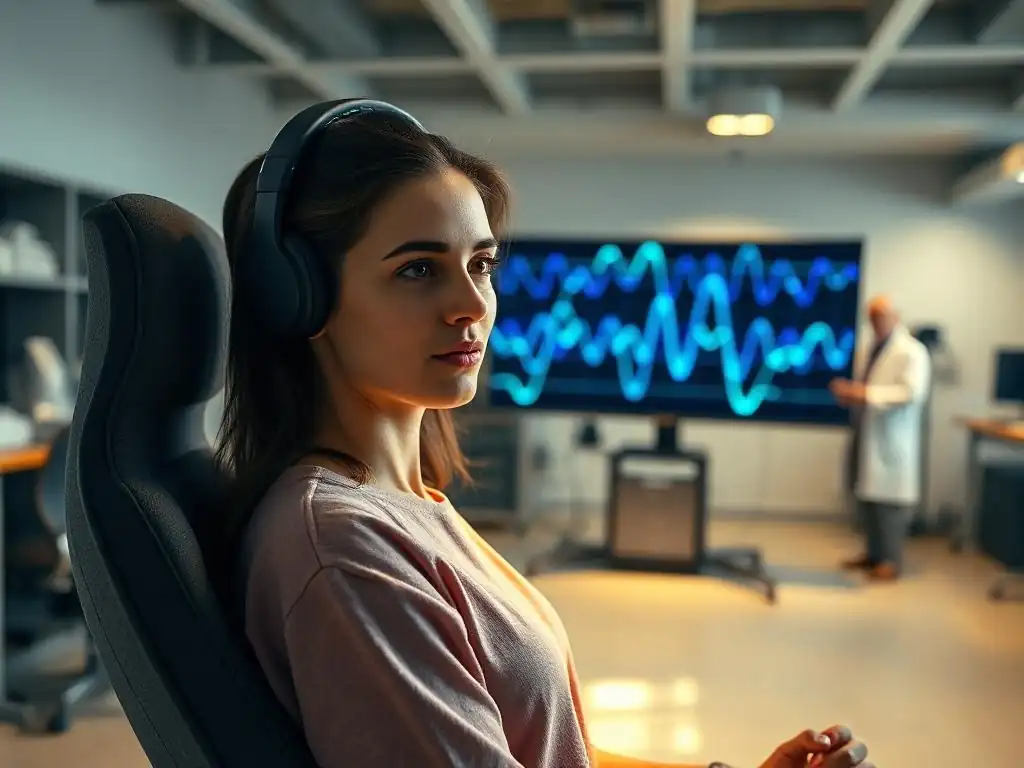
Welcome to Mind Care Guide, your sanctuary for navigating the complexities of mental well-being. Feeling overwhelmed by the noise and searching for genuine solutions? You're not alone. In this space, we delve into evidence-based approaches, and today, we're exploring a fascinating technique: Neurofeedback. Could this innovative method be the key to unlocking a healthier, more balanced mind? Let's unravel the science and discover how Neurofeedback can improve mental health, sparking hope and offering a potential path forward. Prepare to have your understanding challenged and your curiosity ignited.
Neurofeedback for Mental Wellness: Evidence, Applications, and Considerations
- Understanding Neurofeedback
-
Scientific Evidence for Neurofeedback's Efficacy
- Neurofeedback for Anxiety Disorders: Research and Outcomes
- Neurofeedback for Attention-Deficit/Hyperactivity Disorder (ADHD): Evidence-Based Benefits
- Neurofeedback for Post-Traumatic Stress Disorder (PTSD): Investigating Therapeutic Potential
- Neurofeedback for Insomnia: Enhancing Sleep Quality Through Brainwave Regulation
- Quantitative Electroencephalography (QEEG): Its Role in Neurofeedback Protocols
-
Clinical Applications of Neurofeedback
- Neurofeedback for Migraine Management: Reducing Frequency and Intensity
- Neurofeedback for Epilepsy: Seizure Control and Brain Stabilization
- Neurofeedback for Autism Spectrum Disorder (ASD): Addressing Sensory and Behavioral Challenges
- Neurofeedback for Traumatic Brain Injury (TBI): Enhancing Cognitive Recovery
- Benefits and Limitations
- Finding a Qualified Practitioner
- Neurofeedback: A Pathway to Enhanced Well-being
-
Frequently Asked Questions
- What is neurofeedback and how might it improve mental health?
- What kind of mental health challenges can neurofeedback potentially address?
- What does the "Mind Care Guide" say about the evidence supporting neurofeedback's effectiveness?
- How does neurofeedback work in a practical session, according to the "Mind Care Guide"?
- Are there any potential downsides or risks associated with using neurofeedback to improve mental health?
- Final Reflection: The Evolving Landscape of Neurofeedback and Mental Wellness
- Unlock Your Brain's Potential: Take the Next Step
Understanding Neurofeedback
Neurofeedback: A Definition and Methodology
Neurofeedback is a type of biofeedback that focuses on the brain's electrical activity, often measured using an electroencephalogram (EEG). It is a non-invasive process designed to help individuals learn to regulate their own brain function. Sensors are placed on the scalp to monitor brainwave activity in real-time.
This activity is then translated into visual or auditory feedback presented to the individual, typically on a computer screen. The goal is for the person to learn, through operant conditioning principles, to shift their brainwave patterns towards a more desirable state associated with improved mental function and well-being. This training aims to help neurofeedback improve mental health conditions by addressing underlying dysregulation.
The methodology involves identifying specific brainwave patterns associated with a particular condition or desired state, such as increased focus or reduced anxiety. During a session, when the brain produces the desired pattern (e.g., increasing SMR activity for focus or decreasing theta activity for impulsivity), the software provides positive feedback, like a video playing smoothly or a tone sounding. Conversely, undesirable patterns might result in negative feedback, like the video pausing.
Over multiple sessions, the brain is thought to learn to produce the desired patterns more consistently, leading to lasting changes in brain activity and, consequently, behavior and emotional regulation. This process leverages the brain's inherent plasticity to facilitate change and help neurofeedback improve mental health symptoms.
How Neurofeedback Functions: Brainwave Retraining Mechanisms
Neurofeedback operates primarily through the principles of operant conditioning, a learning process where behavior is shaped by consequences. In this context, the "behavior" is the brain's electrical activity, and the "consequence" is the feedback provided by the neurofeedback system. When the brain moves towards a target brainwave pattern defined by the therapist and the specific protocol, it is rewarded with positive feedback. This reinforcement encourages the brain to repeat that specific pattern. Conversely, patterns associated with the condition being addressed (e.g., excessive slow wave activity in ADHD) are not reinforced, or may even be negatively reinforced, discouraging their occurrence.
Different neurofeedback protocols target specific brainwave frequencies and locations based on the condition being treated and individual QEEG assessments. For example, training to increase sensory-motor rhythm ( SMR) activity (12-15 Hz) at central locations is often used to improve focus and reduce hyperactivity. Training to increase alpha waves (8-12 Hz) and decrease theta waves (4-8 Hz) in specific areas might be used for attention difficulties. Training to increase alpha/theta ratio or high beta (20-30 Hz) might be explored for anxiety or peak performance. The brain, over repeated trials and sessions, learns to self-regulate these patterns, establishing new, more functional neural pathways. This capacity for self-regulation is key to how neurofeedback can potentially improve mental health outcomes.
Neurofeedback vs. Traditional Therapies: A Comparison
Comparing neurofeedback to traditional therapies like psychotherapy (e.g., CBT, talk therapy) or psychopharmacology (medication) reveals distinct differences in approach, mechanism, and focus. Traditional psychotherapy primarily addresses thoughts, feelings, and behaviors through verbal interaction and cognitive restructuring. It focuses on conscious processing and learned coping strategies. Medication, on the other hand, alters brain chemistry to influence mood, cognition, or behavior. It acts directly on neurotransmitter systems but does not involve active learning or self-regulation by the individual.
Neurofeedback differs significantly as it directly targets the underlying physiological activity of the brain – its electrical patterns. While psychotherapy works with the contents of the mind and medication works with the chemistry, neurofeedback works with the electrical dynamics. It is a learning modality where the brain itself learns to regulate its own activity. Unlike medication, it is non-pharmacological and non-invasive.
Unlike talk therapy, it doesn't rely on conscious insight or verbal expression, making it potentially suitable for individuals who struggle with these aspects, such as young children or those with certain cognitive impairments. While traditional therapies have extensive research bases and are often first-line treatments, neurofeedback offers an alternative or complementary approach focused on directly training brain function, aiming to improve mental health by teaching the brain better self-control. Often, neurofeedback is used in conjunction with other therapies for a comprehensive treatment plan.
Scientific Evidence for Neurofeedback's Efficacy
Neurofeedback for Anxiety Disorders: Research and Outcomes
Research into using neurofeedback to improve mental health, specifically anxiety disorders, has explored various protocols targeting brainwave activity often associated with anxious states. Studies have investigated the effectiveness of increasing alpha (8-12 Hz) and theta (4-8 Hz) activity, particularly in posterior regions, or decreasing high beta activity (20-30 Hz), which is sometimes linked to excessive worrying and hypervigilance. A meta-analysis published around 2013, combining data from multiple studies, suggested a significant reduction in anxiety symptoms following neurofeedback training compared to control groups, with effect sizes varying depending on the specific anxiety disorder and protocol used.
Clinical outcomes reported in various studies indicate that individuals undergoing neurofeedback for anxiety often experience reductions in self-reported anxiety levels, improved sleep quality, and decreased physiological symptoms associated with anxiety, such as muscle tension and racing heart. For example, some studies involving generalized anxiety disorder (GAD) have reported reductions in scores on standardized anxiety scales, such as the Beck Anxiety Inventory (BAI), by an average of 10-15 points post-treatment.
While results can vary significantly between individuals, these findings suggest that targeting specific brainwave patterns through neurofeedback training holds promise as a non-pharmacological approach to help manage and improve mental health related to anxiety.
Neurofeedback for Attention-Deficit/Hyperactivity Disorder (ADHD): Evidence-Based Benefits
Neurofeedback for ADHD is arguably one of the most studied applications, with a substantial body of research accumulated over several decades. The most common protocol involves training individuals, particularly children, to increase the ratio of beta activity (15-18 Hz or SMR 12-15 Hz) to theta activity (4-8 Hz), often at central electrode sites (like Cz). This is based on the observation that individuals with ADHD often exhibit excessive theta activity and/or reduced beta/SMR activity compared to their peers. Numerous randomized controlled trials and meta-analyses have evaluated this approach.
Meta-analyses, including one influential review published in 2013 by the American Academy of Pediatrics, have concluded that neurofeedback meets the criteria for "Level 1 - Best Support" as an intervention for ADHD, particularly for inattentive and hyperactive/impulsive symptoms. Studies have demonstrated statistically significant reductions in core ADHD symptoms, often measured by parent and teacher rating scales like the Conner's Rating Scales. For instance, clinical trials have reported average reductions in inattentive symptoms by 20-30% and hyperactive/impulsive symptoms by 25-35% following a typical course of 30-40 neurofeedback sessions.
These improvements are often reported to be durable, maintaining gains months or even years after training completion. This strong evidence base supports the use of neurofeedback to improve mental health and functional outcomes in individuals with ADHD.
Neurofeedback for Post-Traumatic Stress Disorder (PTSD): Investigating Therapeutic Potential
Neurofeedback is being explored as a potential therapeutic tool for Post-Traumatic Stress Disorder (PTSD), a complex condition involving dysregulation in brain areas associated with fear processing, memory, and emotional regulation. Research protocols often target areas like the amygdala and hippocampus, although direct training of these deep structures is not possible with standard surface EEG neurofeedback. Instead, protocols might focus on regulating activity in related cortical areas or addressing symptoms like hyperarousal, intrusive thoughts, or emotional numbing by targeting specific brainwave patterns (e.g., reducing high beta for hyperarousal, increasing alpha/theta for emotional processing).
Studies on neurofeedback for PTSD are still less numerous and often involve smaller sample sizes compared to ADHD research. However, preliminary findings and clinical reports suggest promising results. Some studies have indicated reductions in the severity of PTSD symptoms, as measured by scales like the PTSD Checklist (PCL), with reported decreases in scores sometimes ranging from 15-25 points post-treatment in pilot studies.
Anecdotal evidence and case studies highlight improvements in sleep disturbances, reduced flashbacks, and better emotional regulation. While more large-scale, controlled research is needed to establish definitive efficacy, the potential for neurofeedback to help improve mental health symptoms in PTSD by directly addressing brain dysregulation makes it a valuable area of investigation.
Neurofeedback for Insomnia: Enhancing Sleep Quality Through Brainwave Regulation
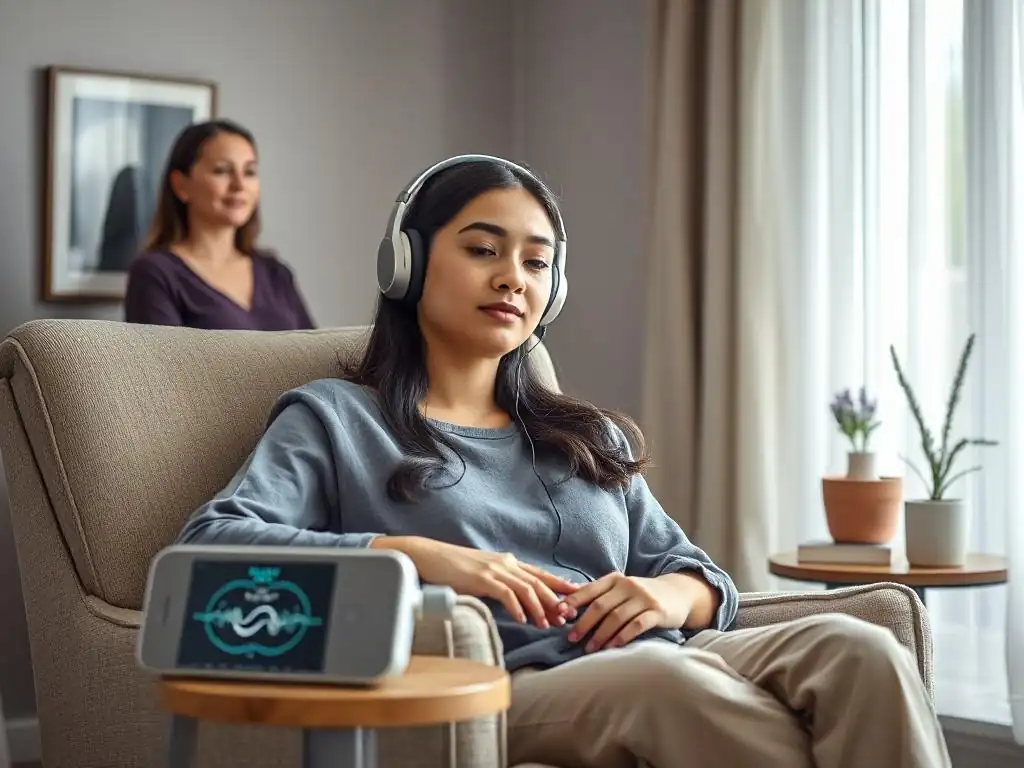
Insomnia is frequently linked to dysregulation of brainwave activity during sleep and wakefulness, often involving excessive high-frequency activity (beta) or insufficient low-frequency activity (delta or theta) at appropriate times. Neurofeedback protocols for insomnia typically focus on training individuals to increase specific brainwave frequencies associated with relaxation and sleep onset, such as SMR (12-15 Hz) or alpha-theta (8-12 Hz and 4-8 Hz) training, while decreasing frequencies associated with alertness and anxiety (e.g., high beta 20-30 Hz). Training is often conducted while the individual is awake but relaxed, aiming to facilitate the brain's ability to transition into sleep states more easily.
Research studies and clinical practice suggest that neurofeedback training can lead to significant improvements in various sleep parameters in individuals with insomnia. Reported outcomes include reductions in sleep onset latency (the time it takes to fall asleep), often by 20-40 minutes, and increases in total sleep time. Individuals frequently report feeling more rested and experiencing fewer nocturnal awakenings.
A study published in 2011, for instance, reported significant improvements in sleep quality and efficiency in chronic insomniacs following SMR neurofeedback training. These findings indicate that targeting the brain's sleep-wake regulation mechanisms directly through neurofeedback can be an effective strategy to improve mental health outcomes related to sleep disturbances.
Quantitative Electroencephalography (QEEG): Its Role in Neurofeedback Protocols
Quantitative Electroencephalography (QEEG), often referred to as "brain mapping," plays a crucial role in modern, personalized neurofeedback protocols. Before commencing training, a QEEG assessment involves recording the brain's electrical activity from multiple points on the scalp (typically 19 or more) under different conditions (e.g., eyes open, eyes closed). This raw EEG data is then processed and compared to a normative database of individuals of similar age and gender. This comparison allows clinicians to identify specific patterns of dysregulation or deviations from typical brain activity associated with various conditions or symptoms.
The QEEG provides a detailed map of an individual's unique brainwave profile, highlighting areas or frequencies that are over- or under-active, or exhibiting coherence/timing issues. This detailed information informs the selection of specific neurofeedback protocols, including which brainwave frequencies to train, at which locations on the scalp, and whether to reinforce increasing or decreasing their amplitude.
For example, a QEEG might reveal excessive theta activity in frontal regions for someone with attention issues, guiding the therapist to implement a theta reduction protocol in that area. By providing an objective measure of brain function, QEEG helps tailor the neurofeedback training to the individual's specific needs, potentially increasing the efficacy of using neurofeedback to improve mental health and cognitive function.
Clinical Applications of Neurofeedback
Neurofeedback for Migraine Management: Reducing Frequency and Intensity
Beyond traditional psychiatric conditions, neurofeedback has been explored for its potential in managing chronic pain conditions, including migraines. While the exact mechanisms linking brainwave activity to migraines are still being researched, some studies suggest that dysregulation in cortical excitability or blood flow regulation may play a role. Neurofeedback protocols for migraines often target slow cortical potentials (SCPs), aiming to normalize cortical excitability, or train individuals to increase SMR activity or decrease slow wave activity (theta/delta) in specific cortical areas.
Clinical research and reports indicate that neurofeedback can be an effective non-pharmacological intervention for reducing the frequency and intensity of migraine headaches. Several studies have shown statistically significant reductions in the number of migraine days per month, often by 50% or more, following a course of neurofeedback training.
For example, a study published in 2013 reported a significant decrease in migraine frequency and severity in patients undergoing SCP neurofeedback. These findings suggest that by helping individuals regulate specific aspects of brain activity, neurofeedback offers a promising avenue to improve mental health and physical well-being in those suffering from chronic migraines.
Neurofeedback for Epilepsy: Seizure Control and Brain Stabilization
Neurofeedback, particularly SMR training (12-15 Hz) over the sensorimotor cortex, has been investigated as an adjunctive treatment for epilepsy, especially in cases resistant to medication. The rationale is that increasing SMR activity in this area may inhibit the spread of seizure activity. Pioneering research in the 1970s and 80s showed that animals could be trained to increase SMR and that this training correlated with reduced seizure susceptibility. This led to human trials exploring the use of neurofeedback to improve mental health and neurological stability in individuals with epilepsy.
Studies and clinical practice have reported that SMR neurofeedback training can lead to a significant reduction in seizure frequency in a substantial percentage of patients, sometimes by 50% or more. While neurofeedback is not a cure for epilepsy and is typically used in addition to medication, it can potentially reduce the burden of seizures and improve quality of life.
A meta-analysis published in 2009 reviewed multiple studies and concluded that neurofeedback was a promising intervention for seizure control. While outcomes vary, for some individuals with refractory epilepsy, neurofeedback offers a valuable non-pharmacological tool to help stabilize brain activity and potentially improve mental health indirectly by reducing the impact of seizures.
Neurofeedback for Autism Spectrum Disorder (ASD): Addressing Sensory and Behavioral Challenges
Individuals with Autism Spectrum Disorder (ASD) often exhibit atypical brainwave patterns, including differences in connectivity (coherence) and amplitude across various frequencies, particularly related to sensory processing, social interaction, and executive function. Neurofeedback research in ASD aims to address these underlying neurological differences to improve core symptoms and associated challenges. Protocols are often highly individualized based on QEEG findings and may target areas related to social cognition (e.g., temporal lobes), executive function (e.g., frontal lobes), or sensory processing (e.g., parietal lobes).
Clinical reports and preliminary studies suggest that neurofeedback training may help improve various aspects of functioning in individuals with ASD. Reported benefits include reductions in sensory sensitivities, decreased repetitive behaviors, improved social engagement, better emotional regulation, and enhanced attention and executive function. While large-scale, placebo-controlled trials are still emerging, anecdotal evidence and smaller studies have shown promising results.
For example, some clinical studies have reported improvements in scores on the Autism Diagnostic Observation Schedule (ADOS) or other behavioral rating scales after neurofeedback training. Using neurofeedback to improve mental health and behavioral regulation in ASD focuses on leveraging brain plasticity to facilitate more adaptive processing patterns.
Neurofeedback for Traumatic Brain Injury (TBI): Enhancing Cognitive Recovery
Traumatic Brain Injury (TBI) can result in a wide range of cognitive, emotional, and behavioral deficits due to localized or diffuse brain damage and subsequent dysregulation of brain networks. QEEG assessments often reveal specific patterns of slow wave activity (delta/theta) or coherence abnormalities in individuals post-TBI, correlating with symptoms like difficulties with attention, memory, executive function, fatigue, and emotional lability. Neurofeedback protocols for TBI are typically guided by QEEG findings and aim to normalize these dysregulated patterns, such as reducing excessive slow wave activity or improving connectivity between brain regions.
Research and clinical applications suggest that neurofeedback can be a valuable tool in the rehabilitation process following TBI, even years after the initial injury. Studies have reported improvements in various cognitive functions, including attention span, processing speed, and memory. Individuals also frequently report reduced fatigue, fewer headaches, improved mood, and better emotional regulation.
For example, a study published in 2008 showed significant cognitive improvements in participants with chronic TBI following neurofeedback training targeting slow wave activity. By directly addressing the lingering brain dysregulation caused by the injury, neurofeedback offers a non-pharmacological approach to potentially improve mental health and cognitive recovery trajectories post-TBI.
Benefits and Limitations

Advantages of Neurofeedback: A Non-Pharmacological Approach
One of the primary advantages of neurofeedback is its non-pharmacological nature. Unlike medication, it does not involve introducing foreign substances into the body and therefore avoids the systemic side effects commonly associated with psychotropic drugs, such as weight gain, sedation, or digestive issues. This makes it a potentially attractive option for individuals who are sensitive to medication side effects, prefer non-drug interventions, or are seeking complementary approaches to reduce their reliance on medication. The process is non-invasive, involving only sensors placed on the scalp, and is generally considered safe.
Furthermore, neurofeedback is a learning-based modality. The goal is not to simply manage symptoms but to train the brain to regulate itself more effectively. This learning process aims to create lasting changes in brain activity patterns.
As a result, the benefits derived from neurofeedback training are often reported to be durable, potentially persisting long after the training sessions have concluded. This contrasts with medication, which typically requires continuous use to maintain its effects. The active participation required from the individual in the learning process can also be empowering, offering a sense of agency in their journey to improve mental health.
Limitations and Considerations Before Commencing Neurofeedback
Despite its potential benefits, neurofeedback is not a panacea and has several limitations and considerations.
- Cost: Neurofeedback training can be expensive, as it typically requires multiple sessions (often 20-40 or more), and is frequently not covered by health insurance, depending on the provider and diagnosis. Session costs can range significantly, from perhaps $100 to $300 or more per session.
- Time Commitment: A full course of neurofeedback requires a significant time commitment, with sessions typically lasting 30-60 minutes, conducted once or twice per week over several months. This can be a logistical challenge for many individuals and families.
- Variability in Results: Efficacy can vary significantly between individuals and conditions. While some people experience dramatic improvements, others may see only modest changes or no significant benefit. Factors such as the severity and complexity of the condition, individual learning capacity, the specific protocol used, and the skill of the clinician can all influence outcomes.
- Need for Qualified Practitioners: The effectiveness of neurofeedback is highly dependent on the expertise of the practitioner in conducting the QEEG assessment, interpreting the data, designing appropriate protocols, and skillfully guiding the training process. Finding a well-trained and experienced therapist is crucial.
- Research Gaps: While evidence is strong for certain conditions like ADHD, research for other conditions, such as complex trauma or certain personality disorders, is still emerging and less conclusive.
Potential Side Effects and Adverse Reactions
Neurofeedback is generally considered to have a favorable safety profile, with side effects typically being mild and temporary. The most commonly reported adverse reactions include:
- Fatigue or tiredness immediately after a session.
- Headaches, usually mild and resolving quickly.
- Feelings of anxiety or agitation, particularly if the protocol is not well-suited to the individual or if the reinforcement parameters are too aggressive.
- Difficulty sleeping on the night of a session.
- Increased awareness of symptoms initially as the brain begins to shift activity patterns.
These side effects are usually transient and can often be managed by adjusting the training parameters or duration. Severe adverse reactions are rare. It is important for individuals to communicate any discomfort or changes they experience during or after sessions to their neurofeedback therapist so that the protocol can be adjusted accordingly. Compared to the potential side effects of many psychiatric medications, the risks associated with neurofeedback are generally considered lower, reinforcing its appeal as a non-pharmacological path to potentially improve mental health.
Finding a Qualified Practitioner
Key Considerations When Selecting a Neurofeedback Therapist
Choosing a qualified and experienced neurofeedback therapist is paramount to the success and safety of the training. It's not just about having the equipment; it's about the clinician's understanding of neuroscience, clinical conditions, QEEG interpretation, and protocol selection. When searching for a practitioner, consider the following:
- Credentials and Training: Look for therapists with specific training and certification in neurofeedback. Organizations like the Biofeedback Certification International Alliance (BCIA) offer recognized certifications (
BCN). Inquire about their specific neurofeedback training programs attended. - Professional Background: Consider their primary clinical background (e.g., licensed psychologist, social worker, counselor, physician) and their experience treating the specific condition you are seeking help for (e.g., ADHD, anxiety, PTSD).
- QEEG Expertise: Ask about their experience with QEEG assessment and how they use it to develop personalized protocols. A thorough QEEG assessment is a cornerstone of effective neurofeedback.
- Approach and Protocols: Discuss the types of protocols they use and how they tailor them to individual needs. Different conditions and individuals may benefit from different approaches (e.g., amplitude training, coherence training, LORETA neurofeedback).
- Client Communication: Ensure they are willing to explain the process, the rationale behind the chosen protocols, and discuss expected outcomes and progress. An empathetic and informative approach is key.
- References or Testimonials: If possible, seek out reviews or ask for client testimonials (while respecting privacy regulations).
Certification and Training Standards
Certification standards help ensure that neurofeedback practitioners have met a certain level of training and competency. The Biofeedback Certification International Alliance (BCIA) is a leading certifying body in the field. BCIA certification requires:
- Completion of didactic education covering the theoretical and historical bases of biofeedback/neurofeedback, sEMG, respiratory, cardiovascular, and electrodermal activity, as well as psychophysiological disorders.
- Specific didactic education focused on neurofeedback, including brain anatomy, neurophysiology, EEG montage and measurement, QEEG, and neurofeedback protocols for various conditions.
- Completion of a mentorship period with an experienced, certified supervisor.
- Passing a comprehensive certification examination.
While BCIA certification is not legally required in all regions, it is a strong indicator that a practitioner has received rigorous training and adheres to professional standards. Other training programs and certifications exist, but BCIA is widely recognized. Verifying a practitioner's training and certification is a critical step in ensuring you receive competent care when using neurofeedback to improve mental health.
Cost and Insurance Coverage
The cost of neurofeedback training is a significant factor for many individuals. As mentioned, a full course typically involves 20 to 40 sessions, sometimes more, with individual session costs varying widely based on location, practitioner experience, and session length. A rough estimate might place the total cost for a complete course between $2,000 and $12,000 or even higher.
Insurance coverage for neurofeedback is inconsistent and often depends on the specific insurance plan, the diagnosis, and whether the practitioner is in-network. While coverage for ADHD treatment might be more common, coverage for anxiety, PTSD, or other conditions can be challenging to obtain. Some insurance companies may classify neurofeedback as experimental or investigational, denying coverage.
It is essential to contact your insurance provider before starting treatment to understand your benefits and any pre-authorization requirements. Some practitioners may offer payment plans or sliding scales, but out-of-pocket expenses are common. This financial consideration is important when exploring neurofeedback to improve mental health.
Neurofeedback: A Pathway to Enhanced Well-being
The Future of Neurofeedback in Neurological and Psychiatric Care
The field of neurofeedback is continuously evolving, driven by advancements in neuroscience, technology, and computing power. The future holds exciting possibilities for its integration into mainstream neurological and psychiatric care. One key area of development is the refinement of QEEG analysis and the creation of more sophisticated, individualized protocols based on a deeper understanding of brain network dynamics. As research clarifies the specific brain dysregulations underlying various conditions, neurofeedback protocols can become more targeted and potentially more effective.
Technological advancements are also making neurofeedback more accessible and potentially more engaging. Development of remote or home-based neurofeedback systems, guided by clinicians, could reduce logistical barriers and costs. Integration with virtual reality (VR) or gaming environments is creating more immersive and motivating training experiences, which could be particularly beneficial for children or individuals who struggle with traditional session formats. As the evidence base grows and technology improves, neurofeedback is poised to become a more widely accepted and utilized tool to improve mental health and cognitive function across a range of conditions.
Personalized Neurofeedback: Tailoring Treatment to Individual Brain Profiles
One of the most promising aspects of modern neurofeedback is the increasing emphasis on personalization. The understanding that no two brains are exactly alike, even with the same diagnosis, underscores the importance of tailoring treatment. QEEG assessment is a critical component of this personalized approach, providing a detailed map of an individual's unique brain activity patterns and how they deviate from normative functioning. This allows practitioners to move beyond generic protocols and design interventions that specifically target the areas and frequencies most relevant to the individual's symptoms and underlying brain dysregulation.
Personalized neurofeedback might involve training different brain regions, targeting different frequency bands (e.g., alpha, beta, theta, gamma, SMR), reinforcing different aspects of brain activity (e.g., amplitude, coherence, phase), or using more advanced techniques like LORETA neurofeedback which estimates activity in deeper brain structures. This tailored approach acknowledges the heterogeneity within diagnostic categories (e.g., not all individuals with anxiety show the same brain patterns) and aims to optimize the training for maximum effectiveness. As research provides more granular insights into brain-behavior relationships, the ability to create truly personalized neurofeedback protocols will enhance its capacity to improve mental health outcomes.
Integrating Neurofeedback with Other Therapies
Neurofeedback is often most effective when used as part of a comprehensive treatment plan that may include other therapeutic modalities. Integrating neurofeedback with psychotherapy, such as Cognitive Behavioral Therapy (CBT), Dialectical Behavior Therapy (DBT), or trauma-informed therapies, can be particularly powerful. While neurofeedback helps regulate the underlying physiological patterns in the brain, psychotherapy can help individuals process emotions, develop coping strategies, and address behavioral patterns. For instance, someone with PTSD might use neurofeedback to reduce hyperarousal and anxiety, making them more receptive and able to engage with trauma processing in therapy.
Similarly, integrating neurofeedback with medication management can be beneficial. For individuals who haven't achieved full remission with medication alone, or who experience significant side effects, neurofeedback can potentially enhance the effects of medication or, in some cases, allow for a reduction in dosage under medical supervision. Lifestyle interventions, such as exercise, nutrition, and mindfulness practices, also complement neurofeedback by supporting overall brain health. This integrated approach leverages the strengths of different modalities, offering a holistic pathway to improve mental health and overall well-being by addressing both brain function and psychological factors.
Frequently Asked Questions
What is neurofeedback and how might it improve mental health?
Neurofeedback is a type of biofeedback that trains the brain to regulate its own electrical activity. This training aims to optimize brain function and potentially alleviate symptoms of various mental health conditions.
What kind of mental health challenges can neurofeedback potentially address?
Neurofeedback has been explored as a treatment option for conditions like ADHD, anxiety, depression, and PTSD. It's important to note that results vary and it's often used as part of a comprehensive treatment plan.
What does the "Mind Care Guide" say about the evidence supporting neurofeedback's effectiveness?
The "Mind Care Guide" presents information and resources on neurofeedback, examining both the evidence and success stories. The guide highlights the importance of research-backed approaches to mental well-being.
How does neurofeedback work in a practical session, according to the "Mind Care Guide"?
Neurofeedback sessions typically involve sensors placed on the scalp to monitor brainwave activity. This data is then used to provide real-time feedback, helping individuals learn to self-regulate their brain activity through visual or auditory cues.
Are there any potential downsides or risks associated with using neurofeedback to improve mental health?
While generally considered safe, some individuals may experience mild side effects like headaches or fatigue. It is crucial to consult with a qualified mental health professional to determine if neurofeedback is appropriate and to discuss any potential risks.
Final Reflection: The Evolving Landscape of Neurofeedback and Mental Wellness
The growing body of evidence supporting neurofeedback's efficacy in improving mental health is undeniable, offering a powerful, personalized approach to brain optimization and well-being. This isn't just about treating symptoms; it's about empowering individuals to take control of their brain function and cultivate lasting mental resilience. The potential for neurofeedback to revolutionize mental healthcare is truly exciting.
The journey of understanding and applying neurofeedback has been a fascinating one, highlighting the intricate connection between brain activity and mental state. Witnessing the transformative impact on individuals struggling with conditions like ADHD, anxiety, and depression has been deeply moving. The brain is the most complex organ in the body, and its plasticity allows for remarkable change. Neurofeedback provides a pathway to harness that plasticity for positive mental health outcomes.
This quote encapsulates the core message of this article: hope and possibility exist for those seeking alternative or complementary approaches to mental wellness.
Consider the implications of this research for your own life. Are you experiencing challenges with focus, anxiety, or mood regulation? Neurofeedback may offer a path towards greater self-awareness and improved mental well-being. Don't hesitate to explore the possibilities, research reputable practitioners, and engage in open conversations with your healthcare provider. The future of mental health is personalized, and neurofeedback is playing a significant role in shaping that future. Take the first step towards understanding your brain and unlocking its potential for a healthier, happier you.
Unlock Your Brain's Potential: Take the Next Step
Thanks for exploring the world of neurofeedback with us! We hope you gained a clearer understanding of its potential and the compelling evidence behind it. Ready to take control of your brain health?
- Schedule a consultation with a certified neurofeedback practitioner: This is the most important step to discover if neurofeedback is right for you and to begin your personalized journey.
- Share this article with someone who might benefit from learning about neurofeedback. Helping others discover this powerful technique is a great way to pay it forward.
- Explore online resources and support groups: Connect with others on their neurofeedback journeys and discover additional insights. This could involve researching different types of neurofeedback or finding local support communities.
What specific aspect of neurofeedback resonates most with you and what steps will you take to explore it further?