
Neuroplasticity for Anxiety: Reshaping Your Brain's Fear Response

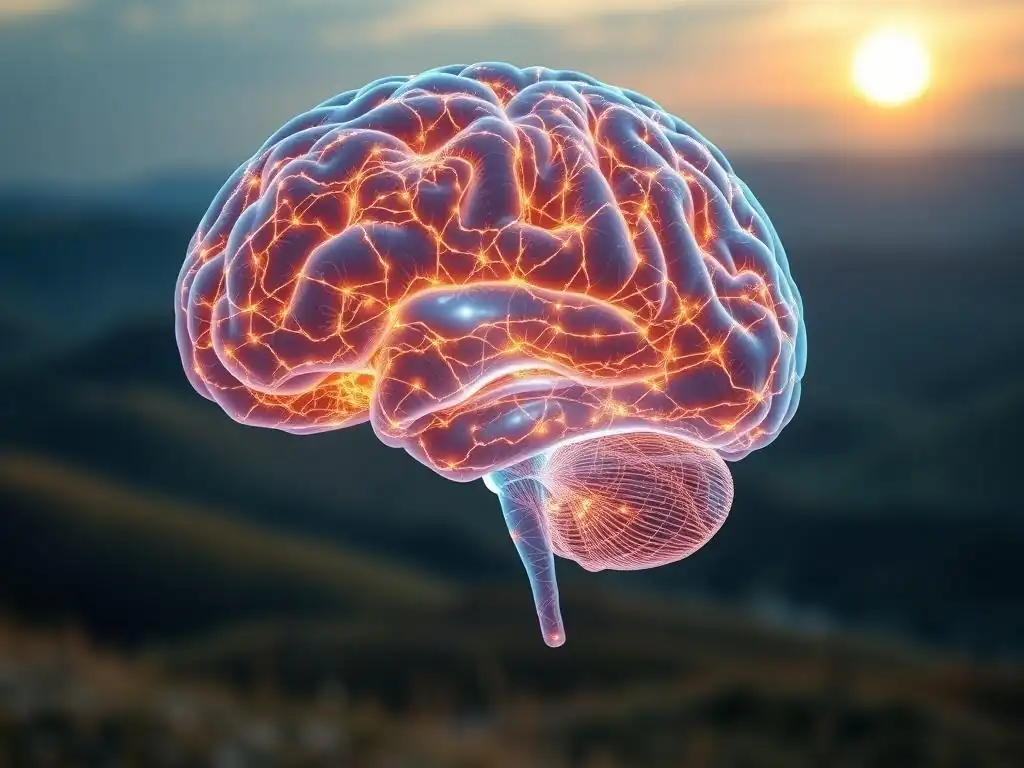
Welcome to Mind Care Guide, your compassionate companion on the journey to mental well-being.
Feeling trapped by anxiety's grip? You're not alone. Discover how the remarkable power of neuroplasticity offers a path toward lasting relief. Our in-depth guide, "Neuroplasticity for Anxiety: Reshaping Your Brain's Fear Response," delves into the science of brain rewiring anxiety relief, offering practical strategies and empowering insights to help you reclaim control and cultivate a calmer, more resilient you. Ready to unlock your brain's potential for healing?
Neuroplasticity for Anxiety: Reshaping Your Brain's Fear Response
- Understanding Neuroplasticity and Anxiety Relief
-
Brain Rewiring for Anxiety Relief: Practical Techniques
- Cognitive Behavioral Therapy (CBT) and Neuroplasticity: Changing Thought Patterns
- Mindfulness Meditation and Brain Plasticity: Reducing Anxiety Through Awareness
- Exposure Therapy and Rewiring Fear Responses: Gradual Confrontation
- Exercise and Neuroplasticity: Boosting Mood and Reducing Anxiety
- Nutrition and Brain Health: Supporting Neuroplasticity for Anxiety Reduction
- Specific Brain Rewiring Strategies for Anxiety
- Measuring Progress and Maintaining Long-Term Anxiety Relief
- The Future of Neuroplasticity in Anxiety Treatment
- Success Stories: Real-World Applications of Neuroplasticity for Anxiety
- Resources for Learning More About Neuroplasticity and Anxiety
-
Frequently Asked Questions
- How does neuroplasticity relate to anxiety relief?
- What are some practical techniques for brain rewiring to reduce anxiety?
- How long does it typically take to see noticeable anxiety relief through neuroplasticity?
- Can neuroplasticity completely eliminate anxiety?
- Is professional guidance necessary for brain rewiring and anxiety relief?
- Final Reflection: Rewiring Your Brain, Rewiring Your Life
- Unlock Your Brain's Resilience: Take Control of Anxiety Now!
Understanding Neuroplasticity and Anxiety Relief
What is Neuroplasticity and How Does it Work?
Neuroplasticity, often referred to as brain plasticity, is the remarkable ability of the brain to reorganize itself throughout life. This involves the formation of new neural connections and the modification of existing ones in response to learning, experience, and even injury.
It's the biological basis for how we learn new skills, adapt to changing environments, and recover from brain trauma. At a fundamental level, neuroplasticity operates through two main mechanisms: synaptic plasticity, which involves changes in the strength of connections between neurons (synapses), and structural plasticity, which involves changes in the anatomy of neurons, such as the growth of new dendrites or axons, and even the birth of new neurons in certain brain regions (neurogenesis).
This dynamic process allows the brain to constantly adapt its structure and function. When we learn something new, like playing a musical instrument or speaking a different language, specific neural pathways are strengthened. Conversely, pathways that are used less frequently can weaken over time. This continuous remodeling is not limited to childhood; it persists throughout adulthood, offering a powerful mechanism for change. Understanding how the brain can adapt and change is fundamental to grasping the potential for brain rewiring anxiety relief. It means the neural circuits associated with fear and anxiety are not fixed but can be modified.
The Brain's Role in Anxiety Disorders: Identifying Fear Pathways
Anxiety disorders are deeply rooted in the brain's intricate network of fear and threat processing. Key brain regions involved include the amygdala, often called the brain's fear center, which is responsible for detecting potential threats and triggering the body's fight-or-flight response. In individuals with anxiety, the amygdala can become hyperactive, reacting strongly even to stimuli that are not truly dangerous. This excessive reactivity contributes to feelings of intense fear and panic.
Another crucial area is the prefrontal cortex (PFC), particularly the medial prefrontal cortex, which is involved in regulating emotions, decision-making, and evaluating situations. In anxiety, the connection between the PFC and the amygdala can be disrupted; the PFC may be less effective at dampening the amygdala's fear response. The hippocampus, involved in memory and contextual learning, also plays a role.
It helps determine if a situation is truly threatening based on past experiences. Dysregulation in these areas creates maladaptive fear pathways that contribute to the persistent worry, avoidance behaviors, and physical symptoms characteristic of anxiety disorders. Recognizing these pathways is the first step towards targeted brain rewiring for anxiety relief.
How Neuroplasticity Offers Hope for Anxiety Sufferers
The concept of neuroplasticity provides a powerful message of hope for those struggling with anxiety. It means that the brain circuits involved in anxiety are not set in stone; they can be altered and rewired. Through specific practices and therapeutic interventions, individuals can actively participate in reshaping their brain's response to fear and stress. This isn't about "fixing" a broken brain but rather guiding its natural ability to adapt towards healthier patterns. By engaging in activities that promote positive neural changes, individuals can weaken the overactive fear pathways and strengthen areas responsible for calmness and rational evaluation.
For example, consistent practice of certain techniques can lead to structural changes, such as a decrease in amygdala volume or increased gray matter density in the prefrontal cortex, as suggested by some studies. These physical changes reflect the underlying functional changes – a reduced fear response and enhanced emotional regulation.
This potential for transformation through brain rewiring offers a path forward, suggesting that relief from the grip of anxiety is not only possible but achievable through dedicated effort and targeted strategies. It underscores the power of the mind to change the brain, paving the way for effective brain rewiring anxiety relief.
Brain Rewiring for Anxiety Relief: Practical Techniques
Cognitive Behavioral Therapy (CBT) and Neuroplasticity: Changing Thought Patterns
Cognitive Behavioral Therapy (CBT) is a highly effective therapeutic approach for anxiety that directly leverages neuroplasticity by targeting maladaptive thought patterns and behaviors. CBT helps individuals identify and challenge negative or irrational thoughts that fuel anxiety, such as "I'm going to fail" or "This feeling is unbearable." By learning to replace these distorted thoughts with more realistic and balanced ones, individuals are actively restructuring neural pathways. This process involves strengthening the connections in the prefrontal cortex associated with rational thinking and weakening the automatic, anxiety-provoking responses originating from areas like the amygdala.
Regular practice of CBT techniques, such as cognitive restructuring and behavioral experiments, reinforces new, healthier neural circuits. For instance, repeatedly challenging a catastrophic thought pattern ("What's the worst that could realistically happen?") and observing that the feared outcome doesn't occur helps the brain learn that the initial fear response was disproportionate. This repeated experience of successful coping, facilitated by the therapist and practiced by the individual, leads to lasting changes in brain function, effectively promoting brain rewiring anxiety relief.
Mindfulness Meditation and Brain Plasticity: Reducing Anxiety Through Awareness
Mindfulness meditation is a practice that cultivates present-moment awareness without judgment. For anxiety, this involves observing anxious thoughts and feelings without getting swept away by them. Research has shown that consistent mindfulness practice can lead to measurable changes in brain structure and function. Studies, such as those involving participants in 8-week mindfulness-based stress reduction (MBSR) programs, have indicated potential increases in gray matter density in the hippocampus (associated with memory and learning) and areas of the prefrontal cortex (involved in attention and emotional regulation).
Furthermore, mindfulness can lead to a decrease in gray matter density in the amygdala, the brain's fear center. By training the mind to observe anxious thoughts and physical sensations from a detached perspective, individuals weaken the automatic link between a fearful stimulus and the intense anxiety response. This non-reactive observation helps to disengage the hyperactive fear circuits and strengthen the pathways associated with calm observation and response flexibility, contributing significantly to brain rewiring anxiety relief.
Exposure Therapy and Rewiring Fear Responses: Gradual Confrontation
Exposure therapy is a powerful behavioral technique for anxiety disorders, particularly phobias and social anxiety, that works by gradually exposing individuals to the feared object or situation in a safe and controlled environment. The core principle is to break the learned association between the feared stimulus and the anxiety response. Initially, the brain predicts danger and triggers a strong fear reaction. However, as the individual remains in the situation without the predicted negative outcome occurring, the brain learns that the stimulus is not actually dangerous.
This process of extinction learning is a prime example of neuroplasticity at work. It involves weakening the neural connections that link the stimulus to the fear response in the amygdala and strengthening inhibitory pathways, possibly involving the prefrontal cortex, that signal safety. For someone with social anxiety, repeatedly engaging in feared social situations (e.g., starting a conversation, public speaking) without experiencing catastrophic rejection helps the brain rewrite the fear script. Over time, the intensity of the anxiety response diminishes as the brain undergoes structural and functional changes, facilitating targeted brain rewiring anxiety relief.
Exercise and Neuroplasticity: Boosting Mood and Reducing Anxiety

Regular physical exercise is not only good for physical health but also has profound effects on brain health and neuroplasticity, making it a valuable tool for anxiety relief. Exercise increases blood flow to the brain, promoting the growth of new neurons (neurogenesis), particularly in the hippocampus, a region often affected by chronic stress and anxiety. It also boosts levels of brain-derived neurotrophic factor (BDNF), a protein that supports the survival and growth of neurons and synapses, essentially acting as "Miracle-Gro" for the brain.
Furthermore, exercise can modulate neurotransmitter systems, increasing the availability of mood-regulating chemicals like serotonin, dopamine, and endorphins. These chemical changes, coupled with the structural changes fostered by BDNF and neurogenesis, contribute to reduced stress reactivity, improved mood, and enhanced cognitive function, all of which help mitigate anxiety symptoms. Engaging in aerobic exercise for even 30 minutes several times a week can initiate these beneficial changes, supporting overall brain health and contributing to brain rewiring anxiety relief.
Nutrition and Brain Health: Supporting Neuroplasticity for Anxiety Reduction
The food we eat has a direct impact on brain structure and function, playing a supportive role in neuroplasticity and overall mental well-being. A diet rich in omega-3 fatty acids, found in fish like salmon and walnuts, is crucial as these fats are building blocks for brain cell membranes and are involved in synaptic plasticity. Antioxidants found in colorful fruits and vegetables protect brain cells from damage and inflammation, which can impair neuroplasticity. B vitamins, found in whole grains, legumes, and leafy greens, are essential for neurotransmitter synthesis and nerve function.
Conversely, diets high in processed foods, sugar, and unhealthy fats can promote inflammation and oxidative stress, negatively impacting brain health and potentially hindering neuroplasticity. Ensuring adequate intake of nutrients that support brain cell health, energy metabolism, and neurotransmitter production provides the necessary foundation for the brain to effectively engage in the processes required for brain rewiring anxiety relief. While diet alone may not cure anxiety, it is a vital component in creating an optimal environment for neural change.
Specific Brain Rewiring Strategies for Anxiety
Rewiring the Amygdala: Reducing Fear Sensitivity
Targeting the amygdala is a key strategy in brain rewiring for anxiety relief, as this area is often hyperactive in anxious individuals. The goal is to reduce its over-responsiveness to perceived threats. Techniques like exposure therapy are particularly effective here, as they directly train the amygdala to recognize safety signals in previously feared situations. By repeatedly encountering a feared stimulus (e.g., being in a crowded room for social anxiety) without the anticipated negative consequence, the amygdala's threat detection system is updated, and its response gradually attenuates.
Mindfulness meditation also helps by increasing awareness of amygdala-driven reactions (like the physical sensations of panic) without engaging in the usual fearful reaction or avoidance. This non-reactive observation weakens the established neural pathways that trigger intense fear. Over time, consistent practice of these techniques can lead to a functional decrease in amygdala activation and potentially even subtle structural changes, making the brain less prone to triggering the acute stress response and facilitating brain rewiring anxiety relief.
Strengthening the Prefrontal Cortex: Enhancing Emotional Regulation
The prefrontal cortex (PFC), particularly the ventromedial and dorsolateral regions, plays a critical role in regulating the emotional responses initiated by the amygdala. Strengthening the PFC is essential for gaining better control over anxiety. Practices that require focused attention, decision-making, and cognitive reappraisal, such as CBT techniques and mindfulness, actively engage and strengthen the PFC. When an anxious thought arises, using CBT to challenge its validity ("Is this thought based on fact or feeling?") utilizes the PFC's capacity for rational evaluation.
Similarly, mindfulness trains the PFC to maintain attention on the present moment and observe thoughts non-judgmentally, overriding the PFC's tendency to ruminate on worries. Regular exercise also contributes to PFC health and function. By enhancing the PFC's ability to inhibit or modulate the amygdala's response, individuals can develop more effective emotional regulation skills, leading to less intense and prolonged periods of anxiety. Strengthening this executive control center is a cornerstone of successful brain rewiring anxiety relief.
Targeting the Hippocampus: Improving Memory and Contextualizing Fear
The hippocampus is crucial for forming new memories and retrieving existing ones, including the context surrounding a situation. In anxiety disorders, the hippocampus can be affected by chronic stress, potentially leading to impaired memory and difficulty distinguishing between safe and dangerous contexts. This can contribute to generalized fear responses that spill over into inappropriate situations. Strengthening the hippocampus through neuroplasticity is vital for improving memory function and helping the brain accurately assess the level of threat in the environment.
Techniques known to promote hippocampal neurogenesis and function include regular aerobic exercise, sufficient sleep, a nutrient-rich diet, and learning new things. By improving the hippocampus's ability to process contextual information, individuals can better differentiate between past traumatic or stressful experiences and current, safe situations. This allows the brain to apply fear responses only when they are genuinely warranted, reducing generalized anxiety. Enhancing hippocampal function supports the broader effort of brain rewiring for anxiety relief by providing a clearer picture of reality.
Measuring Progress and Maintaining Long-Term Anxiety Relief
Tracking Your Progress: Identifying Changes in Anxiety Levels
Measuring progress is crucial for staying motivated and understanding the effectiveness of brain rewiring strategies for anxiety relief. Progress isn't always linear, and objective tracking can help identify subtle improvements over time. This can involve using anxiety rating scales (like the GAD-7 or BAI) periodically, journaling about specific anxiety symptoms (frequency, intensity, triggers), or tracking behavioral changes (e.g., increased participation in feared activities). Monitoring physical symptoms associated with anxiety, such as heart rate or muscle tension, can also provide insights.
It's helpful to track not just the reduction in negative symptoms but also the increase in positive indicators, such as improved sleep, increased social engagement, enhanced ability to tolerate uncertainty, or a greater sense of calm. Reviewing these records with a therapist or trusted support person can provide valuable perspective and reinforce the progress being made through dedicated brain rewiring efforts. Celebrating small victories along the way is an important part of the process.
Maintaining Neuroplasticity: Long-Term Strategies for a Resilient Brain
Achieving brain rewiring anxiety relief is not a one-time fix but an ongoing process of maintaining a resilient and adaptable brain. This requires incorporating the practices that promote neuroplasticity into a long-term lifestyle. Continuing regular exercise, practicing mindfulness or meditation consistently, maintaining a healthy diet, prioritizing sufficient sleep (aiming for 7-9 hours per night), and engaging in lifelong learning are all vital for keeping the brain's capacity for change active.
Stress management techniques are also critical, as chronic stress can impair neuroplasticity. Developing healthy coping mechanisms and seeking support when needed are essential for buffering the brain against stress's negative effects. Think of it like maintaining physical fitness; consistent effort is required to keep the brain in optimal shape and ensure the neural pathways that support calmness and resilience remain strong, supporting sustained brain rewiring for anxiety relief.
Overcoming Challenges in Brain Rewiring: Tips for Staying Motivated
Brain rewiring for anxiety relief takes time, effort, and patience, and it's common to face challenges along the way. Plateaus in progress, setbacks, or periods of low motivation can be discouraging. It's important to remember that neuroplasticity is a gradual process; significant changes don't happen overnight. One strategy is to break down large goals into smaller, more manageable steps and celebrate the completion of each step. Revisit your reasons for wanting to change and remind yourself of the potential for lasting relief.
Connecting with a support system, whether through therapy, support groups, or trusted friends and family, can provide encouragement and accountability. Don't be afraid to adjust your approach if something isn't working or if you're feeling overwhelmed. Flexibility is key. View setbacks not as failures, but as opportunities to learn and refine your strategies. Persistence, self-compassion, and a belief in the brain's capacity for change are powerful allies in navigating the journey of brain rewiring for anxiety relief.
The Future of Neuroplasticity in Anxiety Treatment
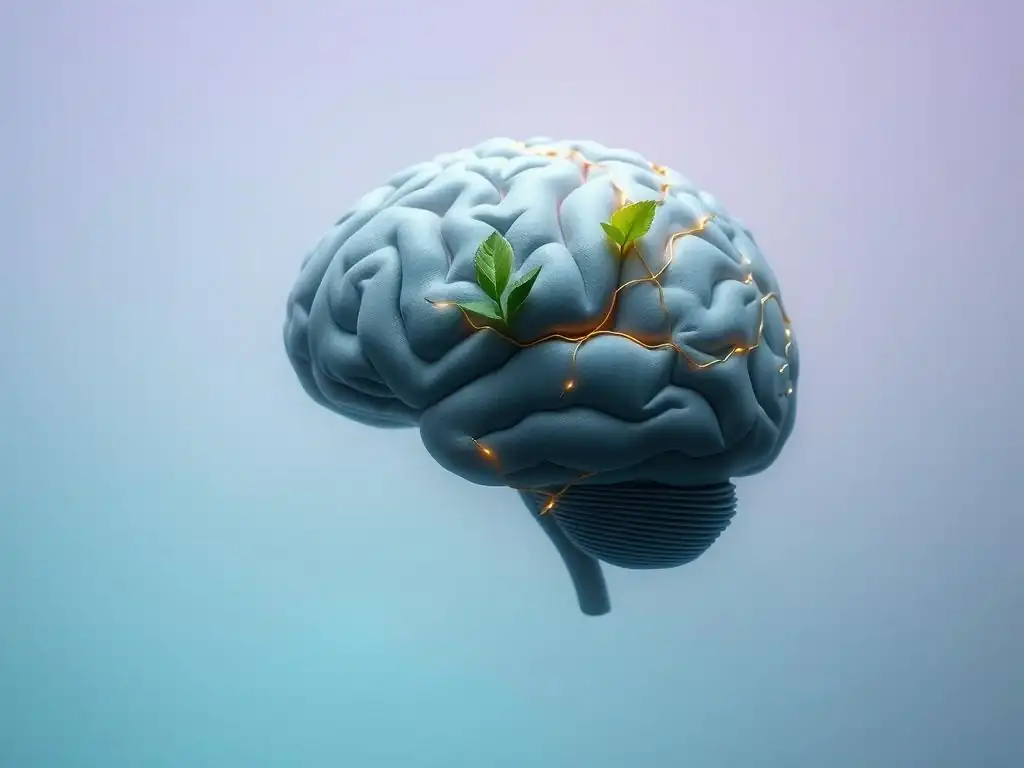
Emerging Research on Neuroplasticity and Anxiety Disorders
Research into the specific neurobiological underpinnings of anxiety and how neuroplasticity can be harnessed for treatment is an exciting and rapidly evolving field. Scientists are using advanced imaging techniques, such as fMRI and diffusion tensor imaging (DTI), to visualize changes in brain structure and connectivity in individuals undergoing anxiety therapies or engaging in neuroplasticity-enhancing activities. This research aims to identify specific neural "signatures" associated with anxiety and track how they change with successful intervention.
Emerging areas include studying the role of specific genes in neuroplasticity related to anxiety, investigating the impact of the gut microbiome on brain function and anxiety, and exploring the therapeutic potential of novel interventions like transcranial magnetic stimulation (TMS) or neurofeedback, which directly target brain activity to promote desired changes. Understanding the precise mechanisms by which different therapies induce neuroplastic changes will lead to more targeted and effective brain rewiring strategies for anxiety relief in the future.
Personalized Neuroplasticity Treatments: Tailoring Approaches to Individual Needs
Recognizing that anxiety manifests differently in each person and that individual brains have unique characteristics, the future of neuroplasticity-based anxiety treatment is moving towards personalization. Instead of a one-size-fits-all approach, treatments will likely be tailored based on an individual's specific brain profile, genetic predispositions, and the particular type and severity of their anxiety. This could involve using brain imaging or other biomarkers to identify which brain circuits are most dysregulated and selecting the most appropriate interventions (e.g., specific types of therapy, targeted brain stimulation, or tailored exercise/nutrition plans) to promote optimal brain rewiring for anxiety relief.
Genetic testing might inform responses to certain medications or therapies that influence neurotransmitter systems involved in neuroplasticity. Wearable technology could provide real-time data on physiological stress responses, allowing for timely intervention and adjustment of strategies. Personalized treatment plans, continuously refined based on an individual's response and ongoing brain changes, hold the promise of significantly improving outcomes and making the process of brain rewiring anxiety relief more efficient and effective.
Integrating Neuroplasticity with Traditional Anxiety Therapies
While the concept of neuroplasticity provides the biological rationale for why therapies work, the future will likely see an even greater integration of neuroplasticity principles into traditional anxiety treatments like CBT, exposure therapy, and mindfulness. Therapists may explicitly educate clients about neuroplasticity, empowering them by explaining that their efforts are actively changing their brain. This understanding can increase motivation and adherence to challenging therapeutic tasks.
Furthermore, therapeutic techniques might be refined to more deliberately target specific neuroplastic mechanisms. For example, optimizing the timing and intensity of exposure therapy based on neurobiological principles of extinction learning or incorporating exercises specifically designed to boost BDNF alongside therapy sessions. The integration of diet, exercise, and sleep hygiene recommendations will also become a more standard part of comprehensive anxiety treatment plans, all viewed through the lens of supporting the brain's natural capacity for brain rewiring anxiety relief.
Success Stories: Real-World Applications of Neuroplasticity for Anxiety
Overcoming Generalized Anxiety Disorder Through CBT and Neuroplasticity
Consider the case of 'Sarah', a 35-year-old who struggled with Generalized Anxiety Disorder (GAD) for years, characterized by persistent worry about numerous aspects of her life – health, finances, family, work. Her brain was stuck in a loop of catastrophic thinking, and her amygdala was constantly on high alert. Through regular sessions of Cognitive Behavioral Therapy (CBT), Sarah learned to identify her specific worry patterns and the irrational thoughts underlying them, such as "If I don't worry about it constantly, something terrible will happen."
Over several months, Sarah practiced cognitive restructuring techniques daily. She challenged her worries by examining the evidence for and against them and developed more balanced perspectives. She also engaged in behavioral experiments, such as intentionally postponing worry time, to test her belief that constant worrying prevented bad outcomes.
This consistent practice of challenging negative automatic thoughts and tolerating uncertainty gradually weakened the neural pathways associated with her chronic worry loops and strengthened the prefrontal cortex's ability to regulate her fear response. While not a complete cure, Sarah reported a significant reduction in the intensity and frequency of her worries, improved sleep, and a greater ability to function in her daily life, demonstrating tangible brain rewiring anxiety relief.
'David', a 28-year-old, experienced debilitating social anxiety that prevented him from attending social gatherings, networking events, and even speaking up in meetings at work. His brain's fear circuitry, particularly the amygdala, was highly sensitized to social situations, interpreting even neutral interactions as potential threats. David began a treatment plan that combined mindfulness meditation with gradual exposure therapy.
He started with short periods of mindfulness practice daily, learning to observe his anxious thoughts and physical sensations (like a racing heart or blushing) without judgment or reaction. This helped train his brain to tolerate the discomfort rather than automatically engaging in avoidance or panic. Simultaneously, he and his therapist developed a hierarchy of feared social situations, starting with less anxiety-provoking tasks like making eye contact with strangers and progressing to more challenging ones like giving a short presentation.
By repeatedly exposing himself to these situations, his brain's fear pathways began to extinguish. The combination of mindfulness-based non-reactivity and exposure-based extinction learning led to a significant reduction in his social anxiety symptoms, allowing him to participate more fully in social and professional life. This case illustrates how targeted techniques can lead to powerful brain rewiring anxiety relief.
Resources for Learning More About Neuroplasticity and Anxiety
Recommended Books on Neuroplasticity and Anxiety
For those interested in delving deeper into the science and application of brain rewiring for anxiety relief, several excellent books provide accessible explanations and practical guidance. "The Brain That Changes Itself" by Norman Doidge is a foundational text that explores the concept of neuroplasticity through fascinating case studies, illustrating the brain's remarkable capacity for change across various conditions, including those related to mood and anxiety. It provides a strong theoretical basis for understanding how change is possible.
Another valuable resource is "Hardwiring Happiness" by Rick Hanson, which focuses on practical, simple techniques derived from neuroscience and psychology to build positive neural traits. While not solely focused on anxiety, it offers concrete methods for strengthening neural pathways associated with well-being, resilience, and calm, which are directly applicable to brain rewiring anxiety relief. Books specifically on CBT or mindfulness for anxiety often implicitly discuss neuroplastic principles by explaining how consistent practice changes how your brain responds.
Online Resources and Apps for Brain Rewiring
The digital world offers numerous resources to support brain rewiring anxiety relief efforts. Websites from reputable mental health organizations often provide information on anxiety disorders and evidence-based treatments that utilize neuroplasticity, such as the Anxiety & Depression Association of America (ADAA) or the National Institute of Mental Health (NIMH). Many therapists offer online resources or blogs that explain neuroplasticity in simpler terms.
Mobile applications can be powerful tools for practicing neuroplasticity-enhancing techniques. Mindfulness and meditation apps (e.g., Calm, Headspace) offer guided sessions that promote the neural changes associated with present-moment awareness and reduced amygdala reactivity. CBT-based apps or online programs provide structured exercises for challenging negative thoughts and tracking progress. While apps should not replace professional help, they can be valuable complements to therapeutic work, providing accessible ways to practice brain rewiring techniques consistently.
Support Organizations for Individuals with Anxiety
Connecting with others who understand the challenges of anxiety can be incredibly supportive on the journey towards brain rewiring anxiety relief. Numerous organizations offer resources, support groups, and information for individuals living with anxiety disorders. These groups provide a safe space to share experiences, learn coping strategies from peers, and feel less alone.
Organizations like the National Alliance on Mental Illness (NAMI) or the Depression and Bipolar Support Alliance (DBSA) often have local chapters that host support groups. Online forums and communities dedicated to specific anxiety disorders can also provide valuable peer support. While support groups do not directly engage in clinical brain rewiring techniques, the emotional support, shared experience, and reduced isolation they provide contribute to overall well-being, which in turn supports the brain's capacity for positive change and resilience, aiding the process of brain rewiring anxiety relief.
Frequently Asked Questions
How does neuroplasticity relate to anxiety relief?
Neuroplasticity is the brain's ability to change and adapt throughout life. This means we can actively reshape neural pathways associated with anxiety, leading to reduced fear responses.
What are some practical techniques for brain rewiring to reduce anxiety?
Techniques include mindfulness meditation, Cognitive Behavioral Therapy (CBT), and Exposure Therapy. These methods help you challenge negative thought patterns and create new, healthier neural connections.
How long does it typically take to see noticeable anxiety relief through neuroplasticity?
The timeline varies, but consistent effort with brain rewiring techniques can yield noticeable improvements within several weeks to months. Patience and regular practice are crucial for lasting change.
Can neuroplasticity completely eliminate anxiety?
While it might not entirely eliminate anxiety, neuroplasticity can significantly reduce its intensity and frequency. It equips you with coping mechanisms and resilience to manage anxiety more effectively.
Is professional guidance necessary for brain rewiring and anxiety relief?
While self-help resources are helpful, seeking professional help from a therapist or counselor is recommended, especially for severe anxiety. They can provide personalized strategies and support tailored to your needs.
Final Reflection: Rewiring Your Brain, Rewiring Your Life
The power of neuroplasticity isn't just a scientific concept; it's a revolutionary tool for reclaiming your mental well-being. Understanding how our brains can physically change in response to experience offers a tangible path towards overcoming anxiety, a path paved with hope and self-empowerment. This isn't about passively accepting anxiety; it's about actively reshaping your brain's response to fear.
The impact of this discovery on our understanding of anxiety is profound. It moves us beyond simply managing symptoms to actively addressing the root causes. No longer are we trapped by ingrained fear patterns; we have the agency to rewrite our neural pathways. This understanding has profoundly shifted the landscape of mental health treatment, offering a more optimistic and empowering approach. The brain is the ultimate learning machine. It's constantly changing, adapting, and responding to our experiences.
This quote encapsulates the core message of neuroplasticity and its potential for anxiety relief.
Now, consider your own anxieties. What negative thought patterns or behavioral responses are you ready to challenge? This article has provided you with the knowledge; now it's time to take action. Embrace the power of neuroplasticity. Through consistent effort, mindful practices, and targeted therapies, you can actively reshape your brain's response to anxiety, creating a more peaceful and fulfilling life. Begin today. Your brain is waiting to be rewired.
Unlock Your Brain's Resilience: Take Control of Anxiety Now!
Thanks for taking the time to explore the power of neuroplasticity in managing anxiety. You've learned valuable tools to reshape your brain's response to fear—now let's put that knowledge into action!
- Start your personalized neuroplasticity exercise plan today: Identify one small, manageable change you can implement this week to reduce your anxiety – even just 5 minutes of mindful breathing can make a difference.
- Share this article with a friend or family member who might benefit from these techniques. Let's build a supportive community together!
- Explore additional resources on MindCareGuide.org (This is a placeholder, no link is needed per the instructions) to discover more strategies for calming your mind and building inner resilience.
What small step will you take this week to cultivate a more peaceful and resilient mind?