
How Nutritional Deficiencies Act as Environmental Stressors on Brain Health

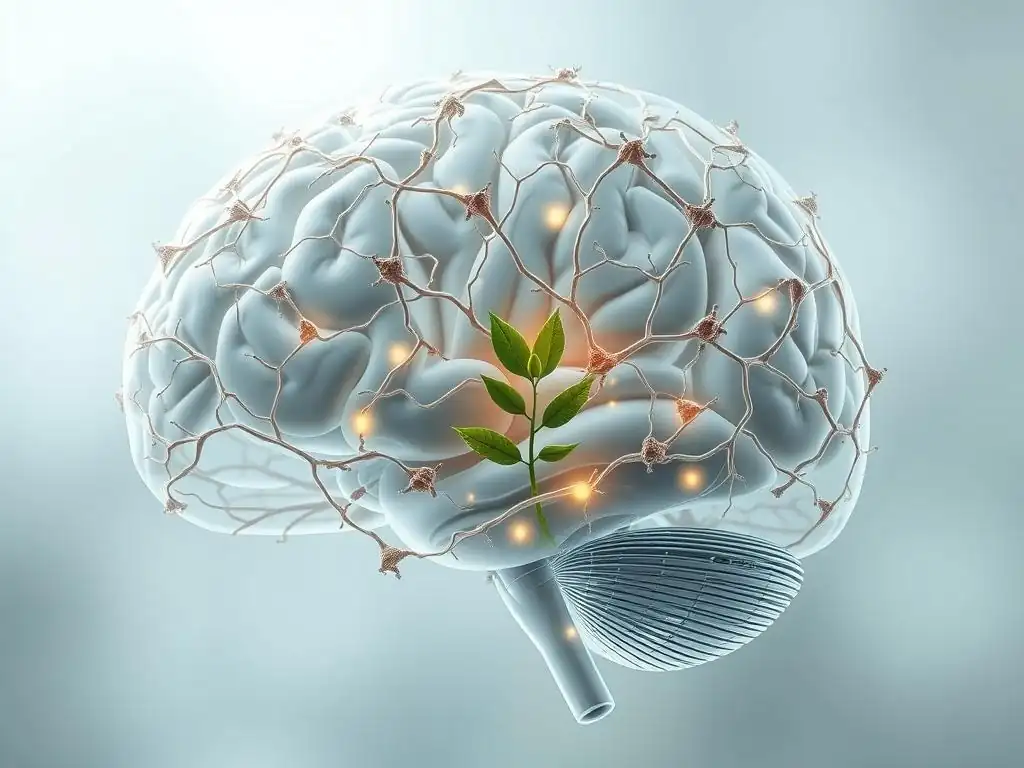
Welcome to Mind Care Guide, a sanctuary for your mental well-being.
Feeling overwhelmed by the complexities of mental health? You're not alone. We delve into the intricate connections between your mind and body, starting with a crucial understanding: how nutritional deficiencies impact brain health. Discover how these often-overlooked factors can act as environmental stressors, subtly shaping your cognitive function and emotional landscape. Ready to unlock the secrets to a healthier, more resilient mind? Let's explore the neuroscience together...
How Nutritional Deficiencies Act as Environmental Stressors on Brain Health
- Introduction: The Critical Link Between Nutrition and Brain Function
- Nutritional Deficiencies and Neurological Impact: A Deep Dive
- How Nutritional Deficiencies Trigger Brain Dysfunction
- The Vulnerable Brain: Age and Nutritional Deficiencies
- Identifying and Addressing Nutritional Deficiencies for Brain Health
- The Broader Context: Nutritional Deficiencies, Socioeconomic Factors, and Mental Health
- Case Studies: The Impact of Folate Supplementation During Pregnancy on Child Cognitive Development
- The Future of Nutritional Neuroscience: Research and Innovation
- Conclusion: Prioritizing Nutrition for a Healthy Brain
-
Frequently Asked Questions
- How exactly do nutritional deficiencies act as environmental stressors on brain health?
- What are some of the most common nutritional deficiencies linked to brain health issues?
- Can addressing nutritional deficiencies really improve mental well-being?
- What are some practical steps I can take to prevent nutritional deficiencies impacting my brain health?
- How can Mind Care Guide help me learn more about nutritional deficiencies and brain health?
- Final Reflection: Nourishing the Mind, Protecting the Brain
- Unlock Your Brain's Potential: Nourish Your Mind
Introduction: The Critical Link Between Nutrition and Brain Function
The intricate relationship between what we eat and how our brain functions is undeniable. Our brain, a highly metabolic organ, requires a constant supply of specific nutrients to perform its complex tasks, from regulating mood and cognition to controlling vital bodily functions. When this supply is compromised, it can lead to significant challenges in brain health. Understanding how nutritional deficiencies impact brain health is crucial for promoting overall mental well-being. These deficiencies don't just affect physical health; they can act as potent environmental stressors, disrupting delicate biological processes within the brain.
This article explores the profound ways in which a lack of essential nutrients can negatively affect brain structure and function. We will delve into specific deficiencies, the mechanisms by which they cause harm, and how these nutritional shortcomings can contribute to or exacerbate various mental health conditions. Recognizing nutritional deficiencies impact brain health allows for targeted interventions, emphasizing the power of diet in maintaining cognitive vitality and emotional balance throughout life.
Understanding Environmental Stressors and Their Impact on Mental Well-being
Environmental stressors are external factors that challenge an organism's ability to cope and maintain homeostasis. These can range from acute events like trauma or infection to chronic exposures such as pollution, poverty, or inadequate nutrition. The brain is particularly vulnerable to these stressors, which can trigger a cascade of physiological responses, including the activation of the hypothalamic-pituitary-adrenal (HPA) axis, leading to the release of stress hormones like cortisol. Prolonged exposure to such stressors can result in neuroinflammation, oxidative stress, and alterations in brain circuitry, all of which are implicated in the development of mental health disorders.
The impact of environmental stressors on mental well-being is well-documented. Chronic stress, for instance, is linked to increased risk for depression, anxiety disorders, and cognitive decline. These stressors can disrupt sleep patterns, impair executive function, and contribute to feelings of hopelessness and irritability. Recognizing that nutritional deficiencies are a form of environmental stress helps frame them within the broader context of factors that negatively impact mental and neurological health, highlighting the need for comprehensive approaches to well-being that include dietary considerations.
The Role of Nutritional Deficiencies as Environmental Stressors
Nutritional deficiencies function as a unique type of chronic environmental stressor, silently eroding brain health over time. Unlike acute physical threats, a lack of essential vitamins, minerals, or macronutrients imposes a persistent metabolic burden on the brain, which relies heavily on a steady and specific nutrient supply. This chronic deprivation forces the brain to operate under suboptimal conditions, impairing its ability to produce energy, synthesize neurotransmitters, repair cellular damage, and maintain structural integrity. The cumulative effect of these internal struggles mirrors the impact of external stressors, leading to compromised resilience and increased vulnerability to dysfunction.
The insidious nature of nutritional deficiencies as stressors lies in their often gradual onset and non-specific symptoms, which can easily be mistaken for other issues or dismissed entirely. Yet, their biological impact is profound. For example, deficiencies in B vitamins, crucial for energy metabolism and neurotransmitter synthesis, can directly impair brain function, leading to symptoms like fatigue, irritability, and cognitive fog.
Similarly, insufficient intake of omega-3 fatty acids, vital for neuronal membrane structure, can disrupt neural communication. These internal disruptions, driven by external dietary inadequacies, clearly illustrate how nutritional deficiencies impact brain health by acting as persistent, low-level environmental threats.
Nutritional Deficiencies and Neurological Impact: A Deep Dive
Nutritional deficiencies impact brain health through various complex pathways, affecting everything from cellular energy production to the structure of neurons. A diet lacking in essential nutrients deprives the brain of the building blocks and catalysts it needs to function correctly. This deprivation doesn't merely slow things down; it can actively disrupt critical neurological processes, leading to a range of cognitive, emotional, and behavioral issues.
Understanding the specific roles of different nutrients and the consequences of their absence is key to appreciating the full scope of how nutritional deficiencies impact brain health. From micronutrients like vitamins and minerals to macronutrients like fatty acids, each plays a vital, often irreplaceable, role in maintaining brain vitality and preventing neurological decline. The impact can be particularly severe during critical periods of brain development or in vulnerable populations like the elderly.
Essential Nutrients for Optimal Brain Health and Cognitive Function
A range of nutrients are absolutely vital for maintaining optimal brain health and supporting robust cognitive function throughout life. These include B vitamins (such as B1, B6, B9, B12), omega-3 fatty acids (specifically EPA and DHA), antioxidants (like vitamins C and E), minerals (such as iron, zinc, magnesium), and even sufficient protein and complex carbohydrates for energy.
B vitamins, for instance, are critical cofactors in numerous enzymatic reactions involved in energy metabolism and neurotransmitter synthesis, including serotonin, dopamine, and norepinephrine, which regulate mood, motivation, and attention. A deficiency in any of these can impair the brain's ability to produce the chemicals necessary for proper signaling.
Omega-3 fatty acids, particularly DHA, are major structural components of neuronal cell membranes, crucial for maintaining their fluidity and facilitating efficient communication between neurons. They also play a role in reducing inflammation, a process increasingly linked to various neurological and psychiatric conditions. Antioxidants help protect brain cells from damage caused by oxidative stress, which is a natural byproduct of metabolism but can be exacerbated by environmental factors and nutrient deficiencies.
Iron is essential for oxygen transport to the brain and for synthesizing neurotransmitters and myelin, the protective sheath around nerve fibers. Zinc and magnesium are involved in synaptic function and enzyme activity. Ensuring adequate intake of these essential nutrients is a cornerstone of maintaining cognitive resilience and preventing the negative ways nutritional deficiencies impact brain health.
Specific Nutritional Deficiencies and Their Effects on Brain Structure and Function
Specific nutritional deficiencies can have distinct and often severe effects on brain structure and function, highlighting the critical need for a balanced diet. The impact varies depending on the nutrient involved, the severity and duration of the deficiency, and the individual's age and overall health status.
Vitamin B12 Deficiency and Cognitive Decline
Vitamin B12 (cobalamin) is essential for DNA synthesis, red blood cell formation, and neurological function, particularly the maintenance of myelin sheaths surrounding nerve fibers. A deficiency can lead to demyelination, damaging nerve cells throughout the body, including the brain and spinal cord. Neurological symptoms can include numbness, tingling, weakness, difficulty walking, and significant cognitive impairment.
Studies have shown a strong association between low vitamin B12 levels and cognitive decline, including memory loss, disorientation, and difficulty concentrating, symptoms often mistakenly attributed solely to aging or conditions like Alzheimer's disease. Research suggests that correcting B12 deficiency, especially in its early stages, can often reverse or halt cognitive decline, although long-standing deficiencies may cause irreversible damage. It's estimated that a significant percentage of older adults, perhaps 10-15% or more depending on the population studied, may have suboptimal B12 levels, underscoring how this specific nutritional deficiency impacts brain health in vulnerable groups.
Iron Deficiency Anemia and Brain Development
Iron is crucial for oxygen transport, energy metabolism, and the synthesis of neurotransmitters like dopamine, which is vital for attention, learning, and motor control. Iron deficiency, particularly iron deficiency anemia, restricts oxygen supply to the brain and impairs critical metabolic processes necessary for healthy brain development and function.
In infants and young children, iron deficiency during critical periods of brain growth can lead to long-lasting cognitive and behavioral deficits. Studies have shown that even mild to moderate iron deficiency in infancy is associated with poorer performance on tests of cognitive development, language skills, and motor function later in childhood. While iron supplementation can improve iron status, some of the neurological and behavioral effects may not be fully reversible, illustrating the permanent ways this nutritional deficiency impacts brain health if not addressed early. In adults, iron deficiency can cause fatigue, impaired concentration, and reduced cognitive performance.
Omega-3 Fatty Acid Deficiency and Mood Disorders
Omega-3 fatty acids, specifically EPA (eicosapentaenoic acid) and DHA (docosahexaenoic acid), are integral components of neuronal membranes and play key roles in reducing inflammation and supporting neurotransmitter function. The brain, particularly the cerebral cortex, is highly enriched in DHA.
Low levels of omega-3 fatty acids have been associated with an increased risk of mood disorders, including depression and bipolar disorder. Research suggests that populations with higher fish consumption, which is rich in omega-3s, tend to have lower rates of depression.
While the exact mechanisms are still being explored, omega-3s are thought to influence serotonin and dopamine pathways, reduce pro-inflammatory cytokines that can affect brain function, and improve neuronal communication. Supplementation with EPA and DHA has shown promise as an adjunctive treatment for depression in some studies, highlighting the significant way this nutritional deficiency impacts brain health and emotional well-being.
Vitamin D Deficiency and Mental Health: Links to Depression and Cognitive Impairment
Vitamin D is increasingly recognized for its role beyond bone health, with receptors found in various brain regions involved in mood, behavior, and cognition. While technically a hormone, it's often classified as a vitamin and obtained through sun exposure, diet, or supplements.
Studies have found correlations between low vitamin D levels and an increased risk of depression, seasonal affective disorder, and cognitive impairment, particularly in older adults. Vitamin D is thought to influence neurotrophic factors, such as brain-derived neurotrophic factor (BDNF), which supports neuronal growth and survival, and also modulates inflammation.
Research suggests that vitamin D deficiency may disrupt these pathways, contributing to mood disturbances and cognitive decline. While supplementation studies have yielded mixed results, the widespread prevalence of vitamin D deficiency globally, affecting perhaps 50% or more of the population depending on latitude and lifestyle, underscores the potential scale of how this nutritional deficiency impacts brain health on a population level.
How Nutritional Deficiencies Trigger Brain Dysfunction
The absence or insufficiency of key nutrients doesn't just lead to a simple 'slowdown' in brain activity; it actively triggers processes that result in dysfunction. The brain is a highly dynamic organ with complex biochemical machinery that requires specific substrates and cofactors to operate efficiently. When these are missing due to nutritional deficiencies, fundamental processes break down, leading to impaired communication between neurons, damage to brain cells, and disruptions in the delicate balance required for healthy mental function.
Understanding these underlying mechanisms provides a clearer picture of how nutritional deficiencies impact brain health at a cellular and molecular level. It moves beyond simple correlation to explain the causation, showing how a lack of specific nutrients can initiate pathways that directly contribute to cognitive deficits, mood changes, and increased vulnerability to neurological disorders.
Mechanisms of Action: How Lack of Nutrients Disrupts Brain Processes
Nutritional deficiencies disrupt brain processes through several interconnected mechanisms. These include impairing energy production, disrupting neurotransmitter synthesis and function, increasing oxidative stress and inflammation, and altering synaptic plasticity and neural communication. Each of these pathways is essential for normal brain function, and their impairment can have widespread consequences.
For instance, the brain relies almost exclusively on glucose for energy, but the metabolic pathways that convert glucose into usable energy (ATP) require numerous vitamins and minerals as cofactors, such as B vitamins, magnesium, and iron. Deficiencies in these nutrients cripple energy production, leading to reduced neuronal activity and function. Similarly, the synthesis of neurotransmitters like serotonin, dopamine, and norepinephrine requires specific amino acids as building blocks and vitamins (like B6, B9, B12) and minerals (like iron, zinc) as catalysts.
Without these, neurotransmitter levels can drop, impairing mood, cognition, and behavior. These fundamental disruptions illustrate how nutritional deficiencies impact brain health at its core metabolic level.
Oxidative Stress and Inflammation Induced by Nutritional Deficiencies
Nutritional deficiencies can significantly exacerbate oxidative stress and inflammation in the brain, two processes strongly linked to neurodegeneration and psychiatric disorders. Oxidative stress occurs when there is an imbalance between the production of reactive oxygen species (free radicals) and the body's ability to neutralize them with antioxidants. Deficiencies in antioxidant nutrients like vitamins C and E, selenium, and zinc reduce the brain's capacity to combat free radical damage, leading to cellular injury.
Furthermore, deficiencies in nutrients such as omega-3 fatty acids and certain B vitamins can promote chronic low-grade inflammation in the brain. Omega-3s have anti-inflammatory properties, while deficiencies in B vitamins like folate (B9) can lead to elevated levels of homocysteine, an amino acid associated with increased inflammation and oxidative stress. This chronic inflammation can impair neuronal function, damage synapses, and contribute to the progression of neurodegenerative diseases and mood disorders, demonstrating a critical pathway through which nutritional deficiencies impact brain health negatively.
Impaired Neurotransmitter Synthesis Due to Nutrient Depletion
The proper synthesis and function of neurotransmitters are vital for virtually all brain activities, including mood regulation, learning, memory, and behavior. Neurotransmitters are chemical messengers that transmit signals between neurons. Their production relies heavily on the availability of specific nutrient precursors and cofactors.
For example, the synthesis of serotonin, often called the 'feel-good' neurotransmitter, requires the amino acid tryptophan, along with vitamins B6, B9 (folate), and B12 as cofactors. Dopamine and norepinephrine synthesis requires the amino acid tyrosine, iron, and vitamin B6. Deficiencies in any of these essential nutrients can directly impair the brain's ability to produce adequate amounts of these neurotransmitters, leading to imbalances that manifest as symptoms of depression, anxiety, attention deficits, and other mental health issues. This direct link between nutrient availability and neurotransmitter production clearly shows how nutritional deficiencies impact brain health by disrupting its core communication system.
Disruptions in Synaptic Plasticity and Neural Communication
Synaptic plasticity, the ability of synapses (connections between neurons) to strengthen or weaken over time in response to activity, is fundamental to learning and memory. Efficient neural communication relies on the rapid and accurate transmission of signals across these synapses. Nutritional deficiencies can disrupt both of these processes.
Nutrients like omega-3 fatty acids are critical for the structure and function of neuronal membranes and synapses. Magnesium is essential for NMDA receptors, a type of glutamate receptor crucial for synaptic plasticity. Zinc is involved in synaptic signaling. Deficiencies in these nutrients can impair the structural integrity of synapses, reduce the efficiency of neurotransmitter release and reception, and hinder the processes underlying learning and memory formation. This disruption of neural communication and plasticity is a significant way that nutritional deficiencies impact brain health, affecting cognitive abilities and adaptability.
The Vulnerable Brain: Age and Nutritional Deficiencies
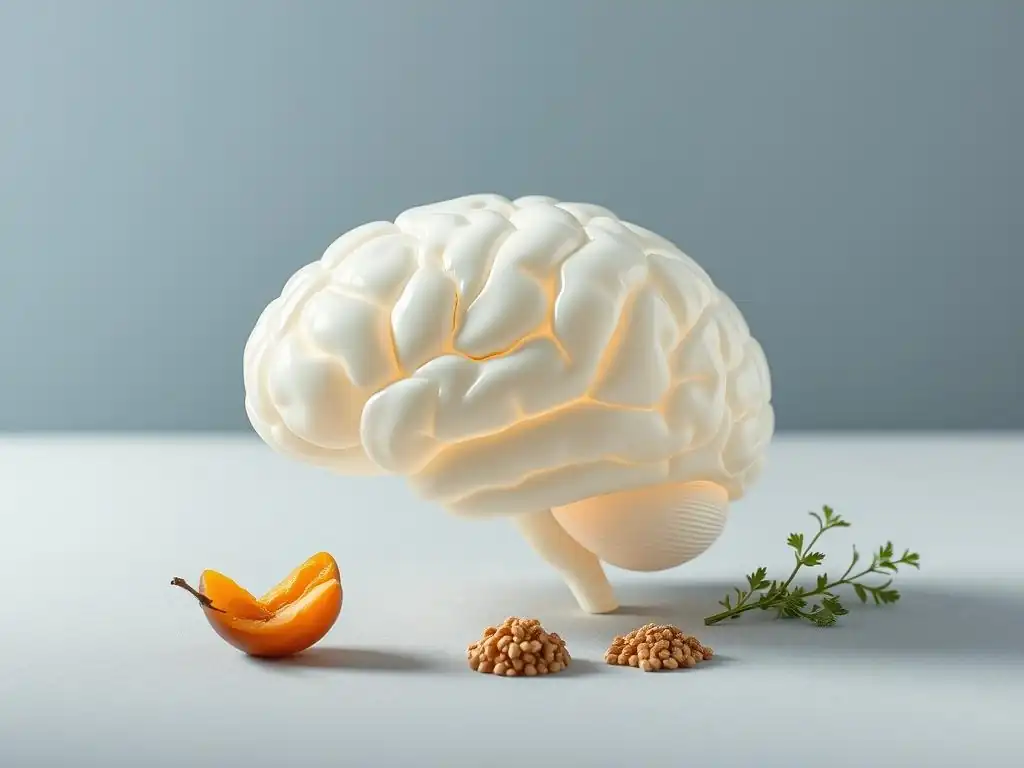
The impact of nutritional deficiencies is not uniform across the lifespan. Certain periods, such as early development and old age, represent times of increased vulnerability for the brain. During these critical phases, the brain undergoes significant changes, from rapid growth and structural organization in childhood to gradual decline and increased susceptibility to damage in later life.
Understanding the specific nutritional needs and vulnerabilities of the brain at different ages is crucial for preventing the negative consequences of dietary shortcomings. Nutritional deficiencies impact brain health differently depending on the developmental stage, with potential long-term consequences if not addressed appropriately and promptly.
Impact on Developing Brains: Nutritional Needs in Childhood and Adolescence
The brain undergoes its most rapid development from gestation through early childhood and continues significant maturation throughout adolescence. This period requires a constant and abundant supply of specific nutrients to support processes like neurogenesis (creation of new neurons), synaptogenesis (formation of synapses), myelination, and the establishment of complex neural networks. Deficiencies during these critical windows can have irreversible consequences.
For example, iodine deficiency during pregnancy and early childhood is a leading preventable cause of intellectual disability worldwide, dramatically illustrating how severely nutritional deficiencies impact brain health in development. Iron deficiency, as mentioned earlier, can impair cognitive development. Adequate intake of omega-3 fatty acids is crucial for the development of the visual cortex and cognitive functions. Protein and essential amino acids are the building blocks of brain tissue. Ensuring optimal nutrition from pregnancy through adolescence is paramount for laying the foundation for lifelong cognitive health and resilience.
Aging Brains: The Increased Risk of Nutritional Deficiencies and Cognitive Impairment
As we age, the brain undergoes structural and functional changes, and its vulnerability to insults increases. Older adults are also at higher risk for developing nutritional deficiencies due to various factors, including decreased appetite, changes in metabolism, chronic diseases, medications that affect nutrient absorption, and socioeconomic factors.
Common deficiencies in older adults, such as B12, folate, vitamin D, and omega-3s, are precisely those linked to cognitive decline and increased risk of neurodegenerative diseases like Alzheimer's. For example, studies show that up to 20% of older adults may have marginal or low vitamin B12 status. These deficiencies can accelerate age-related cognitive decline, impair memory, and contribute to mood disorders.
The aging brain's reduced capacity for repair and increased susceptibility to inflammation and oxidative stress mean that nutritional deficiencies impact brain health in older adults with potentially more severe and lasting consequences. Addressing these deficiencies is a key strategy for promoting healthy aging and maintaining cognitive function.
Identifying and Addressing Nutritional Deficiencies for Brain Health
Given the significant ways nutritional deficiencies impact brain health, proactive identification and correction are essential steps in supporting mental well-being. Many deficiencies are subtle in their early stages, with non-specific symptoms that can be easily overlooked or misattributed. Therefore, a conscious effort to assess nutritional status and implement appropriate strategies is necessary.
Addressing nutritional deficiencies involves a combination of accurate diagnosis, dietary adjustments, and sometimes, targeted supplementation. The goal is to restore optimal nutrient levels to support brain function and mitigate the negative effects of past or ongoing deficiencies.
Screening for Nutritional Deficiencies: Blood Tests and Dietary Assessments
Identifying nutritional deficiencies typically involves a combination of medical history review, physical examination, dietary assessment, and laboratory testing. Blood tests are the most common method for measuring the levels of specific vitamins, minerals, and other nutrients in the body. For example, serum ferritin levels can indicate iron status, serum B12 and folate levels assess B vitamin status, and 25-hydroxyvitamin D levels are used to check vitamin D status. These tests provide objective data on nutrient levels circulating in the bloodstream, although they don't always reflect tissue levels.
A detailed dietary assessment, often conducted by a registered dietitian or nutritionist, helps identify patterns of food intake, potential nutrient gaps, and absorption issues. This can involve keeping a food diary, recalling typical intake, or using food frequency questionnaires. Combining laboratory data with dietary information provides a comprehensive picture of an individual's nutritional status and helps pinpoint which specific nutritional deficiencies impact brain health in their case.
Dietary Strategies for Preventing and Reversing Deficiencies
The primary and most sustainable way to prevent and reverse nutritional deficiencies is through dietary strategies focused on consuming nutrient-rich foods. A balanced diet that includes a wide variety of whole foods from all food groups is fundamental. This approach ensures a broad spectrum of vitamins, minerals, fiber, and phytonutrients necessary for overall health, including brain health.
For example, incorporating leafy greens, legumes, and fortified grains can help prevent folate and iron deficiencies. Fatty fish, nuts, and seeds are excellent sources of omega-3 fatty acids. Dairy products (fortified), fatty fish, and fortified foods contribute to vitamin D intake, alongside safe sun exposure. A diet rich in colorful fruits and vegetables provides antioxidants. Emphasizing whole, unprocessed foods over refined and processed options significantly improves nutrient intake and helps counteract how poor diet and resulting nutritional deficiencies impact brain health.
Nutrient-Rich Foods to Support Brain Health
Specific foods are particularly beneficial for brain health due to their high concentration of essential nutrients. Incorporating these into the daily diet can help prevent or reverse deficiencies that negatively nutritional deficiencies impact brain health.
- Fatty fish: Salmon, mackerel, sardines are rich in omega-3 fatty acids (EPA and DHA).
- Berries: Blueberries, strawberries, raspberries are packed with antioxidants.
- Leafy green vegetables: Kale, spinach, broccoli provide folate, vitamin K, and antioxidants.
- Nuts and seeds: Walnuts, chia seeds, flaxseeds are good sources of omega-3s, vitamin E, and magnesium.
- Legumes: Lentils, beans are rich in folate, iron, and magnesium.
- Eggs: A good source of B vitamins, including B12, and choline, important for memory.
- Whole grains: Provide B vitamins and fiber.
- Lean proteins: Chicken, turkey, and beans offer amino acids necessary for neurotransmitter synthesis.
Building meals around these foods is a practical way to ensure adequate nutrient intake and support optimal brain function.
Supplementation: When and How to Use It
While a nutrient-rich diet is the ideal foundation, supplementation may be necessary in certain cases to address or prevent nutritional deficiencies that impact brain health. This is particularly true for individuals with specific dietary restrictions (e.g., vegans may need B12 supplements), malabsorption issues, increased needs (e.g., during pregnancy), or diagnosed deficiencies that cannot be easily corrected through diet alone.
Supplementation should ideally be guided by a healthcare professional or registered dietitian based on diagnosed deficiencies or identified risks. Taking inappropriate doses or combinations of supplements can be ineffective or even harmful. Common supplements relevant to brain health include B complex vitamins, omega-3 fatty acids, vitamin D, and iron (for diagnosed anemia). A personalized approach, considering individual needs and existing health conditions, is crucial when using supplements to combat how nutritional deficiencies impact brain health.
Lifestyle Factors That Affect Nutrient Absorption and Utilization
Beyond diet and supplementation, various lifestyle factors can influence how well the body absorbs and utilizes nutrients, thereby affecting the risk of nutritional deficiencies. Chronic stress, for instance, can alter digestion and nutrient absorption. Lack of sleep can disrupt metabolic processes. Excessive alcohol consumption interferes with the absorption and metabolism of several vitamins, particularly B vitamins and folate. Smoking also depletes levels of certain nutrients, like vitamin C.
Certain medications can also impact nutrient status. For example, proton pump inhibitors (PPIs) used for acid reflux can impair B12 absorption, and metformin for diabetes can affect B12 levels. Chronic health conditions, such as celiac disease, Crohn's disease, or pernicious anemia, directly impair nutrient absorption. Addressing these lifestyle factors and underlying health issues is crucial for optimizing nutrient status and preventing or mitigating the ways nutritional deficiencies impact brain health.
The Broader Context: Nutritional Deficiencies, Socioeconomic Factors, and Mental Health
It's impossible to discuss nutritional deficiencies and their impact on brain health without acknowledging the broader socioeconomic context. Access to nutritious food is not equitable, and factors like poverty, food insecurity, education level, and geographical location play significant roles in determining dietary quality and nutrient intake. These systemic issues are major drivers of nutritional deficiencies on a population level and are intrinsically linked to disparities in mental health outcomes.
Recognizing these connections highlights the need for public health interventions and policies that address the root causes of food insecurity and promote access to affordable, nutritious food for all. Combating nutritional deficiencies is not just an individual responsibility but a societal challenge with profound implications for public mental health.
The Role of Food Security and Access to Nutritious Food
Food security, defined as having consistent access to enough food for an active, healthy life, is a fundamental determinant of nutritional status. Individuals and families experiencing food insecurity often rely on cheaper, energy-dense but nutrient-poor foods, increasing their risk of multiple micronutrient deficiencies. This lack of access to diverse, nutrient-rich foods directly contributes to the prevalence of nutritional deficiencies that impact brain health within vulnerable communities.
Studies consistently show higher rates of depression, anxiety, and other mental health issues among individuals and families experiencing food insecurity. While multiple factors contribute to this link, inadequate nutrition is a significant pathway. For example, a lack of access to foods rich in omega-3s, B vitamins, and minerals can directly affect brain function and resilience to stress, exacerbating mental health challenges. Addressing food insecurity through policy and community programs is a critical step in preventing widespread nutritional deficiencies impact brain health.
Public Health Initiatives to Combat Nutritional Deficiencies
Public health initiatives play a vital role in combating nutritional deficiencies on a large scale. Fortification of staple foods (like adding iodine to salt, folic acid to flour, or vitamins to milk) has been incredibly effective in reducing the prevalence of certain deficiencies globally. For example, mandatory folic acid fortification has significantly reduced neural tube defects in infants and may also help prevent folate deficiency-related mood disorders in adults.
Educational campaigns promoting healthy eating, programs providing access to nutritious food in schools and low-income communities, and initiatives supporting breastfeeding are other examples. While challenges remain, particularly in ensuring access to diverse foods and addressing micronutrient deficiencies beyond the most common ones, these public health efforts are crucial for reducing the burden of nutritional deficiencies impact brain health across populations.
Case Studies: The Impact of Folate Supplementation During Pregnancy on Child Cognitive Development

One compelling real-world example illustrating how nutritional deficiencies impact brain health, particularly in early development, is the impact of folate (Vitamin B9) supplementation during pregnancy. Folate is critical for cell division and DNA synthesis, processes that are fundamental during the rapid growth and development of the fetal brain and spinal cord.
Severe folate deficiency during the first few weeks of pregnancy is a major cause of neural tube defects (NTDs), such as spina bifida and anencephaly. Recognizing this, many countries implemented mandatory folic acid fortification of staple foods like flour, and health guidelines strongly recommend folic acid supplementation for women of childbearing age and during pregnancy. Research has shown dramatic reductions in NTD rates following fortification programs; some studies reported reductions of 50% or more.
Beyond preventing NTDs, research suggests that adequate folate status during pregnancy may also positively influence child cognitive development and reduce the risk of behavioral problems. For instance, studies have found associations between higher maternal folate levels and better cognitive scores in offspring years later, providing a powerful case study of how preventing specific nutritional deficiencies impact brain health across generations.
The Future of Nutritional Neuroscience: Research and Innovation
The field of nutritional neuroscience is rapidly evolving, with ongoing research continually revealing new insights into the complex ways nutrients influence brain function and mental health. Future innovations are likely to focus on more personalized approaches to nutrition and a deeper understanding of emerging areas like the gut-brain axis.
This research not only helps us better understand how nutritional deficiencies impact brain health but also points towards novel preventative and therapeutic strategies. As technology advances and our understanding of the intricate interactions between diet, the microbiome, genetics, and brain function grows, we can anticipate more targeted and effective nutritional interventions for supporting mental well-being.
Emerging Research on the Gut-Brain Axis and Nutrition
A particularly exciting area of research is the gut-brain axis, the bidirectional communication pathway between the gastrointestinal tract and the central nervous system. The gut microbiome, the trillions of microorganisms living in our digestive system, plays a crucial role in this communication and is profoundly influenced by diet. Research is revealing that the composition and activity of the gut microbiome can affect mood, behavior, and cognitive function.
Nutritional deficiencies can alter the gut microbiome, potentially leading to dysbiosis (an imbalance). Conversely, a healthy, diverse diet supports a beneficial microbiome that can produce neuroactive compounds, influence inflammation, and modulate stress responses. Understanding how specific nutrients and dietary patterns shape the gut microbiome and, in turn, affect the brain provides a new perspective on how nutritional deficiencies impact brain health and opens up avenues for interventions targeting the gut microbiome to improve mental health.
Personalized Nutrition for Optimal Brain Health
As our understanding of individual genetic variations, metabolic profiles, and gut microbiome compositions grows, the concept of personalized nutrition for brain health is gaining traction. Instead of one-size-fits-all dietary recommendations, personalized nutrition tailors dietary advice and potential supplementation based on an individual's unique biological makeup and lifestyle.
For example, genetic variations can influence how effectively someone absorbs or metabolizes certain nutrients, meaning that standard dietary recommendations might not be sufficient to prevent deficiencies in some individuals. Analyzing an individual's gut microbiome could also provide insights into their ability to synthesize certain vitamins or process specific types of fiber, guiding dietary choices. While still an emerging field, personalized nutrition holds the promise of optimizing nutrient intake more effectively to support individual brain health needs and preempt the development of nutritional deficiencies that impact brain health based on unique vulnerabilities.
Conclusion: Prioritizing Nutrition for a Healthy Brain
The evidence is clear and compelling: nutritional deficiencies impact brain health in significant and often profound ways, acting as environmental stressors that can disrupt function, contribute to mental health challenges, and accelerate cognitive decline. From the critical needs of the developing brain to the increased vulnerabilities of the aging brain, adequate nutrition is a non-negotiable component of maintaining cognitive vitality and emotional resilience throughout life.
Recognizing the intricate links between specific nutrients and neurological processes underscores the importance of diet not just for physical health, but as a cornerstone of mental well-being. Addressing nutritional deficiencies is a powerful, often overlooked, strategy for supporting brain health and mitigating the risk of various neurological and psychiatric conditions.
The Importance of a Holistic Approach to Mental Well-being
Achieving and maintaining optimal mental well-being requires a holistic approach that considers the interconnectedness of mind and body. While nutrition is a critical pillar, it functions best when integrated with other healthy lifestyle factors, such as regular physical activity, sufficient sleep, stress management techniques, and strong social connections. Mental health is influenced by a complex interplay of genetic, environmental, social, and biological factors.
Addressing nutritional deficiencies should be part of a broader strategy that also includes access to mental healthcare, supportive environments, and education. Acknowledging how profoundly nutritional deficiencies impact brain health empowers individuals and communities to prioritize dietary quality as a fundamental aspect of comprehensive mental wellness strategies.
Taking Proactive Steps to Support Brain Health Through Nutrition
Empowerment begins with awareness. Understanding how nutritional deficiencies impact brain health encourages proactive steps towards improving dietary habits.
Here are some actionable steps:
- [ ] Assess your diet: Keep a food diary for a few days to identify potential nutrient gaps.
- [ ] Focus on whole foods: Prioritize fruits, vegetables, lean proteins, whole grains, nuts, and seeds.
- [ ] Include brain-boosting foods: Regularly consume fatty fish, berries, and leafy greens.
- [ ] Consider testing: If you suspect a deficiency or are in a high-risk group (e.g., elderly, vegan), discuss blood testing with your doctor.
- [ ] Seek professional guidance: Consult a registered dietitian or nutritionist for personalized dietary advice.
- [ ] Discuss supplementation: Talk to a healthcare provider before starting any supplements, especially if you have underlying health conditions or take medications.
- [ ] Address lifestyle factors: Manage stress, get enough sleep, limit alcohol, and avoid smoking to improve nutrient utilization.
By taking these steps, individuals can actively work to prevent and address nutritional deficiencies, thereby supporting their brain health and enhancing their overall mental well-being. Prioritizing nutrition is an investment in a healthier, more resilient brain for the future.
Frequently Asked Questions
How exactly do nutritional deficiencies act as environmental stressors on brain health?
Nutritional deficiencies deprive the brain of essential nutrients needed for optimal function. This lack of resources can lead to cellular damage and disrupt neurotransmitter production, acting as a significant environmental stressor.
What are some of the most common nutritional deficiencies linked to brain health issues?
Common deficiencies impacting brain health include Vitamin B12, Omega-3 fatty acids, and Iron. These play crucial roles in cognitive function, mood regulation, and overall brain health.
Can addressing nutritional deficiencies really improve mental well-being?
Yes, correcting nutritional deficiencies can significantly improve mental well-being. Replenishing depleted nutrients supports optimal brain function, potentially alleviating symptoms of depression, anxiety, and cognitive decline.
What are some practical steps I can take to prevent nutritional deficiencies impacting my brain health?
Prioritize a balanced diet rich in fruits, vegetables, and whole grains. Consider supplementation after consulting with a healthcare professional. Regular check-ups can also help identify and address potential deficiencies early.
How can Mind Care Guide help me learn more about nutritional deficiencies and brain health?
Mind Care Guide offers comprehensive information and resources on nutritional deficiencies and their impact on mental well-being. Explore our articles and guides to find support and strategies for improving your brain health.
Final Reflection: Nourishing the Mind, Protecting the Brain
The intricate relationship between nutrition and brain health is no longer a niche topic; it's a critical understanding necessary for navigating the complexities of modern life. Our increasingly processed food landscape, coupled with the stresses of daily living, creates a perfect storm for nutritional deficiencies that significantly impact cognitive function, mood, and overall well-being. Ignoring this connection is akin to neglecting the very foundation upon which our thoughts, emotions, and actions are built.
The pervasive influence of nutritional deficiencies on our mental landscape is undeniable, extending far beyond individual experiences to shape societal trends in mental health. We see it reflected in rising rates of neurodegenerative diseases, mood disorders, and cognitive decline. The impact is profound and far-reaching. The brain is the most complex organ in the body, and its proper functioning depends on a delicate balance of nutrients.
This simple truth underscores the urgent need for a societal shift towards prioritizing nutritional well-being as a cornerstone of preventative healthcare.
You, the reader, now hold the knowledge to make informed choices. Consider your own diet – are you providing your brain with the essential nutrients it needs to thrive? This isn't just about avoiding illness; it's about unlocking your full cognitive potential, enhancing your mood, and cultivating a life filled with clarity, focus, and joy. Take the first step today – research nutrient-rich foods, consult a healthcare professional, and embark on a journey towards a healthier, more vibrant mind.
Unlock Your Brain's Potential: Nourish Your Mind
Thanks for diving deep into the fascinating connection between nutrition and brain health! We hope you gained valuable insights into how nutritional deficiencies can impact your cognitive well-being. Now it's time to put that knowledge into action.
- Prioritize a brain-boosting diet: Start by identifying one or two nutritional deficiencies you might have and incorporate foods rich in those nutrients into your daily meals. This could be as simple as adding a handful of berries to your breakfast or swapping sugary drinks for green tea.
- Share your newfound knowledge: Spread the word! Tell your friends and family about the vital role nutrition plays in brain health. A simple conversation could make a world of difference.
- Dive deeper into personalized nutrition: Consider consulting a registered dietitian or nutritionist to create a personalized plan tailored to your specific needs and goals. This is an excellent next step for a truly effective approach.
Ready to take charge of your brain health? What's the first dietary change you'll make to improve your cognitive function?