
The Science of Learning: How Plasticity Makes New Knowledge Stick

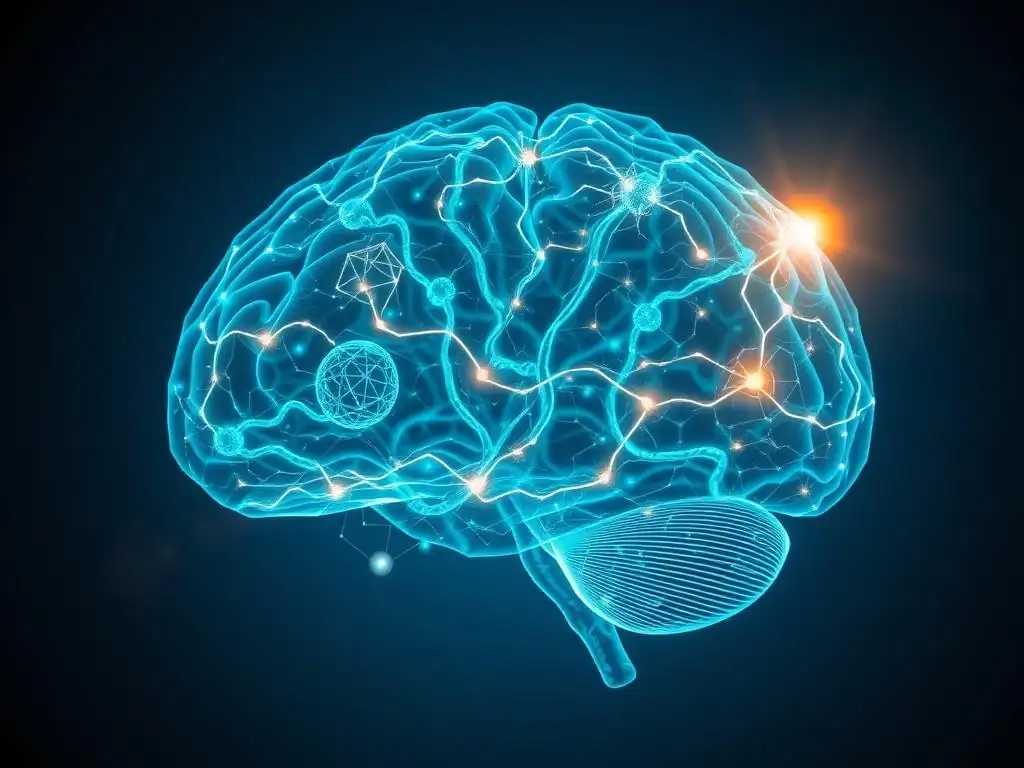
Welcome to Mind Care Guide, a place dedicated to understanding and nurturing your mental well-being. Ever wondered how your brain truly learns, and why some information sticks while others fade away? Dive into "The Science of Learning," where we explore how brain plasticity aids learning, unlocking the secrets to building new neural pathways and mastering any skill. Discover the remarkable power of your brain and begin your journey towards a more adaptable and resilient mind.
The Science of Learning: How Brain Plasticity Makes New Knowledge Stick
- Neuroscience of Learning: Unveiling Brain Plasticity's Role
- How Brain Plasticity Aids Learning: Mechanisms and Processes
- Factors Influencing Brain Plasticity for Optimal Learning
- Practical Strategies to Enhance Learning Through Brain Plasticity
- Rewiring the Brain: Brain Plasticity and Learning in Adulthood
- Brain Plasticity and Mental Health: Implications for Learning and Well-being
- Conclusion: Harnessing Brain Plasticity for Lifelong Learning and Cognitive Health
-
Frequently Asked Questions
- How does brain plasticity actually help us learn new things?
- What specific types of learning are most influenced by brain plasticity?
- Can brain plasticity be improved or enhanced to boost learning potential?
- Does brain plasticity diminish as we age, and if so, how does that affect learning?
- What are some practical strategies based on brain plasticity principles that I can use to learn more effectively?
- Final Reflection: Embracing the Ever-Changing Brain
- Unlock Your Brain's Potential: Master the Science of Learning!
Neuroscience of Learning: Unveiling Brain Plasticity's Role
Understanding Neuroplasticity: The Brain's Adaptability
Neuroplasticity, often referred to as brain plasticity, is the remarkable ability of the brain to reorganize itself throughout life, forming new neural connections in response to learning, experience, or injury. This intrinsic capacity means the brain is not a static organ but a dynamic, ever-changing network. It's the biological basis for learning, memory, and recovery from brain damage.
Historically, it was believed that the brain became fixed after childhood, but groundbreaking research in the late 20th and 21st centuries proved that this adaptability persists, albeit sometimes changing in pace, well into adulthood and old age. Understanding this fundamental principle is key to grasping how brain plasticity aids learning.
This adaptability manifests at multiple levels, from microscopic changes in individual neurons to larger-scale alterations in brain regions. At the cellular level, neurons can change their structure and function. They can grow new dendrites (branches that receive signals), strengthen or weaken connections with other neurons, and even change their firing patterns.
On a broader scale, entire brain areas can be recruited to perform new tasks or compensate for damaged areas. For example, studies using fMRI have shown that learning a new complex skill, like juggling, can lead to temporary increases in grey matter density in specific brain regions involved in motor control and visual processing, illustrating the physical changes that underlie how brain plasticity aids learning.
Brain Plasticity and Enhanced Learning Abilities in Different Age Groups
The pace and nature of brain plasticity change across the lifespan, influencing learning abilities from infancy through old age. In early childhood, the brain undergoes rapid development, characterized by an explosion of synapse formation (synaptogenesis). This period of high plasticity, often called a "critical period," makes young brains exceptionally adept at acquiring foundational skills like language with remarkable speed and fluency. For instance, children exposed to multiple languages before puberty often achieve native-like proficiency, a feat that becomes significantly more challenging in adulthood due to changes in plasticity.
While the intense synaptogenesis of early childhood wanes, significant plasticity continues throughout adolescence and adulthood. Adolescent brains undergo substantial 'pruning' of synapses and myelination, refining neural networks and improving efficiency. Adult brains retain the capacity for learning and adaptation, though perhaps requiring more conscious effort and repetition than in childhood.
Research indicates that while the rate of forming completely new connections might slow, the ability to modify existing ones and integrate new information into complex networks remains robust. This ongoing capacity is precisely how brain plasticity aids learning throughout life, allowing adults to acquire new skills, knowledge, and even recover from cognitive decline or injury.
How Brain Plasticity Aids Learning: Mechanisms and Processes
Synaptic Plasticity: Strengthening Connections Through Use
At the core of how brain plasticity aids learning is synaptic plasticity, the ability of synapses (the junctions between neurons) to strengthen or weaken over time in response to activity. When you learn something new, specific neural circuits are activated. If these circuits are repeatedly used, the synapses connecting the involved neurons become stronger. This strengthening can involve increasing the number of neurotransmitter receptors on the receiving neuron, increasing the amount of neurotransmitter released, or even changing the physical structure of the synapse itself, making the connection more efficient.
Conversely, synapses that are rarely used can weaken or be eliminated through a process called synaptic pruning. This is crucial for optimizing brain function, clearing out inefficient or unnecessary connections to make space for more relevant information. Think of it like building a path through a forest: the more you walk the path, the clearer and easier it becomes to traverse (synaptic strengthening).
If you stop using a path, it becomes overgrown (synaptic weakening or pruning). This dynamic process of strengthening and weakening synapses is a fundamental mechanism by which the brain encodes new experiences and knowledge, directly illustrating how brain plasticity aids learning.
Neurogenesis and Learning: The Role of the Hippocampus
Beyond the modification of existing connections, the adult brain retains the remarkable ability to generate new neurons, a process called neurogenesis. While this was once thought to be limited to development, research now confirms that neurogenesis occurs in specific brain regions throughout life, most notably in the hippocampus. The hippocampus is a structure critical for forming new memories, especially declarative memories (facts and events), and for spatial navigation.
The new neurons generated in the hippocampus are believed to play a significant role in learning and memory formation. They can integrate into existing hippocampal circuits, potentially providing a substrate for encoding new information or separating similar memories. Studies have shown that activities that promote learning and memory, such as engaging in complex tasks or aerobic exercise, can increase the rate of neurogenesis in the hippocampus. This generation and integration of new neurons is another fascinating facet of how brain plasticity aids learning, particularly in the formation and consolidation of new memories.
Long-Term Potentiation (LTP) and Long-Term Depression (LTD): Fine-Tuning Neural Circuits
Long-Term Potentiation (LTP) and Long-Term Depression (LTD) are cellular mechanisms that represent two sides of synaptic plasticity – strengthening and weakening, respectively. LTP is a persistent strengthening of synapses based on recent patterns of activity. If a synapse is repeatedly activated strongly, the subsequent response of the post-synaptic neuron to the pre-synaptic neuron's signal becomes enhanced for a lasting period, sometimes hours, days, or even longer.
This is often considered a primary cellular mechanism underlying learning and memory storage. For example, if neuron A repeatedly fires and excites neuron B, the connection between A and B becomes stronger, making it easier for A to excite B in the future – effectively encoding a piece of information or a learned association.
LTD, on the other hand, is a persistent weakening of synapses based on specific patterns of activity, often involving prolonged low-frequency stimulation. While strengthening connections (LTP) is crucial for forming new memories, weakening them (LTD) is equally important. LTD helps 'unlearn' or remove old, irrelevant, or incorrect information.
It also plays a role in refining neural circuits, preventing them from becoming overly saturated or excitable. Together, LTP and LTD provide a sophisticated system for fine-tuning the strength of synaptic connections, allowing the brain to flexibly adapt its network structure to encode new information, modify existing knowledge, and forget what is no longer needed. These processes are fundamental to understanding how brain plasticity aids learning at the cellular level.
Factors Influencing Brain Plasticity for Optimal Learning
The Impact of Sleep Stages on Memory Consolidation
Sleep is not merely a period of rest but an active process crucial for consolidating memories and enhancing brain plasticity, thereby significantly influencing how brain plasticity aids learning. Different stages of sleep contribute uniquely to this process. During Slow-Wave Sleep (SWS), or deep sleep, the brain replays recent experiences, transferring information from the hippocampus (which acts as a temporary buffer for new memories) to the neocortex for long-term storage. This process involves synchronizing neural activity between these regions, solidifying the memory trace.
Rapid Eye Movement (REM) sleep also plays a vital role, particularly in consolidating procedural memories (skills and habits) and integrating new information with existing knowledge, potentially restructuring memories. Studies have shown that performance on tasks learned before sleep improves significantly after a night of sleep, especially if sufficient SWS and REM sleep are obtained.
For instance, research indicates that depriving individuals of sleep can impair their ability to learn new tasks or recall information by as much as 40% compared to those who are well-rested. Prioritizing quality sleep is therefore a powerful strategy to optimize brain plasticity and learning outcomes.
The Role of Omega-3 Fatty Acids in Fueling Neuroplasticity
Diet plays a critical role in brain health and function, with specific nutrients acting as building blocks and regulators of neuroplasticity. Omega-3 fatty acids, particularly DHA (docosahexaenoic acid), are essential polyunsaturated fats that are highly concentrated in the brain, making up a significant portion of neuronal cell membranes. DHA is crucial for maintaining the fluidity and integrity of these membranes, which is vital for proper synaptic function and communication between neurons.
Adequate intake of omega-3s has been linked to improved cognitive function, memory, and learning abilities across the lifespan. Research suggests that DHA supports neuroplasticity by promoting the growth of neurons and synapses, increasing levels of brain-derived neurotrophic factor (BDNF – discussed below), and reducing inflammation, which can impair brain function.
For example, studies have shown that individuals with higher dietary intake of omega-3s or higher blood levels of DHA tend to perform better on tests of memory and cognitive flexibility. Including sources like fatty fish, flaxseeds, and walnuts in your diet is a tangible way to support the mechanisms how brain plasticity aids learning.
The Benefits of Aerobic Exercise on Brain-Derived Neurotrophic Factor (BDNF)
Physical activity, especially aerobic exercise, is a powerful modulator of brain plasticity and cognitive function. One key mechanism is the increase in Brain-Derived Neurotrophic Factor (BDNF), a protein often referred to as "Miracle-Gro" for the brain due to its role in promoting the survival, growth, and differentiation of neurons and synapses. BDNF is crucial for synaptogenesis, neurogenesis (especially in the hippocampus), and the induction of LTP, all processes essential for learning and memory.
Regular aerobic exercise, such as brisk walking, running, or cycling, has been consistently shown to increase BDNF levels in the brain. This surge in BDNF creates a more fertile ground for neural growth and adaptation, directly enhancing the brain's capacity for plasticity and learning.
Studies have demonstrated that engaging in moderate-intensity aerobic exercise for even a few months can lead to measurable improvements in memory and executive function, particularly in older adults. For instance, participants in exercise interventions showing increased BDNF levels often exhibit better performance on tasks requiring learning new information or cognitive flexibility, illustrating how physical activity supports how brain plasticity aids learning.
Practical Strategies to Enhance Learning Through Brain Plasticity
Active Recall and Spaced Repetition: Evidence-Based Techniques
Leveraging the principles of synaptic plasticity involves engaging in learning methods that actively strengthen neural connections. Active recall is a study technique where, instead of passively rereading material, you actively retrieve information from memory. This could involve using flashcards, answering questions without looking at the text, or explaining a concept in your own words. Each successful attempt at retrieving information strengthens the neural pathways associated with that memory, making it easier to access in the future. It forces your brain to work, activating the relevant circuits.
Spaced repetition complements active recall by strategically reviewing information at increasing intervals over time. Initially, you might review a new concept shortly after learning it. Then, you'd review it again a day later, then three days later, a week later, and so on.
This spaced review capitalizes on the brain's tendency to forget over time. When you successfully recall information just as you're about to forget it, it signals to the brain that this information is important, leading to a stronger, more durable memory trace. Combining active recall with spaced repetition is a highly effective way to utilize the mechanisms of how brain plasticity aids learning for long-term retention.
Mindfulness and Meditation: Reducing Stress and Improving Cognitive Function
Chronic stress can have detrimental effects on brain structure and function, impairing plasticity, particularly in areas like the hippocampus, which are vulnerable to stress hormones like cortisol. High cortisol levels can shrink the hippocampus and reduce neurogenesis. This negatively impacts learning and memory. Mindfulness and meditation practices have been shown to effectively reduce stress and mitigate its negative effects on the brain. By calming the nervous system and reducing the production of stress hormones, these practices create a more favorable environment for brain health.
Beyond stress reduction, regular meditation has been associated with structural changes in the brain linked to improved cognitive function. Studies using neuroimaging have shown that long-term meditators often have increased grey matter density in areas related to attention, self-awareness, and emotional regulation, such as the prefrontal cortex and hippocampus. By improving focus, reducing mind-wandering, and enhancing emotional stability, mindfulness practices can indirectly support learning by creating optimal mental states and protecting the neural structures essential for how brain plasticity aids learning.
Novelty and Challenge: Learning New Languages and Skills
The brain thrives on novelty and challenge. Exposing your brain to new and complex tasks stimulates the formation of new neural connections and strengthens existing ones, actively promoting brain plasticity. Learning a new language, for example, is a cognitively demanding task that engages multiple brain regions involved in memory, attention, auditory processing, and executive function. This intense mental workout fosters significant structural and functional changes in the brain.
Similarly, acquiring a new skill, such as playing a musical instrument, painting, or coding, requires focused attention, practice, and the integration of sensory and motor information. As you practice, specific neural circuits become more efficient and specialized. This constant engagement with novel challenges helps maintain cognitive vitality and enhances the brain's overall capacity for learning and adaptation throughout life. Actively seeking out new learning experiences is a direct way to stimulate how brain plasticity aids learning and keeps your brain sharp.
Rewiring the Brain: Brain Plasticity and Learning in Adulthood

Overcoming Learning Challenges: Neuroplasticity in Dyslexia
Neuroplasticity offers hope and potential for individuals facing learning challenges such as dyslexia, a specific learning disability that affects reading. While the exact causes are complex, dyslexia is often associated with differences in how the brain processes language sounds. For decades, it was thought to be a fixed condition, but research into neuroplasticity has revealed that targeted, intensive interventions can actually help rewire the brain's reading pathways.
Structured, phonics-based reading programs, for example, provide explicit instruction on the relationship between sounds and letters. These programs repeatedly engage the brain circuits involved in decoding words. Over time, with consistent practice, alternative or more efficient neural pathways can be strengthened or established, improving reading fluency and comprehension. Studies using fMRI before and after intervention have shown shifts in brain activity patterns in individuals with dyslexia, indicating that the brain has adapted and reorganized in response to the training, demonstrating how brain plasticity aids learning even in the face of specific challenges.
Neuroplasticity and Skill Acquisition: Learning Musical Instruments
Learning to play a musical instrument is a classic example of how brain plasticity aids learning and skill acquisition in adulthood. It requires a complex interplay of auditory processing, fine motor control, memory, and emotional expression. As a beginner practices, initially clumsy movements become smoother and more coordinated, and the ability to recognize pitches, rhythms, and harmonies improves dramatically.
Neuroimaging studies of musicians have revealed significant differences in brain structure and function compared to non-musicians. For instance, musicians often have larger grey matter volumes in areas related to auditory processing (like the auditory cortex), motor control, and areas connecting the two hemispheres (like the corpus callosum). The amount of change often correlates with the age at which training began and the intensity of practice. This demonstrates how dedicated practice in adulthood can drive substantial, measurable changes in the brain, reflecting the power of neuroplasticity in acquiring and mastering complex skills.
Brain Plasticity and Mental Health: Implications for Learning and Well-being
Learning, Neuroplasticity, and Cognitive Reserve
The link between learning, neuroplasticity, and mental health is profound, particularly concerning cognitive reserve. Cognitive reserve refers to the brain's ability to withstand the effects of aging or pathology (like Alzheimer's disease) without showing clinical signs of cognitive impairment. It's not about preventing brain changes but about the brain's capacity to find alternative ways to perform tasks despite these changes. Building cognitive reserve is strongly linked to engaging in mentally stimulating activities throughout life.
Learning new things, acquiring new skills, and staying intellectually curious all promote neuroplasticity – strengthening existing connections and building new ones. This creates a more robust and flexible neural network. Think of it like having multiple routes to get to the same destination; if one route is blocked, you have others to rely on.
A brain with higher cognitive reserve, built through lifelong learning and plasticity, is better equipped to compensate for age-related decline or disease-related damage, thus maintaining cognitive function and supporting mental well-being for longer. This highlights how brain plasticity aids learning not just for acquiring knowledge, but for building resilience against cognitive decline.
Understanding how brain plasticity aids learning can also offer new perspectives and strategies for addressing learning-related mental health challenges like test anxiety or procrastination. These issues often involve maladaptive thought patterns, emotional responses, and behavioral habits that are, in essence, learned responses embedded in neural pathways.
For example, test anxiety might involve a strong, negative association between testing situations and feelings of panic or inadequacy, reinforced over time. Procrastination can be a learned habit where the brain associates delaying a task with immediate relief from discomfort (even if it causes greater stress later). Therapeutic approaches like Cognitive Behavioral Therapy (CBT) work by helping individuals identify and challenge these negative thought patterns and behaviors, and practice new, more adaptive responses.
This process of consciously changing thoughts and behaviors actually leverages neuroplasticity to weaken the old, unhelpful neural associations and strengthen new, healthier ones. By understanding the brain's capacity to change, individuals can feel empowered to tackle these challenges, recognizing that they can actively work to "rewire" their responses and improve their mental well-being alongside their learning process.
Conclusion: Harnessing Brain Plasticity for Lifelong Learning and Cognitive Health
The Future of Learning: Personalized Learning and Neuroplasticity
The growing understanding of how brain plasticity aids learning is poised to revolutionize educational approaches, paving the way for highly personalized learning experiences. Recognizing that each brain is unique in its structure and how it learns can lead to tailored strategies that adapt to an individual's strengths, weaknesses, and preferred learning styles. Technology, such as adaptive learning platforms and educational software informed by neuroscience principles, can already adjust the pace and method of instruction based on a learner's performance, providing targeted practice where it's most needed to stimulate specific neural circuits.
Furthermore, future educational models might incorporate assessments of cognitive strengths and weaknesses to recommend specific techniques or environments that best support an individual's neuroplastic potential. Imagine learning programs that dynamically adjust difficulty to maintain optimal challenge levels, or tools that provide feedback designed to strengthen specific types of memory consolidation. By aligning teaching methods with the brain's natural mechanisms of change, personalized learning can enhance engagement, effectiveness, and ultimately, unlock greater potential for learners of all ages.
Ongoing Research and Future Directions in Brain Plasticity and Learning
Research into brain plasticity and how it aids learning is a rapidly evolving field with exciting future directions. Scientists are continually uncovering more detailed mechanisms of synaptic plasticity, neurogenesis, and the factors that influence them. Advanced neuroimaging techniques are providing unprecedented insights into how the brain reorganizes itself during learning in real-time, allowing researchers to observe changes in connectivity and activity patterns.
Future research will likely delve deeper into understanding the optimal conditions for promoting plasticity across the lifespan, exploring the precise roles of genetics, environment, and interventions like diet, exercise, and cognitive training. There is also significant interest in how neuroplasticity can be harnessed more effectively for rehabilitation after brain injury or stroke, and for addressing neurological and psychiatric conditions. As our knowledge expands, we can anticipate more evidence-based strategies and tools becoming available to help everyone optimize their brain's incredible capacity for learning and adaptation throughout their lives.
Frequently Asked Questions
How does brain plasticity actually help us learn new things?
Brain plasticity allows the brain's structure and function to change in response to new experiences and learning. This rewiring enables us to form new neural pathways, making learning possible.
What specific types of learning are most influenced by brain plasticity?
Brain plasticity impacts virtually all types of learning, but it's particularly crucial for skill acquisition, memory formation, and adapting to new environments. These all involve creating new neural connections.
Can brain plasticity be improved or enhanced to boost learning potential?
Yes, certain activities and lifestyle choices can promote brain plasticity. These include regular exercise, engaging in mentally stimulating activities, and maintaining a healthy diet.
Does brain plasticity diminish as we age, and if so, how does that affect learning?
While plasticity may slightly decrease with age, it doesn't disappear. Age-related changes can make learning slightly slower, but the brain retains the ability to adapt and learn throughout life.
What are some practical strategies based on brain plasticity principles that I can use to learn more effectively?
Focus on active recall, spaced repetition, and connecting new information to existing knowledge. These techniques leverage the brain's ability to strengthen neural connections through repeated use.
Final Reflection: Embracing the Ever-Changing Brain
The science of neuroplasticity isn't just a fascinating academic pursuit; it's the key to unlocking our potential for lifelong learning and growth. Understanding how our brains adapt and reshape themselves in response to new experiences empowers us to actively participate in our own intellectual evolution, defying the outdated notion of a fixed intelligence.
The implications of neuroplasticity extend far beyond the classroom, impacting how we approach challenges, build relationships, and even recover from trauma. Its influence permeates our cultural landscape, shaping educational methodologies, therapeutic interventions, and our very understanding of human potential. The brain is like a muscle. When we don't use it, it weakens. When we challenge it, it grows stronger.
This simple analogy encapsulates the power of neuroplasticity and its profound impact on our lives.
Now, consider your own learning journey. What new skill have you mastered, what challenge have you overcome, that demonstrates the incredible adaptability of your brain? I invite you to actively cultivate your brain's plasticity. Embrace challenges, seek novel experiences, and never stop learning. The potential for growth and transformation is limitless; the only limit is the belief that you are incapable of change. Your brain is waiting to be amazed; let it surprise you.
Unlock Your Brain's Potential: Master the Science of Learning!
Thanks for diving into the fascinating world of neuroplasticity! You've now armed yourself with the knowledge to make learning more effective and enjoyable. Ready to put it into action?
- Implement one new learning strategy: Choose one technique from the article – whether it's spaced repetition, active recall, or interleaving – and try it out this week on something you're currently learning. Notice the difference!
- Share your learning journey: Inspire others! Share this article with a friend or colleague who could benefit from these powerful learning strategies.
- Challenge your brain with something new: What have you always wanted to learn but never quite found the time for? This is your sign to begin that exciting adventure!
Ready to transform how you learn and grow? What new skill or knowledge will you tackle first?