
Tinnitus Relief: Using Neuroplasticity to Reduce Phantom Sounds


Welcome to Mind Care Guide, your trusted companion on the journey to mental well-being.
Are you struggling with the persistent ringing, buzzing, or hissing of tinnitus? You're not alone, and hope is within reach. In this article, we delve into the fascinating world of neuroscience to explore how tinnitus retraining therapy techniques help harness the power of neuroplasticity to quiet those phantom sounds. Curious about how your brain can be rewired for relief? Let's begin.
Tinnitus Relief: Using Neuroplasticity to Reduce Phantom Sounds
- Understanding Tinnitus and Its Impact on Mental Well-being
- Neuroplasticity and Tinnitus Retraining Therapy Techniques
-
Implementing Tinnitus Retraining Therapy: A Step-by-Step Guide
- Step 1: Audiological Evaluation and Tinnitus Assessment
- Step 2: Understanding Your Tinnitus Profile and Setting Realistic Goals
- Step 3: Sound Therapy Strategies: Using a Sound Generator at Night and During Quiet Times
- Step 4: Cognitive Restructuring: Challenging Negative Thoughts About Tinnitus
- Step 5: Habituation: Learning to Live with Tinnitus
- Advanced Techniques for Tinnitus Management
- Maximizing Neuroplasticity for Long-Term Tinnitus Relief
- Supporting Your Mental Health During Tinnitus Treatment
- The Future of Tinnitus Treatment: Harnessing the Power of Neuroplasticity
-
Frequently Asked Questions
- What is Tinnitus Retraining Therapy (TRT) and how does it relate to neuroplasticity?
- How do Tinnitus retraining therapy techniques help in reducing phantom sounds?
- Are there specific sound therapy techniques used in Tinnitus Retraining Therapy?
- What role does counseling or Cognitive Behavioral Therapy (CBT) play in Tinnitus Retraining Therapy?
- How long does it typically take to see results with Tinnitus Retraining Therapy techniques?
- Final Reflection: Harnessing Neuroplasticity for a Quieter Future
- Unlock Your Quiet: Harness Neuroplasticity for Tinnitus Relief
Understanding Tinnitus and Its Impact on Mental Well-being
What is Tinnitus? Exploring the Phantom Sounds
Tinnitus is the perception of sound in the absence of any external acoustic stimulus. It is often described as ringing, buzzing, hissing, clicking, or roaring, and can vary in pitch and intensity. While commonly associated with hearing loss, tinnitus can affect anyone and is not itself a disease, but rather a symptom of an underlying condition. This phantom sound can be constant or intermittent, present in one ear or both, and its subjective nature means the experience is unique to each individual.
Globally, tinnitus is a widespread phenomenon, affecting a significant portion of the population. Estimates suggest that approximately 15% to 20% of people experience some form of tinnitus during their lifetime. For many, it's a temporary or mild annoyance. However, for millions worldwide – conservatively estimated at 2% to 3% of the population – tinnitus becomes a chronic and significantly disruptive condition, impacting their daily lives, sleep, concentration, and emotional state. Understanding these phantom sounds is the first step towards managing their impact.
The Psychological Effects of Chronic Tinnitus: Anxiety, Depression, and Stress
Living with chronic tinnitus can have profound psychological consequences. The constant, intrusive nature of the sound can lead to significant distress, making it difficult to relax, concentrate, or sleep. This persistent disturbance often triggers a cascade of negative emotions and mental health challenges. Anxiety is particularly common, as individuals may worry about the cause of the sound, its potential worsening, or its impact on their future.
Furthermore, the burden of chronic tinnitus is strongly linked to increased rates of depression and stress. The feeling of having no control over the sound, coupled with sleep deprivation and social isolation (due to difficulty hearing in noisy environments or explaining their condition), can lead to feelings of hopelessness and despair.
Studies have indicated that a substantial percentage of individuals seeking help for tinnitus report clinically significant levels of anxiety and depression, highlighting the critical need for interventions that address not only the sound perception but also its psychological impact. The distress caused by tinnitus is often more debilitating than the sound itself.
Tinnitus and Brain Plasticity: A New Hope for Relief
For a long time, tinnitus was often viewed as an untreatable condition stemming solely from damage in the ear. However, modern neuroscience, particularly the understanding of neuroplasticity, has offered a new perspective and significant hope for relief. Neuroplasticity refers to the brain's remarkable ability to reorganize itself by forming new neural connections throughout life. This means that pathways in the brain are not fixed but can change and adapt based on experience and sensory input.
In the context of tinnitus, neuroplasticity is believed to play a crucial role in its persistence. Instead of the sound originating solely from the ear, the brain's auditory pathways may become hypersensitive or reorganize in response to reduced external auditory input (often due to hearing loss), effectively creating and maintaining the perception of the phantom sound. Crucially, if the brain can learn to perceive tinnitus, it can also potentially learn to ignore or habituate to it. This understanding forms the basis for therapeutic approaches that leverage the brain's inherent flexibility to reduce the bothersome nature of tinnitus.
Neuroplasticity and Tinnitus Retraining Therapy Techniques
How Neuroplasticity Offers a Path to Tinnitus Relief
The principles of neuroplasticity provide the theoretical foundation for many modern tinnitus treatments. The core idea is that the brain's response to the tinnitus signal can be modified. When tinnitus first appears, the brain's limbic system (associated with emotions) and autonomic nervous system (associated with the fight-or-flight response) often react strongly, interpreting the sound as a threat. This heightened attention makes the tinnitus more noticeable and distressing.
Neuroplasticity allows for the possibility of rewiring these neural pathways. Through targeted interventions, the brain can learn to classify the tinnitus sound as neutral, reducing the emotional and physiological reactions to it. This process involves weakening the connections between the auditory pathways perceiving the sound and the brain regions responsible for attention, emotion, and stress. Essentially, neuroplasticity enables the brain to "filter out" or push the tinnitus sound into the background, similar to how we might stop noticing the hum of a refrigerator after a while. Tinnitus retraining therapy techniques help facilitate this neuroplastic change.
Tinnitus Retraining Therapy (TRT): A Comprehensive Approach
Tinnitus Retraining Therapy (TRT) is a well-established therapeutic protocol that specifically aims to utilize neuroplasticity to help individuals habituate to their tinnitus. Developed by Pawel Jastreboff and Jonathan Hazell in the 1990s, TRT is based on the Jastreboff Neurophysiological Model of Tinnitus. This model posits that the distress caused by tinnitus is not directly proportional to its loudness but rather to the way the brain interprets and reacts to the signal. TRT is not a cure for the sound itself, but rather a method to significantly reduce the patient's reaction and awareness of the tinnitus.
TRT typically consists of two main components: directive counseling and sound therapy. Directive counseling involves educating the patient about the neurophysiological model of tinnitus, explaining why they perceive the sound and, crucially, why it is bothersome. This counseling aims to demystify tinnitus and reduce the negative associations and fear surrounding it.
The sound therapy component involves using low-level background sound to reduce the contrast between the tinnitus and the environment, making the tinnitus less prominent, while also helping the auditory system to become less sensitive. The combination of these two Tinnitus retraining therapy techniques help the brain achieve habituation – a state where the tinnitus is no longer perceived consciously most of the time, or if it is, it is not bothersome.
The Role of Sound Therapy in TRT: White Noise, Pink Noise, and Nature Sounds
Sound therapy is a cornerstone of Tinnitus Retraining Therapy and plays a vital role in facilitating habituation through neuroplastic mechanisms. The goal is not to "mask" the tinnitus completely (though masking can be a temporary strategy), but to provide a constant, low-level background sound that reduces the perceived loudness and intrusiveness of the tinnitus. This helps the brain's auditory system become less sensitive and reduces the "signal-to-noise" ratio where tinnitus is the signal and external sound is the noise.
Various types of sounds are used in sound therapy, including broadband noises like white noise (containing all audible frequencies at equal intensity) and pink noise (with higher frequencies attenuated, often perceived as more pleasant or "flatter" sounding). Environmental sounds, such as nature sounds like rain, ocean waves, or crickets, are also commonly used and can be particularly effective due to their non-monotonous and often calming qualities. The specific sound and its volume are typically customized for the individual, set just below the level of their tinnitus, so they can still faintly hear the tinnitus if they try, but it blends into the background. Consistent use of sound therapy, especially during quiet times and sleep, is crucial for the brain to begin the process of habituation that these Tinnitus retraining therapy techniques help initiate.
Cognitive Behavioral Therapy (CBT) for Tinnitus: Managing Emotional Responses
While not always considered a core component of traditional TRT, Cognitive Behavioral Therapy (CBT) is frequently used alongside or as a standalone therapy for managing the distress associated with tinnitus. CBT is a psychological therapy that focuses on identifying and changing negative thought patterns and behaviors that contribute to emotional difficulties. For individuals with tinnitus, CBT helps address the anxiety, depression, and stress that often accompany the phantom sounds.
CBT for tinnitus helps patients recognize the unhelpful thoughts they have about their condition (e.g., "This sound will drive me crazy," "I'll never sleep again"). It then teaches them strategies to challenge these thoughts and replace them with more realistic and positive ones. Behavioral techniques used in CBT might include relaxation training, sleep hygiene education, and techniques for shifting attention away from the tinnitus.
By modifying the patient's emotional and behavioral responses to tinnitus, CBT significantly reduces the bothersomeness of the sound, even if the perceived loudness doesn't change. This approach, focusing on the psychological aspect, complements the habituation process targeted by TRT sound therapy, demonstrating how different Tinnitus retraining therapy techniques help address various facets of the condition.
Implementing Tinnitus Retraining Therapy: A Step-by-Step Guide
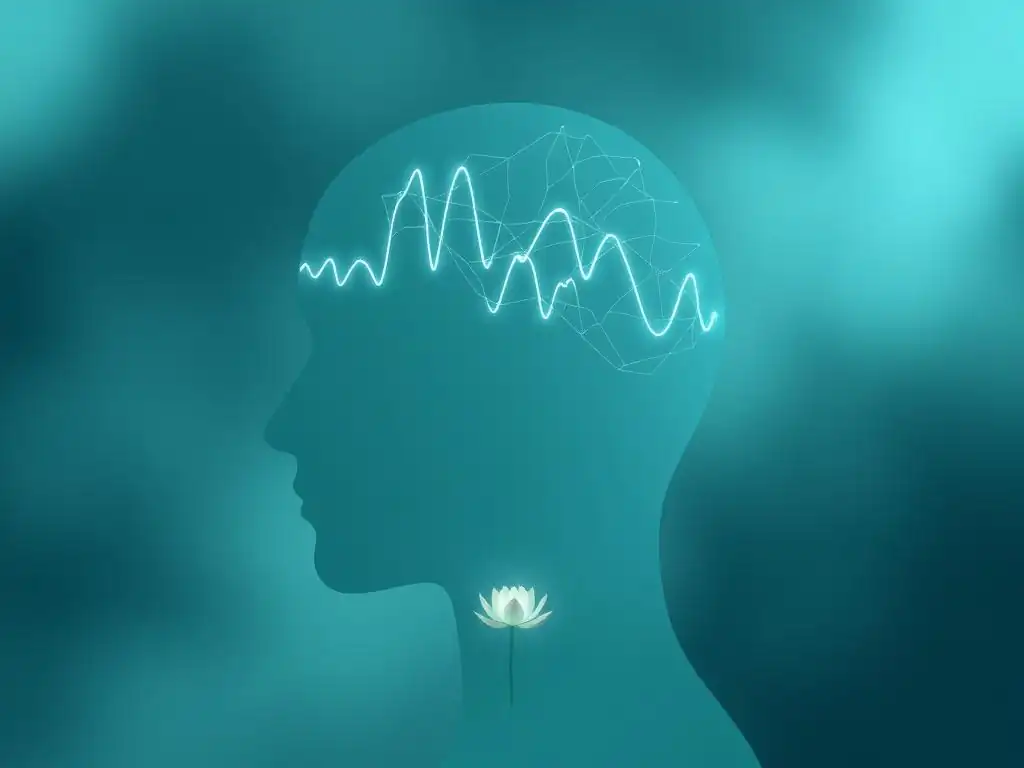
Here is a general outline of how one might approach implementing Tinnitus Retraining Therapy techniques.
- [ ] Step 1: Audiological Evaluation and Tinnitus Assessment:
- [ ] Step 2: Understanding Your Tinnitus Profile and Setting Realistic Goals:
- [ ] Step 3: Sound Therapy Strategies: Using a Sound Generator at Night and During Quiet Times:
- [ ] Step 4: Cognitive Restructuring: Challenging Negative Thoughts About Tinnitus:
- [ ] Step 5: Habituation: Learning to Live with Tinnitus:
Step 1: Audiological Evaluation and Tinnitus Assessment
The first crucial step in implementing any tinnitus retraining strategy is a thorough audiological evaluation. This assessment, performed by an audiologist, determines the presence and extent of any hearing loss, as hearing loss is a common co-occurrence with tinnitus and can influence treatment strategies. The audiologist will also perform specific tinnitus assessment tests, which may include pitch and loudness matching of your tinnitus, minimum masking levels (the lowest level of external sound needed to mask the tinnitus), and questionnaires to assess the impact of tinnitus on your daily life (e.g., the Tinnitus Handicap Inventory).
This initial evaluation is vital because it provides objective and subjective data about your specific tinnitus experience. Understanding the characteristics of your tinnitus and your hearing status helps tailor the sound therapy component of TRT. For instance, someone with high-frequency hearing loss might benefit more from sound therapy weighted towards higher frequencies, while someone with hyperacusis (increased sensitivity to certain volumes or frequencies) would require careful calibration of sound therapy levels. This foundational step ensures that subsequent Tinnitus retraining therapy techniques help address your unique needs effectively.
Step 2: Understanding Your Tinnitus Profile and Setting Realistic Goals
Following the assessment, a key part of directive counseling in TRT is helping you understand your specific "tinnitus profile" and the underlying neurophysiological mechanisms. This involves reviewing the audiologist's findings and discussing how your brain and nervous system are reacting to the tinnitus signal. Learning about the Jastreboff model, which explains the role of the limbic system and autonomic nervous system, can significantly reduce anxiety by demystifying the experience. It helps you see tinnitus not just as a sound, but as a signal that your brain is currently prioritizing in a maladaptive way.
Equally important is setting realistic goals for therapy. TRT aims for habituation – reducing the bothersomeness and awareness of tinnitus, not necessarily eliminating the sound entirely. Understanding this from the outset is critical for managing expectations and preventing frustration. Goals might include reducing the amount of time you are consciously aware of the tinnitus, improving sleep quality, decreasing anxiety related to tinnitus, or being able to concentrate better. Realistic goals empower you throughout the process and help measure progress, ensuring that the Tinnitus retraining therapy techniques help you achieve a better quality of life.
Step 3: Sound Therapy Strategies: Using a Sound Generator at Night and During Quiet Times
Implementing sound therapy is a practical application of TRT principles designed to promote habituation. This involves the consistent introduction of low-level background sound into your environment, particularly during periods of silence when tinnitus is most prominent. A common method is using a bedside sound generator at night to help with sleep, or a portable sound generator or app during the day in quiet settings. The goal is to create a constant, subtle auditory background that reduces the contrast with the tinnitus, making the phantom sound less likely to capture your brain's attention.
The specific sound chosen (e.g., white noise, pink noise, or nature sounds) and its volume are important. The volume should be set just below the level of your tinnitus – audible, but not completely masking the tinnitus. This allows the brain to receive both the external sound and the tinnitus signal simultaneously, which is thought to be necessary for the habituation process to occur. Consistent use, often for many hours a day, is key. This continuous low-level stimulation helps the auditory system become less sensitive and encourages the brain to reorganize its response to the tinnitus signal. Applying these sound-based Tinnitus retraining therapy techniques help lay the groundwork for neuroplastic change.
Step 4: Cognitive Restructuring: Challenging Negative Thoughts About Tinnitus
Cognitive restructuring, a core component of CBT often integrated into TRT counseling, focuses on identifying and modifying the negative thought patterns associated with tinnitus. When tinnitus is perceived as a threat, it triggers fear and anxiety, which in turn makes the tinnitus seem louder and more intrusive. This creates a vicious cycle. The goal of cognitive restructuring is to break this cycle by changing how you think about your tinnitus.
This process involves learning to identify automatic negative thoughts that pop up when you notice your tinnitus (e.g., "I can't stand this sound," "This means something is seriously wrong," "I'll never have peace and quiet"). Once identified, you learn to challenge the validity and helpfulness of these thoughts. Questions like "Is this thought based on fact or fear? ", "What's a more realistic way to look at this?
", or "Is thinking this way helping me?" are used. You then work on replacing negative thoughts with more balanced and helpful perspectives, such as "This is just a sound, it can't harm me," or "Many people live full lives with tinnitus, I can learn to manage it too." By changing your cognitive appraisal of tinnitus, these Tinnitus retraining therapy techniques help reduce the emotional reaction, thereby decreasing its perceived severity.
Step 5: Habituation: Learning to Live with Tinnitus
Habituation is the ultimate goal of Tinnitus Retraining Therapy and the culmination of the neuroplastic changes facilitated by the previous steps. Habituation refers to the process by which the brain learns to filter out or ignore a constant, non-threatening stimulus. Think of how you might not notice the feeling of your clothes on your skin throughout the day, or the background noise of a busy city after living there for a while. The stimulus is still present, but your brain has learned to stop paying attention to it.
In the context of tinnitus, habituation means that the tinnitus sound is no longer consciously perceived most of the time, even though it is still auditorily present, or if it is perceived, it no longer elicits a negative emotional or physiological response. This is achieved through the consistent application of sound therapy and the successful implementation of cognitive restructuring. Over time, the brain's limbic and autonomic nervous systems reduce their reaction to the tinnitus signal.
Achieving habituation doesn't happen overnight; it's a gradual process that typically takes 12 to 18 months of consistent effort. However, for many, the successful application of these Tinnitus retraining therapy techniques help them reach a point where tinnitus is no longer a significant problem in their lives.
Advanced Techniques for Tinnitus Management
Masking Techniques: Temporarily Reducing the Perception of Tinnitus
While TRT focuses on habituation rather than complete masking, temporary masking can sometimes be a useful strategy for providing immediate relief, particularly during periods of high distress or difficulty sleeping. Masking involves using an external sound that is loud enough to partially or completely cover up the tinnitus sound. This can provide a temporary break from the intrusive nature of the tinnitus.
Masking sounds can be generated by various devices, including dedicated tinnitus maskers (which look similar to hearing aids but emit noise), sound generators, or even everyday sounds like a fan, radio static (tuned between stations), or running water. The key is that the masking sound is loud enough to reduce the perception of tinnitus, but ideally not so loud that it prevents hearing external sounds or is uncomfortable.
While masking doesn't promote long-term habituation in the same way as low-level sound therapy in TRT, it can be a valuable tool for acute relief and managing difficult moments. Exploring different masking Tinnitus retraining therapy techniques help individuals find temporary comfort.
Neuromodulation Therapies: Transcranial Magnetic Stimulation (TMS) and Transcranial Direct Current Stimulation (tDCS)
Emerging research is exploring the potential of neuromodulation techniques to alter brain activity and potentially reduce tinnitus perception, leveraging neuroplastic principles. Transcranial Magnetic Stimulation (TMS) is a non-invasive procedure that uses magnetic pulses to stimulate specific areas of the brain. Studies have investigated applying TMS to regions of the auditory cortex or other brain areas thought to be involved in tinnitus generation or perception, with the aim of normalizing aberrant neural activity.
Similarly, Transcranial Direct Current Stimulation (tDCS) uses a low-level electrical current delivered through electrodes placed on the scalp to modulate neuronal excitability. Researchers are investigating whether tDCS applied to specific brain regions can influence the neural networks involved in tinnitus. While these techniques are still largely experimental for tinnitus and results have been mixed, they represent a fascinating avenue for potentially directly influencing the brain's activity patterns underlying tinnitus perception, offering hope for future Tinnitus retraining therapy techniques help based on direct neural intervention.
Dietary and Lifestyle Modifications for Tinnitus Relief: Reducing Sodium Intake and Avoiding Excessive Caffeine
Beyond direct therapeutic interventions, certain dietary and lifestyle modifications are often suggested as complementary strategies for managing tinnitus, although their direct impact varies greatly among individuals. While not universally effective or scientifically proven for everyone, some people report that certain factors can exacerbate their tinnitus. Common culprits often cited include excessive intake of sodium, caffeine, and alcohol.
Reducing sodium intake, for example, is sometimes recommended based on the idea that it might influence fluid balance in the inner ear, although evidence is not conclusive for all tinnitus types. Similarly, many individuals find that high levels of caffeine or alcohol temporarily increase their tinnitus loudness or reactivity.
While these modifications don't directly utilize neuroplasticity in the same way as TRT or CBT, they can contribute to overall well-being and potentially reduce factors that might heighten the nervous system's reactivity, indirectly supporting the habituation process. Identifying and managing personal triggers through these lifestyle-based Tinnitus retraining therapy techniques help create a more stable environment for the brain.
Maximizing Neuroplasticity for Long-Term Tinnitus Relief
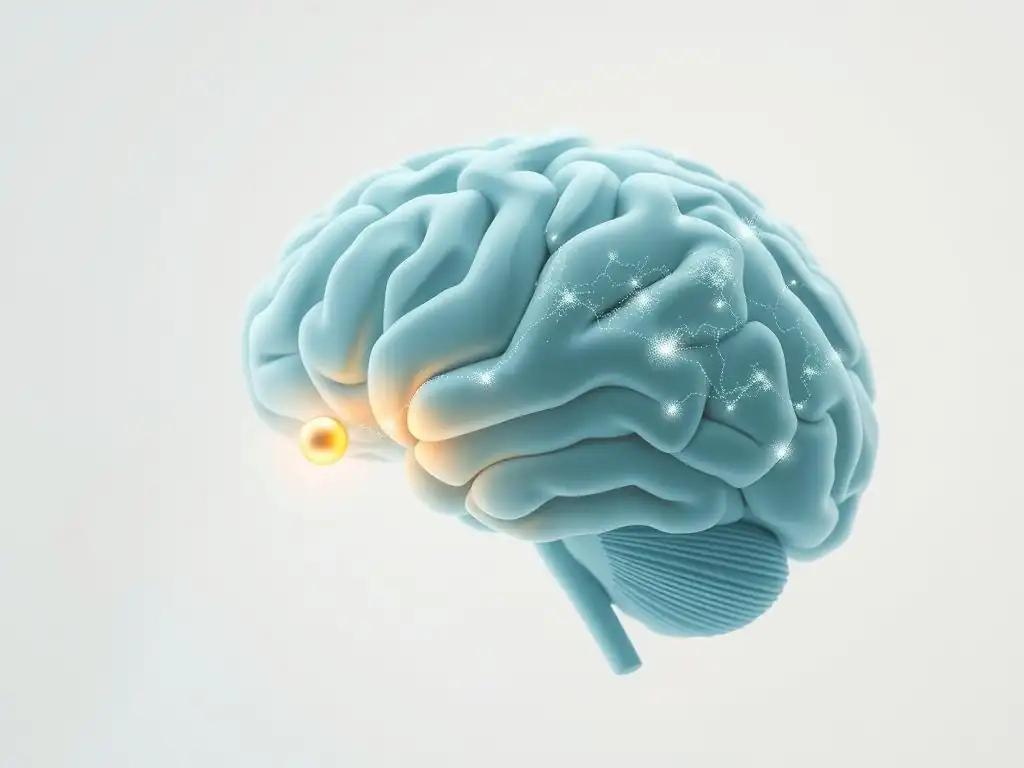
The Importance of Consistency and Patience in Tinnitus Retraining
Achieving long-term tinnitus relief through neuroplasticity-based approaches like TRT is a journey that demands significant consistency and patience. Neuroplastic change in the brain does not happen overnight; it is a gradual process that requires repeated exposure to the therapeutic stimuli and consistent application of learned strategies. For TRT, this means consistently using sound therapy for many hours each day and actively engaging in counseling and cognitive restructuring exercises over an extended period.
Studies and clinical experience indicate that significant habituation often takes between 12 and 18 months of dedicated therapy. There will likely be ups and downs, days when tinnitus seems louder or more bothersome, and moments of frustration. It is crucial during these times to stick with the plan and remember that setbacks are normal. Viewing the process as a marathon, not a sprint, and maintaining consistent effort are perhaps the most critical factors in successfully leveraging the brain's neuroplasticity for lasting relief. These Tinnitus retraining therapy techniques help build new habits in the brain over time.
Combining TRT with Other Brain-Boosting Activities: Mindfulness Meditation and Regular Aerobic Exercise
Enhancing overall brain health and function can potentially support the neuroplastic processes involved in tinnitus habituation. Combining TRT with other activities known to promote brain health and positive neuroplasticity may therefore maximize long-term relief. Mindfulness meditation, for instance, has been shown to alter brain structure and function in areas related to attention, emotion regulation, and sensory processing – all of which are relevant to how the brain handles tinnitus. Regular practice can help individuals become less reactive to the tinnitus sound and better able to observe it without judgment or distress.
Similarly, regular aerobic exercise is well-documented for its positive effects on brain health, including increasing blood flow, promoting the growth of new neurons, and improving cognitive function. By reducing stress, improving sleep, and boosting overall mental well-being, exercise can create a more favorable environment for the brain to undergo the changes necessary for habituation. Integrating practices like mindfulness meditation and consistent physical activity alongside core Tinnitus retraining therapy techniques help can potentially accelerate progress and enhance resilience.
Tracking Your Progress and Adjusting Your Treatment Plan
Regularly tracking your progress is an important part of the tinnitus retraining process. Since habituation is subjective and gradual, it can sometimes be difficult to notice improvements on a day-to-day basis. Keeping a journal where you rate your tinnitus bothersomeness, track sleep quality, note moments of habituation, and record challenges can provide valuable insight into your journey over weeks and months. This data can be empowering, showing how far you've come, and also help identify patterns or triggers.
Periodic review of your progress with your audiologist or therapist is also essential. Based on your feedback and objective measures (like follow-up questionnaires), your treatment plan can be adjusted. This might involve modifying your sound therapy settings, refining your cognitive strategies, or addressing new challenges that arise. The ability to adapt the application of Tinnitus retraining therapy techniques help ensures that the therapy remains relevant and effective as you move towards greater habituation.
Supporting Your Mental Health During Tinnitus Treatment
Building a Support System: Connecting with Others Who Understand
Living with chronic tinnitus can feel isolating, especially when friends and family may not fully grasp the constant nature of the struggle. Building a strong support system is crucial for maintaining mental well-being throughout the treatment process. Connecting with other individuals who experience tinnitus can provide invaluable emotional support, shared understanding, and practical tips. Support groups, whether in-person or online, offer a safe space to share experiences, challenges, and successes.
Hearing from others who are also on the journey towards habituation or who have successfully managed their tinnitus can provide hope and motivation. Sharing your feelings with empathetic listeners reduces feelings of isolation and can help normalize your experience. Support from understanding friends, family, or partners is also vital; educating them about tinnitus and your treatment plan can help them provide the right kind of support and create a more supportive home environment. Leaning on a support system complements the effectiveness of Tinnitus retraining therapy techniques help by addressing the social and emotional burden.
Managing Stress and Anxiety: Relaxation Techniques for Tinnitus Sufferers
Stress and anxiety are known to exacerbate tinnitus perception and bothersomeness. Actively managing these factors is therefore an integral part of supporting mental health during tinnitus treatment. Incorporating regular relaxation techniques into your daily routine can significantly reduce the impact of stress and anxiety, thereby potentially lowering the perceived intensity or intrusiveness of your tinnitus.
Techniques such as deep breathing exercises, progressive muscle relaxation, guided imagery, and mindfulness meditation are particularly helpful. Spending even just 10-15 minutes daily practicing these techniques can calm the nervous system and reduce the "fight-or-flight" response that can amplify tinnitus distress. Finding techniques that resonate with you and practicing them consistently, especially during moments of heightened tinnitus awareness or stress, provides valuable coping tools. Integrating these stress-management Tinnitus retraining therapy techniques help create a calmer internal environment.
Seeking Professional Help: When to Consult a Mental Health Professional
While TRT incorporates counseling, some individuals may require additional support from a mental health professional, such as a therapist or counselor, particularly if they are experiencing significant anxiety, depression, or difficulty coping. Tinnitus can sometimes uncover or worsen pre-existing mental health conditions, and a specialist can provide targeted interventions.
A mental health professional can offer specialized therapy like CBT specifically focused on tinnitus-related distress, or other therapeutic modalities tailored to your needs. They can also help develop coping strategies for managing difficult emotions, improving sleep, and addressing any trauma or stress that might be linked to the onset or exacerbation of tinnitus.
Knowing when to seek this professional support is a sign of strength and can be a critical step in ensuring that your overall mental health supports your journey towards tinnitus habituation and well-being. Professional guidance can enhance the effectiveness of Tinnitus retraining therapy techniques help by addressing co-occurring psychological issues.
The Future of Tinnitus Treatment: Harnessing the Power of Neuroplasticity
Frequently Asked Questions
What is Tinnitus Retraining Therapy (TRT) and how does it relate to neuroplasticity?
TRT is a tinnitus management approach that uses sound therapy and counseling to help the brain habituate to tinnitus. It leverages neuroplasticity, the brain's ability to reorganize itself by forming new neural connections.
How do Tinnitus retraining therapy techniques help in reducing phantom sounds?
TRT works by helping the brain reclassify tinnitus as a neutral signal, reducing its perceived loudness and distress. This is achieved through consistent exposure to background sound and cognitive behavioral therapy (CBT).
Are there specific sound therapy techniques used in Tinnitus Retraining Therapy?
Yes, TRT utilizes broadband noise generators or ear-level sound generators to provide a constant, low-level background sound. The goal is to desensitize the auditory system to the tinnitus sound, making it less noticeable.
What role does counseling or Cognitive Behavioral Therapy (CBT) play in Tinnitus Retraining Therapy?
Counseling, often CBT, helps patients manage the emotional distress associated with tinnitus and change negative thought patterns. It teaches coping mechanisms and helps individuals reduce anxiety and improve their quality of life.
How long does it typically take to see results with Tinnitus Retraining Therapy techniques?
The duration varies, but most individuals experience significant improvement within 12 to 24 months of consistent TRT. Patience and adherence to the treatment plan are crucial for successful outcomes.
Final Reflection: Harnessing Neuroplasticity for a Quieter Future
The relentless phantom sounds of tinnitus affect millions, yet the understanding and treatment of this condition are evolving rapidly. The power of neuroplasticity, the brain's ability to rewire itself, offers a beacon of hope, shifting the narrative from enduring suffering to actively shaping auditory perception. This is not merely a medical advancement; it's a testament to the brain's incredible resilience.
The journey of tinnitus retraining therapy (TRT) and other neuroplasticity-based techniques highlights the profound impact of our mental and emotional engagement with our sensory experiences. The brain, it turns out, isn't just a passive receiver of information; it actively constructs our reality. This understanding is transformative. The brain is what the brain does.
– This simple statement encapsulates the active, dynamic nature of our neural pathways, and how we can consciously influence their development. By understanding and applying these principles, we can begin to reshape our auditory landscape, even in the face of persistent tinnitus.
You, the reader, now hold the key to a potentially quieter future. Consider the ways in which you engage with your tinnitus. Are you allowing it to define your experience, or are you actively working to reshape your brain's response? Embrace the potential of neuroplasticity; explore the various TRT techniques and mindfulness practices discussed in this article. Remember, the journey to tinnitus relief is a personal one, requiring patience and persistence. But the possibility of a life less burdened by phantom sounds is within reach. Begin your journey today.
Unlock Your Quiet: Harness Neuroplasticity for Tinnitus Relief
Thanks for taking the time to explore the power of neuroplasticity in managing tinnitus! You've now learned valuable strategies to potentially lessen the impact of those persistent sounds. Ready to take the next step?
- Begin your personalized sound therapy journey today. Start with even just 15 minutes of the recommended exercises from the article – you'll be surprised how a small daily commitment can make a big difference.
- Share your experience and inspire others. Join our Mind Care Guide community forum and share your progress, tips, or questions with fellow tinnitus sufferers. Let's support each other on this journey.
- Explore additional resources: Delve deeper into the research on neuroplasticity and tinnitus by searching for related studies on reputable health websites. (You can even search for “[relevant keyword] neuroplasticity tinnitus” to discover targeted research).
What small step will you take today to begin reclaiming your quiet?