
Understanding QEEG Brain Mapping: The Foundation of Personalized Neurofeedback

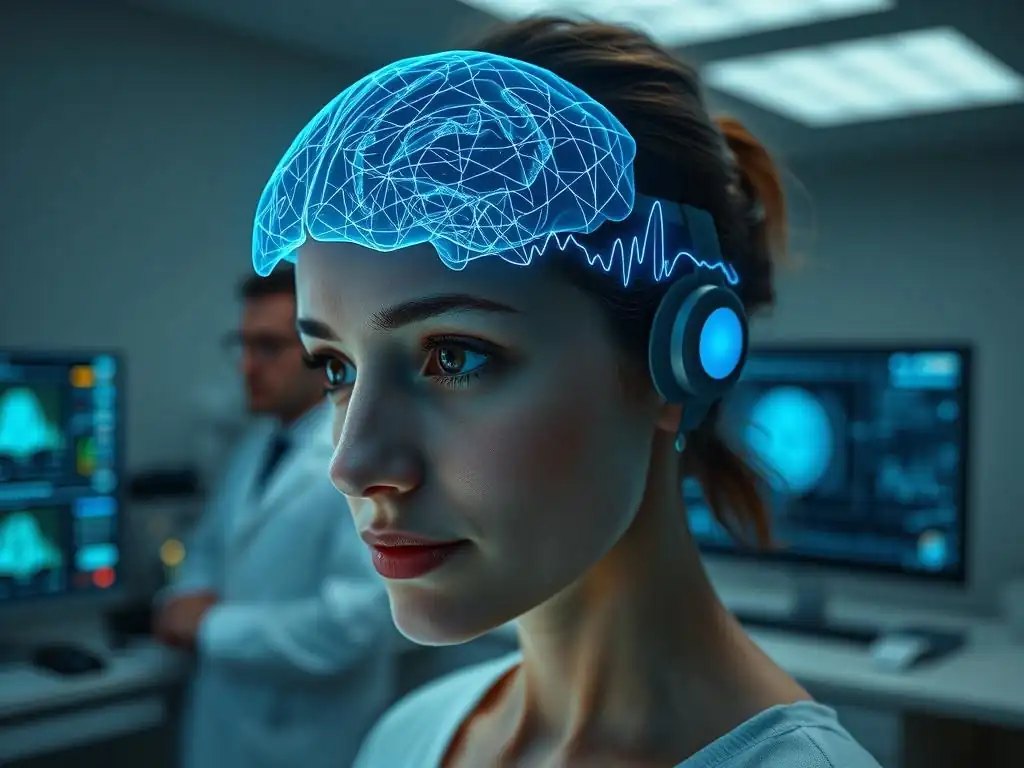
Welcome to Mind Care Guide, a space dedicated to nurturing your mental well-being.
Are you seeking a deeper understanding of your brain's unique activity? Perhaps you're curious about how cutting-edge technology can personalize your path to better mental health. Dive into Understanding QEEG Brain Mapping, where we explore the profound QEEG brain mapping benefits and how this innovative approach forms the cornerstone of personalized neurofeedback. Discover how this detailed brain analysis can unlock new possibilities for your well-being and pave the way for a more balanced and fulfilling life. Ready to learn more about the fascinating world of neuroscience and its impact on mental health? Let's begin!
Understanding QEEG Brain Mapping: The Foundation of Personalized Neurofeedback
- Introduction to QEEG Brain Mapping and Neurofeedback
- The Science Behind QEEG Brain Mapping
- QEEG Brain Mapping Benefits for Mental Health
- QEEG Brain Mapping vs. Traditional Diagnostic Methods
- The QEEG Brain Mapping Process: What to Expect
- Personalized Neurofeedback Based on QEEG Results
- Conditions That May Benefit from QEEG-Guided Neurofeedback
- Finding a Qualified QEEG Practitioner
- The Future of QEEG Brain Mapping and Neurofeedback
- Conclusion: Empowering Mental Wellness Through QEEG Brain Mapping
-
Frequently Asked Questions
- What exactly is QEEG brain mapping, and how does it relate to mental well-being?
- How can QEEG brain mapping benefit individuals struggling with mental health issues?
- What are some common conditions that QEEG brain mapping can help assess?
- Is QEEG brain mapping a painful or invasive procedure?
- How does QEEG brain mapping inform personalized neurofeedback treatment?
- Final Reflection: Unlocking the Brain's Potential Through QEEG
- Unlock Your Brain's Potential: Take the Next Step with Neurofeedback
Introduction to QEEG Brain Mapping and Neurofeedback
What is QEEG Brain Mapping?
Quantitative Electroencephalography, or QEEG, is a sophisticated diagnostic tool that analyzes electrical activity in the brain. It involves placing a cap fitted with multiple electrodes onto the scalp to record brainwave patterns from various locations simultaneously. Unlike standard EEG, QEEG uses advanced computer analysis to quantify these patterns, comparing an individual's brain activity to a normative database of healthy brains.
This process transforms raw EEG data into color-coded "brain maps" that visually highlight areas of atypical activity, providing a detailed snapshot of brain function. This objective data is crucial for understanding the underlying neural basis of various mental health challenges.
The QEEG process goes beyond simply detecting electrical signals; it involves complex signal processing, artifact rejection, and statistical analysis. The collected data, typically recorded over a period of 10-20 minutes while the individual is resting with eyes open and closed, is then subjected to quantitative analysis.
This analysis can reveal power imbalances (how much of each brainwave frequency is present), coherence issues (how well different brain regions communicate), and asymmetry (differences in activity between the left and right hemispheres). These specific measures provide a comprehensive picture of brain dynamics that standard visual EEG inspection might miss, offering a foundation for highly targeted interventions.
The Role of QEEG in Personalized Neurofeedback Treatment
QEEG brain mapping serves as the critical first step in developing a truly personalized neurofeedback treatment plan. By identifying specific areas and patterns of brain activity that deviate from the norm, the QEEG guides the clinician in selecting the precise training protocols needed for an individual.
Instead of using a generic approach, neurofeedback based on QEEG findings targets the exact dysregulations identified in the brain map. For example, if a QEEG reveals excessive slow-wave activity (like theta waves) in frontal regions, a common pattern seen in ADHD, the neurofeedback protocol will be designed to train the brain to reduce this specific activity and potentially increase faster waves (like beta).
This data-driven approach ensures that neurofeedback sessions are tailored to the individual's unique brain profile. Without a QEEG, neurofeedback might involve more trial-and-error, potentially prolonging treatment or leading to less optimal outcomes. The QEEG provides a roadmap, showing exactly where and how the brain needs to be trained to improve function. It allows practitioners to set specific, measurable goals for brainwave changes and track progress objectively over the course of treatment. This personalization is a key reason why QEEG-guided neurofeedback is often considered more effective for complex or persistent conditions compared to symptom-based approaches alone.
Why is QEEG Brain Mapping Important for Mental Well-being?
QEEG brain mapping is important for mental well-being because it offers an objective window into brain function that complements subjective reporting of symptoms. Many mental health conditions, such as anxiety, depression, ADHD, and PTSD, are associated with specific patterns of brainwave dysregulation.
While a person can describe their feelings of anxiety or difficulty concentrating, a QEEG can potentially show the underlying neural correlates, such as excessive high-beta activity associated with rumination or atypical connectivity patterns linked to trauma. This provides a deeper understanding of the condition, moving beyond symptom management to potentially addressing the root cause at a brain level.
Furthermore, one of the significant QEEG brain mapping benefits is its ability to help differentiate between conditions that may present with similar symptoms. For instance, fatigue could be related to depression, a sleep disorder, or even certain neurological patterns. The QEEG can provide data points that help clarify the picture, informing a more accurate diagnosis or, more importantly, guiding a more effective treatment strategy. For individuals seeking non-pharmacological or complementary approaches to mental health, QEEG offers a scientific basis for interventions like neurofeedback, empowering them with information about their own brain and a path towards targeted improvement.
The Science Behind QEEG Brain Mapping
How QEEG Measures Brain Activity
QEEG measures brain activity by detecting the tiny electrical potentials generated by the collective firing of neurons in the brain. These electrical signals travel through the scalp and are picked up by highly sensitive electrodes placed within a cap worn by the individual. A typical QEEG cap might contain 19 to 32 electrodes, positioned according to a standardized system (like the 10-20 system) to ensure consistent placement across individuals.
These electrodes are connected to an amplifier that magnifies the weak signals, which are then digitized for computer processing. The recording captures the continuous electrical oscillations, known as brainwaves, occurring at different frequencies.
The raw electrical data collected from each electrode represents the sum of electrical activity from the brain region beneath it. This data is recorded over time, typically for several minutes, capturing brain activity during different states (e.g., eyes open, eyes closed). The digital data is then processed to remove artifacts – electrical signals originating from sources other than the brain, such as muscle tension, eye movements, or even electrical noise from the environment.
Sophisticated algorithms are used to identify and filter out these artifacts, ensuring that the subsequent analysis is based on genuine brain activity. This rigorous data cleaning is essential for obtaining accurate and reliable QEEG results.
Understanding Brainwave Patterns and Their Significance
Brainwaves are rhythmic electrical patterns categorized by their frequency, measured in Hertz (Hz), and amplitude, measured in microvolts (µV). Different frequency bands are associated with different states of consciousness and cognitive functions.
- Delta (0.5-4 Hz): The slowest brainwaves, dominant during deep, dreamless sleep. Excessive delta activity when awake can sometimes be associated with certain neurological issues or cognitive difficulties.
- Theta (4-8 Hz): Associated with drowsiness, daydreaming, creativity, and the transition to sleep. Too much theta while awake and trying to focus can be linked to inattention and ADHD-like symptoms.
- Alpha (8-12 Hz): Often associated with a relaxed, calm, and alert state, such as when meditating or resting with eyes closed. Reduced alpha can sometimes be seen in anxiety, while excessive alpha could indicate being overly relaxed or detached.
- Beta (12-30 Hz): Associated with active thinking, concentration, problem-solving, and alertness. Excessive high-beta activity (20-30 Hz) can be linked to anxiety, worry, and hypervigilance.
- Gamma (30-100+ Hz): The fastest brainwaves, thought to be involved in higher-level cognitive processing, learning, memory, and conscious perception, often associated with peak performance states.
Understanding these patterns is key because imbalances in their power, location, or connectivity are frequently observed in individuals with mental health conditions. For example, studies have shown that individuals with generalized anxiety disorder often exhibit elevated beta or high-beta activity, particularly in frontal or parietal regions, reflecting excessive worry or hyperarousal. Conversely, some individuals with depression may show reduced alpha or beta activity, suggesting lower levels of cortical arousal or engagement. These specific patterns, identified through QEEG, provide targets for neurofeedback training aimed at normalizing brainwave activity.
QEEG Data Analysis: Identifying Brainwave Imbalances
QEEG data analysis is a complex process involving specialized software that performs quantitative comparisons. After the raw EEG data is recorded and artifact-cleaned, the software breaks down the continuous electrical activity into its constituent frequency bands (Delta, Theta, Alpha, Beta, Gamma, etc.). For each frequency band and each electrode site, the software calculates various metrics, such as absolute power (the total amount of activity in that frequency band), relative power (the percentage of total activity in that band), and amplitude asymmetry (differences in power between corresponding sites in the left and right hemispheres).
Crucially, the QEEG software compares these individual metrics to a large normative database containing data from thousands of healthy individuals matched by age and gender. This comparison reveals statistically significant deviations from the norm, often displayed visually as Z-scores or standard deviations. A Z-score of +2.0, for instance, means the individual's activity in that specific frequency band at a particular location is two standard deviations above the average for their age group.
These deviations are then color-coded on the brain map (e.g., red for significantly above average, blue for significantly below average), making it easy to visually identify areas of dysregulation. This detailed analysis allows practitioners to pinpoint specific brainwave imbalances, coherence issues, and connectivity problems that correlate with the individual's symptoms, forming the basis for a personalized neurofeedback protocol.
QEEG Brain Mapping Benefits for Mental Health
Identifying Specific Brain Regions Associated with Mental Health
One of the most significant QEEG brain mapping benefits is its ability to pinpoint specific brain regions and networks associated with mental health challenges. While symptoms like anxiety or difficulty focusing are experienced subjectively, they often stem from dysregulation in particular areas of the brain. For example, research and clinical practice suggest that imbalances in the frontal lobes, particularly the prefrontal cortex, are frequently implicated in executive function deficits seen in ADHD.
Similarly, issues within the limbic system, including the amygdala and hippocampus, are strongly linked to anxiety, fear responses, and trauma-related conditions like PTSD. The QEEG provides objective data on the electrical activity within these regions.
By analyzing the QEEG brain map, practitioners can see which specific electrode sites, corresponding to underlying brain regions, show atypical activity patterns. For instance, excessive theta/beta ratios in frontal-central locations are a well-documented QEEG pattern associated with inattention in many individuals with ADHD. Elevated beta activity in the right parietal lobe might correlate with hypervigilance in anxiety.
Identifying these specific sites allows for highly targeted interventions. Instead of broadly addressing "anxiety," QEEG helps determine if the anxiety pattern relates more to frontal worry, limbic hyperarousal, or something else, guiding the selection of precise neurofeedback training locations on the scalp to influence activity in the implicated brain areas.
QEEG as a Tool for Assessing Neurological Function
Beyond identifying regions, QEEG serves as a powerful tool for assessing overall neurological function and communication patterns. It provides quantitative data on not just the power of different brainwaves at specific points but also how different brain regions are communicating with each other (coherence) and the timing of activity (phase). Coherence measures how synchronized the activity is between two different brain sites.
Low coherence might indicate poor communication between regions that should be working together, while excessively high coherence could suggest a lack of functional differentiation. Phase measures the timing difference between signals; atypical phase relationships can indicate problems with the speed or coordination of information processing between brain areas.
Assessing these connectivity patterns is crucial because many mental health conditions involve distributed brain networks, not just isolated regions. For example, depression is often associated with dysregulation in networks involving the prefrontal cortex, anterior cingulate cortex, and limbic structures. QEEG can reveal atypical coherence or phase patterns within these networks, providing further insight into the nature of the dysfunction.
This comprehensive assessment of neurological function, including power, coherence, and phase, offers a much richer picture than symptom-based evaluations alone. It helps practitioners understand how the brain is functioning atypically, which is essential for developing effective, targeted interventions and evaluating the QEEG brain mapping benefits over time as brain patterns normalize.
QEEG Brain Mapping Benefits: Improved Outcomes
The primary goal of utilizing QEEG in clinical practice is to improve treatment outcomes by making interventions more precise and efficient. By providing a clear, objective map of brain dysregulation, QEEG allows practitioners to tailor neurofeedback protocols specifically to the individual's needs. This targeted approach means that training is focused on normalizing the exact brainwave patterns and connections that are contributing to the individual's symptoms. Instead of spending time with generalized protocols, treatment can begin directly addressing the identified issues, potentially leading to faster and more significant improvements.
Numerous studies and clinical reports support the idea that QEEG-guided neurofeedback yields significant QEEG brain mapping benefits in terms of symptom reduction and improved quality of life across various conditions. For instance, research on ADHD has shown that neurofeedback, particularly when guided by QEEG findings like elevated frontal theta/beta ratios, can lead to lasting improvements in attention, impulsivity, and hyperactivity, with effect sizes comparable to or exceeding those of stimulant medication in some cases.
Similarly, QEEG guidance has been shown to enhance neurofeedback efficacy for anxiety and depression by targeting specific patterns like frontal alpha asymmetry or excessive beta activity. The ability to objectively measure brain changes throughout treatment also allows for adjustments to the protocol as needed, further optimizing the path toward improved mental well-being.
QEEG Brain Mapping vs. Traditional Diagnostic Methods
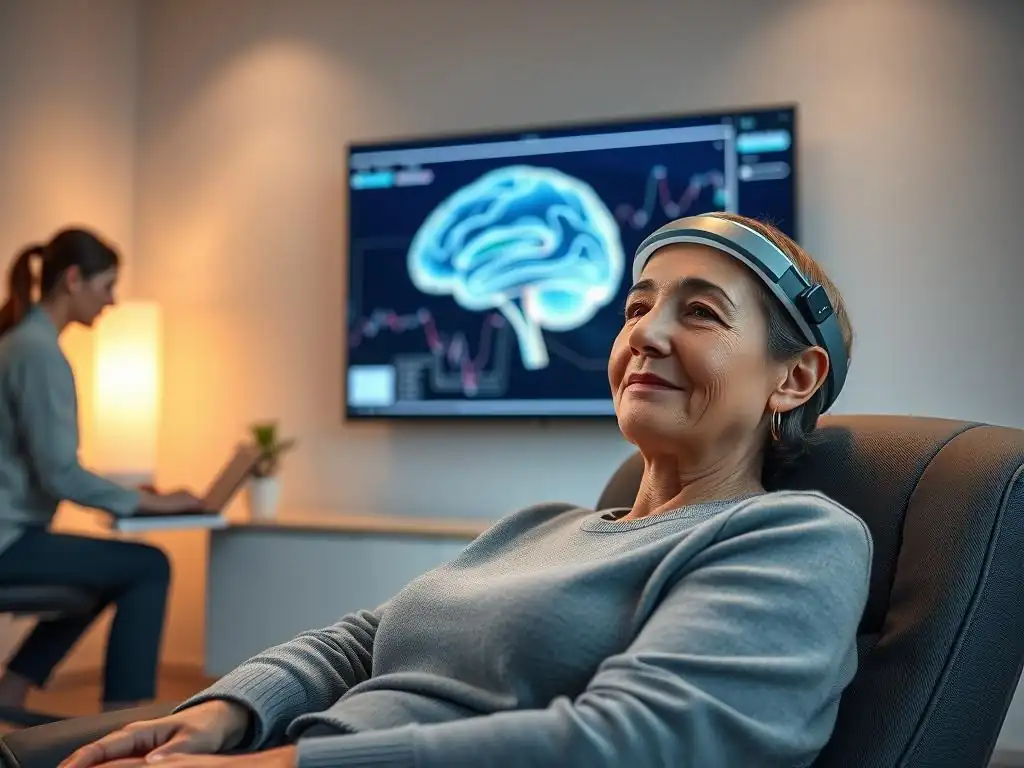
Comparing QEEG to EEG
While QEEG originates from standard Electroencephalography (EEG), there are fundamental differences that make QEEG a more powerful diagnostic tool for personalized treatment planning. Standard EEG involves placing electrodes on the scalp to record brain's electrical activity and is primarily interpreted by visual inspection of the raw waveforms by a trained neurologist or epileptologist. Its main use is in diagnosing conditions characterized by distinct electrical signatures, such as epilepsy, where the focus is on identifying seizures or interictal (between-seizure) spikes and waves. Visual EEG is excellent at detecting gross abnormalities or paroxysmal events.
QEEG, however, takes the raw EEG data and subjects it to extensive quantitative analysis using sophisticated computer algorithms and statistical comparisons against normative databases. This process extracts detailed metrics (power, coherence, phase, asymmetry) across multiple frequency bands and locations that are often invisible to the naked eye during visual inspection.
QEEG can identify subtle, chronic patterns of dysregulation that are commonly associated with conditions like ADHD, anxiety, depression, or learning disabilities, which typically do not present with the overt, acute abnormalities seen in conditions like epilepsy. Therefore, while EEG detects electrical activity, QEEG quantifies and analyzes it in detail, making it uniquely suited for understanding functional brain patterns relevant to mental health and guiding personalized interventions.
QEEG vs. MRI and CT Scans
Comparing QEEG to neuroimaging techniques like Magnetic Resonance Imaging (MRI) and Computed Tomography (CT) scans highlights their different purposes. MRI and CT scans are structural imaging techniques; they provide detailed pictures of the brain's anatomy. They are invaluable for detecting structural abnormalities such as tumors, lesions, strokes, or physical damage to the brain tissue. For example, if there's a concern about a brain injury or a neurological condition involving physical changes, an MRI or CT scan is the appropriate tool.
QEEG, on the other hand, is a functional imaging technique. It measures the brain's electrical activity and communication patterns, not its physical structure. While structural scans show what the brain looks like, QEEG shows how the brain is working in real-time (or near real-time, capturing patterns over minutes). A person can have a perfectly normal MRI scan but exhibit significant functional dysregulations in their brain activity patterns as revealed by a QEEG, which may correlate with symptoms of anxiety, depression, or cognitive issues.
Therefore, QEEG provides complementary information that structural scans cannot. It assesses the dynamic electrical function, which is often the level at which imbalances related to many mental health conditions manifest. The QEEG brain mapping benefits lie in this functional assessment, offering a different perspective on the brain's role in mental well-being compared to purely structural imaging.
The Added Value of QEEG in Personalized Treatment Planning
The added value of QEEG in personalized treatment planning lies in its ability to bridge the gap between subjective symptoms and objective brain function. Traditional diagnostic methods often rely heavily on symptom checklists and clinical interviews, which can be subjective and sometimes fail to differentiate between conditions with overlapping symptoms. While structural scans rule out physical causes, they don't typically guide interventions aimed at functional brain dysregulation. QEEG provides objective data on brainwave patterns, connectivity, and activity levels that are known to correlate with specific cognitive and emotional profiles.
This objective data allows practitioners to move beyond a one-size-fits-all approach. For example, two individuals diagnosed with "anxiety" based on symptoms might have very different QEEG profiles. One might show excessive high-beta activity in frontal areas (suggesting excessive worry), while another might show atypical connectivity in limbic circuits (suggesting hyperarousal or trauma responses).
QEEG identifies these distinct patterns, allowing for the selection of specific neurofeedback protocols (e.g., training frontal beta down vs. training limbic coherence up) that directly address the individual's unique brain presentation. This precision significantly enhances the potential QEEG brain mapping benefits, leading to more targeted, efficient, and potentially more effective treatment outcomes compared to approaches based solely on symptom clusters.
The QEEG Brain Mapping Process: What to Expect
Preparing for Your QEEG Brain Mapping Session
Preparing for a QEEG brain mapping session is relatively straightforward but requires attention to a few details to ensure the best possible recording quality. The most important step is to arrive with clean, dry hair, free of any styling products like gel, mousse, or hairspray, as these can interfere with the electrode contact. Using only shampoo is ideal.
Avoid using conditioner if possible on the day of the recording. It's also recommended to avoid consuming caffeine or other stimulants for several hours before the session, as these can temporarily alter brainwave activity and skew the results. Similarly, avoid alcohol and recreational drugs.
Ensure you are well-rested and have eaten a light meal before your appointment, as being hungry or excessively tired can also affect brain activity. You will be asked to sign consent forms and complete questionnaires about your medical history, symptoms, and any medications you are currently taking. It's crucial to provide accurate information about medications, as many can influence brainwave patterns. The practitioner will explain the procedure and answer any questions you may have, helping you feel comfortable and relaxed before the recording begins. Wearing comfortable clothing is also advisable.
During the QEEG Recording
The QEEG recording session itself is non-invasive and painless. You will be seated comfortably in a quiet room, often in a comfortable chair. The practitioner will measure your head and then fit you with a specialized cap containing electrodes. A conductive gel or paste is applied to each electrode site (often through small holes in the cap) to ensure good electrical contact with the scalp. This gel is water-soluble and washes out easily afterward. Once the cap is fitted and connections are checked, the recording will begin.
The recording typically lasts between 10 to 20 minutes. You will usually be asked to sit quietly with your eyes closed for a portion of the recording and then with your eyes open for another portion. You might be asked to perform a simple task, like reading, but the primary focus is on resting state activity.
It's important to remain as still as possible during the recording, minimizing eye movements, blinking, and muscle tension, as these can create artifacts in the data. The practitioner will monitor the recording on a computer screen to ensure the data quality is good. The process is generally relaxing, and some people even find the quiet time peaceful.
Interpreting Your QEEG Brain Map Results
Interpreting the raw QEEG data requires specialized training and software. The data collected during your session is uploaded to analysis software that compares your brainwave patterns across multiple metrics (power, coherence, phase, etc.) to a large, age-matched normative database. This comparison generates the quantitative results and creates the visual brain maps, which are typically color-coded representations of deviations from the norm. These maps highlight areas where your brain activity is significantly different from that of a healthy population.
A qualified QEEG practitioner or clinician will then interpret these maps and accompanying data reports in the context of your symptoms, history, and clinical presentation. They look for patterns of dysregulation that are known to correlate with specific mental health conditions or cognitive issues. For example, a pattern of excessive frontal theta waves might be interpreted as related to inattention, while widespread excessive beta activity could point towards generalized anxiety.
The interpretation involves synthesizing the objective QEEG findings with your subjective experience to form a comprehensive understanding of your brain-behavior relationships. This detailed interpretation is a key QEEG brain mapping benefit, as it forms the basis for developing a highly personalized neurofeedback protocol or informing other treatment decisions. You will typically have a follow-up session to review the results and discuss the proposed treatment plan.
Personalized Neurofeedback Based on QEEG Results
How QEEG Guides Neurofeedback Protocol Selection
The QEEG brain map is the cornerstone of personalized neurofeedback protocol selection. Once the QEEG analysis identifies specific brainwave dysregulations – such as excessive slow waves (theta) in the frontal lobes, deficient fast waves (beta) in certain areas, or atypical connectivity patterns (coherence issues) between regions – the practitioner uses this information to design the training plan. For example, if the QEEG shows excessive theta waves in the prefrontal cortex, a common finding in ADHD, the neurofeedback protocol might involve placing electrodes over that specific area and training the brain to decrease theta activity while potentially increasing beta activity.
Conversely, if the QEEG reveals excessive high-beta activity in areas associated with rumination and worry, a pattern often seen in anxiety, the protocol would focus on training the brain to reduce that specific frequency band in those locations. The QEEG provides the precise location (electrode placement) and the specific frequencies and metrics (e.g., increase alpha, decrease beta, improve coherence between two sites) that need to be trained.
This eliminates guesswork and ensures that the neurofeedback training is directly targeting the identified neural correlates of the individual's symptoms, maximizing the potential for positive change. The QEEG brain mapping benefits truly shine here, providing a scientific foundation for the training approach.
Targeted Neurofeedback Training
Targeted neurofeedback training, guided by QEEG, involves using operant conditioning principles to teach the brain to regulate its own activity. During a neurofeedback session, electrodes are placed on the scalp according to the locations identified in the QEEG protocol. The individual watches a computer screen where their brainwave activity from the targeted sites is displayed in real-time, often represented by a video game, animation, or sound feedback. For instance, if the goal is to increase alpha waves, the game might only advance or the sound might play when the individual's brain produces more alpha activity within the target range.
This real-time feedback loop allows the individual to learn to consciously or unconsciously influence their brainwave patterns. When the brain produces the desired activity (e.g., less theta, more beta in the frontal lobe), they are rewarded with positive feedback (the game moves, the sound plays). When the brain produces the undesired activity, the feedback stops or is negative.
Over repeated sessions, typically 20-40 or more depending on the condition and individual, the brain learns to self-regulate and maintain the desired patterns even outside of the training sessions. This targeted training, directly informed by the QEEG, addresses the specific dysregulations identified, making the process highly efficient and focused on the individual's unique needs.
Combining QEEG and Neurofeedback for Optimal Outcomes
The combination of QEEG brain mapping and personalized neurofeedback represents a powerful approach for addressing mental health and cognitive challenges. QEEG provides the initial, objective assessment that identifies the specific functional dysregulations in the brain. Neurofeedback then provides the targeted training mechanism to help the brain learn to correct these dysregulations. This iterative process can lead to optimal outcomes because the treatment is precisely matched to the individual's brain profile, rather than being a generic approach based solely on symptom categories.
Furthermore, QEEG can be used periodically throughout the course of neurofeedback treatment (e.g., after 20 sessions) to track progress objectively. A follow-up QEEG can show how the brainwave patterns have changed in response to the training, allowing the practitioner to adjust the protocols as needed to continue optimizing results.
This data-driven feedback loop ensures that the treatment remains relevant and effective as the brain learns and adapts. The long-term QEEG brain mapping benefits, when combined with neurofeedback, include not just symptom reduction but often lasting improvements in self-regulation, cognitive function, and emotional stability, as the brain learns healthier patterns of activity.
Conditions That May Benefit from QEEG-Guided Neurofeedback
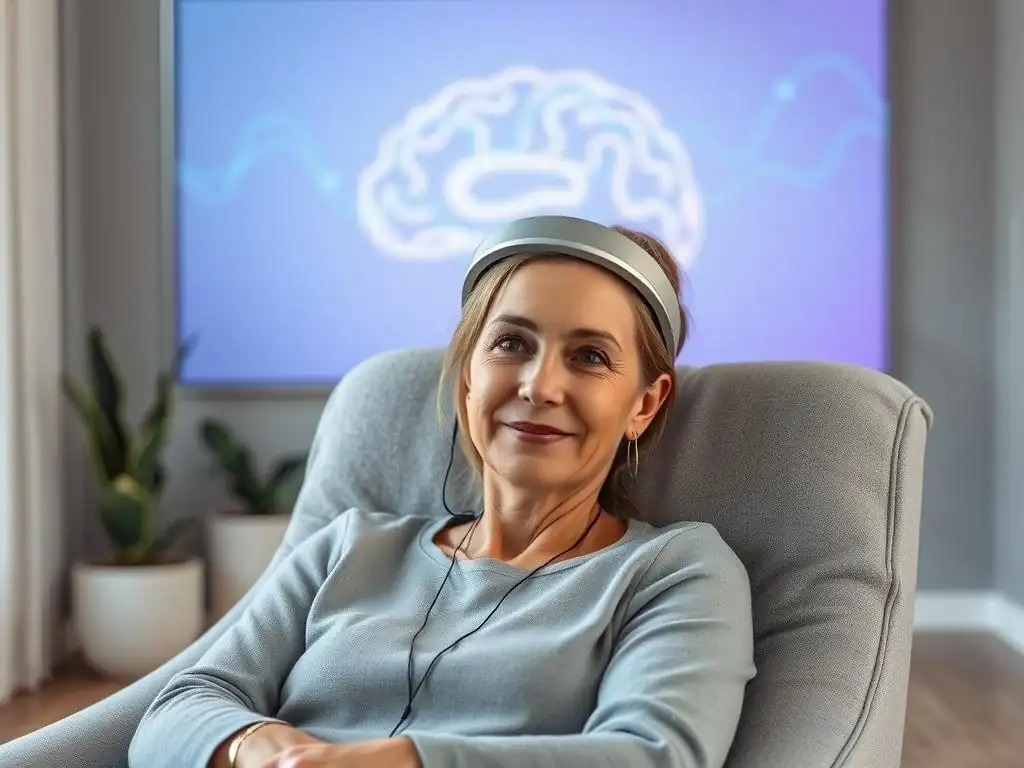
QEEG and Neurofeedback for ADHD
QEEG-guided neurofeedback has shown significant promise for individuals with Attention-Deficit/Hyperactivity Disorder (ADHD). A common QEEG pattern observed in many individuals with ADHD is an elevated ratio of theta to beta waves, particularly in frontal and central brain regions, reflecting under-arousal in areas critical for focus and impulse control. The QEEG identifies the specific locations and extent of this theta/beta dysregulation, allowing the neurofeedback protocol to be precisely tailored to train the brain to decrease theta activity and/or increase beta activity in those specific areas.
Clinical studies and meta-analyses have demonstrated the effectiveness of neurofeedback for ADHD, with QEEG-guided approaches often cited for their specificity. For instance, a review of studies indicated that neurofeedback can produce large effect sizes for inattention and medium effect sizes for hyperactivity and impulsivity. Many individuals experience reduced distractibility, improved focus, better impulse control, and decreased restlessness. Unlike medication, which manages symptoms while it is active, neurofeedback aims to teach the brain a new, self-regulatory pattern, offering the potential for lasting improvements even after training concludes. The QEEG provides the map to guide this learning process effectively.
QEEG and Neurofeedback for Anxiety
Anxiety disorders are another area where QEEG-guided neurofeedback can offer substantial QEEG brain mapping benefits. QEEG profiles in anxiety are often varied but can include patterns such as excessive high-beta activity (associated with worry and rumination), reduced alpha activity (indicating difficulty relaxing), or atypical connectivity patterns involving the limbic system and frontal cortex. The QEEG helps pinpoint the specific pattern present in an individual, allowing for a highly targeted neurofeedback protocol. For example, someone with excessive high-beta might train to reduce activity in that frequency band, while someone with low alpha might train to increase it.
Research suggests that neurofeedback can be effective in reducing symptoms of generalized anxiety disorder, panic disorder, and social anxiety. By training the brain to regulate the specific patterns associated with excessive worry or hyperarousal, individuals can learn to enter more relaxed states and manage anxious thoughts more effectively. Clinical reports indicate that individuals often experience reduced feelings of dread, fewer panic attacks, and improved ability to cope with stressful situations. The QEEG provides the objective data needed to identify the specific neural targets, leading to more efficient and effective anxiety management through neurofeedback.
QEEG and Neurofeedback for Depression
QEEG findings in depression can also be diverse, but common patterns include frontal alpha asymmetry (differences in alpha activity between the left and right frontal lobes), reduced overall cortical arousal (lower beta activity), or dysregulation in connectivity patterns. QEEG brain mapping helps identify the specific pattern present in an individual's brain, guiding the design of a neurofeedback protocol aimed at normalizing these imbalances. For instance, if a QEEG shows relative hypoactivity in the left frontal lobe (often associated with reduced motivation and positive affect), the protocol might focus on increasing activity in that area.
Studies and clinical practice suggest that neurofeedback can be a valuable adjunctive or alternative treatment for depression. By training the brain to shift out of maladaptive patterns associated with low mood or rumination, individuals can experience improvements in mood, motivation, energy levels, and overall outlook. While results can vary depending on the individual and the severity of depression, targeted neurofeedback based on QEEG findings offers a non-pharmacological approach that addresses potential underlying brain dysregulation, contributing to the QEEG brain mapping benefits in mood regulation.
QEEG and Neurofeedback for PTSD
Post-Traumatic Stress Disorder (PTSD) is a complex condition often associated with significant dysregulation in brain networks involved in fear processing, memory, and emotional regulation. QEEG can reveal specific patterns in individuals with PTSD, such as atypical connectivity between the amygdala (involved in fear response) and the prefrontal cortex (involved in regulation), or dysregulation in specific frequency bands associated with hypervigilance or emotional numbing. Identifying these unique patterns through QEEG is crucial for developing an effective neurofeedback protocol.
Neurofeedback for PTSD often focuses on training areas implicated in the trauma response and emotional regulation, such as the limbic system and specific cortical regions. By helping the brain learn to regulate its response to trauma-related stimuli and improve connectivity between relevant areas, individuals with PTSD can experience a reduction in symptoms like flashbacks, nightmares, hyperarousal, and avoidance behaviors. While treating trauma is multifaceted, QEEG-guided neurofeedback offers a way to directly address the underlying neural dysregulation, contributing to the significant QEEG brain mapping benefits reported by many individuals seeking relief from the persistent effects of trauma.
Finding a Qualified QEEG Practitioner
What to Look for in a QEEG Brain Mapping Specialist
Finding a qualified QEEG practitioner is crucial for ensuring accurate assessment and effective treatment. Look for a licensed mental health professional (such as a psychologist, therapist, or counselor) or a medical professional (like a physician or neurologist) who has undergone specialized training in QEEG analysis and neurofeedback. Certifications from recognized bodies like the Biofeedback Certification International Alliance (BCIA) for neurofeedback and quantitative EEG are strong indicators of expertise and adherence to professional standards.
Experience is also important. Ask about the practitioner's experience specifically with QEEG brain mapping and using it to guide neurofeedback for conditions similar to yours. A practitioner with extensive experience will be better equipped to interpret complex QEEG data and design appropriate, effective protocols. They should also be able to clearly explain the QEEG process, the findings, and how the proposed neurofeedback plan directly addresses your unique brain map.
Questions to Ask Your QEEG Practitioner
When consulting with a potential QEEG practitioner, asking informed questions is key to assessing their qualifications and approach. Consider asking the following:
- What is your background and training in QEEG and neurofeedback? Are you certified by BCIA or another recognized body?
- How many QEEG assessments and neurofeedback treatments have you conducted, particularly for conditions like mine?
- Which normative database do you use for QEEG analysis, and how current is it?
- How do you ensure the quality and accuracy of the QEEG recording and analysis? (e.g., artifact rejection protocols)
- How will my QEEG results be interpreted and used to create a personalized neurofeedback protocol?
- What is the typical duration and frequency of neurofeedback sessions based on QEEG findings?
- How do you track progress during neurofeedback, and do you recommend follow-up QEEG assessments?
- What are the potential QEEG brain mapping benefits and limitations for my specific situation?
These questions will help you understand their process, expertise, and how well their approach aligns with your needs and expectations.
Ensuring Ethical and Safe QEEG Practices
Ensuring ethical and safe QEEG practices involves several factors. Firstly, the practitioner should adhere to professional codes of conduct and privacy regulations (like HIPAA in the US). Your QEEG data is sensitive medical information and must be handled with strict confidentiality. The recording process itself is non-invasive and carries virtually no physical risk. The primary safety consideration lies in the interpretation and subsequent treatment recommendations.
An ethical practitioner will use the QEEG findings responsibly, integrating them with a comprehensive clinical assessment and not solely relying on the brain map for diagnosis. They should have clear protocols for data acquisition, artifact rejection, and analysis using validated software and normative databases.
Be wary of practitioners who make exaggerated claims about QEEG as a standalone diagnostic tool or promise instant cures based solely on the brain map. A qualified practitioner will explain the QEEG brain mapping benefits and limitations realistically and present neurofeedback as one part of a potential overall treatment strategy, tailored to your unique needs identified through a combination of clinical evaluation and objective QEEG data.
The Future of QEEG Brain Mapping and Neurofeedback
Advancements in QEEG Technology and Data Analysis
The field of QEEG brain mapping is continuously evolving, driven by advancements in technology and computational power. Future developments are likely to include higher-density electrode caps, allowing for more spatially precise measurements of brain activity. Improvements in wireless technology may make recordings more convenient and less prone to movement artifacts. The integration of QEEG with other modalities, such as simultaneous recording with physiological measures like heart rate variability, could provide an even more holistic picture of mind-body interactions.
Significant advancements are also occurring in QEEG data analysis. Machine learning and artificial intelligence algorithms are being developed to identify increasingly subtle and complex brainwave patterns associated with specific conditions. These algorithms can potentially enhance the accuracy of interpretation and aid in predicting treatment response.
Furthermore, efforts are underway to create larger, more diverse, and more granular normative databases, improving the statistical power and clinical relevance of comparisons. These technological and analytical advancements promise to make QEEG even more powerful and precise in revealing the unique functional landscape of an individual's brain, further enhancing the potential QEEG brain mapping benefits for personalized mental healthcare.
The Growing Role of QEEG in Precision Mental Healthcare
QEEG is poised to play a growing role in the emerging field of precision mental healthcare. Just as genomics is enabling personalized medicine based on genetic profiles, QEEG offers the potential for personalized interventions based on an individual's unique brain function profile. By providing objective, quantitative data on brain activity patterns, QEEG can help move mental healthcare away from symptom-based trial-and-error approaches towards more targeted, data-driven strategies. This is particularly relevant for conditions like depression or anxiety, where symptom heterogeneity is high and response to treatment can vary significantly between individuals.
The ability of QEEG to identify specific brain network dysregulations can help clinicians select the most appropriate treatment modality, whether it's a specific type of neurofeedback, a particular medication, or even targeted neuromodulation techniques like Transcranial Magnetic Stimulation (TMS). By understanding the underlying neural patterns, practitioners can potentially predict which interventions are most likely to be effective for a given individual, saving time, reducing frustration, and improving outcomes. This integration of QEEG into treatment planning is a key aspect of realizing the full QEEG brain mapping benefits in creating more effective and efficient mental healthcare pathways.
Future Research Directions for QEEG and Neurofeedback
Future research in QEEG and neurofeedback is focused on several key areas. One major direction is the development of more robust and standardized QEEG protocols and analyses to improve reliability and comparability across different clinics and studies. Research is also needed to further validate specific QEEG biomarkers for various mental health conditions and to understand how these patterns change over the course of development and aging.
Another critical area of research involves conducting larger, randomized controlled trials to further solidify the evidence base for QEEG-guided neurofeedback across a wider range of conditions and populations. Researchers are exploring the mechanisms by which neurofeedback induces brain changes, potentially using fMRI or other imaging techniques alongside QEEG.
Furthermore, investigating the long-term stability of neurofeedback effects and identifying factors that predict treatment success or failure based on initial QEEG profiles are crucial for optimizing clinical practice. As research progresses, our understanding of the QEEG brain mapping benefits and the mechanisms of neurofeedback will deepen, leading to more refined assessments and more effective interventions for promoting mental well-being.
Conclusion: Empowering Mental Wellness Through QEEG Brain Mapping
QEEG brain mapping offers a powerful, objective tool for understanding the functional landscape of the brain, providing insights that complement traditional symptom-based assessments. By quantifying brainwave activity and comparing it to normative data, QEEG can identify specific patterns of dysregulation associated with a wide range of mental health and cognitive challenges. This objective data is invaluable as the foundation for developing personalized neurofeedback protocols, ensuring that interventions are precisely targeted to the individual's unique neural profile.
The QEEG brain mapping benefits are numerous, including a deeper understanding of the potential neural underpinnings of symptoms, a more accurate assessment of neurological function, and the ability to guide more effective, targeted interventions like neurofeedback. For individuals navigating the complexities of mental health, QEEG provides a data-driven path towards identifying specific areas for improvement and engaging in a treatment process that is tailored to their brain.
As technology and research continue to advance, QEEG is set to play an increasingly vital role in the future of personalized mental healthcare, empowering individuals with the knowledge of their own brain and offering a promising avenue towards enhanced mental wellness and self-regulation.
Frequently Asked Questions
What exactly is QEEG brain mapping, and how does it relate to mental well-being?
QEEG brain mapping, or quantitative electroencephalography, is a non-invasive technique that measures brainwave activity. It provides a detailed analysis of electrical patterns, helping identify potential imbalances linked to mental health challenges.
How can QEEG brain mapping benefit individuals struggling with mental health issues?
QEEG brain mapping allows for a personalized approach to treatment. By identifying specific brainwave abnormalities, practitioners can tailor interventions like neurofeedback for optimal effectiveness.
What are some common conditions that QEEG brain mapping can help assess?
QEEG brain mapping can be used to assess a range of conditions, including ADHD, anxiety, depression, and even sleep disorders. It provides valuable insights into the underlying neurological factors.
Is QEEG brain mapping a painful or invasive procedure?
No, QEEG brain mapping is a completely non-invasive and painless procedure. Sensors are placed on the scalp to record brainwave activity, without any discomfort or risk of harm.
How does QEEG brain mapping inform personalized neurofeedback treatment?
QEEG brain mapping provides a roadmap for neurofeedback training. The data helps identify specific brainwave patterns to target during neurofeedback sessions, leading to more effective and efficient brainwave regulation.
Final Reflection: Unlocking the Brain's Potential Through QEEG
The future of mental healthcare lies in personalized treatment, and QEEG brain mapping is paving the way. Understanding the intricate electrical activity of the brain offers unprecedented opportunities to diagnose and treat neurological and psychological conditions with precision and efficacy, moving beyond one-size-fits-all approaches. This personalized approach promises a brighter future for those struggling with a range of mental health challenges.
The impact of QEEG brain mapping extends far beyond the clinical setting; it's reshaping our understanding of the brain itself. By visualizing brainwave patterns with such detail, we gain invaluable insights into the complex interplay of neural networks and their relationship to behavior and cognition. This technology allows us to move beyond simplistic diagnoses and delve into the unique neurobiological landscape of each individual. The brain is the most complex organ in the body, and understanding its intricacies is key to unlocking its full potential.
This quote underscores the importance of QEEG's contribution to this ongoing quest for knowledge and improved mental well-being.
Consider the implications of this technology for your own life, and the lives of those around you. Are you curious about optimizing your cognitive performance? Do you know someone struggling with anxiety, depression, or ADHD? QEEG brain mapping offers a powerful tool for understanding the root causes of these conditions and developing targeted interventions. Take the time to explore the possibilities, to learn more, and to advocate for the integration of this innovative technology into the future of mental healthcare. The journey towards a healthier, more balanced brain begins with understanding its unique electrical signature.
Here's a Call to Action (CTA) tailored to the provided article title and website information:
Unlock Your Brain's Potential: Take the Next Step with Neurofeedback
Thank you for exploring the fascinating world of QEEG brain mapping and its role in personalized neurofeedback! You've now gained valuable insights into a powerful tool for optimizing brain health. Ready to take action?
- Schedule a consultation: This is the most important step to discover if neurofeedback is right for you and to discuss your specific needs.
- Share this article: Help others understand the benefits of personalized brain optimization by sharing this article with friends or family who might benefit.
- Explore our resources: Delve deeper into the world of neurofeedback by exploring additional articles and resources on MindCareGuide.org.
What specific brain function are you most eager to improve, and how might neurofeedback help you achieve that?