
From VTA to Nucleus Accumbens: Mapping Your Brain's Reward System

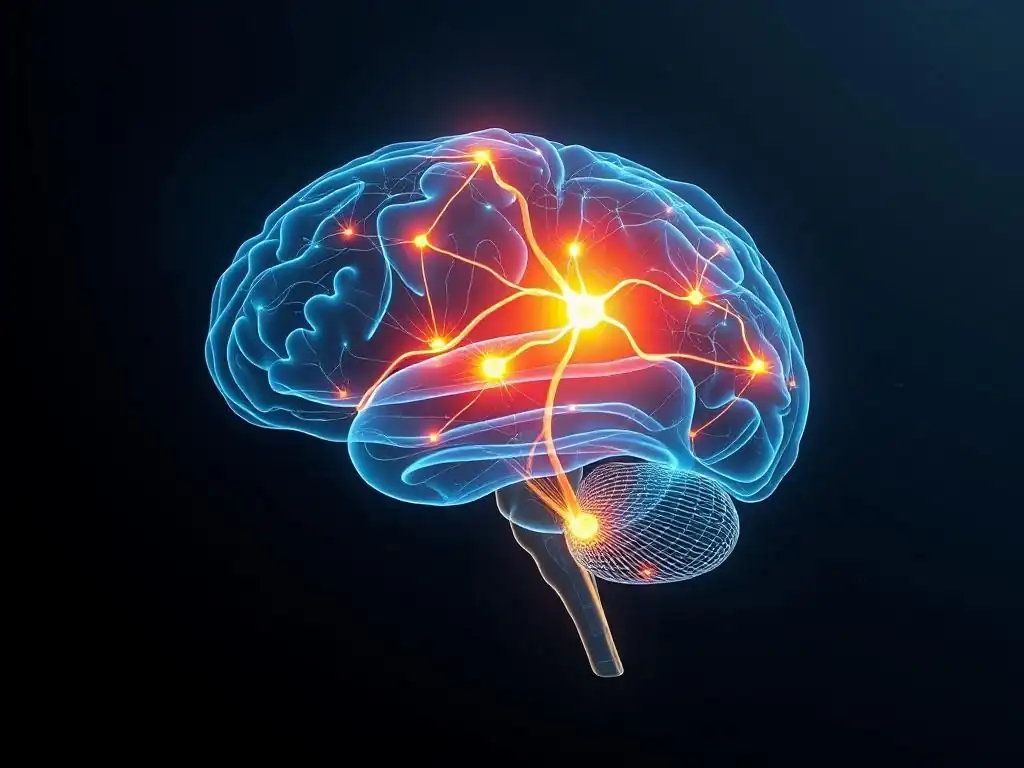
Welcome to Mind Care Guide, your sanctuary for understanding and nurturing your mental well-being. Ever wondered why certain behaviors feel so compelling, so intrinsically rewarding? This feeling is orchestrated by a fascinating network within your brain. In this article, we delve deep into the intricacies of brain reward system pathways, from the Ventral Tegmental Area (VTA) to the Nucleus Accumbens, unraveling the neuroscience that shapes our motivations and behaviors. Prepare to discover the power—and the potential pitfalls—hidden within these vital neural circuits.
From VTA to Nucleus Accumbens: Mapping Your Brain's Reward System
- Understanding the Brain Reward System Pathways
- Key Components of the Brain's Reward Circuitry
- The VTA to Nucleus Accumbens Pathway: A Detailed Exploration
- Factors Influencing Brain Reward System Activity
- Dysfunction of Brain Reward Pathways: Implications for Mental Health
- Strategies for Supporting a Healthy Reward System
- Therapeutic Interventions Targeting the Brain Reward System
- The Future of Brain Reward System Research
- Conclusion: Optimizing Your Brain's Reward System for Well-being
-
Frequently Asked Questions
- ### What are the primary pathways involved in the brain's reward system?
- ### How does the VTA contribute to the brain's reward system?
- ### What role does the Nucleus Accumbens play in reward processing?
- ### What happens when the brain's reward system pathways are disrupted?
- ### How can understanding these pathways help improve mental well-being?
- Final Reflection: Rewiring Your Reward, Rewiring Your Life
- Unlock Your Brain's Reward Potential
Understanding the Brain Reward System Pathways
What is the Brain's Reward System and Why Does it Matter?
The brain's reward system is a complex network of neural structures that plays a crucial role in motivation, learning, and experiencing pleasure. Its primary function is to reinforce behaviors essential for survival, such as eating, drinking, and reproduction, by associating them with positive feelings. When you engage in a rewarding activity, your brain releases neurochemicals that signal pleasure and satisfaction, encouraging you to repeat that behavior. This system is fundamental to our ability to learn from experiences and pursue goals, shaping our daily actions and long-term aspirations.
Understanding the intricate workings of these brain reward system pathways is vital because their dysfunction is implicated in a wide range of mental health conditions. From the compulsive behaviors seen in addiction to the lack of motivation and joy characteristic of depression, disruptions in how the brain processes rewards can profoundly impact well-being.
For instance, studies using fMRI have shown that individuals with depression often exhibit reduced activity in key reward areas like the Nucleus Accumbens when anticipating or receiving rewards compared to healthy individuals. Recognizing the components and processes involved in these pathways provides critical insight into the basis of such disorders and potential avenues for intervention.
The Role of Dopamine in Reward and Motivation
Dopamine is a key neurotransmitter intimately associated with the brain reward system pathways. Often described as the "pleasure molecule," its role is more nuanced; it's primarily involved in signaling the salience and predictiveness of rewards and motivating goal-directed behavior. When something unexpectedly rewarding happens, there's a surge of dopamine release. Over time, as you learn to anticipate a reward based on cues, the dopamine release shifts to the anticipation of the reward, driving you to seek it out. This "prediction error" mechanism is fundamental to learning and habit formation.
This powerful chemical messenger originates in specific brain regions, most notably the Ventral Tegmental Area (VTA), and projects to various target areas, forming distinct pathways. The mesolimbic pathway, running from the VTA to the Nucleus Accumbens and other limbic structures, is the most famous for its role in reward and motivation. Another pathway, the mesocortical, projects from the VTA to the prefrontal cortex and is involved in executive functions like planning and decision-making related to rewards.
The precise timing and location of dopamine release within these brain reward system pathways dictate its effect, influencing everything from immediate urges to long-term goal pursuit. For example, anticipating a small reward might trigger a dopamine release of 50% above baseline in the NAc, while a highly desired reward could cause a 100% or more increase.
Key Components of the Brain's Reward Circuitry
The Ventral Tegmental Area (VTA): The Origin of Dopamine
Located in the midbrain, the Ventral Tegmental Area (VTA) serves as the primary source of dopamine neurons for the brain's major reward pathways. These neurons synthesize dopamine and project their axons to numerous forebrain regions, including the Nucleus Accumbens, prefrontal cortex, amygdala, and hippocampus. The VTA is highly responsive to novel stimuli and rewards, firing in response to unexpected positive events or cues that predict such events. Its activity is a critical initial step in the process of experiencing pleasure and being motivated to seek rewards.
The V VTA's activity is not solely determined by incoming sensory information; it receives input from many other brain areas that provide context. For example, input from the lateral hypothalamus signals hunger or thirst, influencing the VTA to become more responsive to food or water rewards.
The VTA's dopamine-producing neurons are also modulated by other neurotransmitters, such as glutamate and GABA, as well as neuropeptides. This complex interplay ensures that dopamine release is finely tuned to the perceived value and context of potential rewards, making the VTA a dynamic control center at the heart of the brain reward system pathways.
The Nucleus Accumbens (NAc): The Reward Center
Often referred to as the "reward center," the Nucleus Accumbens (NAc) is a crucial structure located in the forebrain, part of the ventral striatum. It receives a dense projection of dopamine-carrying axons from the VTA. When dopamine is released into the NAc, it acts on dopamine receptors (primarily D1 and D2 types) on NAc neurons, influencing their activity. The NAc integrates this dopamine signal with information from other brain regions, such as the amygdala (emotional input), hippocampus (contextual memory), and prefrontal cortex (executive control). This integration is essential for translating the raw reward signal into motivational drive and action.
The NAc is not a monolithic structure but has two main subdivisions: the core and the shell. While both receive VTA dopamine, they project to different areas and are thought to play slightly distinct roles in the brain reward system pathways.
The shell is often associated with processing the hedonic impact or "liking" of rewards and initiating motivated behaviors, while the core is more involved in translating motivation into concrete motor actions and habit formation. Dysfunction in the NAc is strongly linked to various mental health issues; for instance, reduced NAc volume or activity is sometimes observed in individuals with major depressive disorder experiencing anhedonia.
The Prefrontal Cortex (PFC): Decision Making and Executive Function
The Prefrontal Cortex (PFC), the most evolved part of the brain located at the front, receives significant dopamine input from the VTA (via the mesocortical pathway) and is richly interconnected with the NAc. While the VTA and NAc signal the immediate value and motivational pull of a reward, the PFC is responsible for evaluating that reward in a broader context, considering long-term consequences, planning behaviors to obtain the reward, and inhibiting impulsive actions.
It allows us to delay gratification, make choices between competing rewards, and adapt our strategies based on past outcomes. For example, the ventromedial PFC is crucial for assigning subjective value to choices, while the dorsolateral PFC is involved in maintaining goals and planning sequences of actions.
Dopamine signaling in the PFC is critical for optimal cognitive function related to rewards. Too little or too much dopamine here can impair working memory, attention, and decision-making. For instance, in conditions like ADHD, hypothesized differences in PFC dopamine levels or signaling may contribute to difficulties with sustained attention on tasks that aren't immediately rewarding and challenges with inhibitory control. The PFC exerts top-down control over the VTA and NAc, allowing for conscious regulation of our impulses and guiding behavior towards more abstract or delayed rewards, highlighting its executive role in navigating complex brain reward system pathways.
Amygdala: Emotional Significance of Rewards and Aversion
The amygdala, an almond-shaped structure deep within the temporal lobe, is primarily known for its role in processing emotions, particularly fear. However, it is also an integral component of the brain reward system pathways, receiving projections from the VTA and projecting to the NAc and PFC. The amygdala's function in this circuit is to imbue stimuli and experiences with emotional significance. It helps us learn to associate specific cues or contexts with impending rewards or punishments, adding an emotional layer to our motivational responses.
By associating emotional states with potential outcomes, the amygdala enhances the predictive power of cues within the reward system. For example, seeing a restaurant sign might trigger a feeling of pleasant anticipation if you've had good experiences there, or mild aversion if you got sick there.
This emotional tagging, facilitated by the amygdala's connections with the VTA and NAc, helps prioritize which potential rewards are worth pursuing and which risks to avoid. Dysfunction in the amygdala's interaction with the reward system is implicated in anxiety disorders and depression, where altered emotional processing can interfere with the experience of pleasure or amplify responses to negative outcomes.
The VTA to Nucleus Accumbens Pathway: A Detailed Exploration
How Dopamine Travels from the VTA to the Nucleus Accumbens
The mesolimbic pathway is the primary route through which dopamine signals crucial for reward and motivation travel from the midbrain to the forebrain. This pathway consists of neurons whose cell bodies reside in the Ventral Tegmental Area (VTA). These VTA neurons extend long axons that project forward through the medial forebrain bundle and terminate in the Nucleus Accumbens (NAc), as well as other limbic areas like the amygdala and hippocampus. When a VTA neuron is activated, often in response to a reward or a reward-predicting cue, it fires action potentials down its axon to the NAc.
Upon reaching the axon terminals in the NAc, the action potential triggers the release of dopamine into the synaptic cleft – the tiny gap between the VTA neuron's terminal and the NAc neuron's dendrite. Dopamine molecules then diffuse across this gap and bind to specific dopamine receptors (D1-like, which are excitatory, and D2-like, which are inhibitory) located on the surface of NAc neurons. This binding alters the activity of the NAc neuron, influencing its likelihood of firing its own action potential.
The signal is terminated when dopamine is cleared from the synapse, primarily through reuptake by dopamine transporters (DAT) located on the VTA neuron's terminal, or enzymatic degradation. This intricate process of synthesis, release, binding, and reuptake orchestrates the flow of reward information along these vital brain reward system pathways.
Glutamate and GABA: Key Neurotransmitters in Reward Circuitry
While dopamine is central, the activity of the VTA-NAc pathway is heavily modulated by other neurotransmitters, most notably glutamate and GABA. Glutamate is the brain's primary excitatory neurotransmitter. Glutamatergic inputs from areas like the prefrontal cortex, amygdala, and hippocampus project to both the VTA and the NAc. In the VTA, glutamate can excite dopamine neurons, increasing dopamine release. In the NAc, glutamate influences the activity of NAc neurons and also interacts with dopamine signals. For instance, concurrent dopamine and glutamate release in the NAc can trigger cellular changes underlying learning.
GABA (gamma-aminobutyric acid) is the brain's main inhibitory neurotransmitter. GABAergic neurons are found within the VTA (acting as interneurons that inhibit dopamine neurons) and project from the NAc to other brain areas, forming output pathways. GABA also projects to the VTA from areas like the NAc and ventral pallidum, providing inhibitory feedback.
The balance between excitatory glutamatergic input and inhibitory GABAergic input is crucial for regulating the firing patterns of VTA dopamine neurons and the activity of NAc neurons. For example, inhibiting GABA interneurons in the VTA (as some drugs do) leads to disinhibition of dopamine neurons and increased dopamine release, powerfully altering the brain reward system pathways.
Long-Term Potentiation and Depression in Reward Pathways
The brain reward system pathways, particularly the connections within the VTA-NAc circuit and its inputs, exhibit synaptic plasticity – the ability of synapses to strengthen or weaken over time in response to activity. Two key forms of plasticity are Long-Term Potentiation (LTP), a persistent strengthening of synapses, and Long-Term Depression (LTD), a persistent weakening. These processes are thought to be the cellular basis of learning and memory, and they are critically involved in how we learn to associate cues with rewards and form habits.
Repeated exposure to rewards or reward-predicting cues can induce LTP at synapses in the NAc, often involving glutamatergic inputs from the PFC or amygdala, and modulated by dopamine. This strengthening makes the NAc neurons more responsive to these specific inputs in the future, reinforcing the association between the cue/context and the reward.
Conversely, LTD can occur, potentially weakening responses to cues that no longer predict rewards or to stimuli that are associated with negative outcomes. This dynamic process of strengthening and weakening synapses within the brain reward system pathways allows for flexible learning and adaptation, although maladaptive plasticity is also central to the development of addiction and other disorders.
Factors Influencing Brain Reward System Activity
Natural rewards are stimuli or experiences that are inherently pleasurable and crucial for survival and propagation of the species. These include basic physiological needs like food, water, and sex, as well as social interactions. When we experience these natural rewards, there is a robust activation of the brain reward system pathways. For instance, eating a favorite meal when hungry triggers dopamine release in the Nucleus Accumbens, reinforcing the behavior of seeking and consuming that food. Studies have shown that the magnitude of dopamine release is often proportional to the subjective pleasure or biological need.
Beyond basic needs, complex social rewards like positive feedback, social acceptance, or even viewing attractive faces also activate the VTA-NAc circuit. For example, receiving positive social feedback in an experiment can increase NAc activity similar to monetary rewards. The anticipation of social interaction or the feeling of connection can also drive dopamine release.
These natural rewards are essential for healthy brain function and motivation; disruptions in the system's response to these stimuli can contribute to conditions like anhedonia in depression or social withdrawal. The brain is wired to prioritize and learn from these fundamental rewarding experiences via these crucial brain reward system pathways.
The Effects of Drugs and Addiction on the Reward System
Perhaps the most dramatic impact on the brain reward system pathways comes from drugs of abuse. Unlike natural rewards, which cause a transient increase in dopamine release, most addictive drugs cause a massive and prolonged surge of dopamine in the Nucleus Accumbens. For instance, cocaine blocks the reuptake of dopamine, leading to its accumulation in the synapse, sometimes increasing levels by 200-300%. Amphetamines not only block reuptake but also force dopamine release from the neuron, potentially increasing synaptic levels by 500-1000%. Nicotine stimulates VTA dopamine neurons directly, and opioids inhibit VTA GABA interneurons, disinhibiting dopamine neurons and boosting release.
This unnaturally high and sustained level of dopamine release "hijacks" the system, overwhelming the normal signaling process. Chronic exposure to drugs leads to neuroadaptations: the brain attempts to compensate by reducing dopamine receptor sensitivity or density and altering synaptic connections in the NAc and PFC. This results in tolerance, where more drug is needed to achieve the same effect, and a blunted response to natural rewards, contributing to anhedonia and driving compulsive drug seeking. The powerful, artificial stimulation fundamentally rewires the brain reward system pathways, making recovery challenging due to persistent changes in motivation and decision-making circuits.
Chronic Stress and Its Influence on Reward Pathways
Chronic stress can have a profound and often detrimental impact on the brain reward system pathways. Prolonged exposure to high levels of stress hormones like cortisol can lead to structural and functional changes in key areas, including the VTA, NAc, and PFC. For example, chronic stress has been shown in animal models to reduce the excitability of VTA dopamine neurons and decrease dopamine release in the NAc in response to rewards. It can also alter the balance of excitatory and inhibitory inputs onto these neurons.
Furthermore, chronic stress can impair the function of the prefrontal cortex, reducing its ability to exert inhibitory control over impulsive behavior and decision-making related to rewards. This can make individuals more vulnerable to developing addiction or exacerbate existing substance use disorders.
Stress is also a significant risk factor for depression, and its impact on the reward system, particularly the reduction in responsiveness to natural rewards, is thought to be a major contributor to stress-induced anhedonia and lack of motivation. Managing stress is therefore a critical component of maintaining the health and optimal function of these vital brain reward system pathways.
Genetic Predisposition and Environmental Influences on Reward Sensitivity
Individual differences in the structure and function of the brain reward system pathways are influenced by both genetic and environmental factors. Our genetic makeup can affect various aspects of dopamine signaling, such as the number or sensitivity of dopamine receptors (like variations in the DRD2 gene), the efficiency of dopamine transporters (DAT), or the enzymes involved in dopamine synthesis and metabolism.
These genetic variations can contribute to differences in how sensitive individuals are to rewards or how vulnerable they might be to developing conditions like addiction or depression. For example, some studies suggest that individuals with certain variants of the DRD2 receptor gene may be at higher risk for substance use disorders.
Environmental factors, particularly during critical periods of development, also play a significant role. Early life stress, trauma, or neglect can alter the development and function of the VTA, NAc, and PFC, potentially leading to long-lasting changes in reward sensitivity and stress reactivity. Conversely, a supportive and enriching environment can foster healthy development of these pathways.
Exposure to drugs of abuse, especially during adolescence when the reward system is still maturing, can induce profound and persistent changes. The interplay between genetic predispositions and environmental experiences shapes the unique characteristics of each individual's brain reward system pathways, influencing their behavior and vulnerability to mental health challenges throughout life.
Dysfunction of Brain Reward Pathways: Implications for Mental Health
Addiction and Substance Use Disorders
Addiction is a chronic, relapsing brain disease characterized by compulsive drug seeking and use despite harmful consequences. It is fundamentally a disorder of the brain reward system pathways. Addictive drugs hijack the system by producing unnaturally large and rapid increases in dopamine in the Nucleus Accumbens, far exceeding the response to natural rewards. This intense signal strongly reinforces drug-taking behavior. Over time, the brain adapts to this excessive stimulation by reducing the sensitivity of dopamine receptors and altering other synaptic connections in the NAc and prefrontal cortex.
These neuroadaptations lead to profound changes in motivation and decision-making. The user experiences tolerance, requiring more drug to feel the same effect, and a decreased ability to feel pleasure from natural rewards (anhedonia), driving them to seek the drug compulsively simply to feel "normal" or avoid withdrawal.
The PFC's ability to inhibit impulsive behavior is weakened, while the amygdala and hippocampus form strong associations between drug cues and reward anticipation, triggering intense cravings. The long-term changes in these brain reward system pathways explain why addiction is so difficult to overcome and why relapse is common, even after long periods of abstinence.
Depression and Anhedonia: Loss of Pleasure
Dysfunction in the brain reward system pathways is strongly implicated in the pathophysiology of depression, particularly the symptom of anhedonia – the loss of interest or pleasure in activities that were once enjoyable. While depression is complex and involves multiple brain circuits and neurotransmitters (like serotonin and norepinephrine), alterations in dopamine signaling and the function of the VTA-NAc-PFC pathway are key contributors to motivational deficits and the inability to experience pleasure.
Research using neuroimaging techniques has shown that individuals with depression often exhibit reduced activity in the Nucleus Accumbens when anticipating or receiving rewards compared to healthy controls. There may also be reduced connectivity between the VTA, NAc, and prefrontal cortex, or alterations in dopamine receptor sensitivity.
This blunted response to positive stimuli means that everyday activities, social interactions, or achievements that would normally activate the reward system and motivate behavior fail to do so, leading to feelings of emptiness, lack of motivation, and despair characteristic of depressive states. Understanding these specific deficits in the brain reward system pathways is crucial for developing more targeted treatments for anhedonia.
ADHD and Impaired Motivation
Attention-Deficit/Hyperactivity Disorder (ADHD) is characterized by persistent patterns of inattention and/or hyperactivity-impulsivity that interfere with functioning or development. While traditionally viewed through the lens of executive function deficits in the prefrontal cortex, emerging research highlights the role of the brain reward system pathways in ADHD symptoms, particularly those related to motivation and delay aversion. Theories suggest that differences in dopamine signaling, potentially involving dopamine transporter (DAT) function or receptor sensitivity, may contribute to how individuals with ADHD process rewards and respond to reinforcement.
One hypothesis is that individuals with ADHD may have a hypodopaminergic state in certain brain regions, or that their dopamine system is less responsive to delayed or less salient rewards. This could explain why they may struggle to sustain effort on tasks that are not immediately rewarding or highly stimulating, preferring activities that provide instant gratification.
Difficulties with inhibiting impulsive behaviors could also stem from altered interaction between the NAc and PFC within the reward circuit. Medications used to treat ADHD, such as stimulants (like methylphenidate or amphetamines), work by increasing dopamine and norepinephrine levels, which can improve function in the prefrontal cortex and potentially normalize reward processing, supporting the role of these brain reward system pathways in the disorder.
Schizophrenia and Aberrant Reward Processing
Schizophrenia is a severe mental disorder characterized by profound disruptions in thought processes, perceptions, emotional responsiveness, and social interactions. While complex and involving multiple neurotransmitter systems and brain regions, dopamine dysregulation, particularly within the mesolimbic and mesocortical pathways, is strongly implicated. Historically, the "dopamine hypothesis" focused on excessive dopamine activity in certain areas (like the striatum, including the NAc) contributing to positive symptoms like hallucinations and delusions. However, research now points to a more nuanced picture involving both excessive and deficient dopamine signaling in different pathways or brain states.
Deficits in the brain reward system pathways, specifically related to processing and responding to rewards, are thought to contribute significantly to the negative symptoms of schizophrenia, such as avolition (lack of motivation), anhedonia (inability to feel pleasure), and social withdrawal. Studies have shown that individuals with schizophrenia may have reduced activity in the Nucleus Accumbens when anticipating rewards and difficulties in learning from reward cues.
This impaired reward processing can make it challenging to engage in goal-directed behavior, form social connections, and experience joy, contributing to the debilitating nature of the illness. Understanding the specific ways these brain reward system pathways are altered is crucial for developing effective treatments for these often-resistant symptoms.
Strategies for Supporting a Healthy Reward System
Healthy Lifestyle Choices: Diet, Exercise, and Sleep
Maintaining a healthy lifestyle is foundational for supporting the optimal function of the brain reward system pathways. A balanced diet provides the necessary building blocks for neurotransmitter synthesis and overall brain health. For example, dopamine is synthesized from the amino acid tyrosine, which is obtained from protein-rich foods. Omega-3 fatty acids are also crucial for neuronal membrane health and synaptic function. While no specific "dopamine diet" exists, ensuring adequate nutrition supports the system's capacity.
Regular physical exercise has been shown to have significant positive effects on the brain, including influencing the reward system. Exercise can increase dopamine levels, as well as endorphins, contributing to feelings of well-being and potentially improving sensitivity to natural rewards. Aiming for at least 150 minutes of moderate-intensity exercise per week, as recommended by health guidelines, can be beneficial.
Adequate sleep is also vital, as sleep deprivation can impair dopamine signaling and reduce reward sensitivity. Prioritizing 7-9 hours of quality sleep per night helps regulate circadian rhythms that influence neurotransmitter release patterns, contributing to the healthy functioning of the brain reward system pathways.
Mindfulness and Stress Reduction Techniques
Chronic stress is detrimental to the brain reward system pathways, potentially leading to reduced reward sensitivity and increased vulnerability to related disorders. Implementing stress reduction techniques can help mitigate these negative effects. Practices like mindfulness meditation, deep breathing exercises, yoga, or spending time in nature have been shown to reduce stress hormone levels and promote relaxation.
Mindfulness, in particular, can influence brain regions interconnected with the reward system, such as the prefrontal cortex and amygdala. By training attention and awareness, mindfulness can help individuals become less reactive to stress triggers and negative emotions, potentially improving emotional regulation and reducing the impact of stress on reward processing.
Regular practice may enhance the PFC's executive control over impulsive urges, which is beneficial for managing behaviors related to the brain reward system pathways, such as cravings or seeking immediate gratification. Incorporating stress management into your routine is a proactive step towards protecting your brain's capacity for motivation and pleasure.
Humans are inherently social beings, and positive social interactions are powerful natural rewards that activate the brain reward system pathways. Connecting with others, feeling a sense of belonging, and engaging in supportive relationships trigger the release of neurochemicals like oxytocin, which can interact with the dopamine system and enhance feelings of pleasure and bonding. Conversely, social isolation and loneliness can be significant stressors and are associated with negative impacts on both mental and physical health, potentially contributing to dysfunction in the reward system.
Nurturing positive relationships and actively engaging in social activities can provide consistent, healthy activation of the VTA-NAc circuit, reinforcing prosocial behaviors and contributing to overall well-being. Making time for friends and family, participating in community groups, or volunteering can all provide valuable social rewards. These interactions offer not just pleasure but also emotional support, which can buffer against the negative effects of stress and promote resilience in the face of challenges that might otherwise impact the health of your brain reward system pathways.
Goal Setting and Achievement
Setting goals and working towards their achievement provides a structured way to engage the brain reward system pathways in a healthy and constructive manner. The process of pursuing a goal, anticipating the reward of its completion, and finally achieving it, involves sustained activation within the reward circuit. Dopamine is released not only upon receiving a reward but also during the anticipation of the reward and during the effort exerted to obtain it, reinforcing the goal-directed behavior itself.
Breaking down larger goals into smaller, manageable steps allows for more frequent experiences of accomplishment, each providing a mini-reward that helps maintain motivation. Celebrating these small wins is important, as it reinforces the connection between effort and positive outcome within the reward system. Whether it's completing a task at work, finishing a workout, or learning a new skill, the act of setting and achieving goals strengthens the neural pathways associated with motivated behavior and reinforces the brain's ability to learn from positive experiences, contributing to the health and function of your brain reward system pathways.
Therapeutic Interventions Targeting the Brain Reward System
Cognitive Behavioral Therapy (CBT) for Addiction and Depression
Cognitive Behavioral Therapy (CBT) is a widely used and evidence-based psychotherapy that, while not directly targeting neurochemical pathways pharmacologically, works by helping individuals identify and change negative thought patterns and behaviors that contribute to mental health issues. In the context of addiction, CBT helps individuals recognize triggers for cravings, develop coping strategies to resist urges, and modify beliefs about drug use and rewards. It aims to strengthen the prefrontal cortex's executive control over impulsive urges originating from the amygdala and NAc.
For depression, CBT helps individuals challenge negative thoughts about themselves, the world, and the future, which can contribute to anhedonia and lack of motivation. Behavioral activation, a component of CBT, specifically encourages individuals to schedule and engage in activities they previously found rewarding, even if they don't feel like it initially.
The goal is to re-expose the individual to potential sources of natural reward, providing opportunities to reactivate blunted brain reward system pathways and break the cycle of inactivity and lack of pleasure. Studies show CBT can be highly effective, sometimes reducing relapse rates in addiction by 40-60% or significantly improving depressive symptoms in a majority of patients.
Pharmacological Interventions: Antidepressants and Anti-Addiction Medications
Pharmacological treatments often directly or indirectly target neurotransmitter systems involved in the brain reward system pathways. For depression, some antidepressants, like bupropion (Wellbutrin), primarily affect dopamine and norepinephrine reuptake, potentially enhancing signaling in reward circuits and improving motivation and anhedonia. Other antidepressants, like SSRIs (selective serotonin reuptake inhibitors), primarily target serotonin but can indirectly influence dopamine release and receptor sensitivity over time.
For addiction, medications can work in various ways to modulate the reward system. Naltrexone, an opioid receptor antagonist, can reduce the rewarding effects of alcohol and opioids. Buprenorphine and methadone are opioid agonists used in opioid addiction treatment that stabilize opioid receptors, normalizing activity in reward pathways and reducing cravings and withdrawal symptoms.
Stimulant medications used for ADHD (e.g., methylphenidate, amphetamines) increase dopamine and norepinephrine in the synapse, which can improve attention and reduce impulsivity, potentially by enhancing signaling in the PFC and modulating reward sensitivity. These medications aim to restore a healthier balance within the brain reward system pathways.
Emerging Therapies: TMS and Neurofeedback
Beyond traditional therapies, several emerging interventions show promise in modulating the brain reward system pathways. Transcranial Magnetic Stimulation (TMS) is a non-invasive procedure that uses magnetic pulses to stimulate specific areas of the brain. Repetitive TMS (rTMS) applied to the dorsolateral prefrontal cortex (DLPFC), an area strongly connected to the reward system, is an FDA-approved treatment for major depression.
It is thought to modulate the activity of the DLPFC and its connections to deeper structures like the NAc, potentially improving reward processing and executive control. Studies have shown that rTMS can lead to remission rates of around 30% in treatment-resistant depression.
Neurofeedback is another technique that aims to train individuals to self-regulate their brain activity patterns, often measured by EEG or fMRI. By providing real-time feedback on the activity in specific brain regions (like the NAc or areas of the PFC) or on specific brainwave patterns associated with reward processing or motivation, individuals can learn to voluntarily increase or decrease activity in those areas. While still largely experimental for many reward-related disorders, neurofeedback holds potential as a non-pharmacological approach to help individuals gain more conscious control over the function of their brain reward system pathways.
The Future of Brain Reward System Research
Unraveling the Complexity of Dopamine Signaling
Future research into the brain reward system pathways is focused on understanding the incredible complexity of dopamine signaling beyond simple release and receptor binding. Scientists are investigating the roles of different dopamine receptor subtypes (e.g., D1, D2, D3, D4, D5) and their specific locations and functions within the VTA-NAc-PFC circuit. Research is also exploring the significance of different patterns of dopamine release – tonic (baseline) vs. phasic (bursts in response to cues/rewards) – and how these different modes of signaling contribute to motivation, learning, and habit formation.
Furthermore, the field is delving into the interactions of dopamine with other neurotransmitters and neuromodulators within the reward system, including glutamate, GABA, serotonin, opioids, cannabinoids, and peptides like ghrelin and leptin, which signal metabolic state. The role of glial cells (non-neuronal brain cells) in modulating synaptic function and dopamine signaling is also an active area of research. Utilizing advanced techniques such as optogenetics (using light to control neuronal activity), chemogenetics, and sophisticated in vivo imaging, researchers are gaining unprecedented insight into the precise dynamics of these complex brain reward system pathways in real-time.
A major goal of understanding the intricate details of the brain reward system pathways is to develop more precise and effective treatments for related disorders like addiction, depression, and anhedonia. Current medications often have broad effects across multiple brain regions and neurotransmitter systems, leading to side effects. Future therapies aim to target specific cell types, receptors, or circuits within the reward system implicated in a particular disorder.
This could involve developing drugs that selectively target specific dopamine receptor subtypes in certain brain areas, modulate the activity of specific glutamatergic or GABAergic inputs to the VTA or NAc, or enhance the function of dopamine transporters or synthesizing enzymes only where needed. Gene therapy approaches are also being explored to potentially correct underlying genetic vulnerabilities or restore the expression of key proteins in reward circuits. The hope is that these highly targeted interventions will be more effective at normalizing the function of specific brain reward system pathways with fewer unwanted side effects, offering improved outcomes for patients.
Personalized Approaches to Mental Health Treatment
Recognizing that the brain reward system pathways can be dysregulated in diverse ways in different individuals, the future of treatment is moving towards personalized approaches. Instead of a one-size-fits-all model, treatments could be tailored based on an individual's specific profile of reward system dysfunction, which might be assessed through a combination of genetic testing, brain imaging (e.g., fMRI, PET), behavioral assessments, and clinical symptoms.
For example, some individuals with depression might have primary deficits in the anticipation of reward (linked to VTA-NAc activity), while others might have issues with the experience or maintenance of pleasure (potentially involving opioid or cannabinoid systems or PFC dysfunction). Similarly, different forms of addiction might involve distinct patterns of neuroadaptation in the reward circuit.
Personalized medicine aims to match the individual's specific biological and psychological profile to the most appropriate therapy, whether it's a particular medication, a targeted neurostimulation technique like TMS focused on a specific circuit, or a tailored psychotherapy approach. Understanding the unique landscape of each person's brain reward system pathways is key to optimizing their well-being.
Conclusion: Optimizing Your Brain's Reward System for Well-being
The journey from the Ventral Tegmental Area to the Nucleus Accumbens, and its intricate connections with the prefrontal cortex and amygdala, reveals the fundamental neural architecture underlying our motivation, pleasure, and goal-directed behavior. These brain reward system pathways are essential for learning, adaptation, and survival, constantly driving us to seek out experiences that are beneficial. However, as we've explored, these same pathways are vulnerable to dysfunction, playing a central role in debilitating mental health conditions like addiction, depression, and ADHD.
Understanding the delicate balance of neurotransmitters like dopamine, glutamate, and GABA, and how lifestyle, stress, genetics, and environment influence this system, empowers us to take proactive steps towards supporting its health. By prioritizing healthy habits such as balanced nutrition, regular exercise, sufficient sleep, and stress management, we can foster resilience in these crucial circuits.
Cultivating positive social connections and engaging in meaningful goal-directed activities provide natural, healthy activation of the reward system, reinforcing positive behaviors. While therapeutic interventions continue to evolve, from established psychotherapies and medications to promising emerging technologies, recognizing the importance of these brain reward system pathways is the first step in navigating challenges and optimizing our capacity for motivation, pleasure, and overall well-being.
Frequently Asked Questions
### What are the primary pathways involved in the brain's reward system?
The primary pathways involve the Ventral Tegmental Area (VTA), which releases dopamine to the Nucleus Accumbens. This circuit is crucial for feelings of pleasure and motivation.
### How does the VTA contribute to the brain's reward system?
The VTA is the origin point, producing dopamine, a neurotransmitter that's directly linked to pleasure and reward processing. Its projections to other brain areas drive reward-related behaviors.
### What role does the Nucleus Accumbens play in reward processing?
The Nucleus Accumbens receives dopamine from the VTA and is critical for motivating behavior and assigning value to experiences. This area influences decision-making based on potential rewards.
### What happens when the brain's reward system pathways are disrupted?
Disruptions can lead to conditions like addiction, depression, and other mental health disorders. These conditions often involve imbalances in dopamine levels or receptor function.
### How can understanding these pathways help improve mental well-being?
Knowing how these pathways function can inform targeted therapies and lifestyle changes that support healthy reward processing. This can lead to better emotional regulation and motivation.
Final Reflection: Rewiring Your Reward, Rewiring Your Life
Understanding the brain's reward pathways, specifically the intricate journey from the Ventral Tegmental Area (VTA) to the Nucleus Accumbens, is not just a neurological exercise; it's a key to unlocking a deeper understanding of motivation, addiction, and ultimately, happiness. This knowledge, once confined to scientific journals, is now increasingly relevant in our daily lives, as we grapple with the pervasive influence of technology, social media, and instant gratification. The pathways we've explored aren't just abstract concepts; they are the very mechanisms driving our choices and shaping our experiences.
The impact of this understanding extends far beyond the laboratory. By recognizing the power of these neural circuits, we can begin to make more conscious choices about how we engage with the world. We can start to identify unhealthy reward loops and develop strategies to reshape them. As the philosopher William James wisely stated, Whatwe habitually do, we gradually become.
This quote underscores the profound influence our repeated actions – and the underlying neural pathways they activate – have on shaping our character and well-being. Understanding the VTA-Nucleus Accumbens pathway allows us to consciously cultivate healthier habits and redirect our reward systems towards more fulfilling pursuits.
Now, consider your own life. Reflect on the activities that bring you genuine joy and fulfillment. Are these activities activating your reward system in a healthy and sustainable way? Or are you inadvertently reinforcing less beneficial patterns? Take this knowledge as a starting point for self-discovery. Begin to consciously cultivate activities that nourish your mind and body, strengthening the pathways associated with long-term well-being. By understanding the mechanics of your brain's reward system, you gain the power to consciously design a more rewarding and fulfilling life.
Unlock Your Brain's Reward Potential
Thanks for exploring the fascinating world of your brain's reward system! We hope you gained a deeper understanding of how the VTA and nucleus accumbens work together to shape your experiences. Now it's time to put this knowledge into action.
- Identify Your Reward Triggers: Take some time today to consciously reflect on what activities truly bring you joy and satisfaction. Journaling your responses can be incredibly insightful!
- Cultivate Rewarding Habits: Based on your reflections, designate time each day to engage in at least one of these rewarding activities. Even small, consistent actions can have a significant impact.
- Share Your Discoveries: Discuss your insights with a friend or family member – sharing your newfound knowledge can strengthen connections and inspire others to explore their own reward systems.
Ready to start consciously shaping your rewarding experiences? What’s one small step you can take today to enhance your brain's natural reward pathways?