
Practical Stress Management Kits: What Online Courses Often Include


Welcome to Mind Care Guide, your sanctuary for nurturing mental well-being.
Feeling overwhelmed and searching for effective stress relief? You're not alone. This article dives into the heart of stress management kit online courses, revealing the practical tools and techniques you can expect to find. Discover how these courses can empower you to regain control and cultivate a calmer, more resilient you. Curious what secrets they hold? Let's explore...
Practical Stress Management Kits: What Online Courses Often Include for Mental Wellness
- Understanding Stress Management Kits in Online Courses
-
Core Components of a Digital Stress Management Kit
- Module 1: Identifying Your Personal Stressors and Symptoms
- Module 2: Relaxation Techniques and Mindfulness Practices for Anxiety Relief
- Module 3: Cognitive Behavioral Therapy (CBT) Techniques for Stress Management
- Module 4: Time Management and Organizational Skills for Stress Reduction
- Module 5: Physical Activity and Healthy Lifestyle Integration for Wellbeing
- Beyond the Basics: Advanced Stress Management Course Components
- Choosing the Right Online Stress Management Course
- Maximizing the Benefits of Your Stress Management Training
-
Frequently Asked Questions
- What are the core components typically found in stress management kits offered in online courses?
- How can stress management kits from online courses help with daily life challenges?
- Are the techniques taught in these stress management kits suitable for everyone, or are there any limitations?
- Do stress management kit online courses offer personalized support or just general information?
- What are the benefits of completing a stress management kit online course compared to reading a self-help book on stress?
- Final Reflection: Building Your Resilience, One Course at a Time
- Unleash Your Inner Calm: Start Building Your Stress-Management Kit Today!
Understanding Stress Management Kits in Online Courses
What is a Stress Management Kit and Why is it Important for Stress Reduction?
A stress management kit, particularly in the context of online courses, refers to a curated collection of tools, techniques, and resources designed to help individuals effectively identify, understand, and cope with stress. Unlike a physical kit, a digital stress management kit within an online course is typically comprised of video modules, downloadable worksheets, audio guides, interactive exercises, and supplementary reading materials.
These components are strategically structured to provide a comprehensive approach to stress reduction, offering practical strategies that learners can integrate into their daily lives. The importance of such a kit lies in its ability to empower individuals with actionable steps and knowledge, moving beyond theoretical understanding to practical application.
For someone navigating the complexities of modern life, having a readily accessible set of tools acquired through a stress management kit online course can make a significant difference in managing daily pressures and preventing stress from escalating into more serious health issues.
The utility of a stress management kit for stress reduction is underscored by the pervasive nature of stress in contemporary society. According to a survey conducted in [Year - Insert approximate year here, e.g., 2023], roughly [Percentage - Insert approximate percentage, e.g., 70%] of adults reported experiencing stress regularly, with [Percentage - Insert approximate percentage, e.g., 30%] indicating that their stress levels were high. A well-designed stress management kit online course directly addresses this widespread challenge by providing structured learning paths.
For instance, a core part of many kits involves teaching participants how to recognize the early warning signs of stress, which can be physiological (like headaches or fatigue) or psychological (like irritability or difficulty concentrating). By equipping individuals with the means to identify these signals promptly, the kit enables proactive intervention, preventing stress from building up to debilitating levels.
This preventative aspect is crucial, as chronic stress is linked to numerous health problems, including cardiovascular disease, depression, and anxiety disorders. Therefore, investing time in a stress management kit online course is an investment in long-term health and wellbeing.
The Growing Popularity of Online Stress Management Programs
The landscape of mental wellness education has been significantly transformed by the rise of online platforms, leading to a surge in the popularity of online stress management programs. Several factors contribute to this growth. Firstly, accessibility is a major driver; online courses remove geographical barriers and offer flexibility, allowing individuals to learn at their own pace and schedule, often from the comfort of their homes.
This is particularly appealing to those with busy lives, mobility issues, or those living in areas with limited access to in-person mental health resources. Secondly, the cost-effectiveness of online programs compared to traditional therapy or workshops makes them a more viable option for a wider audience.
Data from platform like Coursera or Udemy often show stress management courses among their top-enrolled categories, indicating a strong demand for accessible and affordable solutions. For example, one popular stress management kit online course on a major platform has reportedly enrolled over [Number - Insert approximate number, e.g., 100,000] students globally.
Furthermore, the diversity and specialization offered by online stress management programs cater to specific needs. Whether someone is dealing with work-related stress, academic pressure, or anxiety stemming from personal challenges, there's likely a stress management kit online course tailored to their situation. Many courses incorporate interactive elements like forums, live Q&A sessions, and peer-to-peer support groups, fostering a sense of community and shared experience that enhances the learning process.
The ability to revisit course materials, such as guided meditations or relaxation technique videos, anytime is another significant advantage. This on-demand access allows learners to reinforce practices and techniques whenever they feel stress levels rising. The convenience, affordability, and diverse content make online stress management programs, including their comprehensive digital kits, an increasingly preferred method for individuals seeking to improve their mental resilience and manage stress effectively.
Core Components of a Digital Stress Management Kit
Module 1: Identifying Your Personal Stressors and Symptoms
Understanding what triggers your stress and how it manifests in your body and mind is the foundational step in any effective stress management plan. A typical stress management kit online course dedicates significant time to helping you identify your unique stress profile. This module often begins by explaining the physiological and psychological responses to stress – the "fight or flight" response – and how it affects different individuals differently. You might learn about common stressors such as work deadlines, financial worries, relationship conflicts, or major life changes, but the focus is on pinpointing your specific triggers.
This involves introspection and often requires dedicated tools to aid the process. Without accurately identifying the sources and signs of stress, attempts to manage it can be misdirected and less effective. For instance, someone might attribute fatigue to lack of sleep when it is, in fact, a primary symptom of chronic work-related stress.
To facilitate this identification process, a stress management kit online course typically includes practical tools. One common tool is a stress diary or journal template. Learners are encouraged to track stressful events, their reactions (emotional, physical, behavioral), and the context in which stress occurs over a period, perhaps one or two weeks.
This practice helps reveal patterns and recurring triggers that might not be obvious otherwise. Another valuable tool is a symptom tracker, which allows individuals to log physical symptoms like headaches, muscle tension, or digestive issues, alongside emotional symptoms such as irritability, anxiety, or low mood. By systematically recording these details, learners gain concrete data about their stress experience.
For example, after tracking for ten days, someone might discover that their headaches consistently occur on Sunday evenings, pointing towards anticipatory stress about the upcoming work week. These tools, often provided as downloadable PDF worksheets or integrated interactive elements, are crucial components of a digital stress management kit online course, turning abstract concepts into actionable self-discovery.
Tools for Self-Assessment: Stress Diaries and Symptom Trackers
Keywords: Recognizing Stress Signals, Understanding the Stress Response, Identifying Stress Triggers
Module 2: Relaxation Techniques and Mindfulness Practices for Anxiety Relief
Once stressors and symptoms are identified, a stress management kit online course pivots to providing practical tools for immediate stress and anxiety relief. Relaxation techniques are a cornerstone of this module. These techniques are designed to activate the body's natural relaxation response, counteracting the effects of the stress response.
The module often introduces various methods, explaining the science behind how they work – for example, how slow, deep breathing can regulate the nervous system. The emphasis is on providing a diverse toolkit so learners can find techniques that resonate with them and fit into their daily routine. A comprehensive stress management kit online course will offer a variety of options, ensuring applicability in different situations, whether someone has five minutes during a work break or a dedicated hour in the evening.
Common elements within this part of a stress management kit include guided meditations, breathing exercises, and progressive muscle relaxation. Guided meditations, often provided as audio or video files, walk the learner through a meditation practice, focusing on breath awareness, body scanning, or cultivating mindfulness. Many online courses integrate or recommend using popular mindfulness apps, which offer libraries of guided sessions varying in length and focus.
Breathing exercises, like diaphragmatic breathing or box breathing, are simple yet powerful tools for immediate calm and focus; the kit might include step-by-step guides or short video tutorials. Progressive muscle relaxation involves tensing and then releasing different muscle groups in the body to reduce overall physical tension. This is typically taught through guided audio or video sessions.
For example, a kit might include a 15-minute audio track for progressive muscle relaxation, along with printable instructions for quick reference. These practical resources are essential components of a stress management kit online course aimed at providing tangible anxiety relief.
Guided Meditations and Breathing Exercises: Utilizing Apps for Calm and Focus
Progressive Muscle Relaxation: Audio and Video Guides
Keywords: Mindfulness for Stress, Relaxation Techniques Online, Deep Breathing Exercises for Anxiety
Module 3: Cognitive Behavioral Therapy (CBT) Techniques for Stress Management
Cognitive Behavioral Therapy (CBT) is a widely recognized and evidence-based approach often included in a robust stress management kit online course. This module focuses on the powerful connection between our thoughts, feelings, and behaviors, and how changing negative or unhelpful thought patterns can significantly reduce stress and anxiety. The core principle is that it's often not the event itself that causes stress, but our interpretation or perception of it.
Therefore, learning to identify and challenge distorted thinking is a key skill taught in this section. A good stress management kit will provide the necessary framework and tools to practice these techniques effectively outside of the course modules.
Practical tools derived from CBT are frequently included in the digital stress management kit. These often take the form of downloadable worksheets and templates designed to help learners apply the concepts. For instance, a common worksheet is a "Thought Record" or "ABC" model (Activating event, Beliefs, Consequences).
Users are guided to write down a stressful situation, identify the thoughts they had about it, and then analyze the resulting emotions and behaviors. Another crucial component is guidance on cognitive restructuring exercises. This involves learning how to evaluate whether a thought is accurate or helpful and developing alternative, more balanced perspectives.
A stress management kit online course might provide step-by-step guides or examples of how to reframe common negative thoughts, such as replacing "I always fail at everything" with "This was a difficult task, and I can learn from this experience." These practical CBT tools empower learners to become their own thought detectives, actively working to reduce the impact of negative thinking on their stress levels.
Identifying and Challenging Negative Thought Patterns: CBT Worksheets and Templates
Cognitive Restructuring Exercises: Changing Negative Thinking Patterns
Keywords: CBT for Stress, Cognitive Restuctive, Thought Challenging Techniques
Module 4: Time Management and Organizational Skills for Stress Reduction
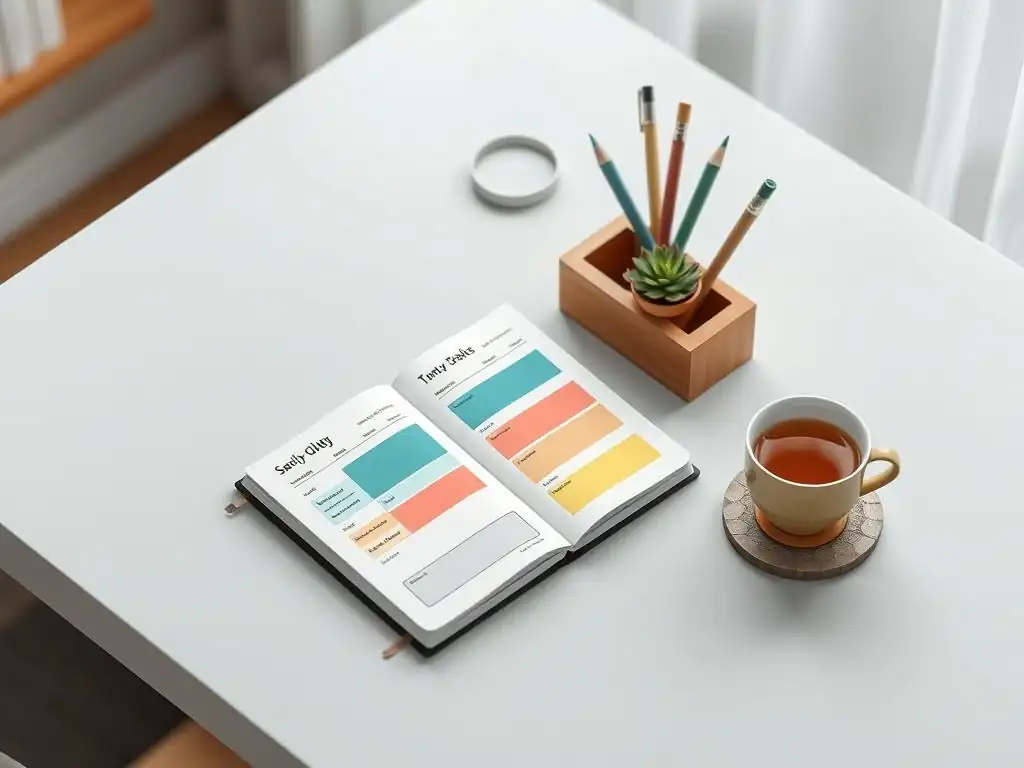
Feeling overwhelmed by too many tasks and commitments is a major source of stress for many individuals. Therefore, a comprehensive stress management kit online course often includes modules dedicated to improving time management and organizational skills. This section goes beyond simple tips and delves into structured methods for planning, prioritizing, and executing tasks efficiently. The aim is not just to get more done, but to reduce the anxiety and stress associated with feeling out of control of one's schedule and responsibilities. Learning to manage time effectively frees up mental space and reduces the feeling of being constantly behind.
Practical tools are essential components of this module within the digital stress management kit. These often include downloadable templates for prioritization matrices, such as the Eisenhower Matrix (Urgent/Important), which helps learners categorize tasks based on their urgency and importance to decide what to do immediately, schedule, delegate, or eliminate. Task management tools might be introduced, ranging from simple to-do lists to suggestions for using project management apps.
The module also focuses on strategies for setting realistic goals and avoiding overcommitment. This involves learning how to say "no" politely, breaking down large tasks into smaller, manageable steps, and estimating the time required for activities accurately.
For example, a stress management kit online course might provide a template for daily or weekly planning, encouraging learners to allocate specific time blocks for tasks and include buffer time for unexpected issues. Mastering these skills, supported by the tools provided, is a vital part of reducing stress related to workload and scheduling.
Prioritization Matrices and Task Management Tools for Increased Productivity
Strategies for Setting Realistic Goals and Avoiding Overcommitment
Keywords: Time Management for Stress, Productivity Tips, Organizational Skills for Anxiety
Module 5: Physical Activity and Healthy Lifestyle Integration for Wellbeing
Recognizing that mental and physical health are intrinsically linked, a well-rounded stress management kit online course incorporates guidance on integrating physical activity and healthy lifestyle choices into stress reduction strategies. This module explains the physiological benefits of exercise, such as the release of endorphins (natural mood boosters) and the reduction of stress hormones like cortisol. It emphasizes that physical activity isn't just about fitness; it's a powerful tool for managing stress, improving mood, and boosting overall resilience. The goal is to encourage learners to find enjoyable ways to move their bodies regularly, regardless of their current fitness level.
The digital stress management kit provides practical resources to support this integration. This might include examples of simple exercise routines suitable for different levels, such as beginner yoga sequences, guided walking meditations, or bodyweight strength training exercises that can be done at home. Some courses might offer downloadable workout plans or links to follow-along videos (though the course itself won't host external videos).
Nutritional guidance is also a common element, explaining how diet affects mood and stress levels. The kit might include information on foods that support brain health and stress management, perhaps offering simple recipe ideas or meal planning templates.
For example, a kit might include a list of nutrient-dense foods known to help regulate mood, such as omega-3 fatty acids found in fish or complex carbohydrates that provide sustained energy. By addressing these lifestyle factors, the stress management kit online course offers a holistic approach to wellbeing, recognizing that managing stress involves nurturing both the mind and the body.
Exercise Routines for Stress Relief: Yoga, Walking, and Strength Training
Nutritional Guidance for Stress Management: Recipes and Meal Planning
Keywords: Exercise for Stress Relief, Healthy Eating for Stress, Physical Wellbeing for Anxiety
Beyond the Basics: Advanced Stress Management Course Components
Biofeedback Training: Understanding Physiological Responses to Stress
Some advanced stress management kit online courses delve into more specialized techniques, such as biofeedback training. Biofeedback is a process where individuals learn to control physiological responses that are typically involuntary, such as heart rate, breathing, and muscle tension, by using sensors that provide real-time information about these functions. While a full biofeedback setup usually requires specialized equipment, an online course can introduce the concepts and potentially offer simplified methods or simulations. The module would explain how stress impacts the body at a physiological level and how gaining awareness and control over these responses can significantly reduce stress symptoms.
The inclusion of biofeedback in a stress management kit online course aims to provide learners with a deeper understanding of their body's reactions to stress. The course might discuss how heart rate variability (HRV), for example, is an indicator of the body's ability to handle stress and how certain breathing techniques taught earlier in the course can improve HRV.
While the course might not provide the actual biofeedback sensors, it can include guided exercises that mimic the process, using techniques like focusing intently on subtle bodily sensations while trying to influence them through breath or relaxation. This advanced component adds another layer to the stress management kit, empowering individuals with a more nuanced understanding of their stress response and offering techniques for fine-tuning their body's ability to remain calm under pressure.
Emotional Regulation Skills: Developing Healthy Coping Mechanisms for Intense Emotions
Another area explored in more advanced stress management kit online courses is the development of emotional regulation skills. While earlier modules might focus on managing the stress response, this section targets the ability to understand, process, and manage intense emotions like anger, sadness, or frustration in healthy ways. Stress often triggers strong emotions, and the ability to regulate these feelings without being overwhelmed or resorting to unhelpful coping strategies (like avoidance or substance use) is crucial for long-term wellbeing. The module teaches that emotional regulation doesn't mean suppressing emotions, but rather experiencing them mindfully and choosing appropriate responses.
A stress management kit online course covering emotional regulation would likely introduce various techniques rooted in therapeutic approaches like Dialectical Behavior Therapy (DBT), adapted for a general audience. This could include skills like distress tolerance (learning to cope with difficult emotions in the moment without making things worse), interpersonal effectiveness (learning how to navigate relationships and ask for what you need while maintaining self-respect), and mindfulness skills specifically for observing emotions without judgment.
The kit might provide exercises for identifying different emotions, understanding their function, and practicing techniques like "opposite action" (doing the opposite of what the emotion prompts you to do when the emotion is unhelpful) or "TIPP" skills (Temperature, Intense exercise, Paced breathing, Paired muscle relaxation) for managing distress spikes. These skills are vital additions to a stress management kit online course, equipping learners with robust strategies for handling the emotional fallout of stress.
Acceptance and Commitment Therapy (ACT) Techniques for Stress Management
Acceptance and Commitment Therapy (ACT) is another powerful therapeutic approach sometimes featured in advanced stress management kit online courses. Unlike CBT's focus on changing negative thoughts, ACT emphasizes accepting difficult thoughts and feelings rather than fighting them, and committing to actions that align with one's values. The core idea is that suffering often comes from trying to control or eliminate unpleasant internal experiences. ACT teaches that it's possible to live a rich and meaningful life with stress and difficult emotions, by focusing on what truly matters and taking action towards those values.
An ACT-informed stress management kit online course would introduce concepts like psychological flexibility, which is the ability to stay in contact with the present moment regardless of unpleasant thoughts, feelings, or bodily sensations, while choosing behavior based on personal values. Key components might include exercises on mindfulness (being present), acceptance (making room for difficult feelings), cognitive defusion (learning to observe thoughts without being ruled by them), self-as-context (connecting with the observing self), values (clarifying what is truly important), and committed action (taking steps towards values).
The kit might provide worksheets for clarifying values or exercises for practicing defusion techniques (e.g., repeating a stressful thought in a funny voice). Incorporating ACT techniques into a stress management kit online course offers learners a different, yet highly effective, perspective on managing stress, focusing on building resilience and living a values-driven life despite challenges.
Choosing the Right Online Stress Management Course

Factors to Consider: Course Length, Instructor Qualifications, Cost, and Student Reviews
Selecting the appropriate stress management kit online course requires careful consideration of several factors to ensure it meets your specific needs and learning preferences. Course length is a practical consideration; some courses are short, intensive programs lasting only a few hours, while others are more comprehensive, spanning several weeks or even months with multiple modules. Your availability and the depth of knowledge you seek will influence this choice. An intensive course might be suitable for learning a few quick techniques, while a longer one is better for building a comprehensive stress management kit and developing lasting habits.
Instructor qualifications are crucial for ensuring the quality and credibility of the content. Look for courses taught by licensed therapists, psychologists, counselors, or certified stress management coaches with relevant experience. Their background can indicate the rigor and evidence-based nature of the techniques taught within the stress management kit online course.
Cost is another significant factor, with prices ranging from free introductory courses to several hundred dollars for in-depth programs. Consider your budget, but also the value offered; a more expensive course might provide more comprehensive materials, personalized feedback, or access to a community.
Finally, reading student reviews and testimonials can provide valuable insights into the effectiveness of the course, the quality of the stress management kit materials, and the overall learning experience from the perspective of past participants. Look for feedback on the clarity of instruction, the usefulness of the practical tools, and whether students felt they achieved their learning goals.
When exploring options for a stress management kit online course, platforms like Skillshare, Coursera, and Udemy are popular choices, each offering different models and types of content. Skillshare is a subscription-based platform primarily focused on creative skills, but it also hosts numerous courses on personal development and wellbeing, including stress management. Courses here tend to be project-based and shorter, often taught by practitioners or coaches. The stress management kit elements might be less structured and more focused on specific techniques or creative outlets for stress relief.
Coursera partners with universities and institutions worldwide, offering courses that are often more academic or professionally oriented. You can find stress management courses developed by psychology departments or medical schools. These courses typically have a more structured curriculum, often including graded assignments and certificates upon completion. The stress management kit components are likely to be rooted in clinical or research-backed methodologies.
Udemy offers a vast marketplace of courses taught by independent instructors. This results in a wide variety of stress management kit online courses, ranging significantly in price, quality, and focus. You can find very specific courses (e.g., "Mindfulness for Work Stress") alongside broader introductions. The value of the stress management kit on Udemy can vary greatly, so checking instructor credentials and reviews is particularly important.
Free vs. Paid Stress Management Courses: Assessing the Value and Depth of Content
Deciding between a free and a paid stress management kit online course depends largely on your learning goals and expectations. Free courses, often found on platforms like YouTube, edX, or as introductory modules on paid platforms, can be excellent starting points. They offer basic introductions to stress concepts and might provide a few fundamental techniques, such as a simple breathing exercise or a basic explanation of mindfulness.
The "kit" in a free course is typically minimal, perhaps just a few key concepts and one or two downloadable resources. They are great for gaining initial awareness and trying out basic methods without financial commitment.
Paid stress management kit online courses generally offer a much deeper dive into the subject matter. They provide more comprehensive coverage of topics, a wider array of techniques, and a more robust digital stress management kit. This often includes numerous worksheets, detailed guides, a larger library of guided audios/videos, and potentially access to community forums or instructor support.
For instance, a paid course might dedicate multiple modules to CBT techniques with extensive practice exercises, whereas a free course might only mention CBT briefly. The investment in a paid course typically translates into a more structured learning path, higher production quality, more extensive resources in the stress management kit, and a greater likelihood of achieving lasting behavioral change. While free resources are valuable for exploration, a paid course is often necessary for building a truly comprehensive and effective stress management kit and mastering the skills needed for significant stress reduction.
Maximizing the Benefits of Your Stress Management Training
Creating a Personalized Stress Management Plan for Long-Term Wellbeing
Completing a stress management kit online course is a significant step, but the real benefit comes from applying what you've learned consistently. A crucial step is to create a personalized stress management plan. This involves reviewing all the tools and techniques included in your digital stress management kit and selecting those that resonated most with you and seemed most effective for your specific stressors and symptoms.
Your plan should outline which techniques you will use, when, and in what situations. For example, your plan might include practicing a 10-minute guided meditation from your kit every morning, using a specific breathing exercise before stressful meetings, and utilizing a CBT thought record worksheet weekly to challenge negative thinking patterns.
Your personalized plan should be realistic and flexible. Start small and gradually incorporate more techniques as they become habitual. Write down your plan and keep it somewhere visible, perhaps using a task list format.
- [ ] Daily: Practice 10-minute meditation
- [ ] Before stressful event: Use box breathing (3 rounds)
- [ ] Weekly: Complete one CBT thought record
- [ ] Weekly: Schedule 30 minutes for physical activity (e.g., walking)
- [ ] As needed: Refer to progressive muscle relaxation audio when feeling tense
This plan isn't static; revisit it regularly, perhaps monthly, to assess what's working and what isn't. Adjust the techniques or schedule as needed based on your changing circumstances and stress levels. The goal is to build a sustainable routine that integrates stress management practices naturally into your life, leveraging the full potential of your stress management kit online course for long-term wellbeing.
Tracking Your Progress and Maintaining Motivation
Tracking your progress is essential for understanding the impact of your stress management efforts and maintaining motivation over time. Just as you might have tracked symptoms at the beginning of your stress management kit online course, continue to monitor how your stress levels, symptoms, and overall wellbeing are changing as you implement your personalized plan.
This could involve continuing to use a simplified stress diary, rating your stress levels on a scale of 1 to 10 daily or weekly, or simply noting down improvements in specific areas, such as better sleep, reduced irritability, or increased ability to handle challenging situations calmly.
Seeing tangible evidence of improvement can be a powerful motivator. If you notice that your average stress rating has decreased over the past month since you started consistently using techniques from your stress management kit, it reinforces the value of your efforts. Conversely, tracking can also highlight areas where you might be struggling or where certain techniques aren't as effective, prompting you to revisit your course materials or try different tools from your kit.
Maintaining motivation can also involve setting small, achievable goals related to your practice (e.g., "Meditate for 5 days this week") and celebrating your successes. Connecting with a community, whether through the course platform's forum or a local group, can also provide support and encouragement. Regularly reviewing your progress keeps you accountable and reminds you of the benefits you are gaining from your stress management training.
When to Seek Professional Help: Recognizing Signs and Symptoms that Warrant Therapy
While a stress management kit online course provides valuable tools and techniques, it's important to recognize its limitations and understand when professional help is necessary. Online courses are designed for general stress management and mild to moderate anxiety; they are not a substitute for therapy or medical treatment, especially for severe symptoms or underlying mental health conditions. The course itself might include guidance on recognizing signs that indicate a need for professional support.
Symptoms that warrant seeking help from a therapist, counselor, or doctor include persistent feelings of hopelessness or despair, significant changes in appetite or sleep patterns that last for more than a couple of weeks, difficulty functioning in daily life (work, relationships), thoughts of self-harm, or reliance on substances (alcohol, drugs) to cope with stress. If the techniques from your stress management kit online course are not helping, or if your stress and anxiety are worsening, it is a clear signal to seek professional evaluation.
Mental health professionals can provide a diagnosis, offer personalized treatment plans (which may include therapy, medication, or a combination), and address complex issues that a general online course cannot. Recognizing these signs is not a failure; it's a responsible and courageous step towards getting the appropriate level of care for your wellbeing.
Frequently Asked Questions
What are the core components typically found in stress management kits offered in online courses?
Most kits focus on relaxation techniques, mindfulness exercises, and cognitive restructuring to help manage stress effectively.
How can stress management kits from online courses help with daily life challenges?
They provide practical tools and coping strategies for dealing with everyday stressors, promoting a sense of calmness and control.
Are the techniques taught in these stress management kits suitable for everyone, or are there any limitations?
While generally helpful, some techniques might not be suitable for individuals with specific mental health conditions. Always consult a healthcare professional for personalized advice.
Do stress management kit online courses offer personalized support or just general information?
Many courses offer interactive elements, such as group forums or one-on-one coaching, providing a degree of personalized support.
What are the benefits of completing a stress management kit online course compared to reading a self-help book on stress?
Online courses often provide a structured learning environment, interactive exercises, and expert guidance, which can enhance learning and application compared to self-study.
Final Reflection: Building Your Resilience, One Course at a Time
The pervasive nature of stress in our modern lives demands proactive solutions, and the rise of online stress management courses reflects this urgent need. These courses aren't just fleeting trends; they represent a growing recognition that mental wellbeing is a crucial component of overall health, and that accessible tools are vital for navigating the pressures of daily life.
The impact of readily available stress management techniques, delivered through engaging online platforms, is profound. These courses offer more than just theoretical knowledge; they provide practical tools and strategies that individuals can immediately incorporate into their routines. This accessibility democratizes self-care, empowering individuals to take control of their mental health regardless of their geographical location or financial constraints. Stress is the tax we pay for success,
as Arnold Bennett once said, but effective stress management isn't about avoiding success; it's about building the resilience to thrive amidst its challenges.
Now, consider your own journey towards better stress management. What resonates most from the courses discussed? What single technique or strategy are you committed to implementing today? This isn't a passive endeavor; it's an active commitment to your wellbeing. Take the first step, explore the resources available, and build your own personalized stress management kit. Your future self will thank you for it.
Unleash Your Inner Calm: Start Building Your Stress-Management Kit Today!
Thanks for taking the time to explore practical ways to manage stress with us here at Mind Care Guide. We hope you found valuable insights into the components of effective online stress-management courses. Now, it's time to put that knowledge into action!
Here's how you can begin building your own personalized stress-management kit:
- Prioritize one new stress-reducing technique: Choose one technique from the article (e.g., mindfulness meditation, deep breathing exercises, or journaling) and dedicate 5 minutes each day to practicing it. This small, consistent effort can make a big difference.
- Share your discovery: Tell a friend or family member about a technique that resonated with you. Sharing your journey can deepen your understanding and encourage mutual support.
- Explore a guided meditation: Many free guided meditations are available online. Try a short session and see how it helps you find your center.
Ready to experience the transformative power of proactive stress management? What small step will you take today to prioritize your well-being?