
Stress Reduction Exercises You Can Do Anywhere: Online Course Training

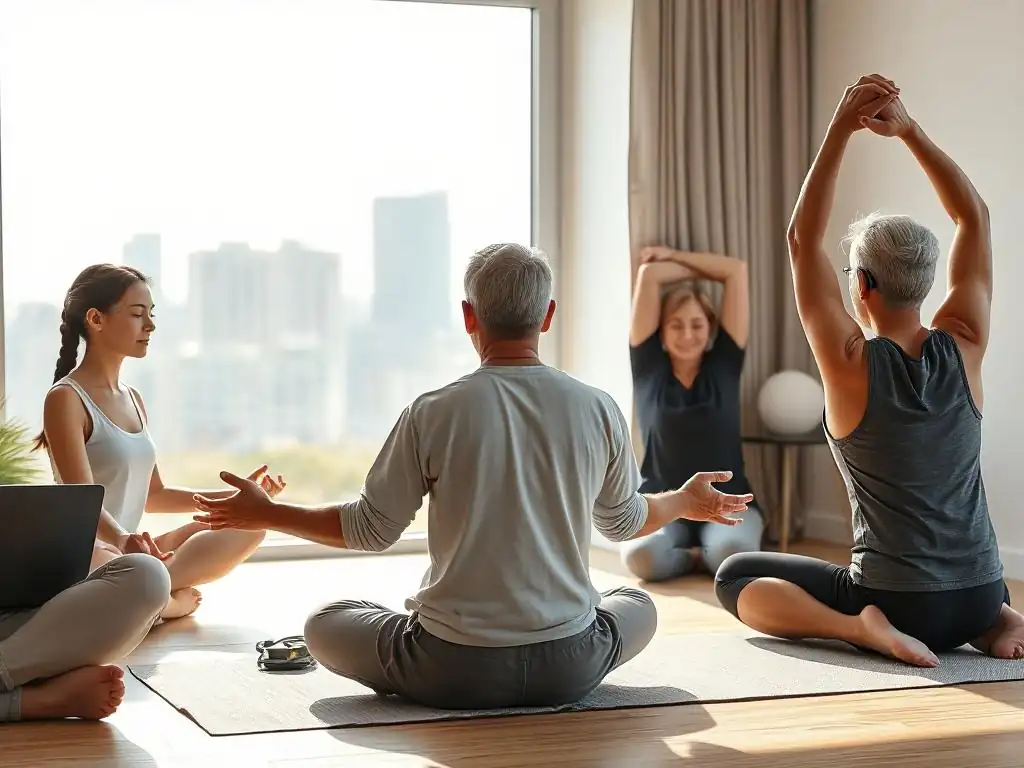
Welcome to Mind Care Guide, a space dedicated to nurturing your mental well-being. Feeling overwhelmed? You're not alone. We understand the weight of stress, and that's why we're excited to introduce our Stress Reduction Exercises Online Course. Curious about practical tools you can use anytime, anywhere? Dive in to discover how this program can help you reclaim your calm and build resilience. Let's embark on this journey to a more peaceful you, together.
Stress Reduction Techniques for Daily Life: A Practical Guide
- Understanding Stress and Its Impact
- Effective Stress Reduction Techniques
- Creating a Personalized Stress Management Plan
- Maintaining Long-Term Stress Management
- Resources for Further Learning
-
Frequently Asked Questions
- What is the "Stress Reduction Exercises Online Course" about?
- Who is the "Stress Reduction Exercises Online Course" designed for?
- What types of "Stress Reduction Exercises" are taught in the online course?
- How is the "Stress Reduction Exercises Online Course" delivered, and what resources are included?
- What are the benefits of taking the "Stress Reduction Exercises Online Course"?
- Final Reflection: Finding Calm in the Chaos of Modern Life
- Unlock Your Inner Calm: Start Your Stress-Free Journey Now!
Understanding Stress and Its Impact
Stress is a natural response to challenging situations, but chronic stress can have profound and detrimental effects on both physical and mental health. When the body perceives a threat, it activates the "fight or flight" response, releasing hormones like cortisol and adrenaline. While helpful in short bursts for survival, prolonged exposure to these chemicals can disrupt nearly every bodily process, increasing the risk of numerous health problems.
The cumulative impact of stress extends beyond feeling overwhelmed or anxious. Research consistently links chronic stress to conditions such as heart disease, digestive issues, sleep disorders, and a weakened immune system. Mentally, it can contribute to depression, anxiety disorders, difficulty concentrating, and memory problems. Recognizing these significant impacts underscores the critical need for effective stress management strategies to maintain overall well-being and resilience.
The Importance of Stress Management for Overall Health
Effective stress management is not just about feeling calmer; it's a fundamental component of preventative healthcare. By actively managing stress levels, individuals can mitigate the physiological toll it takes on the body. For instance, studies have shown that chronic stress can elevate blood pressure by several points and increase heart rate, placing extra strain on the cardiovascular system over time. Implementing stress reduction exercises can help lower these metrics, potentially reducing the long-term risk of hypertension and heart attacks.
Furthermore, managing stress plays a vital role in supporting mental health. High-stress levels are often precursors to or exacerbators of conditions like generalized anxiety disorder or major depressive disorder. Engaging in regular stress reduction techniques, such as those learned in a stress reduction exercises online course, can build emotional resilience, improve mood regulation, and enhance cognitive function. This proactive approach empowers individuals to navigate life's challenges more effectively and maintain a positive outlook.
Recognizing Common Stressors and Their Effects
Stressors can be varied and highly personal, ranging from significant life events to daily hassles. Common examples include work pressure, financial worries, relationship conflicts, health concerns, and even environmental factors like noise pollution or overcrowding. Identifying these specific triggers is the first step toward developing targeted coping mechanisms. For instance, someone stressed by their commute might explore alternative routes or listen to calming podcasts, while someone stressed by work deadlines might focus on time management techniques.
The effects of these stressors manifest differently in individuals, but common signs include physical symptoms like headaches, muscle tension, fatigue, and digestive upset. Emotional and psychological effects can involve irritability, difficulty concentrating, feeling overwhelmed, or experiencing heightened anxiety. Behavioral changes might include altered eating habits, social withdrawal, or increased use of substances. Understanding these varied presentations is crucial for recognizing when stress is becoming problematic and requires intervention, perhaps through structured learning like a stress reduction exercises online course.
Effective Stress Reduction Techniques
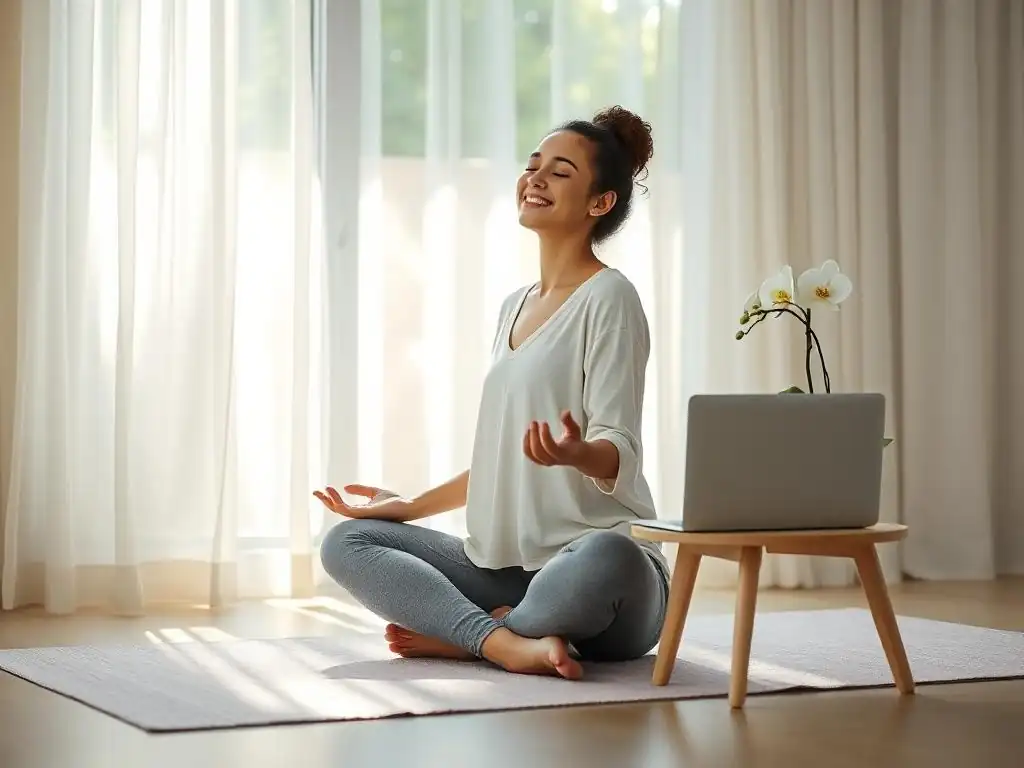
Managing stress effectively involves employing a range of techniques that address both the immediate symptoms and the underlying causes. While no single method works for everyone, exploring different approaches allows individuals to build a personalized toolkit. These techniques can be integrated into daily life, offering practical ways to find relief and build resilience against future stressors.
Learning these methods, whether through self-exploration, guided practice, or a comprehensive stress reduction exercises online course, provides individuals with actionable strategies. From simple breathing exercises that offer immediate calm to longer-term practices like mindfulness and physical activity, a multi-faceted approach is often the most effective. Consistency is key, as regular practice strengthens the body's and mind's ability to respond to stress more adaptively.
Breathing Exercises for Immediate Relief
Breathing is an automatic process, but conscious control of breath can be a powerful tool for stress reduction. Slow, deep breathing activates the parasympathetic nervous system, which is responsible for the body's "rest and digest" state, counteracting the stress response. Just a few minutes of focused breathing can lower heart rate, reduce blood pressure, and promote a sense of calm.
These exercises are particularly effective because they can be performed anywhere, anytime, without special equipment. They offer a quick way to interrupt the stress cycle and regain control in overwhelming moments. Many stress reduction exercises online courses dedicate significant time to teaching various breathing techniques, highlighting their accessibility and immediate benefits for managing acute stress.
Diaphragmatic Breathing: Calming the Nervous System
This technique, also known as belly breathing, involves engaging the diaphragm, the large muscle located below the lungs. Instead of shallow chest breaths, you inhale deeply, allowing your abdomen to expand. This signals the brain to calm down, reducing the release of stress hormones like cortisol. Practicing diaphragmatic breathing regularly can lower baseline stress levels and improve lung capacity.
To practice, find a comfortable position. Place one hand on your chest and the other on your belly below your rib cage. Inhale slowly through your nose, feeling your belly rise while your chest remains relatively still. Exhale slowly through pursed lips, feeling your belly fall. Aim for 6-10 slow, deep breaths per minute.
Alternate Nostril Breathing: Balancing Energy and Focus
Also known as Nadi Shodhana Pranayama, this technique from yoga involves breathing through one nostril at a time, alternating between them. It is believed to balance the left and right hemispheres of the brain, promoting calm and focus. This exercise can be particularly helpful when feeling agitated or scattered.
To practice, sit comfortably. Close your right nostril with your right thumb and inhale slowly through your left nostril. Close your left nostril with your ring finger, release your thumb from the right nostril, and exhale through the right nostril. Inhale through the right nostril. Close the right nostril with your thumb, release your ring finger from the left nostril, and exhale through the left nostril. This completes one cycle. Repeat for several minutes.
Mindfulness and Meditation for Long-Term Well-being
Mindfulness is the practice of bringing one's attention to experiences occurring in the present moment without judgment. Meditation is a formal practice often used to cultivate mindfulness or achieve a state of deep relaxation. Regular engagement with these practices has been shown to rewire the brain, increasing activity in areas associated with calm and reducing activity in areas linked to stress and anxiety.
These techniques offer more than just temporary relief; they build a foundation for long-term emotional regulation and resilience. By training the mind to be more present and less reactive to negative thoughts and feelings, individuals can navigate stressful situations with greater ease and clarity. Many people find learning these skills through a structured program, such as a stress reduction exercises online course, provides the necessary guidance and consistency to establish a regular practice.
Practicing Mindfulness: Cultivating Present Moment Awareness
Mindfulness can be practiced formally through meditation or informally throughout the day. Formal practice might involve sitting quietly for a set period, focusing on the breath or bodily sensations. Informal practice involves bringing mindful awareness to everyday activities, such as eating, walking, or listening to a conversation. The key is to notice thoughts, feelings, and sensations as they arise without getting carried away by them.
By regularly observing the mind without judgment, individuals develop a greater understanding of their thought patterns and emotional triggers. This non-reactive awareness allows for a more deliberate response to stress, rather than an automatic reaction. Even dedicating just 5-10 minutes daily to mindful breathing or body scan can yield significant benefits in reducing perceived stress levels over time.
Benefits of Meditation: Reducing Anxiety and Improving Focus
Numerous studies have demonstrated the positive impacts of consistent meditation practice. Research published in journals like JAMA Internal Medicine has shown that meditation programs can significantly reduce symptoms of anxiety and depression. Beyond mood regulation, meditation has been linked to improved attention span, enhanced working memory, and increased self-awareness.
Regular meditation practice also appears to affect brain structure, with findings suggesting increases in gray matter density in areas associated with learning, memory, and emotional regulation, such as the hippocampus and prefrontal cortex. For those new to the practice, starting with guided meditations can be very helpful, providing structure and support. Exploring different meditation styles, perhaps introduced in a comprehensive stress reduction exercises online course, can help individuals find what resonates best.
Guided Meditation Resources: Apps and Online Platforms
Accessing guided meditations has become easier than ever with the proliferation of digital resources. Numerous mobile applications offer guided sessions ranging from a few minutes to longer practices, tailored to various goals like sleep, focus, or stress relief. These apps often provide different voices, background sounds, and themed content to suit individual preferences.
Beyond mobile apps, many websites and online platforms offer extensive libraries of guided meditations and mindfulness exercises. Some even provide structured courses or programs that guide users through foundational concepts and practices. These resources make it convenient for individuals to integrate meditation into their daily routines, providing instruction and support akin to what one might find in a stress reduction exercises online course.
Progressive Muscle Relaxation (PMR) for Tension Release
Progressive Muscle Relaxation (PMR) is a technique that involves tensing specific muscle groups and then releasing the tension. This deliberate process helps individuals become more aware of the physical sensations of tension and relaxation, teaching them how to consciously release muscular tightness, a common symptom of stress.
Regular practice of PMR can significantly reduce overall muscle tension, which in turn can alleviate associated symptoms like headaches, back pain, and fatigue. It's a straightforward technique that requires no special equipment and can be performed sitting or lying down. Learning PMR through a guided session or as part of a structured program like a stress reduction exercises online course can make it easier to master the sequence and experience its full benefits.
The Science Behind PMR: Reducing Muscle Tension
The principle behind PMR is rooted in the understanding that mental stress often manifests as physical tension. By systematically tensing and releasing muscles, you create a deeper state of relaxation than simply trying to relax. The contrast between the tensed state and the subsequent release helps the nervous system learn what true relaxation feels like.
This process also helps disrupt the feedback loop where stress causes tension, and tension exacerbates stress. Studies have shown that PMR can decrease physiological arousal, leading to reductions in heart rate, blood pressure, and respiratory rate. It essentially teaches the body and mind how to switch off the stress response and enter a state of calm.
Step-by-Step Guide to PMR: A Simple Routine
PMR typically involves working through different muscle groups in the body, usually starting from the feet and moving upwards towards the head, or vice versa.
- Find a quiet, comfortable place to sit or lie down.
- Begin by focusing on your feet. Curl your toes tightly, hold for about 5-10 seconds, noticing the tension.
- Release the tension completely, exhaling and feeling the relaxation spread through your feet. Rest for 15-20 seconds.
- Move up to your calves: point your toes towards your shins, hold the tension, then release and relax.
- Continue this process for other muscle groups: thighs, buttocks, abdomen, chest, back, hands, arms, shoulders, neck, and face.
- For each group, tense firmly but without causing pain, hold briefly, and then fully release, focusing on the sensation of relaxation.
- After completing all groups, take a few moments to enjoy the overall feeling of calm throughout your body.
Physical Activity and Movement for Stress Relief
Exercise is a powerful stress reliever, offering both immediate and long-term benefits. Engaging in physical activity provides a healthy outlet for pent-up energy and tension. It also has direct physiological effects that counteract the stress response, making it an essential component of any comprehensive stress management plan.
Whether it's a vigorous workout or gentle stretching, movement helps regulate the body's stress hormones and improves mood. Integrating physical activity into your routine, perhaps as part of a structured approach like a stress reduction exercises online course that includes movement practices, can significantly boost your ability to cope with daily pressures.
The Benefits of Exercise: Releasing Endorphins and Reducing Stress Hormones
When you exercise, your body releases endorphins, natural mood boosters that act as painkillers and create a sense of well-being. Simultaneously, regular physical activity helps to reduce the levels of stress hormones like cortisol and adrenaline. Over time, consistent exercise can lower your baseline stress hormone levels, making you less reactive to stressful situations.
Beyond the hormonal effects, exercise improves sleep quality, which is often disrupted by stress. It also provides a distraction from worries and allows you to focus on your body and the present moment. Just 30 minutes of moderate-intensity exercise most days of the week can have a significant positive impact on your stress levels and overall mental health.
Incorporating Movement into Your Day: Simple Exercises and Activities
Finding ways to move doesn't require hours at the gym. Simple activities integrated throughout the day can be highly effective. Consider taking the stairs instead of the elevator, going for a brisk walk during your lunch break, or doing some stretching or yoga poses at home. Even short bursts of activity, like a 10-minute walk, can help clear your head and reduce tension.
Other accessible forms of movement include dancing, gardening, cycling, or participating in sports. The key is to find activities you enjoy, making it easier to stick with them consistently. Many stress reduction exercises online courses might suggest incorporating simple movements or gentle stretches as part of a holistic approach to managing stress.
Creating a Personalized Stress Management Plan
Effective stress management isn't a one-size-fits-all solution. What works for one person might not work for another. Developing a personalized plan involves understanding your unique relationship with stress – what triggers it, how it affects you, and which techniques resonate most effectively. This tailored approach ensures that your efforts are focused and sustainable.
Building a plan requires self-reflection and experimentation. It's about identifying your individual patterns, setting achievable goals, and finding ways to consistently integrate helpful techniques into your daily life. A structured program, such as a stress reduction exercises online course, can provide valuable frameworks and tools for creating and implementing such a personalized strategy.
Identifying Your Stress Triggers: Understanding Your Patterns
The first step in creating a personalized plan is to become a detective of your own stress. What specific situations, people, or thoughts consistently lead to feelings of stress or overwhelm? Keeping a stress journal for a week or two can be incredibly insightful. Note down when you feel stressed, what was happening, how you reacted, and how intense the stress was.
Analyzing these patterns can reveal recurring themes and primary sources of stress that you might not have consciously recognized. For example, you might discover that your stress peaks on Sunday evenings anticipating the work week, or that certain interactions consistently leave you feeling drained. Understanding these triggers allows you to either avoid them when possible, or develop specific coping strategies to navigate them more effectively.
Setting Realistic Goals: Starting Small and Building Momentum
Once you've identified your triggers and potential stress reduction techniques, it's important to set realistic goals for incorporating them into your life. Trying to implement too many changes at once can be overwhelming and counterproductive, potentially adding to your stress. Start small with one or two techniques that seem most appealing or easiest to integrate.
For instance, a realistic goal might be to practice 5 minutes of mindful breathing each morning, or to take a 15-minute walk during your lunch break three times a week. As these small habits become ingrained, you can gradually add more techniques or increase the duration of your practice. This approach builds momentum and confidence, making your stress management plan sustainable over the long term. A stress reduction exercises online course often helps by breaking down learning into manageable steps.
Incorporating Techniques into Your Daily Routine: Making it a Habit
Consistency is crucial for stress management techniques to be effective. Ideally, stress reduction should become a regular part of your day, like brushing your teeth. Think about where you can naturally fit these practices in. Can you do breathing exercises during your commute? Practice mindfulness while washing dishes? Do a quick PMR session before bed?
Habit formation is easier when you link a new activity to an existing one. For example, "After I finish my morning coffee, I will do 5 minutes of meditation." Consider scheduling stress reduction time in your calendar, treating it as importantly as any other appointment. Utilizing resources like a stress reduction exercises online course can provide the structure and motivation needed to build these consistent daily habits.
Maintaining Long-Term Stress Management
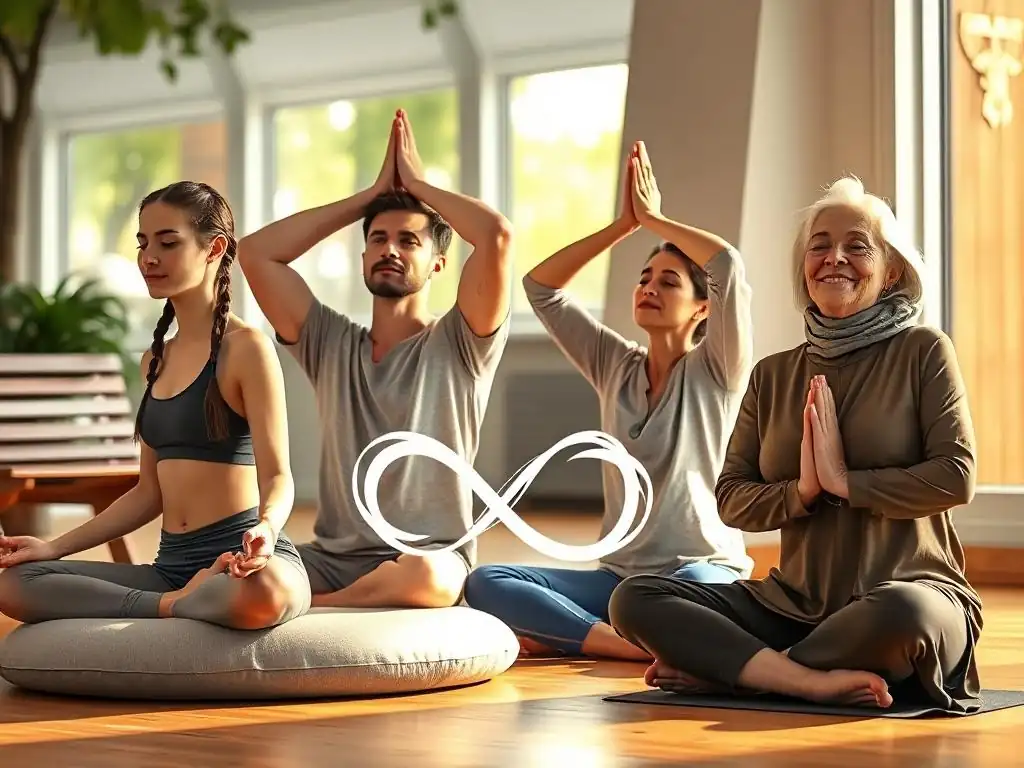
Managing stress is not a one-time fix but an ongoing process. Life will continue to present challenges, and your stress levels may fluctuate. Therefore, maintaining long-term stress management involves vigilance, adaptability, and a commitment to ongoing self-care. It requires recognizing when your usual strategies aren't enough and being willing to seek additional support.
Sustaining the benefits of stress reduction techniques involves regular evaluation of your plan and making adjustments as needed. It also means prioritizing your well-being and recognizing the importance of rest, healthy habits, and connection with others. Learning from resources like a stress reduction exercises online course can provide tools for this long-term journey.
Recognizing Signs of Burnout: Early Intervention is Key
Burnout is a state of emotional, physical, and mental exhaustion caused by prolonged stress, often work-related. Symptoms include feeling drained, cynical or detached from work, and a reduced sense of accomplishment. Physically, it can manifest as chronic fatigue, frequent illness, and changes in appetite or sleep. Recognizing these signs early is crucial to prevent more severe consequences.
Ignoring the signs of burnout can lead to serious health problems, decreased productivity, and significant impact on personal relationships. Early intervention involves stepping back, evaluating the stressors, and making significant changes to your workload, environment, or approach to stress management. This might include setting stronger boundaries, delegating tasks, or taking time off to rest and recharge.
Seeking Support: Connecting with Others and Professionals
You don't have to manage stress alone. Connecting with friends, family, or support groups can provide emotional validation and practical help. Talking about your stressors can significantly alleviate their burden and offer new perspectives or solutions. Sharing experiences with others who understand can reduce feelings of isolation.
For more persistent or severe stress, seeking professional help from a therapist, counselor, or doctor is a sign of strength, not weakness. Mental health professionals can provide personalized strategies, teach coping skills, and address any underlying conditions contributing to your stress. Many therapists are experienced in teaching specific stress reduction exercises, complementing what you might learn in a stress reduction exercises online course.
The Importance of Self-Care: Prioritizing Your Well-being
Self-care is not selfish; it is essential for maintaining your capacity to handle stress and care for others. It involves intentionally engaging in activities that nourish your physical, mental, and emotional health. This looks different for everyone but could include getting enough sleep (aiming for 7-9 hours for most adults), eating nutritious food, staying hydrated, taking breaks throughout the day, and engaging in hobbies or activities you enjoy.
Prioritizing self-care means making it a non-negotiable part of your routine, even when you feel busy or overwhelmed. Think of it as maintaining your most important resource: yourself. Regularly checking in with your needs and actively meeting them builds resilience and creates a buffer against the negative effects of stress, supporting the long-term benefits gained from practicing stress reduction exercises.
Resources for Further Learning
Continuing to learn and refine your stress management skills is a valuable investment in your well-being. There are numerous resources available that can deepen your understanding of stress, introduce new techniques, or provide guided support for your practice. Exploring these options allows you to expand your stress reduction toolkit and find methods that resonate most deeply with you.
Whether you prefer reading, listening, or interactive learning, there are resources to suit various learning styles and needs. From in-depth books offering theoretical background and practical exercises to accessible apps providing daily guidance, ongoing learning supports a proactive and empowered approach to managing stress throughout your life. Consider exploring a stress reduction exercises online course for structured learning.
Books on Stress Management and Mindfulness
Reading provides an opportunity to delve deeply into the science and practice of stress reduction and mindfulness. Many excellent books offer comprehensive guides to understanding stress, exploring various coping mechanisms, and building a sustainable practice. These resources can provide historical context, scientific backing, and detailed instructions for techniques like meditation, PMR, and cognitive restructuring.
Authors often share personal anecdotes or case studies that illustrate the principles and benefits of different approaches. A good book can serve as a foundational text, offering insights that complement practical exercises learned elsewhere, such as through a stress reduction exercises online course. Look for books by reputable authors or those recommended by mental health professionals.
Websites and Apps for Guided Meditation and Relaxation
The digital landscape offers a wealth of resources for practicing stress reduction techniques. Websites and mobile applications provide access to guided meditations, breathing exercises, body scans, and other relaxation practices. Many offer sessions of varying lengths, making it easy to fit practice into a busy schedule. Some platforms also include features like progress tracking, community forums, or educational content.
These digital tools can be particularly helpful for beginners, providing gentle guidance and structure. They also offer variety, allowing users to explore different styles and find what works best for them. While not a substitute for professional help, these resources can be valuable supplements to a stress management plan or a complement to a structured program like a stress reduction exercises online course.
Local Support Groups and Mental Health Services
Connecting with others who are also working on managing stress can provide immense support and shared understanding. Local support groups offer a safe space to share experiences, learn from others' coping strategies, and build a sense of community. These groups are often facilitated by peers or mental health professionals and can provide a valuable layer of support beyond individual practice.
Additionally, local mental health services, such as community clinics, counseling centers, or therapists in private practice, offer professional guidance and treatment for stress-related issues. They can provide personalized assessments, therapy (like CBT or ACT), and strategies tailored to your specific needs. Utilizing these local resources ensures you have access to expert help when needed, complementing the skills learned from resources like a stress reduction exercises online course.
Disclaimer: This article provides general information and is not a substitute for professional medical or mental health advice. If you are experiencing significant stress or mental health concerns, please consult with a qualified healthcare provider.
Frequently Asked Questions
What is the "Stress Reduction Exercises Online Course" about?
The course provides a comprehensive guide to managing stress using various techniques that can be practiced anywhere. It offers practical exercises and tools for improved mental well-being.
Who is the "Stress Reduction Exercises Online Course" designed for?
This course is designed for anyone experiencing elevated stress levels and seeking effective coping mechanisms. It's suitable for individuals with busy schedules and limited access to traditional therapy.
What types of "Stress Reduction Exercises" are taught in the online course?
The course covers a range of techniques, including mindfulness meditation, breathing exercises, and progressive muscle relaxation. It also explores cognitive restructuring to challenge negative thought patterns.
How is the "Stress Reduction Exercises Online Course" delivered, and what resources are included?
The course is delivered online, offering flexibility and accessibility. Participants gain access to video lectures, downloadable worksheets, and guided audio exercises.
What are the benefits of taking the "Stress Reduction Exercises Online Course"?
The course aims to equip participants with lasting stress management skills, promoting improved mental clarity, and enhancing overall emotional resilience. It fosters a healthier and more balanced lifestyle.
Final Reflection: Finding Calm in the Chaos of Modern Life
The pervasive nature of stress in our digitally-driven world demands accessible and effective coping mechanisms, and the simple truth is that learning to manage stress is no longer a luxury, but a necessity. This article explored a range of stress reduction exercises readily adaptable to any environment, highlighting the power of mindful movement, controlled breathing, and progressive muscle relaxation techniques. These aren't just fleeting solutions; they are tools for building resilience and cultivating a healthier relationship with stress itself.
The impact of chronic stress on our mental and physical well-being is undeniable, permeating every aspect of our lives from personal relationships to professional success. It's a silent epidemic, often overlooked until its effects become overwhelming. Stress is the tax we pay for the privilege of living.
– Arnold Bennett. This quote underscores the inherent challenges of modern life, but also points towards the importance of proactive stress management. The exercises detailed in this article offer a pathway towards reclaiming control and fostering a sense of inner peace, even amidst the constant demands of daily life. This is a journey, not a destination, and the commitment to self-care is a continuous process of learning and growth.
Now, consider your own life. What are your biggest stressors? What small changes can you implement today to incorporate even one of these exercises into your routine? Perhaps it's five minutes of deep breathing during your lunch break, or a quick stretching session before bed. Start small, be consistent, and witness the transformative power of these simple yet profound techniques. Remember, prioritizing your mental and physical health is not selfish; it's essential for living a fulfilling and meaningful life. Take that first step towards a calmer, more balanced you.
Unlock Your Inner Calm: Start Your Stress-Free Journey Now!
Thank you for taking the time to explore practical stress reduction techniques with Mind Care Guide. We hope you found valuable insights to help you navigate daily challenges with greater ease. Ready to take the next step towards a calmer, more balanced you?
- Enroll in our comprehensive online course: Dive deeper into stress management with expert-led sessions, guided exercises, and a supportive community. This is your chance to master techniques that truly work for you.
- Share this article with someone who could benefit from learning these powerful stress reduction exercises. Let's build a supportive network together!
- Leave a comment below and share your favorite stress-busting tip! Let's inspire each other.
What small step will you take today to prioritize your well-being?