
Elevate Your Meditation Space: Selecting the Ideal Seat

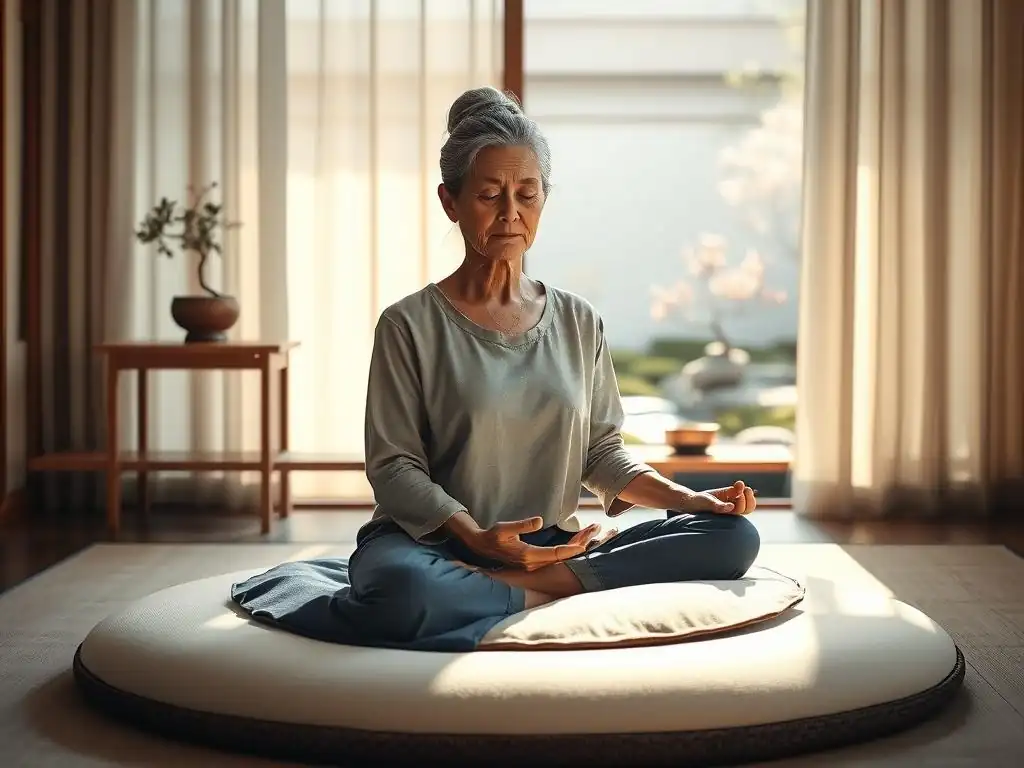
Welcome to Mind Care Guide, a sanctuary for your mental well-being.
Ever struggled to find that perfect posture during meditation, only to be distracted by discomfort? Discover the profound meditation seat comfort benefits in our latest article and unlock a deeper, more fulfilling practice. Could the right seat be the key to unlocking inner peace? Let's explore together...
Elevate Your Meditation Space: Selecting the Ideal Seat for Comfort and Well-being
- Introduction: Why Your Meditation Seat Matters for Mind Care
- Understanding Meditation Seat Types: Finding Your Perfect Fit
- Key Factors to Consider When Choosing a Meditation Seat
- Addressing Common Concerns and Myths About Meditation Seating
- Recommended Meditation Seats: Our Top Picks for 2024
- Maximizing Your Meditation Seat Comfort: Tips and Accessories
- Conclusion: Investing in Your Well-being Through the Right Meditation Seat
-
Frequently Asked Questions
- How does the comfort of a meditation seat impact the effectiveness of my meditation practice?
- What are some key features to look for when choosing a meditation seat for optimal comfort?
- Are there different types of meditation seats designed for specific body types or meditation styles?
- Can using the wrong meditation seat negatively affect my physical health?
- Beyond physical comfort, how does a well-chosen meditation seat contribute to overall mental well-being?
- Final Reflection: Finding Stillness in Comfort
- Unveil Your Inner Peace: Craft Your Perfect Meditation Sanctuary
Introduction: Why Your Meditation Seat Matters for Mind Care
The Importance of Comfortable Posture for Effective Meditation
Maintaining a comfortable and stable posture is foundational to a productive meditation practice. When the body is at ease, the mind is less likely to be distracted by physical discomfort, allowing for deeper focus and presence. Discomfort, such as aching knees or a strained back, can pull your attention away from your breath or meditation object, significantly hindering your ability to cultivate mindfulness or achieve a relaxed state. Investing in a comfortable meditation seat directly contributes to these meditation seat comfort benefits, making it easier to sit for longer periods without physical strain.
Research suggests that chronic pain or discomfort can activate stress responses in the brain, counteracting the calming effects meditation aims to achieve. By providing adequate support for the spine, hips, and knees, a good meditation seat helps the body relax into a stable position, reducing the likelihood of pain or restlessness. This physical stability fosters mental tranquility, enabling practitioners to delve into the practice with greater ease and consistency. Ultimately, a comfortable foundation is not a luxury but a crucial element for unlocking the full potential of meditation for mental well-being.
How the Right Meditation Seat Can Transform Your Practice
Selecting the appropriate meditation seat can dramatically improve the quality and consistency of your meditation sessions. Instead of fidgeting or constantly adjusting your position due to discomfort, you can settle in more quickly and maintain focus for extended periods. This enhanced ability to remain still and present allows for deeper exploration of inner states, more profound insights, and a stronger connection to your practice. The right seat acts as a silent partner, supporting your journey towards inner peace by eliminating unnecessary physical obstacles.
Consider the difference between sitting on a hard floor versus using a seat designed for ergonomic support. A well-chosen seat elevates the hips above the knees, tilting the pelvis forward slightly to encourage the natural curve of the spine. This alignment reduces pressure on the lower back and promotes better circulation to the legs, preventing numbness or tingling. These tangible meditation seat comfort benefits are not merely about luxury; they are about creating an environment where the mind can thrive, free from the persistent demands of a struggling body, thus deepening the transformative impact of meditation on overall well-being.
Understanding Meditation Seat Types: Finding Your Perfect Fit
Traditional Zafus: The Classic Choice for Floor Meditation
Traditional zafu cushions are round, pleated cushions typically filled with kapok or buckwheat hulls. They are designed to elevate the hips when sitting cross-legged (like in sukhasana or padmasana) or in the kneeling posture ( seiza), allowing the knees to rest lower than the hips. This elevation helps tilt the pelvis forward, supporting the natural curve of the spine and promoting an upright, stable posture. The firm yet yielding nature of the filling conforms slightly to the sitter's body, offering personalized support.
Zafus are particularly popular for their portability and versatility. A standard zafu is relatively light, often weighing between 3 to 6 pounds depending on the filling, making it easy to move or travel with. They come in various diameters, typically ranging from 12 to 16 inches, and heights, commonly 4 to 7 inches, allowing practitioners to choose a size that best suits their height and flexibility. For many, the simple, traditional form of the zafu embodies the minimalist spirit of meditation practice.
Pros and Cons of Zafu Cushions: Is it Right for You?
Pros of using a zafu include excellent hip elevation, promoting spinal alignment and reducing pressure on knees and ankles when sitting cross-legged. Their round shape and firm filling provide a stable base. Zafus are also relatively lightweight and easy to store. The natural fillings like buckwheat are breathable and can offer a slightly adjustable firmness. Many practitioners find the traditional feel comforting and conducive to their practice.
However, zafus may not be suitable for everyone. Individuals with significant knee or ankle flexibility issues might find sitting cross-legged on a zafu uncomfortable, even with the elevation. Those needing significant back support will not find it here, as zafus only support the lower body. Some users find buckwheat filling noisy when shifting position, which can be distracting. The height might also be insufficient for very tall individuals or those with particularly tight hips, requiring additional support like a zabuton mat underneath.
Popular Zafu Options: The "ZenRound Buckwheat Zafu" and its Key Features
A popular example of a traditional zafu is the "ZenRound Buckwheat Zafu." This cushion typically features a durable cotton twill cover, often organic, and is generously filled with 100% natural buckwheat hulls. Its standard dimensions are around 14 inches in diameter and 5-6 inches high, though sizes can vary. A key feature is often a zippered opening, allowing users to adjust the amount of buckwheat filling to customize the firmness and height, providing a personalized meditation seat comfort benefit.
The buckwheat hulls within the ZenRound Zafu mold to the shape of the sitter, offering stable yet adaptable support. This type of filling is known for its durability and breathability, helping to prevent the cushion from becoming too hot during longer sessions. The sturdy carrying handle, often sewn securely into the side seam, adds practical portability. The combination of natural materials, customizable support, and classic design makes the ZenRound Buckwheat Zafu a favored choice for those seeking a traditional floor meditation experience.
Meditation Benches: Ergonomic Support for Extended Practice
Meditation benches are designed primarily for the seiza (kneeling) posture, although some can also be used for sitting with legs tucked under. They typically consist of a flat or slightly angled seat supported by legs, which can be fixed, hinged (folding), or rocking. The bench elevates the torso, allowing the legs and feet to rest comfortably underneath without the full weight of the body pressing down on ankles and knees. This design is particularly beneficial for individuals who find cross-legged sitting difficult or painful.
The primary advantage of a meditation bench lies in its ergonomic support for the kneeling posture. By distributing weight away from the lower legs and ankles, benches can help practitioners maintain a comfortable, upright position for extended periods. Many benches have a slight forward tilt to the seat, which encourages the natural lumbar curve and helps align the spine, contributing significantly to meditation seat comfort benefits, especially during longer retreats or deep practice sessions.
Benefits of Meditation Benches for Posture and Joint Support
Meditation benches offer significant advantages for posture and joint support, especially for those with limited hip or knee flexibility. By allowing the practitioner to sit in a kneeling position with the weight supported by the bench rather than the lower legs, pressure is greatly reduced on the knee and ankle joints. This can alleviate common discomforts like numbness, tingling, or pain that often arise from prolonged sitting on the floor or a low cushion.
Furthermore, the design of many benches promotes excellent spinal alignment. The elevated seat height encourages the spine to lengthen naturally, reducing the tendency to slouch. Benches with a slightly angled seat can help tilt the pelvis forward, supporting the natural curvature of the lower back. This postural support helps maintain an alert yet relaxed state, essential for focused meditation, and makes benches a compelling option for individuals seeking stable, pain-free meditation seating.
Recommended Meditation Benches: The "ZenBench Pro" Review
The "ZenBench Pro" is an example of a highly-regarded meditation bench known for its sturdy construction and ergonomic design. Typically crafted from sustainable wood like bamboo or maple, it often features a slightly angled seat (around 5-7 degrees forward tilt) and sometimes a padded top for added comfort. The legs are often designed to be either fixed for maximum stability or foldable for easy storage and portability.
A key feature of the ZenBench Pro is its consideration for different body types and heights; some models might come in varying heights or have angled legs that adapt slightly to uneven surfaces. The angled seat is particularly beneficial for promoting a healthy spinal curve and preventing slouching. Users often report being able to sit much longer in the kneeling posture using this bench compared to floor sitting, highlighting its effectiveness in providing substantial meditation seat comfort benefits for the lower body and back.
Meditation Chairs: Comfort and Support for All Body Types
Meditation chairs are designed for individuals who require back support or find sitting on the floor challenging due to physical limitations, injuries, or simply personal preference. These chairs vary widely, from simple floor chairs with backrests to more conventional chair-like structures specifically designed for meditation posture. They offer a comfortable and accessible alternative to traditional floor seating, ensuring that meditation is available to a broader range of people.
The defining characteristic of a meditation chair is the inclusion of back support. This feature is invaluable for those who struggle to maintain an upright posture unsupported for extended periods. By providing stability to the spine and alleviating the need for back muscles to work constantly, meditation chairs allow practitioners to relax more deeply into their meditation, reducing physical fatigue and enhancing the overall meditation seat comfort benefits.
Advantages of Meditation Chairs with Back Support
The primary advantage of meditation chairs with back support is their ability to significantly improve comfort and endurance during meditation, particularly for individuals with back issues or limited core strength. The support provided by the backrest helps maintain proper spinal alignment without conscious effort, reducing strain on back muscles and preventing slouching. This allows practitioners to remain seated and focused for longer durations without being distracted by discomfort.
For individuals with conditions like sciatica, lower back pain, or disc issues, a meditation chair can make the difference between being able to meditate comfortably and not being able to meditate at all. The elevated seat height also makes getting into and out of the meditation position much easier for those with knee or hip problems. By offering stability and support, these chairs ensure that physical limitations do not become barriers to cultivating a consistent meditation practice.
Top-Rated Meditation Chairs: The "PostureAlign Meditation Chair" - A Detailed Look
The "PostureAlign Meditation Chair" represents a popular category of meditation chair focusing on ergonomic support. This chair often features a padded seat and a supportive backrest, sometimes adjustable, designed to encourage an upright posture. Some models are floor chairs with a foldable back, while others are more elevated, resembling low-profile armless chairs. Materials often include durable fabric over a metal or wooden frame.
Key features might include variable angle adjustments for the backrest, allowing users to find their optimal support level. The seat is typically well-cushioned, using foam for comfort. The design prioritizes spinal alignment and weight distribution, aiming to minimize pressure points. For example, a specific model might offer five distinct backrest angles, ranging from upright (90 degrees) to slightly reclined (120 degrees), providing tailored meditation seat comfort benefits for different body types and needs. The ease of use and substantial support make it a favored choice for those prioritizing comfort and accessibility.
Seiza Benches: Kneeling Posture Support and its Advantages
Seiza benches are specifically designed to facilitate the seiza or kneeling posture, a traditional meditation position common in Zen practice. These benches elevate the sitter's weight, allowing the legs and feet to tuck neatly underneath without bearing the full load of the torso. This unique design addresses common discomforts associated with kneeling directly on the floor, such as pressure on the ankles and knees, or restricted circulation.
The structure of a seiza bench typically involves a flat or slightly angled seat supported by legs. The height is crucial, usually around 7-9 inches, to provide adequate space for the feet and ankles underneath. Some benches have a rocking base, allowing for subtle movement, while others are fixed for maximum stability. Their primary function is to make the seiza posture accessible and comfortable for longer periods, enabling practitioners to maintain an alert yet relaxed state.
Exploring the benefits of Seiza Posture for Meditation
The seiza posture, supported by a bench, offers several distinct benefits for meditation. Physiologically, it can help promote good circulation in the legs and feet compared to tightly crossed-legged positions, reducing the likelihood of numbness or "pins and needles." The kneeling position naturally encourages a straight spine and open chest, facilitating deeper breathing. This upright alignment contributes to mental alertness without the rigidity that can sometimes accompany forceful posture correction.
From a energetic or spiritual perspective, the seiza posture is sometimes said to ground the practitioner firmly, creating a stable base for energy flow. The hands often rest comfortably on the thighs, and the overall posture feels balanced and centered. For those who find cross-legged positions challenging due to hip or knee issues, seiza on a bench offers a viable and comfortable alternative that still allows for the benefits of seated meditation. It provides significant meditation seat comfort benefits specifically tailored to the kneeling position.
Seiza Benches: The "KneelEasy Seiza Bench" Review and Features
The "KneelEasy Seiza Bench" is a representative example of a well-designed seiza bench. Often constructed from sturdy, lightweight wood like pine or bamboo, it might feature either fixed or foldable legs for convenience. The seat is typically flat or has a very slight forward angle, sometimes with a thin layer of padding for added comfort. The height is usually standardized, around 7.5 inches, suitable for an average adult.
A key feature of the KneelEasy bench is its simplicity and effectiveness in relieving pressure on the ankles and knees during seiza. The space created under the bench allows feet to rest naturally. Models with foldable legs are particularly popular for their portability and ease of storage, making it simple to use the bench in various locations. Some versions might offer a slight rocking motion, which some users find soothing and helpful for micro-adjustments during long sits, further enhancing the meditation seat comfort benefits provided by this specific design.
Key Factors to Consider When Choosing a Meditation Seat
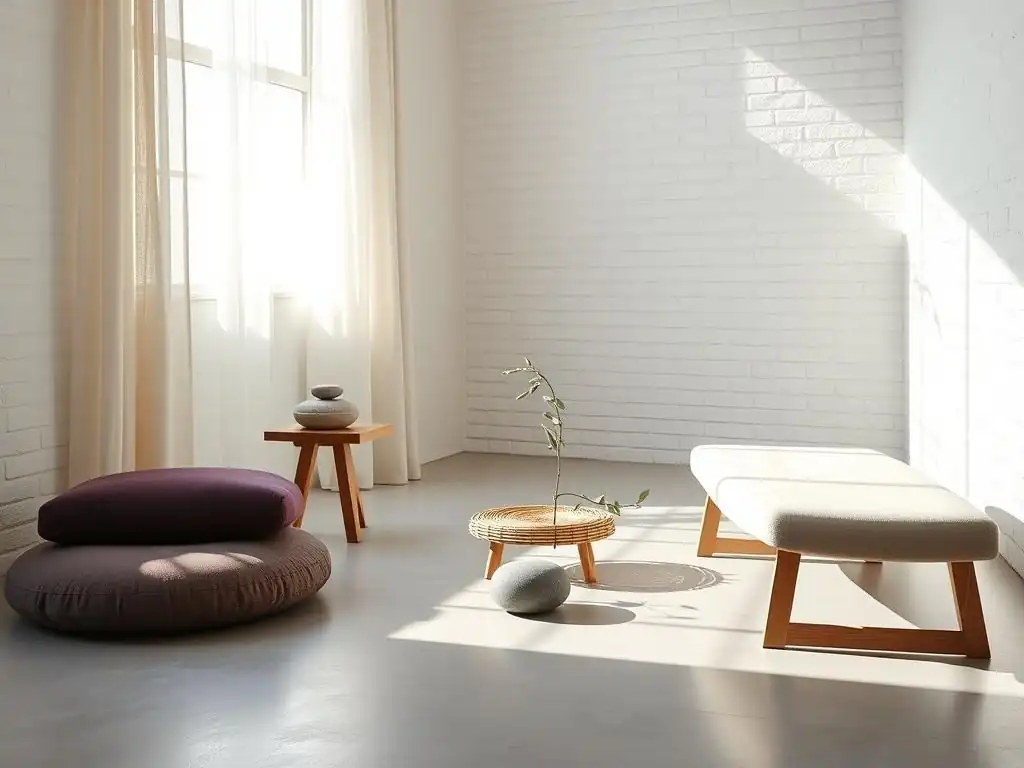
Prioritizing Ergonomics and Posture
When selecting a meditation seat, the paramount consideration should be its ergonomic design and how well it supports a healthy, sustainable posture for you. The goal is to find a seat that allows your spine to maintain its natural curves, your hips to be higher than your knees (if sitting cross-legged), and your joints (knees, ankles, hips) to be free from undue pressure or strain. A seat that forces you into an unnatural or uncomfortable position will inevitably become a distraction, hindering your practice rather than supporting it.
Evaluate how different seat types interact with your body's specific needs and limitations. A zafu might be ideal for someone with flexible hips but unsuitable for someone with tight knees. A bench might be perfect for kneeling but not offer enough back support for others. A chair provides back support but might not feel "grounded" enough for some. The ideal seat promotes an upright, alert posture that can be maintained effortlessly for the duration of your meditation, allowing you to fully experience the meditation seat comfort benefits that facilitate deeper states of focus and calm.
Material Matters: Selecting the Right Fabric and Fill for Your Needs
The materials used in a meditation seat significantly impact its comfort, durability, and even environmental footprint. The outer fabric should be durable, breathable, and comfortable against the skin. Cotton, hemp, and linen are popular natural choices, while some synthetics offer resilience and ease of cleaning. The filling material determines the seat's firmness, weight, and how it conforms to your body.
Common fillings include buckwheat hulls, kapok fiber, and various types of foam (like memory foam or high-density foam). Buckwheat offers adjustable firmness and breathability but can be heavy and make noise. Kapok is lighter and softer, offering a more cushiony feel, but provides less firm support than buckwheat. Foam can offer consistent support and contouring, but breathability varies, and some foams may off-gas. Choosing the right material combination is key to long-term meditation seat comfort benefits.
Organic Cotton vs. Synthetic Materials: A Comparison for Meditation Seats
Organic cotton is a favored fabric for meditation seat covers due to its natural feel, breathability, and environmental benefits. It is soft, durable, and free from the pesticides and chemicals used in conventional cotton farming, making it a healthier choice for both the user and the planet. Organic cotton covers are typically machine washable, offering easy maintenance. Their natural texture can also feel pleasant against the skin during long periods of sitting.
Synthetic materials like polyester or nylon blends offer durability, stain resistance, and often quicker drying times. They can be highly resilient and resistant to wear and tear. However, some synthetics may be less breathable than natural fibers, potentially leading to discomfort in warmer environments. They are also often petroleum-based, raising environmental concerns for some users. The choice between organic cotton and synthetics often comes down to a balance of personal preference, environmental values, and practical considerations like durability and ease of cleaning for your meditation seat.
Fill Types: Buckwheat, Kapok, and Memory Foam - Which is Best?
Buckwheat hulls are a traditional and popular filling, known for their ability to conform to the body's shape while providing firm, stable support. The hulls allow air circulation, which helps keep the cushion cool. A key advantage is that the amount of filling can be adjusted, allowing customization of the seat's height and firmness. However, they are relatively heavy (a standard zafu might contain 5-8 pounds of hulls) and can rustle slightly when shifted.
Kapok is a fluffy, lightweight fiber from the seed pods of the kapok tree. It is much lighter than buckwheat and provides a softer, more cushiony feel. Kapok cushions are often favored for their ease of transport and gentle support. However, they compress over time and offer less firm support than buckwheat, making them potentially less suitable for individuals requiring significant elevation or very firm support. They also don't conform as precisely to the body shape.
Memory foam and other high-density foams offer consistent, contouring support. Memory foam reacts to body heat, molding to the sitter for personalized comfort and pressure relief. Foam cushions are quiet and maintain their shape well over time. However, some foams can retain heat, and breathability varies depending on the type. The choice among these fillings depends largely on desired firmness, weight preference, and specific needs for meditation seat comfort benefits.
Size and Dimensions: Finding the Perfect Fit for Your Body
The size and dimensions of a meditation seat are critical for ensuring proper support and comfort. A seat that is too small will not adequately support your sitting bones or provide sufficient elevation, while one that is too large can be cumbersome and potentially hinder proper posture. Consider your height, weight, and flexibility when evaluating dimensions like diameter, height, and width.
For zafus, taller individuals or those with tighter hips may require a cushion with a larger diameter (e.g., 15-16 inches) or greater height (e.g., 6-7 inches) to achieve the necessary hip elevation. For benches, the height needs to provide enough space for your feet and ankles to rest comfortably underneath without pressure. Meditation chairs should have a seat height that allows your feet to rest flat or comfortably on the floor (or a footrest) and a backrest that supports your spine appropriately. Getting the dimensions right is fundamental to unlocking the full meditation seat comfort benefits.
Support Level: Choosing the Right Firmness for Your Practice
The ideal support level or firmness of a meditation seat is highly personal and depends on your body type, flexibility, and preferred meditation posture. A seat that is too soft will collapse under your weight, failing to provide the necessary elevation and support for proper spinal alignment. This can lead to slouching and discomfort.
Conversely, a seat that is too hard might create pressure points, leading to pain or numbness in the sitting bones, knees, or ankles. Buckwheat hulls generally offer firm, adjustable support, while kapok provides softer cushioning. Foam options range from very firm to soft, contouring memory foam. Experimenting with different firmness levels is often necessary to discover what provides the optimal balance of stability and cushioning for your unique physical needs, maximizing your meditation seat comfort benefits.
Addressing Common Concerns and Myths About Meditation Seating
Myth: You Need a Special Seat to Meditate Effectively
One common myth is that effective meditation requires expensive or specialized equipment, including a specific type of meditation seat. While a dedicated seat can certainly enhance the experience, it is not a prerequisite for meditation itself. The core practice of meditation is about training the mind, and this can technically be done anywhere, sitting on a cushion, a chair, a bench, or even standing or walking. The essential element is finding a position where you can remain relatively still and alert.
Many beginners start meditating successfully on regular cushions from their sofa, a folded blanket, or a standard chair. The key is to find a position that allows you to be comfortable enough to focus without being overly distracted by physical discomfort. While a specialized seat is designed to optimize posture for meditation, its absence should never be a barrier to starting or continuing a practice. The focus should remain on the mental discipline, not the seating.
Reality: Comfort Enhances Focus and Reduces Distractions
While not strictly necessary, the reality is that a comfortable meditation seat significantly enhances the ability to focus and reduces physical distractions. When your body is at ease, your mind is less occupied with sensations of pain, stiffness, or the urge to shift position. This reduced physical noise allows your attention to settle more readily on your breath, mantra, or other meditation object, facilitating deeper states of concentration and relaxation.
Think of it like trying to read a complex book while sitting on sharp rocks versus a comfortable chair. The environment doesn't change the words on the page, but the comfortable chair allows you to engage with the material more fully and for longer periods without interruption. Similarly, a comfortable meditation seat creates a supportive physical environment where the mind can more easily settle into the meditative state, directly contributing to profound meditation seat comfort benefits that support sustained practice.
Common Meditation Seat Problems: Solutions and Recommendations
Even with a specialized seat, practitioners can encounter problems like back pain, knee pain, or legs falling asleep. These issues often arise from incorrect posture, insufficient support from the seat, or individual physical limitations. Recognizing these common problems allows for targeted solutions, often involving adjustments to the seating setup or exploring alternative seat types.
For example, persistent knee pain when sitting cross-legged on a zafu might indicate that the cushion isn't high enough to allow the knees to drop below the hips, or that a zabuton (a flat mat) is needed under the zafu for cushioning the knees and ankles. Back pain might suggest a need for a seat with back support, like a meditation chair, or perhaps trying a kneeling bench which promotes a different spinal alignment. Addressing these issues proactively ensures that physical discomfort doesn't derail your practice.
Back Pain During Meditation: Seat Adjustments and Support Options
Back pain is a frequent complaint during seated meditation, often stemming from poor posture, weak core muscles, or insufficient lumbar support. If using a floor cushion like a zafu, ensure your hips are elevated significantly above your knees, which helps the pelvis tilt forward and maintain the natural curve of the lower back. You might need a taller cushion or to place blocks under your knees for support.
If back pain persists or is severe, consider switching to a meditation chair with integrated back support. These chairs are designed to support the spine's natural alignment, reducing the load on back muscles. Alternatively, a kneeling bench can also alleviate pressure on the lower back by promoting a more upright posture, though it offers no upper back support. Experimenting with cushion height, adding a small lumbar support pillow, or trying a chair can provide significant meditation seat comfort benefits for those struggling with back pain.
Knee Pain While Meditating: Exploring Benches and Cushions
Knee pain is another common barrier, particularly when sitting cross-legged ( sukhasana or padmasana). This often occurs when the knees are higher than the hips, putting strain on the knee joint, or when there's pressure on the outer edges of the knees resting on a hard floor.
If using a zafu, ensure it is high enough to allow your knees to drop comfortably below your hips. Placing supportive blocks or cushions under the knees can also alleviate strain and provide cushioning. If cross-legged sitting remains painful, transitioning to a kneeling posture using a meditation bench is often highly effective. Benches remove direct pressure from the knees and ankles by supporting your weight, making kneeling a pain-free option for many. Exploring different cushion heights or switching to a bench can drastically improve meditation seat comfort benefits for sensitive knees.
Recommended Meditation Seats: Our Top Picks for 2024
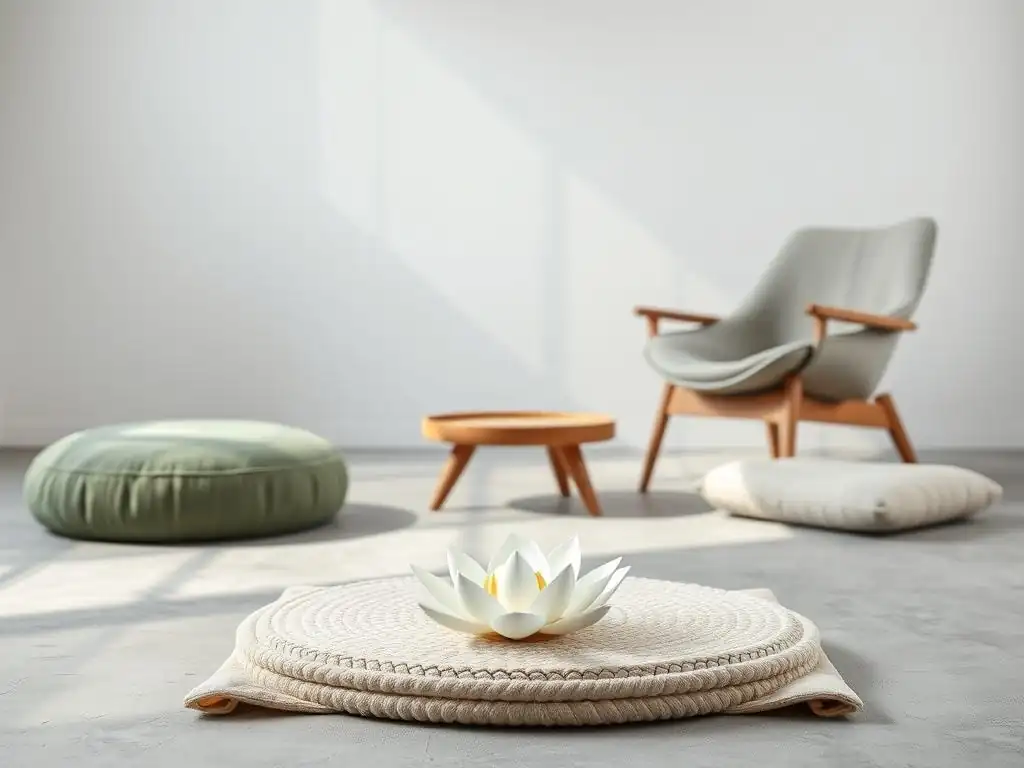
Best Overall: The "ZenFlow Cushion Set" - Comfort and Versatility
For overall comfort and versatility, the "ZenFlow Cushion Set" stands out. This set typically includes a medium-height zafu (around 15 inches diameter, 5 inches high) filled with premium buckwheat hulls and a large, thick zabuton mat (around 30x32 inches, 3 inches thick) filled with cotton batting or foam. This combination allows practitioners to sit cross-legged on the zafu with soft cushioning for knees and ankles on the zabuton, or to use the zabuton alone for kneeling or other postures.
The buckwheat zafu offers adjustable, firm support and promotes excellent spinal alignment when sitting cross-legged. The thick zabuton provides ample cushioning and insulation from the floor, preventing pressure points and cold sensations. The ability to use the components together or separately makes this set adaptable to various postures and preferences, providing comprehensive meditation seat comfort benefits suitable for most practitioners, whether beginners or experienced.
Best for Back Support: The "ErgoMeditate Chair" - Posture Perfection
For those prioritizing back support, the "ErgoMeditate Chair" is a top recommendation. This is often a floor chair design featuring a sturdy internal frame and a padded seat and backrest. The backrest is typically adjustable to several angles, allowing users to find their most comfortable and supportive position, ranging from upright to slightly reclined.
The chair's structure is designed to support the natural curve of the lumbar spine and provide stability for the upper back, significantly reducing the muscular effort required to maintain an upright posture. This allows for longer, more comfortable meditation sessions without the distraction of back pain. The padded seat provides cushioning for the sitting bones. While less traditional than floor cushions, the ErgoMeditate Chair offers unparalleled meditation seat comfort benefits for individuals needing reliable back support.
Best Budget-Friendly Option: The "Simple Sit Cotton Zafu" - Affordable Comfort
For practitioners seeking an effective meditation seat without a significant investment, the "Simple Sit Cotton Zafu" is an excellent budget-friendly choice. This is typically a standard round zafu (around 14 inches diameter, 4.5 inches high) filled with dense kapok fiber or a blend of cotton and foam. While it may lack some features of premium options, it provides essential elevation and cushioning.
The kapok filling offers lightweight portability and basic hip elevation for cross-legged sitting. The cotton cover is usually durable and comfortable. While the height or firmness might not be adjustable, it serves as a perfectly functional starting point for meditation seating. It offers core meditation seat comfort benefits at an accessible price point, proving that effective support doesn't always require high costs.
Best for Travel: The "Portable Zen Bench" - Portable Peace
For meditators on the go, the "Portable Zen Bench" is ideal. This meditation bench is specifically designed with portability in mind, featuring lightweight materials (often bamboo or lightweight wood) and a foldable leg mechanism. When folded, it collapses into a flat, compact form that can easily fit into a tote bag or backpack, often weighing less than 3 pounds.
Despite its portability, it provides effective support for the seiza kneeling posture, elevating the hips and relieving pressure on the ankles and knees. The seat might be slightly padded or contoured for comfort. Its ease of setup and takedown makes it convenient for travel, retreats, or meditating in different locations, ensuring you don't have to compromise on meditation seat comfort benefits simply because you're away from your dedicated space.
Maximizing Your Meditation Seat Comfort: Tips and Accessories
Using Additional Cushions for Added Support
Even with a primary meditation seat, additional cushions or props can significantly enhance comfort and tailor the setup to your specific needs. Small, firm cushions or blocks can be placed under the knees when sitting cross-legged on a zafu or bench to provide support and prevent strain if the knees don't naturally rest on the floor. A small lumbar cushion can be placed behind the lower back when sitting on a meditation chair or bench for extra spinal support.
If using a zafu, placing a flat cushion or folded blanket under the zafu can increase its overall height, which is beneficial for taller individuals or those with very tight hips who need more elevation to get their knees below their hips. These simple additions allow for fine-tuning your posture, alleviating pressure points, and maximizing the meditation seat comfort benefits of your main seat.
Incorporating Meditation Mats for Grounding
Meditation mats, often called zabutons, are flat, thick cushions designed to be placed on the floor underneath a zafu, bench, or even used alone for kneeling. They provide essential cushioning for the knees and ankles, preventing discomfort and pressure points when sitting on a hard floor. A standard zabuton is typically 2-4 inches thick and large enough (around 30x30 inches or larger) to accommodate your legs in various seated postures.
Beyond physical cushioning, a meditation mat creates a defined, soft space for your practice, contributing to a sense of grounding and stability. It insulates you from a cold floor and adds an extra layer of comfort, making it easier to settle in and stay present. Using a mat in conjunction with your primary seat elevates the overall meditation seat comfort benefits and helps create a dedicated, inviting space for your practice.
Creating a Serene Meditation Space: Ambiance and Accessories
Beyond the seat itself, the surrounding environment plays a crucial role in enhancing your meditation experience. Creating a serene and dedicated meditation space can help signal to your mind that it's time to transition into a state of calm and focus. This space doesn't need to be elaborate; it just needs to be quiet, tidy, and free from distractions.
Consider elements like soft, natural lighting, perhaps from a window or a gentle lamp. Minimalist decor helps reduce visual clutter. You might include items that inspire peace, such as a small plant, a simple piece of art, or a meaningful object. While not directly providing meditation seat comfort benefits, a calming ambiance reduces external stimuli and supports the internal process of settling the mind, complementing the physical comfort provided by your chosen seat.
Conclusion: Investing in Your Well-being Through the Right Meditation Seat
Long-Term Benefits of Comfortable Meditation Posture
Investing in a meditation seat that supports a comfortable and stable posture yields significant long-term benefits for both your physical and mental well-being. Physically, maintaining proper alignment during meditation can help improve overall posture, strengthen core muscles over time (if sitting unsupported), and prevent the development of chronic pain issues related to poor sitting habits. Reducing strain on joints allows for a sustainable practice well into later years.
Mentally, the ability to sit comfortably for extended periods without physical distraction allows for deeper, more consistent meditative states. This consistency is key to experiencing the cumulative benefits of meditation, such as reduced stress and anxiety, improved focus, enhanced emotional regulation, and greater self-awareness. The meditation seat comfort benefits translate directly into a more effective and transformative practice over time.
Choosing the Right Seat: A Path to Deeper Meditation and Inner Peace
Selecting the right meditation seat is a personal journey, requiring consideration of your body's unique needs, flexibility, and preferred posture. Whether a traditional zafu, an ergonomic bench, or a supportive chair, the ideal seat is one that allows you to sit with ease, stability, and minimal distraction. It's an investment in your comfort and, by extension, an investment in the quality and depth of your meditation practice.
By prioritizing meditation seat comfort benefits, you remove a significant potential barrier to consistent practice. This allows you to dedicate your mental energy to the practice itself – cultivating mindfulness, compassion, or insight – rather than managing physical discomfort. The right seat is not just a piece of equipment; it is a foundation that supports your path towards deeper meditation, greater inner peace, and enhanced overall well-being.
Frequently Asked Questions
How does the comfort of a meditation seat impact the effectiveness of my meditation practice?
A comfortable meditation seat directly affects your ability to focus and remain present. Discomfort can lead to distractions, hindering your ability to achieve a deep meditative state.
What are some key features to look for when choosing a meditation seat for optimal comfort?
Consider features like proper support, cushioning material, and ergonomic design. A stable and supportive seat helps maintain good posture and reduces strain.
Are there different types of meditation seats designed for specific body types or meditation styles?
Yes, there are various options like zafus, benches, and chairs, each catering to different needs. Experiment to find what best supports your preferred posture and body alignment.
Can using the wrong meditation seat negatively affect my physical health?
Absolutely. An unsuitable seat can contribute to back pain, hip discomfort, and poor circulation. Choosing the right seat promotes proper spinal alignment and reduces physical strain.
Beyond physical comfort, how does a well-chosen meditation seat contribute to overall mental well-being?
A comfortable and supportive seat promotes a sense of calm and stability. This can enhance your meditation practice, leading to reduced stress and improved mental clarity.
Final Reflection: Finding Stillness in Comfort
The pursuit of inner peace through meditation is increasingly relevant in our fast-paced, stress-filled world. Finding a comfortable and supportive meditation seat isn't merely a matter of luxury; it's a crucial element in cultivating a consistent and effective practice. The right seat can be the difference between a fleeting moment of calm and a deeply transformative experience.
The impact of a comfortable meditation posture extends far beyond the physical. It influences our mental clarity, our ability to focus, and ultimately, our overall well-being. As we explored in this article, the choice of seat directly impacts our ability to maintain proper posture, preventing discomfort and allowing us to fully immerse ourselves in the practice. The body is the instrument of the mind,
a saying often attributed to various spiritual traditions, highlights the profound connection between physical comfort and mental clarity. This connection is often overlooked, yet it's fundamental to the success of any meditation journey.
Now, consider your own meditation practice. What adjustments can you make to enhance your comfort and deepen your experience? Perhaps it's time to invest in a new cushion, experiment with different seating positions, or simply create a more calming and inviting space around you. Embrace the journey of finding your perfect meditation seat – a journey that will undoubtedly lead you to a more profound and fulfilling meditation practice.
Unveil Your Inner Peace: Craft Your Perfect Meditation Sanctuary
Thanks for taking the time to explore the world of mindful seating with Mind Care Guide! We hope you've gained valuable insights into finding the perfect posture for your meditation practice. Now it's time to put that knowledge into action.
- Prioritize your posture: Order a cushion or meditation bench that fits your body and preferences. Consider trying a few different styles before making a decision. This is the key step to transforming your practice.
- Share your wisdom: Tell us about your experience! What type of seat are you choosing, and why? Share your thoughts and experiences in the comments below. Let's build a supportive community of mindful meditators together.
- Explore deeper: Explore other Mind Care Guide articles on creating a peaceful and supportive meditation environment. Discover how to enhance your practice beyond the perfect seat!
Ready to transform your meditation experience? What’s the first step you’ll take to create your ideal meditation space today?