
Knee Pain Solved: Comfortable Meditation Benches & Cushions

Welcome to Mind Care Guide, your sanctuary for cultivating inner peace.
Are you experiencing sciatica pain that makes meditation uncomfortable? Discover how the right meditation bench or cushion can transform your practice and alleviate discomfort. This guide dives deep into finding comfortable meditation benches sciatica pain, offering practical advice and solutions to help you find lasting relief and deepen your meditative journey. Let's explore how to reclaim your comfort and unlock the profound benefits of meditation.
Knee Pain Solved: Comfortable Meditation Benches & Cushions
- Understanding Knee Pain During Meditation: A Common Problem
- The Sciatica and Meditation Connection: Finding Relief
- Comfortable Meditation Benches: Your Key to Pain-Free Meditation
- Top Meditation Bench Recommendations for Knee Pain Relief
- Meditation Cushions for Knee Pain Sufferers: An Alternative Approach
- Combining Benches and Cushions: The Ultimate Comfort Setup for Meditation
- Beyond Benches and Cushions: Additional Tips for Knee Pain Relief During Meditation
- Conclusion: Reclaim Your Meditation Practice with Comfort and Support
-
Frequently Asked Questions
- How can a comfortable meditation bench help with sciatica pain?
- What features should I look for in a meditation bench designed for sciatica?
- Are meditation cushions a viable alternative to benches for managing sciatica pain?
- How often should I use a meditation bench or cushion if I have sciatica?
- Where can I find reliable information and resources about managing sciatica pain through meditation?
- Final Reflection: Finding Ease in Stillness
- Unlock Deeper Meditation: Find Your Perfect Posture Today!
Understanding Knee Pain During Meditation: A Common Problem
Why Does Meditation Cause Knee Pain? Exploring Root Causes
Knee pain is a surprisingly common hurdle for many individuals seeking to establish or maintain a regular meditation practice. The primary culprits often involve prolonged static postures, where the knee joint remains bent for extended periods. In traditional seated meditation postures, such as the Burmese position (legs crossed with one foot in front of the other) or the half/full lotus, significant pressure can be placed on the knees, especially if hip flexibility is limited.
When the hips are tighter than the knees, the body's weight and the tension from the crossed legs can torque the knee joint, leading to discomfort or even pain over time. This issue is particularly prevalent among beginners but can affect experienced practitioners as well.
Furthermore, the kneeling posture (Seiza), while often recommended for those with hip issues, can put intense pressure directly on the knee joint and surrounding tendons, particularly the patellar tendon and the menisci. Without adequate support or padding, the sustained compression and the lack of movement can restrict blood flow and irritate nerve endings, resulting in aching, stiffness, or sharp pain.
Studies suggest that musculoskeletal discomfort is a significant barrier to consistent meditation, with knee pain cited as a primary complaint by as many as 30-40% of individuals practicing seated meditation on the floor without proper support. Addressing these root causes is crucial for a sustainable and comfortable practice.
The Sciatica and Meditation Connection: Finding Relief
Sciatica's Impact on Meditation Posture
Sciatica refers to pain that radiates along the path of the sciatic nerve, which branches from your lower back through your hips and buttocks and down each leg. For individuals prone to sciatica, certain meditation postures can exacerbate symptoms. Sitting directly on a hard floor or in positions where the hips are lower than the knees can cause the pelvis to tilt backward, rounding the lower back.
This posterior pelvic tilt can compress the lower lumbar discs and irritate the sciatic nerve root. Additionally, crossed-leg positions can put direct pressure on the piriformis muscle, which lies over the sciatic nerve, potentially leading to piriformis syndrome, a common cause of sciatica-like pain.
The prolonged stillness required during meditation means that any posture that irritates the sciatic nerve can quickly become unbearable. Symptoms can range from a dull ache in the buttock or thigh to sharp, shooting pain or numbness and tingling down the leg. Finding a posture that maintains a neutral or slightly anterior pelvic tilt is key to decompressing the lower spine and reducing pressure on the sciatic nerve. This is where supportive aids designed for meditation become invaluable.
How Comfortable Meditation Benches Can Alleviate Sciatica Discomfort
Comfortable meditation benches sciatica pain relief is possible because these benches are specifically designed to elevate the hips above the knees. This elevation helps the pelvis tilt forward naturally, promoting the spine's natural curve and reducing the likelihood of lower back rounding. By creating this optimal hip-to-knee relationship, pressure on the lumbar discs and the sciatic nerve root is minimized.
Furthermore, many comfortable meditation benches sciatica pain solutions offer a kneeling posture rather than a crossed-leg one. While kneeling requires knee support, it completely removes the direct pressure on the piriformis muscle from crossed legs, which is often a trigger for sciatica.
A well-designed bench allows the user to rest their weight forward slightly, taking pressure off the knees and distributing it more evenly, while still maintaining the hip elevation needed to protect the lower back and sciatic nerve. This ergonomic design is fundamental in transforming a potentially painful experience into a comfortable and supportive one for individuals dealing with sciatica.
Comfortable Meditation Benches: Your Key to Pain-Free Meditation
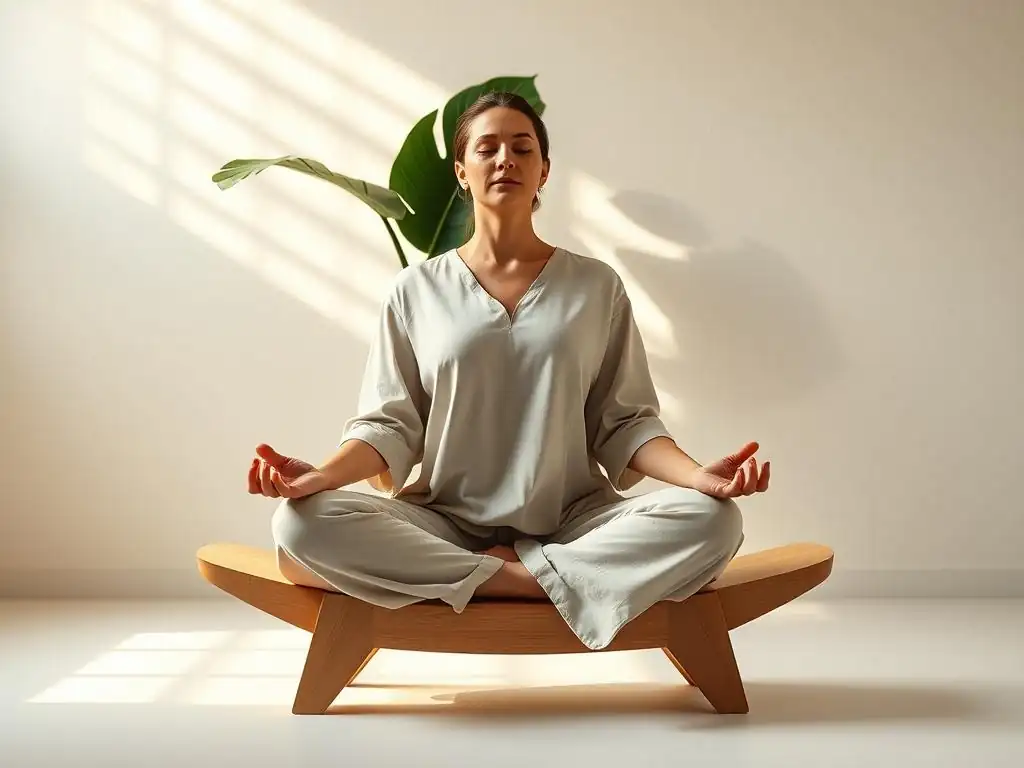
What Makes a Meditation Bench "Comfortable"? Key Features to Consider
A truly comfortable meditation bench is more than just a raised platform; it's an ergonomic tool designed to support the body in a stable and sustainable posture. Key features contributing to comfort include the bench's height, the angle of its seat, the quality of its padding, and its overall stability. The height is crucial as it determines how much the hips are elevated above the knees.
A range of heights or an adjustable design allows users to find the perfect fit for their body proportions and flexibility. A seat that is too low will still cause the pelvis to tilt backward, while one that is too high might be unstable or uncomfortable.
The angle of the seat is another vital element. Many benches feature a slight forward slope (often around 5-10 degrees). This subtle angle encourages the pelvis to tilt slightly forward, promoting the natural lumbar curve and helping the spine align correctly with minimal effort. Padding is essential for cushioning the sitting bones or, in the case of kneeling benches, providing comfort for the shins and ankles.
Look for benches with dense, supportive foam that won't compress completely under weight. Finally, stability is paramount; a wobbly bench is distracting and can lead to tension as the body tries to stabilize itself. Features like sturdy legs, non-slip feet, or a wider base contribute to a secure and comfortable seat, making comfortable meditation benches sciatica pain and knee pain relief a reality.
Top Meditation Bench Recommendations for Knee Pain Relief
The Friends of Meditation Seiza Bench: A Deep Dive into Knee Comfort
The Friends of Meditation Seiza Bench is a popular choice specifically designed for the kneeling posture, aiming to alleviate pressure on the knees and ankles. Its design typically features a simple, often foldable, structure that elevates the torso while allowing the legs to tuck underneath. The key to its comfort lies in its careful dimensions and sometimes a slightly angled seat that helps distribute weight off the knees. Many models come with a padded top for added comfort on the sitting bones.
While designed for kneeling, which inherently reduces the hip-to-knee angle strain seen in cross-legged sits, users prone to knee cap pressure or shin discomfort may find they still need additional padding under their knees or shins. However, for many, the elevation provided by this style of bench effectively prevents the posterior pelvic tilt that can strain the lower back and irritate the sciatic nerve, making it a viable option for those seeking comfortable meditation benches sciatica pain relief through a kneeling posture.
Its portability, often featuring a folding design, adds to its appeal for those who travel or have limited space.
The BackJoy Meditation Bench: Lumbar Support and Knee Relief
The BackJoy Meditation Bench distinguishes itself by incorporating ergonomic principles focused on lumbar support alongside knee comfort. Unlike traditional kneeling benches, the BackJoy often features a contoured seat designed to cradle the pelvis and encourage a natural, upright spinal alignment from the base. This design is particularly beneficial for those whose primary challenge is maintaining a healthy lower back curve during prolonged sitting, which is directly related to preventing sciatic nerve irritation.
While some BackJoy models are designed for cross-legged sitting with this ergonomic seat shape, others are kneeling benches. The kneeling versions combine the hip elevation of a standard bench with the pelvic support of their unique seat design.
This dual approach addresses both the knee-hip angle and the lumbar curve simultaneously, offering a more integrated solution for posture support. Users often report a significant reduction in lower back strain and improved ability to sit for longer periods without slouching or experiencing discomfort radiating down the legs, reinforcing its potential as one of the comfortable meditation benches sciatica pain sufferers might consider.
The Bluecony Folding Meditation Bench: Portability and Comfort Combined
The Bluecony Folding Meditation Bench emphasizes practicality and comfort, making it an excellent option for meditators on the go or those with limited storage space. Its primary feature is its ability to fold flat, allowing for easy transport and storage. Despite its portability, it doesn't compromise significantly on comfort. These benches typically offer a stable base and a padded seat, providing adequate elevation to lift the hips above the knees.
The angle of the seat is often fixed but designed to encourage a comfortable kneeling posture that minimizes strain on the knee and hip joints. While not as specialized as benches specifically targeting sciatica through advanced lumbar support contours, the basic elevation and stable support provided by a quality folding bench like the Bluecony can still significantly alleviate discomfort for many. For individuals seeking comfortable meditation benches sciatica pain relief primarily stemming from poor hip-to-knee alignment in floor sitting, the Bluecony offers a practical and accessible solution that prioritizes ease of use alongside foundational ergonomic support.
Meditation Cushions for Knee Pain Sufferers: An Alternative Approach
Exploring the Benefits of Zafu and Zabuton Cushions
Meditation cushions, specifically Zafus and Zabutons, offer an alternative or complementary approach to benches for managing knee pain during meditation. A Zafu is typically a round or crescent-shaped cushion filled with materials like buckwheat hulls or kapok. Its main purpose is to elevate the hips, similar to a bench, allowing the knees to rest below the hips when sitting cross-legged. This elevation helps tilt the pelvis forward, improving spinal alignment and reducing pressure on the knee joints by relaxing the pull on the legs.
A Zabuton is a large, flat mat designed to be placed under a Zafu or bench. Its primary benefit for knee pain sufferers is providing soft padding for the knees and ankles, particularly in kneeling postures or when the feet tuck under in cross-legged positions.
Using a Zabuton protects the joints from hard floors, preventing direct pressure points and adding an extra layer of comfort. The combination of a Zafu for hip elevation and a Zabuton for joint padding is a classic setup that addresses both the postural alignment needed for back/sciatic relief and the direct pressure on the knees and ankles.
The Best Meditation Cushions to Alleviate Knee Discomfort
-
The Bean Products Buckwheat Zafu Cushion: Support and Stability
The Bean Products Buckwheat Zafu is highly regarded for its firm support and malleability. Buckwheat hulls conform to the shape of your sitting bones while providing stable elevation, typically raising the hips by about 6-8 inches depending on the cushion's size and how you sit on it. This significant elevation is excellent for opening the hip angle and allowing the knees to drop comfortably, which is crucial for reducing knee strain in cross-legged positions.
The firmness of the buckwheat prevents the cushion from collapsing over time, maintaining consistent support throughout longer meditation sessions. Its stability makes it a reliable base for achieving a comfortable and aligned posture.
-
The Peace Yoga Zabuton Mat: Knee and Ankle Protection
The Peace Yoga Zabuton Mat provides essential cushioning for knees, ankles, and feet, especially when meditating on hard surfaces. Made with several inches of cotton batting or foam, it creates a soft landing zone that absorbs pressure. For those using a Zafu in a cross-legged position, the Zabuton protects the feet and ankles where they rest on the floor.
For those in a kneeling posture (perhaps even on a low bench), placing a Zabuton underneath provides crucial padding for the knees and shins. This added layer of comfort can significantly extend the time one can sit comfortably without experiencing joint pain or numbness.
Combining Benches and Cushions: The Ultimate Comfort Setup for Meditation
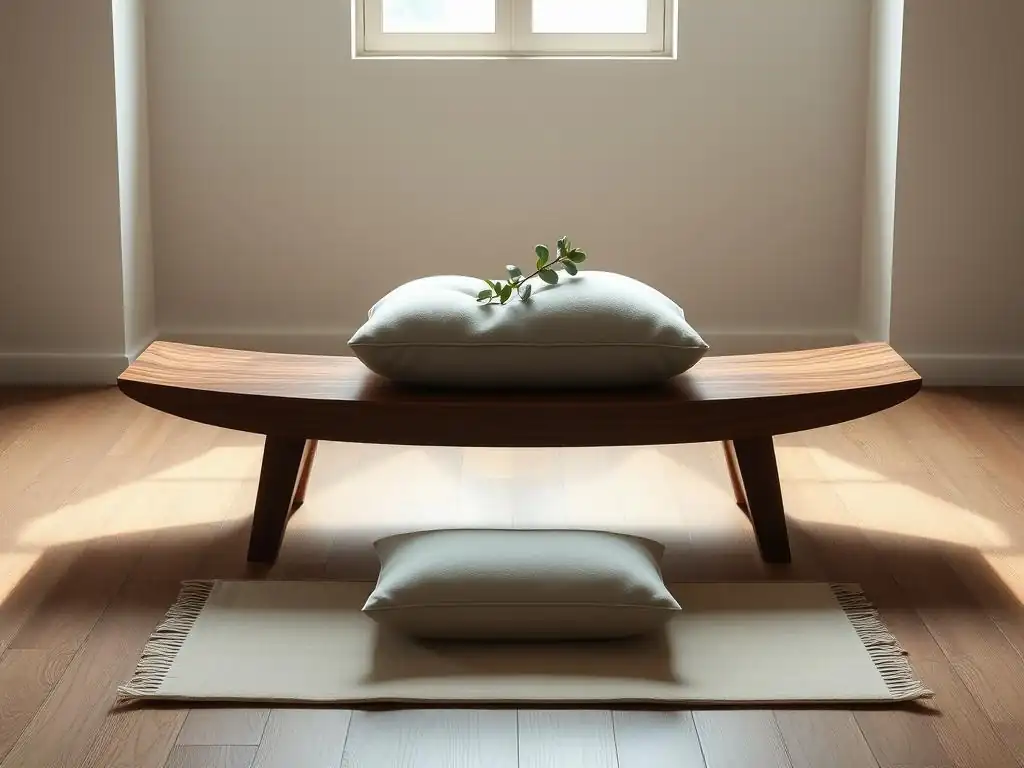
Creating a personalized meditation space for optimal comfort and support
For many, the ideal solution for knee pain and sciatica during meditation involves combining elements from both benches and cushions. This approach allows for a highly personalized setup that addresses multiple points of discomfort simultaneously. For instance, someone using a kneeling bench might place a thick Zabuton underneath to provide extra cushioning for their knees and shins, reducing direct pressure on the patella and tibias. Alternatively, a meditator using a Zafu for hip elevation might place a smaller, firm cushion or block under their knees in a cross-legged position if their knees still don't comfortably drop below their hips.
The key is experimentation. Start with a basic setup – perhaps a comfortable meditation bench sciatica pain relief focused or a high Zafu – and add elements as needed.
- Try adding a Zabuton: Does it relieve pressure on your ankles or knees?
- Experiment with a bolster or cushion under the knees: Does this help relax the hip flexors and reduce knee strain in cross-legged sits?
- Adjust the height: Is the bench or cushion high enough to allow your knees to drop below your hips?
By mixing and matching these tools, you can create a meditation seat tailored precisely to your body's needs, ensuring optimal support, alignment, and comfort.
Case Study: Sarah Found Relief From Knee Pain with Friends of Meditation Bench
Sarah, a 45-year-old office worker, had been trying to establish a consistent meditation practice for months, but persistent knee pain always cut her sessions short after just 10-15 minutes. Sitting cross-legged was impossible due to tight hips, and even kneeling on a folded blanket caused her knees to ache and feel numb quickly. She was starting to feel discouraged, believing meditation wasn't for her body type.
After researching comfortable meditation benches sciatica pain and knee relief options, she decided to try the Friends of Meditation Seiza Bench, specifically a model known for good padding and a slight forward tilt. The first time she used it, she immediately noticed the difference. Her hips were elevated, her spine felt more aligned, and crucially, the pressure was taken off her knees and ankles compared to kneeling directly on the floor or a thin pad.
She found she could comfortably sit for 20 minutes, then 30, and eventually her goal of 45 minutes, without the familiar aching pain. While she didn't suffer from sciatica, the bench's ability to improve her overall lower body posture had a profound impact on her comfort and consistency, allowing her to finally deepen her meditation practice without physical distraction.
Beyond Benches and Cushions: Additional Tips for Knee Pain Relief During Meditation
Pre-Meditation Stretches and Exercises for Knee Flexibility
Incorporating gentle stretches and exercises before your meditation session can significantly improve comfort and reduce knee pain. Focusing on flexibility in the hips, hamstrings, quadriceps, and ankles can alleviate the strain placed on the knees during seated postures. Simple stretches like hip openers (e.g., butterfly stretch, pigeon pose variation), hamstring stretches (e.g., forward fold with slightly bent knees), and ankle rotations can prepare your joints and muscles for stillness.
Consider adding a few minutes of dynamic movement like gentle knee circles or leg swings before settling into your seat. The goal isn't intense exercise but rather warming up the joints and increasing blood flow to the area. For individuals with very tight hips, even spending a few minutes sitting on a cushion or bench before starting the formal meditation can help the body adjust to the posture gradually. Prioritizing this brief preparatory phase can make a substantial difference in your ability to sit comfortably for extended periods.
Maintaining Proper Posture Throughout Your Meditation Session
Even with the best comfortable meditation benches sciatica pain relief or cushion setups, maintaining conscious awareness of your posture during meditation is key. Slouching or shifting weight unevenly can reintroduce strain on the knees and lower back. Aim for an upright but relaxed spine, allowing the natural curves to be supported by your bench or cushion. Ensure your shoulders are relaxed and your chest is open.
If sitting cross-legged on a cushion, actively try to let your knees drop below your hips. If they don't reach the floor comfortably, use blocks or small cushions underneath them for support. In a kneeling posture on a bench, ensure your weight is balanced and not solely pressing down through your kneecaps (the bench should take the majority of the weight). Regularly, perhaps during transitional moments or if you notice discomfort, gently check in with your body and make subtle adjustments to realign yourself without creating distraction.
Listening to Your Body and Adjusting as Needed
Perhaps the most important tip is to listen intently to your body during meditation and be willing to adjust. Meditation is not about enduring physical pain; it's about cultivating awareness. If you experience sharp or increasing pain, it's a signal that your body needs attention.
- Do not push through significant pain.
- Task List:
- Acknowledge the sensation without judgment.
- Gently explore if a minor shift in posture alleviates the pain.
- If pain persists, mindfully adjust your position (e.g., switch from cross-legged to kneeling on a bench, or vice versa).
- Consider standing or lying down if seated meditation is not possible on a given day.
- Remind yourself that consistency in practice is more important than adhering rigidly to one posture.
Being empathetic towards your body's needs and making necessary adjustments allows you to maintain a regular practice sustainably and comfortably, preventing physical discomfort from becoming a barrier to your mental well-being journey.
Conclusion: Reclaim Your Meditation Practice with Comfort and Support
Finding the Right Solution for Your Individual Needs and Preferences.
Knee pain and sciatica are common challenges in meditation, but they don't have to be roadblocks. By understanding the biomechanics behind the discomfort and exploring the range of supportive tools available, you can find a comfortable and sustainable posture. Whether it's a purpose-built comfortable meditation bench sciatica pain focused, a versatile Zafu and Zabuton cushion combination, or a blend of both, the right support can transform your meditation experience from one of physical struggle to one of ease and presence.
Don't be afraid to experiment with different heights, angles, and types of support. Your body is unique, and what works for one person may not work for another. The investment in a quality meditation bench or cushion is an investment in your consistent practice and overall well-being. By addressing physical discomfort proactively, you remove a significant barrier, allowing you to delve deeper into the mental and emotional benefits of meditation without the constant distraction of pain. Reclaim your seat, support your body, and enjoy the journey inward.
Frequently Asked Questions
How can a comfortable meditation bench help with sciatica pain?
A comfortable meditation bench can alleviate sciatica pain by promoting proper posture and reducing pressure on the sciatic nerve. This is achieved by allowing for a more upright seated position, minimizing strain on the lower back and hips.
What features should I look for in a meditation bench designed for sciatica?
Look for benches with adjustable height and angled seat to customize the fit for your body. Consider a bench with ample cushioning and lumbar support to further reduce pressure and enhance comfort.
Are meditation cushions a viable alternative to benches for managing sciatica pain?
Yes, meditation cushions, especially those designed for ergonomic support, can be a good alternative. Opt for cushions that elevate the hips and encourage a natural spinal curve to minimize sciatica symptoms.
How often should I use a meditation bench or cushion if I have sciatica?
Start with short meditation sessions (5-10 minutes) and gradually increase the duration as tolerated. Pay attention to your body and stop if you experience any increased pain or discomfort.
Where can I find reliable information and resources about managing sciatica pain through meditation?
Mind Care Guide offers a comprehensive guide to mental well-being and resources for various mental health challenges, including information on meditation techniques and tools for managing chronic pain conditions like sciatica.
Final Reflection: Finding Ease in Stillness
The pursuit of comfortable meditation shouldn't be a struggle; it should be a pathway to inner peace. The prevalence of back and knee pain, especially sciatica, often prevents individuals from experiencing the transformative benefits of regular meditation practice. This article highlighted the crucial link between physical comfort and mental well-being, demonstrating how the right meditation bench or cushion can significantly impact one's ability to cultivate mindfulness.
The impact of proper posture and support on meditation practice is profound. It's not just about avoiding pain; it's about creating a space where the body can fully relax and the mind can truly settle. The body is your temple. Treat it with respect, and it will serve you well.
This simple truth underscores the importance of investing in supportive meditation furniture, allowing for deeper, more sustained practice without the distraction of physical discomfort. The shift towards prioritizing physical comfort in spiritual practices reflects a growing awareness of the interconnectedness of mind and body.
Now, consider your own meditation practice. What adjustments can you make to enhance your comfort and deepen your experience? Perhaps it's time to invest in a supportive cushion or bench, or maybe it's simply a matter of adjusting your posture more consciously. Embrace the opportunity to create a sanctuary for your mind and body, a space where stillness and ease can coexist. Remember, the journey to inner peace begins with a comfortable seat.
Unlock Deeper Meditation: Find Your Perfect Posture Today!
Thanks for taking the time to explore the world of comfortable meditation with us! We hope you've gained valuable insights into finding the perfect support for your practice. Ready to deepen your meditation journey?
- Prioritize comfort: Take a few minutes to assess your current meditation setup. Is it truly supporting your body and allowing you to fully relax? Consider adjustments or explore the options we've discussed.
- Share your experience: Tell us about your favorite meditation postures and what makes them work for you! Share your thoughts and tips in the comments below – let's build a supportive community together.
- Explore further: Dive deeper into our other resources on mindful living to enhance your overall well-being.
What small adjustment will you make today to elevate your meditation practice?