
The Mind Care Guide to Weighted Blankets: Your Path to Better Sleep and Less Anxiety


Welcome to Mind Care Guide, your sanctuary for mental well-being. Feeling restless nights and anxious days are stealing your peace? You're not alone. Many have found solace in a simple yet effective tool. Dive in to explore how weighted blankets for anxiety sleep could be the gentle hug your mind and body are craving. Discover the science, benefits, and how to choose the perfect one for you. Let's begin your journey to calmer nights and brighter days.
The Mind Care Guide to Weighted Blankets: Your Path to Better Sleep and Less Anxiety
- Understanding Weighted Blankets for Anxiety & Sleep: A Comprehensive Guide
- Choosing the Right Weighted Blanket: A Buyer's Guide
-
Top Weighted Blankets for Anxiety & Sleep: Reviews & Recommendations
- Best Overall Weighted Blanket: The Baloo Weighted Blanket Review
- Premium Weighted Blanket for Sleep: The Bearaby Cotton Napper Review
- Budget-Friendly Weighted Blanket: The Quility Weighted Blanket Review
- Cooling Weighted Blanket: The Degrees of Comfort Weighted Blanket Review
- Weighted Blanket for Kids: The Luna Weighted Blanket Review
- How to Use Your Weighted Blanket for Maximum Benefits
- Maximizing the Benefits: Tips and Tricks
- Conclusion: Investing in a Weighted Blanket for Wellbeing and Restful Sleep
-
Frequently Asked Questions
- What exactly are weighted blankets, and how do they work?
- How can a weighted blanket help with anxiety and improve sleep?
- Are weighted blankets safe for everyone to use?
- What weight of weighted blanket should I choose?
- Where can I find reputable information and resources about anxiety and mental well-being, beyond just weighted blankets?
- Final Reflection: Weaving Calm into Our Lives Through Weighted Blankets
- Unlock Deeper Rest: Your Next Steps to a Calmer You
Understanding Weighted Blankets for Anxiety & Sleep: A Comprehensive Guide
What are Weighted Blankets and How Do They Work for Anxiety?
Weighted blankets are therapeutic blankets designed to be heavier than standard blankets, typically weighing between 5 and 30 pounds. They are filled with various materials, such as glass beads, plastic pellets, or even heavy fabrics, distributed evenly throughout the blanket's stitched compartments. The purpose of this added weight is to provide gentle, even pressure across the user's body.
This technique is often referred to as deep pressure stimulation (DPS) or deep pressure touch (DPT), which mimics the feeling of being hugged, held, or swaddled. The sensation of being enveloped by the weight can create a sense of security and calm, potentially helping to mitigate feelings of anxiety and promote relaxation.
For individuals struggling with anxiety, the constant feeling of worry, restlessness, and physical tension can be debilitating. Weighted blankets aim to provide a non-pharmacological tool to help manage these symptoms. By applying gentle pressure, the blanket may help ground the individual, reducing physical manifestations of anxiety like fidgeting or rapid heart rate.
While not a cure for anxiety, using weighted blankets for anxiety sleep can be a valuable addition to a self-care routine, offering a tangible source of comfort during stressful periods or as part of a wind-down routine before bed. The consistent, soothing pressure serves as a physical anchor, potentially interrupting the cycle of anxious thoughts and promoting a state conducive to rest.
The Science Behind Weighted Blankets: Deep Pressure Stimulation (DPS) Explained
The theoretical basis for the effectiveness of weighted blankets lies in the concept of Deep Pressure Stimulation (DPS). DPS is a therapeutic technique that involves applying firm, but gentle, pressure to the body. This kind of touch is thought to activate the parasympathetic nervous system, which is responsible for the body's "rest and digest" state, contrasting with the sympathetic nervous system's "fight or flight" response.
By triggering the parasympathetic response, DPS can help lower physiological arousal, leading to a decrease in heart rate, blood pressure, and the production of stress hormones like cortisol. This calming effect is particularly beneficial for individuals experiencing heightened anxiety or stress, preparing the body and mind for relaxation and sleep.
Furthermore, research suggests that DPS may influence the production and regulation of certain neurotransmitters in the brain. Specifically, the pressure is believed to potentially increase the levels of serotonin, a neurotransmitter associated with mood regulation and feelings of well-being. Serotonin is also a precursor to melatonin, the hormone that regulates sleep-wake cycles.
By potentially boosting serotonin levels, weighted blankets could indirectly support melatonin production, making it easier to fall asleep and stay asleep. While more extensive clinical trials are needed to fully understand these complex mechanisms, the anecdotal evidence and preliminary studies suggest that the calming sensory input provided by weighted blankets can have a positive impact on both anxiety levels and sleep quality, supporting their use as a tool for weighted blankets for anxiety sleep.
Benefits of Using Weighted Blankets for Improved Sleep and Reduced Anxiety
One of the primary benefits reported by users of weighted blankets is a significant improvement in sleep quality. Many individuals with anxiety experience sleep disturbances, including difficulty falling asleep, frequent waking during the night, or restless sleep. The deep pressure provided by a weighted blanket can help the body feel more grounded and secure, which may reduce tossing and turning.
This physical containment, combined with the potential calming effect on the nervous system, can help shorten the time it takes to fall asleep (sleep onset latency) and increase the duration of uninterrupted sleep. For those seeking better sleep, particularly when anxiety is a contributing factor, integrating a weighted blanket into the bedtime routine can be a simple yet effective strategy.
Beyond sleep, weighted blankets are widely used for their potential to reduce anxiety symptoms. The gentle, constant pressure can provide a sense of comfort and safety, similar to a warm hug. This feeling can be particularly helpful during moments of heightened anxiety, panic attacks, or general restlessness.
Many users report feeling more centered and calm when using their weighted blanket, whether draped over their shoulders during the day or used fully at night. For conditions like generalized anxiety disorder, PTSD, or sensory processing disorder, where managing overwhelming sensory input or feelings of unease is a challenge, weighted blankets offer a non-invasive therapeutic option. They provide a consistent, soothing sensory input that can help regulate the nervous system and promote a greater sense of calm, making them a sought-after aid for weighted blankets for anxiety sleep.
Choosing the Right Weighted Blanket: A Buyer's Guide
Key Factors to Consider: Weight, Size, Material, and Construction
Selecting the ideal weighted blanket involves considering several crucial factors to ensure comfort, effectiveness, and safety. The weight of the blanket is perhaps the most critical consideration, as it directly impacts the level of deep pressure stimulation received. However, size, material, and construction also play significant roles in overall user experience and suitability.
A blanket that is too heavy may feel restrictive or unsafe, while one that is too light may not provide sufficient therapeutic pressure. Similarly, the fabric and filling material affect breathability, texture, and noise, all of which contribute to comfort during sleep or relaxation. The quality of construction determines how well the weight is distributed and the blanket's durability over time.
Taking the time to evaluate these factors based on individual needs and preferences is essential. For instance, someone who tends to overheat at night might prioritize a breathable material like bamboo or cotton, while someone seeking maximum coziness might prefer a minky fabric.
Understanding the different types of fillings, such as glass beads versus plastic pellets, can also inform the decision based on desired feel, noise level, and environmental considerations. Ultimately, the goal is to find a weighted blanket that feels comfortable, provides the appropriate level of pressure, and aligns with personal preferences for temperature regulation and texture, ensuring it effectively supports your journey towards better weighted blankets for anxiety sleep.
Determining the Ideal Weight: A Personalized Approach
A commonly cited guideline for selecting the weight of a weighted blanket is to choose one that is approximately 10% of your body weight. For example, an adult weighing 150 pounds might opt for a 15-pound blanket. This 10% rule serves as a starting point, but it's crucial to remember that individual preferences and needs can vary.
Some people may prefer slightly more or less weight depending on their sensitivity to pressure and the specific reasons they are using the blanket (e.g., intense anxiety vs. mild sleep disturbances). Children require proportionally lighter blankets, often around 10% of their weight, but generally capped at a lower absolute weight (e.g., 10-12 pounds) to ensure safety, particularly the ability to easily remove the blanket.
It is always recommended to consult with a healthcare professional, especially for children or individuals with underlying medical conditions, before using a weighted blanket. While the 10% rule is a useful benchmark, factors like height, body mass distribution, and personal comfort levels can influence the optimal weight.
If you are unsure, it might be helpful to try blankets at the lower end of the recommended range first. The right weight should feel like a comforting hug, not a restrictive burden, allowing for comfortable movement underneath while still providing adequate pressure to promote relaxation and support your goals for weighted blankets for anxiety sleep.
Exploring Fabric Options: Cotton, Minky, Bamboo, and More
The material covering a weighted blanket significantly impacts its feel, temperature regulation properties, and overall comfort. Cotton is a popular choice known for its breathability, softness, and durability. It's a good option for those who tend to sleep warm or prefer a natural fiber.
Organic cotton is also available for those prioritizing sustainability and avoiding chemicals. Another common fabric is Minky, a type of polyester that is incredibly soft, plush, and cozy, often resembling velvet or fleece. Minky blankets are excellent for providing a sense of warmth and comfort but may be less breathable than cotton, potentially leading to overheating for some users.
Bamboo fabric, often used in weighted blankets, is highly prized for its exceptional breathability and moisture-wicking properties. It has a smooth, cool feel to the touch, making it an excellent choice for warm climates or individuals who experience night sweats. Other materials include fleece, flannel, or synthetic blends, each offering different levels of warmth, texture, and cost. When choosing a fabric, consider your personal sensory preferences, your typical sleeping temperature, and the climate you live in. The right material will enhance the therapeutic benefits of the weighted blanket, contributing positively to your experience with weighted blankets for anxiety sleep.
Size Matters: Choosing the Right Size for Optimal Coverage
The size of a weighted blanket is another important factor to consider, primarily affecting how the weight is distributed and whether it provides adequate coverage for your body. Weighted blankets are typically sized to cover the individual user rather than the entire bed, unlike traditional blankets.
This is because the weight is intended to be concentrated on the person's body to provide the deep pressure stimulation. A blanket that is too large for the user may have its weight spread too thin, reducing the therapeutic effect, or portions of the weight may fall off the bed, pulling the blanket down.
For adults, weighted blankets are often available in sizes suitable for twin, full, queen, or even king beds, but these sizes usually refer to the width needed to cover one or two individuals comfortably on that size mattress, not necessarily covering the entire surface like a duvet. A common recommendation is to choose a blanket size that allows it to rest primarily on your body without excessive overhang. For a single adult, a twin-sized weighted blanket is often sufficient, even on a larger bed.
For couples who both want the effects, a larger size might be needed, or sometimes using two individual blankets is preferred. For children, smaller, appropriately sized blankets are essential for safety. Ensuring the blanket is the right size maximizes the effectiveness of the weight distribution and enhances the comfort for better weighted blankets for anxiety sleep.
Understanding Fillings: Glass Beads vs. Plastic Pellets
The material used to provide the weight in a weighted blanket significantly impacts its feel, weight distribution, noise level, and even environmental footprint. The two most common types of fillings are glass beads and plastic pellets. Glass beads are small, smooth, sand-like pellets made from glass. They are dense, allowing for more weight in a smaller volume, which can result in a thinner blanket profile.
Glass beads are generally considered quieter than plastic pellets as they shift less noticeably within the blanket's compartments. They also tend to distribute weight very evenly and are often preferred for a smoother, less bulky feel. From an environmental perspective, glass is often seen as a more eco-friendly option compared to plastic.
Plastic pellets, typically made from polypropylene, are larger and bulkier than glass beads. They are less dense, meaning more pellets are needed to achieve the same weight as glass beads, potentially resulting in a thicker blanket. Plastic pellets can sometimes produce a slight rustling noise as they shift within the pockets, which some users might find distracting.
While they are generally durable and cost-effective, plastic pellets are not as environmentally friendly as glass beads. The choice between glass beads and plastic pellets often comes down to personal preference regarding texture, noise sensitivity, and whether a thinner or thicker blanket is desired. Both types of fillings can effectively provide the deep pressure needed for weighted blankets for anxiety sleep.
Top Weighted Blankets for Anxiety & Sleep: Reviews & Recommendations

Best Overall Weighted Blanket: The Baloo Weighted Blanket Review
The Baloo Weighted Blanket is frequently cited as a top choice for those seeking a high-quality, comfortable weighted blanket, particularly for weighted blankets for anxiety sleep. It distinguishes itself with its focus on natural materials and a breathable design. The blanket is typically filled with fine, lead-free glass beads and covered with a soft, breathable cotton shell. This combination aims to provide even weight distribution and prevent overheating, a common concern with weighted blankets. Baloo offers various weights and sizes, including options designed for individual use or larger sizes suitable for sharing on a bed.
Users often praise the Baloo blanket for its soft texture and the lack of synthetic materials, contributing to a more natural feel. The fine glass beads are reported to be very quiet and distribute weight smoothly, avoiding the lumpy sensation sometimes associated with larger plastic pellets. While generally positioned at a mid-to-high price point, its focus on quality materials and breathable construction makes it a favored option for many seeking a durable and comfortable solution for anxiety and sleep improvement.
Baloo Weighted Blanket: Pros, Cons, and User Feedback
Pros reported by users often include the blanket's breathable nature thanks to the cotton cover, making it suitable for year-round use without excessive heat retention. The even weight distribution provided by the fine glass beads is also a significant plus, leading to a consistent and comforting pressure. Many appreciate the use of natural, chemical-free materials.
Potential cons sometimes mentioned include the price point, which can be higher than some budget alternatives. While breathable, it is still a weighted object and can feel warm to some individuals depending on their personal temperature regulation and environment. User feedback generally highlights its premium feel and effectiveness for promoting relaxation and better sleep for weighted blankets for anxiety sleep.
Pricing and Availability of the Baloo Weighted Blanket
The Baloo Weighted Blanket is typically available for purchase directly through the brand's official website and through select major online retailers. Pricing generally falls into the mid-to-high range for weighted blankets, with smaller, lighter options usually starting around $150-$200 and larger, heavier options potentially exceeding $250-$300, depending on size, weight, and current promotions. While it represents a notable investment, the focus on quality materials and construction aims to justify the cost for those seeking a premium weighted blanket experience.
The Bearaby Cotton Napper stands out in the weighted blanket market due to its unique, knitted design, which foregoes traditional fillings like beads or pellets entirely. Instead, its weight comes from layers of densely woven organic cotton yarn. This creates a chunky, open-knit structure that is inherently breathable and aesthetically pleasing. The design allows air to circulate freely through the blanket, addressing a major concern for many users: overheating. It offers deep pressure through its sheer mass and the gentle compression of the thick yarn.
This innovative approach positions the Bearaby Cotton Napper as a premium option, particularly appealing to those who prioritize natural materials, breathability, and a distinct look. The absence of internal fillings means there's no risk of beads shifting or leaking, and the weight is distributed uniformly across the entire blanket. For individuals seeking a weighted blanket for anxiety sleep that feels more like a luxurious throw and actively works to keep them cool, the Cotton Napper is a compelling choice.
Bearaby Cotton Napper: A Sustainable and Breathable Option
The core appeal of the Bearaby Cotton Napper lies in its commitment to sustainability and breathability. Made from GOTS-certified organic cotton, it appeals to environmentally conscious consumers. The open-knit design is not just a visual feature; it's a functional element specifically engineered to enhance airflow. This makes it one of the most breathable weighted blankets available, helping to regulate body temperature and prevent the stuffiness that can sometimes occur under traditional weighted blankets.
This focus on cooling and natural materials makes the Cotton Napper an excellent option for hot sleepers or those living in warmer climates. It provides the therapeutic benefits of deep pressure stimulation while minimizing the risk of overheating, contributing to a more comfortable and restful night's sleep or a more relaxed state during the day.
Bearaby Cotton Napper: Pros, Cons, and Pricing
Bearaby Cotton Napper Pros often highlighted by users include its exceptional breathability due to the knitted design, the luxurious feel and aesthetic of the organic cotton, and the even weight distribution without internal fillings. It's also praised for being a more sustainable option.
Potential Cons include its premium price point, which is often significantly higher than traditional weighted blankets. The open-knit design might not appeal to everyone aesthetically, and some users find the texture different from a conventional blanket. It can also be slightly bulkier and require more careful handling when washing due to its construction. Pricing typically ranges from $200-$350 or more, depending on weight and size, placing it firmly in the premium category for weighted blankets for anxiety sleep.
Budget-Friendly Weighted Blanket: The Quility Weighted Blanket Review
The Quility Weighted Blanket is a popular choice for consumers seeking the benefits of deep pressure therapy without a significant financial investment. Positioned firmly in the budget-friendly category, it aims to make weighted blankets accessible to a wider audience. These blankets typically feature a more traditional construction method, utilizing glass beads or plastic pellets distributed within stitched pockets and often covered with a soft duvet cover, frequently made from minky or cotton materials.
While the materials or construction might not be as premium as higher-end options, Quility blankets are designed to provide the core function of deep pressure stimulation. They are available in a wide range of weights and sizes, catering to both adults and children, making them a versatile option for families or individuals exploring weighted blankets for the first time as a tool for weighted blankets for anxiety sleep.
Quility Weighted Blanket: A Cost-Effective Solution
The primary advantage of the Quility Weighted Blanket is its affordability. By utilizing standard materials and manufacturing processes, it can offer weighted blanket options at a significantly lower price point compared to premium brands. This makes it an attractive entry-level product for individuals who are curious about the potential benefits of weighted blankets for anxiety sleep but are hesitant to invest heavily upfront.
Despite the lower cost, Quility blankets typically still adhere to the general principles of weighted blanket design, featuring segmented pockets to distribute weight and offering various weight options based on body size. While the feel or durability might differ from more expensive models, they provide a functional way to experience deep pressure therapy.
Quility Weighted Blanket: Pros, Cons, and User Experiences
Quility Weighted Blanket Pros often mentioned by users include its accessible price point, the wide variety of sizes and weights available, and the inclusion of a removable duvet cover (often soft minky) for easier cleaning and added comfort. Many find it effective for basic deep pressure stimulation and sleep improvement.
Potential Cons can include less uniform weight distribution compared to blankets with finer fillings, potential noise from shifting pellets (if used), and the overall feel of the materials might not be as luxurious as premium options. Some users also report issues with durability over time, particularly with stitching holding the weight pockets. User experiences generally reflect satisfaction given the price, seeing it as a good value for exploring weighted blankets for anxiety sleep. Pricing typically ranges from $50-$150, depending on size and weight, making it one of the most affordable options available.
Cooling Weighted Blanket: The Degrees of Comfort Weighted Blanket Review
The Degrees of Comfort Weighted Blanket is specifically designed to address the common complaint of overheating while using weighted blankets. This brand often incorporates cooling technologies and materials to help regulate temperature throughout the night. A popular feature is the inclusion of two duvet covers: one made from a cozy, warmer material (like minky) and another from a cooler, more breathable fabric (like bamboo or cotton). This allows users to switch covers based on the season or their personal temperature preference.
The blanket itself is typically filled with glass beads distributed within small pockets to ensure even weight. By focusing on both the internal construction and external cover options, Degrees of Comfort aims to provide effective deep pressure therapy while mitigating heat retention, offering a versatile solution for weighted blankets for anxiety sleep, especially for those prone to sleeping hot.
Degrees of Comfort Weighted Blanket: Pros, Cons, and Pricing
Pros of the Degrees of Comfort Weighted Blanket frequently cited include the innovative dual-cover system, which provides flexibility for temperature regulation. Users appreciate the option to switch between a warm, cozy cover and a cooler, breathable one. The use of glass beads generally results in quiet and even weight distribution. The availability of various weights and sizes is also a plus.
Potential Cons might include the fact that even with cooling covers, the inherent mass of a weighted blanket can still feel warm to some individuals. The need to switch and wash two covers might be less convenient for some. Pricing typically falls into the mid-range, often between $100-$200, depending on size, weight, and specific features included, offering a balance between cost and specialized features for weighted blankets for anxiety sleep.
Weighted Blanket for Kids: The Luna Weighted Blanket Review
The Luna Weighted Blanket line includes options specifically designed with children in mind, recognizing that kids can also benefit from deep pressure therapy for anxiety, sensory processing issues, or sleep difficulties. These blankets are typically lighter and smaller than adult versions, adhering to safety guidelines for children's weight. Luna often uses Oeko-Tex certified cotton for the cover and fine glass beads for the filling, prioritizing materials that are safe and comfortable for sensitive skin.
Children's Luna blankets come in a variety of fun colors and patterns, making them appealing to younger users. The construction focuses on secure stitching to keep the glass beads evenly distributed and prevent leakage, which is particularly important for children's products. These blankets provide a scaled-down, safe, and appealing option for parents seeking weighted blankets for anxiety sleep for their children.
Luna Weighted Blanket: Pros, Cons, and Pricing
Pros of the Luna Weighted Blanket for kids include the use of certified safe materials (like Oeko-Tex cotton and lead-free glass beads), child-friendly sizes and weights, and appealing colors/patterns. Parents often report that the blanket helps calm their children and improves bedtime routines and sleep quality. The even distribution of fine glass beads is also a positive point.
Potential Cons might include the need to be very precise with weight selection based on the child's current weight for safety. While durable for typical use, children's items can sometimes face more rigorous testing from young users. Pricing for Luna kids' weighted blankets is generally accessible, often ranging from $50-$100 depending on size and weight, making them a popular and affordable choice for weighted blankets for anxiety sleep for children.
How to Use Your Weighted Blanket for Maximum Benefits
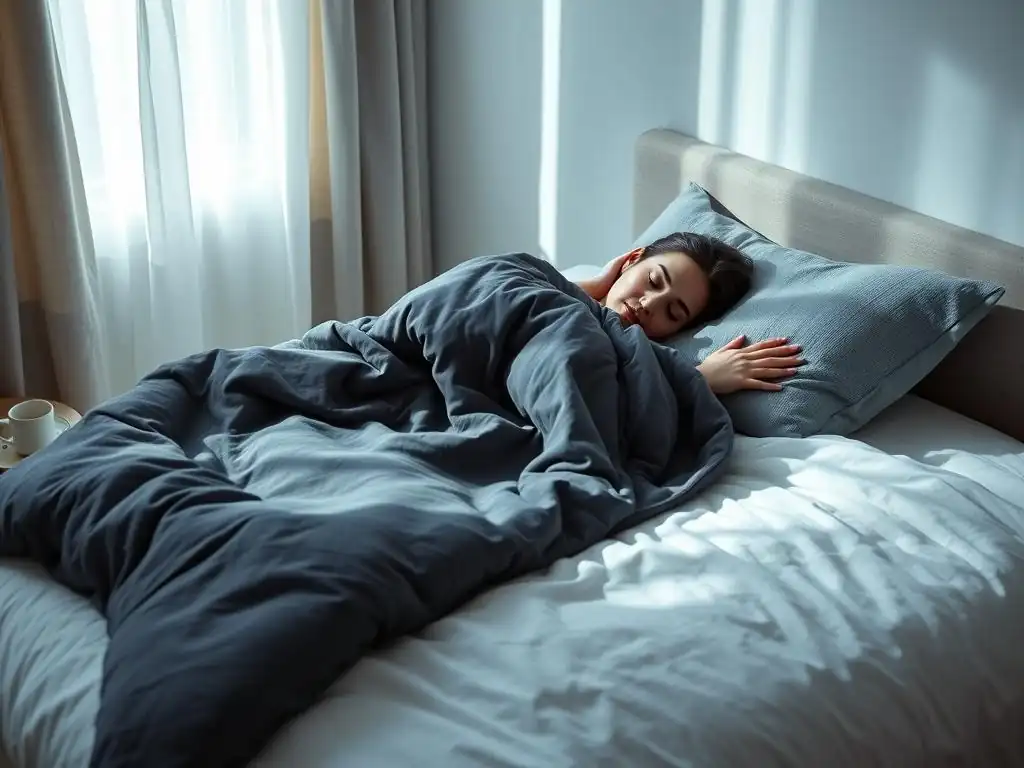
Creating a Relaxing Bedtime Routine
Incorporating your weighted blanket into a consistent, relaxing bedtime routine can significantly enhance its benefits for improving sleep and reducing anxiety. About 30-60 minutes before you plan to go to sleep, begin winding down. This might involve dimming the lights, turning off electronic devices that emit blue light (like phones and tablets), and engaging in quiet, calming activities. Examples include reading a physical book, listening to soft music or a calming podcast, taking a warm bath, or practicing gentle stretching or yoga. As you settle into your bed or a comfortable spot, position the weighted blanket over your body.
The simple act of pulling the weighted blanket over you can signal to your body and mind that it's time to relax and prepare for rest. Focus on the feeling of the gentle pressure across your body. You might combine this with deep breathing exercises or progressive muscle relaxation while nestled under the blanket.
This routine helps create a strong association between the weighted blanket, relaxation, and sleep, making it a powerful cue over time. By consistently using your weighted blanket as part of a calm pre-sleep ritual, you train your nervous system to transition from an anxious or alert state to a more peaceful one, optimizing its use for weighted blankets for anxiety sleep.
Combining Weighted Blankets with Other Anxiety Management Techniques
Weighted blankets can be a powerful standalone tool, but their effectiveness for managing anxiety can often be amplified when used in conjunction with other therapeutic techniques. Think of the weighted blanket as one component of a holistic approach to mental well-being.
For example, during moments of heightened anxiety or panic, wrapping yourself in a weighted blanket while practicing mindfulness or meditation can help ground you in the present moment and provide a physical anchor to focus on, complementing the mental exercise. The deep pressure can help calm the physiological symptoms of anxiety, making it easier to engage with these cognitive techniques.
Similarly, for individuals undergoing therapy for anxiety disorders, a weighted blanket can be used as a coping tool learned in sessions. Using the blanket during relaxation exercises, visualization techniques, or even during challenging conversations with a therapist can provide a sense of security and comfort. Combining the physical comfort of the blanket with practices like journaling about worries, listening to guided imagery, or using aromatherapy can create a multi-sensory approach to anxiety relief. The weighted blanket acts as a consistent, calming presence that supports and enhances the effectiveness of these various weighted blankets for anxiety sleep management strategies.
Safety Considerations and Precautions
While generally safe for most adults, there are important safety considerations and precautions to keep in mind when using a weighted blanket, especially for vulnerable populations. A weighted blanket should never be used on infants or toddlers due to the risk of suffocation. Children using weighted blankets must be able to easily remove the blanket themselves if they feel uncomfortable or restricted. It is crucial to select a weight that is appropriate for the user's body weight and age, ideally consulting with a pediatrician or occupational therapist for children.
Individuals with certain medical conditions should exercise caution and consult their doctor before using a weighted blanket. These conditions include respiratory issues (like asthma or COPD), circulatory problems, temperature regulation issues, claustrophobia, or any condition where being restricted or having pressure on the body could be problematic. The user should always feel comfortable and able to move freely underneath the blanket.
Avoid using a weighted blanket if you feel trapped or unable to adjust it. Always ensure the user's face is unobstructed and they can breathe easily. Proper use and awareness of these safety guidelines are essential to ensure that weighted blankets for anxiety sleep are used effectively and without risk.
Maximizing the Benefits: Tips and Tricks
Maintaining and Cleaning Your Weighted Blanket
Proper maintenance and cleaning are essential for keeping your weighted blanket fresh, hygienic, and effective over time. Always check the manufacturer's care label for specific instructions, as cleaning methods can vary depending on the filling material and outer fabric. Many weighted blankets with glass bead fillings and a removable cover can be relatively easy to clean.
The cover can often be machine washed on a gentle cycle with cold water and tumble dried on low heat or air dried. The inner weighted portion may require spot cleaning or hand washing, or some might be machine washable in a large capacity machine on a delicate setting.
For blankets filled with plastic pellets or those without a removable cover, cleaning can be more challenging. Some may only be suitable for spot cleaning or hand washing. When machine washing is permitted, use a large commercial-sized washing machine to avoid damaging the blanket or your home machine due to the weight.
Always use mild detergent and avoid bleach. Ensure the blanket is thoroughly dried before use or storage to prevent mold or mildew, which can take a long time due to the density and filling. Regular maintenance, like airing out the blanket, can also help keep it fresh, ensuring your weighted blankets for anxiety sleep remain a clean and comforting tool.
Addressing Common Concerns and Misconceptions
Several common concerns and misconceptions surround the use of weighted blankets. One fear is feeling trapped or restricted. While the blanket provides pressure, it should never feel suffocating or make you unable to move. If it does, the blanket may be too heavy, or the user might have claustrophobia, in which case alternative anxiety management techniques might be more suitable.
Another common issue is overheating. While some materials are more breathable than others, weighted blankets inherently retain more heat than standard blankets due to their density. Choosing cooling fabrics, using the blanket in a cool room, or opting for a blanket with an open-knit design can help mitigate this.
Some people worry that they will become dependent on the weighted blanket for sleep or anxiety relief. While it can become a comforting part of a routine, it's a tool, not a crutch. You can still practice other relaxation techniques and develop healthy coping mechanisms alongside using the blanket.
Finally, it's important to understand that weighted blankets are not a miracle cure for severe anxiety or sleep disorders. They are a therapeutic aid that can complement other treatments like therapy or medication. Managing expectations and seeing the weighted blanket as one part of a broader wellness strategy is key to maximizing its benefits for weighted blankets for anxiety sleep.
Conclusion: Investing in a Weighted Blanket for Wellbeing and Restful Sleep
Investing in a weighted blanket can be a meaningful step towards improving both your mental well-being and the quality of your sleep, particularly if you struggle with anxiety. By leveraging the principles of deep pressure stimulation, these blankets offer a non-pharmacological way to potentially reduce feelings of stress and promote a state of calm conducive to rest. The gentle, consistent pressure mimics a comforting embrace, providing a sense of security that can help quiet a restless mind and body before sleep or during moments of anxiety.
Choosing the right weighted blanket involves careful consideration of factors like weight, size, material, and filling to ensure safety, comfort, and effectiveness tailored to your individual needs. While they are not a substitute for professional medical advice or treatment, weighted blankets serve as a valuable addition to a holistic self-care routine.
Whether you opt for a premium, breathable design or a more budget-friendly option, incorporating a weighted blanket into your daily or nightly ritual could pave the way for more restful sleep and a greater sense of tranquility, making weighted blankets for anxiety sleep a worthwhile consideration for your personal wellness journey.
Frequently Asked Questions
What exactly are weighted blankets, and how do they work?
Weighted blankets are blankets filled with materials like plastic pellets or glass beads to provide a sense of gentle pressure. This pressure, known as deep touch pressure, can help to calm the nervous system.
How can a weighted blanket help with anxiety and improve sleep?
The deep touch pressure from a weighted blanket can stimulate the release of serotonin and melatonin, hormones that promote relaxation and improved sleep quality. This can alleviate anxiety symptoms and lead to more restful nights.
Are weighted blankets safe for everyone to use?
While generally safe, weighted blankets are not recommended for infants or young children due to suffocation risk. Individuals with certain medical conditions, like respiratory issues, should consult their doctor first.
What weight of weighted blanket should I choose?
A general rule of thumb is to choose a weighted blanket that is approximately 10% of your body weight. However, personal preference also plays a role, so consider trying different weights to find what feels most comfortable.
Where can I find reputable information and resources about anxiety and mental well-being, beyond just weighted blankets?
Mind Care Guide offers a comprehensive guide to mental well-being, including information, support, and resources for various mental health challenges, going beyond just weighted blankets. You can find articles, tips, and support options on our website.
Final Reflection: Weaving Calm into Our Lives Through Weighted Blankets
The pursuit of restful sleep and anxiety reduction is a universal human need, and the simple act of using a weighted blanket offers a surprisingly powerful path towards achieving both. This isn't just a fleeting trend; it's a tangible tool that's helping countless individuals navigate the complexities of modern life and reclaim their well-being. The increasing prevalence of anxiety and sleep disorders underscores the critical importance of exploring accessible and effective solutions like weighted blankets.
The profound impact of deep, restorative sleep on our mental and physical health cannot be overstated. Weighted blankets, by providing a gentle, constant pressure, mimic the feeling of being held or hugged, triggering the release of calming hormones and reducing the physiological responses associated with anxiety. Sleep is the best meditation.
This simple truth, often overlooked in our busy lives, highlights the transformative power of prioritizing rest and the role weighted blankets can play in achieving it. Their growing popularity reflects a societal shift towards prioritizing mental wellness and seeking practical solutions for common struggles.
Consider the weight of your own anxieties, the sleepless nights that rob you of energy and clarity. Now, imagine the gentle, comforting pressure of a weighted blanket, a constant reminder of your own self-care. You deserve to experience the peace and tranquility that comes with restful sleep. Explore the options, find the weight that feels right for you, and begin weaving calm into the fabric of your daily life. Embrace the simple act of self-compassion and allow the weight of the blanket to ease the weight on your mind.
Unlock Deeper Rest: Your Next Steps to a Calmer You
Thanks for taking the time to explore the world of weighted blankets with us! We hope you now feel more confident in understanding their benefits for sleep and anxiety. Ready to experience the difference?
- Embrace the Coziness: Order your own weighted blanket today and start your journey towards more restful nights and reduced stress. Consider the weight and fabric options carefully to find your perfect fit.
- Share Your Experience: Tell us (and others!) about your experience with weighted blankets. Leave a comment below and share your thoughts on how they've impacted your sleep and well-being. We’d love to hear your story!
- Explore Further: Dive deeper into the science behind weighted blankets by searching for related articles and research online. You might be surprised by what you discover!
Ready to transform your sleep and feel the calming embrace of a weighted blanket? What will be your first step toward a more peaceful night's rest?