
The Ultimate Guide to Comfortable Meditation Seats

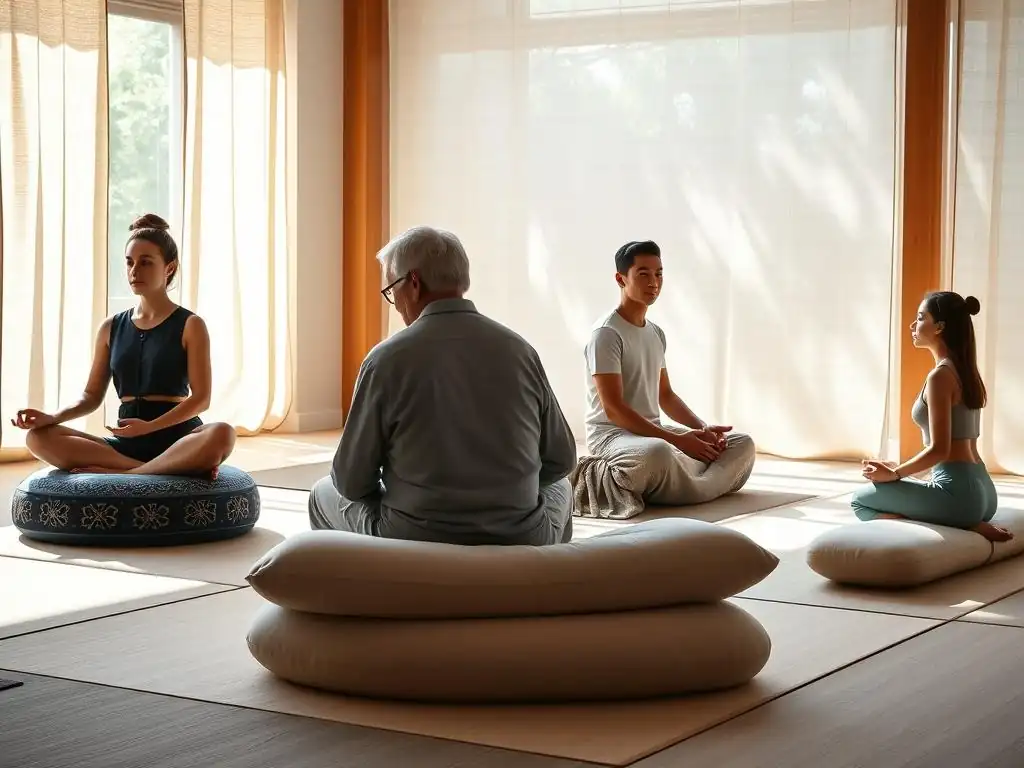
Welcome to Mind Care Guide, a sanctuary for your mental well-being.
Feeling stiff or uncomfortable during meditation? You're not alone! Many struggle to find the right position. This guide, " The Ultimate Guide to Comfortable Meditation Seats," is your key to unlocking deeper relaxation and focus. We'll explore finding the perfect posture for you, so you can finally experience the true benefits of meditation. Intrigued? Let's begin your journey to comfortable and mindful practice...
The Ultimate Guide to Comfortable Meditation Seats: Mind Care Guide
- Achieving Comfort and Support: Your Comfortable Meditation Posture Guide
- Choosing the Right Meditation Seat: A Comprehensive Guide
- Factors to Consider When Selecting a Comfortable Meditation Seat
-
Top Meditation Seat Recommendations for Enhanced Comfort
- The Best Meditation Cushion for Beginners: The Bean Products Zafu Review
- The Most Supportive Meditation Bench for Kneeling: STILLNESS Meditation Bench Analysis
- The Ultimate Meditation Chair for Back Pain Relief: Exploring the Alexia Meditation Seat
- A Budget-Friendly Option for Comfortable Meditation: Friends of Meditation Upright Ergonomic Cushion
- Optimizing Your Meditation Posture with Your New Seat
- Maintaining Your Meditation Seat for Longevity
- Benefits of a Comfortable Meditation Seat for Mental Health
- Where to Buy Your Comfortable Meditation Seat
-
Frequently Asked Questions
- What is the most important factor to consider when choosing a comfortable meditation posture?
- Does a "comfortable meditation posture" mean lying down?
- I have lower back pain. Are there any comfortable meditation postures that are suitable for me?
- How long should I hold a meditation posture before adjusting it?
- What if I can't sit cross-legged? Is there an alternative comfortable meditation posture?
- Final Reflection: Finding Your Still Point Through Comfort
- Uncover Your Perfect Meditation Posture
Achieving Comfort and Support: Your Comfortable Meditation Posture Guide
Why Comfortable Meditation Posture Matters for Mental Well-being
Achieving a comfortable and stable posture is fundamental to a successful and sustainable meditation practice. When the body is at ease, the mind is less distracted by physical discomfort. Chronic pain, stiffness, or the constant urge to shift position can pull your attention away from the breath or meditation object, hindering your ability to cultivate focus and mindfulness. A well-supported posture allows energy to flow more freely, promoting a sense of groundedness and presence that is crucial for deep meditative states and contributes significantly to your overall mental well-being.
Furthermore, consistently practicing meditation in a comfortable position helps build positive associations with the practice. If meditation sessions are frequently interrupted by pain in the knees, hips, or back, it can create resistance and make it harder to maintain a regular habit. Conversely, a comfortable seat that supports your body allows you to relax into the practice, fostering a sense of peace and ease.
This physical comfort directly impacts the mental and emotional benefits derived from meditation, making it a more enjoyable and effective tool for stress reduction, emotional regulation, and self-awareness. This comfortable meditation posture guide aims to help you find that physical ease.
Addressing Common Meditation Posture Challenges
Many individuals encounter specific physical challenges when attempting to sit for meditation, such as stiffness in the hips, lower back pain, or discomfort in the knees and ankles. Sitting directly on a hard floor, or even a thin mat, can exacerbate these issues, leading to poor alignment and increased distraction. For example, tight hip flexors can cause the pelvis to tilt backward, rounding the lower back and putting strain on the spine. Similarly, lack of ankle flexibility can make sitting cross-legged or in a kneeling position painful, forcing practitioners to frequently adjust or abandon the posture altogether.
Addressing these challenges often requires external support to help the body find a sustainable and ergonomic position. Using a prop, such as a cushion or bench, can elevate the hips, allowing the knees to drop below them and facilitating a natural curve in the lower back. This slight elevation can dramatically reduce strain on the hips and spine.
For those with knee or ankle sensitivity, a meditation bench can provide a kneeling position without putting direct pressure on the joints. Understanding these common issues is the first step in finding the right tools to create your comfortable meditation posture guide.
Choosing the Right Meditation Seat: A Comprehensive Guide
Understanding Your Meditation Style and Needs
Selecting the ideal meditation seat begins with an honest assessment of your personal preferences, physical capabilities, and meditation style. Do you prefer sitting cross-legged (like sukhasana or padmasana), kneeling ( seiza), or sitting with legs extended? How long do you typically sit for each session? Are there specific areas of your body – like knees, hips, or lower back – that experience discomfort during prolonged sitting? Considering these factors will help narrow down the options.
Your physical condition is a major determinant. Individuals with significant hip tightness might find a high cushion beneficial, while those with knee issues might gravitate towards a bench or chair. If you travel frequently or have limited space, portability might be a key feature. Reflecting on these aspects allows you to identify the type of support that will best facilitate your comfortable meditation posture guide journey, ensuring your seat enhances, rather than hinders, your practice.
Exploring Different Types of Meditation Seats for Enhanced Comfort
Meditation seats come in various forms, each designed to support different postures and address specific needs. From traditional cushions to ergonomic benches and chairs, understanding the distinct features of each type is essential for making an informed choice that aligns with your body and practice. This section explores the most popular options available.
Meditation Cushions (Zafus): Traditional Comfort and Support
Meditation cushions, commonly known as zafus, are perhaps the most iconic meditation seat. Traditionally round and filled with kapok or buckwheat hulls, they are designed to elevate the hips, allowing the knees to rest comfortably below them when sitting cross-legged. This elevation helps maintain the natural curve of the spine, reducing strain on the lower back and promoting better alignment for a comfortable meditation posture.
Zafus are versatile and can be used in various cross-legged positions. Their firmness (depending on filling) provides stable support, while the slight elevation facilitates proper pelvic tilt. They are relatively portable and come in different sizes and heights to accommodate varying body types and flexibility levels, making them a staple in many meditation spaces and a key element in any comprehensive comfortable meditation posture guide.
Features to Look for in a Quality Zafu Cushion
When selecting a zafu, consider the filling material; buckwheat hulls offer firm, moldable support that conforms to your shape, while kapok is lighter and firmer. The cushion's height is also critical; a higher cushion is often better for individuals with tighter hips or longer legs, typically ranging from 4 to 7 inches. Look for durable, breathable cover materials like cotton or hemp, often with a removable cover for easy cleaning.
A well-made zafu should maintain its shape and support over time. Check for sturdy stitching and a hidden zipper if the cover is removable. Some zafus also come with a matching zabuton, a flat mat placed underneath, which provides cushioning for the knees and ankles, completing the supportive setup for a truly comfortable meditation posture.
Bean Products Zafu Meditation Cushion: A Review of Comfort and Support
The Bean Products Zafu Meditation Cushion is a popular choice known for its quality craftsmanship and use of natural materials, aligning well with a focus on well-being. It is typically filled with organic buckwheat hulls, which users often praise for their ability to provide firm yet conforming support, allowing the cushion to mold slightly to the sitter's shape. This adaptability helps in achieving a stable and comfortable base for extended meditation sessions.
Reviews frequently highlight the cushion's durability and the comfort provided by the buckwheat filling, noting a significant reduction in hip and back discomfort compared to sitting on flatter surfaces. The organic cotton cover is often mentioned for its softness and breathability. While specific user numbers aren't publicly available, widespread positive feedback across various platforms suggests it effectively serves its purpose as a supportive aid in achieving a comfortable meditation posture, making it a reliable option for beginners and experienced practitioners alike.
Meditation Benches: Ergonomic Support for Kneeling Meditation
Meditation benches offer an alternative seat, primarily designed for the kneeling posture, also known as seiza. They allow the practitioner to sit with their weight supported by the bench rather than directly on their ankles, which can be uncomfortable or painful for many. The bench elevates the torso, allowing the legs to tuck underneath and the spine to remain upright naturally.
Benches come in various designs, including fixed-leg, folding, and rocking styles. Fixed-leg benches offer maximum stability, while folding ones are convenient for storage or travel. Rocking benches allow for slight movement, which some find helpful for settling in. They provide excellent ergonomic support for the spine and are often preferred by individuals who find cross-legged sitting difficult or impossible due to knee or hip issues, making them a valuable tool in your comfortable meditation posture guide.
Benefits of Using a Meditation Bench for Proper Posture
Using a meditation bench promotes a natural, upright spinal alignment. By elevating the hips above the knees, it encourages the pelvis to tilt forward slightly, supporting the lumbar curve without strain. This takes pressure off the lower back and allows the shoulders to relax. For practitioners who experience numbness or pain in their feet and ankles during kneeling, a bench is often a game-changer.
The stability provided by a bench allows the body to relax more fully into the posture, reducing physical distractions. This can lead to longer, more focused meditation sessions. Many users report that benches make the seiza posture accessible and comfortable, which might otherwise be unattainable, thus significantly enhancing their comfortable meditation posture guide practice.
STILLNESS Meditation Bench: A Look at Design and Functionality
The STILLNESS Meditation Bench is often recognized for its simple, elegant design and effective functionality, aimed at supporting the kneeling posture. Typically crafted from wood, it features a gently curved or flat seat and sturdy legs set at an angle designed to promote a stable, upright sitting position. The height is generally set to accommodate average leg lengths, providing adequate clearance for the feet underneath without putting pressure on the ankles.
Users frequently commend the STILLNESS bench for its solid construction and the immediate relief it can offer to knees and ankles during extended kneeling meditation. Its design facilitates the natural alignment of the spine, which many find helps in maintaining alertness without tension. While specific performance metrics like "improves sitting duration by X minutes" are subjective and vary by individual, anecdotal evidence strongly suggests that benches like the STILLNESS significantly enhance the comfort and sustainability of the kneeling meditation posture for many practitioners, making it a strong contender for a comfortable meditation posture guide.
Meditation Chairs: Back Support and Relaxation for All
Meditation chairs offer the highest level of support, particularly for individuals who require back support or find sitting on the floor challenging due to mobility issues, injuries, or physical limitations. These chairs come in various forms, from simple floor chairs with backrests to more elaborate designs resembling recliners or ergonomic office chairs adapted for meditation.
The primary advantage of a meditation chair is the provision of back support, which can be crucial for maintaining an upright posture without fatigue, especially during longer sessions. They allow practitioners to keep their spine aligned and relaxed, minimizing physical strain and maximizing focus on the meditation practice itself. This makes them an inclusive option for a comfortable meditation posture guide, accessible to a wider range of people.
Types of Meditation Chairs: Backrests, Armrests, and More
Meditation chairs range from basic floor chairs with a padded seat and a foldable backrest to more sophisticated models. Floor chairs are lightweight and portable, providing essential back support while still allowing you to sit at floor level. Other types include chairs with integrated cushions and back support elevated slightly off the floor, or even specialized chairs designed to promote a specific cross-legged posture while offering back support.
Some meditation chairs feature armrests, which can aid in getting into and out of the chair and provide a place to rest the hands. Adjustable backrests are also a common feature, allowing users to find the precise angle of support needed for their comfort. The variety ensures that individuals with different needs can find a chair that facilitates a comfortable meditation posture.
The Alexia Meditation Seat: A Premium Option for Ultimate Comfort
The Alexia Meditation Seat is often cited as a premium, innovative option designed specifically to facilitate comfortable cross-legged sitting with back support. Unlike traditional chairs or cushions, the Alexia features a unique, ergonomic design that supports the lower back and helps tuck the legs underneath in a comfortable, elevated position, aiming to relieve pressure on the knees, hips, and ankles.
Its design is engineered to encourage the natural 'S' curve of the spine, providing lumbar support that is often lacking in traditional floor sitting. User testimonials frequently highlight the seat's ability to make extended cross-legged sitting significantly more comfortable, with many reporting they can sit for much longer periods without pain. While it represents a higher investment than simple cushions or benches, its specialized design is often lauded by those who have struggled with finding a truly comfortable meditation posture using other methods, positioning it as a top-tier choice in this comfortable meditation posture guide.
Seiza Benches: Easing Ankle Strain During Meditation
Seiza benches are a specific type of meditation bench designed for the kneeling posture ( seiza). Their primary function is to elevate the sitter's weight off the ankles and feet, allowing them to rest comfortably underneath the bench. This is crucial for individuals who experience pain, numbness, or discomfort in these areas when attempting the seiza posture directly on the floor or a flat cushion.
These benches are particularly beneficial for those with limited ankle flexibility or conditions like plantar fasciitis or arthritis that make direct pressure on the feet painful. By supporting the body's weight on the shins or knees (depending on the bench design and individual anatomy) and the bench itself, they make the upright, stable seiza posture accessible and comfortable, serving as an essential component for those seeking a comfortable meditation posture guide for kneeling.
How Seiza Benches Can Improve Your Meditation Practice
A seiza bench dramatically improves the kneeling meditation experience by eliminating or significantly reducing ankle and foot pain. This allows the practitioner to maintain focus on their meditation object rather than being distracted by physical discomfort. By facilitating a stable and comfortable kneeling position, the bench supports proper spinal alignment, promoting alertness and reducing the tendency to slouch over time.
For many, a seiza bench opens up the possibility of using the seiza posture at all, providing an alternative to cross-legged sitting which may also be uncomfortable. The ability to sit comfortably for extended periods directly contributes to a more consistent and deeper meditation practice, enhancing overall mindfulness and mental well-being. This is a key benefit highlighted in any comfortable meditation posture guide focusing on kneeling.
Mindful & Modern Seiza Bench: A Durable and Comfortable Choice
The Mindful & Modern Seiza Bench is often cited as a durable and well-designed option for kneeling meditation. Typically constructed from sturdy wood, it often features folding legs for convenient storage and portability. The bench height is generally calibrated to provide sufficient clearance for the feet, alleviating direct pressure on the ankles, a common point of discomfort in the seiza posture.
Users frequently appreciate the solid construction and stability of the Mindful & Modern bench, noting that it feels secure during use. The folding mechanism, when present, is usually simple and robust. Many reviews mention a noticeable improvement in comfort during kneeling meditation, allowing for longer sessions without the distraction of ankle pain. While specific sales figures aren't available, its consistent positive feedback underscores its effectiveness in providing a comfortable meditation posture for those who prefer or require the kneeling position.
Factors to Consider When Selecting a Comfortable Meditation Seat
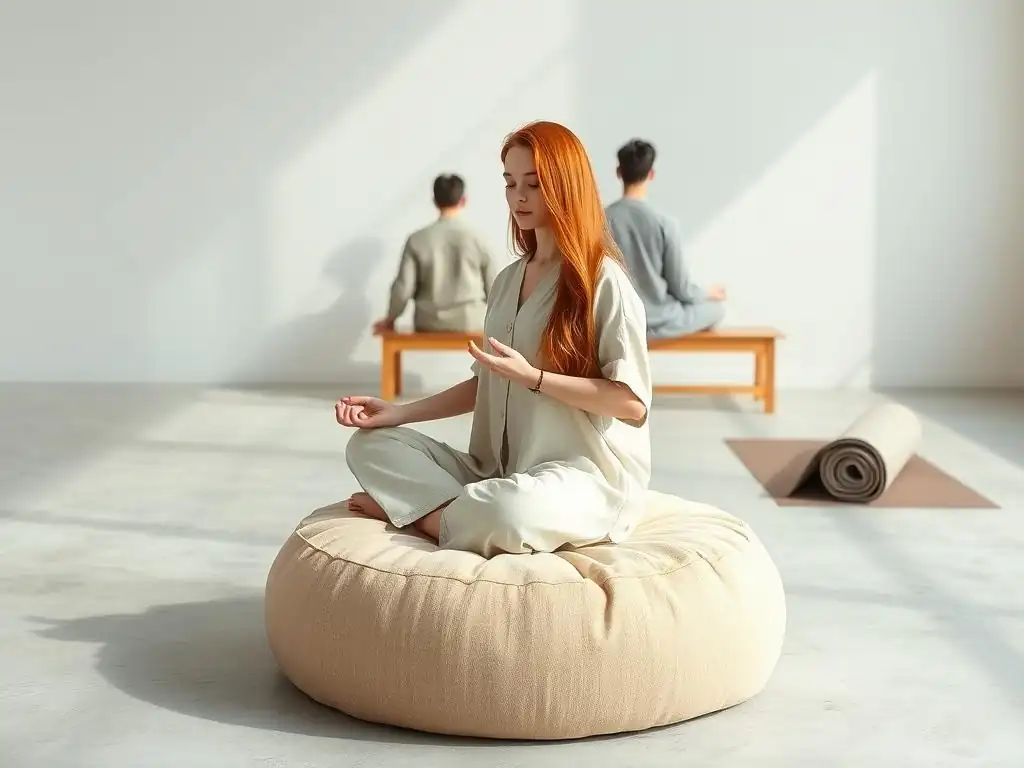
Choosing the perfect meditation seat involves evaluating several key factors beyond just the type of seat. Considering ergonomics, materials, size, portability, and budget will help you find a seat that not only supports your body effectively but also fits seamlessly into your lifestyle and practice.
Ergonomics: Supporting Your Spine and Joints
Ergonomics is paramount when selecting a meditation seat. The primary goal is to find a seat that supports the natural curves of your spine and reduces strain on your joints, particularly the hips, knees, and ankles. For cross-legged sitting, this means elevating the hips sufficiently so the knees can drop below them, facilitating a neutral pelvic tilt and preventing rounding of the lower back.
For kneeling, the seat must take pressure off the ankles and allow the spine to stack naturally. A well-designed ergonomic seat helps maintain good posture effortlessly, preventing fatigue and discomfort during extended periods of sitting. It should allow your muscles to relax rather than strain to hold you upright, which is the core principle of a comfortable meditation posture guide.
Materials: Comfort, Durability, and Sustainability
The materials used in a meditation seat impact its comfort, durability, and environmental footprint. Fillings like buckwheat hulls (firm, moldable) or kapok (firmer, lighter) offer different levels of support in cushions. Foam can provide cushioning but may not offer the same moldability as natural fillings. Covers are often made from cotton, hemp, or polyester blends; natural fibers are often preferred for breathability and sustainability.
For benches and chairs, look for sturdy construction materials like wood (bamboo, maple, etc.) or durable plastics/metals. The padding materials should be comfortable yet supportive. Considering the sustainability of materials can also be important for practitioners aligned with mindful living principles. Durable materials ensure your seat lasts for years, providing consistent support for your comfortable meditation posture.
Size and Portability: Finding the Right Fit for Your Space
The size and portability of a meditation seat are practical considerations. A seat that is too high or too low for your body type won't provide optimal support. Measure your inseam or hip-to-knee distance if possible, or try different heights if you have the opportunity. Consider the dimensions of the seat itself – is it wide enough for comfortable sitting?
If you plan to take your seat to a meditation center, retreat, or when traveling, portability is key. Folding benches and lightweight cushions are ideal. If your meditation space is small, a seat that is easy to store, like a folding bench or a cushion that can be tucked away, might be preferable. These practical aspects contribute to integrating your comfortable meditation posture guide into your daily life.
Budget: Balancing Quality and Affordability
Meditation seats range significantly in price, from basic cushions costing around $30-50 to premium chairs that can exceed $300. Determine your budget, but also consider the seat as an investment in your practice and well-being. A higher-quality seat made with durable, ergonomic materials may cost more upfront but could provide superior comfort and last much longer than a cheaper alternative.
Consider the value proposition: does the seat offer features that significantly improve your comfort and support your practice? Read reviews to understand the experiences of other users regarding durability and long-term comfort. Sometimes, a slightly higher investment in a well-regarded seat can make a substantial difference in your ability to maintain a consistent and comfortable meditation posture.
Top Meditation Seat Recommendations for Enhanced Comfort
Based on common needs and user feedback, here are some recommendations for meditation seats that are often praised for their comfort and support, aligning with principles of a comprehensive comfortable meditation posture guide.
The Best Meditation Cushion for Beginners: The Bean Products Zafu Review
As discussed earlier, the Bean Products Zafu Meditation Cushion is frequently recommended for beginners due to its reliable support and use of natural materials. Its buckwheat hull filling provides a stable base that conforms to the sitter, making it easier for newcomers to find a comfortable cross-legged position without excessive strain on the hips or knees. The organic cotton cover is soft and durable. This cushion offers a classic, effective starting point for establishing a comfortable meditation posture.
The Most Supportive Meditation Bench for Kneeling: STILLNESS Meditation Bench Analysis
The STILLNESS Meditation Bench stands out for those who prefer or require the kneeling posture. Its sturdy wooden construction and thoughtful design effectively alleviate pressure on the ankles and feet, which is a common barrier to comfortable kneeling. By elevating the hips and allowing the spine to align naturally, it provides excellent support for maintaining an upright and alert posture during meditation, making kneeling accessible and sustainable.
The Ultimate Meditation Chair for Back Pain Relief: Exploring the Alexia Meditation Seat
For individuals who struggle with back pain or require significant lumbar support, the Alexia Meditation Seat is often considered a top-tier solution. Its unique ergonomic shape is specifically engineered to support the lower back and facilitate a comfortable cross-legged position that minimizes strain on the spine, hips, and knees. While a premium option, its specialized design makes it highly effective for those seeking maximum comfort and back support during meditation.
A Budget-Friendly Option for Comfortable Meditation: Friends of Meditation Upright Ergonomic Cushion
While specific pricing fluctuates, cushions like the Friends of Meditation Upright Ergonomic Cushion often provide a more budget-conscious entry point into supportive meditation seating. These cushions typically feature a wedge shape or a combination of height and firmness designed to tilt the pelvis forward, promoting an upright spine without the need for a full zafu or bench. They offer a good balance of support and affordability for those looking to improve their comfortable meditation posture without a large investment. Note: Specific model availability and pricing can vary.
Optimizing Your Meditation Posture with Your New Seat
Acquiring a comfortable meditation seat is a significant step, but optimizing your posture involves more than just sitting down. Proper setup and minor adjustments can make a substantial difference in your overall comfort and the quality of your meditation practice.
Setting Up Your Meditation Space for Optimal Comfort
Your meditation space should be calm, quiet, and conducive to relaxation. Place your new seat on a firm, level surface. Consider using a zabuton (flat mat) underneath your cushion or bench if you need extra cushioning for your knees and ankles, especially on hard floors. Ensure there is enough space around you to sit without feeling cramped. The environment plays a role in your ability to relax into a comfortable meditation posture.
The temperature should be comfortable, and lighting soft. Minimize potential distractions like phones or clutter. Creating a dedicated, comfortable space signals to your mind and body that it's time to transition into a state of calm and focus, complementing the physical support provided by your seat.
Adjusting Your Seat for Proper Alignment
Once seated, take a moment to settle in and make adjustments. If using a cushion, ensure your sitting bones are towards the front edge, allowing your hips to tilt forward and your knees to drop below your hips. If using a bench, position your legs comfortably underneath, ensuring your weight is supported by the bench and your shins/knees (depending on the bench and your anatomy), not your ankles.
Allow your spine to lengthen upwards naturally, imagining a string pulling gently from the crown of your head. Shoulders should be relaxed, and hands can rest comfortably on your knees or in your lap. It might take a few sessions to find the perfect spot and positioning on your seat, but this conscious adjustment is key to achieving a truly comfortable meditation posture.
Incorporating Accessories for Enhanced Support: Yoga Blocks
Sometimes, even with a seat, additional support might be needed. Yoga blocks can be incredibly versatile accessories. If using a cushion, placing a yoga block under each knee can provide extra support if your knees don't comfortably reach the floor. This reduces strain on the hips and inner thighs.
If sitting on a bench or chair, a block can be used under the feet if they don't rest flat on the floor, helping to ground the posture. A block can also be placed between the knees when sitting cross-legged to provide stability. Experimenting with simple props like yoga blocks can fine-tune your comfortable meditation posture, addressing specific areas of tightness or discomfort.
Maintaining Your Meditation Seat for Longevity
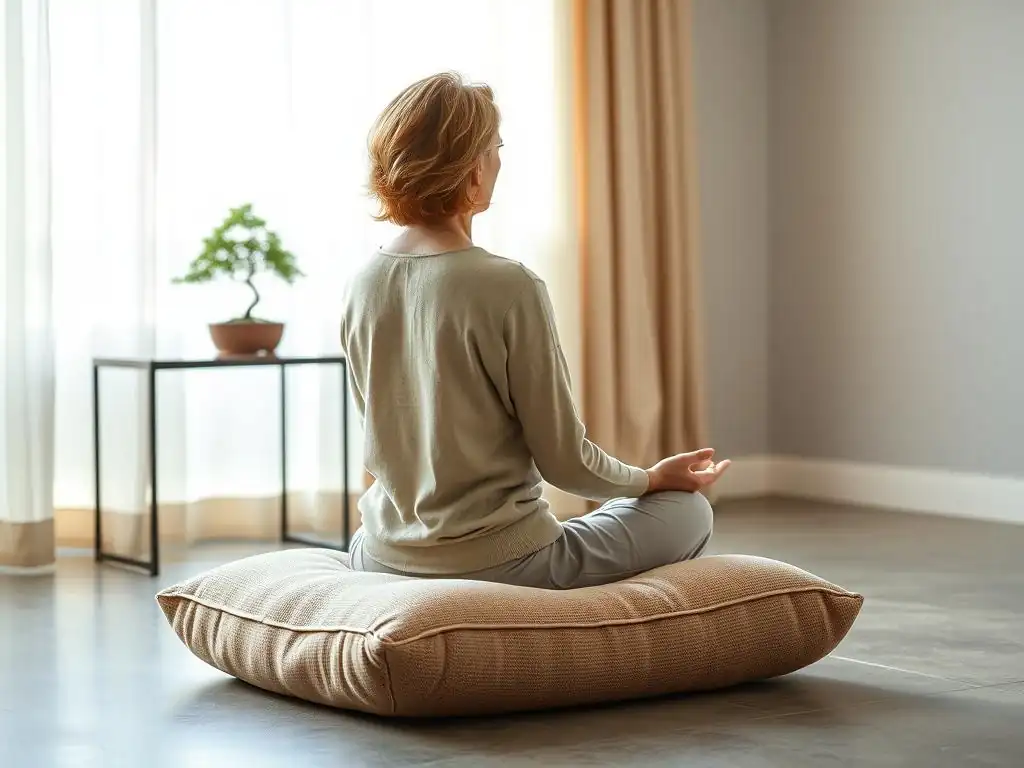
Proper care and maintenance will ensure your comfortable meditation seat remains supportive and in good condition for years of practice. Different materials require different care methods.
Cleaning and Care Tips for Different Materials
For cushions with removable covers (like many zafus), check the care label. Most fabric covers can be machine washed on a gentle cycle with mild detergent and air dried. For spot cleaning non-removable covers, use a damp cloth and mild soap, avoiding saturation. Buckwheat hulls or kapok fillings should generally not get wet; if they do, they need thorough air drying to prevent mold. Some fillings can be refreshed by placing them in sunlight.
Wooden benches can typically be wiped clean with a damp cloth. Avoid harsh chemicals or excessive moisture. If the wood is unfinished or oiled, occasional re-oiling might be necessary to maintain its condition. For padded chairs, spot clean upholstery as needed, following the manufacturer's guidelines for the specific fabric. Regular cleaning helps maintain hygiene and appearance.
Storing Your Meditation Seat Properly
When not in use, store your meditation seat in a clean, dry place away from direct sunlight, which can fade fabrics or warp wood. If you have a folding bench, ensure it is folded correctly and stored securely. Cushions can be stacked or placed on a shelf. Proper storage protects the materials from dust, moisture, and physical damage, ensuring your seat is ready and supportive for your next session in your comfortable meditation posture guide journey.
Benefits of a Comfortable Meditation Seat for Mental Health
Investing in a comfortable meditation seat is not just about physical ease; it has profound positive impacts on your mental and emotional well-being, directly enhancing your meditation practice and its benefits.
Reduced Physical Discomfort and Improved Focus
The most immediate benefit is the reduction or elimination of physical pain and discomfort during meditation. When you're not constantly shifting, fidgeting, or distracted by aches in your back, hips, or knees, your mind is free to focus on the breath, mantra, or other meditation object. This improved focus allows for deeper concentration and a more effective practice, leading to greater clarity and presence. This physical comfort is a cornerstone of achieving a comfortable meditation posture.
Studies and anecdotal evidence suggest that individuals using supportive seating report being able to sit for longer periods, often increasing their session duration from 10-15 minutes to 30 minutes or more within weeks of finding the right seat. This extended duration allows for deeper states of relaxation and mindfulness to develop.
Deeper Meditation Experiences and Enhanced Mindfulness
With physical distractions minimized, a comfortable seat facilitates a deeper immersion into the meditative state. It becomes easier to observe thoughts and emotions without getting carried away by them, cultivating greater mindfulness and self-awareness. The body's stability provides a foundation for the mind's stillness.
Many practitioners report experiencing a greater sense of calm, peace, and insight when meditating with proper support. The ability to fully relax into the posture allows the nervous system to settle, reducing stress and promoting emotional regulation. This enhanced capacity for mindfulness translates into daily life, helping you navigate challenges with greater ease and presence, directly linked to the principles of a comfortable meditation posture guide.
Cultivating a Sustainable Meditation Practice
Perhaps one of the most significant benefits is the cultivation of a sustainable long-term meditation practice. If meditation is consistently uncomfortable or painful, it's challenging to maintain the habit. A comfortable seat removes a major barrier, making you more likely to sit regularly.
Consistency is key to reaping the full mental health benefits of meditation, such as reduced anxiety, improved mood, and enhanced cognitive function. By making the physical act of sitting enjoyable or at least neutral, a comfortable meditation seat empowers you to build a consistent practice that nourishes your mind and spirit over time, embodying the goals of a comfortable meditation posture guide.
Where to Buy Your Comfortable Meditation Seat
Finding the right place to purchase your meditation seat is the final step in your journey to a comfortable meditation posture. Several options exist, each offering different advantages.
Online Retailers: Amazon, Etsy, and Specialty Shops
Online retailers like Amazon offer a vast selection of meditation seats from various brands, often with competitive pricing and customer reviews that can help inform your decision. Etsy is a great platform for finding handcrafted or unique meditation props, often from smaller artisans. Additionally, many specialty online shops focus exclusively on meditation and yoga supplies, offering curated selections and expert advice.
Shopping online provides convenience and a wide range of options to compare features, materials, and prices. However, you cannot physically test the seat before purchasing, so relying on detailed descriptions, dimensions, and reviews is crucial.
Local Yoga Studios and Meditation Centers
Visiting local yoga studios or meditation centers can be an excellent way to find a comfortable meditation seat. Many centers have retail sections where they sell the props they use in their classes. This provides the invaluable opportunity to physically sit on different cushions, benches, and chairs to see how they feel and if they offer the support you need.
Staff at these centers are often knowledgeable practitioners themselves and can offer personalized recommendations based on your specific needs and posture challenges. While the selection might be smaller than online retailers, the ability to "try before you buy" and receive expert guidance is a significant advantage in finding your comfortable meditation posture support.
Finding the Best Deals and Discounts on Meditation Seats
To find the best value, compare prices across different retailers, both online and potentially locally. Sign up for newsletters from specialty shops or meditation centers, as they often announce sales or discounts. Check for seasonal sales events, such as holiday promotions.
Consider purchasing during major shopping events or looking for clearance sections online. Sometimes, bundled deals (e.g., a zafu and zabuton together) can offer savings. While focusing on quality and comfort is paramount for your comfortable meditation posture, being mindful of pricing can help you make a wise investment.
Frequently Asked Questions
What is the most important factor to consider when choosing a comfortable meditation posture?
The most important factor is finding a posture that allows you to maintain spinal alignment and physical comfort for the duration of your meditation. Avoid positions that cause pain or strain.
Does a "comfortable meditation posture" mean lying down?
While lying down can be comfortable, it's generally not recommended for meditation as it can easily lead to drowsiness and sleep. The goal is to be relaxed yet alert and focused.
I have lower back pain. Are there any comfortable meditation postures that are suitable for me?
Yes, there are several! Consider using a meditation cushion (zafu) to elevate your hips, or try sitting in a chair with good back support. You can also explore lying down meditation.
How long should I hold a meditation posture before adjusting it?
Listen to your body. If you experience discomfort or pain, adjust your posture immediately. There's no shame in moving to maintain comfort and focus.
What if I can't sit cross-legged? Is there an alternative comfortable meditation posture?
Absolutely! The cross-legged position isn't essential. You can sit on a chair with your feet flat on the floor, kneel on a cushion (seiza), or even stand. The key is finding what works best for your body and needs.
Final Reflection: Finding Your Still Point Through Comfort
The pursuit of inner peace often begins with the seemingly mundane: finding a comfortable meditation posture. This guide has explored a range of seating options, from simple cushions to elaborate meditation benches, highlighting the crucial role physical comfort plays in establishing a consistent and enjoyable meditation practice. Ultimately, the right posture isn't just about physical ease; it's about creating the optimal conditions for mental clarity and spiritual growth.
The impact of proper posture on meditation extends far beyond the immediate experience. A comfortable seat allows for deeper relaxation, reducing physical tension that can otherwise distract from the meditative state. The body is your temple. Treat it with respect, and it will serve you well.
This simple truth underscores the importance of prioritizing physical comfort in our spiritual journeys. The subtle shift in perspective – from viewing meditation as a purely mental exercise to recognizing the interconnectedness of mind and body – is a powerful one, influencing how we approach both our spiritual and physical well-being.
Now, consider your own meditation practice. What adjustments can you make to enhance your comfort and deepen your experience? Perhaps it's time to invest in a new cushion, experiment with different seating positions, or simply take a few extra moments to settle into your posture before beginning. Remember, the journey inward is a personal one, and finding the perfect seat is just the first step towards cultivating a consistent and fulfilling meditation practice. Embrace the process, listen to your body, and discover the stillness that awaits you.
Uncover Your Perfect Meditation Posture
Thanks for exploring the world of comfortable meditation with us! We hope you've discovered new ways to enhance your practice and find inner peace. Ready to take the next step towards a more mindful you?
- Invest in your comfort: Explore different seating options – cushions, benches, chairs – to find the perfect fit for your body and meditation style. Consider trying a new posture you haven't explored before!
- Share your experience: Tell us about your favorite meditation seat or pose – what works best for you and why? Let's build a supportive community!
- Start a mindful movement challenge:Dedicate 10 minutes daily to a seated meditation practice this week, focusing on your posture and breath.
What small change in your meditation routine will you implement today to deepen your practice?