
Easing Anxiety Naturally: The Role of Omega3 Fatty Acids


Welcome to Mind Care Guide, a sanctuary for your mental well-being.
Feeling overwhelmed by anxiety? You're not alone. We understand the challenges, and we're here to offer guidance and support. Did you know that a simple dietary change might make a significant difference? Dive into our latest article to discover how Omega3s reduce anxiety symptoms, unlocking a natural path towards a calmer, more balanced you. Curious to learn more? Let's explore the potential together...
Easing Anxiety Naturally: The Role of Omega-3 Fatty Acids
- Understanding the Anxiety Epidemic and the Need for Natural Solutions
- Can Omega-3s Reduce Anxiety Symptoms? Exploring the Link
- Identifying Omega-3 Intake as a Potential Anxiety Factor
- Choosing the Right Omega-3 Supplement for Anxiety: A Buying Guide
- Integrating Omega-3s into Your Daily Routine for Anxiety Management
- Addressing Common Concerns and Potential Side Effects of Omega-3s
- Maximizing the Benefits: Long-Term Strategies for Omega-3 and Anxiety Reduction
- Beyond Omega-3s: Complementary Supplements for Anxiety
-
Frequently Asked Questions
- How do Omega-3 fatty acids help reduce anxiety symptoms?
- What types of Omega-3 supplements are most effective for anxiety?
- How long does it typically take to see results when using Omega-3s for anxiety?
- Are there any side effects associated with taking Omega-3 supplements?
- Can Omega-3s completely replace traditional anxiety treatments?
- Final Reflection: Unlocking Calm: The Enduring Power of Omega-3s
- Unlock Your Calm: Take Charge of Your Anxiety Today
Understanding the Anxiety Epidemic and the Need for Natural Solutions
The Growing Prevalence of Anxiety Disorders
Anxiety disorders represent a significant and increasing mental health challenge globally. According to estimates from the World Health Organization (WHO), hundreds of millions of people worldwide are affected by anxiety disorders, making them among the most common mental health conditions. This prevalence has seen a notable rise in recent years, exacerbated by various factors including global events, economic pressures, and the constant demands of modern life. The impact of these disorders extends beyond emotional distress, often affecting physical health, relationships, and the ability to function in daily life, highlighting the urgent need for effective and accessible management strategies.
The burden of anxiety is felt across all age groups and demographics. For instance, data suggests that in the United States alone, approximately 18% of adults experience an anxiety disorder in a given year. Furthermore, children and adolescents are also increasingly diagnosed with anxiety-related issues. This widespread impact underscores the importance of exploring diverse approaches to support mental well-being, including the potential for nutritional interventions like understanding how Omega3s reduce anxiety symptoms naturally.
Why Natural Approaches to Anxiety Management are Gaining Popularity
As awareness of mental health grows, so does the interest in holistic and natural methods for managing conditions like anxiety. Many individuals seek alternatives or complements to traditional pharmacological treatments, often due to concerns about side effects, the desire for long-term sustainable strategies, or a preference for approaches that support overall wellness. Natural methods, such as mindfulness, exercise, dietary changes, and specific nutritional supplements, are appealing because they often have fewer adverse effects and can be integrated into a healthy lifestyle.
The appeal of natural approaches lies in their potential to address the root causes or contributing factors of anxiety, rather than just managing symptoms. For example, dietary interventions focusing on anti-inflammatory foods or specific nutrients, like the exploration into whether Omega3s reduce anxiety symptoms, aim to support brain health and regulate stress responses from within. This proactive and empowering stance resonates with many people looking to take an active role in their mental health journey.
Can Omega-3s Reduce Anxiety Symptoms? Exploring the Link
Omega-3 Fatty Acids: A Primer on EPA and DHA
Omega-3 fatty acids are a group of polyunsaturated fats essential for human health, meaning the body cannot produce them on its own and they must be obtained through diet or supplementation. The most well-known and studied omega-3s are Eicosapentaenoic Acid (EPA) and Docosahexaenoic Acid (DHA). Both EPA and DHA are primarily found in fatty fish like salmon, mackerel, and sardines, and are crucial components of cell membranes throughout the body, particularly in the brain and retina.
Alpha-Linolenic Acid (ALA) is another omega-3 fatty acid found in plant sources such as flaxseeds, chia seeds, and walnuts. While ALA is beneficial, the body must convert it into EPA and DHA to be utilized effectively. This conversion process is often inefficient in humans, meaning direct sources of EPA and DHA are generally considered more potent for achieving therapeutic levels, especially when investigating if Omega3s reduce anxiety symptoms.
How Omega-3s Affect Brain Function and Mood Regulation
Omega-3 fatty acids, particularly EPA and DHA, play a critical role in brain structure and function. DHA is a major structural component of brain cell membranes, making up a significant portion of the gray matter. EPA, while also present, is thought to have more prominent anti-inflammatory and signaling roles in the brain. These fatty acids influence the fluidity and permeability of cell membranes, which affects neurotransmitter function, communication between brain cells, and the health of neurons.
Research suggests that omega-3s can influence various processes linked to mood and anxiety. They are believed to modulate the release and activity of neurotransmitters like serotonin and dopamine, which are central to mood regulation. Furthermore, omega-3s possess powerful anti-inflammatory properties. Chronic low-grade inflammation is increasingly implicated in the development and exacerbation of mood and anxiety disorders. By reducing inflammation in the brain, omega-3s may help create a healthier environment for optimal brain function and potentially help Omega3s reduce anxiety symptoms.
Scientific Evidence: Studies Showing Omega-3 Benefits for Anxiety Relief
Numerous studies have explored the potential of omega-3 fatty acids in alleviating anxiety symptoms. A meta-analysis published in JAMA Network Open in 2018, which reviewed 19 clinical trials involving over 1,200 participants, found that omega-3 supplementation was associated with a statistically significant reduction in anxiety symptoms compared to placebo. The analysis suggested that dosages of 2 grams or more per day, particularly those with a higher proportion of EPA relative to DHA, showed the most promising results for anxiety relief.
Another study published in the Journal of Clinical Psychiatry in 2011 specifically looked at medical students, a population often experiencing high stress and anxiety. Participants who received 2.5 grams per day of omega-3 fatty acids (2085 mg EPA and 348 mg DHA) for 12 weeks showed a significant reduction in anxiety symptoms compared to the placebo group. These findings contribute to the growing body of evidence supporting the idea that Omega3s reduce anxiety symptoms, although more large-scale, long-term studies are still needed to confirm optimal dosages and efficacy across different anxiety disorder types.
Identifying Omega-3 Intake as a Potential Anxiety Factor
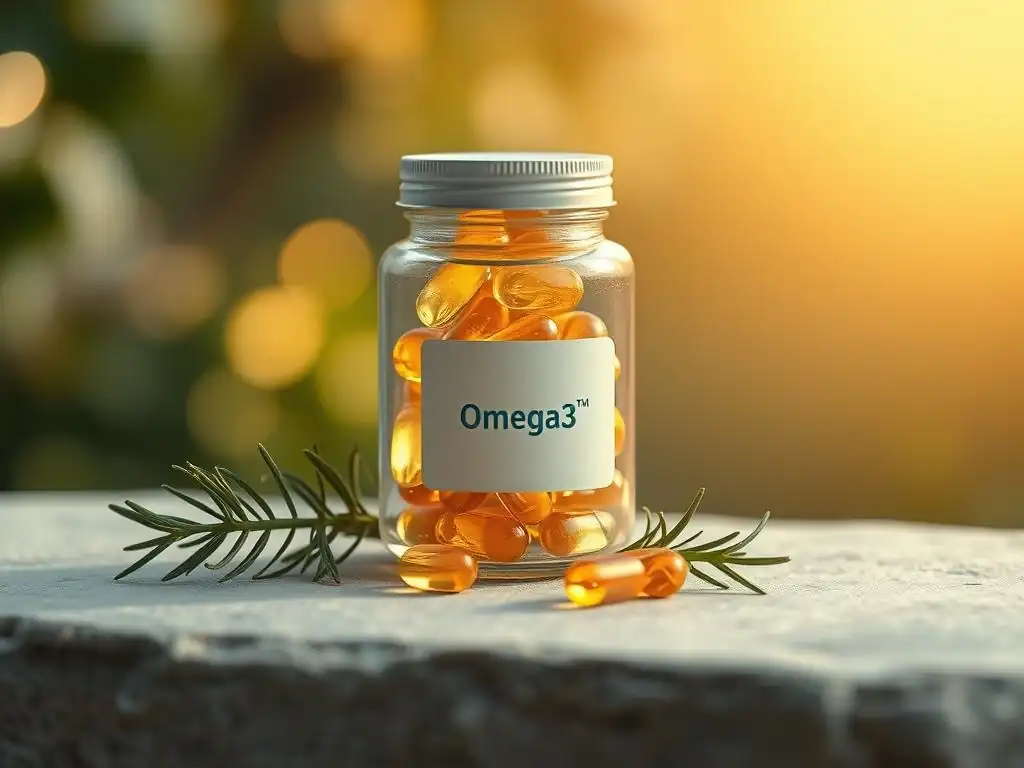
Common Symptoms of Inadequate Omega-3 Intake and Their Connection to Anxiety
A deficiency in omega-3 fatty acids can manifest in various ways throughout the body, and some of these symptoms may overlap or contribute to feelings of anxiety. Physical signs of low omega-3 levels can include dry, scaly skin, brittle hair and nails, and joint discomfort. While these aren't direct causes of anxiety, they can contribute to overall discomfort and stress, indirectly impacting mental well-being.
More directly related to mental health, insufficient omega-3 intake has been associated with mood swings, difficulty concentrating, and increased irritability. Given the crucial role of EPA and DHA in brain structure and neurotransmitter function, inadequate levels can impair these processes, potentially lowering resilience to stress and amplifying anxious feelings. Recognizing these subtle signs can be the first step in considering dietary adjustments or supplementation to see if Omega3s reduce anxiety symptoms you might be experiencing.
Self-Assessment: Are You Getting Enough Omega-3s in Your Diet?
Assessing your typical dietary intake is a good starting point to gauge your omega-3 status. Consider how often you consume fatty fish like salmon, mackerel, herring, or sardines. Aiming for two servings per week (each serving being about 3-4 ounces) is a common recommendation to ensure adequate EPA and DHA intake from food sources. If you rarely eat fish, or consume mostly lean white fish, your intake of these crucial marine omega-3s is likely low.
Also, evaluate your consumption of plant-based omega-3 sources like flaxseeds, chia seeds, walnuts, and canola oil. While beneficial, remember that the conversion to EPA and DHA is limited. If your diet lacks both fatty fish and consistent plant-based sources, or if you follow a strict vegetarian or vegan diet without supplementing with algae-based DHA/EPA, it's highly probable you are not meeting optimal levels. This self-assessment can indicate whether exploring how Omega3s reduce anxiety symptoms through supplementation might be a relevant step for you.
Dietary Sources vs. Supplementation: Which is Right for You?
Obtaining omega-3 fatty acids from whole food sources is generally preferred due to the presence of other beneficial nutrients. Fatty fish provides not only EPA and DHA but also high-quality protein, vitamin D, and selenium. However, consistently eating fatty fish several times a week can be challenging for some individuals due to cost, availability, taste preferences, or concerns about contaminants like mercury, particularly in larger, longer-lived fish.
For individuals who do not consume fatty fish regularly, or those with specific health goals like exploring if Omega3s reduce anxiety symptoms at higher therapeutic doses, supplementation becomes a practical and often necessary option. Supplements offer a concentrated and convenient way to ensure adequate intake of EPA and DHA. The choice between focusing solely on diet or incorporating supplements depends on your lifestyle, dietary habits, and specific health needs, ideally discussed with a healthcare provider.
Choosing the Right Omega-3 Supplement for Anxiety: A Buying Guide
Types of Omega-3 Supplements: Fish Oil, Krill Oil, and Algae Oil
When selecting an omega-3 supplement, the primary types available are fish oil, krill oil, and algae oil. Fish oil is the most common and widely available, derived from the tissues of fatty fish. It is typically rich in both EPA and DHA. Fish oil supplements vary significantly in concentration, purity, and form (triglyceride vs. ethyl ester).
Krill oil, sourced from tiny crustaceans, also contains EPA and DHA, but often in lower amounts than fish oil. A key difference is that the omega-3s in krill oil are primarily bound to phospholipids rather than triglycerides, which some research suggests might enhance absorption. Krill oil also naturally contains astaxanthin, a potent antioxidant. Algae oil is derived from marine algae and is a direct source of DHA, and sometimes EPA, making it an excellent plant-based option suitable for vegetarians and vegans. It bypasses the inefficient ALA conversion process.
Dosage Recommendations for Optimal Anxiety Reduction with Omega-3s
Determining the optimal dosage of omega-3s to potentially help Omega3s reduce anxiety symptoms is an area of ongoing research, but current studies provide some guidance. Many studies showing significant benefits for anxiety used dosages ranging from 1 gram (1000 mg) to 4 grams (4000 mg) of combined EPA and DHA per day. The meta-analysis mentioned earlier suggested benefits were more pronounced at doses of 2 grams or higher.
It's important to look at the total amount of EPA and DHA listed on the supplement label, as this is the active ingredient count, not just the total fish oil weight. For anxiety, some research indicates that a higher ratio of EPA to DHA might be particularly beneficial, though supplements with balanced ratios are also widely used and effective. Starting with a moderate dose, like 1-2 grams of EPA+DHA per day, and gradually increasing if needed while monitoring effects and consulting a healthcare professional is a common approach.
Key Factors to Consider: EPA/DHA Ratio, Purity, and Bioavailability
Beyond the type and total dosage, several factors influence the effectiveness and safety of an omega-3 supplement. The ratio of EPA to DHA is often considered important for specific conditions; for anxiety, a higher EPA concentration is sometimes preferred based on certain study outcomes. However, both are crucial for brain health.
Purity is paramount, especially for fish oil, due to potential contamination from heavy metals like mercury, PCBs, and dioxins. Look for supplements that are third-party tested for purity and potency by organizations like NSF International, USP, or IFOS (International Fish Oil Standards). Bioavailability refers to how well the body can absorb and utilize the omega-3s. Omega-3s in their natural triglyceride form or phospholipid form (like in krill oil) are generally considered more bioavailable than the ethyl ester form, although high-quality ethyl ester products can also be effective when taken with fatty meals.
Product Comparison: Top-Rated Omega-3 Supplements for Anxiety Relief
Nordic Naturals Ultimate Omega: High Potency EPA/DHA for Mood Support
Features: Lemon-flavored to reduce fishy aftertaste, undergoes rigorous third-party testing for purity (IFOS certified), provides a high concentration of both EPA and DHA per serving, often in the triglyceride form.
Benefits: Designed to support a healthy mood, cognitive function, and overall well-being. Its high potency makes it suitable for therapeutic doses aimed at helping Omega3s reduce anxiety symptoms. The quality testing ensures a pure product free from harmful contaminants.
Pricing: Pricing information is typically available from the retailer.
Viva Naturals Krill Oil: Enhanced Absorption and Antioxidant Properties
Features: Sourced from sustainable Antarctic krill, contains omega-3s in the phospholipid form for potentially enhanced absorption, naturally includes the powerful antioxidant astaxanthin, undergoes third-party testing.
Benefits: The phospholipid form may lead to better integration into cell membranes. Astaxanthin provides additional antioxidant benefits. May support not only cognitive function and mood but also joint and heart health. A good option for those seeking enhanced bioavailability and antioxidant support.
Pricing: Pricing information is typically available from the retailer.
Ovega-3 Vegan Omega-3: Sustainable Algae-Based Option
Features: A plant-based source of omega-3s derived from algae, providing both EPA and DHA, sustainably sourced, free from fish contaminants and suitable for strict vegetarians and vegans.
Benefits: Offers a direct source of EPA and DHA without relying on fish, making it ideal for those with dietary restrictions or concerns about marine contaminants. Supports brain and eye health and can contribute to mood support. Often formulated to minimize repeat or "fish burps."
Pricing: Pricing information is typically available from the retailer.
Integrating Omega-3s into Your Daily Routine for Anxiety Management
Dietary Strategies to Boost Omega-3 Intake
Incorporating more omega-3-rich foods into your regular diet is a foundational step in supporting mental well-being and potentially helping Omega3s reduce anxiety symptoms. Aim to consume fatty fish like salmon, mackerel, herring, or sardines at least twice a week. Grilling, baking, or steaming are healthy preparation methods. For variety, try incorporating these fish into salads, tacos, or pasta dishes.
Beyond fish, include plant-based sources like flaxseeds, chia seeds, and walnuts daily. Sprinkle ground flaxseeds or chia seeds into smoothies, yogurt, or oatmeal. Add walnuts to salads or enjoy them as a snack. While the ALA conversion is limited, these foods provide fiber and other nutrients. Using canola oil or soybean oil (in moderation) for cooking can also contribute, though they are not as potent as marine sources. Consistent dietary choices build a strong nutritional base.
Combining Omega-3 Supplementation with Other Anxiety-Reducing Practices (e.g., Mindfulness, Exercise)
Omega-3 supplementation should be viewed as part of a broader, holistic approach to managing anxiety, not a standalone cure. Combining omega-3 intake with other evidence-based anxiety-reducing practices often yields the best results. Regular physical exercise is a powerful tool for stress reduction and mood elevation. Aim for at least 30 minutes of moderate-intensity exercise most days of the week.
Mindfulness and meditation practices can help train the mind to manage anxious thoughts and reduce physiological stress responses. Even a few minutes daily can make a difference. Adequate sleep (7-9 hours per night), stress management techniques (like deep breathing or yoga), and connecting with supportive social networks are also vital components. When used in conjunction with these lifestyle factors, the potential for Omega3s reduce anxiety symptoms is enhanced as the body and mind are supported on multiple fronts.
Real-Life Success Stories: How Omega-3s Helped Individuals Manage Anxiety
While individual responses vary, many people report noticeable improvements in their anxiety levels after consistently incorporating omega-3s into their routine. For example, one individual struggling with persistent low-grade anxiety found that after three months of taking a high-quality fish oil supplement providing 2 grams of EPA+DHA daily, their baseline anxiety levels decreased, making it easier to manage stressful situations. They reported feeling calmer and less reactive.
Another person, who experienced social anxiety, added omega-3s alongside therapy and found that they felt less overwhelmed in social situations and had fewer anticipatory anxiety symptoms. While impossible to isolate the effect of omega-3s alone in such cases, these anecdotal accounts, combined with scientific studies, suggest that omega-3 supplementation can be a valuable supportive tool in an individual's anxiety management toolkit, helping many individuals find that Omega3s reduce anxiety symptoms for them.
Addressing Common Concerns and Potential Side Effects of Omega-3s

Potential Interactions with Medications
While generally considered safe for most people, omega-3 supplements can potentially interact with certain medications. The most notable interaction is with anticoagulant and antiplatelet drugs (blood thinners) like warfarin, aspirin, or clopidogrel. High doses of omega-3s (typically above 3-4 grams per day) can have a mild blood-thinning effect, which could theoretically increase the risk of bleeding when combined with these medications.
Individuals taking medications for blood pressure should also be aware that high doses of omega-3s might slightly lower blood pressure. While this can be beneficial for some, it's important to monitor blood pressure closely, especially if already on hypotensive drugs. Always inform your doctor or pharmacist about any supplements you are taking, including omega-3s, to check for potential interactions with your current medications.
Minimizing Side Effects: Tips for Safe Omega-3 Supplementation
Omega-3 supplements are usually well-tolerated, but some people may experience mild side effects. The most common include a fishy aftertaste or "burps," gastrointestinal discomfort like nausea or diarrhea, and sometimes heartburn. These side effects are often dose-dependent and can frequently be minimized.
Taking omega-3 supplements with food, particularly a meal containing fat, can significantly improve absorption and reduce the likelihood of gastrointestinal upset and fishy burps. Choosing enteric-coated capsules or supplements formulated to minimize repeat can also help. Starting with a lower dose and gradually increasing it allows the body to adjust. If side effects persist or are bothersome, discuss them with a healthcare provider, who may recommend adjusting the dose, trying a different type of omega-3 (like krill or algae oil), or switching brands.
When to Consult a Healthcare Professional
While exploring natural options like omega-3s to potentially help Omega3s reduce anxiety symptoms is empowering, it is crucial to do so under professional guidance, especially if you have a diagnosed anxiety disorder or other health conditions. Consult a healthcare professional before starting any new supplement, including omega-3s, particularly if you are pregnant, breastfeeding, have a bleeding disorder, are taking medications, or have a compromised immune system.
A doctor or registered dietitian can help you determine if omega-3 supplementation is appropriate for your specific situation, advise on the correct dosage and type of supplement based on your health needs and dietary intake, and monitor for any potential interactions or side effects. They can also help integrate omega-3s into a comprehensive anxiety management plan that may include therapy, medication, and other lifestyle changes.
Maximizing the Benefits: Long-Term Strategies for Omega-3 and Anxiety Reduction
Consistent Supplementation and Monitoring Progress
Consistency is key when using omega-3 supplements for anxiety reduction. The beneficial effects on brain health and inflammation take time to build up in the body. It may take several weeks to a few months of consistent daily supplementation at an adequate dose to notice a significant difference in anxiety symptoms. Sporadic intake is unlikely to yield substantial results.
It can be helpful to monitor your progress by keeping a journal of your anxiety levels, mood, and any physical symptoms. Note when you start supplementation and track changes over time. This subjective tracking, combined with objective feedback from loved ones or a therapist, can help you assess the effectiveness of the omega-3s. If after a few months at a sufficient dose you don't observe any changes, it might be worth discussing with your healthcare provider whether increasing the dose, changing the product, or exploring other strategies is appropriate.
The Importance of a Holistic Approach to Mental Well-being
Relying solely on any single supplement, including omega-3s, is rarely sufficient for comprehensive anxiety management. Optimal mental well-being stems from a holistic approach that addresses multiple facets of health. This includes maintaining a balanced diet rich in whole foods, engaging in regular physical activity, practicing effective stress management techniques, ensuring adequate and restful sleep, and nurturing strong social connections.
Therapy, such as Cognitive Behavioral Therapy (CBT) or Exposure Therapy, is often highly effective for anxiety disorders and can provide coping strategies and tools for managing anxious thoughts and behaviors. Medication may also be necessary for some individuals, particularly for severe anxiety. Omega-3s can serve as a supportive component within this broader framework, enhancing the effects of other interventions and contributing to overall brain resilience, thereby helping to maximize the potential for Omega3s reduce anxiety symptoms.
Resources for Further Learning About Omega-3s and Anxiety
For those interested in delving deeper into the science behind omega-3s and their role in mental health, numerous reputable resources are available. Academic databases like PubMed offer access to peer-reviewed scientific studies and clinical trials on the topic. Organizations such as the National Institutes of Health (NIH) Office of Dietary Supplements provide evidence-based fact sheets on omega-3 fatty acids, detailing sources, functions, and health effects.
Reputable health websites and publications focused on nutrition and mental health often summarize current research in accessible language. When seeking information, prioritize sources that cite scientific studies and are free from commercial bias. Consulting with registered dietitians or healthcare providers specializing in nutrition or mental health can also provide personalized guidance and answer specific questions about how Omega3s reduce anxiety symptoms for you.
Beyond Omega-3s: Complementary Supplements for Anxiety
Exploring Other Natural Supplements That May Help Reduce Anxiety Symptoms
While omega-3s are a key nutritional strategy for supporting mood and potentially reducing anxiety, other natural supplements have also shown promise as complementary tools. It's important to reiterate that, like omega-3s, these should be considered part of a holistic plan and ideally discussed with a healthcare provider before use, especially when combined with medications.
Some well-researched options include L-theanine, an amino acid found in green tea known for its calming effects; magnesium, a mineral essential for nerve function and stress response regulation; and certain herbal extracts like ashwagandha or rhodiola, which are considered adaptogens that may help the body cope with stress. Combining these with omega-3s might offer synergistic benefits for some individuals, but personalized guidance is crucial.
L-Theanine: Promotes Relaxation Without Drowsiness
L-theanine is an amino acid commonly found in green tea leaves. It is known for its ability to promote relaxation without causing drowsiness, making it an appealing option for daytime anxiety relief. L-theanine is thought to work by increasing levels of calming neurotransmitters like GABA (gamma-aminobutyric acid) and alpha brain waves, which are associated with a relaxed, focused state.
Studies have shown that L-theanine can help reduce stress and anxiety in individuals exposed to stressful conditions. A typical dosage for anxiety relief ranges from 100 to 400 mg per day. It is generally well-tolerated, and its effects are often felt relatively quickly after consumption.
Magnesium: Supports Nerve Function and Calming Effects
Magnesium is an essential mineral involved in hundreds of biochemical reactions in the body, including those related to nerve function and stress response. Magnesium deficiency is relatively common, and some research suggests a link between low magnesium levels and increased anxiety and stress. Magnesium helps regulate neurotransmitters and hormones involved in the stress response, such as cortisol.
Supplementing with magnesium may help calm the nervous system and reduce muscle tension often associated with anxiety. Various forms of magnesium supplements exist, such as magnesium citrate, glycinate, or taurate, with magnesium glycinate often recommended for its good absorption and lower likelihood of causing digestive upset. Dosing varies, but common recommendations range from 200 to 400 mg per day, taken with food.
Frequently Asked Questions
How do Omega-3 fatty acids help reduce anxiety symptoms?
Omega-3s, specifically EPA and DHA, can influence brain chemistry by impacting neurotransmitter function and reducing inflammation, potentially lessening anxiety symptoms.
What types of Omega-3 supplements are most effective for anxiety?
Supplements containing higher concentrations of EPA, particularly those with a higher EPA:DHA ratio, are often recommended for anxiety relief based on some studies.
How long does it typically take to see results when using Omega-3s for anxiety?
It can take several weeks, even months, of consistent Omega-3 supplementation to observe noticeable improvements in anxiety levels. Individual responses may vary based on dosage and personal factors.
Are there any side effects associated with taking Omega-3 supplements?
Generally, Omega-3s are considered safe, but some individuals may experience mild side effects like digestive upset or a fishy aftertaste. Consult your doctor before taking any new supplement, especially if you're on blood thinners.
Can Omega-3s completely replace traditional anxiety treatments?
Omega-3s should not be considered a replacement for prescribed medications or therapy. They can be a helpful complementary approach to managing anxiety, but always consult a healthcare professional for a comprehensive treatment plan.
Final Reflection: Unlocking Calm: The Enduring Power of Omega-3s
The pervasive nature of anxiety in modern life demands innovative and holistic solutions, and the evidence strongly suggests that harnessing the power of Omega-3 fatty acids offers a significant, naturally occurring pathway to easing its grip. This isn't just about supplements; it's about understanding the intricate connection between our diet, brain health, and emotional well-being. The potential for positive change is undeniable.
The exploration of Omega-3s and their impact on anxiety has illuminated not only the scientific basis for their effectiveness but also the broader cultural shift towards natural remedies and preventative healthcare. We are increasingly recognizing the limitations of purely pharmaceutical approaches and seeking gentler, more integrated methods for managing mental health. This resonates deeply with my own journey towards a healthier lifestyle, emphasizing the importance of proactive self-care. The body is your temple. Keep it pure and clean for the soul to reside in.
This ancient wisdom underscores the vital link between physical and mental well-being, a connection powerfully reinforced by the research presented here.
Now, consider your own relationship with stress and anxiety. What steps can you take today to incorporate more Omega-3 rich foods into your diet? Perhaps it's adding more fatty fish to your weekly meals, sprinkling chia seeds on your yogurt, or simply researching the best Omega-3 supplement for your individual needs. This isn't about a quick fix; it's about cultivating a long-term commitment to nurturing your mental and physical health. Embrace the journey towards a calmer, more balanced you – one rich in the natural power of Omega-3s.
Unlock Your Calm: Take Charge of Your Anxiety Today
Thanks for taking the time to explore the powerful connection between Omega-3s and anxiety relief! We hope you gained valuable insights into how these essential fatty acids can support your well-being. Now, let's put that knowledge into action.
- Prioritize Omega-3s: Start incorporating more Omega-3 rich foods into your daily diet. Think fatty fish, flaxseeds, or chia seeds – even a daily supplement can make a difference. This is your primary step towards a calmer you.
- Share Your Journey: Tell a friend or family member about what you’ve learned. Sharing your knowledge could inspire them to prioritize their mental health too!
- Explore Mindful Practices: Consider pairing your new dietary approach with mindfulness techniques like meditation or deep breathing. These practices complement the positive effects of Omega-3s beautifully.
What small step will you take today to nurture your mental wellness and ease anxiety naturally?