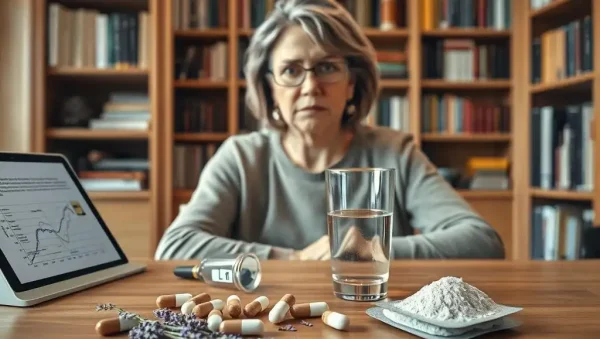
Supplements for Mood & Anxiety – Evidence-Based Guidance from Mind Care Guide
At Mind Care Guide, we explore the science behind nutritional and herbal support for emotional balance. This category cuts through marketing hype to review which natural compounds have real clinical backing for anxiety, stress, and low mood. You’ll find practical dosage advice, safety profiles, and honest evaluations of research—so you can make informed decisions alongside professional care. Whether you’re curious about magnesium or omega-3, our guides prioritize safety and efficacy.
😊 Best Natural Supplements for Anxiety - Evidence-Based Review
This subcategory ranks the most researched supplements for generalized anxiety, panic, and social stress. You’ll discover which options like L-theanine, ashwagandha, and valerian root have the strongest clinical trials, plus which are backed mainly by anecdote. We highlight effective doses, onset of action, and potential interactions—critical for anyone already on SSRIs or benzodiazepines. Expect clear verdicts on what’s worth trying and what to skip.
🌿 Herbal Remedies for Stress - Effectiveness and Safety
Here we dissect popular herbs—rhodiola, passionflower, lemon balm, and holy basil—against the stress response. You’ll learn how they modulate cortisol and GABA, and whether they work for acute versus chronic stress. Safety is a priority: we flag liver risks, sedative interactions, and pregnancy warnings that many blogs ignore. Each plant gets a “use with confidence” or “use with caution” rating based on peer-reviewed evidence.
⚡ Magnesium for Anxiety - Dosage and Side Effects
Magnesium is a mineral hero, but not all forms are equal. This section explains why glycinate and taurate are superior for anxiety, while oxide is poorly absorbed. We cover the optimal daily dose (200–400 mg elemental), timing (evening works best), and side effects like loose stools—plus when higher doses might worsen symptoms. You’ll also learn how magnesium deficiency mimics anxiety, making this a smart first step for many readers.
🐟 Omega-3 for Mental Health - Benefits and Dosage
Omega-3 fatty acids—EPA and DHA—are vital for brain cell membranes and inflammation control. We review studies showing that EPA-dominant formulas (over 1 gram daily) can reduce depressive symptoms and stabilize mood swings more effectively than placebo. This section clarifies the difference between fish oil and algal oil, suggests proper ratios (EPA:DHA 2:1 for mood), and cautions about blood thinning interactions. Practical tips on choosing a quality, third-party tested brand are included.
💊 Vitamins for Depression - What the Science Says
Here we separate proven micronutrients from wishful thinking. Vitamin D, B-complex (especially B12 and folate), and vitamin C show real promise—but only when deficiencies exist. We detail which blood levels to check, how to supplement safely, and why high-dose B6 might backfire. The section also addresses choline and vitamin E as emerging mood supports. You’ll leave knowing exactly which vitamins deserve your money and which are overhyped.
Frequently Asked Questions
Can I take magnesium and omega-3 together for anxiety?
Yes, they are generally safe together. Magnesium helps relax muscles and regulate stress hormones, while omega-3 supports brain function and reduces inflammation. A common regimen is 200–300 mg magnesium glycinate at night and 1–2 g EPA-rich fish oil with meals. Start one at a time to monitor tolerance, and consult your doctor if you take blood thinners or kidney medications.
How long do natural supplements take to work for mood?
Most require 2–4 weeks of consistent use to show noticeable effects. Magnesium may work within days for sleep-related anxiety, while omega-3 and herbal adaptogens like ashwagandha often need 4–6 weeks. Track your symptoms daily and give each supplement a fair trial before switching. If you notice no change after 8 weeks, reassess dosage or consider a different option.
Are there any dangerous interactions between herbal anxiety supplements and antidepressants?
Yes, several. St. John’s Wort can dangerously increase serotonin levels when combined with SSRIs, leading to syndrome. Valerian root and passionflower enhance sedative effects, which may cause excessive drowsiness. Always inform your psychiatrist about any herbal regimen. A pharmacist can check specific drug-supplement interactions, and our guides list common warnings for each herb.
What is the best form of magnesium for anxiety relief?
Magnesium glycinate is the top choice because the glycine amino acid also acts as an inhibitory neurotransmitter, promoting calm. Magnesium taurate is a close second, benefiting heart-related anxiety. Avoid oxide and citrate for mood, as they are laxatives and poorly absorbed. Start with 200 mg elemental magnesium and increase slowly to minimize digestive upset.
Should I take vitamins for depression even if my blood tests are normal?
Probably not. If your vitamin D, B12, and folate levels are within optimal ranges, extra supplementation offers little benefit and may cause side effects like nerve tingling from excess B6. Focus instead on a whole-food diet, sleep, and exercise. If you still feel low, work with a doctor to check iron, zinc, and thyroid markers, which also influence mood.