
Chamomile for Stress & Anxiety: Gentle Relief or Just Tradition?


Welcome to Mind Care Guide, your trusted companion on the path to mental well-being.
Feeling overwhelmed by anxiety? You're not alone. Discover how chamomile – often praised for its calming properties – might offer a gentle respite. Our latest article, "Chamomile for Stress & Anxiety: Gentle Relief or Just Tradition? ", delves into the chamomile anxiety relief benefits, exploring the science, traditions, and practical ways this ancient herb could help you find moments of peace. But is it truly effective, or just a comforting ritual? Let's explore together.
Chamomile for Stress & Anxiety: Gentle Relief or Just Tradition?
- Introduction: Unpacking the Chamomile Anxiety Relief Benefits
- Myth 1: Chamomile is a Powerful, Instant Anxiety Cure
- Reality Check: Understanding the Science Behind Chamomile's Calming Properties
- Myth 2: All Chamomile Products Offer the Same Anxiety Relief
- Reality Check: Maximizing Chamomile's Effectiveness for Anxiety
- Myth 3: Chamomile Has No Potential Side Effects
- Reality Check: Safe and Responsible Use of Chamomile for Anxiety
- Beyond Chamomile: Exploring Complementary Herbal Remedies for Stress
- Conclusion: Chamomile and Anxiety - A Balanced Perspective
-
Frequently Asked Questions
- What are the primary Chamomile anxiety relief benefits that people seek?
- How does Chamomile work to potentially reduce anxiety?
- Is Chamomile a substitute for professional mental health treatment for anxiety?
- Are there any side effects or precautions associated with using Chamomile for anxiety relief?
- What are the different ways to use Chamomile for potential Chamomile anxiety relief benefits?
- Final Reflection: The Enduring Power of Chamomile in a Stressed World
- Unlock Your Inner Calm: Next Steps to Stress-Free Living
Introduction: Unpacking the Chamomile Anxiety Relief Benefits
Exploring the History of Chamomile for Calming Effects
The use of chamomile as a calming agent stretches back thousands of years, deeply rooted in traditional medicine across various cultures. Ancient Egyptians revered chamomile, using it for its medicinal properties, while Romans employed it in beverages for relaxation. In medieval Europe, it was a common strewing herb and remedy for sleep and nervousness, often brewed into teas.
This extensive history highlights a persistent belief in chamomile's soothing capabilities. For centuries, people have turned to this gentle flower, scientifically known as Matricaria chamomilla or Chamaemelum nobile, seeking relief from daily stressors and anxious feelings. The enduring popularity across different eras and geographies underscores its perceived effectiveness as a natural aid for promoting tranquility.
Mind Care Guide: Your Source for Evidence-Based Mental Wellness
At Mind Care Guide, we are dedicated to providing reliable, evidence-based information to help you navigate your mental wellness journey. Our goal is to empower you with knowledge about various approaches, including natural remedies like chamomile, so you can make informed decisions that support your well-being. We explore the science behind traditional practices to understand their potential benefits and limitations.
Understanding the potential Chamomile anxiety relief benefits is a key area we delve into. We aim to present a balanced view, examining both the historical context and the current scientific research. By combining ancient wisdom with modern findings, we strive to offer a comprehensive perspective on how chamomile might fit into a holistic approach to managing stress and anxiety.
Myth 1: Chamomile is a Powerful, Instant Anxiety Cure
The Reality: Chamomile's Gentle, Gradual Impact on Stress
Contrary to the idea of chamomile being a quick fix, its effects on stress and anxiety are generally considered gentle and gradual. It doesn't typically produce an immediate, dramatic cessation of symptoms like a prescription medication might. Instead, its benefits tend to build with consistent use over time, contributing to a general sense of calm and relaxation.
Think of chamomile more as a supportive tool rather than a potent antidote. Regular consumption, whether as tea or a supplement, may help to modulate the body's stress response over days or weeks. This cumulative effect is often preferred by individuals seeking a more subtle, natural approach to managing mild to moderate anxiety symptoms.
Comparing Chamomile to Selective Serotonin Reuptake Inhibitors (SSRIs): A Realistic Perspective
Comparing chamomile to prescription medications like Selective Serotonin Reuptake Inhibitors (SSRIs) for anxiety management is important for setting realistic expectations. SSRIs are powerful pharmacological agents designed to significantly alter brain chemistry to treat moderate to severe anxiety disorders, often showing effects within weeks and requiring medical supervision.
Chamomile, on the other hand, works through much milder mechanisms, primarily interacting with certain brain receptors in a way that promotes relaxation rather than directly targeting serotonin levels in the same manner as SSRIs. Its impact is less profound and is generally considered suitable for mild anxiety or as a complementary approach, not a replacement for prescribed medication for clinical anxiety disorders. The potential Chamomile anxiety relief benefits are significant for some, but they operate on a different scale than pharmaceuticals.
Reality Check: Understanding the Science Behind Chamomile's Calming Properties
Apigenin and its Interaction with Brain Receptors: Deeper Dive
Much of the research into chamomile's calming effects focuses on a flavonoid compound called apigenin. Apigenin is a bioactive substance found abundantly in chamomile flowers. Studies suggest that apigenin may bind to benzodiazepine receptors in the brain, similar to how some anti-anxiety medications work, though with a much weaker effect.
This interaction with GABA (gamma-aminobutyric acid) receptors, which are inhibitory neurotransmitters, is thought to contribute to chamomile's sedative and anxiolytic properties. By modulating activity at these sites, apigenin may help to reduce neuronal excitability, leading to a calming effect that can help alleviate feelings of stress and contribute to the observed Chamomile anxiety relief benefits.
Studies on Chamomile Tea and Supplementation for Generalized Anxiety Disorder (GAD)
Clinical research has explored the efficacy of chamomile, particularly in extract form, for managing Generalized Anxiety Disorder (GAD). One notable study, often cited in discussions about chamomile's effects, involved participants with mild to moderate GAD who received chamomile extract supplementation over several weeks.
This specific study, published in the Journal of Clinical Psychopharmacology (approximate timeframe 2009-2016 depending on the exact trial), found that participants taking chamomile extract showed a statistically significant reduction in GAD symptoms compared to a placebo group, as measured by standard anxiety scales like the Hamilton Anxiety Rating Scale (HARS). While the effect size was modest compared to pharmaceuticals, it provided evidence supporting the potential Chamomile anxiety relief benefits in a clinical setting. Another study looking at long-term use over several months also suggested sustained benefits.
Clinical Study: Examining the Impact of German Chamomile Extract on Anxiety Symptoms
A randomized, double-blind, placebo-controlled trial specifically investigated the effects of a standardized pharmaceutical-grade extract of German chamomile ( Matricaria recutita) on GAD. Participants received either chamomile extract (e.g., around 500mg three times daily, though specific dosages vary between studies) or a placebo for a period, often 8 to 12 weeks.
The results indicated that the chamomile extract group experienced a greater reduction in overall anxiety symptoms compared to the placebo group. For instance, average scores on anxiety scales decreased more significantly in the chamomile group. While not all participants achieved full remission, the findings suggested that chamomile extract can be a clinically meaningful intervention for reducing anxiety severity in individuals with GAD, further supporting the concept of Chamomile anxiety relief benefits.
Myth 2: All Chamomile Products Offer the Same Anxiety Relief

The Reality: Quality and Formulation Matter for Chamomile Anxiety Benefits
The belief that all chamomile products are created equal is a significant misconception. The effectiveness of chamomile for anxiety can vary widely depending on factors such as the species of chamomile used (primarily Matricaria recutita or German chamomile, and Chamaemelum nobile or Roman chamomile, with German chamomile being more commonly studied for anxiety), how it was grown, harvested, processed, and the final product formulation.
The concentration of key active compounds like apigenin can differ significantly between products. A product made from high-quality, properly handled chamomile flowers will likely contain a higher level of beneficial compounds than one made from lower-grade material or processed in a way that degrades the active ingredients. This variability directly impacts the potential Chamomile anxiety relief benefits you might experience.
Chamomile Tea vs. Chamomile Extract Capsules vs. Chamomile Essential Oil: A Breakdown
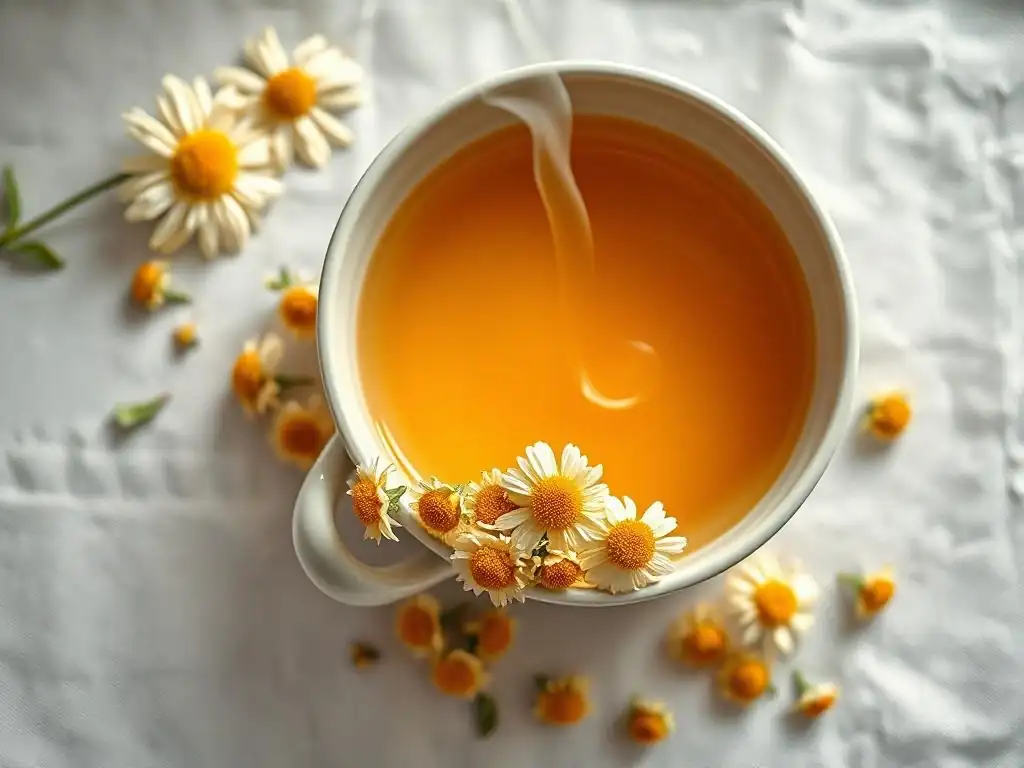
Chamomile is available in several forms, each offering a different concentration and delivery method of its active compounds. Chamomile tea, brewed from dried flower heads, is perhaps the most traditional and widely used form. It provides a relatively low dose of active compounds but the warm beverage itself can be soothing, contributing to the relaxation experience.
Chamomile extract capsules or tinctures, on the other hand, are typically standardized to contain a higher, more consistent concentration of compounds like apigenin. These are often used in clinical studies and may offer more potent Chamomile anxiety relief benefits due to the higher dosage. Chamomile essential oil is primarily used in aromatherapy; while inhaling the scent can be calming, it should never be ingested, and its mechanism for anxiety relief differs significantly from tea or extracts.
Product Analysis: Evaluating the Quality of Traditional Medicinals Chamomile Tea for Anxiety Reduction
Traditional Medicinals is a well-known brand that emphasizes quality and sourcing. Their chamomile tea is typically made from organic Matricaria recutita flowers. When evaluating its potential for anxiety reduction, consider the fact that it's a tea product. While the quality of the herbs is often high, the amount of apigenin extracted into a single cup of tea is relatively low compared to a concentrated supplement dose used in clinical trials.
However, the ritual of preparing and sipping warm chamomile tea can be inherently calming. It provides a gentle, low-dose exposure to chamomile's compounds, which can be beneficial for mild stress or as part of a bedtime routine. The Chamomile anxiety relief benefits from tea are often subtle and more about overall relaxation than treating significant anxiety symptoms.
Product Analysis: Assessing the Efficacy of Gaia Herbs Chamomile Capsules for Stress Management
Gaia Herbs is another reputable brand often focusing on herbal extracts. Their chamomile capsules are likely made from a concentrated extract, designed to deliver a higher, more consistent dose of active compounds than tea. Products like these aim to replicate the dosages used in clinical studies that showed positive results for anxiety.
Assessing the efficacy of such a product involves looking at the standardization (if any) for compounds like apigenin and comparing the dosage per capsule to the amounts used in research trials (which often range from 500mg to 1500mg of extract daily). A higher concentration and standardized extract increase the likelihood of experiencing the Chamomile anxiety relief benefits observed in scientific studies, making it a potentially more potent option than tea for managing stress.
Reality Check: Maximizing Chamomile's Effectiveness for Anxiety
Dosage Recommendations for Chamomile Tea and Supplements
Dosage for chamomile varies significantly depending on the form and concentration. For chamomile tea, drinking 1-4 cups per day is a common practice for general relaxation and mild stress relief. Use 1-2 teaspoons of dried flowers per cup of hot water, steeping for 5-10 minutes to ensure good extraction of compounds.
For standardized chamomile extracts used in supplements, dosages often range from 220mg to 1500mg per day, typically divided into multiple doses. For instance, some studies have used approximately 500mg of a specific extract (like standardized Matricaria recutita) three times daily. It is crucial to follow the dosage instructions on the product label or as recommended by a healthcare professional, as concentrations can differ greatly between brands and formulations.
Combining Chamomile with Other Relaxation Techniques: Mindfulness and Meditation
Chamomile's Chamomile anxiety relief benefits can often be enhanced when combined with other proven relaxation techniques. Mindfulness practices, which involve focusing on the present moment without judgment, can significantly reduce stress and anxiety. Pairing the act of sipping chamomile tea with a brief mindfulness exercise can deepen the calming effect.
Similarly, integrating chamomile into a meditation routine can be highly effective. Taking a few minutes to meditate while or after drinking chamomile tea can help quiet the mind and promote a state of relaxation. This synergistic approach leverages both the potential physiological effects of chamomile and the psychological benefits of practices like meditation and mindfulness to create a more robust strategy for managing anxiety.
Benefit from Guided Meditation with Headspace while drinking Chamomile Tea.
Many individuals find guided meditation apps or programs helpful in establishing a regular practice. Consider using a popular platform like Headspace or Calm to guide your meditation sessions. As you settle in for your meditation, prepare a warm cup of chamomile tea.
Sip the tea slowly, focusing on the warmth and aroma, as a mindful prelude to your meditation. Then, engage with the guided session, allowing the gentle effects of the chamomile to potentially support your relaxation response. This simple combination can make your meditation practice feel more accessible and potentially enhance the calming experience, amplifying the gentle Chamomile anxiety relief benefits.
Myth 3: Chamomile Has No Potential Side Effects
The Reality: Potential Interactions and Allergies to Consider
While chamomile is widely considered safe for most people when used appropriately, it is not entirely free of potential side effects or risks. The most common concern is allergic reactions, particularly in individuals sensitive to plants in the Asteraceae/Compositae family, which includes ragweed, marigolds, daisies, and chrysanthemums.
Symptoms of a chamomile allergy can range from mild skin reactions (like contact dermatitis if applied topically) to more severe responses like sneezing, watery eyes, or even anaphylaxis in rare cases. Although uncommon, digestive upset such as nausea or vomiting can also occur, particularly with very large doses. Being aware of these possibilities is crucial when seeking Chamomile anxiety relief benefits.
Chamomile and Blood Thinners: A Cautionary Note
One significant potential interaction to be aware of is between chamomile and blood-thinning medications (anticoagulants and antiplatelets), such as warfarin, clopidogrel, or aspirin. Some compounds in chamomile, particularly coumarins, theoretically possess mild blood-thinning properties themselves.
While the risk is generally considered low, especially with occasional tea consumption, regular use of high-dose chamomile supplements could potentially increase the risk of bleeding or bruising when combined with prescription blood thinners. Therefore, individuals taking these medications should exercise caution and consult their healthcare provider before using chamomile, especially in supplement form, to discuss potential interactions and ensure safe use.
Identifying Chamomile Allergy Symptoms: What to Watch Out For
Recognizing the signs of a potential chamomile allergy is important, especially if you have known sensitivities to related plants. Symptoms can manifest in various ways depending on the exposure method. If you drink chamomile tea or take a supplement, watch for:
- Itching or swelling of the mouth, lips, or tongue
- Digestive upset (nausea, vomiting, diarrhea)
- Respiratory symptoms (sneezing, runny nose, wheezing, difficulty breathing)
If you use chamomile topically (e.g., in creams or compresses), look for contact dermatitis, characterized by redness, itching, rash, or hives on the skin. If you experience any of these symptoms after using chamomile, discontinue use immediately and seek medical advice, particularly if symptoms are severe or involve breathing difficulties.
Reality Check: Safe and Responsible Use of Chamomile for Anxiety
Consulting Your Doctor Before Starting Chamomile Supplementation
Before incorporating chamomile supplements into your routine, especially if you have existing health conditions, are pregnant or breastfeeding, or are taking any medications (prescription or over-the-counter), it is highly advisable to consult with your doctor or a qualified healthcare provider.
Your doctor can provide personalized advice based on your individual health profile, potential drug interactions, and the severity of your anxiety. They can help you determine if chamomile is an appropriate option for you and recommend a safe starting dosage, ensuring you can explore the potential Chamomile anxiety relief benefits responsibly as part of your overall care plan.
Choosing Reputable Chamomile Brands: Third-Party Testing and Certifications
Given the variability in product quality, selecting chamomile products from reputable brands is essential for safety and potential efficacy. Look for manufacturers that are transparent about their sourcing and manufacturing processes. High-quality brands often conduct third-party testing to verify the purity, potency, and absence of contaminants like heavy metals or pesticides.
Certifications from independent organizations can provide an extra layer of assurance. These certifications indicate that the product meets certain quality standards. Choosing certified products helps ensure you are getting a consistent and reliable dose of chamomile's active compounds, maximizing your chances of experiencing the intended Chamomile anxiety relief benefits without unnecessary risks.
Recommendation: Look for United States Pharmacopeia (USP) certified Chamomile Products
One example of a reputable third-party certification program is offered by the United States Pharmacopeia (USP). The USP Verified Mark on a supplement label indicates that the product:
- Contains the ingredients listed on the label, in the declared potency and amounts.
- Does not contain harmful levels of specified contaminants.
- Will break down and release into the body within a specified amount of time.
- Has been made according to FDA current Good Manufacturing Practices (cGMPs).
While not all high-quality chamomile products will have this specific certification, looking for USP verification or similar certifications from other credible bodies (like NSF International or ConsumerLab.com, where available) can be a helpful step in identifying reputable brands committed to quality and safety when seeking Chamomile anxiety relief benefits.
Beyond Chamomile: Exploring Complementary Herbal Remedies for Stress
Lavender, Lemon Balm, and Ashwagandha: Synergistic Approaches to Anxiety Relief
While chamomile offers potential Chamomile anxiety relief benefits, it is just one of many botanicals traditionally used to support relaxation and manage stress. Other herbs like lavender, lemon balm, and ashwagandha also have evidence supporting their use for anxiety and stress. Lavender is often used in aromatherapy or as a supplement for its calming and sleep-promoting effects.
Lemon balm ( Melissa officinalis) is another herb in the mint family known for its calming properties and is sometimes used to reduce stress and improve mood. Ashwagandha ( Withania somnifera) is an adaptogenic herb used in Ayurvedic medicine, studied for its ability to help the body adapt to stress and reduce cortisol levels. Combining chamomile with these or other herbs should be done cautiously and ideally under the guidance of a healthcare professional due to potential additive effects or interactions.
Integrating Chamomile into a Holistic Mental Wellness Plan
Chamomile is best viewed not as a standalone cure but as one supportive element within a broader, holistic approach to mental wellness. A comprehensive plan for managing stress and anxiety typically includes lifestyle factors such as regular exercise, adequate sleep, a balanced diet, and stress-reduction techniques like mindfulness, meditation, or yoga.
Incorporating chamomile, whether as a calming tea ritual or a supplement, can complement these foundational practices. It can serve as a gentle aid to help unwind in the evening, support relaxation during stressful periods, or simply add a soothing element to your daily routine. Using chamomile in conjunction with other healthy habits maximizes its potential impact on your overall well-being and stress levels.
Conclusion: Chamomile and Anxiety - A Balanced Perspective
Is Chamomile Right for You? Considerations and Recommendations
Chamomile offers promising, albeit gentle, potential Chamomile anxiety relief benefits rooted in both historical use and emerging scientific evidence. Its primary active compound, apigenin, shows potential in interacting with brain receptors to promote relaxation. While not a powerful, instant cure like prescription medications, it can be a valuable tool for managing mild to moderate stress and anxiety.
If you are considering using chamomile for anxiety, especially in supplement form, prioritize quality products from reputable brands, ideally those with third-party certifications. Start with a low dose and be mindful of potential allergies, particularly if you have sensitivities to related plants. Most importantly, consult with your doctor or a healthcare provider to ensure it is safe and appropriate for your specific health situation and to discuss how it fits into your overall mental wellness strategy.
Mind Care Guide: Your Partner in Finding Gentle, Natural Anxiety Relief Options.
At Mind Care Guide, we are committed to exploring and explaining various approaches to mental well-being, including natural options like chamomile. We believe in providing you with the information you need to understand the science, manage expectations, and use remedies safely and effectively.
Whether you're exploring the gentle Chamomile anxiety relief benefits or researching other natural or conventional strategies, we aim to be your trusted resource. Remember that managing anxiety is a personal journey, and finding what works best for you often involves combining different strategies. We encourage you to use this guide as a starting point for a conversation with your healthcare provider about incorporating chamomile or other supportive practices into your life.
Frequently Asked Questions
What are the primary Chamomile anxiety relief benefits that people seek?
Chamomile is often used for its calming and relaxing properties, which may help reduce feelings of stress and mild anxiety. Some people find it promotes better sleep, indirectly easing anxiety symptoms.
How does Chamomile work to potentially reduce anxiety?
While more research is needed, it's believed Chamomile may affect neurotransmitters in the brain, like GABA, which are associated with reducing anxiety and promoting relaxation. This interaction with brain chemistry is key.
Is Chamomile a substitute for professional mental health treatment for anxiety?
No, Chamomile is not a substitute. It's best used as a complementary therapy alongside professional treatment. Always consult a mental health professional for diagnosing and treating anxiety disorders.
Are there any side effects or precautions associated with using Chamomile for anxiety relief?
Some people may experience allergic reactions, especially if allergic to ragweed. It can also interact with certain medications, so consult your doctor before use.
What are the different ways to use Chamomile for potential Chamomile anxiety relief benefits?
Chamomile is commonly consumed as a tea, but it's also available in capsule, extract, and essential oil forms. The effectiveness can vary depending on the method and individual response.
Final Reflection: The Enduring Power of Chamomile in a Stressed World
The search for natural anxiety relief is more urgent than ever, and chamomile, despite its ancient roots, remains a compelling contender. Its gentle efficacy, coupled with readily available research, positions it as a viable option in a landscape often dominated by pharmaceutical solutions. This isn't simply about a tea; it's about reclaiming a sense of control over our well-being in increasingly anxious times.
The enduring appeal of chamomile speaks volumes about our innate desire for holistic healing and a connection to nature. Its presence in countless cultures throughout history underscores its significance beyond mere medicinal properties. It represents a comforting tradition, a gentle ritual in a world that often feels overwhelming. The earth laughs in flowers.
– Ralph Waldo Emerson. This quote perfectly encapsulates the simple yet profound joy and solace that chamomile, and nature in general, can offer in the face of stress and anxiety.
Consider, then, the power of this humble flower. Don't just passively accept anxiety as an inevitable part of modern life. Explore the potential of chamomile, not as a replacement for professional help, but as a complementary tool in your self-care arsenal. Brew a cup, breathe deeply, and allow yourself the space to reconnect with the simple, natural remedies that have soothed humanity for centuries. The journey to a calmer, more balanced you might just begin with a single, fragrant cup.
Unlock Your Inner Calm: Next Steps to Stress-Free Living
Thanks for exploring the world of chamomile with us! We hope you gained valuable insights into its potential benefits for stress and anxiety. Now it's time to put that knowledge into practice.
Here's what you can do next:
- Try a chamomile ritual: Brew a cup of chamomile tea tonight and savor the moment. Pay attention to the aroma and its calming effect. This simple act can be incredibly powerful.
- Share your experiences: Tell us (and others!) about your experience with chamomile in the comments below. What worked for you? What didn't? Sharing your journey can help others.
- Explore complementary practices: Consider incorporating other relaxing techniques like deep breathing exercises or meditation into your daily routine.
Ready to embrace a calmer, more centered you?