
Rhodiola Rosea for Stress: Does it Work and Is it Safe?

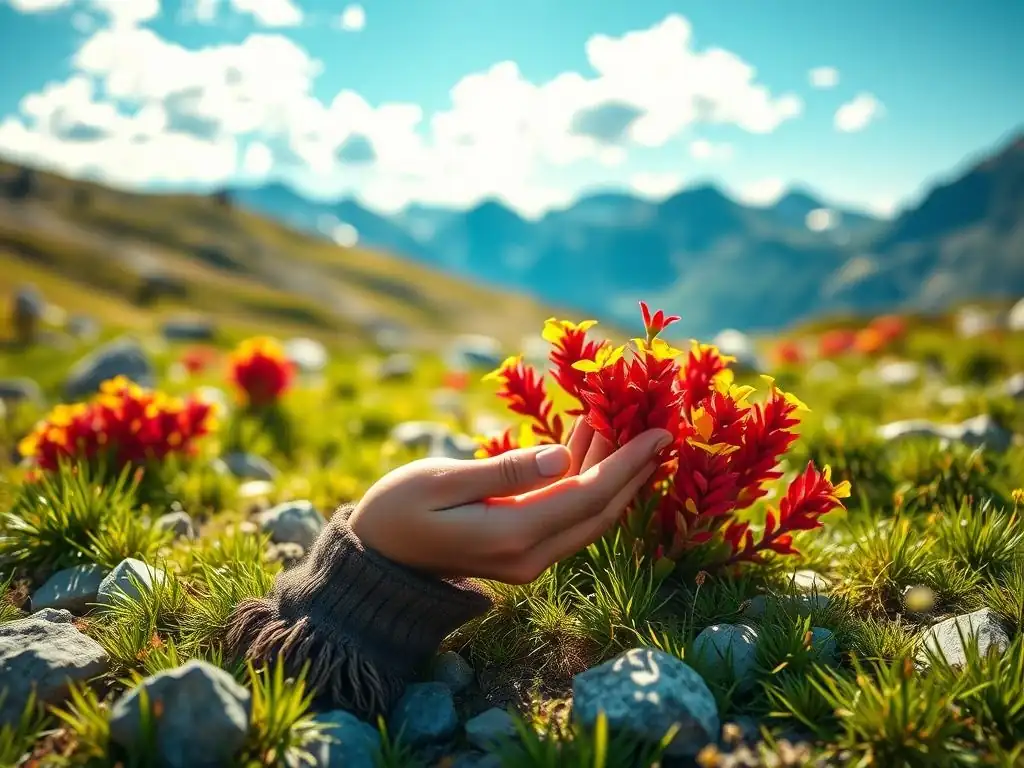
Welcome to Mind Care Guide, a place dedicated to nurturing your mental well-being. Feeling overwhelmed by stress? You're not alone. We understand the challenges life throws our way, and we're here to offer guidance. Could the ancient herb Rhodiola Rosea hold the key to unlocking natural stress relief? Explore our comprehensive guide to discover the potential benefits, safety considerations, and everything you need to know about Rhodiola Rosea stress relief. Let's embark on this journey to a calmer, more balanced you.
Rhodiola Rosea for Stress: Does it Work and Is it Safe? - A Mind Care Guide
- Understanding Stress and Its Impact on Mental Well-being
- Rhodiola Rosea: A Natural Remedy for Stress Relief
- Rhodiola Rosea for Stress Relief: The Science-Backed Benefits
- Choosing the Right Rhodiola Rosea Supplement: Quality and Potency
- Rhodiola Rosea Dosage and Usage: A Practical Guide
- Rhodiola Rosea Side Effects and Safety Considerations
- Real-Life Experiences: Rhodiola Rosea Success Stories for Stress Reduction
- Beyond Rhodiola Rosea: Comprehensive Stress Management Strategies
- Conclusion: Rhodiola Rosea as Part of a Holistic Approach to Stress Management
-
Frequently Asked Questions
- What is Rhodiola Rosea and how is it related to stress relief?
- How does Rhodiola Rosea purportedly work for stress relief?
- What are the potential benefits of using Rhodiola Rosea for stress, according to Mind Care Guide?
- Are there any side effects or risks associated with taking Rhodiola Rosea?
- Where can I find more information and resources about using Rhodiola Rosea for stress relief, as mentioned in the Mind Care Guide article?
- Final Reflection: Unveiling Rhodiola Rosea's Potential for Stress Relief
- Unleash Your Inner Calm: Take Control of Stress Today!
Understanding Stress and Its Impact on Mental Well-being
The Prevalence of Stress and Anxiety in Modern Life
Stress and anxiety are increasingly common companions in the fast-paced rhythm of modern life. Surveys consistently highlight the significant impact of stress on daily well-being across various populations. For instance, a substantial percentage of adults globally report experiencing high levels of stress regularly, often linked to work pressures, financial concerns, and personal responsibilities. This pervasive presence isn't just anecdotal; data from organizations like the American Psychological Association (APA) or the World Health Organization (WHO) often indicates that stress is a major public health concern, affecting potentially over half of the adult population to some degree.
This widespread stress can manifest in countless ways, from feeling overwhelmed and irritable to experiencing physical symptoms like headaches and muscle tension. The constant barrage of information, coupled with societal expectations and economic uncertainties, creates an environment where finding genuine Rhodiola Rosea stress relief or any form of respite becomes challenging for many. Understanding the sheer scale of this issue is the first step toward seeking effective strategies, whether through lifestyle changes, therapeutic support, or exploring natural options like Rhodiola Rosea for stress.
How Chronic Stress Affects Mental Health: A Detailed Look
When stress becomes chronic, the body's natural fight-or-flight response remains activated over prolonged periods, leading to a cascade of physiological and psychological consequences. The persistent release of stress hormones, primarily cortisol, can disrupt the delicate balance of neurotransmitters in the brain, impacting mood, cognitive function, and emotional regulation. This sustained exposure to high cortisol levels is associated with an increased risk of developing mental health conditions such as depression and anxiety disorders.
Furthermore, chronic stress can impair the prefrontal cortex, the area of the brain responsible for decision-making, impulse control, and working memory, while simultaneously increasing activity in the amygdala, the brain's fear center. This imbalance can make individuals more reactive to perceived threats and less able to manage complex tasks or regulate emotional responses. The constant mental and emotional strain also contributes to fatigue, reduced motivation, and difficulty concentrating, significantly diminishing one's overall quality of life and potentially exacerbating existing mental health challenges.
Identifying Your Stress Triggers and Symptoms
Recognizing the specific events, situations, or thoughts that trigger your stress response is fundamental to managing it effectively. These triggers can be external, such as deadlines at work, relationship conflicts, or major life changes, or internal, like perfectionistic tendencies, negative self-talk, or unrealistic expectations. Keeping a stress journal can be a useful tool to track when and why you feel stressed, helping you to identify patterns and underlying causes. Note down the date, time, situation, your reaction (thoughts, feelings, physical sensations), and the intensity of the stress.
Equally important is learning to identify the unique ways stress manifests in your body and mind. Physical symptoms might include muscle tension, headaches, digestive issues, fatigue, or sleep disturbances. Emotional signs could range from irritability, restlessness, and feeling overwhelmed to sadness or a sense of dread.
Cognitive symptoms often involve difficulty concentrating, memory problems, constant worrying, or negative thinking patterns. Behavioral changes might include withdrawal from social activities, changes in eating habits, or increased use of substances. Becoming attuned to these personal signals allows for earlier intervention and the implementation of stress management techniques, including considering options like Rhodiola Rosea stress relief supplements.
Rhodiola Rosea: A Natural Remedy for Stress Relief
What is Rhodiola Rosea and Where Does it Come From?
Rhodiola Rosea, often known as golden root or Arctic root, is a perennial flowering plant belonging to the Crassulaceae family. It is native to the cold, mountainous regions of Europe and Asia, thriving in harsh environments like high altitudes and cold climates. Its ability to survive and flourish under such demanding conditions hints at its own resilience and potential benefits for human adaptation. The plant has thick rhizomes (underground stems) and roots, which are the parts traditionally used for medicinal purposes.
Historically, Rhodiola Rosea has been harvested from the wild in areas like Siberia, Scandinavia, and parts of China. However, due to increasing demand and concerns about sustainability, cultivation efforts have grown. The plant typically takes several years to mature sufficiently for harvesting its valuable roots, contributing to the cost and potency variations seen in commercial products. Its adaptation to stress in its environment is thought to be mirrored in its effects on the human body's stress response.
Rhodiola Rosea's Active Compounds: Rosavins and Salidrosides
The therapeutic properties of Rhodiola Rosea are primarily attributed to a group of active compounds found in its roots and rhizomes. The most well-studied of these compounds are rosavins (including rosavin, rosin, and rosarin) and salidrosides (also known as rhodioloside). These phytochemicals are believed to work synergistically to exert the plant's adaptogenic effects and contribute to Rhodiola Rosea stress relief.
Commercial Rhodiola Rosea extracts are often standardized to contain specific percentages of these key compounds to ensure consistency and potency. While traditional preparations used the whole root, modern research often focuses on extracts standardized to contain approximately 3% rosavins and 1% salidrosides, as this ratio reflects the typical composition found in the naturally occurring root and is the concentration most often used in clinical studies. The balance between these two groups of compounds is considered crucial for the plant's full spectrum of benefits.
The History of Rhodiola Rosea Use in Traditional Medicine
Rhodiola Rosea has a long and rich history of use in traditional medicine systems across various cultures. For centuries, people in Scandinavia, Siberia, and parts of Asia have utilized this herb to enhance physical endurance, reduce fatigue, improve productivity, and help the body resist various stressors. Vikings reportedly used Rhodiola to boost physical strength and endurance during long voyages and battles.
In Siberian folk medicine, it was known as "golden root" and highly valued for its ability to increase resistance to cold weather and illness, as well as to combat fatigue and recover from strenuous work. Traditional Chinese Medicine (TCM) also recognized Rhodiola Rosea, using it to invigorate qi (vital energy), clear heat, and promote circulation, often prescribed for fatigue, altitude sickness, and weakness. This extensive historical usage provides a foundation for modern scientific investigation into its potential as a natural option for Rhodiola Rosea stress relief.
Rhodiola Rosea for Stress Relief: The Science-Backed Benefits
How Rhodiola Rosea Works: Adapting to Stress and Reducing Cortisol
Rhodiola Rosea is classified as an adaptogen. Adaptogens are a unique group of plants that are believed to help the body adapt to physical, chemical, and environmental stress. They are thought to work by influencing the hypothalamic-pituitary-adrenal (HPA) axis, which is the body's central stress response system, and the sympathetic-adreno-medullary (SAM) system. By modulating these systems, Rhodiola may help normalize the release of stress hormones, particularly cortisol.
Studies suggest that Rhodiola Rosea stress relief effects may involve reducing the excessive production and secretion of cortisol during stressful periods. While cortisol is necessary for the body's immediate stress response, chronically elevated levels are detrimental. Rhodiola is hypothesized to help the body return to a state of homeostasis more quickly after encountering a stressor. This adaptogenic action is not about suppressing the stress response entirely, but rather about making it more efficient and less damaging over time, potentially improving resilience and reducing the negative impacts of chronic stress.
Clinical Studies on Rhodiola Rosea and Stress Reduction: A Review
Numerous clinical studies have investigated the effectiveness of Rhodiola Rosea for stress and fatigue. Early research, particularly from Russia and Scandinavian countries, highlighted its potential to improve performance under stressful conditions and reduce mental fatigue. More recent studies have often employed standardized extracts and rigorous methodologies to evaluate its impact on stress-related symptoms. For example, a study involving individuals experiencing stress-related fatigue found that supplementation with a standardized Rhodiola extract significantly reduced symptoms like exhaustion, irritability, and difficulty concentrating within just a few weeks, showing improvements in fatigue scores by approximately 30-40% compared to placebo.
Another study focusing on students during stressful examination periods reported that Rhodiola supplementation led to significant improvements in mental performance, reduced mental fatigue, and better sleep quality compared to a control group. While the overall body of evidence varies in study quality and population size, meta-analyses and systematic reviews generally support the use of standardized Rhodiola Rosea extracts for improving symptoms associated with stress, such as fatigue, burnout, and impaired concentration, suggesting it can be a helpful tool for Rhodiola Rosea stress relief.
Rhodiola Rosea for Anxiety Symptoms: Evidence and Research
Beyond general stress reduction, research has also explored the potential of Rhodiola Rosea to specifically address anxiety symptoms. While not typically considered a primary treatment for clinical anxiety disorders, some studies suggest it may help alleviate mild to moderate anxiety, particularly when it is linked to stress and fatigue. The adaptogenic properties that help modulate the stress response may also contribute to a calming effect on the nervous system, potentially reducing feelings of nervousness and worry.
One pilot study published in the Journal of Alternative and Complementary Medicine investigated Rhodiola's effects on Generalized Anxiety Disorder (GAD). While preliminary, the findings indicated a significant reduction in GAD symptoms compared to baseline, although the study was small and lacked a placebo control. The proposed mechanism involves its influence on neurotransmitter systems, including serotonin, dopamine, and norepinephrine, which play roles in mood regulation and anxiety. While more large-scale, placebo-controlled trials are needed, the existing research provides some evidence for Rhodiola Rosea stress relief benefits extending to anxiety symptoms, making it an area of ongoing scientific interest.
Choosing the Right Rhodiola Rosea Supplement: Quality and Potency
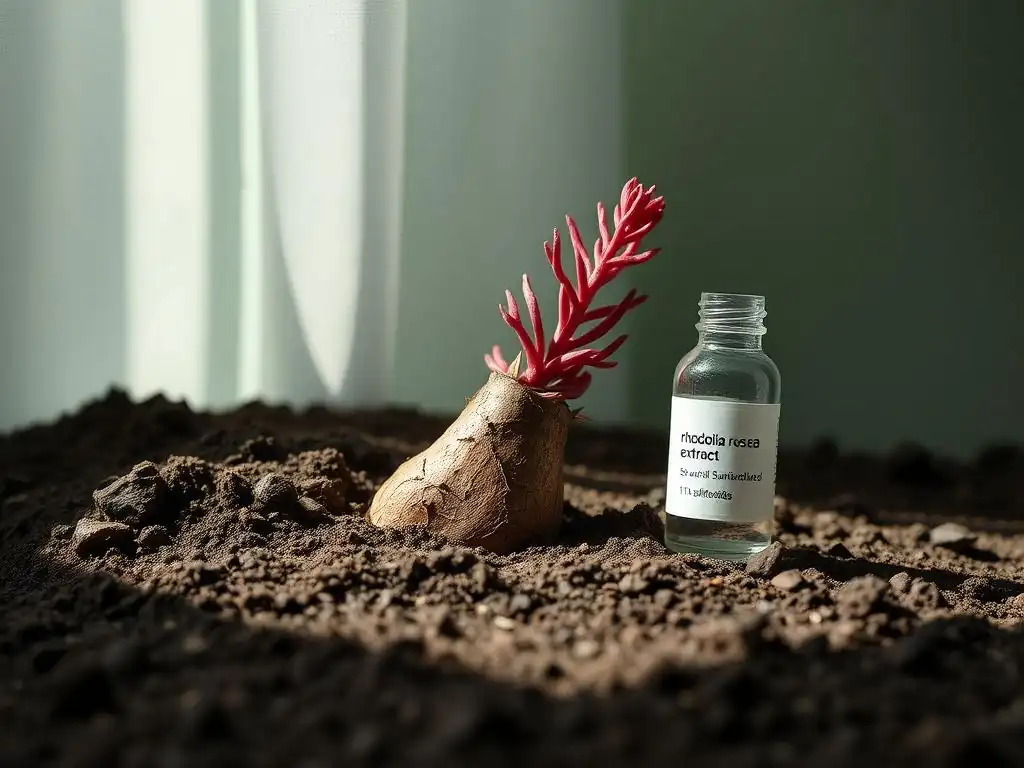
Gaia Herbs Rhodiola Rosea: High Potency and Purity
Gaia Herbs is a well-regarded brand known for its commitment to organic farming and producing potent herbal extracts. Their Rhodiola Rosea product is often highlighted for its quality and effectiveness in providing Rhodiola Rosea stress relief. They typically source their Rhodiola from regions known for producing high-quality roots and focus on sustainable practices.
Features of Gaia Herbs: Liquid Phyto-Caps, Organic Certification, Dosage
Gaia Herbs often presents its Rhodiola in Liquid Phyto-Caps, which are vegan capsules containing concentrated liquid extracts. This format is believed by some to offer better absorption compared to standard powder capsules. A key feature is their emphasis on purity and potency, often providing details about the levels of active compounds. Many of their products carry organic certification, ensuring the herb is grown without synthetic pesticides or fertilizers. The typical dosage recommended on their packaging aligns with research-backed amounts, often suggesting one or two capsules daily, providing a standardized level of rosavins and salidrosides.
Why Gaia Herbs is a good choice for stress relief.
Choosing Gaia Herbs Rhodiola can be a good option for those prioritizing high quality, organic sourcing, and a potent, standardized extract. Their commitment to transparency about their sourcing and testing processes provides confidence in the product's purity. The liquid capsule format and standardized extract concentration aim to deliver consistent and effective levels of the active compounds necessary for experiencing Rhodiola Rosea stress relief, making it a premium choice for individuals seeking reliable results.
Nature's Bounty Rhodiola: A Budget-Friendly Option
Nature's Bounty is a widely available supplement brand found in many pharmacies and supermarkets, offering a more accessible and budget-friendly entry point into herbal supplementation, including Rhodiola Rosea for stress. While perhaps not always emphasizing organic sourcing to the same degree as premium brands, they provide a convenient and affordable option for many consumers.
Features of Nature's Bounty: Capsules, Affordable Price, Dosage
Nature's Bounty typically offers Rhodiola Rosea in standard capsule form. Their products are generally more budget-friendly compared to specialized herbal brands, making them an attractive option for those new to Rhodiola or managing costs. The dosage per capsule is usually clearly stated, allowing users to follow recommended daily amounts. While they may not always detail the precise sourcing or organic status, they adhere to standard supplement manufacturing practices.
Nature's Bounty's benefits for beginners or those on a budget.
For individuals who are just beginning to explore natural options like Rhodiola Rosea stress relief or who need a more economical choice, Nature's Bounty offers a readily available and affordable product. Its accessibility in common retail locations makes it easy to purchase. While it's important to consider standardization and sourcing, Nature's Bounty provides a basic, entry-level supplement that allows users to try Rhodiola and see if it offers benefits for their stress management needs without a significant financial investment.
Key Factors to Consider When Buying Rhodiola Rosea Supplements
Choosing the right Rhodiola Rosea supplement involves more than just picking a brand; understanding certain quality markers is crucial to ensure you're getting a product that is both effective and safe for Rhodiola Rosea stress relief. The supplement market can be vast, and not all products are created equal. Focusing on specific indicators of quality can help you make an informed decision and maximize the potential benefits of this adaptogenic herb.
Understanding Standardized Extracts and Rosavin/Salidroside Ratios
Look for supplements that are labeled as "standardized extracts." This means the manufacturer guarantees a specific concentration of the key active compounds, typically rosavins and salidrosides. As mentioned earlier, most research supporting Rhodiola Rosea stress relief has used extracts standardized to contain around 3% rosavins and 1% salidrosides. Products that don't list these percentages may contain inconsistent levels of the active ingredients, making it difficult to predict their effects or compare dosages effectively. Ensuring your supplement is standardized to this ratio is a strong indicator of quality and potential efficacy.
Third-Party Testing and Certifications for Quality Assurance
Reputable supplement companies often employ third-party testing to verify the identity, purity, and potency of their products. This means an independent laboratory has tested the supplement to confirm it contains what the label says it does and is free from contaminants like heavy metals, pesticides, or microbial impurities.
Look for certifications from organizations that provide quality assurance for supplements. While not always mandatory, certifications from bodies like NSF International, USP (United States Pharmacopeia), or others specializing in dietary supplements can provide an extra layer of confidence in the product's quality and safety profile, ensuring you're getting a reliable product for Rhodiola Rosea stress relief.
Rhodiola Rosea Dosage and Usage: A Practical Guide
Recommended Rhodiola Rosea Dosage for Stress Management
Determining the optimal dosage of Rhodiola Rosea for stress management can vary depending on the individual, the specific product's potency, and the nature of the stress being addressed. However, based on the majority of clinical studies, a common effective dosage range for standardized extracts (containing 3% rosavins and 1% salidrosides) is typically between 200 mg and 600 mg per day. This range has been shown in various trials to help reduce fatigue, improve concentration, and provide Rhodiola Rosea stress relief without significant side effects for most users.
It's often recommended to start at the lower end of this range, perhaps 200-300 mg daily, and gradually increase the dosage if needed and well-tolerated. Some studies have used doses up to 600 mg per day for specific conditions like stress-related fatigue. However, higher doses are not necessarily more effective and may increase the risk of mild side effects. Always follow the specific dosage instructions on the product label or consult with a healthcare professional, especially if you have underlying health conditions or are taking other medications.
When to Take Rhodiola Rosea for Best Results
The timing of Rhodiola Rosea supplementation can influence its effectiveness, particularly when seeking Rhodiola Rosea stress relief and anti-fatigue benefits. Many experts and studies suggest taking Rhodiola in the morning, often before breakfast. This timing aligns with its potential to enhance focus and energy levels throughout the day and counteract morning fatigue. Taking it too late in the day, especially high doses, could potentially interfere with sleep due to its stimulating effects on mental alertness.
Some individuals might benefit from splitting the daily dose into two smaller administrations, perhaps one in the morning and another before lunch, to maintain steady levels of the active compounds throughout the workday or a period of high stress. However, taking the entire dose in the morning is also a common and effective approach for many. Experimenting with timing while staying within the recommended daily dosage range can help you find what works best for your personal needs and schedule.
Combining Rhodiola Rosea with Other Stress-Relieving Practices
Rhodiola Rosea is best viewed as one component of a comprehensive stress management strategy, not a standalone cure. Its potential for Rhodiola Rosea stress relief can be significantly enhanced when combined with other healthy lifestyle practices. Integrating regular physical activity, for instance, is a powerful way to reduce stress hormones and improve mood. Even moderate exercise, like a brisk 30-minute walk most days of the week, can make a substantial difference.
Mindfulness techniques and meditation are also excellent complements. Practices like deep breathing exercises, progressive muscle relaxation, or daily meditation sessions can help calm the nervous system and build resilience to stress. Ensuring adequate sleep, maintaining a balanced diet rich in whole foods, and nurturing social connections are foundational elements of mental well-being that work synergistically with the benefits provided by Rhodiola Rosea. Approach stress management holistically, using Rhodiola as a support alongside these essential practices.
Rhodiola Rosea Side Effects and Safety Considerations
Potential Side Effects of Rhodiola Rosea: What to Watch Out For
While generally considered safe and well-tolerated by most people when taken within recommended dosages, Rhodiola Rosea can cause side effects in some individuals. The most commonly reported side effects are usually mild and may include dizziness, dry mouth, or difficulty sleeping. Some individuals, particularly those sensitive to stimulants, might experience feelings of restlessness or irritability, especially if taking higher doses or taking it late in the day.
Less commonly, some users have reported gastrointestinal upset, such as nausea or stomach pain. These side effects are often temporary and may resolve as the body adjusts to the supplement or if the dosage is reduced. If you experience persistent or bothersome side effects, it's advisable to discontinue use and consult with a healthcare professional. Monitoring your body's response when starting Rhodiola Rosea for stress relief is important.
Rhodiola Rosea Interactions with Medications: A Cautionary Note
It is crucial to be aware that Rhodiola Rosea can potentially interact with certain medications. Due to its effects on neurotransmitters and the stress response system, it might interact with medications for depression or anxiety, such as selective serotonin reuptake inhibitors (SSRIs) or monoamine oxidase inhibitors (MAOIs). While interactions are not definitively proven for all medications, the potential exists for additive effects or alterations in drug metabolism.
Rhodiola may also affect blood sugar levels, so individuals taking medications for diabetes should use caution and monitor their blood glucose closely. Similarly, its potential influence on blood pressure means those on blood pressure medication should consult a doctor. If you are taking any prescription medications or have chronic health conditions, always discuss the use of Rhodiola Rosea or any new supplement with your doctor or pharmacist before starting to ensure it is safe for you and won't interfere with your existing treatment plan.
Who Should Avoid Taking Rhodiola Rosea? (Pregnancy, Certain Conditions)
While beneficial for many seeking Rhodiola Rosea stress relief, Rhodiola Rosea is not suitable for everyone. As with many herbal supplements, its safety during pregnancy and breastfeeding has not been established through sufficient research, so it is generally recommended that pregnant or nursing women avoid its use.
Individuals with bipolar disorder should also exercise caution or avoid Rhodiola, as its potential stimulating effects could theoretically exacerbate manic episodes. Those with autoimmune diseases or conditions affecting the immune system should consult a healthcare provider, as Rhodiola might influence immune activity. People with known allergies to plants in the Crassulaceae family should also avoid it. When in doubt, seeking professional medical advice is always the safest approach before incorporating Rhodiola Rosea into your routine.
Real-Life Experiences: Rhodiola Rosea Success Stories for Stress Reduction
Sarah's Case Study: Rhodiola Rosea and Improved Work Performance Under Pressure
Sarah, a marketing manager in her early 30s, often felt overwhelmed by tight deadlines and high-pressure projects at work. She experienced chronic fatigue, difficulty concentrating during important meetings, and found herself becoming increasingly irritable with colleagues. Traditional stress management techniques like exercise helped somewhat, but the persistent mental strain remained. After reading about adaptogens, she decided to try a standardized Rhodiola Rosea extract at a dose of 300 mg per day, split into two doses.
Within about three weeks, Sarah noticed a significant improvement. She felt more mentally alert and found it easier to focus on complex tasks even under pressure. She reported feeling less drained by the end of the workday and her ability to handle unexpected challenges improved. While the workload didn't decrease, her response to it changed; she felt more resilient and less prone to irritability. This experience highlighted for her how Rhodiola Rosea stress relief could specifically target the mental fatigue and cognitive strain associated with workplace stress.
John's Testimonial: Rhodiola Rosea for Managing Anxiety and Sleep Issues
John, a 45-year-old graphic designer, struggled with mild anxiety that often manifested as restless nights and constant worrying about future events. This cycle of anxiety and poor sleep left him feeling exhausted and less productive. He was hesitant to try prescription medication and was looking for natural ways to support his mental well-being and improve his sleep quality. Based on research into natural remedies for stress and anxiety, he started taking 400 mg of a standardized Rhodiola Rosea supplement each morning.
"Before Rhodiola, my nights were often spent tossing and turning, my mind racing with worries about work or just about anything. It was exhausting. After a couple of weeks on Rhodiola Rosea, I definitely felt a shift. My mind seemed calmer during the day, less prone to jumping to worst-case scenarios. What surprised me most was the positive impact on my sleep. I wasn't waking up with that immediate feeling of dread, and falling asleep felt a bit easier. It wasn't a magic cure, but it significantly reduced that background hum of anxiety that was disrupting everything, including my rest. It's been a key part of my Rhodiola Rosea stress relief strategy."
John's experience illustrates how Rhodiola Rosea stress relief can extend beyond just fatigue, potentially helping to quiet an overactive mind and indirectly improve sleep quality by reducing stress-related anxiety.
The Importance of Realistic Expectations and Individual Responses
While Sarah and John's stories are encouraging, it's vital to approach Rhodiola Rosea stress relief with realistic expectations. Like any supplement or natural remedy, its effectiveness can vary significantly from person to person. Factors such as individual body chemistry, the severity and type of stress, lifestyle habits, and the quality of the supplement itself can all influence the outcome. What works wonders for one person might have minimal effect on another.
Furthermore, Rhodiola Rosea is not a substitute for professional medical or psychological help, especially in cases of severe anxiety, depression, or chronic, debilitating stress. It is best considered a supportive tool within a broader approach to mental well-being. Give the supplement time to work – effects may be noticeable within a few weeks, but optimal benefits often take longer. Pay attention to your body's response, and if you don't see the desired improvements or experience negative effects, consult with a healthcare professional to discuss alternatives or rule out underlying issues.
Beyond Rhodiola Rosea: Comprehensive Stress Management Strategies
Mindfulness and Meditation for Stress Relief: Complementary Practices
Integrating mindfulness and meditation into your daily routine can be incredibly effective complementary practices alongside or independent of using Rhodiola Rosea for stress relief. Mindfulness involves paying attention to the present moment without judgment, which can help you become more aware of your stress triggers and physical reactions to stress. Simple mindfulness exercises, like focusing on your breath for a few minutes, can interrupt the stress response cycle.
Meditation, whether guided or self-directed, provides a dedicated time to quiet the mind and cultivate a sense of calm. Regular meditation practice has been shown to alter brain structure and function in ways that increase resilience to stress and improve emotional regulation. Even practicing for just 10-15 minutes daily can yield significant benefits, helping to reduce overall stress levels and enhancing the effectiveness of other strategies like taking Rhodiola Rosea stress relief supplements.
The Role of Diet and Exercise in Reducing Stress
Fundamental to managing stress are the cornerstones of physical health: diet and exercise. A balanced diet rich in fruits, vegetables, lean proteins, and healthy fats provides the body with the nutrients it needs to function optimally, including supporting brain health and hormone regulation. Avoiding excessive caffeine, sugar, and processed foods can also help stabilize mood and energy levels, reducing vulnerability to stress.
Regular physical activity is a potent stress reliever. Exercise releases endorphins, natural mood boosters, and helps to reduce levels of stress hormones like cortisol. It also provides a healthy outlet for pent-up energy and tension. Aim for at least 150 minutes of moderate-intensity aerobic exercise or 75 minutes of vigorous-intensity activity per week, plus muscle-strengthening activities. Finding enjoyable ways to move your body consistently can profoundly impact your ability to cope with stress, working in tandem with any benefits derived from Rhodiola Rosea stress relief.
Seeking Professional Help for Chronic Stress and Anxiety
While lifestyle changes and supplements like Rhodiola Rosea can be helpful for managing mild to moderate stress, it is essential to recognize when professional help is needed. Chronic, overwhelming stress or persistent anxiety that interferes significantly with your daily life may indicate an underlying condition that requires diagnosis and treatment by a qualified mental health professional.
Therapies such as Cognitive Behavioral Therapy (CBT) or mindfulness-based stress reduction (MBSR) have strong evidence bases for treating stress and anxiety disorders. A therapist can help you identify negative thought patterns, develop coping skills, and address the root causes of your stress. Psychiatrists can evaluate whether medication might be appropriate in addition to therapy. Don't hesitate to reach out for support; seeking professional help is a sign of strength and a crucial step towards lasting mental well-being.
Conclusion: Rhodiola Rosea as Part of a Holistic Approach to Stress Management
Is Rhodiola Rosea Right for You? Weighing the Pros and Cons
Considering Rhodiola Rosea for stress relief involves weighing its potential benefits against possible drawbacks and individual circumstances. On the positive side, research suggests it can be effective in reducing symptoms of stress-related fatigue, improving focus, and potentially helping with mild anxiety, acting as a valuable adaptogen. It is generally well-tolerated with a low incidence of severe side effects when used appropriately.
However, it's not a magic bullet. Effects vary between individuals, and it may not be suitable for everyone, particularly those with certain health conditions or taking specific medications. The cost and quality of supplements can also vary. Before deciding if Rhodiola Rosea stress relief is right for you, consider your specific stress symptoms, any existing health issues, and discuss it with a healthcare professional, especially if you are pregnant, breastfeeding, or on medication.
Where to Buy High-Quality Rhodiola Rosea Supplements
Finding reputable sources for high-quality Rhodiola Rosea supplements is key to ensuring you receive a product that is both safe and effective for Rhodiola Rosea stress relief. Look for established brands with a commitment to quality control, such as those that offer standardized extracts with specified levels of rosavins and salidrosides (ideally 3% and 1% respectively). Prioritizing products that have undergone third-party testing for purity and potency can provide additional assurance.
You can find high-quality Rhodiola Rosea supplements from reputable online retailers specializing in natural health products, health food stores, or directly from trusted supplement brand websites. When choosing, revisit the factors discussed earlier, such as standardization, testing, and certifications, to make an informed choice that aligns with your health goals and contributes effectively to your Rhodiola Rosea stress relief journey.
Taking Control of Your Mental Well-being with Rhodiola Rosea and Other Strategies
Managing stress and nurturing mental well-being is an ongoing process that often requires a multi-faceted approach. While supplements like Rhodiola Rosea offer promising support for stress relief by helping the body adapt and improving resilience, they function best when integrated into a broader strategy. Taking control means actively engaging in practices that support your mental and physical health.
Embrace lifestyle changes such as regular exercise, a balanced diet, sufficient sleep, and stress-reducing techniques like mindfulness or meditation. Build a strong support system and don't hesitate to seek professional guidance when needed. By combining the potential benefits of Rhodiola Rosea stress relief with these foundational elements of well-being, you empower yourself to navigate life's challenges with greater resilience and cultivate a healthier, calmer mind.
Frequently Asked Questions
Rhodiola Rosea is an adaptogenic herb. It is believed to help the body cope with stress by regulating cortisol levels and improving resilience. Many people use it for stress relief and to enhance mental performance.
How does Rhodiola Rosea purportedly work for stress relief?
The active compounds in Rhodiola Rosea are thought to influence neurotransmitters like serotonin and dopamine. This interaction can reduce feelings of anxiety and fatigue, ultimately contributing to stress management and a better mood. It may also support adrenal function.
What are the potential benefits of using Rhodiola Rosea for stress, according to Mind Care Guide?
Beyond stress relief, Mind Care Guide suggests that Rhodiola Rosea may improve cognitive function, increase energy levels, and support a healthy immune system. It's presented as a natural option for enhancing overall well-being.
Are there any side effects or risks associated with taking Rhodiola Rosea?
While generally considered safe, Rhodiola Rosea can cause side effects in some individuals. These may include dizziness, dry mouth, or difficulty sleeping. It's important to consult a healthcare professional, especially if you have pre-existing conditions or are taking other medications, to assess potential interactions.
Where can I find more information and resources about using Rhodiola Rosea for stress relief, as mentioned in the Mind Care Guide article?
The Mind Care Guide likely provides links to research studies, dosage recommendations, and reputable suppliers of Rhodiola Rosea. They may also offer alternative stress management techniques and resources for mental well-being beyond herbal remedies.
Final Reflection: Unveiling Rhodiola Rosea's Potential for Stress Relief
The pervasive nature of stress in modern life demands innovative solutions, and Rhodiola rosea, with its intriguing adaptogenic properties, presents a compelling avenue for exploration. While further research is needed to fully understand its mechanisms and efficacy across diverse populations, the preliminary evidence suggests a promising role for this ancient herb in managing the debilitating effects of chronic stress.
The journey of understanding Rhodiola rosea's impact on stress relief has been a fascinating one, highlighting the intricate interplay between traditional medicine and modern scientific inquiry. Its increasing popularity reflects a growing societal awareness of the need for holistic approaches to well-being. The greatest wealth is health,
a proverb often attributed to Virgil, rings truer than ever in our fast-paced world, where stress-related illnesses are on the rise. This underscores the importance of exploring natural remedies like Rhodiola rosea, while always prioritizing responsible use and consulting with healthcare professionals.
Consider the information presented in this article a starting point on your own personal journey towards stress management. Don't just passively consume information; actively engage with it. Research your own options, consult with your doctor or a qualified herbalist, and consider incorporating Rhodiola rosea into your wellness routine – but only after careful consideration and under professional guidance. The path to a less stressful life is paved with informed choices and proactive self-care; let this exploration of Rhodiola rosea be a step towards a healthier, more balanced you.
Unleash Your Inner Calm: Take Control of Stress Today!
Thank you for taking the time to learn about Rhodiola Rosea and its potential benefits for stress management. We hope you found the information insightful and empowering. Now it's time to put this knowledge into action!
Here are a few ways you can continue your journey to a calmer, more centered you:
- Try Rhodiola Rosea: Start with a small dose and gradually increase as needed, always consulting your doctor first. This is your first step to experiencing the potential benefits firsthand.
- Integrate stress-reducing practices into your daily routine. Even 10 minutes of mindful breathing or a short walk can make a difference.
- Share your experience! Tell your friends and family about what you've learned, and encourage them to explore Rhodiola Rosea or other natural stress-relieving methods.
What's the first small step you'll take towards managing your stress more effectively?