
Understanding Dosage and Safety for Optimal Herbal Stress Relief

Welcome to Mind Care Guide, your compassionate companion on the journey to mental well-being.
Feeling overwhelmed and searching for natural ways to find calm? You're not alone. Many seek solace in herbal remedies, but do you know the key to unlocking their potential lies in understanding the right amount? Our guide, "Understanding Dosage and Safety for Optimal Herbal Stress Relief," begins here, helping you navigate the complexities of Herbal stress relief dosage and ensuring a safe and effective path towards a more peaceful you. Intrigued? Let's explore...
Understanding Dosage and Safety for Optimal Herbal Stress Relief
- Introduction: Finding Your Calm with Herbal Remedies
- Why Dosage Matters: Maximizing Benefits and Minimizing Risks of Herbal Stress Relief
- Popular Herbs for Stress Relief: Recommended Dosages and Safety Profiles
- Safety Considerations for Herbal Stress Relief: Potential Risks and Interactions
- Creating a Personalized Herbal Stress Relief Plan: A Step-by-Step Guide
- Conclusion: Empowering Your Journey to Natural Stress Relief
-
Frequently Asked Questions
- What is the recommended dosage for herbal stress relief?
- How do I know if an herbal stress relief remedy is safe for me?
- Can I combine different herbal remedies for stress relief?
- How long does it take for herbal stress relief remedies to work?
- Where can I find reliable information about herbal stress relief dosage?
- Final Reflection: Finding Balance in Nature's Embrace
- Unlock Your Inner Calm: Take Control of Your Stress
Introduction: Finding Your Calm with Herbal Remedies
In today's fast-paced world, stress has become an almost constant companion for many. While conventional methods are available, a growing number of individuals are turning to natural approaches, specifically herbal remedies, to find a sense of calm and manage the pervasive effects of stress. Herbs have been used for centuries across various cultures for their purported therapeutic properties, offering a gentler path to relaxation and well-being for some. These natural allies can support the body's ability to cope with stressors, promoting a more balanced state of mind and body.
Exploring herbal options for stress relief opens up a world of potential benefits, from reducing feelings of tension to improving sleep quality. However, like any therapeutic approach, understanding how to use these remedies effectively and safely is paramount. It's not simply about picking a herb and hoping for the best; informed choices regarding dosage, quality, and potential interactions are crucial for harnessing the full potential of herbal stress relief without encountering unwanted side effects. This guide aims to provide clarity on these essential aspects, empowering you to navigate the world of herbal stress relief dosage with confidence.
Why Dosage Matters: Maximizing Benefits and Minimizing Risks of Herbal Stress Relief
The effectiveness and safety of any herbal remedy are intrinsically linked to the amount consumed – the dosage. Taking too little of an herb might result in no discernible effect, leaving you feeling that the remedy is ineffective. Conversely, taking too much can lead to adverse side effects, ranging from mild discomforts like digestive upset or drowsiness to more serious health concerns.
Finding the optimal herbal stress relief dosage is about hitting a therapeutic sweet spot where the beneficial effects are maximized while the risks are kept to a minimum. It's a delicate balance that requires understanding the herb itself and how your body responds.
Consider the analogy of any medication or supplement; the right amount is key to achieving the desired outcome. Herbal compounds are no different. Their potency varies depending on factors like the part of the plant used, how it was prepared (tea, tincture, capsule, extract), and even where and how it was grown.
Therefore, a standardized herbal stress relief dosage guideline is often provided, but individual responses can vary significantly. Paying close attention to recommended dosages and starting conservatively allows you to gauge your personal tolerance and the herb's impact, ensuring a safer and more effective experience in managing your stress levels.
The Science Behind Herbal Stress Relief Dosage: Understanding Active Compounds
The therapeutic effects of herbal remedies stem from their active compounds – specific chemical substances within the plant that interact with the body's systems. For instance, valerian root contains valerenic acids, believed to affect GABA receptors in the brain, promoting relaxation. The concentration of these active compounds directly influences the potency of a herbal preparation.
A high-quality extract standardized to contain a certain percentage of a key compound might require a much lower dosage than a simple tea made from the dried herb to achieve a similar effect. Understanding the active compounds helps explain why herbal stress relief dosage recommendations differ so widely between products and forms.
Furthermore, the body's ability to absorb, metabolize, and excrete these active compounds varies from person to person. Factors such as age, weight, metabolism, gut health, and overall health status can influence how quickly and effectively the body processes a herbal dose.
This pharmacokinetic variability means that even with a generally accepted herbal stress relief dosage range, what works optimally for one person might be too much or too little for another. Research into the specific mechanisms of action for different herbs, like how L-theanine in green tea influences alpha brain waves associated with relaxation, provides a scientific basis for determining effective dosages in clinical studies, which then inform general recommendations.
Popular Herbs for Stress Relief: Recommended Dosages and Safety Profiles
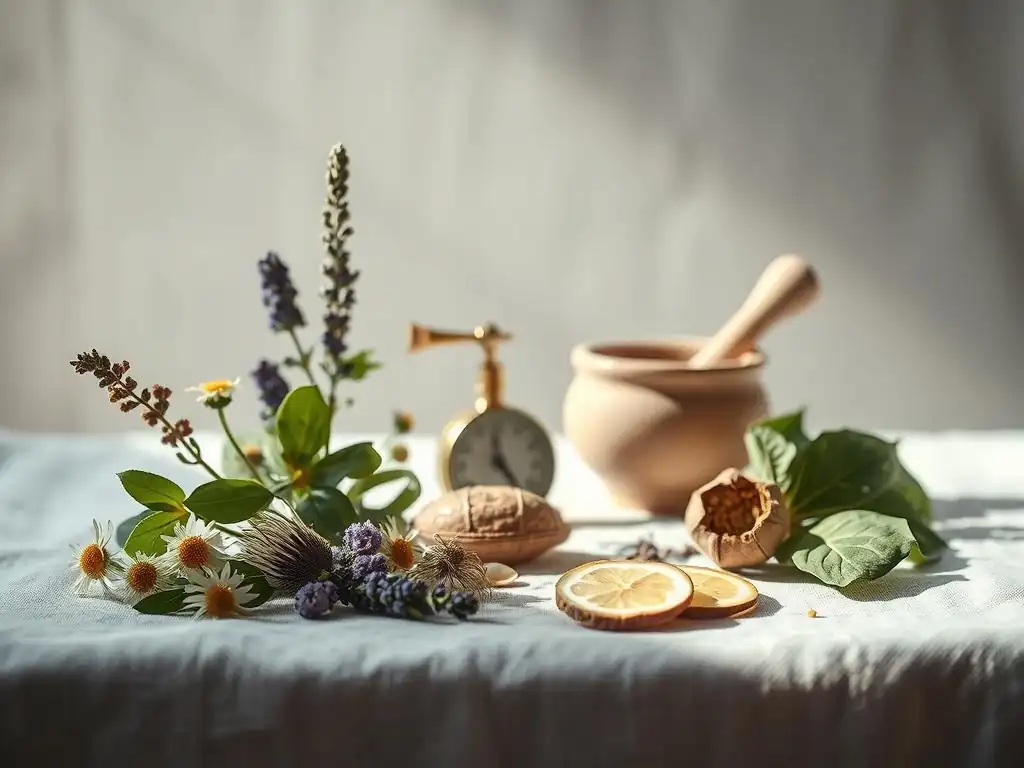
Many herbs have garnered attention for their potential to support stress management and promote relaxation. However, recommended dosages and safety considerations are specific to each herb and its preparation method. It's crucial to approach each herb individually, understanding its typical usage and potential effects. While this section provides general guidelines, remember that these are starting points, and individual needs may vary.
Ashwagandha Dosage for Stress and Anxiety: A Comprehensive Guide
Ashwagandha ( Withania somnifera) is an adaptogenic herb widely used in Ayurvedic medicine, known for its potential to help the body adapt to stress. Research suggests it may help regulate cortisol, the body's primary stress hormone. Studies investigating Ashwagandha for stress and anxiety often use dosages ranging from 300 mg to 600 mg of a standardized root extract per day. For example, one study published in the Indian Journal of Psychological Medicine used 300 mg of a high-concentration full-spectrum extract twice daily, showing significant reductions in stress assessment scores over 60 days compared to a placebo.
Lower doses, such as 125 mg daily, have also been studied for their potential to reduce stress-related parameters, though higher doses (like the 300-600 mg range) appear more commonly cited for noticeable effects on anxiety and cortisol levels in adults. The timing of the Ashwagandha dosage for stress can also vary; some prefer taking it in the morning to help manage daytime stress, while others take it in the evening to support relaxation and sleep.
Ashwagandha is generally well-tolerated, but some individuals may experience mild side effects like digestive upset, drowsiness, or rarely, liver issues at very high doses. It's often recommended to start with a lower dose, around 250-300 mg per day, and gradually increase if needed while monitoring your response.
Chamomile Dosage for Relaxation and Sleep: Teas, Extracts, and Capsules
Chamomile ( Matricaria recutita or Chamaemelum nobile) is perhaps one of the most well-known herbs for its calming properties, often used in teas to promote relaxation and aid sleep. The active compounds, such as apigenin, are thought to bind to GABA receptors in the brain, producing a mild sedative effect. For chamomile tea, a common dosage for stress relief and relaxation involves steeping 1-4 grams of dried chamomile flowers in hot water for 5-10 minutes, consumed several times a day as needed. A stronger tea can be made with more herb.
When using chamomile extracts or capsules, the herbal stress relief dosage is typically lower due to the concentrated nature of the preparation. Standardized extracts can range from 200 mg to 500 mg, taken 1-4 times daily. For example, a study on generalized anxiety disorder used a dosage of 500 mg of a chamomile extract capsule three times daily over 8 weeks, demonstrating a significant reduction in anxiety symptoms.
Chamomile is generally considered safe, but individuals with allergies to plants in the daisy family (like ragweed, marigolds, or chrysanthemums) may experience allergic reactions. Side effects are rare but can include nausea or vomiting, especially if consumed in very large quantities.
Lavender Dosage for Anxiety and Mood: Essential Oils and Oral Supplements
Lavender ( Lavandula angustifolia) is widely recognized for its soothing aroma, often used in aromatherapy for relaxation. However, specific preparations of lavender, particularly a patented oral essential oil extract (like Silexan), have been studied for their effects on anxiety. The active compounds, primarily linalool and linalyl acetate, are believed to influence neurotransmitter systems. For oral use, the studied and recommended herbal stress relief dosage for this specific extract is typically 80 mg once daily. Clinical trials using this dosage have shown efficacy comparable to some low-dose prescription medications for generalized anxiety disorder, with effects observed within a few weeks.
While aromatherapy is a common way to use lavender (e.g., diffusing 5-10 drops of essential oil or adding a few drops to a bath), ingesting standard lavender essential oil is generally not recommended due to potential toxicity. Only specific, pharmaceutical-grade oral preparations should be used internally, strictly following the recommended herbal stress relief dosage provided by the manufacturer or a healthcare professional. Side effects from the specific oral extract (Silexan) are usually mild and can include gastrointestinal issues or burping with a lavender taste. Topical application of diluted lavender oil can cause skin irritation in some individuals.
Lemon Balm Dosage for Stress Relief: Teas and Extracts
Lemon Balm ( Melissa officinalis) is a member of the mint family known for its gentle calming effects, often used to reduce stress, anxiety, and improve mood and sleep. It contains compounds like rosmarinic acid, which are thought to influence GABA activity. A common way to use lemon balm for stress relief is as a tea, steeping 1.5 to 4.5 grams of dried leaves in hot water.
This can be consumed several times daily. For a stronger effect, a tincture (alcohol extract) can be used, with typical dosages ranging from 30 to 60 drops (approximately 2-4 ml) taken up to 3 times daily.
Standardized extracts are also available, with dosages varying based on the concentration of active compounds. Studies investigating cognitive effects and mood often use single doses of 300 mg to 600 mg of a lemon balm extract. For example, research published in Psychosomatic Medicine found that a single dose of 600 mg of a lemon balm extract improved mood and cognitive performance and reduced anxiety.
When using lemon balm for chronic stress, consistent daily use within the recommended herbal stress relief dosage range for teas, tinctures, or extracts is often suggested. Lemon balm is generally well-tolerated, with few side effects, although large doses might cause increased anxiety or digestive issues in some sensitive individuals.
Safety Considerations for Herbal Stress Relief: Potential Risks and Interactions
While herbal remedies are natural, they are not without potential risks. Understanding safety considerations is just as important as knowing the appropriate herbal stress relief dosage. Herbs can interact with prescription medications, over-the-counter drugs, other supplements, and even certain foods. These interactions can either enhance the effects of medications (potentially leading to toxicity) or diminish their effectiveness. For example, St. John's Wort, sometimes used for mood support, is notorious for interacting with a wide range of medications, including antidepressants, birth control pills, and blood thinners, by affecting liver enzymes.
Furthermore, certain herbs may not be suitable for individuals with specific health conditions. Pregnant or breastfeeding women, children, individuals with liver or kidney disease, or those undergoing surgery should exercise extreme caution and always consult a healthcare professional before using herbal remedies. The quality and purity of herbal supplements also vary significantly, which can impact both efficacy and safety. Contamination with heavy metals, pesticides, or incorrect plant species is a real concern in the unregulated supplement market, underscoring the need for careful sourcing and selection.
Identifying High-Quality Herbal Supplements: What to Look For
Choosing high-quality herbal supplements is crucial for both safety and effectiveness when seeking herbal stress relief. The supplement industry is not regulated with the same rigor as pharmaceuticals in many countries, meaning product quality, purity, and potency can vary widely. Look for products from reputable manufacturers that adhere to Good Manufacturing Practices (GMP), which are standards ensuring products are consistently produced and controlled according to quality standards. This indicates that the product is likely free from contaminants and contains the ingredients listed on the label in the stated amounts.
Checking for third-party testing certifications can also provide an extra layer of assurance. Organizations like NSF International, USP (United States Pharmacopeia), or ConsumerLab independently test supplements for purity, potency, and accuracy of labeling. While not all good products carry these certifications, their presence is a strong indicator of quality control.
Pay attention to the product label, which should clearly state the specific herb (including the scientific name), the part of the plant used (root, leaf, flower), the form (extract, powder, tincture), and ideally, the concentration of active compounds if it's a standardized extract. Understanding these details helps you compare products and determine the appropriate herbal stress relief dosage based on the supplement's strength.
Recognizing Allergic Reactions and Side Effects: When to Seek Medical Attention
Even when using the correct herbal stress relief dosage, individuals can experience side effects or allergic reactions. Side effects are generally predictable responses to the herb's properties, such as the potential drowsiness from valerian or digestive upset from high doses of some herbs.
Allergic reactions, on the other hand, are immune system responses that can range from mild skin rashes, itching, or hives to more severe symptoms like difficulty breathing, swelling of the face, tongue, or throat (anaphylaxis). Knowing the potential side effects for the specific herb you are using is important, and these are usually listed on product packaging or reputable herbal resources.
If you experience mild side effects, you might try reducing the herbal stress relief dosage or temporarily stopping the herb to see if symptoms resolve. However, if you suspect an allergic reaction, even a mild one, stop using the herb immediately. Severe symptoms like difficulty breathing, chest tightness, or significant swelling constitute a medical emergency, and you should seek immediate medical attention.
It's also important to consult a healthcare professional if you experience persistent or concerning symptoms after taking a herbal supplement, or if your stress symptoms worsen or do not improve despite using herbal remedies appropriately. Your doctor can help determine if the herb is the cause and advise on alternative strategies or necessary medical interventions.
Creating a Personalized Herbal Stress Relief Plan: A Step-by-Step Guide

Developing an effective and safe herbal stress relief plan requires a thoughtful and personalized approach. It's not a one-size-fits-all solution. By systematically addressing your individual needs, researching options, seeking professional advice, and carefully monitoring your response, you can integrate herbal remedies into your stress management routine effectively. This process ensures you are using the right herbs at the appropriate herbal stress relief dosage for your specific situation.
Step 1: Identifying Your Stress Triggers
The first step in creating a personalized herbal stress relief plan is to gain clarity on what is causing your stress and how it manifests in your body and mind. Is your stress primarily related to work pressure, relationship issues, financial concerns, or perhaps a combination of factors? Does your stress result in physical symptoms like muscle tension, headaches, or digestive problems, or is it more psychological, leading to worry, irritability, or difficulty concentrating? Understanding the nature and triggers of your stress provides valuable context for selecting the most appropriate herbal remedies.
For instance, if your stress primarily causes insomnia and restlessness, herbs known for their sedative properties like valerian or chamomile might be suitable. If your stress leads to fatigue and a feeling of being overwhelmed, an adaptogen like Ashwagandha, which supports the body's resilience, might be a better fit.
Keeping a stress journal for a week or two can be incredibly helpful in identifying patterns, triggers, and the specific ways stress impacts you. This detailed understanding forms the foundation upon which you can build an informed herbal strategy, guiding your research into potential remedies and their typical herbal stress relief dosage for those specific concerns.
Step 2: Researching Appropriate Herbal Remedies
Once you have a clearer picture of your stress profile, the next step is to research herbal remedies that align with your needs. Focus on herbs that have traditional use and scientific evidence supporting their efficacy for the specific aspects of stress you experience. Look into herbs known for their adaptogenic, calming, or mood-supportive properties. Explore reputable sources of information, such as academic databases, peer-reviewed studies, and established herbal guides. Be wary of anecdotal claims or products promising miraculous results without scientific backing.
During your research, pay close attention to the typical herbal stress relief dosage ranges recommended for different forms of the herb (tea, tincture, capsule, extract) and for specific uses (general stress, anxiety, sleep). Note potential side effects, contraindications, and known drug interactions for each herb you consider.
For example, if researching Valerian root, you would find typical dosages for sleep often range from 300-600 mg of an extract taken 30 minutes to 2 hours before bed, and note its potential to cause drowsiness or interact with sedatives. Compile a list of herbs that seem like good candidates based on your research and your stress symptoms.
Step 3: Consulting with a Healthcare Professional
Before incorporating any herbal supplement into your routine, especially if you have underlying health conditions, are pregnant or breastfeeding, are taking medications, or are considering giving herbs to children, it is absolutely essential to consult with a qualified healthcare professional. This could be your primary care physician, a licensed naturopathic doctor, or a clinical herbalist. These professionals can provide personalized guidance based on your complete health history, current medications, and specific needs.
Discuss the herbs you are considering and the potential herbal stress relief dosage you've researched. Your doctor can advise on potential interactions with your current medications and help determine if the herb is safe and appropriate for you. They can also help you understand if your stress symptoms might be related to an underlying medical condition that requires conventional treatment. This step is critical for ensuring safety and integrating herbal remedies responsibly into your overall health management plan. Do not skip this consultation, as it provides a vital safety net.
Step 4: Starting with a Low Dose and Gradually Increasing
Once you have selected an herb in consultation with a healthcare professional and chosen a high-quality product, the recommended approach is to start with the lowest effective herbal stress relief dosage. Product labels or your healthcare provider may suggest a starting dose, often at the lower end of the typical range. Begin with this minimal dose and take it consistently as recommended for a specified period, usually a week or two, to observe how your body responds.
Starting low helps minimize the risk of side effects and allows you to gauge your sensitivity to the herb. If you tolerate the initial dose well and do not experience the desired effects on your stress levels, you can consider gradually increasing the dosage. Follow the product's instructions for increasing dosage or consult your healthcare provider for guidance on how and when to make adjustments. This cautious approach is key to finding your individual optimal herbal stress relief dosage without exposing yourself to unnecessary risk.
Step 5: Monitoring Your Response and Adjusting as Needed
After starting an herbal remedy, consistent monitoring of your response is vital for determining its effectiveness and safety. Pay close attention to changes in your stress levels, mood, sleep patterns, and any physical symptoms. Are you feeling calmer? Is your sleep improving? Are you experiencing any new or unusual symptoms that could be side effects? Keep a journal to track your dosage, the time you take it, your stress levels, and any effects or side effects you notice.
Based on your monitoring, you can make informed decisions about adjusting your herbal stress relief dosage or trying a different herb. If you are experiencing significant side effects, even at a low dose, the herb might not be suitable for you, and you should stop taking it and consult your healthcare provider.
If you are not seeing any benefit after using the herb consistently for a sufficient period (which varies by herb, but often ranges from a few weeks to a couple of months) at a reasonable dosage, it may be time to consider increasing the dosage (if you are still within the safe range and advised by a professional) or explore alternative remedies. This ongoing evaluation is essential for optimizing your herbal stress relief journey.
Conclusion: Empowering Your Journey to Natural Stress Relief
Navigating the path of herbal stress relief offers a promising avenue for many seeking natural ways to manage the pressures of modern life. By understanding the critical importance of proper herbal stress relief dosage, recognizing the science behind how these natural compounds work, and prioritizing safety through careful selection and professional consultation, you empower yourself to make informed choices. Herbs like Ashwagandha, Chamomile, Lavender, and Lemon Balm offer unique benefits, but their effectiveness is unlocked only when used correctly and responsibly.
Creating a personalized plan, starting with identifying your specific stress triggers and symptoms, researching appropriate remedies, consulting with healthcare experts, and diligently monitoring your response, forms a solid foundation for success. Remember that herbal remedies are powerful tools that deserve respect and careful consideration, not just in terms of the herb itself, but also in finding the optimal herbal stress relief dosage for your unique body and circumstances. By taking these steps, you can confidently integrate herbal support into a holistic strategy for enhancing your mental well-being and cultivating a greater sense of calm and resilience in your life.
Frequently Asked Questions
What is the recommended dosage for herbal stress relief?
The ideal herbal stress relief dosage varies depending on the specific herb and individual. It's crucial to start with the lowest recommended dose and gradually increase as needed, always consulting with a healthcare professional.
How do I know if an herbal stress relief remedy is safe for me?
Safety depends on factors like existing conditions, medications, and allergies. Always research the herb thoroughly and discuss it with your doctor before use, especially if you have pre-existing health issues.
Can I combine different herbal remedies for stress relief?
Combining herbs can have unpredictable effects. It's generally not recommended without professional guidance from a qualified herbalist or doctor, as interactions can be dangerous.
How long does it take for herbal stress relief remedies to work?
The time it takes for herbal remedies to work varies. Some people may experience relief within days, while others may require several weeks of consistent use to notice a significant difference.
Where can I find reliable information about herbal stress relief dosage?
Reputable sources include the Mind Care Guide website, peer-reviewed scientific studies, and consultations with qualified healthcare professionals or herbalists. Always be wary of unverified claims.
Final Reflection: Finding Balance in Nature's Embrace
The pursuit of effective and safe herbal stress relief is not merely a trend; it's a fundamental human need in an increasingly demanding world. The information presented in this article highlights the critical importance of understanding dosage and individual responses when incorporating herbal remedies into your wellness routine. Ignoring this crucial aspect can lead to ineffective treatment or, worse, adverse effects, undermining the very benefits you seek.
The impact of herbal remedies on our cultural landscape is undeniable, reflecting a growing desire to connect with natural solutions for common ailments like stress. We are increasingly seeking alternatives to pharmaceutical interventions, driven by a desire for holistic well-being and a growing awareness of potential side effects associated with synthetic drugs. This shift underscores the importance of responsible education and access to accurate information. Nature provides a pharmacy, but we must learn to use it wisely.
– Unknown. This quote perfectly encapsulates the delicate balance we must strive for when utilizing nature's gifts for healing.
Now, consider your own relationship with stress. What strategies currently work for you? Are you open to exploring the potential benefits of herbal remedies? I encourage you to approach this journey with informed curiosity, prioritizing safety and seeking guidance from qualified healthcare professionals when necessary.
Remember, the path to optimal well-being is a personal one, and finding the right balance between natural remedies and self-care practices is key to navigating the challenges of modern life with grace and resilience. Start small, research thoroughly, and listen to your body. Your journey to a calmer, more balanced you begins with a single, informed step.
Unlock Your Inner Calm: Take Control of Your Stress
Thanks for taking the time to learn about harnessing the power of herbs for stress relief! You've now gained valuable insights into safe and effective dosage practices. Ready to put this knowledge into action?
- Start your personalized herbal journey: Research and carefully select an herbal remedy that aligns with your needs and preferences, paying close attention to the dosage recommendations. This is your first step to a calmer you!
- Share your newfound wisdom: Discuss your discoveries with friends or family who might also benefit from natural stress relief methods. Let's create a community of calm together!
- Track your progress and adjust: Keep a journal to monitor your experience and make any necessary adjustments to your routine. Remember, consistency is key.
What small step will you take today to prioritize your well-being and embrace a more tranquil life?