
Decoding Herbal Stress Pills: What Works and What Doesn't (Safety Review)

Welcome to Mind Care Guide!
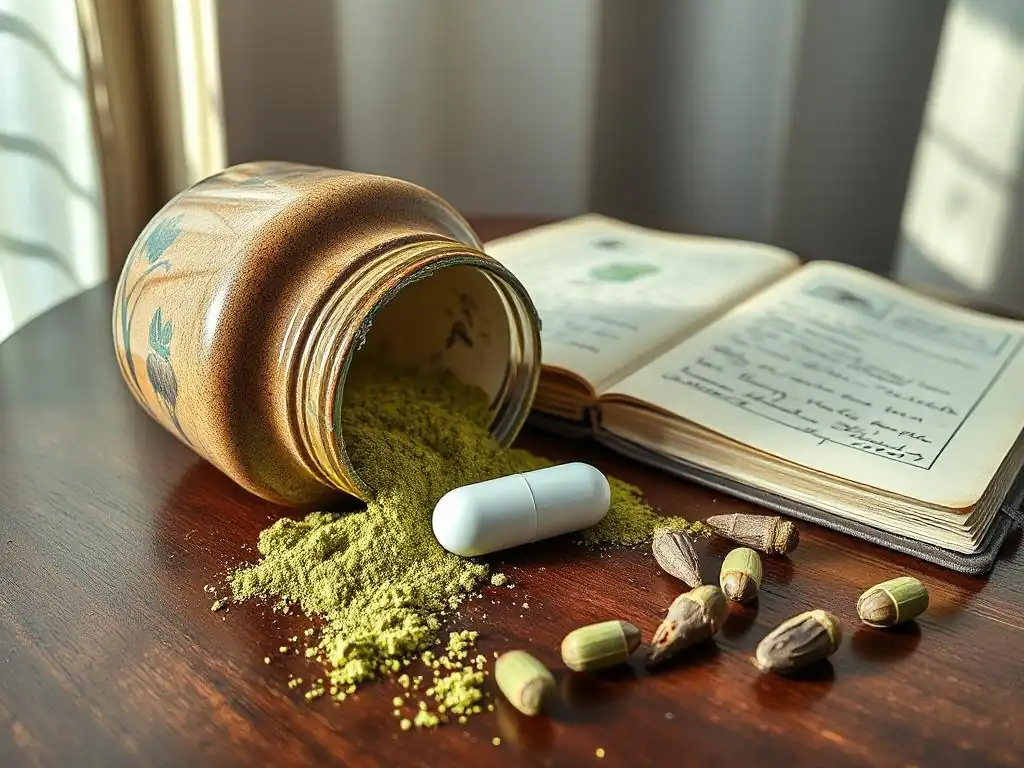
Feeling overwhelmed and searching for natural stress relief? You're not alone. We understand the desire for gentle solutions. This can bring about curiosity about herbal stress pills, but are they truly safe and effective? Before you reach for the bottle, delve into our comprehensive safety review, where we decode the truth behind these popular supplements and help you make informed decisions for your well-being. Let's explore the landscape of herbal remedies together, separating fact from fiction, and discovering safer paths to a calmer you.
Decoding Herbal Stress Pills: What Works and What Doesn't (Safety Review) - Mind Care Guide
- Herbal Stress Pills Safety Review: A Comprehensive Guide for Mind Care
- Understanding Stress and the Role of Herbal Remedies
-
Evaluating the Safety Profile of Popular Herbal Stress Pills
- Kava Kava: Benefits and Safety Concerns Regarding Liver Health
- Ashwagandha: A Review of Safety and Efficacy for Stress Reduction
- Rhodiola Rosea: Exploring the Safety and Effectiveness for Fatigue and Stress
- Valerian Root: A Safety Analysis for Sleep and Anxiety Related to Stress
- St. John's Wort: A Cautionary Tale of Interactions and Side Effects in Stress Management
- Comparing Herbal Stress Pills: Efficacy and Safety Considerations
-
How to Choose the Right Herbal Stress Pill for You: A Personalized Approach
- Assessing Your Individual Stress Profile: Identifying Your Specific Needs
- Consulting with a Healthcare Professional: The Importance of Medical Advice
- Understanding Dosage and Administration: Maximizing Benefits and Minimizing Risks
- Reading Labels and Understanding Ingredients: A Guide to Informed Purchasing
- Minimizing Risks and Maximizing Benefits: Safe Practices for Herbal Stress Pills
- The Future of Herbal Stress Pills: Research and Development
- Conclusion: Making Informed Decisions About Herbal Stress Pills for Mental Well-being
-
Frequently Asked Questions
- What are herbal stress pills and how do they work?
- Are herbal stress pills a safe alternative to prescription medications?
- What are some common ingredients found in herbal stress pills?
- How can I determine the quality and safety of herbal stress pills?
- What are the potential risks and side effects of using herbal stress pills?
- Final Reflection: The Path to Calm: Navigating the Herbal Stress Pill Landscape
- Unlock Your Inner Calm: Take Control of Stress Today!
Herbal Stress Pills Safety Review: A Comprehensive Guide for Mind Care
Navigating the world of stress management can be overwhelming, with countless options promising relief. Among these, herbal stress pills have gained significant popularity. However, understanding their effectiveness and, crucially, their safety profile is paramount for making informed choices about your mental well-being. This comprehensive guide offers a deep dive into the safety and efficacy of some of the most common herbal remedies marketed for stress relief, providing essential information for anyone considering these supplements. We aim to provide a thorough herbal stress pills safety review to help you understand the potential benefits and risks involved.
Stress is a universal experience, but its impact on our health can be profound. While traditional approaches like therapy, exercise, and mindfulness are cornerstones of stress management, many individuals seek additional support. This often leads them to explore dietary supplements, particularly herbal stress pills, which are perceived as natural and gentle options. Our goal is to offer a balanced perspective, grounded in available research, to inform your decisions regarding the safety of herbal stress pills.
Understanding Stress and the Role of Herbal Remedies
Stress is the body's reaction to any change that requires an adjustment or response. The body reacts to these changes with physical, mental, and emotional responses. Understanding the nature of stress is the first step in managing it effectively. Different types of stress exist, from acute, short-term stress like missing a deadline to chronic, long-term stress stemming from difficult life circumstances. Recognizing your specific stress triggers and symptoms is crucial for identifying the most appropriate coping mechanisms, whether traditional or complementary.
The physiological response to stress involves the activation of the sympathetic nervous system and the release of hormones like cortisol. While this "fight or flight" response is vital for survival in dangerous situations, chronic activation can lead to detrimental health effects, including anxiety, depression, sleep disorders, digestive issues, and a weakened immune system. Many people turn to herbal remedies hoping they can modulate this stress response naturally, offering a gentler alternative to pharmaceutical interventions.
What is Stress? Identifying the Triggers and Symptoms
Stress is a complex physiological and psychological response. Common triggers include work pressure, financial worries, relationship issues, major life changes (positive or negative), and environmental factors. These triggers activate the body's stress response system, leading to a cascade of hormonal changes. The hypothalamus signals the pituitary gland, which in turn signals the adrenal glands to release cortisol and adrenaline. These hormones prepare the body to face a perceived threat.
Symptoms of stress vary widely among individuals but often include irritability, fatigue, difficulty concentrating, muscle tension, headaches, digestive problems, and changes in sleep patterns. Chronic stress can exacerbate existing health conditions and contribute to the development of new ones. For example, persistent high cortisol levels have been linked to increased risk of heart disease and impaired cognitive function. Recognizing these signs early is vital for intervening before stress takes a significant toll on your health.
The Appeal of Herbal Alternatives for Stress Management
The growing interest in herbal alternatives for stress management stems from a desire for natural options and a perception that they may have fewer side effects than conventional medications. Many cultures have long traditions of using plants for medicinal purposes, including calming nerves and promoting relaxation. This historical use lends a certain appeal to herbal stress pills in the modern context. Furthermore, the accessibility of these supplements, often available without a prescription, makes them an easy first step for individuals seeking stress relief.
Patients may feel more comfortable trying something derived from nature, believing it aligns better with a holistic approach to health. Marketing often highlights the "natural" aspect, which resonates with consumers wary of synthetic compounds. However, it is critical to remember that "natural" does not automatically mean "safe" or "effective." A rigorous herbal stress pills safety review is necessary to understand the potential risks and benefits before incorporating them into your routine.
Are Herbal Stress Pills a Safe and Effective Solution? An Overview
Evaluating whether herbal stress pills are a safe and effective solution requires a critical look at the available scientific evidence. While some herbal remedies show promise in clinical studies for reducing stress and anxiety symptoms, others lack robust evidence or have significant safety concerns. Effectiveness can also vary depending on the specific herb, the dosage, the quality of the product, and the individual's unique physiology and the nature of their stress.
Safety is a primary concern when considering any supplement. Herbal products are not regulated with the same stringency as pharmaceutical drugs in many countries. This means that product quality, purity, and consistency can vary significantly between brands. Furthermore, herbal compounds can interact with prescription medications, have side effects, or be toxic to certain organs, such as the liver or kidneys. Therefore, a thorough herbal stress pills safety review involves examining the specific risks associated with individual herbs and the importance of professional medical guidance.
Evaluating the Safety Profile of Popular Herbal Stress Pills
When considering herbal stress pills, it's essential to look beyond anecdotal evidence and delve into scientific research regarding their safety and efficacy. Several herbs are commonly found in stress-relief supplements, each with its own profile of potential benefits and risks. A critical herbal stress pills safety review requires examining the specific data available for each popular ingredient.
Understanding the potential side effects, interactions with medications, and specific contraindications for each herb is vital. This section evaluates the safety profiles of some of the most widely used herbal ingredients in stress management supplements, providing insights into what the research suggests about their use.
Kava Kava: Benefits and Safety Concerns Regarding Liver Health
Kava kava (Piper methysticum) is a plant native to the Pacific Islands, traditionally used for its calming and euphoric effects. It has been studied for its potential to reduce anxiety and stress. However, concerns about its impact on liver health have significantly affected its reputation and availability in some regions.
While some studies have shown Kava kava to be effective in reducing anxiety symptoms, particularly generalized anxiety disorder, reports of severe liver damage linked to its use led to its restriction or banning in several countries in the early 2000s. Although subsequent research has attempted to clarify the specific compounds and preparations responsible for toxicity, the association remains a significant safety concern for consumers and healthcare providers alike. Any herbal stress pills safety review involving Kava kava must address this potential risk.
-
Kava Kava's Anxiolytic Effects: Examining the Evidence
Research on Kava kava's effectiveness for anxiety has yielded mixed results, but several systematic reviews and meta-analyses suggest it may be more effective than a placebo for reducing anxiety symptoms. For example, a 2010 meta-analysis of 11 randomized controlled trials involving over 600 participants concluded that Kava extract was likely an effective treatment for anxiety. The active compounds, kavalactones, are believed to affect neurotransmitters in the brain, similar to some anti-anxiety medications.
However, the quality of studies varies, and the optimal dosage and duration of use for stress and anxiety remain subjects of ongoing research. While promising for its anxiolytic properties, the potential benefits must be weighed carefully against the safety concerns, which is a crucial part of any herbal stress pills safety review.
-
Potential Liver Toxicity: Understanding the Risks and Mitigation Strategies
The most serious safety concern associated with Kava kava is its potential for hepatotoxicity (liver damage). Hundreds of cases of liver injury, ranging from mild to severe liver failure requiring transplantation or resulting in death, have been reported globally in association with Kava kava use. While the exact mechanisms are still debated, factors like the plant part used (traditional preparations use only the root, while commercial products sometimes include stems and leaves), extraction methods, dose, duration of use, and individual susceptibility (including concurrent use of alcohol or liver-toxic medications) may play a role.
Due to these risks, regulatory bodies in countries like Germany and the UK have restricted or banned Kava kava products, though it remains available in others, including the United States. Users are strongly advised to avoid Kava kava if they have liver problems, are taking medications that affect the liver, or consume alcohol. Consulting a healthcare professional before considering Kava kava is absolutely essential for a proper herbal stress pills safety review in your specific case.
Ashwagandha: A Review of Safety and Efficacy for Stress Reduction
Ashwagandha (Withania somnifera) is an adaptogenic herb widely used in Ayurvedic medicine. Adaptogens are substances believed to help the body adapt to stress and maintain balance. Ashwagandha has gained popularity as a natural remedy for stress, anxiety, and fatigue. Its appeal lies in its purported ability to modulate the stress response system.
Numerous studies have investigated Ashwagandha's effects on stress and anxiety. Several randomized controlled trials have shown that Ashwagandha supplementation can lead to significant reductions in stress levels, measured by subjective scales and objective markers like cortisol levels. For instance, a 2012 study found that participants taking a high-concentration full-spectrum extract of Ashwagandha root significantly reduced serum cortisol levels by approximately 24-30% compared to a placebo group over 60 days. This suggests a direct impact on the physiological stress response.
-
Ashwagandha's Adaptogenic Properties: How it Helps the Body Cope with Stress
Ashwagandha is thought to exert its adaptogenic effects by influencing the hypothalamic-pituitary-adrenal (HPA) axis, the body's central stress response system. By potentially modulating the release of stress hormones like cortisol, Ashwagandha may help the body maintain homeostasis under stressful conditions. This doesn't necessarily eliminate stress but aims to improve the body's resilience and ability to recover from stress more effectively.
Beyond cortisol reduction, Ashwagandha contains compounds called withanolides, which are believed to have various pharmacological activities, including anti-inflammatory and antioxidant properties. These properties may contribute to its overall effect on well-being and stress resilience. Understanding these mechanisms contributes to a comprehensive herbal stress pills safety review of Ashwagandha.
-
Potential Side Effects and Interactions: A Safety Checklist
Ashwagandha is generally considered safe for most people when taken in recommended doses for short to medium durations (typically up to 3-6 months). Side effects are usually mild and may include digestive upset, diarrhea, nausea, and drowsiness. However, specific populations should exercise caution.
- Pregnant or breastfeeding women should avoid Ashwagandha due to insufficient safety data.
- Individuals with autoimmune diseases (like rheumatoid arthritis, lupus, Hashimoto's thyroiditis) should consult a doctor as Ashwagandha might stimulate the immune system.
- People with thyroid conditions should be cautious as Ashwagandha can potentially increase thyroid hormone levels.
- It may interact with medications for diabetes, blood pressure, immunosuppressants, sedatives, and thyroid disorders.
Ashwagandha Safety Checklist:
- Pregnant/Breastfeeding? Avoid.
- Autoimmune condition? Consult doctor.
- Thyroid condition? Consult doctor.
- Taking medications for diabetes, blood pressure, immune system, sedation, or thyroid? Consult doctor about interactions.
- Experiencing digestive upset or drowsiness? Reduce dose or discontinue.
This checklist highlights key points for a personal herbal stress pills safety review regarding Ashwagandha.
Rhodiola Rosea: Exploring the Safety and Effectiveness for Fatigue and Stress
Rhodiola Rosea, also known as golden root, is another popular adaptogenic herb used to combat fatigue, improve mental performance, and enhance the body's resilience to stress. It grows in cold, mountainous regions and has a long history of use in traditional European and Asian medicine.
Research suggests that Rhodiola Rosea may help reduce symptoms of fatigue and burnout associated with chronic stress. Several studies have shown improvements in concentration, mental fatigue, and overall well-being in individuals experiencing stress-related burnout. For instance, a study on individuals with stress-related fatigue found that Rhodiola extract significantly reduced symptoms like fatigue, poor concentration, and irritability compared to placebo over a few weeks. The active compounds, rosavins and salidrosides, are thought to influence neurotransmitter levels and protect cells from oxidative stress.
-
Rhodiola Rosea's Impact on Cognitive Function and Stress Resilience
Rhodiola Rosea is often touted for its ability to improve cognitive function under stressful conditions. Studies have explored its effects on attention, memory, and processing speed, particularly in individuals experiencing fatigue or stress. Some research indicates that it can enhance mental performance and reduce mental fatigue, making it easier to cope with demanding tasks. This effect is attributed to its potential influence on neurotransmitters such as dopamine, norepinephrine, and serotonin, which play roles in mood and cognitive function.
By helping the body adapt to stressors and potentially improving energy levels and focus, Rhodiola may enhance overall stress resilience. This makes it a subject of interest in the herbal stress pills safety review context for those dealing with stress-induced fatigue and cognitive fog.
-
Possible Side Effects and Interactions with Medications
Rhodiola Rosea is generally considered safe and well-tolerated when used appropriately. Side effects are uncommon but can include dizziness, dry mouth, or difficulty sleeping, especially if taken late in the day due to its stimulating effects.
- Individuals with bipolar disorder or manic-depressive illness should use Rhodiola with extreme caution, as it may potentially trigger manic episodes.
- Due to its potential stimulating effects, it might interact with stimulant medications or antidepressants (particularly SSRIs and SNRIs).
- It might also interact with medications for diabetes or blood pressure.
As with any supplement, it is crucial to discuss Rhodiola use with a healthcare provider, especially if you have pre-existing health conditions or are taking prescription medications. This step is vital for conducting a personal herbal stress pills safety review.

Valerian root (Valeriana officinalis) is perhaps best known for its use as a natural sleep aid, but it is also frequently used to alleviate anxiety and restlessness associated with stress. Its sedative properties have been recognized for centuries, making it a common ingredient in herbal stress pills marketed for relaxation and sleep support.
The mechanisms by which Valerian root exerts its effects are not fully understood, but it is believed to influence gamma-aminobutyric acid (GABA) levels in the brain. GABA is an inhibitory neurotransmitter that helps regulate nerve activity, and increasing its availability can promote relaxation and reduce anxiety. Research on Valerian for sleep has shown modest benefits for some individuals, while studies specifically on anxiety relief have yielded less consistent results, though many users report subjective improvements.
-
Valerian Root's Sedative Effects: How it Promotes Relaxation and Sleep
Valerian root is thought to enhance sleep quality and reduce the time it takes to fall asleep, particularly for those experiencing mild to moderate insomnia or sleep disturbances related to stress. Its interaction with the GABA system is believed to be central to its sedative effects. Some studies suggest that valerenic acid and valerenal, compounds found in Valerian, may inhibit the breakdown of GABA or increase its release, leading to a calming effect on the nervous system.
This makes Valerian a popular choice within the herbal stress pills safety review context for individuals whose primary stress symptom is difficulty sleeping or feeling restless. However, it's important to note that its effects may not be immediate and might require consistent use over several days or weeks to become noticeable.
-
Potential Side Effects and Drug Interactions to Consider
Valerian root is generally well-tolerated, but some individuals may experience side effects such as headache, dizziness, upset stomach, or vivid dreams. Unlike some pharmaceutical sedatives, Valerian is generally not associated with morning grogginess or dependence when used appropriately, though long-term safety data is somewhat limited.
- Drowsiness is a common side effect, so caution is advised when driving or operating heavy machinery after taking it.
- Valerian can potentiate the effects of central nervous system depressants, including alcohol, benzodiazepines (like Xanax, Valium), opioids, and certain antidepressants. Combining Valerian with these substances can lead to excessive sedation and respiratory depression.
- It may also interact with medications metabolized by certain liver enzymes (e.g., CYP3A4), potentially affecting their metabolism and effectiveness.
A thorough herbal stress pills safety review for Valerian must include careful consideration of its sedative effects and significant potential interactions with other CNS depressants and liver-metabolized drugs. Always inform your doctor about Valerian use.
St. John's Wort: A Cautionary Tale of Interactions and Side Effects in Stress Management
St. John's Wort (Hypericum perforatum) is widely known for its use in treating mild to moderate depression. While depression and stress are distinct, they often co-occur, and some people might consider St. John's Wort for stress relief, especially if symptoms include low mood. However, its significant potential for drug interactions makes it a herb that requires extreme caution and is often not recommended without strict medical supervision.
Numerous studies have demonstrated St. John's Wort's effectiveness for mild to moderate depression, comparable in some cases to prescription antidepressants. Its proposed mechanism involves inhibiting the reuptake of neurotransmitters like serotonin, norepinephrine, and dopamine, similar to how some conventional antidepressants work. While effective for mood, its complex pharmacological profile leads to substantial safety concerns regarding interactions.
-
St. John's Wort's Antidepressant Properties and Its Role in Stress
St. John's Wort's primary evidence-based use is for depressive symptoms. For individuals experiencing stress accompanied by symptoms of low mood or mild depression, it might seem like a relevant option. Its impact on neurotransmitter levels can potentially help lift mood, which in turn might improve an individual's ability to cope with stress. However, it is not primarily an adaptogen or an anxiolytic in the same way as Ashwagandha or Kava kava.
Considering St. John's Wort within an herbal stress pills safety review context is complicated because its use is primarily tied to mood disorders, and its safety profile is dominated by drug interactions rather than direct toxicity to healthy individuals (though side effects exist).
-
Significant Drug Interactions: A Critical Safety Consideration
The most critical safety concern with St. John's Wort is its potent induction of certain liver enzymes (particularly CYP3A4) and transporter proteins (like P-glycoprotein). This means it can significantly speed up the metabolism and elimination of many prescription and over-the-counter medications, rendering them less effective or ineffective.
- Antidepressants (especially SSRIs and SNRIs): Can increase the risk of serotonin syndrome, a potentially life-threatening condition.
- Oral Contraceptives: Can reduce effectiveness, leading to unintended pregnancy.
- Blood Thinners (e.g., Warfarin): Can reduce effectiveness, increasing the risk of blood clots.
- Immunosuppressants (e.g., Cyclosporine, Tacrolimus): Can reduce effectiveness, critical for transplant patients.
- HIV Medications (e.g., Protease Inhibitors, NNRTIs): Can reduce plasma concentrations significantly.
- Certain Heart Medications (e.g., Digoxin, some Calcium Channel Blockers): Can affect levels and effectiveness.
- Chemotherapy Drugs: Can alter metabolism and effectiveness.
This is not an exhaustive list. The extensive list of interactions makes St. John's Wort one of the most problematic herbal supplements for concurrent drug use. Any herbal stress pills safety review must heavily emphasize this point.
-
Why St. John's Wort Might Not Be Suitable for Everyone
Beyond drug interactions, St. John's Wort can cause side effects such as sensitivity to sunlight (photosensitivity), dizziness, dry mouth, and gastrointestinal upset. It should not be used by individuals with bipolar disorder (risk of mania), severe depression, or those undergoing surgery (potential interactions with anesthetics).
Given the significant risk of interactions and side effects, St. John's Wort is generally not recommended as a first-line treatment for stress alone, and its use for depression requires careful medical oversight, especially if taking any other medications. This makes its inclusion in multi-ingredient herbal stress pills particularly concerning from a safety perspective.
Comparing Herbal Stress Pills: Efficacy and Safety Considerations
Choosing among different herbal stress pills can be challenging, as each has a unique profile of effects, potential benefits, and safety considerations. While direct comparative studies are limited, we can evaluate them based on the available evidence for their efficacy in treating specific stress symptoms and their known safety risks. This section aims to provide a side-by-side look at some popular options, focusing on a crucial herbal stress pills safety review perspective.
Effectiveness varies: Valerian is primarily for sleep, while Ashwagandha and Rhodiola target general stress and fatigue. Kava Kava is studied for anxiety. Safety profiles differ dramatically: Kava Kava has liver concerns, St. John's Wort has widespread drug interactions, while Ashwagandha and Rhodiola are generally better tolerated but still have specific contraindications and potential interactions.
Side-by-Side Comparison: Kava Kava vs. Ashwagandha vs. Rhodiola Rosea
Let's compare three commonly used adaptogens and anxiolytics in the context of an herbal stress pills safety review.
| Feature | Kava Kava | Ashwagandha | Rhodiola Rosea |
|---|---|---|---|
| Primary Use (Research) | Anxiety reduction | General stress, cortisol, fatigue | Fatigue, mental performance, stress resilience |
| Mechanism (Proposed) | Influences GABA, kavalactones | Modulates HPA axis, cortisol reduction | Influences neurotransmitters, adaptogenic |
| Common Side Effects | Digestive upset, headache, dizziness | Digestive upset, drowsiness | Dizziness, dry mouth, sleep issues (if taken late) |
| Major Safety Concerns | Liver toxicity (rare but severe) | Autoimmune conditions, thyroid issues (caution) | Bipolar disorder (caution), stimulating effects |
| Major Interactions | Alcohol, sedatives, liver-toxic drugs | Sedatives, immunosuppressants, thyroid meds | Stimulants, antidepressants, bipolar meds |
| Regulation Status | Restricted/Banned in some countries | Generally available | Generally available |
| Evidence Strength | Moderate for anxiety, but safety concerns | Moderate for stress/cortisol | Moderate for fatigue/stress |
This table offers a simplified view for an herbal stress pills safety review. It's crucial to remember that individual responses can vary greatly.
-
Effectiveness for Different Stress Symptoms: Anxiety, Fatigue, Sleep Issues
If your primary stress symptom is anxiety, particularly generalized anxiety, Kava Kava has the most specific research supporting its anxiolytic effects, although the safety concerns are significant. For individuals experiencing stress that manifests as chronic fatigue, burnout, or difficulty concentrating, Rhodiola Rosea shows promise in improving energy and mental performance under stress. Ashwagandha is often chosen for general stress reduction, especially if elevated cortisol levels are suspected, and may also help with related fatigue. Valerian Root, as discussed, is better suited if stress is significantly disrupting sleep.
No single herb is a panacea for all stress symptoms. The effectiveness of herbal stress pills depends heavily on matching the herb's known actions to the specific way stress affects you. This personalized approach is key to both efficacy and safety.
-
Safety Profiles: Liver Toxicity, Drug Interactions, and Side Effects
The safety profiles represent the most critical distinction in this herbal stress pills safety review. Kava Kava's link, however rare, to severe liver damage makes it a high-risk option for many. St. John's Wort's extensive list of drug interactions makes it potentially dangerous for anyone taking other medications. Ashwagandha and Rhodiola generally have milder side effect profiles and fewer, albeit still important, drug interactions compared to Kava and St. John's Wort.
The potential for drug interactions is a universal concern with herbal supplements and must be carefully evaluated with a healthcare professional, regardless of the specific herb. Side effects are typically dose-dependent and often resolve upon reducing the dose or discontinuing use.
-
Cost-Effectiveness: Comparing the Price of Different Herbal Remedies
The cost of herbal stress pills varies widely depending on the herb, brand, dosage, and product form (capsules, tinctures, powders). Generally, popular herbs like Ashwagandha and Rhodiola are widely available and competitively priced. Kava Kava products might be more expensive or harder to find in regions with restrictions. St. John's Wort is typically inexpensive.
However, focusing solely on cost can be misleading. A cheap product may lack potency, contain contaminants, or use less desirable plant parts, potentially affecting both effectiveness and safety. Investing in reputable brands that provide third-party testing for purity and potency is crucial for maximizing benefits and minimizing risks, which is a key aspect of ensuring a positive herbal stress pills safety review experience.
Case Studies: Real-World Experiences with Herbal Stress Pills
While clinical trials provide valuable data, real-world experiences offer insights into how individuals use herbal stress pills and the outcomes they observe. For example, consider 'Sarah', a 45-year-old graphic designer experiencing chronic stress and fatigue impacting her work and sleep. After consulting with a naturopath and discussing her current medications (only a daily multivitamin), she decided to try Ashwagandha.
Within a few weeks, she reported feeling less overwhelmed by daily pressures and noticed a slight improvement in her energy levels, allowing her to manage her stress more effectively. She experienced no side effects, highlighting a positive outcome from a well-considered choice based on symptom profile and low risk.
Another example is 'Mark', a 60-year-old with mild anxiety who read about Kava Kava's benefits. Without consulting his doctor, he started taking a high dose. Within a month, he developed unexplained fatigue and jaundice, symptoms that led him to seek medical attention.
Tests revealed elevated liver enzymes, and his doctor strongly suspected the Kava Kava was the cause. Upon discontinuing the supplement, his liver markers gradually returned to normal. This case, while potentially rare in its severity, underscores the critical importance of understanding the specific risks associated with certain herbs as part of a thorough herbal stress pills safety review and the absolute necessity of medical consultation.
How to Choose the Right Herbal Stress Pill for You: A Personalized Approach
Selecting an herbal stress pill is a personal decision that should not be taken lightly. Given the variations in effectiveness, safety profiles, and potential interactions, a one-size-fits-all approach is inappropriate. Making an informed choice requires understanding your individual needs, seeking professional advice, and carefully evaluating potential products. This personalized approach is fundamental to ensuring a safe and potentially effective experience with herbal remedies for stress.
A critical part of this process involves conducting a personal herbal stress pills safety review in consultation with experts. Factors to consider include the specific nature of your stress (anxiety, fatigue, sleep issues), any existing health conditions, and all medications or other supplements you currently take.
Assessing Your Individual Stress Profile: Identifying Your Specific Needs
Before considering any herbal stress pill, take time to understand your stress. Is it situational or chronic? Does it manifest primarily as physical tension, emotional irritability, difficulty sleeping, or mental fatigue? Different herbs may be better suited for different symptoms. For instance, if stress keeps you awake at night, Valerian might be considered. If you feel perpetually exhausted and overwhelmed, Rhodiola or Ashwagandha might be more relevant.
Keep a stress diary for a week or two, noting down when you feel stressed, potential triggers, and the physical and emotional symptoms you experience. This self-assessment provides valuable information to discuss with a healthcare professional, helping them guide you toward options that align with your specific needs and conducting a more targeted herbal stress pills safety review.
Consulting with a Healthcare Professional: The Importance of Medical Advice
This is arguably the most crucial step in choosing an herbal stress pill. Healthcare professionals, including doctors, pharmacists, or licensed naturopaths, have the knowledge to assess whether an herbal supplement is appropriate for you, considering your medical history, current health status, and any medications you are taking. They can help identify potential interactions or contraindications that you might not be aware of.
Discuss your stress symptoms, any self-treatments you've tried, and your interest in herbal options. Be completely transparent about all prescription drugs, over-the-counter medications, and other supplements you are taking. A professional can help you weigh the potential benefits of a specific herb against its known risks, providing a crucial layer of safety in your personal herbal stress pills safety review.
Understanding Dosage and Administration: Maximizing Benefits and Minimizing Risks
Once an appropriate herb is identified, understanding the correct dosage and administration is vital for both efficacy and safety. The effective dose of an herbal supplement can vary significantly depending on the specific extract, the concentration of active compounds, and the individual. Clinical studies often use specific standardized extracts and dosages which may differ from what is found in commercial products.
Follow the dosage instructions on the product label or, preferably, the guidance provided by your healthcare professional. Starting with a lower dose and gradually increasing it may help assess your tolerance and minimize the risk of side effects. Consistency in administration, as recommended, is also often necessary to see benefits, particularly with adaptogens like Ashwagandha and Rhodiola. Incorrect dosing can render the supplement ineffective or increase the risk of adverse effects, undermining the goal of a safe herbal stress pills safety review.
Reading Labels and Understanding Ingredients: A Guide to Informed Purchasing
Supplement labels can be confusing, but learning to read them critically is essential for making informed choices. Look for the botanical name of the herb (e.g., Valeriana officinalis for Valerian root) to ensure you are getting the correct plant. Check for standardization, which indicates that the extract contains a specific percentage of the believed active compounds (e.g., % withanolides for Ashwagandha, % kavalactones for Kava kava). Standardization can help ensure consistency between batches and brands, although the clinical relevance of specific standardization markers is debated for some herbs.
Also, check for other ingredients, fillers, or additives. Reputable brands often provide information about sourcing and manufacturing practices and may offer third-party testing results for purity and potency. Be wary of proprietary blends that do not disclose the amounts of individual ingredients. Understanding the label is a key step in conducting your own initial herbal stress pills safety review of a product.
Minimizing Risks and Maximizing Benefits: Safe Practices for Herbal Stress Pills

Even after choosing an appropriate herbal stress pill based on research and professional advice, adopting safe practices during use is paramount. Herbal supplements, while often perceived as gentle, are biologically active substances that can affect your body in significant ways. Responsible use is key to minimizing potential risks and maximizing the chances of experiencing the desired benefits for stress relief.
Implementing a cautious approach involves starting low, monitoring your body's response, being hyper-aware of potential drug interactions, selecting high-quality products, and knowing when to seek medical attention. This proactive stance is integral to a positive herbal stress pills safety review experience.
Starting with Low Doses and Monitoring Your Response
When trying a new herbal stress pill, it's often advisable to start with the lowest recommended dose. This allows you to gauge your body's reaction and tolerance. Some individuals may be more sensitive to certain herbs and experience side effects even at standard doses. By starting low, you reduce the likelihood and severity of potential adverse reactions.
Pay close attention to how you feel after starting the supplement. Are your stress symptoms improving? Are you experiencing any new or unusual symptoms, such as digestive upset, headaches, changes in sleep patterns, or allergic reactions? Keep a log of your dosage, symptoms, and any side effects. This information is valuable for adjusting the dose or deciding if the supplement is right for you and provides crucial data for a personal herbal stress pills safety review. If side effects occur, reduce the dose or stop taking the supplement and consult your healthcare provider.
Being Aware of Potential Drug Interactions: A Crucial Safety Precaution
As highlighted in the review of specific herbs like St. John's Wort and Valerian, interactions with prescription and over-the-counter medications are a significant safety concern with many herbal stress pills. These interactions can alter the effectiveness of your medications, increase their side effects, or even lead to dangerous health consequences.
It is absolutely critical to inform your doctor and pharmacist about all herbal supplements you are taking or considering, even if you believe they are safe or "natural." They can check for known interactions with your current medications and advise you accordingly. Do not assume that because you've taken an herb before without issue, it is safe to combine with a new medication. This awareness is the bedrock of a responsible herbal stress pills safety review.
Choosing Reputable Brands and High-Quality Products
The quality and purity of herbal supplements can vary greatly. Products from less reputable sources may contain incorrect ingredients, contaminants (like heavy metals or pesticides), or inconsistent amounts of the active compounds. This not only affects the product's effectiveness but also poses significant safety risks.
Look for brands that adhere to Good Manufacturing Practices (GMP), are voluntarily certified by third-party organizations (like NSF International, USP, or ConsumerLab.com), and provide transparency about their sourcing and testing. While these certifications are not foolproof guarantees, they offer a higher level of assurance regarding product quality and consistency. Spending a little more on a high-quality product from a reputable brand is an investment in your safety and the likelihood of the supplement being effective, contributing positively to your herbal stress pills safety review outcome.
Recognizing the Signs of Adverse Reactions and Seeking Medical Attention
Even when following all precautions, adverse reactions can sometimes occur. It's important to be aware of the potential side effects associated with the specific herbal stress pill you are taking and to recognize when a symptom might be related to the supplement rather than your stress or another health issue.
Symptoms like severe allergic reactions (rash, itching, difficulty breathing), significant digestive distress, unusual fatigue, jaundice (yellowing of skin or eyes), dark urine, or any other concerning or persistent symptom should prompt you to stop taking the supplement immediately and seek medical attention. Do not wait for symptoms to worsen. Prompt medical evaluation is essential to determine the cause of the symptoms and receive appropriate care. This proactive step is vital for personal safety during any herbal stress pills safety review.
The Future of Herbal Stress Pills: Research and Development
The field of herbal medicine is constantly evolving, with ongoing research exploring the potential of various plants for health conditions, including stress and anxiety. As scientific methods become more sophisticated, researchers are better able to identify active compounds, understand their mechanisms of action, and conduct rigorous clinical trials to evaluate efficacy and safety. The future of herbal stress pills hinges on continued scientific investigation.
Increased research focus is also driven by growing consumer interest in natural health solutions and the need to validate traditional uses with modern evidence. This includes not only discovering new potential herbal remedies but also refining our understanding of existing ones, particularly concerning their safety profiles and optimal use. A key aspect of future development will be enhancing the level of detail available for a comprehensive herbal stress pills safety review.
Emerging Research on New Herbal Remedies for Stress
While herbs like Ashwagandha, Rhodiola, and Valerian are currently popular, research is exploring other botanicals for their stress-reducing properties. Examples include Lemon Balm (Melissa officinalis), Passionflower (Passiflora incarnata), and L-theanine (an amino acid found in green tea, often included in calming blends). Studies are investigating their effects on neurotransmitters, inflammation, and the stress response.
For instance, research on Lemon Balm suggests it may have calming effects and improve mood and cognitive performance, potentially by interacting with GABA receptors. Passionflower has also shown some promise for anxiety relief in clinical trials. While these herbs are often considered to have milder effects and lower risk profiles than Kava or St. John's Wort, ongoing research is needed to establish their efficacy definitively and fully characterize their safety, adding to the broader herbal stress pills safety review landscape.
The Role of Clinical Trials in Validating Efficacy and Safety
Rigorous clinical trials are the gold standard for evaluating the effectiveness and safety of any intervention, including herbal stress pills. Well-designed randomized, placebo-controlled trials are necessary to determine whether an herb provides a genuine benefit beyond a placebo effect and to identify potential side effects and optimal dosages.
As more high-quality clinical trials are conducted on specific herbal extracts and standardized products, our understanding of what works and what doesn't, and crucially, the herbal stress pills safety review for each, will improve. This evidence-based approach is essential for guiding both consumers and healthcare professionals toward safe and effective use. The growth of research infrastructure and funding for natural product studies is a positive sign for the future of evidence-based herbal medicine.
The Potential for Personalized Herbal Medicine for Stress Management
Just as stress affects individuals differently, the optimal approach to using herbal remedies may also vary. Future developments might move towards more personalized recommendations based on an individual's specific stress profile, genetic factors, gut microbiome composition, and potential interactions with their unique medication regimen.
Advanced diagnostic tools and a deeper understanding of how individual physiology interacts with plant compounds could lead to tailored herbal formulations or recommendations. This personalized approach aims to maximize the likelihood of a positive response while minimizing the risk of adverse effects, making the herbal stress pills safety review process much more precise for the individual. This represents an exciting frontier in integrating herbal medicine into modern stress management strategies.
Conclusion: Making Informed Decisions About Herbal Stress Pills for Mental Well-being
Navigating the options for stress management can be complex, and herbal stress pills are just one part of the picture. While some herbs show promise in alleviating stress symptoms, they are not without their risks. Making informed decisions requires balancing the potential benefits with a thorough understanding of safety considerations. This comprehensive herbal stress pills safety review highlights the importance of evidence, caution, and professional guidance.
Remember that managing stress effectively often involves a multi-faceted approach, combining lifestyle changes like exercise, mindfulness, and adequate sleep with potentially supportive therapies or supplements. Herbal remedies may play a role for some individuals, but they should not replace conventional medical care for significant stress, anxiety, or depression.
Recap of Key Safety Considerations
Our herbal stress pills safety review underscores several critical points:
- Not all herbs are created equal: Effectiveness and safety vary significantly between different herbs (e.g., Valerian vs. St. John's Wort vs. Kava Kava).
- Quality matters: Product purity, potency, and consistency are crucial for safety and efficacy. Choose reputable brands.
- Interactions are common: Many herbs can interact with prescription and over-the-counter medications, sometimes dangerously.
- Side effects occur: While often mild, adverse reactions are possible and require attention.
- Specific risks exist: Some herbs, like Kava Kava, have rare but serious potential side effects (e.g., liver toxicity).
- Individual factors are key: Pre-existing health conditions and individual sensitivities influence safety.
These points reinforce the necessity of a cautious and informed approach when considering any herbal supplement for stress.
Recommendations for Safe and Effective Use of Herbal Remedies
Based on our herbal stress pills safety review, here are key recommendations for anyone considering these supplements:
- Identify your specific stress symptoms: Understand what you hope to achieve (e.g., better sleep, reduced anxiety, less fatigue).
- Research specific herbs: Look for evidence of effectiveness for your symptoms and, critically, review their safety profiles and known interactions.
- Consult a healthcare professional: Discuss your stress, health history, medications, and interest in herbal options with a doctor, pharmacist, or licensed naturopath. This is non-negotiable for safety.
- Start low, go slow: Begin with the lowest effective dose and monitor your response carefully.
- Choose quality products: Select supplements from reputable brands with good manufacturing practices and ideally third-party testing.
- Be aware of interactions: Always inform your healthcare providers and pharmacists about all supplements you take.
- Monitor for side effects: Pay attention to how you feel and stop taking the supplement if you experience adverse reactions. Seek medical attention if needed.
- Do not replace medical treatment: Herbal remedies are complementary and should not replace prescribed medications or professional therapy for significant mental health conditions.
Empowering You to Take Control of Your Mental Health Through Informed Choices.
Ultimately, the power to manage your stress and support your mental well-being lies in making informed decisions. By understanding the potential benefits and risks associated with herbal stress pills, consulting with healthcare professionals, and choosing high-quality products based on evidence, you can navigate the world of supplements more safely and effectively. Your journey to mental wellness is unique, and being well-informed is your strongest tool. Use this herbal stress pills safety review as a starting point, but always seek personalized advice for your specific situation.
Frequently Asked Questions
What are herbal stress pills and how do they work?
Herbal stress pills are supplements containing natural ingredients believed to help manage stress and anxiety. They often work by influencing neurotransmitters or promoting relaxation, but their effectiveness varies.
Are herbal stress pills a safe alternative to prescription medications?
Not necessarily. While often perceived as safer, herbal stress pills can still have side effects and interact with medications. Consulting a doctor is crucial to ensure safety and suitability.
What are some common ingredients found in herbal stress pills?
Common ingredients include Ashwagandha, Rhodiola Roseea, Valerian Root, and Chamomile. These are often marketed for their adaptogenic and calming properties.
How can I determine the quality and safety of herbal stress pills?
Look for products with third-party certifications for purity and potency. Research the manufacturer and read customer reviews. Prioritize brands with transparent ingredient sourcing.
What are the potential risks and side effects of using herbal stress pills?
Risks include allergic reactions, digestive issues, and interactions with medications. Some herbs can have serious side effects if taken in high doses or long-term. Always adhere to recommended dosages.
The search for natural stress relief is booming, yet the market for herbal stress pills remains largely unregulated, creating a critical need for informed consumer choices. This lack of oversight underscores the importance of understanding what truly works and, more importantly, what could potentially harm. Our exploration of various herbal remedies highlights the urgent need for transparency and rigorous scientific evaluation within this industry.
The impact of stress on modern life is undeniable, weaving its way into our daily routines and long-term health. We've seen firsthand how the desire for natural solutions can lead individuals down potentially risky paths if not approached with caution and critical thinking. The greatest danger in times of turbulence is not the turbulence; it is to act with yesterday's logic.
This quote perfectly encapsulates the need to adapt our approach to stress relief in light of the evolving landscape of herbal remedies. We must move beyond simplistic claims and demand evidence-based information.
Now, it's your turn. Take what you've learned here – the importance of researching ingredients, understanding potential interactions, and prioritizing safety – and apply it to your own wellness journey. Don't let the allure of quick fixes overshadow the importance of informed decision-making. Embrace a proactive approach to stress management, one that prioritizes your well-being and empowers you to make choices that truly support your health. Your journey to calm begins with knowledge and a commitment to informed self-care.
Unlock Your Inner Calm: Take Control of Stress Today!
Thanks for taking the time to explore the world of herbal stress relief with us! We hope this review gave you the knowledge to make informed choices about managing your stress naturally. Now, let's turn that knowledge into action:
- Prioritize one calming herb mentioned in the article to try this week. Start small, noting how it affects you. Consistency is key!
- Share this article with a friend or family member who might also benefit from natural stress solutions. Let's spread the word about mindful self-care.
- Consider journaling about your stress triggers and how you're managing them – it's a surprisingly powerful tool!
What's one small step you'll take today to improve your stress management?