
Choosing the Right Herb for Your Stress: A SafetyFocused Guide

Welcome to Mind Care Guide, your trusted companion on the path to mental well-being. Feeling overwhelmed and searching for a natural way to ease the tension? You're not alone. Discover how specific herbs reduce stress naturally in our comprehensive guide. Are you ready to unlock the calming power of nature? Let's explore together, safely and effectively.
Choosing the Right Herb for Your Stress: A Safety-Focused Guide
- Introduction: Finding Natural Stress Relief with Herbs
- Understanding Stress and Its Impact on Mental Health
- Top Herbs to Reduce Stress Naturally: A Comparative Overview
- Safety Considerations When Using Herbs for Stress Relief
- Choosing the Right Herb for Your Stress: A Personalized Approach
- Beyond Herbs: Holistic Approaches to Stress Management
- Conclusion: Embracing Natural Stress Relief Safely
-
Frequently Asked Questions
- How effective are herbs in reducing stress, compared to other methods?
- Are there any risks associated with using herbs for stress reduction?
- Which herbs are generally considered safe and effective for stress relief?
- How long does it typically take to experience the benefits of using herbs for stress?
- Where can I find reliable information about the safe and effective use of herbs for stress?
- Final Reflection: Cultivating Calm: The Power of Herbal Choices
- Unlock Your Calm: Start Your Herb Journey Today!
Introduction: Finding Natural Stress Relief with Herbs
In today's fast-paced world, stress has become an almost constant companion for many. The relentless demands of work, personal life, and global events can take a significant toll on our mental and physical health. As more people seek ways to manage stress effectively, there's a growing interest in natural remedies, including the use of herbs. Ancient traditions and modern research both point to the potential of certain botanicals to help soothe the nervous system and promote a sense of calm.
Exploring how herbs reduce stress naturally is a path many are considering. While the idea of using plants for healing is age-old, it's crucial to approach this avenue with caution and informed decision-making. The effectiveness and safety of herbal remedies vary, and what works for one person may not work for another. This guide, brought to you by Mind Care Guide, is designed to help you navigate the world of herbs for stress relief, focusing on safety and providing a foundation for making informed choices about your well-being journey.
Understanding Stress and Its Impact on Mental Health
Stress is the body's natural response to challenges and demands. When we perceive a threat, whether real or imagined, our bodies release hormones like cortisol and adrenaline, triggering the "fight or flight" response. This acute stress response is vital for survival, helping us react quickly to danger. However, when stress becomes chronic – prolonged and unrelenting – it can lead to serious health issues, impacting both physical and mental health.
Chronic stress is deeply linked to various mental health challenges, including anxiety disorders, depression, and impaired cognitive function. Constantly elevated cortisol levels can disrupt sleep patterns, weaken the immune system, and contribute to conditions like high blood pressure and heart disease. Psychologically, persistent stress can manifest as irritability, difficulty concentrating, feelings of being overwhelmed, and a loss of interest in activities once enjoyed. Addressing stress is not just about feeling better in the moment; it's a critical component of maintaining long-term mental wellness and preventing the escalation of stress-related issues.
Top Herbs to Reduce Stress Naturally: A Comparative Overview
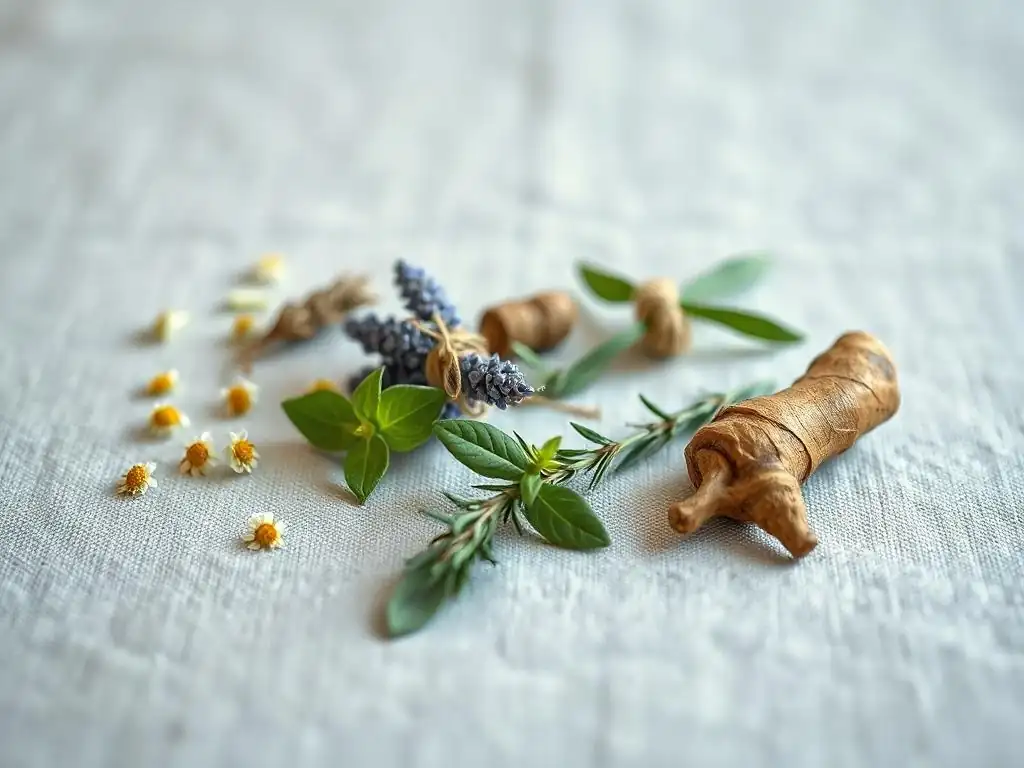
Ashwagandha: An Adaptogen for Stress Management
Ashwagandha ( Withania somnifera) is an ancient medicinal herb, classified as an adaptogen. Adaptogens are a unique group of plants that are thought to help the body adapt to stress and normalize physiological functions. Ashwagandha is believed to work by modulating the body's response to stress, particularly by influencing the hypothalamic-pituitary-adrenal (HPA) axis, which plays a central role in the stress response. By helping to regulate cortisol levels, ashwagandha may reduce the physiological impact of chronic stress, leading to feelings of greater calm and resilience.
Research on ashwagandha for stress and anxiety is promising. Several clinical studies have demonstrated its potential to reduce stress levels and improve symptoms of anxiety. For instance, some trials have reported significant reductions in stress assessment scores among participants taking ashwagandha compared to placebo groups.
Typical daily dosages used in studies often range from around 300 mg to 600 mg of standardized root extract. While generally well-tolerated, potential side effects can include digestive upset, drowsiness, or, rarely, liver issues at very high doses. It is crucial to adhere to recommended dosages and consult a healthcare provider, especially if taking other medications or having pre-existing health conditions.
Lavender: Calming Anxiety and Promoting Relaxation
Lavender ( Lavandula angustifolia) is widely recognized for its soothing aroma and calming properties. The use of lavender for relaxation dates back centuries, and modern science has begun to explore the mechanisms behind its anxiolytic effects. Lavender oil, particularly its main components linalool and linalyl acetate, is thought to interact with neurotransmitter systems in the brain, potentially influencing GABA pathways, which are associated with reducing nervous system activity and promoting relaxation. This makes lavender a popular choice among herbs reduce stress naturally.
Lavender can be used in various forms. Aromatherapy, using lavender essential oil in diffusers or baths, is a common method for promoting relaxation and easing tension. Oral capsules containing standardized lavender oil extract are also available and have been studied for their effects on anxiety.
For example, some clinical trials using oral lavender oil preparations (such as 80 mg daily) have shown significant reductions in anxiety symptoms comparable to low-dose prescription medications, without the same risk of sedation or dependence. While topical use is generally safe, some individuals may experience skin irritation or allergic reactions. Oral use is typically well-tolerated but should be discussed with a healthcare provider, especially due to potential interactions with sedatives or anti-anxiety medications, which could enhance their effects.
Lemon Balm: Easing Tension and Improving Mood
Lemon Balm ( Melissa officinalis) is a fragrant herb from the mint family, traditionally used to improve mood and cognitive function and reduce stress and anxiety. Its calming effects are attributed, in part, to compounds like rosmarinic acid, which is thought to inhibit the enzyme GABA transaminase, leading to increased levels of GABA in the brain. Higher GABA levels can help to reduce nerve excitability and promote relaxation, contributing to lemon balm's reputation as one of the effective herbs reduce stress naturally.
Studies have explored lemon balm's impact on stress, anxiety, and cognitive performance. For instance, research using dosages ranging from 300 mg to 1200 mg in single or multiple daily doses has indicated that lemon balm can help reduce anxiety symptoms and improve calmness and alertness. Some studies have specifically noted improvements in mood and cognitive metrics after supplementation.
While generally considered safe for short-term use, potential side effects are usually mild and might include digestive issues or sedation. It's important to note that lemon balm may potentially interact with thyroid medications, so individuals with thyroid conditions should exercise caution and consult their doctor before use.
Passionflower: Promoting Sleep and Reducing Anxiety
Passionflower ( Passiflora incarnata) is a vine native to the Americas, traditionally used as a calming agent and sleep aid. Its potential benefits for anxiety and sleep are thought to be related to its effects on GABA levels in the brain. Compounds found in passionflower are believed to interact with GABA receptors, similar to how some anti-anxiety medications work, thereby reducing brain activity and promoting a state of relaxation. This makes it a valuable herb for those whose stress manifests as restlessness, racing thoughts, or difficulty sleeping.
Clinical studies have investigated passionflower's efficacy for anxiety, with some research suggesting it can be as effective as certain prescription benzodiazepines for generalized anxiety disorder, though with fewer side effects like impaired job performance. Typical dosages in studies vary depending on the preparation, such as 45 drops of liquid extract daily or 200-400 mg of solid extract. Passionflower is often used in teas or supplements to promote relaxation and improve sleep quality.
The primary side effect is drowsiness, which is why it should be used cautiously, especially if driving or operating heavy machinery. It is particularly important to avoid combining passionflower with other sedatives, including alcohol, benzodiazepines, or other sleep aids, due to the risk of additive effects.
Safety Considerations When Using Herbs for Stress Relief
While herbs offer a natural path to potentially reduce stress naturally, it is paramount to prioritize safety. Herbal supplements are not without risks, and interactions with medications, pre-existing health conditions, or individual sensitivities can occur. Therefore, the most crucial step before incorporating any herbal remedy into your routine is to consult with a qualified healthcare professional, such as a doctor, pharmacist, or a licensed herbalist. They can provide personalized advice based on your health history, current medications, and specific needs.
Potential interactions with prescription and over-the-counter medications are a significant concern. For example, herbs with sedative properties, like passionflower or high doses of lavender, can enhance the effects of sedatives, anti-anxiety drugs (like benzodiazepines), antidepressants, and sleep medications, potentially leading to excessive drowsiness or other adverse effects. Similarly, herbs that affect liver enzymes could alter how other drugs are metabolized, changing their effectiveness or increasing toxicity. Individuals taking blood thinners, medications for blood pressure, diabetes, or psychiatric conditions must be particularly cautious.
- Task: Consult healthcare provider before starting any new herb.
- Task: Research potential interactions with current medications.
- Task: Be aware of potential allergic reactions.
- Task: Understand contraindications for specific health conditions (e.g., pregnancy, liver issues).
Allergic reactions, although less common, are also possible with herbal supplements, manifesting as skin rashes, itching, or more severe systemic reactions. Pregnant and breastfeeding women should be extremely cautious and generally avoid using herbal supplements unless specifically advised and monitored by a healthcare provider, as the effects on fetal or infant development are often unknown. Furthermore, it is vital to understand that herbs are supportive tools and not a substitute for professional medical or psychological care for serious mental health conditions.
If you are experiencing severe or persistent anxiety, depression, or stress, seeking help from a mental health professional is essential. Finally, always purchase herbs from reputable brands that adhere to quality control standards to ensure the product is pure, accurately labeled, and free from contaminants.
Choosing the Right Herb for Your Stress: A Personalized Approach
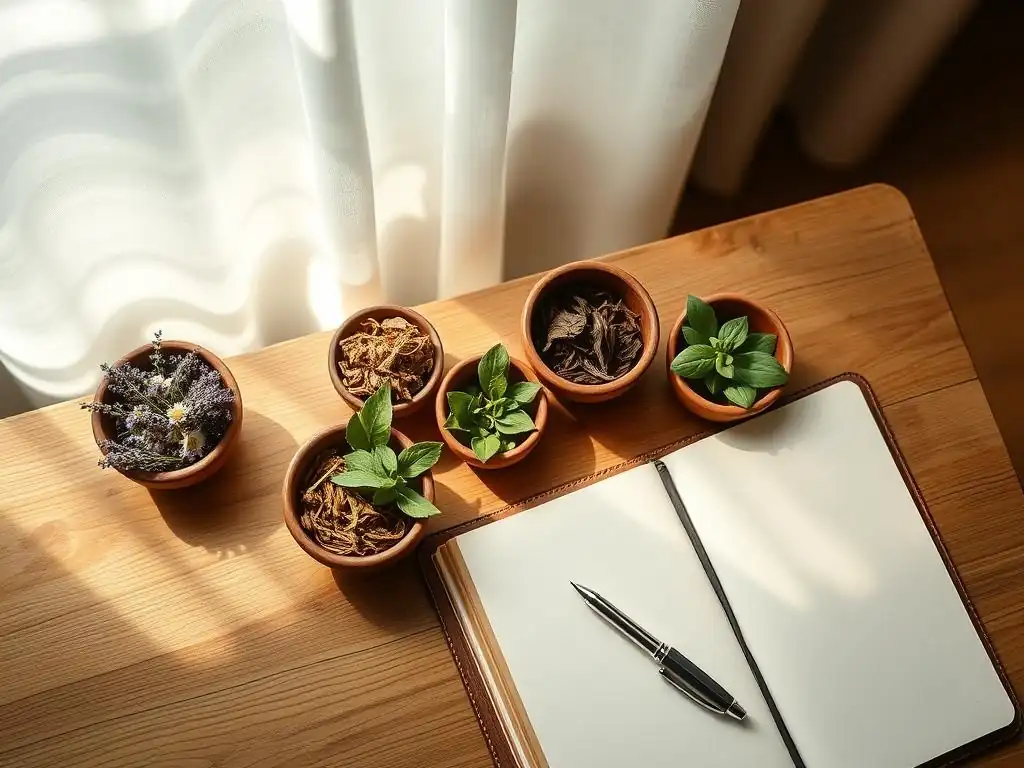
Selecting the most suitable herb to help reduce stress naturally is a highly personal process. What works effectively for one person might have little or no effect on another, or could even cause adverse reactions. It's important to consider the primary way stress manifests for you – is it through physical tension, racing thoughts, sleep difficulties, or irritability? Some herbs, like lavender and passionflower, are particularly noted for their calming and sleep-promoting effects, while adaptogens like ashwagandha may be more helpful for chronic stress and overall resilience.
Keeping a journal can be an invaluable tool in this personalized approach. By noting the herb taken, the dosage, the time of day, and any effects observed (both positive and negative), you can track what seems to be working for your specific stress symptoms. This empirical approach, combined with guidance from a healthcare professional, allows you to fine-tune your strategy. Remember that herbs are just one piece of a comprehensive stress management plan and should complement, not replace, other healthy habits and, when necessary, professional mental health support.
Starting with a low dose and gradually increasing it, if needed and advised by your healthcare provider, is a prudent approach. This allows you to assess your individual response and minimize the risk of side effects. Paying close attention to your body's signals and being patient is key, as the effects of some herbs may build over time. Ultimately, choosing the right herb involves careful consideration of your unique situation, informed decision-making, and prioritizing safety above all else.
Beyond Herbs: Holistic Approaches to Stress Management
While exploring how herbs reduce stress naturally can be beneficial, it's important to recognize that stress management is most effective when approached holistically. Relying solely on one method, whether it's an herb, medication, or therapy, may not provide the comprehensive support needed to navigate the complexities of modern stress. Integrating various strategies can build a robust defense against the negative impacts of stress on your mental and physical well-being.
Effective stress management techniques often include lifestyle adjustments and practices that promote relaxation and resilience. Mindfulness meditation, for example, teaches you to become more aware of your thoughts and feelings without judgment, helping to break the cycle of stress responses. Regular physical activity, such as yoga, walking, or other forms of exercise, is a powerful stress reliever, releasing endorphins and reducing tension.
Ensuring adequate, quality sleep, maintaining a balanced diet, and nurturing social connections are also fundamental pillars of stress reduction. Exploring these diverse avenues provides a multi-faceted approach to managing stress and enhancing overall mental wellness. The Mind Care Guide offers numerous resources on these topics, providing strategies that complement the use of herbs for a well-rounded approach to well-being.
Conclusion: Embracing Natural Stress Relief Safely
Navigating the world of stress management involves exploring various tools and techniques, and for many, herbs offer a compelling natural option. Understanding how herbs reduce stress naturally, through mechanisms that influence the body's stress response and promote relaxation, provides a foundation for informed choice. As we've explored herbs like ashwagandha, lavender, lemon balm, and passionflower, it's clear that each offers unique potential benefits for easing tension and supporting mental calm.
However, the journey towards natural stress relief must always be paved with a strong commitment to safety. Consulting healthcare professionals, understanding potential interactions and contraindications, and sourcing high-quality products are non-negotiable steps. Herbs can be a valuable addition to a holistic stress management plan, complementing practices like mindfulness, exercise, and healthy lifestyle choices.
The Mind Care Guide is dedicated to providing reliable information to empower you on your path to mental well-being. By approaching the use of herbs for stress with knowledge, caution, and a personalized perspective, you can work towards finding effective and safe ways to reduce stress naturally and enhance your overall quality of life.
Frequently Asked Questions
How effective are herbs in reducing stress, compared to other methods?
Herbs can be effective in reducing stress, but their impact varies. They are often used as a complementary approach to lifestyle changes and sometimes professional therapy.
Are there any risks associated with using herbs for stress reduction?
Yes, there are potential risks. Side effects, interactions with medications, and allergies are possible. Always consult with a healthcare professional before starting any herbal regimen.
Which herbs are generally considered safe and effective for stress relief?
Some commonly used herbs include lavender, chamomile, and ashwagandha. These are often associated with calming effects and stress reduction, but individual responses may vary.
How long does it typically take to experience the benefits of using herbs for stress?
The timeframe for experiencing benefits varies. Some people may notice improvements within days, while others may require several weeks of consistent use to see noticeable changes.
Where can I find reliable information about the safe and effective use of herbs for stress?
Mind Care Guide and reputable sources like the National Center for Complementary and Integrative Health (NCCIH) provide evidence-based information. Always prioritize safety and professional guidance.
Final Reflection: Cultivating Calm: The Power of Herbal Choices
The quest for natural stress relief is more urgent than ever in our fast-paced world. The overwhelming pressure of modern life demands we explore effective, safe methods for managing anxiety and promoting well-being, and the ancient wisdom of herbal remedies offers a powerful, accessible path. This guide has highlighted the importance of informed choices, emphasizing safety and efficacy above all else when selecting herbs to support mental health.
The impact of herbal remedies on our cultural landscape is profound, extending far beyond simple relaxation techniques. They represent a return to natural solutions, a rejection of quick fixes, and a reconnection with the healing power of the earth. This resonates deeply with a growing population seeking holistic approaches to health. Nature provides the cure for every disease.
- Hippocrates. This ancient wisdom continues to hold true as we explore the diverse benefits of carefully chosen herbs. The journey towards understanding these natural remedies is a personal one, requiring research, respect, and a commitment to responsible use.
Consider the herbs discussed within this guide – their potential benefits, and equally important, their potential risks. You are now equipped to make informed decisions about your own well-being. Don't just passively accept stress as an inevitable part of life; actively cultivate calm through mindful choices. Research further, consult with healthcare professionals, and embark on a journey of self-discovery, using the power of nature to nurture your mental and emotional health. The path to tranquility begins with a single, informed step.
Unlock Your Calm: Start Your Herb Journey Today!
Thanks for taking the time to explore the world of stress-relieving herbs with us! We hope this guide has empowered you to make informed choices about incorporating herbs into your wellness routine. Now, it's time to put your newfound knowledge into action.
- Prioritize one herb: From the guide, choose the herb that resonates most with you and its potential benefits for your stress levels. Start small – research its proper usage and begin incorporating it gradually into your daily life.
- Share your experience: Tell us (or your friends!) about your journey! What herb did you choose and what initial observations have you made? Sharing your experience might inspire others.
- Explore Mind Care Guide further: Discover more resources on our site to support your holistic well-being and learn about other natural ways to manage stress.
Ready to embrace a calmer, more centered you? What's the first step you'll take to incorporate your chosen herb into your routine?