Chamomile for Stress & Anxiety: Gentle Relief or Just Tradition?
🌿 Discover whether chamomile truly offers calming effects or if its reputed anxiety relief benefits are just traditional belief, as this guide…
Read article
Looking for natural ways to ease tension without harsh side effects? Herbal remedies for stress have been trusted for centuries, but knowing what actually works—and what’s truly safe—can be tricky. From calming chamomile and adaptogenic ashwagandha to the subtle mood-lifting properties of lemon balm and passionflower, our guide breaks down the effectiveness of each herb using clinical research, dosage guidance, and real-world insights. We also prioritize your safety, covering potential interactions with medications, pregnancy precautions, and how to spot quality supplements. Whether you’re a curious beginner or a seasoned herbalist, discover evidence-based approaches to support your mental well-being, reduce everyday anxiety, and build a personalized, natural stress-management toolkit that aligns with your health goals.

🌿 Discover whether chamomile truly offers calming effects or if its reputed anxiety relief benefits are just traditional belief, as this guide…
Read article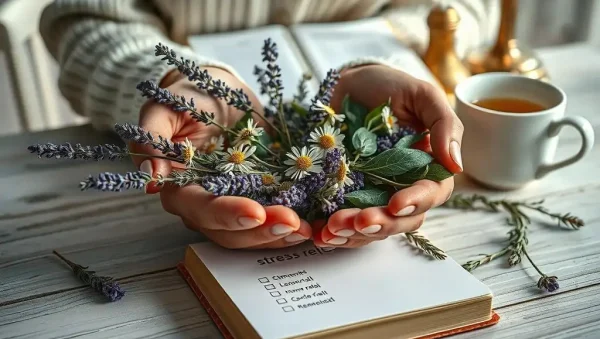
🌿 Considering herbal remedies to reduce stress and anxiety? Discover our comprehensive checklist to evaluate their effectiveness and safety, empowering you to…
Read article
🌿 Discover the ultimate Mind Care Guide, your trusted source for safe and effective herbal stress relief techniques. Empower yourself with expert…
Read article
🌿 Discover how evidence-based herbal remedies can effectively reduce stress and anxiety, offering natural, accessible solutions for mental well-being. This comprehensive guide…
Read article
🌿 Discover how herbal remedies reduce stress and anxiety naturally, offering a soothing alternative to traditional treatments. Unlock the science behind these…
Read article
🌿 Discover the Herbal Stress Relief Techniques Guide, a comprehensive resource exploring the effectiveness, safety, and proper usage of herbal remedies to…
Read article
🌿 Discover how the right herbs can reduce stress naturally, supporting your mental well-being safely. This guide helps you choose the best…
Read article
🌿 Before trying herbs for stress relief, read this essential safety and effectiveness guide to understand potential risks and benefits, ensuring you…
Read article
🌿 Discover how Rhodiola Rosea may enhance stress relief by reducing fatigue and improving mood. This natural adaptogen offers promising benefits for…
Read article
🌿 Discover the benefits of herbal stress relief tinctures and learn how to ensure their safety. This guide highlights key considerations for…
Read article
🌿 Discover how valerian root can support stress relief and better sleep, offering a natural solution backed by research. Learn about effective…
Read article
🌿 Discover how to harness herbal remedies for stress relief safely and effectively. This comprehensive guide offers essential tips, proper usage, and…
Read articleWhen daily pressures mount, many people turn to natural solutions before considering pharmaceuticals. Herbal remedies for stress have been used for centuries across cultures, but modern consumers need clear, evidence-based guidance on what actually works—and what might be risky. This subcategory of Supplements for Mood & Anxiety at Mind Care Guide focuses on separating traditional wisdom from clinical research, helping you navigate dosage, interactions, and realistic expectations. Whether you are exploring adaptogens, calming teas, or tinctures, understanding both effectiveness and safety is crucial for making informed decisions about your mental wellness journey.
Among the most studied botanicals, ashwagandha (Withania somnifera) has demonstrated significant reductions in cortisol levels and perceived stress in multiple randomized trials. Rhodiola rosea is another adaptogen that may enhance resilience to fatigue and burnout, particularly in demanding work environments. Lemon balm (Melissa officinalis) offers a gentler approach, often used for acute anxiety and sleep disturbances. What readers can expect here is a clear comparison of these herbs, including typical dosages (e.g., 300-600 mg of ashwagandha extract daily), onset of effects, and which populations benefit most. We also highlight potential downsides, such as gastrointestinal upset or sedation, so you can choose wisely based on your unique physiology and stress pattern.
Beyond the “big three,” we examine lesser-known but promising options like passionflower, valerian root, and holy basil. Each has distinct mechanisms—GABAergic modulation, serotonin receptor activity, or HPA-axis regulation—that explain their calming properties. Crucially, we emphasize that herbal remedies are not instant fixes; most require 2-4 weeks of consistent use to observe meaningful changes. The content includes practical advice on combining herbs safely, such as pairing lemon balm with chamomile for evening use, while warning against mixing multiple sedatives without professional oversight. This evidence-based overview empowers you to approach herbal stress relief with confidence, not guesswork.
Many readers wonder whether herbs can replace medications like SSRIs or benzodiazepines. The answer is nuanced: herbs like kava and valerian show notable anxiolytic effects, but they lack the robust, standardized regulatory approval of pharmaceuticals. In this section, we break down the key differences in onset time, potency, side-effect profiles, and dependency risks. For instance, benzodiazepines act within minutes but carry addiction potential, whereas herbal adaptogens require daily dosing but rarely cause dependence. We also discuss how some herbs, particularly St. John’s Wort, can interact dangerously with antidepressants, leading to serotonin syndrome—a critical safety point that is often overlooked in casual wellness content.
Furthermore, we cover real-world scenarios: when an herbal approach might be sufficient (mild, situational stress) versus when professional psychiatric care is non-negotiable (panic disorder, suicidal ideation). Readers will gain a practical framework for discussing herbal use with their healthcare providers, including questions to ask and lab tests to consider (e.g., liver function for kava users). We also clarify legal and quality-control issues, since many herbal supplements are not FDA-approved for efficacy and may contain undisclosed contaminants. This balanced perspective ensures you can advocate for your own health without rejecting conventional medicine—or blindly embracing unregulated products.
Safety is the cornerstone of responsible herbal use, especially when combined with other supplements or medications. We provide a thorough list of dangerous interactions: for example, valerian root amplifies the sedative effects of alcohol and benzodiazepines, while ginseng can interfere with blood thinners like warfarin. Pregnant or breastfeeding women face unique risks—some herbs like cohosh or pennyroyal are known abortifacients and must be strictly avoided. We also address underlying health conditions: individuals with liver disease should avoid kava and comfrey; those with thyroid disorders need to monitor ashwagandha due to its potential to increase thyroid hormone levels. Every recommendation is tied to peer-reviewed research or recognized pharmacovigilance databases.
Additionally, we explore the concept of herb-drug synergy versus antagonism, giving concrete examples such as how St. John’s Wort reduces the efficacy of birth control pills and many statins. For seniors, we highlight age-related metabolic changes that increase sensitivity to herbal sedatives, raising fall risks. The content includes a printable checklist for before starting any herbal regimen: check kidney and liver function, review all current prescriptions with a pharmacist, start at a low dose, and document any adverse reactions. By prioritizing safety over hype, this subcategory serves as a trustworthy resource for cautious integration of herbs into a broader stress-management plan.
Not all herbal claims withstand scientific scrutiny. In this section, we dissect recent meta-analyses and systematic reviews, revealing that while ashwagandha and kava have moderate-quality evidence, others like chamomile and lavender show mixed results depending on study design. We explain placebo response rates in anxiety trials—often 30-40%—and how that skews perception of effectiveness. Readers will learn how to evaluate study endpoints: cortisol levels, self-reported anxiety scales (HAM-A, GAD-7), and sleep quality metrics. We also discuss the problem of standardization; many supplements contain variable concentrations of active compounds (e.g., withanolides in ashwagandha), making dosing unreliable.
Furthermore, we highlight gaps in long-term safety data—most trials last only 8-12 weeks, so chronic use remains understudied. We introduce readers to the concept of herb quality assessment, including third-party certifications like USP or NSF, and explain why you should avoid bargain supplements that may contain heavy metals or pesticides. By contrasting rigorous research with anecdotal testimonials, we help you set realistic expectations: herbs may reduce stress by 15-30%—meaningful but not miraculous. This scientific transparency builds trust, positioning Mind Care Guide as a source that values your health over sensational promises.
Choosing the right herbal remedy involves more than picking the first bottle off the shelf. This practical guide covers different forms—capsules, tinctures, teas, and powders—and their bioavailability differences. For instance, alcohol-based tinctures absorb faster but may be problematic for those avoiding alcohol; teas offer gentle, ritualistic relief but lower concentration. We provide dose ranges based on body weight and stress severity, e.g., 200-400 mg of rhodiola standardized to 3% rosavins, taken in the morning to avoid insomnia. We also explain the importance of cycling adaptogens (e.g., 5 days on, 2 days off) to prevent tolerance, and when to combine herbs like passionflower and valerian for sleep-specific anxiety.
Quality control is essential: we teach readers how to read Supplement Facts labels, look for GMP certification, and avoid proprietary blends that hide exact amounts. We also address ethical sourcing and sustainability, noting that overharvesting of wild herbs like goldenseal is endangering species. Finally, we offer a step-by-step protocol for starting any herbal regimen: keep a symptom diary, measure baseline stress levels using validated scales, and reassess after 4-6 weeks. This actionable advice transforms theoretical knowledge into a safe, effective self-care tool, ensuring you get the most benefit with minimal risk.
Yes, serious interactions are possible. St. John’s Wort can reduce SSRI efficacy and increase serotonin levels, risking serotonin syndrome. Valerian root and passionflower may amplify sedative effects of benzodiazepines. Always consult your psychiatrist or pharmacist before combining any herb with prescription medication, and never stop antidepressants abruptly to try herbs.
Most adaptogens like ashwagandha and rhodiola require consistent daily use for 2-4 weeks to show measurable benefits on stress scores. Acute remedies like lemon balm or kava may provide faster relief in 30-60 minutes, but their effects are short-lived. Patience and regular dosing are key for sustained improvement.
Generally, no. Most herbal sedatives lack safety data in pregnancy, and some like black cohosh or pennyroyal are known to trigger uterine contractions. Chamomile in food amounts is likely safe, but concentrated supplements should be avoided. Always discuss any herbal use with your obstetrician before starting.
Adaptogens like ashwagandha and rhodiola help your body normalize stress responses over time, improving resilience without immediate drowsiness. Sedative herbs like valerian and passionflower act on GABA receptors to promote calmness and sleep, typically within an hour. Depending on your stress pattern, you might need one or both.
Combining herbs can be beneficial if done wisely—e.g., pairing ashwagandha (adaptogen) with lemon balm (acute anxiolytic). However, mixing multiple sedative herbs like valerian, kava, and passionflower may cause excessive drowsiness or dizziness. Start with one herb, assess your response, then cautiously add others under professional guidance.