
Omega3 for Mood & Anxiety: Your Comprehensive Guide to Benefits and Dosage


Welcome to Mind Care Guide, your sanctuary for navigating the complexities of mental well-being. Feeling overwhelmed by anxiety? You're not alone. Many are exploring natural avenues for relief, and we're here to shed light on one promising option. Dive into our comprehensive guide to discover the Omega 3 anxiety benefits, and learn how these essential fatty acids might just be the key to unlocking a calmer, more balanced you. Intrigued? Let's explore the science and practical applications together...
Omega 3 for Mood & Anxiety: Your Comprehensive Guide to Benefits and Dosage
- Understanding Omega 3 and its Role in Mental Health
- Omega 3 Anxiety Benefits: Exploring the Scientific Evidence
- Choosing the Right Omega 3 Supplement for Anxiety Relief
- Top Recommended Omega 3 Supplements for Anxiety (2024) - Product Comparisons
- Optimizing Omega 3 Intake for Maximum Anxiety Relief
- Real-Life Success Stories: How Omega 3 Helped Manage Anxiety
- Conclusion: Omega 3 as a Complementary Approach to Anxiety Management
-
Frequently Asked Questions
- How does Omega-3 contribute to reducing anxiety symptoms?
- What is the recommended dosage of Omega-3 for anxiety relief, according to Mind Care Guide?
- Are there any potential side effects or interactions to be aware of when taking Omega-3 supplements for anxiety?
- How long does it typically take to experience the Omega 3 anxiety benefits after starting supplementation?
- Besides supplements, what are some natural food sources of Omega-3 that Mind Care Guide recommends for managing anxiety?
- Final Reflection: Unlocking the Power of Omega-3s for Mental Wellbeing
- Unlock Your Mood's Potential: Take Charge of Your Wellbeing
Understanding Omega 3 and its Role in Mental Health
What are Omega 3 Fatty Acids? A Beginner's Guide
Omega 3 fatty acids are a type of polyunsaturated fat considered essential because our bodies cannot produce them; we must obtain them through diet or supplements. The three main types are alpha-linolenic acid (ALA), eicosapentaenoic acid (EPA), and docosahexaenoic acid (DHA). ALA is found primarily in plant sources like flaxseeds, chia seeds, and walnuts, while EPA and DHA are mainly found in fatty fish such as salmon, mackerel, and sardines, as well as in algae. These fats play crucial roles in various bodily functions, including building healthy cells, maintaining brain health, and reducing inflammation.
Unlike saturated fats, which are solid at room temperature, polyunsaturated fats like omega 3s remain liquid. This structural difference allows them to maintain the fluidity of cell membranes, which is particularly important for the billions of nerve cells in the brain.
While ALA is an essential fatty acid, the body must convert it into EPA and DHA to utilize its full spectrum of benefits, and this conversion process is often inefficient in humans. Therefore, consuming EPA and DHA directly through fish or algae-based supplements is often recommended, especially when targeting specific health outcomes like enhancing mood or exploring omega 3 anxiety benefits.
The Link Between Omega 3 and Brain Function
The brain is composed of nearly 60% fat, and about half of that fat is made up of omega 3 fatty acids, particularly DHA. These fats are vital for the structural integrity and function of brain cells. DHA is a major component of neuronal membranes, influencing their fluidity and the efficiency of communication between brain cells via neurotransmitters. EPA, while present in lower concentrations in brain tissue compared to DHA, also plays a significant role, particularly in regulating inflammation within the brain and influencing neurotransmitter pathways linked to mood and behavior.
Research suggests that adequate levels of omega 3s are associated with better cognitive performance, including memory, learning, and overall brain health throughout life. These essential fats contribute to the development of the central nervous system in infants and maintain cognitive function in older adults. Their role in modulating inflammation and supporting neurotransmitter activity provides a biological basis for investigating omega 3 anxiety benefits and their potential impact on other mental health conditions.
Omega 3 Deficiency: Are You at Risk?
Omega 3 deficiency can occur when dietary intake is insufficient, leading to lower levels of EPA and DHA in the body and brain. While a severe deficiency is rare in developed countries, suboptimal levels are quite common due to Western diets often being low in fatty fish and rich in omega-6 fatty acids (found in vegetable oils, processed foods), which can compete with omega 3s for metabolic pathways. Symptoms of deficiency can be subtle and varied, potentially including dry skin, brittle hair, joint pain, and, importantly, changes in mood and cognitive function.
Identifying a deficiency often involves evaluating dietary habits and, sometimes, blood tests to measure omega 3 levels, such as the Omega-3 Index. This index measures the percentage of EPA and DHA in red blood cell membranes, with levels below 4% considered deficient and levels above 8% considered optimal for cardiovascular and brain health. Given the potential links between omega 3 levels and mental well-being, understanding your dietary intake and considering testing can be valuable steps in assessing your risk and exploring whether boosting your omega 3 intake might offer omega 3 anxiety benefits.
Omega 3 Anxiety Benefits: Exploring the Scientific Evidence
Does Omega 3 Help with Anxiety? Examining the Research
A growing body of scientific research has explored the potential of omega 3 fatty acids, particularly EPA and DHA, in alleviating symptoms of anxiety. Studies suggest that omega 3s may exert their effects through several mechanisms, including reducing inflammation in the brain, modulating neurotransmitter systems like serotonin and dopamine which are involved in mood regulation, and improving the function of the hypothalamic-pituitary-adrenal (HPA) axis, the body's central stress response system. Chronic inflammation and HPA axis dysfunction are often implicated in anxiety disorders.
Several meta-analyses, which combine data from multiple studies, have provided compelling evidence. For instance, a meta-analysis published in JAMA Network Open in 2018, which included 19 clinical trials with over 1,200 participants, found that omega 3 supplementation significantly reduced anxiety symptoms compared to placebo. The effect was particularly noticeable in participants with diagnosed anxiety disorders or those with clinically relevant anxiety symptoms. While the effect size was modest, the findings support the potential of omega 3s as a complementary strategy for managing anxiety.
Social anxiety disorder (SAD) is characterized by intense fear of social situations and scrutiny from others. While less research has focused specifically on omega 3 for social anxiety compared to generalized anxiety, some studies offer promising insights. The potential anti-inflammatory and mood-modulating effects of EPA and DHA are thought to be relevant for SAD, as chronic stress and altered brain chemistry play a role in its development and maintenance.
One study involving medical students, a group often experiencing high levels of stress and social anxiety, investigated the effects of omega 3 supplementation. Participants receiving a high-dose omega 3 supplement daily showed a significant reduction in anxiety symptoms and lower levels of inflammatory markers compared to those receiving a placebo. While more targeted research on diagnosed SAD populations is needed, these findings, alongside the broader evidence for omega 3 anxiety benefits, suggest a potential role for supplementation in managing the symptoms of social anxiety.
Omega 3 for Generalized Anxiety Disorder (GAD): Is it Effective?
Generalized Anxiety Disorder (GAD) involves persistent and excessive worry about various aspects of life, often accompanied by physical symptoms like restlessness, fatigue, and difficulty concentrating. Research specifically examining omega 3 supplementation for GAD, separate from other anxiety subtypes, is still developing, but the general findings on omega 3 anxiety benefits are highly relevant.
Studies included in meta-analyses often involve participants with symptoms consistent with GAD or other anxiety disorders. The observed overall reduction in anxiety symptoms across these diverse groups suggests that omega 3s may offer benefits for the chronic worry and physical tension characteristic of GAD. The mechanisms proposed – reducing neuroinflammation, supporting neurotransmitter balance, and calming the stress response – directly address underlying biological factors implicated in GAD. While omega 3s are not a standalone cure, the evidence supports their exploration as a potential adjunctive treatment to complement standard therapies for GAD.
Beyond Anxiety: Other Mental Health Benefits of Omega 3 (Depression, ADHD)
The benefits of omega 3 fatty acids extend beyond anxiety, showing promise in the management of other mental health conditions. Depression is one area where omega 3s have been extensively studied. Numerous clinical trials and meta-analyses have found that omega 3 supplementation, particularly with higher doses of EPA, can significantly reduce depressive symptoms, especially in individuals with mild to moderate depression or as an add-on therapy for major depressive disorder. The proposed mechanisms overlap with those for anxiety, involving anti-inflammatory effects and modulation of neurotransmitter pathways.
Omega 3s have also been investigated for their potential role in Attention-Deficit/Hyperactivity Disorder (ADHD), particularly in children. Some studies suggest that supplementation with EPA and DHA may help improve attention, reduce hyperactivity, and decrease impulsivity. While results are somewhat mixed, the role of omega 3s in brain development and function provides a biological rationale for their potential benefits in ADHD, adding to the broader picture of omega 3s supporting overall mental well-being alongside their demonstrated omega 3 anxiety benefits.
Choosing the Right Omega 3 Supplement for Anxiety Relief

Fish Oil vs. Krill Oil vs. Algae Oil: Which is Best for Anxiety?
When choosing an omega 3 supplement for anxiety, several sources are available, each with its own characteristics. Fish oil, derived from fatty fish like sardines, anchovies, and mackerel, is the most common source and typically provides high amounts of both EPA and DHA.
Krill oil, from small crustaceans, contains EPA and DHA in a phospholipid form, which some research suggests might be more easily absorbed, though the total amount of omega 3s is often lower per capsule than in fish oil. Algae oil, derived from marine algae, is an excellent vegan and vegetarian source of DHA, and some products also contain EPA.
For targeting omega 3 anxiety benefits, supplements rich in EPA are often highlighted in research. While both EPA and DHA are important, EPA appears to have a more direct impact on mood and inflammation pathways relevant to anxiety and depression. Fish oil supplements are readily available with varying EPA/DHA ratios, making it easy to find options with higher EPA content.
Algae oil is a vital alternative for those avoiding animal products, and increasingly, algae-based supplements are formulated to provide both EPA and DHA. The "best" choice depends on individual dietary needs, preferences, and the desired EPA/DHA ratio, but ensuring adequate EPA intake is a key consideration based on current research on omega 3 anxiety benefits.
EPA vs. DHA: Understanding the Key Omega 3 Components for Mood
EPA (eicosapentaenoic acid) and DHA (docosahexaenoic acid) are the two primary long-chain omega 3 fatty acids found in marine sources, and they have distinct roles, particularly concerning mental health. DHA is a major structural component of the brain and is crucial for brain development and maintaining cognitive function throughout life. It is highly concentrated in the gray matter and synapses, playing a key role in cell membrane fluidity and signaling.
EPA, while less abundant structurally in the brain than DHA, appears to have more pronounced effects on mood, inflammation, and neurotransmitter regulation. Research suggests that EPA may be more effective than DHA in reducing symptoms of depression and anxiety.
For example, studies focusing on omega 3 anxiety benefits often use supplements with a higher ratio of EPA to DHA, or at least significant amounts of EPA. While both are beneficial and often work synergistically, if your primary goal is to support mood and reduce anxiety, prioritizing a supplement with a substantial amount of EPA, perhaps with a ratio of EPA to DHA around 1.5:1 or higher, might be advantageous based on current evidence.
Dosage Matters: Finding the Optimal Omega 3 Dosage for Anxiety
Determining the optimal omega 3 dosage for anxiety can be challenging, as research findings vary, and individual needs differ. However, studies showing significant omega 3 anxiety benefits typically use dosages ranging from 1,000 mg to 4,000 mg of combined EPA and DHA per day. It's important to look at the amount of active omega 3s (EPA and DHA), not just the total fish oil content on the label. For anxiety specifically, some studies suggest that higher doses, particularly those providing at least 1,000 mg of EPA daily, may be more effective.
For general health, many organizations recommend a minimum of 250-500 mg of combined EPA and DHA daily. However, for therapeutic effects on mood and anxiety, higher doses are often explored under professional guidance. A meta-analysis found that dosages above 2,000 mg of EPA+DHA per day were associated with greater reductions in anxiety. It is advisable to start with a lower dose and gradually increase while monitoring effects, and always discuss appropriate dosing with a healthcare provider, especially when considering higher amounts, to ensure safety and effectiveness for your specific situation and to maximize potential omega 3 anxiety benefits.
Things to Consider When Buying Omega 3 Supplements: Purity, Source, and Third-Party Testing
Choosing a high-quality omega 3 supplement is crucial to ensure you are getting the advertised benefits without harmful contaminants. Purity is paramount, as fish and krill can accumulate environmental toxins like mercury, PCBs, and dioxins. Look for supplements that state they are molecularly distilled or undergo rigorous purification processes to remove these contaminants. Reputable brands often adhere to strict industry standards or governmental regulations regarding purity.
The source of the omega 3s (fish, krill, algae) should be clearly indicated. Consider sustainability when choosing fish or krill oil; certifications like Friend of the Sea or Marine Stewardship Council (MSC) can indicate responsible sourcing. For algae oil, ensure it provides both EPA and DHA if you are targeting mood benefits.
Finally, and perhaps most importantly, look for supplements that have undergone third-party testing. This means an independent laboratory has verified the product's purity, potency (confirming the stated amounts of EPA and DHA), and absence of contaminants. Certifications from organizations like NSF International, USP, or IFOS (International Fish Oil Standards Program) provide assurance of quality and can help you find a supplement that is safe and effective for potentially achieving omega 3 anxiety benefits.
Top Recommended Omega 3 Supplements for Anxiety (2024) - Product Comparisons
Nordic Naturals Ultimate Omega: A High-EPA Fish Oil for Anxiety - Review and Benefits
Nordic Naturals Ultimate Omega is a widely recommended fish oil supplement known for its high concentration of omega 3s, particularly EPA. A typical serving (two soft gels) often provides around 1,280 mg of total omega 3s, with approximately 650 mg of EPA and 450 mg of DHA. This higher ratio of EPA to DHA aligns well with research suggesting EPA's prominence in supporting mood and reducing anxiety symptoms. The product is sourced from wild-caught fish and undergoes molecular distillation to ensure purity, meeting or exceeding international standards for freshness and environmental toxins.
Users often report positive effects on mood and a reduction in anxiety after consistent use, although individual results vary. The soft gels are generally well-tolerated, with a lemon flavor often added to minimize fishy burps, a common side effect of fish oil. Given its high potency, purity standards, and favorable EPA:DHA ratio, Nordic Naturals Ultimate Omega is frequently cited as a top choice for individuals seeking omega 3 anxiety benefits and overall mood support, making it a popular option in the mental wellness supplement space.
Ovega-3 Vegan Omega-3 Daily: A Vegan Algae-Based Omega 3 for Anxiety - Review and Benefits
Ovega-3 Vegan Omega-3 Daily is a plant-based omega 3 supplement derived from algae, offering a vital option for vegans, vegetarians, or those who prefer to avoid fish products. While many algae-based supplements primarily contain DHA, Ovega-3 is formulated to provide both DHA and EPA. A standard serving typically offers around 500 mg of combined DHA and EPA, with a ratio often favoring DHA slightly or providing a near 1:1 ratio, such as 270 mg DHA and 135 mg EPA per soft gel (serving size varies by product version).
This supplement provides essential long-chain omega 3s directly, bypassing the body's inefficient conversion of ALA. While the total dose of EPA might be lower than some high-potency fish oils, it still offers a valuable source of both fatty acids. Customers appreciate the lack of fishy aftertaste and the ethical, sustainable sourcing from algae grown in controlled environments. For individuals seeking omega 3 anxiety benefits without consuming animal products, Ovega-3 provides a reputable and accessible option to increase EPA and DHA intake.
Nature Made Fish Oil: A Budget-Friendly Fish Oil Option for Anxiety - Review and Benefits
Nature Made Fish Oil is a widely available and more budget-friendly option for obtaining omega 3 fatty acids. Typically sourced from deep ocean waters, Nature Made products are USP verified, meaning they meet strict standards for purity and potency set by the U.S. Pharmacopeia.
A common formulation, like their 1200 mg fish oil soft gels, provides around 360 mg of total omega 3s (EPA and DHA combined) per soft gel, requiring multiple soft gels to reach the higher dosages used in anxiety studies. For example, taking four soft gels might provide approximately 1,440 mg total omega 3s, with around 720 mg EPA and 480 mg DHA.
While it may require taking more capsules to achieve higher therapeutic doses compared to concentrated formulas, Nature Made offers a reliable source of EPA and DHA at a lower cost. The USP verification provides assurance regarding purity from contaminants. This makes it a practical choice for individuals looking to incorporate omega 3s for general health or to explore potential omega 3 anxiety benefits without a significant financial investment, provided they take a sufficient number of soft gels to reach target EPA/DHA levels.
Optimizing Omega 3 Intake for Maximum Anxiety Relief
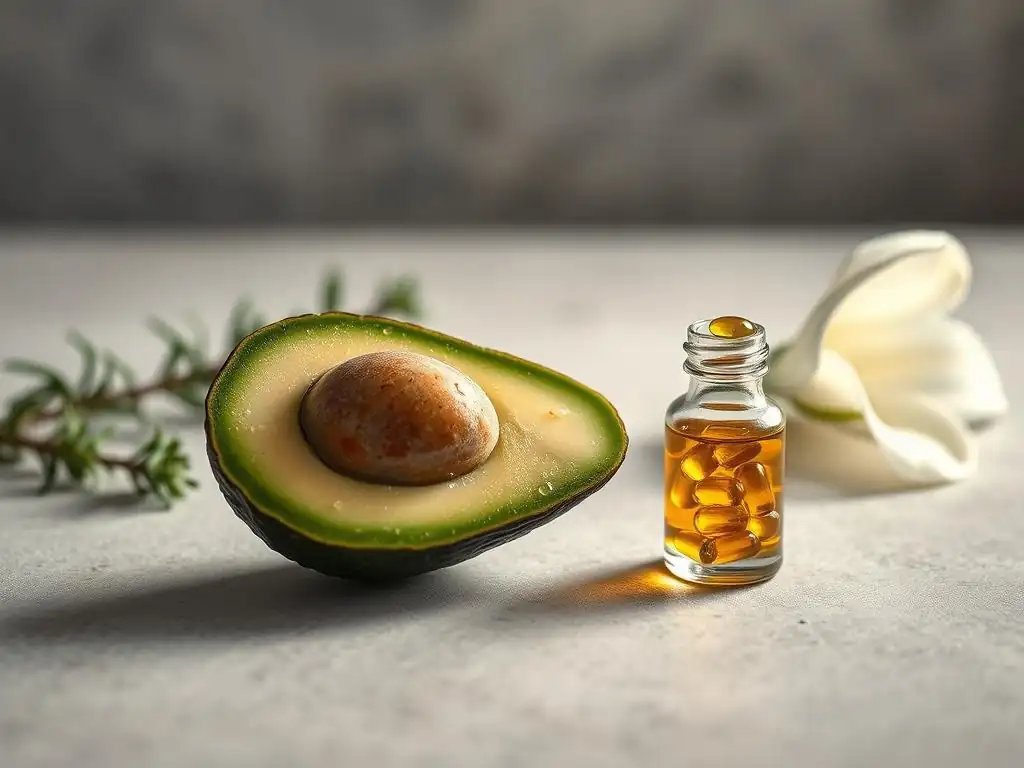
Diet and Omega 3: Incorporating Omega 3-Rich Foods into Your Diet
Supplementation is one way to increase omega 3 intake, but incorporating omega 3-rich foods into your diet is a foundational strategy for overall health and can complement the potential omega 3 anxiety benefits from supplements. Fatty fish are the most potent dietary source of EPA and DHA. Aiming for at least two servings of fatty fish per week, such as salmon, mackerel, herring, sardines, or anchovies, can significantly boost your levels. A 3-ounce serving of farmed salmon, for instance, can provide over 1,000 mg of combined EPA and DHA. Wild salmon often contains even higher amounts.
For plant-based sources of ALA, include foods like flaxseeds (ground or oil), chia seeds, walnuts, and soybeans. While the conversion of ALA to EPA and DHA is limited, these foods offer other nutritional benefits. To maximize absorption and benefits from dietary sources, consider how you prepare fish (baking or grilling is preferred over frying) and how you store oils containing omega 3s (keep them cool and dark to prevent oxidation). Integrating these foods regularly supports long-term omega 3 status and works synergistically with supplementation to promote mental well-being.
Combining Omega 3 with Other Therapies for Anxiety (CBT, Medication)
Omega 3 supplementation is generally considered a complementary approach and is not intended to replace conventional treatments for anxiety, such as psychotherapy or medication. Research on omega 3 anxiety benefits suggests they can be a valuable adjunct therapy, potentially enhancing the effectiveness of other treatments. For example, combining omega 3s with Cognitive Behavioral Therapy (CBT), a highly effective therapy for anxiety disorders, might support the brain's capacity for learning and adaptation, potentially making therapy more impactful for some individuals.
Similarly, for those taking anti-anxiety medications (like SSRIs or benzodiazepines), omega 3s may offer additional symptom relief or support overall brain health without necessarily interacting negatively with the medication (though it's crucial to discuss this with a doctor). Studies exploring this combined approach are ongoing, but the biological mechanisms of omega 3s complement the psychological and pharmacological strategies used in standard anxiety treatment. Discussing the integration of omega 3s into your overall treatment plan with your healthcare provider is essential to ensure a safe and comprehensive approach to managing your anxiety.
Potential Side Effects of Omega 3 and How to Manage Them
While generally considered safe for most people, omega 3 supplements can cause some side effects, particularly at higher doses. The most common side effects are gastrointestinal, including a fishy aftertaste or burps, indigestion, nausea, and loose stools. Taking supplements with food can often help mitigate these issues. Some individuals report a fishy body odor, although this is less common.
Less frequently, high doses of omega 3s might affect blood clotting, potentially increasing the risk of bleeding, especially in individuals taking anticoagulant medications like warfarin or aspirin. It's crucial for anyone on blood thinners or with bleeding disorders to consult their doctor before starting omega 3 supplementation. Starting with a lower dose and gradually increasing can help the body adjust and potentially reduce side effects. Choosing high-quality, pure supplements can also minimize issues like fishy burps. If side effects persist or are bothersome, discuss them with your healthcare provider.
When to Consult a Doctor About Omega 3 and Anxiety
Consulting a doctor or qualified healthcare provider is highly recommended before starting omega 3 supplementation, especially if you are seeking omega 3 anxiety benefits or have a diagnosed anxiety disorder. A healthcare professional can help determine if omega 3s are appropriate for your specific situation, considering your medical history, current medications, and other supplements you might be taking. They can also advise on the most suitable type and dosage of omega 3 based on your needs and the severity of your symptoms.
It is particularly important to consult a doctor if you are pregnant, breastfeeding, have a bleeding disorder, are taking blood-thinning medications, or have any other underlying health conditions. While omega 3s are generally safe, a doctor can help you navigate potential interactions and ensure the supplement is part of a safe and effective overall treatment plan for your anxiety. Do not stop taking prescribed anxiety medication or discontinue therapy without consulting your doctor.
Real-Life Success Stories: How Omega 3 Helped Manage Anxiety
Case Study 1: Sarah Experiences Reduced Anxiety with Nordic Naturals Ultimate Omega
Sarah, a 35-year-old marketing manager, struggled with chronic generalized anxiety, experiencing persistent worry, restlessness, and difficulty sleeping. Despite trying mindfulness techniques, her symptoms persisted, impacting her work and social life. After discussing nutritional strategies with a therapist, she learned about the potential omega 3 anxiety benefits. She decided to try a high-quality supplement and chose Nordic Naturals Ultimate Omega, taking the recommended dosage of two soft gels daily, providing over 1,200 mg of combined EPA and DHA, with a higher proportion of EPA.
After about six weeks of consistent supplementation, Sarah noticed a subtle but significant shift. Her pervasive worry began to lessen, feeling less intense and more manageable. She found it easier to quiet her racing thoughts before sleep, leading to improved rest. While not a complete cure, she reported feeling calmer overall and better equipped to handle stressful situations. She continued her mindfulness practice but felt the omega 3s provided an added layer of support, helping to regulate her nervous system and reduce the baseline level of anxiety she experienced daily.
John, a 28-year-old software developer, had significant social anxiety that made networking events and even casual conversations challenging. He often avoided social gatherings, limiting his professional growth and personal connections. He began seeing a therapist who recommended Cognitive Behavioral Therapy (CBT) and suggested exploring nutritional support, including omega 3s, as a potential complement. John started taking a daily omega 3 supplement providing approximately 1,500 mg of combined EPA and DHA, with a focus on high EPA content.
Alongside his weekly CBT sessions, John consistently took his omega 3 supplement. Over several months, he noticed that the intense physical symptoms of anxiety (like heart pounding and sweating) he typically experienced before social interactions began to diminish. He felt slightly more grounded and less overwhelmed by the prospect of social situations.
This reduction in physical symptoms, combined with the coping strategies learned in CBT, empowered him to gradually engage more in social settings. He started attending small work functions and felt more confident initiating conversations, attributing his progress to the combined effect of therapy and the biological support provided by the omega 3s, which seemed to reduce his body's exaggerated stress response. These examples highlight how omega 3 anxiety benefits can manifest differently for individuals, often working best as part of a holistic approach.
Conclusion: Omega 3 as a Complementary Approach to Anxiety Management
Omega 3 fatty acids, particularly EPA and DHA, play a vital role in brain health and function. Research exploring omega 3 anxiety benefits has yielded promising results, suggesting that consistent supplementation can help reduce anxiety symptoms, potentially by modulating inflammation, supporting neurotransmitter balance, and regulating the stress response system. While not a substitute for conventional treatments like therapy or medication, omega 3s appear to be a safe and effective complementary strategy for many individuals seeking to manage anxiety.
Choosing a high-quality supplement, considering the EPA:DHA ratio, finding an appropriate dosage (often higher than general health recommendations for therapeutic effects), and ensuring purity through third-party testing are key steps. Integrating omega 3-rich foods into the diet further supports overall well-being. As highlighted by real-life examples, incorporating omega 3s alongside other evidence-based therapies can be a powerful approach to enhancing resilience and achieving greater peace of mind. Always consult with a healthcare provider to determine the best course of action for your individual needs and to safely integrate omega 3 supplementation into your anxiety management plan.
Frequently Asked Questions
How does Omega-3 contribute to reducing anxiety symptoms?
Omega-3 fatty acids, particularly EPA and DHA, are thought to influence brain function by affecting neurotransmitter activity and reducing inflammation. This can lead to an improvement in mood and a reduction in anxiety symptoms.
What is the recommended dosage of Omega-3 for anxiety relief, according to Mind Care Guide?
While specific dosages vary, Mind Care Guide generally suggests aiming for at least 2,000mg of EPA and DHA combined per day. Consult with a healthcare professional for personalized recommendations and to avoid any potential side effects.
Are there any potential side effects or interactions to be aware of when taking Omega-3 supplements for anxiety?
Common side effects are generally mild and may include digestive upset or a fishy aftertaste. Omega-3s can also thin the blood, so it's crucial to discuss with your doctor if you're taking blood thinners.
How long does it typically take to experience the Omega 3 anxiety benefits after starting supplementation?
The timeline varies, but some individuals may start noticing improvements in their mood and anxiety levels within a few weeks. It's important to be patient and consistent with supplementation for at least several months to assess the full benefits.
Besides supplements, what are some natural food sources of Omega-3 that Mind Care Guide recommends for managing anxiety?
Mind Care Guide highlights fatty fish like salmon, mackerel, and tuna as excellent sources of Omega-3. Other options include flaxseeds, chia seeds, and walnuts, although the body converts these less efficiently into EPA and DHA.
Final Reflection: Unlocking the Power of Omega-3s for Mental Wellbeing
The growing awareness of mental health challenges, coupled with the increasing search for natural solutions, makes understanding the role of Omega-3 fatty acids more crucial than ever. The potential of these essential fats to positively impact mood and anxiety is not just a promising area of research; it's a tangible pathway towards improved mental wellbeing for many.
This exploration into the world of Omega-3s and their impact on anxiety has underscored for me the profound interconnectedness of our physical and mental health. We often compartmentalize these aspects, but the evidence presented highlights how vital nutritional choices are to our overall emotional landscape. The body is your temple. Keep it pure and clean for the soul to reside in.
This ancient wisdom rings truer than ever in the context of understanding the powerful influence of nutrition on mental health.
Now, consider your own journey towards better mental wellbeing. What steps can you take today to incorporate more Omega-3s into your diet? Perhaps it's adding fatty fish to your weekly meal plan, exploring high-quality supplements, or simply making more conscious choices about the foods you consume. This isn't about a quick fix; it's about nurturing your body and mind with the building blocks they need to thrive. Embrace the power of this natural approach and embark on a path towards a brighter, more balanced you.
Unlock Your Mood's Potential: Take Charge of Your Wellbeing
Thanks for taking the time to explore the world of Omega-3s and their impact on mood and anxiety! We hope you gained valuable insights into how these essential fatty acids can support your mental wellbeing. Now it's time to put that knowledge into action.
- Prioritize your Omega-3 intake: Start today by incorporating Omega-3 rich foods (like fatty fish, flaxseeds, or walnuts) into your diet, or consider a high-quality supplement tailored to your needs. This is your first step towards a brighter, more balanced you.
- Share your journey: Let's build a supportive community! Share your experience – what changes have you noticed or are you planning to make – in the comments below. Inspire others to take control of their mental health.
- Explore further: Delve deeper into the research; explore our other articles on natural mood boosters for even more powerful strategies to enhance your wellbeing.
Ready to discover the positive impact Omega-3s can have on your life? What's your first step towards a more balanced and energized you?