
Battling Depression Digitally: Using Online Therapy for Mood Disorders

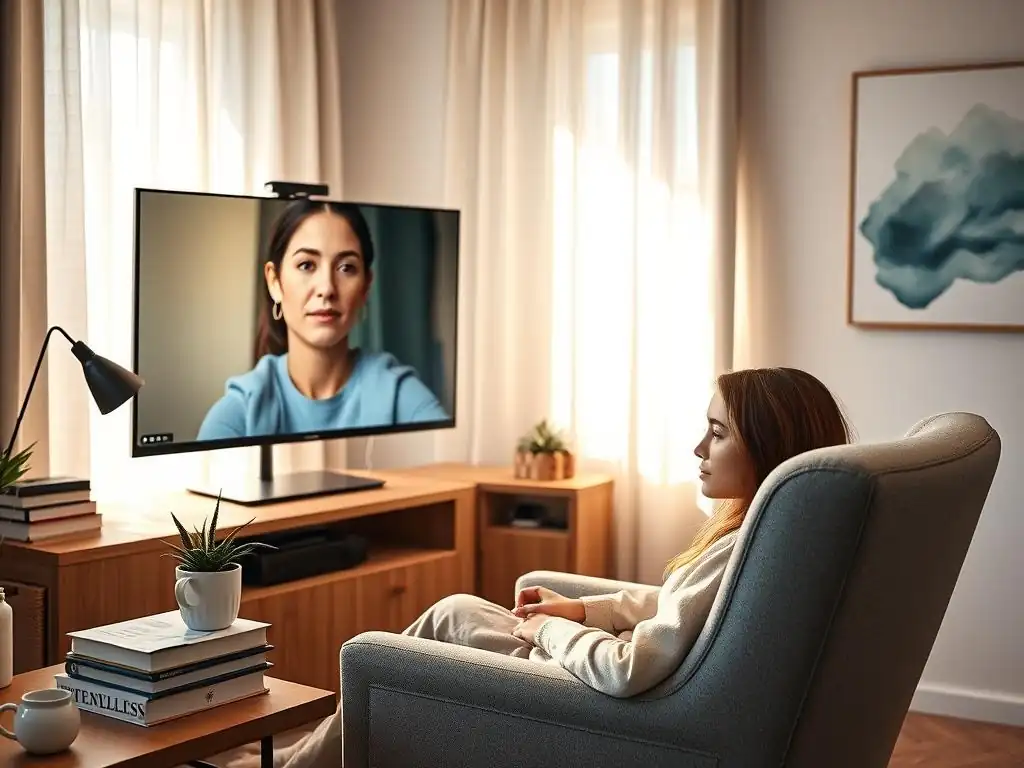
Welcome to Mind Care Guide, a place where your mental well-being is our priority. Feeling overwhelmed by depression and searching for accessible support? You're not alone. In this article, we delve into the world of online therapy depression treatment options, exploring how technology can provide a lifeline when you need it most. Curious about how digital platforms can help you reclaim your mental health? Let's explore together...
- Battling Depression Digitally: Using Online Therapy for Mood Disorders
- Online Therapy for Depression: Exploring the Landscape of Digital Mental Health
- Benefits of Online Therapy for Depression: Unveiling the Advantages
-
Choosing the Right Online Therapy Platform for Depression: A Step-by-Step Guide
- Researching and Comparing Different Online Therapy Providers
- Checking Credentials and Therapist Qualifications: Ensuring Professional Care
- Reading Reviews and Testimonials: Learning from Others' Experiences
- Understanding Pricing and Insurance Coverage for Online Therapy
- Assessing Platform Security and Privacy: Protecting Your Personal Information
-
Effective Online Therapy Techniques for Depression: Evidence-Based Approaches
- Cognitive Behavioral Therapy (CBT) Online: Changing Negative Thought Patterns
- Dialectical Behavior Therapy (DBT) Online: Managing Emotions and Improving Coping Skills
- Mindfulness-Based Therapy Online: Cultivating Present Moment Awareness
- Acceptance and Commitment Therapy (ACT) Online: Focusing on Values and Goals
-
Maximizing the Effectiveness of Online Therapy for Depression: Tips for Success
- Creating a Dedicated Therapy Space: Setting the Stage for Productive Sessions
- Being Open and Honest with Your Therapist: Building a Strong Therapeutic Relationship
- Actively Participating in Therapy Activities: Engaging with the Treatment Process
- Practicing Self-Care Strategies Alongside Online Therapy: Supporting Overall Well-being
- Tracking Your Progress and Celebrating Milestones: Monitoring Your Journey to Recovery
- Potential Drawbacks and Limitations of Online Therapy for Depression
- The Future of Online Therapy for Depression: Innovations and Trends
- Finding Support Beyond Online Therapy: Complementary Resources for Depression
-
Frequently Asked Questions
- How effective is online therapy for treating depression compared to traditional in-person therapy?
- What types of online therapy are most commonly used for depression treatment?
- Is online therapy a secure and confidential way to receive depression treatment?
- What are the potential benefits of using online therapy for depression?
- How do I find a qualified online therapist specializing in depression treatment?
- Final Reflection: The Digital Dawn of Mental Health Care
- Unlock Your Path to Well-being: Start Your Mental Health Journey Today
Battling Depression Digitally: Using Online Therapy for Mood Disorders
The Prevalence of Depression: A Growing Mental Health Concern
Depression is a significant global health issue, affecting millions of people across all demographics. According to estimates by the World Health Organization (WHO), hundreds of millions worldwide live with depression. This widespread impact makes it a leading cause of disability globally, contributing substantially to the overall global burden of disease. The condition doesn't discriminate by age, gender, or socioeconomic status, though certain groups may face higher risks due to various factors.
The economic and social costs of depression are immense. Beyond the individual suffering, it impacts productivity, relationships, and physical health. Studies suggest that depression can reduce a person's ability to function effectively in daily life, sometimes as much as chronic physical illnesses. Recognizing the sheer scale and impact of depression underscores the urgent need for effective and accessible online therapy depression treatment options.
Barriers to Traditional Depression Treatment: Cost, Access, and Stigma
Despite the high prevalence of depression, a significant portion of those affected do not receive adequate treatment. Traditional in-person therapy often presents considerable barriers. Financial constraints are a major hurdle; the cost of individual therapy sessions can range widely, often exceeding $100-$200 per hour in many areas, and comprehensive insurance coverage for mental health services is not universally available or sufficient. This makes consistent, long-term care financially prohibitive for many individuals.
Geographical access is another critical barrier, particularly for people living in rural or underserved areas where mental health professionals are scarce. Long waiting lists for appointments, difficulty taking time off work or finding childcare, and transportation issues further complicate access to traditional care. Moreover, the persistent stigma surrounding mental illness can prevent individuals from seeking help altogether, fearing judgment or discrimination if they disclose their struggles with depression and seek in-person treatment. These combined factors highlight the limitations of traditional models and amplify the need for alternative online therapy depression treatment options.
How Digital Therapy Addresses the Challenges of Traditional Mental Healthcare
Digital therapy, including online therapy for depression, directly confronts many of the obstacles inherent in traditional treatment. By removing the need for physical travel, it dramatically improves geographical access, allowing individuals in remote areas or those with mobility issues to connect with therapists regardless of location. The flexibility of scheduling sessions at times convenient for the patient, without the need to commute, addresses time constraints faced by working individuals or caregivers.
Furthermore, online platforms can potentially offer more affordable options compared to traditional therapy, with some services providing subscription models or lower per-session costs. While cost remains a consideration, the reduction in associated expenses like transportation and time off work can make online therapy depression treatment options more financially viable for some. Perhaps equally important, accessing therapy from the privacy and comfort of one's home can significantly reduce the perceived stigma, making it easier for individuals to take the first step towards seeking help for their mood disorder.
Online Therapy for Depression: Exploring the Landscape of Digital Mental Health
What is Online Therapy? A Definition and Overview
Online therapy, also known as teletherapy, e-therapy, or digital counseling, refers to mental health services delivered remotely over the internet. It involves licensed mental health professionals providing therapeutic support, guidance, and treatment to clients through various digital communication methods. These methods can range from live video sessions that mimic in-person interactions to text-based messaging, phone calls, and interactive online programs.
The core principles and therapeutic approaches used in online therapy for depression are often the same as those in traditional therapy, adapted for the digital format. The goal is to provide accessible, convenient, and effective support to help individuals manage symptoms of depression, develop coping strategies, and improve their overall mental well-being. Exploring online therapy depression treatment options offers a flexible alternative for many people seeking help.
Types of Online Therapy for Depression: Identifying the Best Fit
The landscape of online therapy for depression is diverse, offering various formats to suit different needs, preferences, and levels of severity. Understanding the different types available is crucial when considering online therapy depression treatment options.
Video Conferencing Therapy: Face-to-Face Support from Home
- Mimics traditional therapy sessions through live video calls.
- Allows for real-time verbal and non-verbal communication between client and therapist.
- Offers the closest experience to in-person interaction, potentially aiding in rapport building.
- Requires a stable internet connection and a private space for sessions.
Text-Based Therapy: Convenient and Accessible Communication
- Involves asynchronous communication through secure messaging platforms.
- Allows clients to write out their thoughts and feelings at their own pace.
- Provides a written record of the conversation for review.
- Offers flexibility and accessibility, suitable for those who prefer writing or have busy schedules.
Online Support Groups: Connecting with Others Facing Depression
- Facilitated group sessions conducted virtually, often via video or text chat.
- Connects individuals with shared experiences of depression in a supportive environment.
- Provides peer support, shared coping strategies, and a sense of community.
- Typically not a replacement for individual therapy but a valuable complementary resource.
Self-Guided Online Programs: Structured Tools for Managing Mood
- Pre-designed interactive modules based on therapeutic principles (e.g., CBT).
- Clients work through content, exercises, and tracking tools independently.
- Offers structured learning and skill-building at one's own pace.
- Often a lower-cost option, suitable for milder symptoms or as a supplement to therapy.
Benefits of Online Therapy for Depression: Unveiling the Advantages
Increased Accessibility and Convenience: Therapy on Your Time
One of the most significant benefits of online therapy for depression is the unparalleled increase in accessibility and convenience it offers. Geographic barriers are virtually eliminated, allowing individuals to connect with licensed therapists located anywhere, not just within their immediate vicinity. This is particularly impactful for those in rural areas or with limited access to transportation.
Furthermore, online therapy platforms typically offer a wide range of scheduling options, including evenings and weekends, making it easier to fit therapy into a busy life without disrupting work or family commitments. The ability to attend sessions from the comfort and privacy of your own home saves time and reduces the stress associated with travel and waiting rooms, making online therapy depression treatment options a practical choice for many.
Cost-Effectiveness of Online Depression Counseling: Saving Money on Treatment
While costs can vary, online therapy is often more cost-effective than traditional in-person therapy. Many online platforms offer subscription plans or per-session rates that may be lower than the average out-of-pocket cost of a traditional therapy session. For example, some platforms offer weekly subscriptions that can equate to significantly less per session than a single in-person visit without insurance.
Beyond the direct session fees, online counseling for depression saves money on associated expenses like transportation, parking, and potential loss of income from taking time off work. Some online providers also work with insurance companies, further reducing the financial burden. This potential for cost savings makes online therapy depression treatment options more attainable for individuals who might otherwise be unable to afford consistent mental healthcare.
Reduced Stigma and Enhanced Comfort: Seeking Help Discretely
The stigma surrounding mental health remains a powerful barrier for many seeking help for depression. Online therapy provides a level of privacy and anonymity that can significantly reduce this barrier. Attending therapy from a private space, without needing to travel to a clinic or be seen entering a therapist's office, can make the decision to seek help feel less daunting and more discreet.
For individuals who experience anxiety or discomfort in social settings or unfamiliar environments, engaging in therapy from their own home can enhance feelings of safety and comfort. This increased sense of ease can make it easier to open up and discuss sensitive topics with a therapist, fostering a stronger therapeutic alliance. The privacy and comfort offered by online therapy depression treatment options encourage more individuals to take the crucial step towards recovery.
A Wider Range of Therapists and Specializations: Finding the Right Match
Traditional therapy is often limited by the availability of therapists within a commutable distance. Online therapy removes this geographical constraint, opening up access to a vast pool of licensed mental health professionals across a wider area. This expanded access means you are more likely to find a therapist with specific expertise or a therapeutic approach that aligns perfectly with your needs and preferences for treating depression.
Whether you are looking for a therapist specializing in Cognitive Behavioral Therapy (CBT) for depression, someone experienced with specific co-occurring conditions, or a therapist who shares a similar cultural background, online platforms significantly increase your chances of finding the right match. Having access to a broader selection of qualified professionals is a considerable advantage when exploring effective online therapy depression treatment options.
Choosing the Right Online Therapy Platform for Depression: A Step-by-Step Guide

Researching and Comparing Different Online Therapy Providers
The first step in selecting an online therapy platform for depression is thorough research. Numerous platforms exist, each offering different services, pricing structures, and therapist networks. Start by identifying platforms that specifically mention offering services for mood disorders and depression. Look into their overall reputation, the types of therapy they offer (e.g., video, text, group), and their general approach to mental healthcare.
Create a list of potential providers and compare their features side-by-side. Consider factors like ease of use of their technology, customer support availability, and any specific programs or tools they offer that might be beneficial for depression management. Dedicating time to this initial research phase is crucial for navigating the landscape of online therapy depression treatment options effectively.
Checking Credentials and Therapist Qualifications: Ensuring Professional Care
Ensuring that you receive care from qualified professionals is paramount. When evaluating online therapy platforms, look for clear information about the credentials and licensing of their therapists. Reputable platforms employ licensed therapists, psychologists, social workers, or counselors who are accredited by relevant state or national boards. They should have specific experience in treating depression and mood disorders.
Most platforms provide profiles of their therapists, detailing their education, licenses, years of experience, and areas of specialization. Take the time to review these profiles. Don't hesitate to ask the platform's support or your assigned therapist about their qualifications and experience with treating depression. Trusting the expertise of your therapist is fundamental to the success of online therapy depression treatment options.
Reading Reviews and Testimonials: Learning from Others' Experiences
Gathering insights from current and past users can provide valuable perspectives on a platform's effectiveness and service quality. Look for reviews and testimonials on independent review websites, forums, and the platform's own site (though be mindful that testimonials on the platform's site may be curated). Pay attention to comments regarding the therapist-matching process, the ease of using the technology, the responsiveness of customer support, and the overall perceived effectiveness of the therapy received, particularly for depression.
While individual experiences can vary, patterns in reviews can highlight potential strengths or weaknesses of a platform. For instance, if multiple users report issues with scheduling or therapist availability, it's worth considering. Learning from the experiences of others who have used online therapy depression treatment options can help you make a more informed decision.
Understanding Pricing and Insurance Coverage for Online Therapy
Cost is a significant factor for many, so it's essential to fully understand the pricing structure of any online therapy platform you consider. Platforms typically operate on a subscription basis (weekly or monthly) or charge per session. Clarify what is included in the price – is it unlimited messaging, live sessions, or a combination? Are there extra fees for specific services?
Equally important is determining if the platform accepts your health insurance. Mental health coverage varies widely, and not all online therapy providers are in-network with all insurance plans. Contact your insurance provider directly to inquire about your mental health benefits for "telehealth" or "online therapy" services and ask which platforms or providers they cover. Understanding these financial details is critical when evaluating online therapy depression treatment options.
Assessing Platform Security and Privacy: Protecting Your Personal Information
When engaging in online therapy for depression, you will be sharing sensitive personal and health information. Therefore, the security and privacy measures of the platform are non-negotiable. Ensure the platform is HIPAA-compliant (in the United States) or adheres to equivalent data protection regulations in your region. Look for information on how they encrypt data, store records, and protect your confidentiality.
Review the platform's privacy policy carefully to understand how your data is collected, used, and protected. A secure platform will use encrypted communication channels and have robust measures in place to prevent data breaches. Choosing a platform that prioritizes security and privacy is essential for maintaining trust and confidentiality in your online therapy depression treatment options.
Effective Online Therapy Techniques for Depression: Evidence-Based Approaches
Cognitive Behavioral Therapy (CBT) Online: Changing Negative Thought Patterns
Cognitive Behavioral Therapy (CBT) is one of the most widely used and empirically supported therapeutic approaches for treating depression, and it adapts very effectively to an online format. CBT focuses on identifying and challenging negative thought patterns and beliefs that contribute to depressive symptoms. The core idea is that our thoughts, feelings, and behaviors are interconnected, and by changing negative thinking, we can improve mood and behavior.
In online CBT for depression, a therapist works with the client to recognize distorted thinking patterns, such as catastrophizing or black-and-white thinking. Clients learn techniques like cognitive restructuring to replace negative thoughts with more balanced and realistic ones. They also often receive behavioral assignments, such as scheduling enjoyable activities or practicing relaxation techniques, which can be tracked and discussed within the online platform, making it a powerful component of online therapy depression treatment options.
Dialectical Behavior Therapy (DBT) Online: Managing Emotions and Improving Coping Skills
Dialectical Behavior Therapy (DBT), originally developed for Borderline Personality Disorder, has also shown effectiveness in treating depression, particularly when it involves difficulty regulating intense emotions or engaging in self-destructive behaviors. Online DBT for depression typically focuses on teaching clients practical skills in four key areas: mindfulness, distress tolerance, emotion regulation, and interpersonal effectiveness.
Online DBT sessions might involve learning and practicing specific techniques, such as grounding exercises for distress tolerance or communication skills for improving relationships. Therapists guide clients through these skills, often using worksheets or digital tools provided by the platform. While traditional DBT often includes group therapy, online formats can offer individual DBT sessions and sometimes virtual group components, providing comprehensive online therapy depression treatment options focused on skill-building.
Mindfulness-Based Therapy Online: Cultivating Present Moment Awareness
Mindfulness-Based Therapies, such as Mindfulness-Based Cognitive Therapy (MBCT), are increasingly used for depression, especially for preventing relapse. These approaches teach individuals to cultivate awareness of their thoughts, feelings, and bodily sensations in the present moment without judgment. The goal is to help individuals observe their negative thoughts and feelings without getting caught up in them, thereby reducing rumination, a common feature of depression.
Online mindfulness therapy for depression often incorporates guided meditations, body scan exercises, and mindful movement practices delivered via audio or video. Therapists help clients integrate mindfulness into daily life and understand how it can interrupt the cycle of negative thinking associated with depression. These techniques are well-suited for online delivery and can be a valuable part of online therapy depression treatment options.
Acceptance and Commitment Therapy (ACT) Online: Focusing on Values and Goals
Acceptance and Commitment Therapy (ACT) is an action-oriented approach that helps individuals accept difficult thoughts and feelings rather than fighting them, while simultaneously committing to behavioral changes that align with their personal values. For depression, ACT helps clients clarify what truly matters to them and then take steps towards those values, even when experiencing depressive symptoms.
Online ACT for depression involves exploring personal values, practicing acceptance techniques for uncomfortable internal experiences, and developing psychological flexibility. Therapists use metaphors, experiential exercises, and goal-setting activities, which can be effectively facilitated through video sessions and tracked via online tools. ACT offers a unique perspective within online therapy depression treatment options, focusing on living a meaningful life alongside emotional pain.
Maximizing the Effectiveness of Online Therapy for Depression: Tips for Success
Creating a Dedicated Therapy Space: Setting the Stage for Productive Sessions
To get the most out of your online therapy for depression, it's helpful to create a consistent, private, and comfortable space for your sessions. This dedicated area should be free from distractions, where you feel safe to speak openly without being overheard. Using headphones can enhance privacy and focus.
- [ ] Choose a quiet room where you won't be interrupted.
- [ ] Ensure good lighting so your therapist can see you clearly.
- [ ] Use a comfortable chair and position your device at eye level.
- [ ] Clear away clutter to create a calm environment.
- [ ] Inform others in your household about your session time to avoid disturbances.
Having a designated therapy space signals to your brain that it's time to focus on your mental health and helps maintain the professional boundary of the therapeutic relationship within your home environment.
Being Open and Honest with Your Therapist: Building a Strong Therapeutic Relationship
The foundation of effective therapy, whether online or in-person, is a strong therapeutic relationship built on trust and honesty. It's crucial to be as open and truthful as possible with your online therapist about your feelings, symptoms, challenges, and successes. Share your experiences with depression, including thoughts you might feel ashamed of or behaviors you want to change.
Remember that therapists are trained to listen without judgment. Withholding information, even difficult details, can hinder the therapeutic process and limit your therapist's ability to provide the most effective support and guidance. Building this candid relationship is key to unlocking the full potential of your online therapy depression treatment options.
Actively Participating in Therapy Activities: Engaging with the Treatment Process
Therapy is not a passive process; it requires active engagement. This means not just showing up for sessions but also actively participating in discussions, completing any assigned homework or exercises between sessions, and practicing the skills you learn. Your therapist might suggest journaling, tracking your mood, practicing relaxation techniques, or challenging negative thoughts – doing these tasks is vital for reinforcing what you learn in sessions.
Think of therapy as a collaborative effort. The more you invest your energy and effort into the process, the greater the likelihood of positive outcomes. Engaging fully with the activities your therapist recommends is a direct way to maximize the benefits of online therapy depression treatment options.
Practicing Self-Care Strategies Alongside Online Therapy: Supporting Overall Well-being

Online therapy is a powerful tool, but it is most effective when integrated into a broader approach to managing depression that includes self-care. Self-care involves activities that support your physical, emotional, and mental health. This could include getting sufficient sleep (aim for 7-9 hours), maintaining a balanced diet, incorporating regular physical activity (even a short walk daily can help), and engaging in hobbies or activities you enjoy.
Self-care isn't selfish; it's essential for building resilience and supporting your recovery journey. Discussing your self-care routine with your online therapist can also be beneficial, as they can offer suggestions or help you troubleshoot challenges. Combining consistent self-care with your online therapy depression treatment options creates a comprehensive strategy for improving your mood.
Tracking Your Progress and Celebrating Milestones: Monitoring Your Journey to Recovery
Recovery from depression is often a gradual process with ups and downs. Tracking your progress can provide valuable perspective, highlighting improvements you might otherwise overlook and helping you identify patterns or triggers. This could involve using a mood tracking app, keeping a journal of your symptoms, or simply noting positive changes in your daily life.
Sharing your progress tracking with your therapist can inform your sessions and help them tailor treatment. It's also important to acknowledge and celebrate milestones along the way, no matter how small they seem. Recognizing your achievements, such as completing therapy homework, managing a difficult situation effectively, or experiencing a day with fewer symptoms, reinforces positive changes and provides motivation to continue utilizing your online therapy depression treatment options.
Potential Drawbacks and Limitations of Online Therapy for Depression
Technology Issues and Reliability Concerns
While technology enables online therapy, it can also be a source of frustration and disruption. Unstable internet connections, software glitches, or device malfunctions can interrupt sessions, making communication difficult or impossible. Technical problems can detract from the therapeutic flow and potentially impact the effectiveness of the session.
Ensuring you have a reliable internet connection and a suitable device is important, but unforeseen technical issues can still occur. These potential disruptions are a practical limitation to consider when relying on online therapy depression treatment options.
Limitations in Building Rapport Through a Screen
For some individuals, building a deep, trusting rapport with a therapist can feel more challenging through a screen compared to in-person interaction. Subtle non-verbal cues might be harder to pick up, and the physical presence that contributes to a sense of connection in traditional therapy is absent. While many people successfully build strong therapeutic alliances online, others might find the digital format less conducive to establishing that vital connection.
The nuances of human interaction can sometimes be lost or misinterpreted in a virtual setting, which could potentially affect the therapeutic relationship. This is a personal preference that individuals should consider when deciding if online therapy depression treatment options are the right fit for them.
Suitability for Severe Depression or Crisis Situations: Knowing When to Seek In-Person Help
It is crucial to understand that online therapy, while effective for many, may not be suitable for individuals experiencing severe depression, actively suicidal ideation, or other acute mental health crises. In situations requiring immediate intervention or intensive care, traditional in-person treatment, hospitalization, or crisis services are often necessary and more appropriate.
Online platforms typically have protocols for crisis situations, but their capacity to provide immediate, hands-on support is limited compared to local emergency services or psychiatric facilities. Knowing the signs of a crisis and understanding when to seek higher levels of care is vital for anyone utilizing online therapy depression treatment options. If you are in crisis, contact a local emergency service or crisis hotline immediately.
The Future of Online Therapy for Depression: Innovations and Trends
Artificial Intelligence (AI) in Mental Health: Exploring AI-Powered Support Tools
The integration of Artificial Intelligence (AI) is a significant trend shaping the future of online therapy for depression. AI is being explored to enhance platforms through various applications, such as developing sophisticated chatbots that can provide initial support, offer psychoeducation, or guide users through basic mindfulness exercises. AI algorithms can also analyze vast amounts of data to help therapists identify patterns in client communication or predict potential risks, although ethical considerations around data privacy and algorithmic bias are critical areas of focus.
While AI is not intended to replace human therapists, it has the potential to augment online therapy depression treatment options by providing supplementary tools, personalized content recommendations, and potentially making some forms of support more readily available outside of live sessions. The development in this area is rapid, promising new ways to support individuals managing their mood disorders digitally.
Virtual Reality (VR) Therapy for Depression: Immersive and Engaging Treatment Options
Virtual Reality (VR) is another innovative technology being explored for mental health treatment, including depression. VR creates immersive digital environments that can be used to simulate real-world situations in a controlled setting. For depression, VR therapy might involve creating calming virtual spaces for relaxation and mindfulness, or it could be used in conjunction with exposure therapy (though more commonly for anxiety, the principles might be adapted) or behavioral activation exercises in a virtual context.
VR offers a unique way to engage clients more deeply in therapeutic activities and practice coping skills in simulated scenarios. While still a developing area within online therapy depression treatment options, VR holds promise for providing more experiential and engaging therapeutic interventions in the future.
Integrating Online Therapy with Traditional Mental Healthcare: A Collaborative Approach
The future of online therapy for depression is likely to involve greater integration with traditional mental healthcare systems rather than complete replacement. This hybrid model could involve individuals seeing a local therapist in person for some sessions while utilizing online platforms for supplementary support, skill-building modules, or connecting with specialists not available locally.
Integrated care models could also facilitate better communication and coordination between online therapists, primary care physicians, and other healthcare providers involved in a patient's care. This collaborative approach aims to leverage the accessibility and convenience of online therapy while retaining the benefits of in-person care and ensuring comprehensive support for individuals managing depression, offering a more flexible and robust suite of online therapy depression treatment options.
Finding Support Beyond Online Therapy: Complementary Resources for Depression
Local Mental Health Organizations and Support Groups
While online therapy provides valuable professional support, connecting with local mental health organizations and support groups can offer complementary benefits. These organizations often provide resources, educational programs, and community-based support that can enhance your recovery journey. Local support groups, whether in-person or virtual, offer a space to connect with others who understand the experience of living with depression, reducing feelings of isolation and providing peer insights and encouragement.
These local resources can serve as a safety net and a source of community that complements the one-on-one or structured support received through online therapy depression treatment options.
Crisis Hotlines and Emergency Services
It is absolutely essential to know when and how to access immediate help in a mental health crisis. Online therapy platforms typically have limitations regarding emergency response. If you are experiencing severe symptoms, having thoughts of harming yourself or others, or are in any immediate danger, online therapy is not the appropriate first line of action.
Crisis hotlines provide free, confidential support 24/7 and can offer immediate counseling and guidance on accessing emergency services. Keep the numbers for national and local crisis lines readily available. In an emergency, calling a crisis hotline or going to the nearest emergency room are critical steps for ensuring your safety and receiving timely intervention, working alongside any ongoing online therapy depression treatment options.
Books, Websites, and Apps for Mental Well-being
A wealth of information and tools for managing depression are available through books, reputable websites, and mental wellness apps. These resources can provide psychoeducation about depression, teach coping strategies, offer mindfulness exercises, and help with tracking mood and activities. Many are based on principles used in therapy, such as CBT or mindfulness.
While these resources should not replace professional online therapy for depression, they can be excellent supplements. They allow you to learn at your own pace, practice skills between sessions, and gain additional insights into your condition. Look for resources recommended by mental health professionals or reputable organizations to ensure the information is accurate and evidence-based, enhancing your overall approach to online therapy depression treatment options.
Frequently Asked Questions
How effective is online therapy for treating depression compared to traditional in-person therapy?
Online therapy has shown to be highly effective for many individuals. Research indicates its efficacy is comparable to traditional therapy for treating depression, especially for mild to moderate cases. It offers convenience and accessibility.
What types of online therapy are most commonly used for depression treatment?
Common online therapy formats include video conferencing, phone sessions, and text-based therapy. Cognitive Behavioral Therapy (CBT) and Dialectical Behavior Therapy (DBT) are often adapted for online delivery, focusing on changing negative thought patterns.
Is online therapy a secure and confidential way to receive depression treatment?
Reputable online therapy platforms prioritize data security and client confidentiality. They employ measures like encryption and HIPAA compliance to protect your information. Always verify the platform's security protocols before starting therapy.
What are the potential benefits of using online therapy for depression?
Online therapy offers benefits like increased accessibility, especially for those in rural areas or with mobility issues. It can be more affordable than traditional therapy and provide a greater sense of comfort for some individuals.
How do I find a qualified online therapist specializing in depression treatment?
Look for online therapy platforms with licensed and experienced therapists. Check their credentials and specialization in treating mood disorders. "Mind Care Guide" offers resources to help you find suitable online therapy depression treatment options.
Final Reflection: The Digital Dawn of Mental Health Care
The accessibility of online therapy is revolutionizing how we approach depression, offering a lifeline to countless individuals who previously lacked access to vital mental health support. This digital shift is not merely a trend; it's a fundamental change in how we understand and address mental wellness, breaking down geographical barriers and societal stigmas that have long hindered effective treatment.
The impact of online therapy extends far beyond individual healing; it's reshaping our cultural understanding of mental health. It's fostering a more open dialogue, normalizing the seeking of professional help, and demonstrating that mental well-being is just as important as physical health. The greatest barrier to mental health care is not the lack of resources, but the lack of access.
This quote highlights the crucial role online platforms play in bridging that gap, offering a convenient and often more affordable alternative to traditional therapy.
Now, consider your own journey. Have you ever felt hesitant to seek help for mental health concerns? Perhaps the perceived stigma, logistical challenges, or financial constraints held you back. This article has explored the potential of online therapy to overcome these obstacles. I urge you to explore the options available, to reach out, and to prioritize your mental well-being. Remember, taking that first step towards seeking help is a testament to your strength and a commitment to a healthier, happier you. The digital age offers a powerful tool; it's time to utilize it.
Unlock Your Path to Well-being: Start Your Mental Health Journey Today
Thanks for taking the time to explore the world of online therapy and its potential for managing depression. We hope this article provided valuable insights and empowered you to take the first step towards a brighter future. Now, let's turn those insights into action!
- Schedule a free consultation with a therapist: This is your chance to discuss your specific needs and find the right fit for your mental health journey. Don't hesitate – taking this step is a powerful act of self-care.
- Explore free online resources: Deepen your understanding of depression and coping mechanisms through reputable websites and apps dedicated to mental wellness. There's a wealth of support waiting for you.
- Share this article with someone who might need it: Your support could make a world of difference. Let's break the stigma surrounding mental health together.
What's one small step you can take today to prioritize your mental well-being? Let's discuss it in the comments below!