
The Connection Between Social Media Use and Feelings of Isolation


Welcome to Mind Care Guide, a sanctuary for your mental well-being.
Ever felt a disconnect, even amidst the constant connection of social media? You're not alone. In our thought-provoking article, "The Connection Between Social Media Use and Feelings of Isolation," we delve deep into how these platforms can sometimes foster a sense of loneliness rather than belonging. Ready to understand the why and discover strategies for a healthier digital life? Let's explore together.
- Social Media Isolation Feelings: Understanding the Link & Finding Solutions
- The Rising Trend of Social Media Use and Increased Isolation
- Exploring the Psychological Impact of Social Media on Isolation
- Identifying the Signs: Are You Experiencing Social Media Isolation?
- Breaking Free: Strategies to Combat Social Media-Related Isolation
- Reevaluating Your Social Media Habits for Better Mental Health
- When to Seek Professional Help for Social Media Isolation
- Conclusion: Embracing a Balanced Approach to Social Media and Well-being
-
Frequently Asked Questions
- How does social media use contribute to feelings of isolation?
- What are some signs that my social media use is negatively impacting my mental well-being?
- Are there specific types of social media activities that are more likely to lead to feelings of isolation?
- What are some strategies for managing social media use to reduce feelings of isolation?
- Where can I find additional support if I'm struggling with social media isolation feelings?
- Final Reflection: Unplugging to Reconnect: The Urgent Need for Digital Wellbeing
- Unlock Your Social Connection: Reclaim Your Wellbeing
Mind Care Guide's Perspective on Digital Well-being
At Mind Care Guide, we recognize that navigating the digital landscape is an integral part of modern life, and understanding its impact on our mental health is crucial. While social media offers incredible avenues for connection, information, and community, it also presents unique challenges that can paradoxically lead to feelings of isolation and disconnection. Our approach is to empower individuals with the knowledge and tools to foster a healthy relationship with technology, ensuring that digital interactions enhance, rather than detract from, their overall well-being.
We believe that addressing social media isolation feelings requires a balanced perspective. It's not about demonizing technology, but rather about cultivating mindful usage habits and recognizing the potential pitfalls. By exploring the psychological mechanisms at play and providing practical strategies, we aim to help our readers identify when their social media use might be contributing to negative feelings and guide them toward building more authentic and fulfilling connections, both online and offline.
Social media platforms are designed to be engaging, often using algorithms that prioritize content based on user interaction. This can create echo chambers and filter bubbles, limiting exposure to diverse perspectives and potentially reinforcing existing biases. Furthermore, the curated nature of profiles, where users often present idealized versions of their lives, can lead others to feel inadequate or left out, fostering a sense of not measuring up to perceived social norms or successes. This constant exposure to seemingly perfect lives can ironically make individuals feel more alone in their own struggles, contributing to social media isolation feelings.
The sheer volume of interactions can also be overwhelming and superficial. While a person might have hundreds or thousands of "friends" or "followers," these connections often lack the depth and intimacy of real-world relationships. Liking a post or sending a brief comment doesn't replace meaningful conversations, shared experiences, or physical presence. This discrepancy between the quantity of online connections and the quality of genuine human interaction can exacerbate feelings of loneliness, making users feel disconnected despite being constantly "connected" online.
Research indicates a significant correlation between heavy social media use and increased self-reported loneliness. For example, some studies suggest that individuals who spend a substantial amount of time on social media daily are significantly more likely to report feeling socially isolated compared to those who use it less frequently.
While exact figures vary by demographic and study methodology, findings consistently point towards a link, with some reports indicating that young adults (ages 18-22) who use social media for two hours or more per day are twice as likely to report experiencing social isolation than their peers who use it for 30 minutes or less.
Globally, average daily social media usage hovers around 2.5 hours per person. As this number continues to rise, understanding its potential impact on mental health becomes increasingly critical. Surveys exploring the link between usage time and well-being often find that individuals who report higher daily usage also report lower levels of happiness and higher levels of anxiety and loneliness. This doesn't necessarily prove causation, but the consistent correlation across various studies highlights the importance of examining how our digital habits might be influencing our social media isolation feelings and overall mental state.
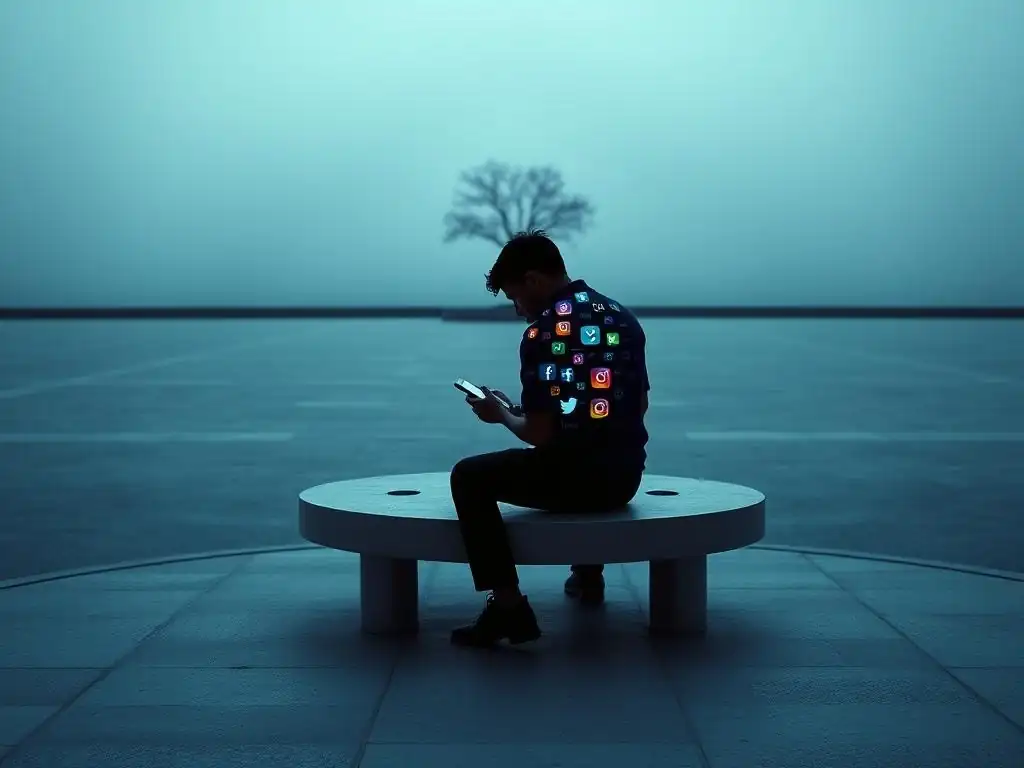
Social Comparison Theory, first proposed by psychologist Leon Festinger in the 1950s, suggests that individuals evaluate their own social and personal worth by comparing themselves against others. On social media, this often involves upward comparison – comparing oneself to people perceived as better off, more successful, or happier. Platforms are rife with carefully curated highlights reels of others' lives, showcasing achievements, perfect vacations, and seemingly effortless happiness. This constant stream of idealized content provides ample opportunity for unfavorable comparisons, leading to feelings of inadequacy, envy, and dissatisfaction with one's own life circumstances.
When individuals repeatedly engage in these upward comparisons, they may begin to feel like they are not good enough or that their own life is lacking compared to their peers. This can erode self-esteem and foster a sense of being fundamentally different or less successful than others. This internal feeling of not measuring up, amplified by the pervasive nature of social media, can contribute significantly to social media isolation feelings, making individuals withdraw further into themselves and feel disconnected from those they perceive as living more fulfilling lives.
The Fear of Missing Out (FOMO) and its Impact on Mental Health
The Fear of Missing Out, widely known as FOMO, is a psychological phenomenon characterized by the apprehension that others might be having rewarding experiences from which one is absent. Social media platforms are primary drivers of FOMO because they constantly display updates about what friends, acquaintances, and even strangers are doing, attending, or achieving. Seeing posts about parties, events, trips, or gatherings that one was not invited to or could not attend can trigger intense feelings of anxiety, envy, and exclusion.
This persistent feeling of being left out can significantly impact mental health. It can lead to increased stress, restlessness, and a constant urge to check social media to see what's happening, further perpetuating the cycle. FOMO contributes directly to social media isolation feelings by reinforcing the idea that everyone else is enjoying life more than you are, making you feel like an outsider looking in. This can diminish satisfaction with one's current situation and relationships, fostering a sense of being disconnected from social circles and opportunities.
Cyberbullying involves the use of electronic communication to bully a person, typically by sending messages of an intimidating or threatening nature. This can take many forms, including spreading rumors, posting embarrassing photos or videos, sending hurtful messages, or excluding someone from online groups. Unlike traditional bullying, cyberbullying can occur 24/7, reach a wide audience instantly, and the aggressor can often remain anonymous, making it incredibly difficult for the victim to escape or find respite.
Experiencing cyberbullying or online harassment is a profoundly isolating experience. Victims often feel shame, fear, and helplessness, leading them to withdraw from social interactions, both online and offline. The public nature of online attacks can make the victim feel exposed and vulnerable, as if the whole world is witnessing their humiliation. This can severely damage self-esteem, increase anxiety and depression, and amplify social media isolation feelings to a dangerous degree, sometimes leading to severe psychological distress and even suicidal thoughts.
Social media-induced loneliness can manifest in various ways, often subtly at first. One common sign is feeling worse about yourself after spending time scrolling through feeds; this might include increased feelings of envy, inadequacy, or dissatisfaction with your own life. Another symptom is experiencing anxiety or stress related to social media, such as worrying about likes, comments, or not getting enough engagement, or feeling compelled to constantly check for updates. You might also find yourself comparing your life negatively to others' curated online personas.
Furthermore, social media isolation feelings can lead to behavioral changes. You might start avoiding real-life social events because you feel like you don't measure up, or because you've become accustomed to superficial online interactions and find genuine connection challenging. Spending excessive time online, often late into the night, and neglecting other important activities like sleep, work, hobbies, or spending time with family and friends in person are also significant indicators. Feeling persistently sad, anxious, or empty specifically after social media use are clear red flags.
A crucial step in addressing social media isolation feelings is honest self-assessment. Start by tracking your social media usage without judgment for a few days. Note down how much time you spend on different platforms and, more importantly, how you feel before, during, and after using them. Are you logging on out of boredom, habit, or a genuine desire to connect? Do you feel energized and connected after use, or drained, anxious, and more alone?
Consider the nature of your online interactions. Are you primarily a passive consumer of content, or do you engage meaningfully with others? Do your online connections translate into real-life support or interaction? Ask yourself if your social media use is displacing activities or relationships that previously brought you joy and connection. Reflecting on these questions can provide valuable insights into whether your digital habits are contributing negatively to your well-being and fostering feelings of isolation from social media.
Digital Detox: Reclaiming Your Time and Mental Space
Engaging in a digital detox is a powerful way to combat social media isolation feelings. This doesn't necessarily mean abandoning social media forever, but rather consciously reducing or eliminating its use for a set period to reset your relationship with technology. A detox allows you to step back from the constant influx of information and comparison, giving your mind space to reconnect with your immediate environment and internal state. Even a short detox, like a weekend or a week, can significantly reduce anxiety and improve mood by breaking the cycle of compulsive checking and comparison.
During a digital detox, you'll likely find yourself with more free time. This is an opportunity to rediscover hobbies, spend time outdoors, read a book, or simply relax without digital distraction. Pay attention to how you feel during this period – you might notice reduced stress levels, improved sleep, and a greater ability to focus. This experience can highlight just how much mental energy and time social media was consuming and demonstrate the benefits of creating distance, helping you to manage social media isolation feelings more effectively in the long run.
Setting Boundaries: Limiting Your Daily Social Media Usage
Setting explicit boundaries on your daily social media usage is a practical step towards preventing social media isolation feelings. Decide on a specific amount of time you will allow yourself on social media each day – perhaps 30 minutes or an hour – and stick to it. Many smartphones and apps offer built-in tools to track and limit usage time, which can be incredibly helpful in adhering to your goals.
Beyond time limits, consider when and where you use social media. Avoid using it first thing in the morning or last thing at night, as this can set a negative tone for the day or disrupt sleep. Designating specific "social media-free" zones or times, such as during meals, family time, or in the bedroom, can also help reclaim space for real-life connection and activities, reducing the likelihood of feeling isolated by constant online presence.
Prioritizing Real-Life Interactions and Relationships
To counteract social media isolation feelings, actively prioritize spending time with people in person. Make an effort to schedule face-to-face meetups with friends and family. These interactions provide deeper emotional connection, non-verbal cues, and shared experiences that online communication simply cannot replicate. Even simple activities, like having coffee with a friend, going for a walk with a family member, or attending a local gathering, can significantly boost feelings of connection and belonging.
Think about the quality of your relationships. Focus on nurturing a few close, supportive relationships offline rather than maintaining a large network of superficial online acquaintances. Invest time and energy in people who make you feel valued and understood. Remember that genuine connection is built through shared vulnerability, empathy, and consistent presence – qualities that are best cultivated through in-person interaction.
Cultivating Meaningful Connections Offline
Joining Local Communities and Groups
One of the most effective ways to combat social media isolation feelings is by actively participating in local communities and groups that align with your interests. This could involve joining a book club, a sports league, a volunteering group, a craft workshop, or a community garden. These settings provide natural opportunities to meet people who share your passions, fostering organic connections based on shared activities and goals.
Regular participation in such groups helps build a sense of belonging and community that is grounded in shared physical space and real-time interaction. Unlike online groups, where interactions can be fleeting or anonymous, local groups encourage consistent presence and deeper personal relationships. This can provide a strong antidote to the superficiality that sometimes contributes to feelings of isolation from social media.
Engaging in Hobbies and Activities You Enjoy
Spending time on hobbies and activities that you genuinely enjoy, independent of online validation, is crucial for combating social media isolation feelings. Reconnect with activities that bring you joy and fulfillment, whether it's painting, playing a musical instrument, hiking, cooking, or gardening. These activities provide a sense of purpose and accomplishment that comes from within, rather than from external likes or comments.
Engaging in hobbies can also be a pathway to meeting like-minded individuals in person. Taking a class related to your hobby or joining a local club provides opportunities for social interaction centered around a shared interest, making it easier to strike up conversations and build connections. This focus on personal fulfillment and real-world engagement shifts your attention away from the potentially isolating comparisons found on social media.
Practicing Self-Compassion and Positive Self-Talk
A key factor in overcoming social media isolation feelings is developing a robust sense of self-worth that doesn't depend on external validation from likes, comments, or follower counts. Practicing self-compassion involves treating yourself with the same kindness, understanding, and acceptance you would offer a friend who is struggling. Recognize that it's human to feel insecure or compare yourself to others, especially in the face of curated online content. Instead of criticizing yourself for these feelings, acknowledge them with kindness.
Positive self-talk involves consciously challenging negative thoughts and replacing them with affirming and realistic ones. When you catch yourself comparing your life negatively to someone else's online, gently remind yourself that social media is a highlight reel and doesn't show the full picture. Focus on your own strengths, accomplishments, and unique qualities. Regularly affirm your worth based on who you are, not on how many likes your latest post received.
Focusing on Personal Growth and Achievements
Shift your focus from seeking external validation on social media to investing in your personal growth and celebrating your own achievements, no matter how small. Set realistic personal goals – whether related to learning a new skill, improving your fitness, advancing in your career, or nurturing your relationships – and work towards them. The satisfaction derived from personal progress and achieving these goals is a powerful builder of intrinsic self-worth.
Celebrate your milestones and acknowledge your efforts. Keep a journal of your accomplishments or practice gratitude for the positive aspects of your life. By focusing on your own journey and growth, you become less reliant on external validation from social media, which can significantly reduce social media isolation feelings stemming from comparison and the pursuit of online approval. Your value is inherent, not determined by your online presence.
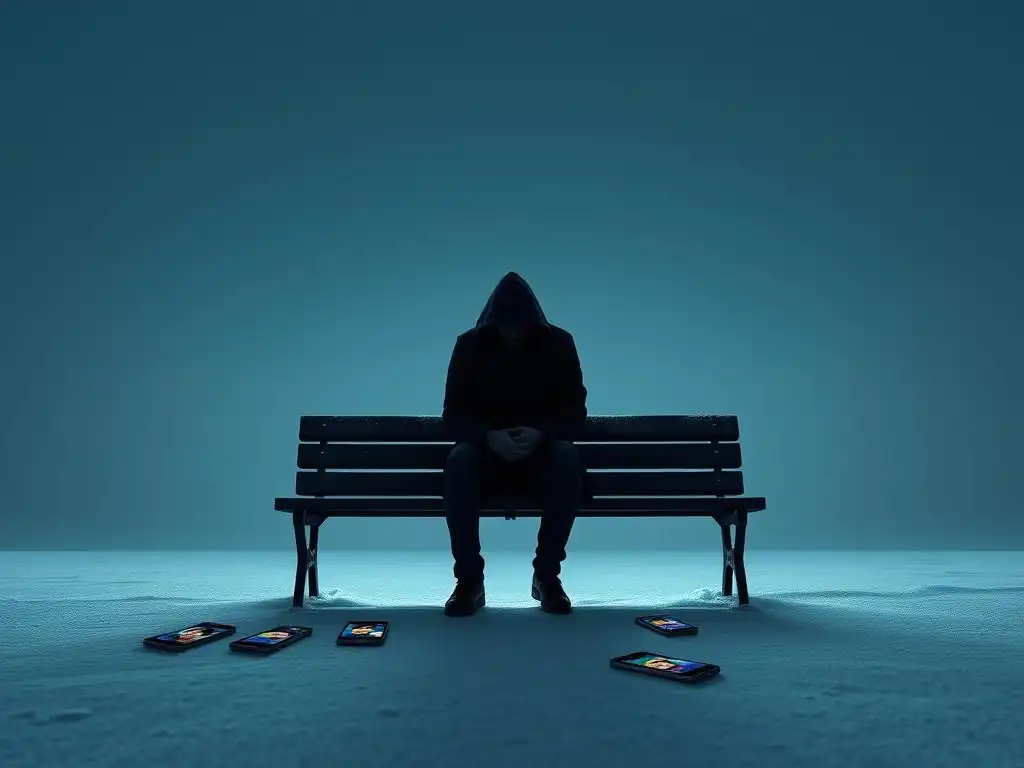
Curating Your Feed: Unfollowing Accounts That Trigger Negative Emotions
Your social media feed is a reflection of what you choose to consume, and it has a direct impact on your mood and social media isolation feelings. Take time to review the accounts you follow. Ask yourself how each account makes you feel. If an account consistently triggers feelings of inadequacy, envy, anxiety, or sadness – perhaps due to constant idealized content, excessive materialism, or negative commentary – it's okay, and often beneficial, to unfollow or mute it.
Actively curate your feed to include content that is positive, inspiring, informative, or genuinely connecting. Follow accounts that share realistic perspectives, promote mental wellness, align with your true interests, or provide value beyond superficial comparison. This proactive approach to managing your digital environment can significantly reduce exposure to triggers for social media isolation feelings and foster a more positive online experience.
Mindful social media consumption involves being intentional and present when you use these platforms, rather than scrolling aimlessly or reactively. Before opening an app, ask yourself why you are doing so. Is it to connect with a specific person, share something, or check for information? Or are you doing it out of habit or boredom? Setting a clear intention can help you use the platform more purposefully.
While using social media, pay attention to how it makes you feel in the moment. Notice if you start feeling anxious, jealous, or disconnected. If negative emotions arise, recognize them without judgment and consider taking a break. Mindful use also involves being aware of the time you are spending and sticking to your set boundaries. This conscious engagement helps prevent the passive consumption that can lead to increased social media isolation feelings.
Shift your primary purpose for using social media from passive consumption and comparison to active, meaningful connection. Instead of just scrolling through others' lives, make an effort to engage authentically. Send a personal message to a friend, leave a thoughtful comment on a post, or share something genuine about your own experiences (when you feel comfortable doing so).
Focus on using social media to maintain contact with distant loved ones, join groups related to specific interests for support and information, or organize real-life meetups. When you use social media as a tool for connection – reaching out, offering support, and sharing genuinely – rather than primarily for comparing your life to others' highlight reels, it can become a more positive force and help mitigate social media isolation feelings.
Recognizing the Need for Therapy or Counseling
While the strategies outlined above can be effective for managing social media isolation feelings, there are times when professional help is necessary. If your feelings of loneliness, anxiety, or depression related to social media use are persistent, overwhelming, or significantly interfering with your daily life, work, relationships, or overall well-being, it's a strong indicator that you could benefit from therapy or counseling. Symptoms like significant changes in sleep or appetite, loss of interest in activities you once enjoyed, persistent feelings of hopelessness, or difficulty functioning normally warrant professional attention.
A mental health professional can help you explore the underlying causes of your social media isolation feelings, which may extend beyond just social media use and involve deeper issues like social anxiety, depression, or trauma. They can provide personalized coping strategies, help you develop healthier digital habits, and address any co-occurring mental health conditions. Seeking help is a sign of strength and a proactive step towards improving your mental well-being.
As the impact of technology on mental health becomes more widely recognized, a growing number of mental health professionals are specializing in technology-related issues, including social media addiction, cyberbullying, and social media isolation feelings. When seeking a therapist or counselor, look for professionals who list experience or interest in these areas. They will be better equipped to understand the unique challenges posed by the digital world and provide targeted support.
You can find such professionals through online directories of therapists, referrals from your doctor, or by contacting local mental health organizations. Don't hesitate to ask potential therapists about their experience with clients struggling with technology use and its impact on mental health during an initial consultation. Finding the right fit is important for a successful therapeutic relationship and can make a significant difference in addressing social media isolation feelings effectively.
Navigating the complex relationship between social media use and social media isolation feelings requires awareness, intention, and proactive effort. While social media offers undeniable benefits for connection and information, its design can inadvertently foster comparison, FOMO, and superficial interactions that leave individuals feeling more alone. Recognizing the signs of social media-induced loneliness is the first step towards reclaiming your mental well-being.
Effectively managing social media isolation feelings involves setting healthy boundaries, prioritizing real-life connections, cultivating hobbies and interests offline, and building self-worth independent of online validation. Practices like digital detoxes, mindful consumption, and curating your online environment are powerful tools. Remember that seeking professional help is a valid and important option if these feelings become overwhelming. By adopting a balanced approach that prioritizes genuine connection and personal well-being, you can mitigate the negative impacts of social media and foster a healthier relationship with both technology and yourself.
Frequently Asked Questions
Social media can contribute to isolation by fostering unrealistic social comparisons and reducing face-to-face interactions. This can lead to feelings of inadequacy and disconnection.
Signs include increased anxiety or depression, feeling the need to constantly check your phone, and experiencing FOMO (fear of missing out). You may also notice a decline in real-life relationships.
Passive scrolling, where you're just observing others' lives without actively engaging, is more likely to cause feelings of isolation than active participation and meaningful interactions.
Strategies include setting time limits for social media use, unfollowing accounts that trigger negative emotions, and prioritizing real-life connections.
Resources are available through mental health professionals, support groups, and online platforms offering guidance and strategies for managing your mental well-being.
Final Reflection: Unplugging to Reconnect: The Urgent Need for Digital Wellbeing
The pervasive nature of social media has created a paradox: while designed to connect us, it often leaves many feeling profoundly isolated. This disconnect, fueled by curated perfection and the pressure of constant comparison, is a growing concern with significant implications for mental health and overall wellbeing. We've explored the mechanisms behind this phenomenon – from the addictive nature of algorithms to the unrealistic portrayals of life online – and the urgent need to address it is undeniable.
The insidious creep of social media's isolating effects has profoundly shaped our cultural landscape, influencing everything from self-esteem to our very understanding of community. We've witnessed a rise in anxiety and depression, particularly among young people, directly linked to excessive social media use. The internet can be a wonderful tool, but it's also a tool that can be used to hurt people, and it's important to be aware of that.
– This quote, while not directly about social media isolation, highlights the duality of technology and its potential for both connection and harm, a duality central to our exploration. Understanding this duality is crucial for navigating the digital age responsibly.
You are the architect of your own digital wellbeing. This article isn't a condemnation of social media, but a call to mindful engagement. Take a moment to reflect on your own relationship with these platforms. Are you using them to connect authentically, or are they contributing to feelings of inadequacy and isolation? Consider setting boundaries, prioritizing real-life interactions, and cultivating a healthier balance between the online and offline worlds. Your mental health deserves it.
Thanks for taking the time to explore the complex relationship between social media and feelings of isolation. We hope this article provided valuable insights into managing your online presence for a healthier you. Now, it's time to put that knowledge into action!
- Prioritize real-life connections: This week, make a conscious effort to schedule at least one meaningful, face-to-face interaction – a coffee date, a phone call with a loved one, or even a simple walk with a friend. This is your primary step toward building genuine connections.
- Reflect on your social media habits: Take 15 minutes to audit your social media usage. What platforms drain your energy? Which ones genuinely uplift you? Making mindful adjustments can greatly impact your wellbeing.
- Share this article: Let's spread awareness about the importance of mindful social media use. Share this article with someone you care about who might benefit from the information.
So, what small step will you take today to nurture your real-life connections and cultivate a healthier relationship with social media?