
Sleep Better Tonight: How Managing Technology Improves Rest


Welcome to Mind Care Guide, a space dedicated to nurturing your mental well-being.
Are you struggling to get a good night's sleep? You're not alone. In today's connected world, technology often intrudes on our rest. But what if I told you that managing technology improves sleep quality? Dive in to discover practical strategies that can help you reclaim your nights and wake up feeling refreshed. Your journey to better sleep starts here!
Sleep Better Tonight: How Managing Technology Improves Rest
- Introduction: The Digital Age and Its Impact on Sleep
- Why Managing Technology Improves Sleep Quality: The Science Behind It
- Identifying Technology-Related Sleep Problems: Are You Affected?
- Practical Strategies: How to Improve Sleep Quality by Managing Technology
- Specific Technologies and Their Impact on Sleep
- Beyond Technology: Other Factors Influencing Sleep Quality
- Long-Term Benefits of Managing Technology for Sleep
- Seeking Professional Help for Technology-Related Sleep Issues
- Conclusion: Reclaiming Your Sleep Through Mindful Technology Use
-
Frequently Asked Questions
- How does managing technology use before bed impact sleep quality?
- What specific technological devices should I limit before bedtime to improve sleep?
- What are some practical strategies for managing technology to enhance sleep quality?
- What are the potential long-term benefits of consistently managing technology to improve sleep?
- Besides limiting screen time, are there other technological tools that can actually help improve sleep?
- Final Reflection: Reclaiming Your Rest in a Digital Age
- Unlock Deeper Sleep Tonight!
Introduction: The Digital Age and Its Impact on Sleep
In our hyper-connected world, technology is an indispensable part of daily life, from work and communication to entertainment and information. While it offers unparalleled convenience and connectivity, the constant presence of screens and notifications has introduced new challenges to our well-being, particularly impacting the quality and quantity of our sleep. The pervasive nature of smartphones, tablets, computers, and televisions means many of us are exposed to their influence right up until the moment we try to fall asleep.
This article explores the profound link between our technology habits and sleep patterns, delving into the scientific reasons why excessive or ill-timed tech use can disrupt rest. By understanding these connections, we can begin to implement strategies that promote healthier sleep habits. Ultimately, adopting intentional methods for managing technology improves sleep quality significantly, paving the way for enhanced mental and physical health.
Understanding the Connection Between Technology Use and Sleep Disruption
The mechanisms by which technology interferes with sleep are multifaceted. One primary factor is the light emitted by screens, particularly blue light, which signals the brain to stay awake. Beyond light, the stimulating nature of digital content—engaging videos, urgent emails, or captivating social media feeds—can activate the brain and make it difficult to wind down. The constant availability of devices also encourages late-night use, shrinking the window available for sleep.
Furthermore, the psychological impact of technology, such as the stress induced by work notifications or the anxiety of missing out (FOMO) fueled by social media, can elevate alertness and make relaxation elusive. This intricate interplay of physiological and psychological factors underscores why managing technology improves sleep quality not just by reducing light exposure but also by calming the mind before bed.
At Mind Care Guide, we recognize that technology is not inherently bad, but its management is key to maintaining well-being, including sleep. Our approach is centered on providing actionable, evidence-based strategies to help individuals identify how technology might be negatively impacting their sleep and empower them to make positive changes. We advocate for mindful technology use, encouraging readers to become more aware of when, how, and why they use their devices, especially in the hours leading up to bedtime.
This guide will walk you through understanding the science behind tech's impact on sleep, helping you recognize potential issues in your own habits, and providing practical, implementable strategies. We believe that by taking small, consistent steps towards managing technology, you can significantly improve sleep quality and experience the wide-ranging benefits of a well-rested mind and body.
Why Managing Technology Improves Sleep Quality: The Science Behind It
Understanding the biological and psychological effects of technology on the body is crucial to appreciating why managing technology improves sleep quality. It's not just about turning off a screen; it's about mitigating specific physiological responses triggered by device use.
Blue Light Exposure and Melatonin Suppression: A Deep Dive
One of the most significant ways technology disrupts sleep is through the emission of blue light from LED screens. Blue light, which has wavelengths roughly between 450 and 495 nanometers, is particularly effective at suppressing the production of melatonin, the hormone that regulates our sleep-wake cycle (circadian rhythm). Our brains interpret blue light as a signal of daytime, as it is abundant in natural sunlight. Exposure to blue light in the evening hours confuses the body's internal clock, making it harder to feel sleepy at the appropriate time.
Research consistently shows that even relatively short exposure to screen light before bed can significantly delay the onset of sleep. For example, studies have indicated that reading on a light-emitting e-reader for just four hours before bedtime can suppress melatonin by over 50% and delay sleep onset by approximately 10 minutes compared to reading a physical book. This highlights a direct physiological pathway through which managing technology improves sleep quality—by simply reducing or filtering blue light exposure during the crucial hours before rest.
The Role of Screen Time in Increasing Cortisol Levels
Beyond light, the content and interaction associated with screen time can also elevate stress hormones, such as cortisol. Engaging with stimulating content—whether it's an intense video game, a suspenseful movie, or even just scrolling through emotionally charged social media posts—can trigger the body's 'fight or flight' response. Notifications, particularly those related to work or potentially stressful social interactions, can also cause spikes in alertness and anxiety.
Elevated cortisol levels are associated with wakefulness and stress, making it challenging to relax and transition into a sleep state. When you spend your evening hours in a state of heightened arousal or stress due to screen use, your body is not preparing for rest. Therefore, limiting exposure to stimulating content and notifications, especially in the hours before sleep, is a vital aspect of how managing technology improves sleep quality by promoting a calmer, more relaxed physiological state conducive to sleep.
Social media platforms are designed to be engaging and potentially addictive, making them a common culprit for late-night technology use. Scrolling through feeds can be mentally stimulating due to the constant influx of new information, images, and interactions. Furthermore, social media can trigger a range of emotions, from amusement and interest to anxiety, envy, or even anger, all of which can increase alertness and make it difficult to quiet the mind for sleep.
The comparison trap inherent in social media can also lead to stress or feelings of inadequacy, further contributing to a state of mental arousal not conducive to sleep. The fear of missing out (FOMO), driven by seeing others' activities online, can also compel individuals to stay up later or check their phones repeatedly, fragmenting sleep. Breaking the habit of late-night social media scrolling is a concrete step in how managing technology improves sleep quality by reducing mental clutter and emotional stimulation before sleep.
Recognizing that technology might be interfering with your sleep is the first step towards positive change. Many people don't immediately connect their sleep difficulties to their digital habits.
Common Signs of Poor Sleep Due to Excessive Technology Use
Several indicators might suggest that your technology use is negatively impacting your sleep. One common sign is difficulty falling asleep, often characterized by lying awake for extended periods, mind racing or replaying content consumed on screens. Another is experiencing fragmented sleep, waking up multiple times during the night, sometimes prompted by the urge to check a device. Feeling groggy or unrested in the morning, even after spending what seems like enough time in bed, can also be a symptom.
Other signs include relying heavily on the snooze button, experiencing increased irritability or difficulty concentrating during the day, and finding yourself reaching for your phone immediately upon waking or as the last thing you do before closing your eyes. If you consistently find yourself sacrificing sleep time to spend more time on devices, or if you feel anxious or restless when separated from your phone in the evening, technology could be a significant factor in your poor sleep quality.
Self-Assessment: Technology Use and Sleep Quality Quiz
To get a clearer picture of how technology might be affecting your sleep, consider these questions. Be honest with yourself:
- Do you use your phone, tablet, or computer in bed before trying to sleep?
- Do you typically use screens within one hour of your planned bedtime?
- Do you often feel compelled to check notifications (emails, social media, messages) late in the evening or during the night?
- Do you find yourself staying up later than intended because you are engrossed in content (e.g., binge-watching, gaming, scrolling)?
- Do you use screens as a way to relax or wind down in the evening?
- Do you wake up during the night and check your phone?
- Do you feel anxious or restless if you can't access your devices before bed?
- Do you often take your phone or tablet into the bedroom with you?
- Do you find it hard to stop using a device once you start in the evening?
- Has your sleep quality worsened since you started using smartphones or other devices more frequently in the evening?
If you answered yes to several of these questions, it's likely that your technology habits are impacting your sleep. Recognizing this is the crucial first step; the next is implementing strategies for managing technology improves sleep quality by addressing these specific habits.
Practical Strategies: How to Improve Sleep Quality by Managing Technology
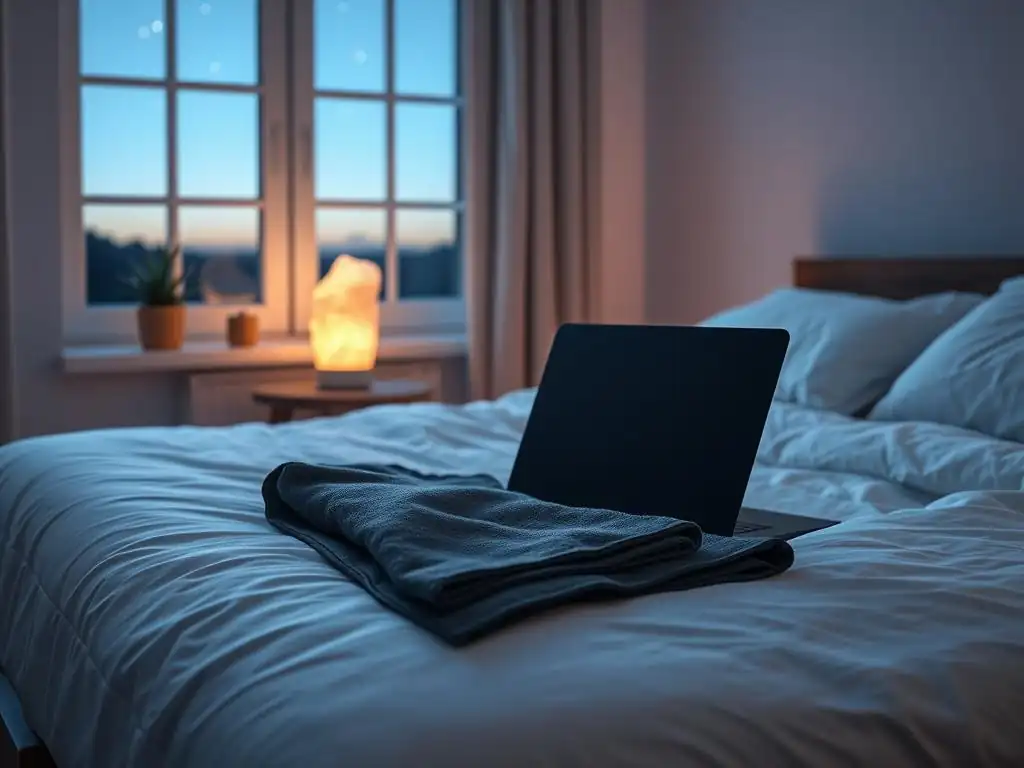
Fortunately, improving sleep quality through technology management is achievable with conscious effort and consistent practice. Small adjustments can yield significant results.
Creating a Digital Sunset: Establishing a Tech-Free Evening Routine
One of the most effective strategies is to create a "digital sunset," a dedicated period before bedtime where you cease using screens. Experts often recommend a tech-free buffer of at least one hour, but ideally two hours, before you intend to fall asleep. This allows your brain to wind down without the stimulation of blue light or engaging content. During this time, engage in relaxing, non-screen activities like reading a physical book, listening to calming music, taking a warm bath, or practicing meditation or gentle stretching.
Establishing a consistent digital sunset helps to re-regulate your circadian rhythm and signals to your body that it's time to prepare for rest. For instance, if you aim to be asleep by 11:00 PM, commit to putting away all screens by 9:00 PM or 10:00 PM. Making this a non-negotiable part of your evening routine is a powerful way managing technology improves sleep quality by creating a clear separation between your digital life and your sleep time.
Implementing Blue Light Filters and Night Mode on Devices
While a digital sunset is ideal, sometimes technology use in the evening is unavoidable (e.g., for work or necessary communication). In such cases, utilizing built-in or third-party blue light filtering features is essential. Most modern smartphones, tablets, and computers offer a "Night Shift," "Night Light," or "Eye Comfort Shield" mode that shifts the screen's color spectrum towards warmer tones, reducing blue light emission.
These modes can be scheduled to activate automatically in the evening. While they don't eliminate the stimulating effects of content or the potential for stress, they significantly reduce the impact on melatonin production. Using apps like f.lux on computers or activating native device settings provides a layer of protection against blue light's disruptive effects. This simple adjustment is a practical step in how managing technology improves sleep quality, especially for those who must use screens closer to bedtime.
Optimizing Sleep Environment: Banning Technology from the Bedroom
The bedroom should be a sanctuary for sleep and relaxation, free from the distractions and temptations of technology. Bringing devices into the bedroom makes it far more likely that you will use them late at night or check them if you wake up. The mere presence of a phone on your nightstand can create a sense of alertness and anticipation of notifications, even if the screen is off.
Make your bedroom a tech-free zone. Charge your phone in another room overnight. If you use your phone as an alarm, consider purchasing a separate alarm clock. Removing the physical presence of screens from your sleep environment helps reinforce the psychological boundary between wakefulness and rest. This environmental control is a fundamental aspect of how managing technology improves sleep quality by eliminating a major source of late-night stimulation and temptation.
Using Technology Mindfully: Apps and Tools for Better Sleep Hygiene
Paradoxically, some technology can be used to support better sleep hygiene, provided it's used mindfully and not close to bedtime. Numerous apps offer guided meditations, sleep stories, calming sounds, or sleep tracking features. These tools can help you relax before your digital sunset begins or provide insights into your sleep patterns.
Sleep tracking apps or wearable devices can offer data on sleep duration, quality, and disruptions. However, it's important to use these tools judiciously; becoming overly fixated on the data can sometimes cause sleep anxiety (orthosomnia). If you use a sleep tracking app, view the data in the morning, not during the night. Similarly, use relaxation apps before your tech-free buffer period begins. Using technology mindfully, in ways that support rather than hinder sleep preparation, is another facet of how managing technology improves sleep quality.
Specific Technologies and Their Impact on Sleep
Different types of technology present unique challenges to sleep, primarily due to their typical use patterns and content.
Smartphones and Tablets: The Biggest Culprits
Smartphones and tablets are arguably the most disruptive devices when it comes to sleep. Their portability means they are often used in bed, their screens emit potent blue light, and they provide constant access to a stream of stimulating content and notifications. Many people use them for browsing, social media, emails, or entertainment right up until they try to sleep. The addictive nature of apps further encourages prolonged use.
Surveys often indicate that a high percentage of adults and adolescents report using their phones in the hour before bed. For instance, some studies suggest that up to 90% of young adults use their phones in the bedroom before sleep. This widespread habit is a primary driver of sleep disruption. Effectively managing technology improves sleep quality most significantly when it addresses the pervasive use of these personal devices, especially in the hours leading up to rest.
TV and Streaming Services: The Allure of Binge-Watching
Televisions and streaming services also pose a significant threat to sleep quality, primarily through prolonged screen time and the tendency towards "binge-watching." While TVs are often viewed from a greater distance than phones, they still emit blue light, and the engaging nature of programs can keep the brain active and alert. The ease with which one episode leads to the next makes it easy to lose track of time and significantly delay bedtime.
Sitting passively in front of a TV might feel relaxing, but the visual and auditory stimulation can still interfere with the body's preparation for sleep. The cliffhangers at the end of episodes are specifically designed to encourage continued viewing, actively working against the goal of winding down. Establishing a clear cut-off time for TV and streaming is a key part of how managing technology improves sleep quality by limiting late-night exposure to stimulating audio-visual content.
Video Games: The Impact of Gaming Before Bedtime
Playing video games before bed can be particularly detrimental to sleep. Games, especially action-oriented or competitive ones, are designed to be highly engaging and stimulating. They require active participation, quick reactions, and often involve elements of challenge and reward, which can significantly elevate adrenaline and heart rate. The bright, fast-moving visuals and immersive audio further contribute to a state of heightened arousal.
The mental focus and problem-solving required in many games can also make it difficult to switch off the brain after playing. Even after turning off the console or PC, the mind may remain active, replaying gameplay or strategizing. Given their intensely stimulating nature, ceasing video game activity well before bedtime is a critical component of how managing technology improves sleep quality for gamers, allowing the mind and body sufficient time to decompress.
Beyond Technology: Other Factors Influencing Sleep Quality
While managing technology is a powerful strategy for improving sleep, it's important to recognize that sleep quality is influenced by multiple factors. A holistic approach is often most effective.
The Importance of Diet and Exercise for Restful Sleep
What you eat and drink, and how physically active you are, significantly impact your sleep. Consuming caffeine or alcohol close to bedtime can disrupt sleep patterns; caffeine is a stimulant that can keep you awake, while alcohol, though it might initially make you feel sleepy, leads to fragmented and less restorative sleep later in the night. Heavy meals or sugary snacks before bed can also cause digestive discomfort that interferes with sleep.
Regular physical activity, on the other hand, is strongly linked to better sleep quality. Exercise can help reduce stress and anxiety, promote a healthy body weight, and regulate the body's internal clock. However, intense exercise too close to bedtime can be stimulating, so it's often recommended to finish vigorous workouts at least a few hours before sleep. Combining healthy dietary choices with regular exercise complements efforts in managing technology improves sleep quality.
Stress Management Techniques for Better Sleep
Stress and anxiety are major contributors to insomnia and poor sleep. A racing mind filled with worries makes it incredibly difficult to fall asleep and stay asleep. Technology, as discussed, can sometimes be a source of stress, but stress can also arise from work, relationships, finances, and other life events.
Implementing stress management techniques is vital for improving sleep. Practices such as mindfulness meditation, deep breathing exercises, yoga, journaling, or spending time in nature can help calm the nervous system and reduce the mental chatter that keeps you awake. Learning to manage stress effectively creates a more peaceful mental state conducive to sleep, working in tandem with strategies for managing technology improves sleep quality.
A consistent bedtime routine signals to your body that it's time to wind down and prepare for sleep. This routine should ideally be free of technology and focus on relaxing activities. As mentioned earlier, this could include reading a physical book, listening to calm music, taking a warm bath, or engaging in gentle stretching or relaxation exercises.
The key is consistency; performing the same series of calming activities each night helps condition your mind and body to associate these actions with sleep. This routine acts as a buffer between the day's activities (including technology use) and sleep, creating a smooth transition. Building a relaxing, non-tech routine is an essential complementary strategy to how managing technology improves sleep quality.
Long-Term Benefits of Managing Technology for Sleep

The positive impact of managing technology extends far beyond simply getting more hours of sleep. It contributes to overall well-being in numerous ways.
Improved Mental Health and Cognitive Function
Adequate sleep is crucial for cognitive function, including concentration, memory, problem-solving, and creativity. When you consistently get enough restful sleep, your brain is better able to perform these functions. Studies consistently show that chronic sleep deprivation impairs cognitive performance, sometimes to a degree comparable to alcohol intoxication.
Furthermore, sleep plays a vital role in emotional regulation and mental health. Poor sleep is strongly linked to increased irritability, mood swings, and a higher risk of developing anxiety and depression. By successfully managing technology improves sleep quality, you support optimal brain function, enhance your ability to manage emotions, and reduce your vulnerability to mental health challenges, leading to greater resilience and well-being.
Enhanced Physical Health and Immune System
The benefits of sufficient sleep are also profound for physical health. Sleep is a period of repair and restoration for the body. Chronic sleep deprivation is associated with an increased risk of various health problems, including heart disease, stroke, diabetes, obesity, and weakened immune function.
Getting enough quality sleep supports metabolic health, helps regulate hormones (including those related to appetite), and strengthens the immune system, making you less susceptible to illness. By prioritizing sleep through effective technology management, you invest in your long-term physical health, demonstrating how managing technology improves sleep quality as a foundation for overall physical vitality.
Increased Productivity and Overall Well-being
When you are well-rested, you are naturally more productive, focused, and efficient. Lack of sleep leads to decreased performance, increased errors, and reduced motivation. By improving sleep quality through mindful technology use, you enhance your ability to perform tasks effectively, both at work and in your personal life.
Beyond productivity, better sleep contributes to a greater sense of overall well-being and quality of life. You have more energy, feel more positive, and are better equipped to handle daily challenges. The simple act of managing technology improves sleep quality, creating a ripple effect that enhances almost every aspect of your daily experience, from your mood to your ability to engage fully with life.
While implementing the strategies discussed can significantly improve sleep for many, there are times when professional help is necessary.
When to Consult a Sleep Specialist or Therapist
If you have consistently applied strategies for managing technology to improve sleep quality for several weeks or months and are still experiencing significant sleep problems (such as chronic insomnia, excessive daytime sleepiness, or other disruptive sleep patterns), it may be time to consult a healthcare professional. A sleep specialist can evaluate underlying medical causes for sleep disorders, which might be independent of or exacerbated by technology use.
Additionally, if your technology use feels compulsive or addictive, or if the anxiety around managing your technology habits is overwhelming, a therapist or counselor specializing in behavioral issues or technology addiction can provide valuable support and strategies. They can help you understand the root causes of problematic tech use and develop healthier coping mechanisms. Don't hesitate to seek help if you feel unable to manage the issue on your own.
Available Resources for Managing Technology Addiction
For those struggling with excessive or compulsive technology use, particularly in ways that interfere with health and daily life, various resources are available. These can include behavioral therapists specializing in addiction, support groups (both online and in-person), and digital detox programs. Cognitive Behavioral Therapy for Insomnia (CBT-I) is also a highly effective treatment that addresses both sleep habits and the thoughts/behaviors that contribute to insomnia, which can include problematic technology use.
Many mental health organizations and websites offer information and directories for finding help. Seeking support for problematic technology use is a crucial step in regaining control and is directly linked to the ability to effectively implement strategies where managing technology improves sleep quality and overall well-being.
Conclusion: Reclaiming Your Sleep Through Mindful Technology Use
In an age dominated by screens and constant connectivity, managing technology is no longer just about productivity or social interaction; it's a fundamental component of maintaining healthy sleep and overall well-being. The science is clear: blue light, stimulating content, and the psychological pull of devices directly interfere with our ability to fall asleep and experience restorative rest.
Recap of Key Strategies for Improving Sleep Quality
We've explored practical strategies grounded in understanding how managing technology improves sleep quality:
- Establishing a "digital sunset" with a tech-free buffer before bed.
- Utilizing blue light filters and night modes on devices.
- Making the bedroom a tech-free sanctuary.
- Using sleep-supportive technology mindfully, well before sleep time.
These steps, when combined with broader healthy habits like diet, exercise, and stress management, create a powerful foundation for better sleep.
Embracing a Healthier Relationship with Technology for a Better Night's Rest
Ultimately, improving sleep quality through technology management is about fostering a healthier, more mindful relationship with our devices. It involves setting boundaries, recognizing the impact of our habits, and making intentional choices that prioritize rest. By consciously managing technology, we reclaim control over our evenings and nights, allowing our bodies and minds the peace and quiet needed for truly restorative sleep. Embracing this change is an investment in your health, happiness, and ability to thrive in the digital age.
Frequently Asked Questions
How does managing technology use before bed impact sleep quality?
Reducing screen time before sleep helps regulate your body's natural sleep-wake cycle. The blue light emitted from devices can suppress melatonin production, a hormone that promotes sleepiness.
What specific technological devices should I limit before bedtime to improve sleep?
Primarily, focus on limiting use of smartphones, tablets, and computers before bed. The bright screens and engaging content are most disruptive to sleep patterns.
What are some practical strategies for managing technology to enhance sleep quality?
Establish a "digital curfew" at least one hour before bed. Also, consider using blue light filters or setting your devices to "night mode" in the evening.
What are the potential long-term benefits of consistently managing technology to improve sleep?
Consistent management of technology use can lead to improved mood, enhanced cognitive function, and a reduced risk of developing chronic sleep disorders.
Besides limiting screen time, are there other technological tools that can actually help improve sleep?
Yes, some sleep tracking apps can help you understand your sleep patterns. Also, white noise machines or apps can mask disruptive sounds and promote relaxation.
Final Reflection: Reclaiming Your Rest in a Digital Age
The relentless hum of notifications and the ever-present glow of screens have become a pervasive obstacle to quality sleep, impacting our physical and mental well-being. This pervasive digital distraction is not merely an inconvenience; it's a significant public health concern demanding immediate attention. We've explored how mindful technology management can be a powerful tool in reclaiming restful nights and healthier days.
The impact of technology on our sleep patterns is a profound and ongoing societal shift. We've moved from a world where darkness signaled rest to one where the artificial light of our devices keeps us perpetually connected, often at the expense of our sleep. Sleep is the golden chain that ties health and our bodies together.
This quote, though not directly about technology, speaks to the fundamental importance of sleep, a necessity increasingly threatened by our digital habits. Understanding this connection is crucial to fostering a healthier relationship with technology and prioritizing our well-being.
Now, consider your own digital habits. How much time do you spend on your devices before bed? What strategies could you implement to create a more peaceful and technology-free wind-down routine? Take control of your digital environment; it's a powerful step towards taking control of your sleep and, ultimately, your life. Start small, perhaps by turning off notifications an hour before bed, and gradually build a healthier relationship with technology that prioritizes your rest and well-being. You deserve the restorative power of a good night's sleep.
Unlock Deeper Sleep Tonight!
Thanks for taking the time to explore how technology impacts your sleep! We hope you gained valuable insights into creating a more restful night. Now, let's put that knowledge into action.
- Prioritize your digital detox: Set a clear "tech-free" hour before bed. Try dimming your lights and engaging in a relaxing activity instead. This is your primary step towards better sleep.
- Optimize your bedroom environment: Consider removing all electronic devices from your sleeping area to foster a calmer, more sleep-conducive atmosphere.
- Share your experience! Tell us about your tech-free bedtime routine and what you’ve found works best in the comments below.
So, what small change will you make tonight to transform your sleep?