
Creating a TechFree Sanctuary: Setting Up Your Bedroom for Sleep

Welcome to Mind Care Guide, a space dedicated to nurturing your mental well-being.
Struggling to silence the noise and finally get a good night's sleep? You're not alone. Many of us find our bedrooms, meant for rest, have become extensions of our always-on, tech-saturated lives. But what if you could reclaim your space? Our main article dives deep into the transformative power of a Techfree bedroom sleep sanctuary. Discover how simple changes can lead to profound improvements in your sleep quality and overall mental health. Curious to learn more and unlock the secrets to restful nights? Let's begin.
Creating a Tech-Free Bedroom Sleep Sanctuary: Your Guide to Restful Nights
- Understanding the Importance of a Tech-Free Bedroom for Sleep
- Designing Your Tech-Free Bedroom for Optimal Sleep
- Alternative Activities to Replace Tech Before Bed
- Essential Elements of a Tech-Free Sleep Environment
- Troubleshooting Common Tech-Free Bedroom Challenges
- The Long-Term Benefits of a Tech-Free Sleep Sanctuary
- Beyond the Bedroom: Extending the Tech-Free Mindset
-
Frequently Asked Questions
- How can creating a tech-free bedroom improve my sleep?
- What are the key elements of a tech-free bedroom sleep sanctuary?
- Why is it important to avoid using my phone in bed, even for reading?
- What if I use my phone as an alarm clock? What are some alternatives?
- How long does it typically take to adjust to a tech-free bedroom and see improvements in sleep?
- Final Reflection: Reclaiming Your Bedroom, Reclaiming Your Sleep
- Reclaim Your Nights: Design Your Tech-Free Sleep Haven
Understanding the Importance of a Tech-Free Bedroom for Sleep
Why Electronics Disrupt Sleep: The Science Behind It
Electronic devices, from smartphones and tablets to laptops and e-readers, emit light that can significantly interfere with our natural sleep-wake cycle, known as the circadian rhythm. This disruption is primarily due to the type of light emitted, particularly the blue light spectrum, which signals to our brain that it is daytime.
The presence of these devices in the bedroom, especially when used close to bedtime, tricks the brain into thinking it's not yet time to wind down and prepare for sleep. Studies have shown that even passive presence, knowing a device is nearby and potentially buzzing with notifications, can increase physiological arousal and make it harder to fall asleep.
Furthermore, the engaging nature of many electronic activities – scrolling through social media, watching videos, or playing games – stimulates the brain and keeps it active. This cognitive arousal is counterproductive to the state of relaxation needed for sleep initiation. Instead of slowing down, the mind remains alert and engaged, making the transition to sleep difficult. Research suggests that using devices within an hour of bedtime can extend the time it takes to fall asleep by several minutes and reduce overall sleep duration, impacting the quality of rest received in your techfree bedroom sleep sanctuary.
The Impact of Blue Light on Melatonin Production
Blue light, a specific wavelength emitted in abundance by LED screens found in most electronic devices, has a potent effect on our body's internal clock. It is particularly effective at suppressing the production of melatonin, the hormone responsible for signaling to the body that it's time to sleep. Our circadian rhythm is naturally regulated by light exposure, with darkness promoting melatonin release and light inhibiting it. Exposure to blue light in the evening mimics daytime light, effectively telling the brain to stay awake.
Research, including studies conducted by institutions like Harvard Medical School, indicates that exposure to blue light in the evening can suppress melatonin production for hours. For example, one study found that exposure to blue light from a screen for just a couple of hours before bed reduced melatonin levels significantly more than exposure to green light of comparable brightness.
This suppression delays the onset of sleep and can shift the body's internal clock later, making it harder to wake up in the morning and potentially leading to chronic sleep deprivation. Creating a techfree bedroom sleep sanctuary is crucial for allowing natural melatonin production to occur unimpeded.
Creating a Sleep Sanctuary: More Than Just a Tech Ban
Establishing a sleep sanctuary goes beyond simply removing electronics; it involves cultivating an environment that actively promotes rest and relaxation. It's about transforming the bedroom into a dedicated space solely for sleep and intimacy, free from the distractions and stresses of the outside world. This holistic approach considers all sensory inputs – sight, sound, smell, and touch – to create a calming atmosphere conducive to falling asleep and staying asleep throughout the night.
A true techfree bedroom sleep sanctuary is designed to minimize anything that could stimulate the brain or cause anxiety. This includes not only screens but also clutter, bright lights, loud noises, and uncomfortable temperatures. The goal is to create a tranquil retreat where the mind can unwind and the body can prepare for restorative sleep, reinforcing healthy sleep habits through environmental design.
Designing Your Tech-Free Bedroom for Optimal Sleep
Eliminating Electronic Devices from the Bedroom: A Step-by-Step Guide
The first and most crucial step in creating a techfree bedroom sleep sanctuary is the physical removal of electronic devices. Start by identifying all screens and electronic gadgets commonly used in the bedroom, including smartphones, tablets, laptops, TVs, gaming consoles, and even e-readers that emit light. Designate a charging station outside the bedroom, perhaps in the living room or kitchen, for phones and tablets to reside overnight. For devices like TVs or computers that are harder to move, consider covering them or creating a physical barrier to reduce their visual presence and temptation.
Next, address other electronic items that might be present, such as smart speakers or digital alarm clocks with bright displays. Replace digital clocks with analog versions or position them so the display is not visible from the bed. If you rely on your phone for an alarm, consider purchasing a dedicated alarm clock and leaving your phone in its designated charging spot outside the bedroom. This physical separation is key to breaking the habit of late-night scrolling and reclaiming your bedroom as a dedicated sleep space.
Choosing Sleep-Promoting Colors and Decor for Your Bedroom
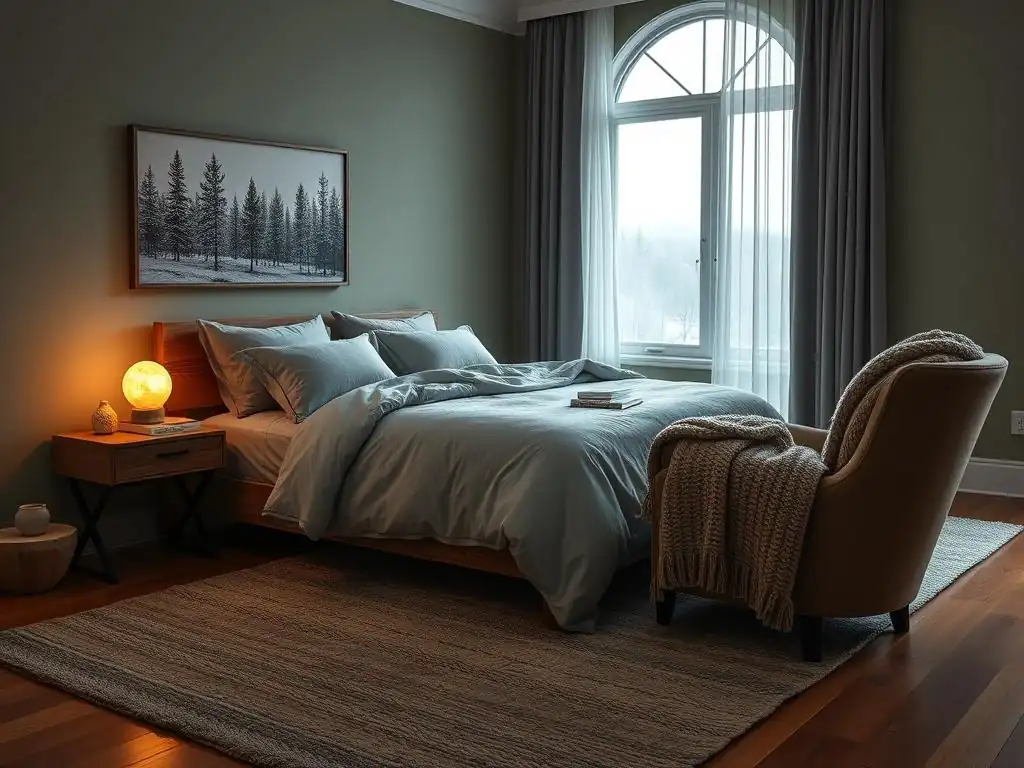
The visual environment of your bedroom plays a significant role in your ability to relax and sleep. Soft, muted colors are generally recommended for walls and decor as they create a calming atmosphere. Shades of blue, green, and neutral tones like beige or light gray are known for their tranquil properties. For instance, soft blues are often associated with calmness and stability, potentially reducing feelings of anxiety, while gentle greens can evoke a sense of nature and serenity. Avoid bright, stimulating colors like red or orange, which can increase heart rate and alertness.
Beyond color, minimize clutter to create a sense of order and peace. Keep surfaces clear and store items out of sight. Use soft, ambient lighting from lamps with warm-toned bulbs instead of harsh overhead lights. Consider incorporating natural elements like plants (ensure they are safe for indoor use) or wooden decor, which can enhance the feeling of being in a calm, natural environment. The overall goal is to create a visually soothing space that supports relaxation in your techfree bedroom sleep sanctuary.
Optimizing Bedroom Temperature and Ventilation for Better Sleep
Maintaining an optimal temperature is vital for sleep quality. Most sleep experts recommend keeping the bedroom relatively cool, typically between 60 and 67 degrees Fahrenheit (approximately 15 to 19 degrees Celsius). A slightly cooler environment helps the body's core temperature drop, which is a natural part of the sleep process. Sleeping in a room that is too warm can lead to restlessness, sweating, and frequent awakenings throughout the night.
Proper ventilation is also crucial for ensuring a steady supply of fresh air and preventing the room from feeling stuffy. Opening a window slightly, if possible and safe, can improve air circulation. Alternatively, using a fan can help move air around and also provide soothing white noise. Ensuring the air isn't too dry is also important; a humidifier can be beneficial, especially during dry seasons, to prevent nasal congestion and dry throat which can disrupt sleep.
The Role of Darkness and Noise Reduction in Creating a Sleep Sanctuary
Minimizing light and noise are fundamental to creating an effective techfree bedroom sleep sanctuary. Darkness is essential for melatonin production; even small amounts of light, such as that from a digital clock, streetlights, or light creeping under the door, can disrupt sleep. Use blackout curtains or blinds to block out external light completely. Ensure that any internal light sources, like indicator lights on electronics (which should ideally be removed anyway), are covered or turned off.
Noise can be a significant sleep disruptor, whether it's traffic outside, household sounds, or even a partner's snoring. Consider using earplugs to block out noise or a white noise machine or fan to create a consistent, calming sound that masks sudden disturbances. White noise, or even pink or brown noise, can help create a consistent auditory environment that promotes sleep by making intermittent noises less jarring and noticeable.
Alternative Activities to Replace Tech Before Bed
Relaxing Activities for a Tech-Free Wind-Down Routine
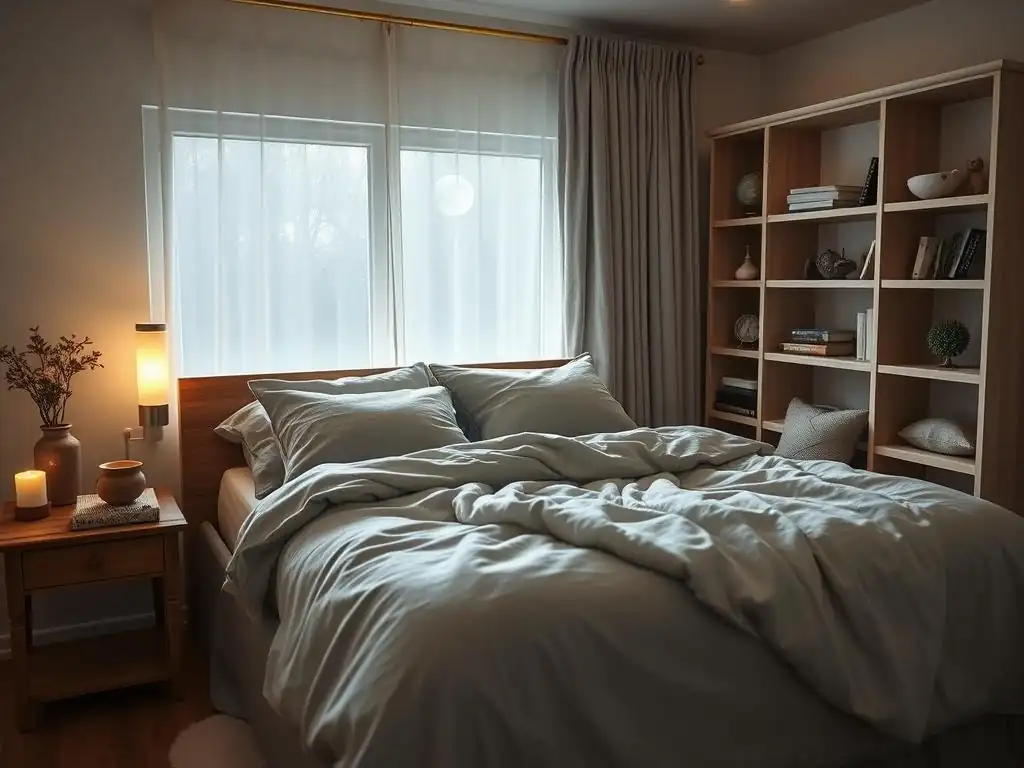
Replacing the habit of using technology before bed requires cultivating new, calming activities that prepare the mind and body for rest. Instead of scrolling through social media or watching videos, dedicate the hour or two before sleep to a relaxing wind-down routine. This could involve a warm bath, listening to calming music (not on a bright screen! ), or engaging in quiet hobbies like knitting or drawing. The key is to choose activities that are low-stimulation and promote a sense of peace and tranquility, easing the transition into sleep in your techfree bedroom sleep sanctuary.
Another excellent alternative is spending quality time with a partner or family members without the distraction of screens. Engage in quiet conversation, play a board game that isn't overly stimulating, or simply enjoy each other's company. This can foster connection and reduce the feeling of needing technology for entertainment or interaction, reinforcing the purpose of your techfree bedroom sleep sanctuary.
Reading a Physical Book: Rediscovering the Joy of Paper
Reading a physical book is a classic and highly effective way to wind down before sleep. Unlike reading on a tablet or e-reader that emits blue light, a traditional paper book does not interfere with melatonin production. The tactile experience of holding a book and turning pages can be calming in itself. Choose a book that is engaging but not so thrilling that it keeps your mind racing – fiction, biographies, or non-fiction on a relaxing topic can be good choices.
Dedicate a specific amount of time each evening to reading in bed or a comfortable chair with soft, warm lighting. This creates a clear signal to your brain that it's time to transition towards sleep. Studies suggest that reading for just six minutes can reduce stress levels by as much as 68%, making it an ideal activity for unwinding before entering your techfree bedroom sleep sanctuary.
Gentle Stretching and Yoga for Relaxation
Incorporating gentle stretching or restorative yoga into your pre-sleep routine can help release physical tension and calm the nervous system. Simple stretches held for 30 seconds to a minute, focusing on areas like the neck, shoulders, hips, and hamstrings, can improve circulation and flexibility. Avoid vigorous exercise close to bedtime, as this can be stimulating.
Restorative yoga poses, such as Legs-Up-The-Wall or Child's Pose, are designed to promote deep relaxation. These poses are typically held for several minutes with the support of props like blankets or bolsters, encouraging passive stretching and a sense of release. Combining gentle movement with slow, deep breathing can significantly reduce stress and prepare the body for rest within your techfree bedroom sleep sanctuary environment.
Meditation and Mindfulness Practices for Sleep
Meditation and mindfulness are powerful tools for calming a busy mind and reducing anxiety, both common barriers to sleep. Dedicating 10-20 minutes before bed to meditation can help quiet racing thoughts and bring your attention to the present moment. This doesn't require any special equipment, just a quiet space and a willingness to focus on your breath or a guided meditation.
Simple mindfulness practices, such as body scans or focusing on sensory details like the feeling of the blankets or the sound of your breath, can also help ground you and shift your focus away from worries. Regular practice can improve your ability to fall asleep and stay asleep, fostering a state of peacefulness that aligns perfectly with the goal of a techfree bedroom sleep sanctuary.
Journaling: Reflecting on Your Day Without Screens
Journaling can be an effective way to process thoughts and emotions that might otherwise keep you awake. Before bed, take a few minutes to write down anything that is on your mind – worries, to-do lists for the next day, or reflections on positive experiences. Getting these thoughts out of your head and onto paper can create mental space and reduce rumination.
Keep a notebook and pen on your bedside table for this purpose. Avoid using a digital device for journaling, as the screen light can be counterproductive. Focus on expressing yourself freely without worrying about grammar or structure. This practice can help you leave the day's stresses behind and enter your techfree bedroom sleep sanctuary with a clearer mind.
Creating a Bedtime Routine That Promotes Relaxation
Establishing a consistent bedtime routine is crucial for signaling to your body that it's time to wind down. This routine should ideally start about 30-60 minutes before your desired sleep time and involve a sequence of calming activities performed in the same order each night. Consistency helps regulate your internal body clock and makes the transition to sleep smoother.
Your routine might include some of the activities mentioned above, such as reading, gentle stretching, or journaling. It could also involve taking a warm shower or bath, listening to quiet music, or having a decaffeinated herbal tea. The key is to create a predictable sequence of relaxing activities that helps you mentally and physically prepare for sleep within your techfree bedroom sleep sanctuary.
Essential Elements of a Tech-Free Sleep Environment
The Importance of a Comfortable Mattress and Pillows
While removing technology is paramount, the physical comfort of your bed is equally important for achieving restful sleep in a techfree bedroom sleep sanctuary. A comfortable mattress provides proper support for your spine and body, helping to alleviate pressure points and prevent aches and pains that can disrupt sleep. The right mattress should be neither too hard nor too soft for your body type and sleep position.
Pillows are also critical for maintaining proper spinal alignment from your neck to your back. The ideal pillow should support the natural curve of your neck and head, whether you sleep on your back, side, or stomach. Using pillows that are too high, too low, or too worn out can lead to discomfort and stiffness. Investing in a quality mattress and pillows appropriate for your needs can significantly enhance sleep quality.
Choosing the Right Bedding for a Restful Night's Sleep
The type of bedding you use can greatly impact your comfort level and ability to regulate body temperature throughout the night. Fabrics like cotton, linen, or bamboo are breathable and help wick away moisture, which is important for staying cool and comfortable. Synthetic materials like polyester can trap heat and lead to overheating. Consider the climate you live in and choose bedding with appropriate insulation – lighter sheets and blankets for warmer months, and warmer duvets or quilts for colder seasons.
The feel of the bedding also matters; soft, smooth textures can contribute to a sense of luxury and relaxation. Ensure your sheets and blankets are clean and fresh, as cleanliness also contributes to a comfortable sleep environment. The right bedding complements the calming atmosphere of your techfree bedroom sleep sanctuary.
Incorporating Natural Elements to Enhance Relaxation
Bringing elements of nature into your bedroom can enhance the sense of calm and tranquility. Houseplants, for example, can improve air quality by filtering toxins, and their presence can have a visually soothing effect. Be sure to choose plants that are safe for indoor environments and require minimal care. Examples include Snake Plants or ZZ Plants, known for their air-purifying qualities.
Using natural materials in your decor, such as wood, stone, or cotton, can also contribute to a grounding and peaceful atmosphere. Consider a small water feature for gentle, soothing sounds, or incorporate natural textures like a woven rug or wooden furniture. These elements help create a connection to the natural world, fostering relaxation in your techfree bedroom sleep sanctuary.
Aromatherapy for Sleep: Using Essential Oils Safely
Certain essential oils are known for their relaxing and sleep-promoting properties and can be incorporated into your techfree bedroom sleep sanctuary using a diffuser. Lavender is perhaps the most well-known, with studies suggesting it can improve sleep quality and duration. Other calming oils include chamomile, valerian, bergamot, and sandalwood.
Use a diffuser in your bedroom for a short period before bedtime, or place a few drops on a tissue near your pillow. Always use high-quality, pure essential oils and follow safety guidelines, especially if you have pets or respiratory conditions. Avoid applying undiluted oils directly to the skin. Aromatherapy can be a pleasant addition to your pre-sleep routine, signaling to your body that it's time to wind down.
Troubleshooting Common Tech-Free Bedroom Challenges
Dealing with Tech Cravings Before Bed
One of the biggest challenges when creating a techfree bedroom sleep sanctuary is overcoming the urge to use devices, especially when feeling bored or restless. Recognize these cravings as habits that can be retrained. When the urge strikes, immediately engage in one of your planned alternative activities, such as reading, journaling, or listening to calming music. Have these alternatives readily available and appealing.
It can be helpful to identify why you are craving tech. Are you bored, anxious, or just habitually reaching for your phone? Addressing the underlying need can make it easier to resist the urge. Setting clear boundaries and reminding yourself of the benefits of a techfree bedroom sleep sanctuary – better sleep, reduced stress – can also strengthen your resolve. Consider keeping a list of reasons why you're doing this visible near your bed.
Managing Anxiety and Racing Thoughts Without Technology
Many people use technology as a distraction from anxious thoughts or worries. Removing this crutch in a techfree bedroom sleep sanctuary can initially make these thoughts more prominent. Develop non-tech coping mechanisms to manage anxiety before bed. Mindfulness techniques, like deep breathing exercises or guided meditation focused on relaxation, can help quiet a busy mind.
Journaling, as mentioned earlier, is excellent for externalizing worries. If specific issues are causing significant anxiety, dedicate time earlier in the evening to problem-solve or plan, so you're not trying to do it when you should be winding down. If anxiety is persistent or severe, consider seeking support from a mental health professional; they can provide strategies and coping tools tailored to your needs.
Staying Connected While Maintaining a Tech-Free Bedroom
Creating a techfree bedroom sleep sanctuary doesn't mean you have to be completely disconnected from the world. The key is to manage when and where you use technology. Communicate your new bedroom boundaries to family and friends so they understand you won't be reachable by phone or text during specific hours. For emergencies, consider using a landline phone outside the bedroom or having a dedicated, simple non-smart phone for essential calls only, kept out of sight unless absolutely necessary.
Designate a charging station and "tech-off" time well before bed. This allows you to check messages or make important calls before your wind-down routine begins. By being intentional about your tech use outside the bedroom, you can maintain connections without compromising your sleep environment.
Establishing a techfree bedroom sleep sanctuary can be more complex when sharing a room with a partner or roommate who may have different habits. Open and empathetic communication is essential. Discuss the science behind why you want a tech-free space and the benefits you hope to achieve. Try to find common ground and areas where you can compromise.
Perhaps you can agree on a "no screens after X time" rule for both of you, or designate a specific charging area outside the room for all devices. If one person still needs a device for work or other reasons, discuss using it with headphones and very low brightness, or ideally, in another room entirely. Creating a shared understanding and mutual respect for the sleep environment is key.
The Long-Term Benefits of a Tech-Free Sleep Sanctuary
Improved Sleep Quality and Duration
Consistently sleeping in a techfree bedroom sleep sanctuary directly contributes to better sleep. By minimizing exposure to blue light and reducing mental stimulation before bed, you make it easier to fall asleep faster. The calming environment and relaxing pre-sleep routine help you stay asleep longer and experience more restorative sleep cycles.
Over time, this leads to improved sleep quality and duration compared to nights spent with devices nearby. For instance, someone who used to take 45 minutes to fall asleep might find they now drift off within 15-20 minutes after removing tech and establishing a routine. This cumulative effect of more efficient and deeper sleep has wide-ranging positive impacts on overall health and well-being.
Reduced Stress and Anxiety Levels
The constant influx of notifications, emails, and social media updates from electronic devices can contribute significantly to stress and anxiety. Removing these sources of potential stress from your bedroom creates a mental buffer zone. Your techfree bedroom sleep sanctuary becomes a place of peace, free from the pressures and demands of the digital world.
By not engaging with stimulating content or potential stressors right before bed, you allow your mind to truly relax. This reduction in evening stress translates to lower overall anxiety levels, making it easier to unwind and prepare for sleep.
Enhanced Cognitive Function and Focus
Adequate, quality sleep is fundamental to optimal cognitive function. When you consistently get enough restorative sleep in your techfree bedroom sleep sanctuary, your brain has the opportunity to perform essential processes like memory consolidation and information processing. This leads to improved concentration, problem-solving skills, and creativity during your waking hours.
Chronic sleep deprivation, often exacerbated by technology use before bed, impairs cognitive function, making it harder to focus, learn, and make decisions. By prioritizing sleep through a tech-free environment, you invest directly in your mental sharpness and productivity.
A Healthier Relationship with Technology
Creating a techfree bedroom sleep sanctuary encourages a more mindful and intentional relationship with technology overall. By setting clear boundaries around its use, you become more aware of your habits and dependencies. This practice can extend beyond the bedroom, prompting you to question when and why you are using devices throughout the day.
This intentionality can lead to a healthier balance, where technology serves as a tool rather than a constant source of distraction or obligation. It helps reinforce the understanding that there are times and places for technology, and the bedroom, dedicated to rest and rejuvenation, is not one of them.
Beyond the Bedroom: Extending the Tech-Free Mindset
Creating Tech-Free Zones in Other Areas of Your Home
The principles applied to creating a techfree bedroom sleep sanctuary can be extended to other areas of your home to foster greater peace and connection. Consider designating the dining table as a "no-phone zone" during meals to encourage family conversation. Create a "tech-free hour" in the living room each evening where everyone puts away devices and engages in activities like talking, playing games, or listening to music.
Identifying other spaces or times where technology commonly intrudes and setting clear boundaries can help reclaim these areas for human connection and relaxation. This reinforces the idea that not every moment needs to be filled with digital stimulation.
Setting Boundaries for Technology Use Throughout the Day
Managing technology effectively isn't just about limiting it at night; it involves setting conscious boundaries throughout the day. This could mean turning off non-essential notifications, scheduling specific times to check emails or social media rather than constantly reacting, or taking short "digital detox" breaks during work hours.
Using app timers or website blockers can help enforce these boundaries. Being mindful of your technology use during the day can reduce the feeling of being constantly "on call" and make the transition to a techfree bedroom sleep sanctuary feel less jarring.
Prioritizing Mental Well-being Through Digital Detox
Ultimately, creating a techfree bedroom sleep sanctuary and extending the digital detox mindset are acts of prioritizing your mental well-being. Reducing constant connectivity and exposure to stimulating content allows your mind more space to rest, process, and simply be. This can lead to reduced feelings of overwhelm, improved focus, and a greater sense of presence in your daily life.
Viewing digital detox not as deprivation but as an investment in your health and happiness is crucial. It's about reclaiming time and mental energy for activities that truly nourish you, leading to a more balanced and fulfilling life, supported by restful nights in your techfree bedroom sleep sanctuary.
Frequently Asked Questions
How can creating a tech-free bedroom improve my sleep?
Removing electronic devices like phones and tablets from your bedroom helps regulate your body's natural sleep-wake cycle (circadian rhythm). This reduction in blue light exposure promotes better sleep quality and duration.
What are the key elements of a tech-free bedroom sleep sanctuary?
Prioritize a dark, quiet, and cool environment. Replace electronic devices with analog alternatives like a physical alarm clock and books. Focus on creating a calming and relaxing atmosphere.
Why is it important to avoid using my phone in bed, even for reading?
The blue light emitted from phone screens suppresses melatonin production, a hormone crucial for sleep. Even reading articles can keep your mind stimulated and awake, hindering relaxation.
What if I use my phone as an alarm clock? What are some alternatives?
Consider using a traditional alarm clock or a sunrise alarm clock. These alternatives offer a gentle wake-up experience without exposing you to the harmful effects of phone screens.
How long does it typically take to adjust to a tech-free bedroom and see improvements in sleep?
It varies, but most people notice improvements within one to two weeks of consistently maintaining a tech-free bedroom. Patience and consistency are key to establishing a healthy sleep routine.
Final Reflection: Reclaiming Your Bedroom, Reclaiming Your Sleep
The relentless hum of technology pervades modern life, and its impact on our sleep is undeniable. We've explored the creation of a tech-free bedroom sanctuary, a space dedicated to rest and rejuvenation, and the profound difference it can make in our overall well-being. The pursuit of a peaceful, technology-free sleep environment isn't just a trend; it's a necessary step towards reclaiming our health and mental clarity.
The shift towards a more mindful approach to sleep, away from the constant stimulation of screens, is a powerful cultural movement. We're increasingly recognizing the detrimental effects of blue light and the constant connectivity that prevents our minds from truly unwinding. This conscious disconnection allows for a deeper, more restorative sleep, impacting not only our physical health but also our emotional and mental resilience. Sleep is the golden chain that ties health and our bodies together.
– Thomas Dekker. This quote highlights the crucial link between sleep quality and overall well-being, a link strengthened by creating a tech-free sanctuary.
Now, consider your own bedroom. What steps can you take to create your own personal haven of peace? Start small – perhaps by removing your phone from your bedside table, or dimming the lights an hour before bed. Each small change you make contributes to a larger shift towards prioritizing your sleep and, ultimately, your well-being. Embrace the quiet, embrace the darkness, and embrace the transformative power of a truly tech-free sleep sanctuary. You deserve the gift of restful sleep.
Reclaim Your Nights: Design Your Tech-Free Sleep Haven
Thanks for taking the time to explore how to create a tech-free bedroom sanctuary! We hope you gained valuable insights into improving your sleep quality. Now it's time to put that knowledge into action.
Here's how you can start building your perfect sleep haven:
- Begin your tech detox tonight! Put your phone on "Do Not Disturb" an hour before bed, and leave it in another room to charge. This is your primary step towards better sleep.
- Try a calming pre-sleep ritual. This could include a warm bath, reading a physical book, or gentle stretching. Experiment to find what works best for you.
- Share your tech-free sleep tips with friends and family! Let's build a community committed to better rest.
Ready to experience the transformative power of a tech-free sleep environment? What small step will you take tonight to create your own peaceful sanctuary?