
The Role of Dopamine in Tech Addiction: Understanding the Cycle

Welcome to Mind Care Guide, a sanctuary for your mental well-being.
Are you feeling perpetually drawn to your devices, caught in a seemingly endless loop? You're not alone. Many are experiencing the pull of the dopamine addiction tech cycle. This article delves into the science behind it, offering insights into how technology leverages our brain's reward system and, more importantly, provides actionable steps to break free and reclaim your mental space. Let's explore this complex relationship together and discover pathways to a healthier connection with technology.
The Role of Dopamine in Social Media Addiction: Understanding the Cycle
- Introduction: The Dopamine-Driven Social Media Obsession
- What is Dopamine and How Does it Work?
- The Dopamine Social Media Cycle Explained
- The Dark Side of Social Media-Induced Dopamine Release
- Recognizing the Signs of Social Media Addiction
- Breaking Free from the Dopamine Social Media Cycle
- Re-Engaging with Real-World Rewards
- The Long-Term Benefits of a Balanced Social Media Life
- Seeking Professional Help for Social Media Addiction
- Conclusion: Taking Control of Your Dopamine and Your Social Media Use
-
Frequently Asked Questions
- What exactly is the "Dopamine Addiction Tech Cycle," and how does it relate to technology use?
- How does dopamine contribute to the addictive nature of technology?
- What are some signs that someone might be experiencing a "Dopamine Addiction Tech Cycle"?
- What are some strategies to break free from the "Dopamine Addiction Tech Cycle"?
- Where can I find further information and support for managing technology addiction and its impact on mental well-being?
- Final Reflection: Breaking the Dopamine Loop in the Digital Age
- Unlock Your Digital Wellbeing: Break Free from the Cycle
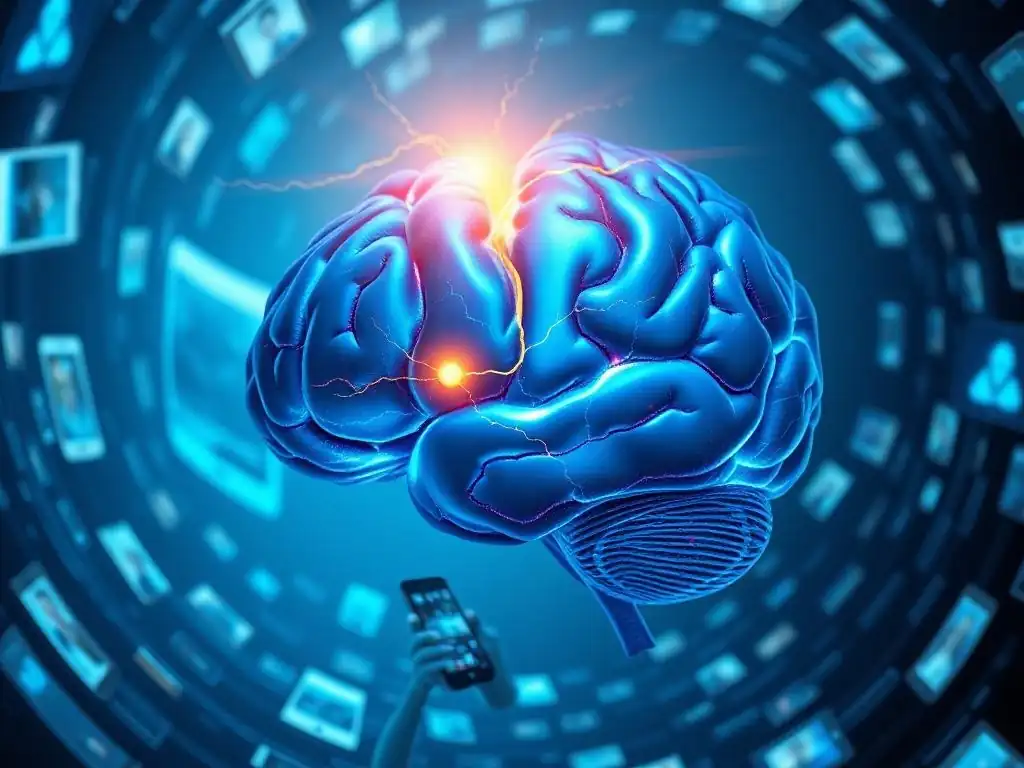
Social media platforms are designed to be engaging, and they tap directly into our brain's natural reward pathways. When we post something online and receive positive feedback, like likes, comments, or shares, our brain releases dopamine. This neurotransmitter is strongly associated with pleasure and reward, creating a positive feedback loop. Each notification, each interaction, provides a small burst of this feel-good chemical, making the experience inherently reinforcing. This constant stream of potential rewards encourages us to return to the platforms repeatedly, seeking that next hit of validation.
This neurological response isn't accidental; platform designers often leverage psychological principles, including operant conditioning, to maximize user engagement. The intermittent reinforcement provided by unpredictable likes or comments is particularly potent. Unlike a guaranteed reward, the uncertainty of when and how much positive feedback you'll receive keeps users hooked, checking their phones compulsively. This mechanism forms the core of the dopamine social media cycle, driving behaviors that can easily become habitual and, for some, problematic.
Understanding the dopamine social media cycle is crucial for maintaining healthy digital habits and overall mental well-being. When our brains become accustomed to frequent, easily obtainable dopamine hits from social media, it can impact our motivation for activities that provide rewards on a different, slower timescale, such as pursuing long-term goals, engaging in deep work, or nurturing real-world relationships. The constant seeking of instant gratification can diminish our tolerance for less immediate rewards, potentially leading to feelings of restlessness, decreased focus, and even symptoms akin to withdrawal when offline.
Furthermore, relying heavily on external validation from social media for dopamine boosts can erode self-esteem and contribute to anxiety and depression. If online interactions become the primary source of reward, negative feedback or a lack of engagement can be perceived as significant personal failures, triggering distress. Recognizing the power of this dopamine addiction tech cycle allows individuals to take conscious steps to regain control over their digital consumption and prioritize activities that foster genuine connection and lasting fulfillment.
What is Dopamine and How Does it Work?
Dopamine: The Neurotransmitter of Reward and Motivation
Dopamine is a key neurotransmitter in the brain, often dubbed the "feel-good" chemical, but its role is more complex than simply pleasure. It's fundamentally involved in motivation, reward, and learning. When we experience something pleasurable or anticipate a reward, dopamine is released in specific brain regions, like the nucleus accumbens.
This release doesn't just cause pleasure; it also signals to the brain that the preceding action was worthwhile and should be repeated. It's the driving force that motivates us to seek out and engage with things that are beneficial for survival or well-being, from eating delicious food to social interaction.
Beyond just pleasure and motivation, dopamine plays a critical role in cognitive functions such as attention, memory, and decision-making. It helps us learn which actions lead to rewards and form habits based on those learned associations. The strength of the dopamine signal can influence how memorable an experience is and how likely we are to repeat the behavior that led to it. This makes dopamine a powerful shaper of our behavior, laying the neurological groundwork for everything from healthy habits to, potentially, addictive patterns.
The Brain's Reward System: A Simplified Explanation
The brain's reward system is a network of structures that work together to process pleasure and motivation, primarily involving the mesolimbic pathway. This pathway originates in the ventral tegmental area (VTA), where dopamine-producing neurons reside. These neurons project to areas like the nucleus accumbens, amygdala (involved in emotion), hippocampus (involved in memory), and prefrontal cortex (involved in planning and decision-making). When a rewarding stimulus is encountered, the VTA releases dopamine into these target areas.
This release creates a signal that reinforces the behavior that led to the reward. For example, if you are hungry and eat something tasty, dopamine is released, signaling to your brain that eating was good and you should do it again when hungry. The system is designed to encourage behaviors essential for survival, but it can be hijacked by substances or activities that cause an unnaturally large or frequent release of dopamine, leading to the development of addictive behaviors, including those potentially linked to the dopamine social media cycle.
Dopamine's Role in Learning and Habit Formation
Dopamine is intimately involved in associative learning and habit formation. It acts as a teaching signal, strengthening the neural connections associated with actions that predict or result in a reward. When a behavior is followed by a dopamine release, the brain learns to associate that behavior with the positive outcome. This process is known as reinforcement learning. Over time, as the association is strengthened through repetition, the behavior can become automatic, forming a habit.
Consider the simple act of checking email. Initially, it might be a conscious decision. However, if checking email is occasionally rewarded with something positive (an interesting message, a social invitation), dopamine is released, reinforcing the checking behavior. Eventually, the mere cue of a new email notification can trigger the urge to check, even without a conscious decision. This is the power of dopamine in habit formation, illustrating how the brain efficiently automates behaviors that have historically led to rewards, a principle deeply exploited in the design of addictive technologies like social media.
Social media platforms are expertly crafted to trigger dopamine release through various mechanisms. The core principle is the delivery of social rewards. When a user posts content, the anticipation of how others will react creates a state of heightened attention. Receiving likes, comments, shares, or followers activates the brain's reward system, leading to a surge of dopamine. This positive reinforcement makes the user feel good and encourages them to repeat the action, posting more content and checking for reactions more frequently.
Furthermore, the novelty and constant stream of new content on social media also contribute to dopamine release. Our brains are wired to pay attention to novelty, and scrolling through a feed provides a continuous flow of new information, images, and interactions, each with the potential for a small, unpredictable reward. This constant stimulation keeps the reward system engaged, perpetuating the dopamine social media cycle and making it difficult to disengage.
One of the most powerful mechanisms driving engagement in the dopamine addiction tech cycle is the variable reward schedule. Unlike fixed rewards (where you get a reward every time), variable rewards are unpredictable. You don't know when you'll get a like, who will comment, or how many shares your post will receive. This uncertainty is incredibly effective at driving behavior, as seen in slot machines or other forms of gambling. The anticipation of a potential reward keeps users compulsively checking their phones, hoping for that next positive notification.
This intermittent reinforcement makes the behavior highly resistant to extinction. If you got a like every time you checked, the behavior might become predictable and less exciting. But because the rewards are sporadic, the act of checking becomes a gamble with the potential for a payoff, making it highly addictive. This principle is a cornerstone of how platforms maintain high user engagement and fuel the dopamine social media cycle.
Notifications and the Dopamine Rush
Notifications are arguably one of the most potent triggers in the dopamine addiction tech cycle. A notification – a badge icon, a sound, a vibration – serves as a cue that a potential reward is waiting on the platform. This cue alone can trigger an anticipatory release of dopamine, creating an urge to check the phone immediately. The act of checking then often leads to the actual reward (a like, a comment, a message), which provides another dopamine boost, reinforcing the behavior of responding to notifications.
The design of notifications is often optimized to maximize this effect. They are often attention-grabbing and create a sense of urgency or social obligation ("Someone mentioned you," "You have a new message"). This constant stream of pings keeps users tethered to their devices, pulling them back into the social media environment throughout the day. Research suggests that the mere presence of a smartphone, even without notifications, can impact cognitive performance, highlighting the pervasive influence of these devices on our attention and behavior, largely mediated by the underlying dopamine reward system.

The Downward Spiral: From Pleasure to Dependence
While the initial experience of getting likes or comments on social media can be pleasurable due to dopamine release, relying on this source for validation can lead to a downward spiral towards dependence. As the brain becomes accustomed to these frequent, easy rewards, it can develop a tolerance, requiring more stimulation to achieve the same level of satisfaction. This means users might spend increasing amounts of time on platforms, constantly seeking more likes, followers, or interactions to get that familiar dopamine hit.
This pursuit can displace other activities, leading to neglect of work, studies, hobbies, or real-world relationships. The initial pleasure gives way to a compulsion, where the motivation shifts from seeking enjoyment to alleviating discomfort or anxiety caused by not being online or not receiving validation. This transition from casual use to dependence is a key characteristic of the dopamine addiction tech cycle, where the platform becomes less about genuine connection and more about managing an internal need driven by altered neurochemistry.
Diminished Sensitivity: Needing More Engagement for the Same Effect
A significant consequence of chronic overstimulation of the dopamine system by social media is diminished sensitivity. Just as with certain substances, constant exposure to high levels of dopamine can lead the brain to downregulate its dopamine receptors or reduce dopamine production in response to normal stimuli. This means that activities that previously provided satisfaction – like reading a book, spending time in nature, or having a quiet conversation – may feel less rewarding compared to the intense, rapid-fire rewards of social media.
This diminished sensitivity creates a cycle where the individual needs increasingly higher levels of social media engagement (more likes, more controversial posts, more time online) to achieve the same level of dopamine release they once got from less. This escalation is a classic sign of dependence and makes breaking free from the dopamine social media cycle particularly challenging, as the brain has become less responsive to the subtle, slower rewards of the real world.
The Impact on Focus, Attention, and Productivity
The constant switching between tasks and the anticipation of notifications fostered by the dopamine social media cycle can severely impact focus, attention span, and overall productivity. Every time a notification arrives or the urge to check social media strikes, it pulls attention away from the current task. Even brief interruptions can take several minutes for the brain to fully re-engage with the original activity, leading to reduced efficiency and increased errors.
Studies have shown that heavy social media use is correlated with decreased performance on tasks requiring sustained attention. For instance, research indicates that students who frequently switch between studying and social media tend to have lower academic performance. The brain becomes wired for rapid context switching and constant stimulation, making it harder to settle into deep, focused work that requires prolonged concentration, further solidifying the negative effects of the dopamine addiction tech cycle on cognitive function.
Recognizing problematic social media use involves looking beyond mere frequency and examining the impact on daily life and well-being. While there's no official clinical diagnosis of "social media addiction" in the same way as substance addiction, patterns of compulsive use that interfere with life mirror addictive behaviors. Key indicators include spending significantly more time on social media than intended, feeling restless or irritable when unable to access platforms, and neglecting responsibilities or important activities in favor of scrolling.
Other signs involve a preoccupation with social media, constantly thinking about it even when offline, or using it to escape negative feelings. If attempts to cut back are unsuccessful or lead to withdrawal-like symptoms, it's a strong indicator of a problematic relationship with the platforms. These patterns suggest the dopamine social media cycle has become a driving force behind behavior, rather than just a casual pastime.
Symptoms of dopamine-related social media dependence often manifest as a compulsion to seek the rewarding stimuli provided by the platforms. This can include an intense urge to check notifications immediately upon receiving them, feeling anxious or agitated if the phone isn't accessible, or experiencing a sense of emptiness or boredom when not engaged online. The pursuit of likes and validation can become a primary motivator, sometimes leading to behaviors like constantly checking engagement metrics or feeling down if posts don't perform as expected.
Individuals might also exhibit physical symptoms such as disturbed sleep patterns (due to late-night scrolling), eye strain, or even 'phantom vibration syndrome' (feeling like the phone is vibrating when it isn't). Mentally, there can be increased anxiety, feelings of inadequacy from comparing oneself to others' curated online lives, and a diminished capacity to enjoy activities that don't provide instant gratification, all stemming from the altered reward circuitry associated with the dopamine addiction tech cycle.
The Difference Between Enjoyment and Addiction
Distinguishing between enjoying social media and having a problematic dependence lies in the element of control and consequence. Enjoyment implies using social media intentionally, for specific purposes (connecting with friends, sharing updates, finding information), and being able to stop without distress or negative repercussions on other areas of life. It adds value without causing significant problems.
Addiction, or problematic use, is characterized by a lack of control, where the individual feels compelled to use the platform despite negative consequences. This includes neglecting work, relationships, or health; experiencing withdrawal symptoms when offline; and continuing to use even when aware of the harm it causes. The activity shifts from being a choice to a compulsion driven by the need to satisfy the craving generated by the dopamine social media cycle, rather than genuine pleasure or connection.
Managing social media use effectively requires conscious strategies to regain control over the dopamine social media cycle. One approach is setting strict time limits using built-in phone features or third-party apps. For instance, limiting Instagram to 30 minutes a day or allowing Twitter only during specific breaks. Another strategy is to turn off non-essential notifications to reduce the constant cues that trigger checking behavior.
Consider designating "phone-free" times or zones, such as during meals, before bed, or in the first hour after waking up. Engaging in offline activities immediately upon waking can help prevent the day from starting with a dopamine hit from the phone. Curating your feed to follow accounts that genuinely enrich your life, rather than those that trigger comparison or anxiety, can also make the experience less compulsively rewarding and more intentional.
Implementing a Digital Detox: A Step-by-Step Guide
A digital detox can be a powerful way to reset your relationship with technology and break the hold of the dopamine addiction tech cycle. Start small, perhaps with a few hours or a single day phone-free. Gradually increase the duration, aiming for a weekend or even longer if possible.
Here’s a simple guide:
- [ ] Announce your detox intentions to friends/family so they know why you might be unresponsive.
- [ ] Delete social media apps from your phone temporarily. Accessing via a web browser on a computer is less convenient and reduces impulsive checking.
- [ ] Fill the time you would normally spend online with alternative activities (see 'Re-Engaging with Real-World Rewards').
- [ ] Observe the feelings and urges that arise during the detox without judgment. This awareness is key.
- [ ] Reflect on your experience. What did you miss? What didn't you miss? What did you gain?
- [ ] Plan how you will re-introduce technology intentionally after the detox, setting new boundaries.
Mindfulness can be an invaluable tool for recognizing and resisting the urges generated by the dopamine social media cycle. When the impulse to check social media arises, instead of automatically reaching for your phone, pause and notice the sensation. Where do you feel it in your body? What thoughts are accompanying it? Simply observing the craving without acting on it can weaken its power over time.
Practice techniques like mindful breathing: when an urge hits, take three deep breaths, focusing solely on the sensation of air entering and leaving your lungs. This creates a space between the urge and the action. You can also use body scan meditations to become more aware of your physical state, helping you discern between a genuine need and a dopamine-driven craving. Over time, mindfulness helps you become the observer of your habits, empowering you to make conscious choices rather than reacting automatically to triggers.
Re-Engaging with Real-World Rewards

Breaking the dopamine addiction tech cycle requires finding alternative sources of reward that are not tied to screens and notifications. The goal is to remind your brain that fulfilling activities exist offline and can provide sustainable satisfaction. This doesn't mean every offline activity will provide the same intense, rapid dopamine surge as a viral post, but they offer different, often deeper, forms of reward: a sense of accomplishment, genuine connection, physical well-being, and personal growth.
Explore activities that engage your senses and require active participation. This could be anything from cooking a new recipe, going for a walk in nature, playing a musical instrument, or engaging in a craft. The key is to find things you genuinely enjoy and that provide internal validation rather than external likes. Successfully completing a challenging task or learning a new skill, for instance, triggers dopamine release associated with mastery and achievement.
Cultivating Hobbies and Interests
Investing time and energy in hobbies and interests is a crucial step in rebalancing your brain's reward system away from the dopamine social media cycle. Hobbies provide intrinsic motivation; you do them because you enjoy the process itself, not just for external validation. Whether it's gardening, painting, coding, or playing a sport, engaging in these activities offers numerous rewards: the satisfaction of improving a skill, the joy of creating something, the physical benefits of exercise, or the mental relaxation of focused engagement.
Consistent engagement with a hobby provides a steady stream of positive reinforcement and accomplishment, which can help diminish the perceived need for constant social media validation. For example, dedicating an hour each evening to practicing guitar or working on a creative project can provide a more stable and meaningful sense of progress and reward than hours spent scrolling through feeds. This shift helps build new neural pathways associated with these offline rewards.
Real-world social connections are a fundamental source of human well-being and provide different, often more profound, types of reward than online interactions. Engaging in face-to-face conversations, spending quality time with loved ones, participating in group activities, or volunteering all stimulate the release of various neurochemicals associated with bonding, trust, and happiness, including oxytocin and serotonin, in addition to dopamine.
Prioritizing time with friends and family, joining clubs or groups based on shared interests, or simply having a meaningful conversation can counteract the superficiality and potential for loneliness sometimes associated with excessive social media use. These interactions provide genuine empathy, support, and belonging, offering a richer and more sustainable form of reward than the transient validation found online. Strengthening these bonds helps build resilience and reduces the reliance on the dopamine addiction tech cycle for social connection.
Improved Mental Clarity and Focus
Achieving a balanced relationship with social media, moving away from the compulsive checking driven by the dopamine addiction tech cycle, yields significant benefits for mental clarity and focus. When the brain is no longer constantly anticipating the next notification or dealing with the cognitive load of switching between numerous online stimuli, it has more capacity for sustained attention and deeper thought. This can lead to improved concentration on tasks, better problem-solving skills, and a greater ability to engage in complex activities without feeling easily distracted.
Reducing the constant influx of information and social comparison also frees up mental energy previously consumed by these activities. This allows for clearer thinking, reduced mental fatigue, and an increased ability to be present in the moment. People often report feeling less overwhelmed and more in control of their thoughts and attention once they have established healthier boundaries with their digital devices.
Enhanced Emotional Well-being
A balanced approach to social media is strongly linked to enhanced emotional well-being. Reducing time spent scrolling through carefully curated highlight reels of others' lives can significantly decrease feelings of inadequacy, envy, and social comparison. Instead of constantly measuring oneself against unrealistic online standards, individuals can focus on their own lives, progress, and genuine connections.
Moreover, freeing up time previously spent online allows for greater engagement in activities known to boost mood and reduce stress, such as exercise, hobbies, spending time in nature, and nurturing real-life relationships. Less reliance on external validation from the dopamine social media cycle fosters greater self-acceptance and internal resilience, leading to decreased anxiety and symptoms of depression and a more stable emotional state.
Reclaiming Your Time and Attention
Perhaps one of the most tangible benefits of breaking free from the compulsive dopamine addiction tech cycle is reclaiming significant amounts of time and attention. Social media platforms are designed to maximize time spent on them, often consuming hours each day without the user fully realizing it. By setting boundaries and reducing automatic checking behaviors, individuals can free up this time for more productive, meaningful, or restful activities.
Consider the cumulative effect: if someone spends an average of two hours a day on social media, reducing that by half frees up seven hours a week, or over 360 hours a year. This reclaimed time can be redirected towards personal growth, professional development, spending time with loved ones, pursuing passions, or simply resting and recharging. This intentional allocation of time and attention is a powerful step towards living a more fulfilling and self-directed life, less dictated by the algorithms of the dopamine social media cycle.
When to Consider Therapy or Counseling
It's important to consider seeking professional help from a therapist or counselor if problematic social media use is significantly impacting your life and you find it difficult to cut back on your own. This includes situations where social media is causing distress in your relationships, negatively affecting your job or school performance, leading to financial problems (e.g., from in-app purchases driven by online influence), or contributing to mental health issues like severe anxiety or depression.
If attempts to limit usage have failed repeatedly, or if you experience significant withdrawal symptoms such as intense irritability, restlessness, or mood swings when offline, these are strong indicators that professional support could be beneficial. A therapist can help you understand the underlying reasons for the compulsive behavior and develop coping strategies to manage the urges associated with the dopamine addiction tech cycle.
Cognitive Behavioral Therapy (CBT) is a common and effective therapeutic approach for addressing problematic social media use and the dopamine addiction tech cycle. CBT helps individuals identify the thoughts, feelings, and behaviors that contribute to excessive social media use. The therapist works with the client to challenge negative or irrational thought patterns (e.g., "I need likes to feel worthy," "I'm missing out if I'm not online") that drive the compulsive behavior.
CBT also teaches practical strategies to change behavior, such as scheduling specific times for social media use, identifying triggers for excessive use, developing alternative activities, and practicing techniques to resist cravings. Through CBT, individuals can learn to modify their response to the cues and rewards offered by social media, effectively rewiring their relationship with the platforms and breaking free from the cycle of dependence.
Support Groups and Resources for Digital Detox
Beyond individual therapy, support groups and online resources can provide valuable assistance for those struggling with problematic social media use. Connecting with others who understand the challenges of managing the dopamine social media cycle can reduce feelings of isolation and provide a sense of community. Groups like Internet and Technology Addicts Anonymous (ITAA) offer a structured program based on the 12 steps, providing peer support and a framework for recovery.
Numerous websites and apps also offer tools and information for digital detox and mindful technology use. These resources can provide tips for setting boundaries, tracking usage, understanding the psychological mechanisms at play, and finding offline alternatives. While not a substitute for professional therapy in severe cases, these resources can be helpful complements for individuals seeking to build healthier digital habits and manage the influence of the dopamine addiction tech cycle.
The Importance of Awareness and Self-Regulation
Understanding the role of dopamine in the social media cycle is the crucial first step toward regaining control. Awareness of how platforms are designed to tap into our reward systems empowers us to view our usage not just as a personal failing, but as a response to powerful psychological triggers. Recognizing the signs of problematic use, from neglecting responsibilities to experiencing withdrawal symptoms, is vital for acknowledging the need for change.
Self-regulation involves actively implementing strategies to manage our digital behavior. This isn't about demonizing social media entirely, but about using it intentionally and mindfully. Setting clear boundaries, scheduling usage, turning off notifications, and consciously choosing offline activities are all acts of self-regulation that help to break the automatic, compulsive loop of the dopamine addiction tech cycle. It requires consistent effort, but the ability to control your technology use is a fundamental aspect of modern well-being.
Building a healthier relationship with social media is an ongoing process that involves establishing new habits and perspectives. It means shifting from using platforms out of boredom, compulsion, or a need for external validation, to using them purposefully for genuine connection, information, or creative expression. This involves curating your online environment to be positive and enriching, rather than anxiety-inducing or time-wasting.
Ultimately, taking control of your dopamine and your social media use is about prioritizing your mental and emotional health. It's about recognizing that while social media can offer benefits, its design can exploit our natural reward pathways, potentially leading to a problematic dopamine addiction tech cycle. By becoming aware of these mechanisms, setting boundaries, cultivating offline rewards, and seeking help when needed, you can build a balanced digital life that supports, rather than detracts from, your overall well-being.
Frequently Asked Questions
What exactly is the "Dopamine Addiction Tech Cycle," and how does it relate to technology use?
The Dopamine Addiction Tech Cycle refers to the way technology, especially social media and gaming, exploits our brain's reward system. These platforms provide intermittent rewards, triggering the release of dopamine, leading to compulsive use and addiction.
How does dopamine contribute to the addictive nature of technology?
Dopamine is a neurotransmitter associated with pleasure and reward. Technology companies design their platforms to stimulate dopamine release, creating a feedback loop where users crave the instant gratification they receive.
What are some signs that someone might be experiencing a "Dopamine Addiction Tech Cycle"?
Signs include spending excessive time on devices, experiencing withdrawal symptoms when unable to use technology, neglecting responsibilities, and feeling anxiety or depression related to tech use.
What are some strategies to break free from the "Dopamine Addiction Tech Cycle"?
Strategies include setting time limits on tech use, engaging in alternative activities that provide natural dopamine boosts (exercise, hobbies), and practicing mindfulness to become aware of triggers.
Where can I find further information and support for managing technology addiction and its impact on mental well-being?
Mind Care Guide offers a wealth of information, support, and resources related to mental well-being and technology overuse. You can also consult with a mental health professional for personalized guidance.
Final Reflection: Breaking the Dopamine Loop in the Digital Age
The relentless pursuit of digital gratification, fueled by the dopamine rush of notifications and likes, is no longer a futuristic dystopia; it's our present reality. The intricate dance between technology and our brain's reward system, as explored throughout this article, has profound implications for our mental well-being and societal structures. Understanding the dopamine-driven cycle of tech addiction is the crucial first step towards reclaiming control over our digital lives.
The pervasive influence of technology on our daily lives is undeniable, shaping our relationships, our work, and even our sense of self. The constant stream of information and the readily available rewards offered by social media and apps have fundamentally altered our attention spans and expectations of instant gratification. This constant stimulation, while seemingly harmless, can lead to a dependence that subtly erodes our ability to find satisfaction in less immediate, more meaningful pursuits. The greatest danger for most of us is not that our aim is too high and we miss it, but that it is too low and we reach it.
- Michelangelo. This quote highlights the importance of setting meaningful goals beyond the fleeting rewards offered by technology.
Now, consider your own relationship with technology. Are you consciously aware of your dopamine triggers? Do you find yourself reaching for your phone even when you're not expecting a notification? This article is not a condemnation of technology, but rather an invitation to mindful engagement. Take control of your digital consumption. Experiment with setting boundaries, exploring alternative activities that bring you genuine joy, and cultivating a more balanced relationship with the technology that surrounds us. The power to break the dopamine loop lies within you.
Unlock Your Digital Wellbeing: Break Free from the Cycle
Thanks for diving deep into the world of dopamine and tech addiction with us! You've now gained valuable insights into the powerful forces shaping your digital habits. Let's turn this knowledge into action.
- Identify your personal tech triggers: Take some time today to honestly reflect on what situations or apps lead to excessive screen time. This is the crucial first step to regaining control.
- Experiment with mindful tech breaks: Try a "digital detox" for even just 30 minutes. Notice how you feel – physically and mentally – when you disconnect. Share your experience in the comments!
- Share this article: Help others understand this often overlooked aspect of digital wellbeing. Pass this insightful piece on to a friend or family member who might benefit from it.
Ready to take control of your relationship with technology? What’s your biggest takeaway from understanding the role of dopamine in tech addiction?