
The Mental Health App Revolution: A Guide to the Digital Transformation of Care


Welcome to Mind Care Guide, your sanctuary for navigating the complexities of mental well-being. Feeling overwhelmed by the search for effective support? You're not alone. In today's digital age, technology offers innovative solutions, and we're here to explore one of the most promising: mental health apps. Dive into our Mental health app benefits guide to discover how these digital tools can revolutionize your care and empower your journey to a healthier, happier you. Curious to unlock the potential of technology for your mental well-being? Let's explore together.
- The Digital Mental Health Revolution: A Guide to Accessible Care
- Exploring the Core Benefits of Mental Health Apps: A Comprehensive Guide
- Key Features and Functionalities of Leading Mental Health Apps
- Evaluating the Effectiveness of Mental Health Apps: Research and Evidence
- Potential Limitations and Drawbacks of Mental Health Apps
- Choosing the Right Mental Health App: A Step-by-Step Guide
- Maximizing the Benefits of Mental Health Apps: Best Practices
- The Future of Mental Health Apps: Trends and Innovations
- Digital Mental Health: Summary and Key Takeaways
-
Frequently Asked Questions
- What are some of the key benefits highlighted in the "Mental Health App Benefits Guide"?
- How does the "Mental Health App Revolution" contribute to the digital transformation of care?
- Are mental health apps a substitute for traditional therapy, as discussed in the "Mental Health App Benefits Guide"?
- What kind of resources does the "Mind Care Guide" offer regarding mental health apps?
- What are some potential drawbacks or considerations when using mental health apps according to the "Mental Health App Benefits Guide"?
- Final Reflection: Navigating the Mental Health App Revolution
- Unlock Your Mental Wellbeing: Take Charge Today!
The Digital Mental Health Revolution: A Guide to Accessible Care
The Growing Need for Accessible Mental Healthcare
The demand for mental health services has significantly outpaced the available resources for years. Globally, an estimated one in four people will experience a mental or neurological disorder at some point in their lives, yet a vast majority in low- and middle-income countries receive no treatment. Even in high-income countries, barriers like cost, stigma, and geographical distance prevent many from accessing traditional therapy or counseling. This creates a substantial gap between those who need help and those who receive it, highlighting an urgent need for innovative solutions to extend the reach of mental health support.
The COVID-19 pandemic further exacerbated this need, leading to increased rates of anxiety, depression, and stress worldwide. Lockdowns and social distancing measures disrupted traditional care models and simultaneously accelerated the adoption of digital technologies for health. This period underscored the potential of digital tools, including mental health apps, to provide immediate, discreet, and scalable support when face-to-face options are limited or inaccessible, paving the way for a new era in mental wellness provision.
How Technology is Transforming Mental Health Services
Technology is fundamentally changing how mental health services are delivered, moving from solely clinic-based models to a more hybrid and accessible landscape. Teletherapy platforms have become mainstream, allowing individuals to connect with licensed therapists remotely via video or phone calls. This removes geographical barriers and offers greater flexibility for both practitioners and patients, making therapy more convenient for busy schedules or those in remote areas.
Beyond teletherapy, a diverse ecosystem of mental health apps has emerged, offering a range of tools from mood tracking and meditation guides to digital versions of evidence-based therapies like Cognitive Behavioral Therapy (CBT). These applications leverage the ubiquity of smartphones to put mental wellness support directly into the hands of users. This technological shift is not just about replicating traditional methods digitally but also about creating new ways to monitor, manage, and improve mental well-being on a daily basis, offering significant mental health app benefits.
Exploring the Core Benefits of Mental Health Apps: A Comprehensive Guide
Enhanced Accessibility to Mental Wellness Resources
One of the most significant advantages highlighted in any mental health app benefits guide is the dramatic increase in accessibility. Mental health apps break down geographical barriers, allowing individuals in rural areas or those with mobility issues to access support without needing to travel. They also offer support 24/7, meaning help is available during moments of crisis or difficulty, regardless of clinic hours or therapist availability. This constant accessibility is crucial for individuals who may need immediate coping strategies or support outside of scheduled appointments.
Furthermore, apps can provide resources in multiple languages and formats, catering to diverse needs and preferences. For someone struggling with social anxiety, the prospect of attending an in-person group therapy session might be overwhelming. A mental health app can offer similar group support features through anonymous forums or chat groups, providing a less intimidating entry point into seeking help. This enhanced accessibility ensures that more people, regardless of their circumstances, can find tools to support their mental health journey.
Affordability and Cost-Effectiveness of App-Based Support
Compared to traditional therapy sessions, which can range from $100 to $250 or more per hour depending on location and provider, many mental health apps offer support at a significantly lower cost. Some apps are entirely free, providing basic features like mood tracking or guided meditations. Others operate on a subscription model, with monthly fees often ranging from $10 to $60, which is a fraction of the cost of even a single therapy session. This affordability makes mental health support accessible to individuals who may not have insurance coverage for mental health services or who have limited financial resources.
Even premium subscription apps often provide a wide range of features and content that would require multiple in-person sessions to cover. For instance, an app might offer a complete CBT program spanning several weeks, mood tracking capabilities, mindfulness exercises, and access to community forums, all for a monthly fee equivalent to perhaps 10-20% of the cost of one therapy session. This cost-effectiveness is a major component of the mental health app benefits guide, democratizing access to valuable mental wellness tools.
Anonymity and Privacy Considerations in Digital Mental Health
For many individuals, the stigma associated with seeking mental health support remains a significant barrier. Mental health apps offer a level of anonymity and privacy that can make it easier for people to take the first step towards help. Users can explore resources, track their moods, and engage with therapeutic content without needing to disclose their identity to another person initially. This discreet access allows individuals to explore their feelings and learn coping mechanisms in a private space, reducing the fear of judgment or exposure.
While privacy policies and data security are critical considerations (as discussed later), the inherent nature of using an app on a personal device provides a sense of control and confidentiality. Users can access support from the comfort and privacy of their own homes, without the need to visit a clinic or discuss their challenges face-to-face initially. This aspect of privacy is a key benefit, particularly for those hesitant to seek traditional care due to personal or cultural reasons, making the benefits of mental health apps particularly appealing.
Convenience and Flexibility in Managing Mental Wellbeing
The convenience and flexibility offered by mental health apps are unparalleled. Users can access support whenever and wherever they need it, whether it's a guided meditation during a stressful commute, a quick mood check-in during a work break, or a sleep story before bed. This seamless integration into daily life makes it easier for individuals to prioritize their mental well-being without needing to schedule around appointments or travel time. The ability to engage with tools and exercises on demand empowers users to manage their mental health proactively throughout the day.
This flexibility is especially valuable for individuals with unpredictable schedules, caregiving responsibilities, or those living in areas with limited access to mental health professionals. Instead of waiting days or weeks for an appointment, they can open an app and find immediate tools to help them cope with challenging emotions or situations. This on-demand access is a core element of the mental health app benefits, allowing for continuous support and self-management.
Key Features and Functionalities of Leading Mental Health Apps
Meditation and Mindfulness Exercises for Stress Reduction
Many prominent mental health apps feature extensive libraries of guided meditation and mindfulness exercises. These programs often range from short, two-minute breathing exercises for quick stress relief to longer, 30-minute guided sessions focused on cultivating self-compassion or body scan techniques. Apps like Calm and Headspace, for instance, offer hundreds of hours of content catering to various needs, including meditations specifically designed for focus, anxiety, or sleep.
These features are grounded in research showing that regular mindfulness practice can reduce symptoms of stress, anxiety, and depression by helping individuals become more aware of their thoughts and feelings without judgment. The convenience of having these exercises available instantly via an app encourages consistent practice. Users can easily fit a five-minute meditation into their morning routine or use a guided imagery exercise to relax before a difficult meeting, leveraging the practical benefits of mental health apps for daily stress management.
Cognitive Behavioral Therapy (CBT) Techniques within Apps
Cognitive Behavioral Therapy (CBT) is a widely recognized and effective form of psychotherapy, and many apps incorporate its principles digitally. These apps often guide users through exercises designed to identify negative thought patterns and challenge them, restructure distorted thinking, and develop healthier coping behaviors. Examples include journaling prompts to identify triggers, thought record exercises to analyze negative thoughts, and behavioral activation activities to encourage engaging in positive experiences.
Some apps, like Woebot or MoodMission, are specifically built around delivering digital CBT or drawing heavily from its techniques. Woebot, for instance, uses a chatbot interface to interact with users, guiding them through CBT exercises and check-ins in a conversational manner. Studies have indicated that app-based CBT interventions can be effective in reducing symptoms of depression and anxiety, sometimes showing outcomes comparable to face-to-face therapy for mild to moderate conditions, further highlighting the substantial mental health app benefits.
Mood Tracking and Emotional Regulation Tools
Tracking moods is a fundamental feature in many mental health apps, providing users with insights into their emotional patterns over time. Users typically log their mood on a scale (e.g., from "very sad" to "very happy") and can often add notes about activities, triggers, or thoughts associated with that mood. Apps like Daylio or Moodpath allow users to visualize their mood trends through charts and graphs, helping them identify potential patterns, understand what influences their feelings, and recognize early warning signs of declining mental health.
Beyond simple tracking, apps often offer tools for emotional regulation. This might include guided exercises for managing intense emotions, distress tolerance techniques based on Dialectical Behavior Therapy (DBT), or journaling prompts to process feelings. By providing structured ways to monitor and understand emotions, these tools empower users to develop greater self-awareness and build skills to navigate challenging emotional states effectively, adding a layer of self-management to the mental health app benefits guide.
Sleep Improvement Programs and Sleep Hygiene Education
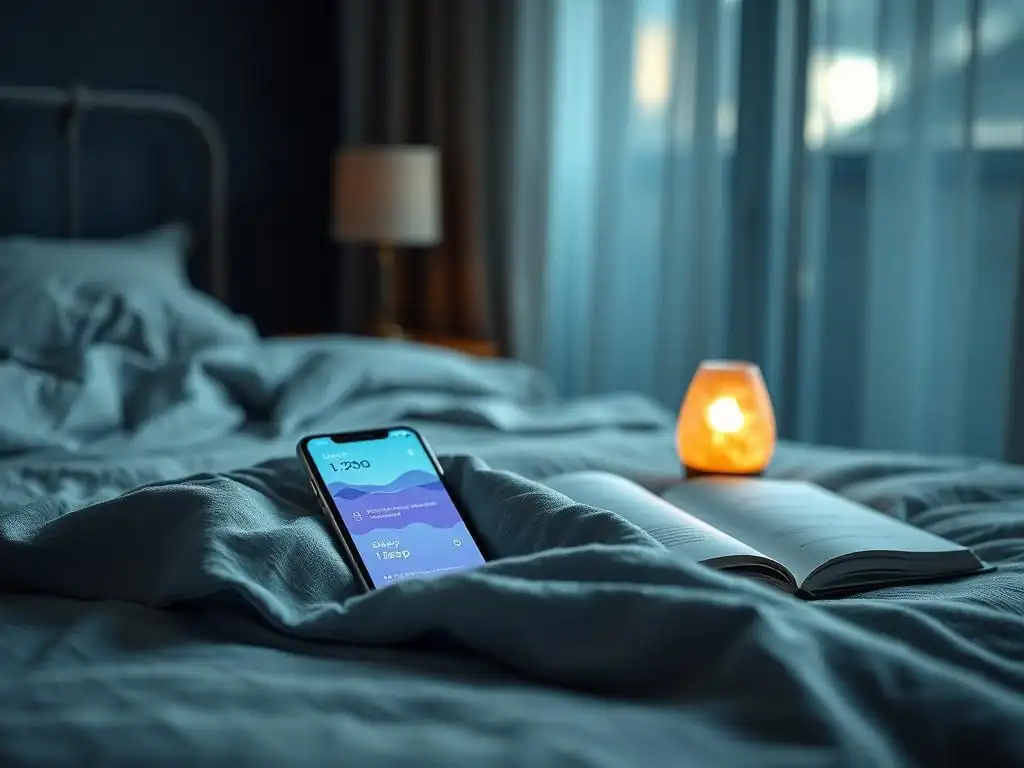
Sleep disturbances are closely linked to various mental health conditions, and many apps offer dedicated programs to help users improve their sleep. These features often include guided meditations specifically for sleep, relaxing soundscapes, sleep stories designed to lull users to sleep, and educational content on healthy sleep hygiene practices. Apps like Sleep Cycle also offer smart alarms and sleep analysis based on movement detected by the phone's accelerometer.
Comprehensive sleep programs within apps might guide users through techniques based on CBT for Insomnia (CBT-I), an evidence-based treatment. This could involve tracking sleep patterns, setting consistent sleep schedules, and challenging unhelpful beliefs about sleep. By addressing sleep issues directly, these apps contribute significantly to overall mental well-being, as improved sleep can positively impact mood, energy levels, and cognitive function, demonstrating a tangible benefit of mental health apps.
Personalized Mental Health Plans and Goal Setting
Many advanced mental health apps allow users to set personalized goals and create customized plans to address specific concerns. Based on initial assessments or user input, an app might recommend a tailored program focusing on reducing social anxiety, managing workplace stress, or improving self-esteem. Users can often select specific exercises, meditations, or lessons to include in their daily routine, making the support highly relevant to their individual needs.
Goal-setting features help users define what they want to achieve and track their progress over time. For example, a user might set a goal to practice mindfulness for 10 minutes daily or to challenge one negative thought each day. The app can send reminders and provide visual feedback on goal completion, helping to build consistent habits. This personalization and focus on tangible goals enhance engagement and make the mental health app benefits more concrete and actionable for the user.
Evaluating the Effectiveness of Mental Health Apps: Research and Evidence
Studies on the Efficacy of App-Based Interventions
Research into the effectiveness of mental health apps is a growing field, with numerous studies investigating their impact on various conditions. A meta-analysis published in the Journal of Medical Internet Research in 2019, reviewing dozens of studies, found that app-based interventions could significantly reduce symptoms of depression and anxiety, with effects ranging from small to moderate depending on the app and condition studied. While results vary, particularly for more severe conditions, these findings provide a basis for understanding the potential of digital tools.
Another study focusing specifically on mindfulness apps, published in Nature Human Behaviour in 2021, found that regular use of mindfulness apps was associated with reduced negative affect and increased positive affect. These studies, along with others exploring specific apps and conditions, suggest that while not a replacement for professional care for everyone, app-based interventions can be a valuable component of a mental health strategy, offering measurable benefits of mental health apps for many users.
The Role of AI and Machine Learning in Personalized Mental Healthcare
Artificial Intelligence (AI) and machine learning are playing an increasingly significant role in enhancing the effectiveness and personalization of mental health apps. AI algorithms can analyze user data (with consent and appropriate privacy safeguards) to identify patterns in mood, activity levels, and engagement with different features. This allows apps to provide more tailored recommendations, suggest specific exercises when a user is reporting low mood, or predict potential challenges based on past behavior.
For instance, an AI-powered chatbot like Woebot uses natural language processing to understand user input and respond with relevant therapeutic techniques and information. Machine learning can also be used to personalize the difficulty or focus of exercises, ensuring they are appropriately challenging and relevant to the user's current state. This integration of AI aims to make app-based support more dynamic, responsive, and ultimately more effective for the individual user, adding a sophisticated layer to the mental health app benefits.
Measuring User Engagement and Outcomes with Mental Health Apps
Measuring user engagement and clinical outcomes is crucial for understanding the real-world impact of mental health apps. Engagement is often tracked through metrics like frequency of use, duration of sessions, and completion rates of programs or exercises. Studies and app developers analyze this data to understand which features are most utilized and how usage patterns correlate with reported mood changes or symptom reduction. High engagement is often, but not always, linked to better outcomes.
Clinical outcomes are typically measured using standardized psychological scales for conditions like depression (e.g., PHQ-9) or anxiety (e.g., GAD-7), administered to users before and after using the app for a specific period. Some apps also collect user-reported outcomes directly through check-ins or surveys. While research is ongoing to establish clear benchmarks and standardized measurement methods, the data collected through these means provides valuable insights into the tangible mental health app benefits and areas for improvement.
Potential Limitations and Drawbacks of Mental Health Apps
Data Privacy and Security Concerns in the Digital Age
While anonymity and privacy are often cited benefits, data privacy and security remain significant concerns with mental health apps. These apps collect highly sensitive personal information, including mood states, thoughts, activities, and potentially even location or biometric data if integrated with wearables. Users must be aware of how their data is collected, stored, used, and shared. Many apps have faced scrutiny for unclear privacy policies or instances of sharing user data with third parties, including advertisers.
It is crucial for users to carefully review an app's privacy policy and understand its security measures before entrusting it with their personal mental health information. The risk of data breaches or unauthorized access to this sensitive data is real and can have serious consequences. While reputable apps prioritize security, the digital nature of these tools inherently carries risks that users must acknowledge when considering the mental health app benefits guide.
The Risk of Misinformation and Unverified Advice
The digital landscape, including the mental health app market, is vast and not uniformly regulated. This raises the risk of encountering misinformation or unverified advice. Some apps may make unsubstantiated claims about their effectiveness or provide guidance that is not based on evidence-based therapeutic principles. Without professional oversight, users might rely on ineffective or potentially harmful strategies found within an app, delaying or replacing necessary professional help.
It is important to distinguish between apps developed by reputable organizations, backed by scientific research, and those that lack such credentials. The ease of publishing an app means that quality can vary dramatically. Users should be critical of sensational claims and seek information about the app's developers, scientific basis, and any research supporting its efficacy. Navigating this landscape requires discernment to truly leverage the benefits of mental health apps while avoiding potential pitfalls.
Dependence on Technology and Digital Literacy
Reliance on mental health apps requires access to a smartphone or tablet, a stable internet connection, and sufficient digital literacy to navigate the app's features. This can exclude individuals who lack access to technology, cannot afford data plans, or are not comfortable using digital interfaces. Older adults, individuals with lower socioeconomic status, or those in underserved communities may face significant barriers to accessing app-based support, widening the digital divide in mental healthcare.
Furthermore, an over-reliance on technology for coping could potentially hinder the development of in-person coping skills or the willingness to seek human connection when needed. While apps offer convenience, they cannot replicate the nuanced interaction, empathy, and personalized support that a trained human therapist provides. Understanding this limitation is key to integrating apps appropriately into a broader mental wellness strategy.
The Importance of Professional Guidance and Support
While mental health apps offer numerous benefits, they are generally designed to supplement, not replace, professional mental healthcare. For individuals experiencing severe symptoms, complex conditions, or those in crisis, professional assessment, diagnosis, and therapy are essential. Apps can provide valuable tools for self-management and support between therapy sessions, but they lack the capacity to provide comprehensive treatment, handle emergencies, or offer the depth of therapeutic relationship found with a human therapist.
It is crucial for users to understand the scope and limitations of any app and to recognize when professional help is necessary. Many apps include disclaimers advising users to seek professional help for serious concerns or emergencies. Integrating app usage with guidance from a mental health professional can provide a more holistic and effective approach to care, combining the accessibility of digital tools with expert clinical support. This balanced approach is vital when considering a mental health app benefits guide.
Choosing the Right Mental Health App: A Step-by-Step Guide
Identifying Your Specific Mental Health Needs
The first step in selecting a mental health app is to clearly identify what you hope to achieve. Are you looking to reduce stress and anxiety through meditation? Do you need tools to track your mood and identify triggers for depression? Are you trying to improve your sleep or manage symptoms of a specific condition like OCD or PTSD? Different apps specialize in different areas.
Consider what specific symptoms or challenges you are facing and what types of support or tools you believe would be most helpful. Making a list of your primary goals will help you narrow down the vast number of available options. For example, if mindfulness is your main interest, apps like Headspace or Calm might be good starting points. If you're focused on CBT techniques, apps like Woebot or Moodpath could be more suitable.
Researching and Comparing Different App Features
Once you have identified your needs, research apps that claim to address those areas. Look beyond the app store descriptions and delve into the specific features offered. Does the app provide guided exercises, journaling prompts, educational content, community support, or tracking tools? How extensive is the content library? Is the interface user-friendly and intuitive?
Compare the features of several apps that seem promising. For instance, if you need mood tracking, compare how different apps allow you to log moods, what factors you can associate with moods (e.g., activities, sleep), and how the data is visualized. Consider if the app aligns with therapeutic approaches you are interested in, such as CBT, DBT, or mindfulness.
Reading User Reviews and Checking App Ratings
User reviews and app store ratings can provide valuable insights into the real-world experience of using an app. Pay attention to comments about the app's reliability, usability, customer support, and the perceived effectiveness of its features. Look for common themes in reviews, both positive and negative. High ratings generally indicate a positive user experience, but reading specific comments can reveal potential issues or highlight specific features that users find particularly helpful.
Be mindful that reviews are subjective and may not reflect your personal experience. However, they can offer a collective perspective on the app's performance and user satisfaction. Checking ratings on reputable health app review sites, if available, can also provide more in-depth evaluations and comparisons based on criteria like evidence base, usability, and privacy.
Consulting with a Mental Health Professional
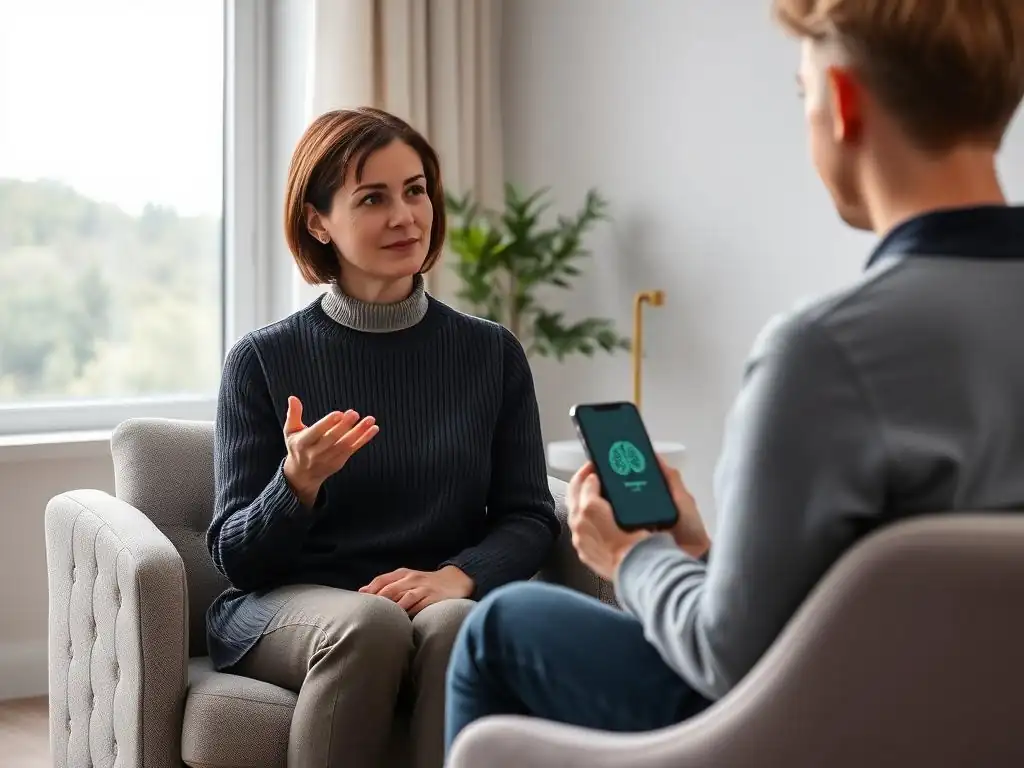
For personalized guidance, consulting with a mental health professional is highly recommended before relying on an app, especially if you have a diagnosed condition or are experiencing significant distress. A therapist or counselor can help you assess your needs accurately and recommend specific types of digital tools or apps that might complement your treatment plan. They can also help you understand the potential benefits of mental health apps in the context of your overall well-being strategy.
A professional can offer insights into the evidence supporting different app approaches and help you integrate app usage with traditional therapy or other forms of support. They can also help you interpret your progress and troubleshoot any challenges you encounter while using an app. This collaboration ensures that you are using digital tools safely and effectively as part of a comprehensive care plan.
Understanding Subscription Models and Pricing
Mental health apps vary widely in their pricing models. Some are completely free, often supported by grants or research initiatives. Others offer a freemium model, where basic features are free, but premium content or advanced features require a subscription. Many popular apps operate solely on a paid subscription basis, either monthly or annually.
Before committing to an app, understand its pricing structure. Does it offer a free trial period? What features are included in the free version versus the paid subscription? Compare the cost relative to the features offered and your budget. Factor in whether the cost aligns with the potential mental health app benefits you expect to receive. Ensure you understand cancellation policies and how your subscription will renew.
[ ] Identify primary mental health goals
[ ] Research apps based on goals
[ ] Compare features of top contenders
[ ] Read user reviews and check ratings
[ ] Consult a professional (optional but recommended)
[ ] Understand pricing and subscription models
[ ] Download and try a free trial (if available)
Maximizing the Benefits of Mental Health Apps: Best Practices
Integrating App Usage into Your Daily Routine
To truly reap the benefits of mental health apps, consistent engagement is key. Identify specific times or moments in your day when you can realistically use the app. This might be a morning meditation, a mood check-in during your lunch break, or a sleep story before bed. Treat app usage like any other self-care activity you prioritize.
Setting reminders within the app or on your phone can help establish a routine. Start small, perhaps aiming for just 5-10 minutes of app usage per day, and gradually increase as it becomes a habit. Consistency, even for short periods, is often more effective than infrequent, long sessions. Making the app a regular part of your day helps reinforce positive habits and allows you to continuously leverage the mental health app benefits.
Setting Realistic Goals and Expectations
While apps can be powerful tools, it's important to set realistic goals and expectations. An app is unlikely to cure a complex mental health condition overnight. Understand that progress takes time and effort. Focus on small, achievable goals, such as using a mindfulness exercise daily or tracking your mood for a week. Celebrate small victories along the way.
Avoid expecting an app to solve all your problems or replace the need for professional help if your challenges are significant. View the app as a tool to support your journey, not a magic bullet. Managing expectations helps prevent disappointment and encourages continued engagement even when progress feels slow, ensuring you appreciate the incremental mental health app benefits.
Combining App-Based Support with Traditional Therapy
For many, the most effective approach involves combining app-based support with traditional therapy or counseling. Apps can serve as valuable complements to therapy sessions. You can use an app to practice skills learned in therapy (like CBT techniques), track your mood or symptoms to discuss with your therapist, or access support tools between appointments.
Discuss your app usage with your therapist. They can help you choose apps that align with your treatment goals, guide you on how to use specific features effectively, and help you interpret the data you collect. This integrated approach leverages the strengths of both digital tools and human expertise, creating a more robust and comprehensive mental wellness strategy.
Tracking Your Progress and Adjusting Your Approach
Many mental health apps include features to track your progress over time, such as mood charts, completion rates of exercises, or symptom severity scales. Regularly reviewing this data can provide valuable insights into what is working and what isn't. Pay attention to patterns – are there days or activities associated with lower moods? Do certain exercises seem to help more than others?
Use this information to adjust how you use the app or approach your mental health. If a particular type of meditation isn't resonating, try a different one. If mood tracking reveals a consistent dip on certain days, explore strategies to address that. Being proactive and willing to adapt your approach based on your tracked progress maximizes the mental health app benefits you can derive.
The Future of Mental Health Apps: Trends and Innovations
The Integration of Virtual Reality (VR) and Augmented Reality (AR)
The future of mental health apps is likely to see increasing integration of immersive technologies like Virtual Reality (VR) and Augmented Reality (AR). VR is already being explored for exposure therapy, allowing individuals to confront phobias or traumatic memories in a controlled, virtual environment. For example, VR simulations can help treat fear of heights or public speaking anxiety more realistically than traditional methods.
AR could potentially be used to create interactive mindfulness exercises or provide real-time coping prompts layered onto the user's physical environment. While widespread consumer adoption of VR/AR for mental health is still developing, these technologies hold promise for creating more engaging, immersive, and potentially more effective therapeutic experiences within digital platforms.
Personalized Medicine and Tailored Mental Healthcare Solutions
Building on the current trend of personalization, future mental health apps will likely leverage even more sophisticated data analysis and AI to offer truly tailored solutions. This could involve integrating genetic data, biometric information from wearables (like heart rate variability or sleep stages), and detailed user behavior within the app to create highly individualized treatment plans and interventions.
The goal is to move towards a model of "personalized medicine" for mental health, where digital tools can predict potential challenges, recommend the most effective strategies based on individual responses, and adapt interventions dynamically. This level of tailoring aims to optimize the mental health app benefits for each unique user, making digital support more precise and effective.
The Expanding Role of Teletherapy and Remote Monitoring
The integration between mental health apps and teletherapy platforms is expected to deepen. Apps could serve as a continuous data collection tool, providing therapists with valuable insights into their patients' daily moods, behaviors, and app engagement between sessions. This remote monitoring can help therapists provide more informed and timely support.
Furthermore, apps may become more sophisticated in facilitating communication and collaboration between users and their care providers. This could include secure messaging features, shared goal tracking, or even AI-powered analysis of user input that flags potential concerns for a therapist to review. This expanding role of apps in supporting and extending professional care highlights their growing significance in the mental healthcare ecosystem.
Digital Mental Health: Summary and Key Takeaways
The Power of Digital Tools for Mental Wellness
Mental health apps represent a significant advancement in making mental wellness resources more accessible, affordable, and convenient. They offer a diverse range of tools, from mindfulness exercises and mood tracking to digital CBT programs, empowering individuals to take a proactive role in managing their mental health. The mental health app benefits guide highlights their potential to bridge gaps in traditional care and provide support anytime, anywhere.
While challenges related to privacy, quality, and the need for professional oversight exist, the ongoing evolution of technology, including AI and immersive experiences, promises even more personalized and effective digital interventions in the future. For many, these apps are proving to be invaluable allies in navigating the complexities of mental well-being.
Making Informed Decisions About Mental Health Apps
Choosing the right mental health app requires careful consideration of individual needs, app features, privacy policies, and pricing. Researching options, reading reviews, and understanding the evidence base behind an app's approach are crucial steps. Recognizing that apps are tools to support, not replace, professional care is also essential for safe and effective use.
By being informed and strategic in their selection and usage, individuals can maximize the significant mental health app benefits available through digital platforms, integrating them thoughtfully into their overall self-care and wellness routines.
Seek Professional Advice or Explore Resources
Frequently Asked Questions
What are some of the key benefits highlighted in the "Mental Health App Benefits Guide"?
Mental health apps offer increased accessibility to care, reduce the stigma often associated with seeking help, and provide convenient self-management tools.
How does the "Mental Health App Revolution" contribute to the digital transformation of care?
Apps facilitate remote monitoring, deliver personalized interventions, and integrate with other health technologies, representing a significant shift towards digital and patient-centered mental healthcare.
Are mental health apps a substitute for traditional therapy, as discussed in the "Mental Health App Benefits Guide"?
No, apps are generally considered complementary to traditional therapy. They can enhance treatment, but are not usually meant to completely replace professional mental health care.
What kind of resources does the "Mind Care Guide" offer regarding mental health apps?
The "Mind Care Guide" provides information, support, and resources on selecting appropriate apps, understanding their limitations, and integrating them effectively into a well-being strategy.
What are some potential drawbacks or considerations when using mental health apps according to the "Mental Health App Benefits Guide"?
Concerns include data privacy, the need for regulation, and the potential for apps to be ineffective or even harmful if not used correctly or if they promote misinformation.
The accessibility and affordability offered by mental health apps represent a monumental shift in how we approach mental wellness, a revolution that is reshaping the landscape of care and democratizing access to support. This digital transformation isn't just a trend; it's a vital response to the growing global need for accessible and affordable mental healthcare, offering solutions where traditional methods often fall short. The convenience and personalized nature of these apps are proving invaluable for many, bridging gaps in access and fostering a more proactive approach to mental well-being.
The impact of this technological shift on our cultural understanding of mental health is profound. We are moving away from a culture of silence and stigma towards one of open discussion and self-care, fueled in part by the normalization of utilizing digital tools for mental wellness. This shift is empowering individuals to take control of their mental health journeys, fostering a sense of agency that was previously unattainable for many. Technology is a powerful tool, but it's only as good as the people who use it. The true revolution lies in our collective willingness to embrace these tools and build a more supportive and understanding world.
Consider the potential within your reach. You now have access to a wealth of resources, from guided meditations to cognitive behavioral therapy exercises, all at your fingertips. Take a moment to reflect on your own relationship with mental wellness. Explore the apps discussed in this guide, find one that resonates with your needs, and begin your journey towards a healthier, happier you. The future of mental healthcare is collaborative, accessible, and empowering – and you are an integral part of this revolution.
Unlock Your Mental Wellbeing: Take Charge Today!
Thanks for taking the time to explore the evolving world of mental health apps with us! We hope this guide has empowered you with knowledge and options to better support your wellbeing. Now it's time to put that knowledge into action.
- Prioritize your mental health: Identify one app from the guide that resonates most with your needs and download it today. Start small – even exploring one feature can be a significant step.
- Share your insights: Do you have a favorite mental health app not mentioned? Share your experience and recommendations with other readers in the comments below! Let’s build a supportive community.
- Explore further resources: Consider researching additional mental health resources available in your community. You can find valuable support in unexpected places.
Ready to make a positive change? What's the first step you'll take to improve your mental wellbeing?