
How to Support Someone Struggling with Social Media's Impact


Welcome to Mind Care Guide, a sanctuary for understanding and nurturing your mental well-being.
Feeling lost on how to help someone navigate the overwhelming pressures of social media? You're not alone. Many struggle with the anxieties amplified by online platforms. Our guide, "How to Support Someone Struggling with Social Media's Impact," offers practical advice and empathetic strategies to provide meaningful support. Let's explore how we can help them find balance and reclaim their peace of mind, together.
- How to Support Someone Struggling with Social Media's Impact: A Mind Care Guide
- Offering Support: Practical Steps to Help
- Strategies for Reducing Social Media's Negative Impact
- When to Seek Professional Help for Social Media Anxiety
- Building a Supportive Environment to Overcome Social Media Distress
-
Frequently Asked Questions
- How can I tell if someone I know is experiencing social media anxiety?
- What's the first thing I should do to support someone struggling with social media's impact?
- Are there specific phrases I should avoid saying to someone with social media anxiety?
- What are some practical steps I can encourage the person to take to lessen social media's negative impact?
- When is it necessary to suggest professional help for social media anxiety?
- Final Reflection: Finding Connection in a Disconnected World
- Unlock Deeper Connections: Support Your Loved Ones Today
Supporting someone social media anxiety begins with recognizing the subtle, and sometimes overt, signs that social media is negatively impacting their well-being. These signs can manifest differently depending on the individual, but common indicators include increased irritability or sadness after using social media, withdrawing from real-life social interactions in favor of online ones, or expressing feelings of inadequacy or envy related to content they see online. Pay attention to changes in their sleep patterns, appetite, or general mood that seem linked to their social media habits.
It's also crucial to observe their behavior on social media. Are they constantly checking for likes or comments? Do they seem overly concerned with portraying a perfect image? Do they react strongly to online validation or criticism?
These behaviors can point towards a dependence on social media for self-worth, which often co-occurs with social media anxiety. For example, a study might show that individuals who spend more time passively scrolling report higher levels of depressive symptoms compared to those who engage more actively or use it less. Noticing these patterns is the first step in understanding the depth of their struggle and how best to offer support.
Research consistently highlights a significant correlation between heavy social media use and various mental health challenges. While correlation doesn't always mean causation, studies suggest that the mechanisms inherent in social media platforms – such as constant comparison, curated realities, and the pressure to perform – can exacerbate or trigger conditions like depression, anxiety disorders, and body image issues. For instance, some data indicates that young adults who use social media for several hours a day are statistically more likely to report symptoms of anxiety and depression compared to those who use it less frequently.
The dopamine-driven reward loops built into platforms, like notifications and likes, can also foster addictive behaviors, making it difficult for individuals to disconnect even when they know it's harming them. This cycle can lead to increased feelings of isolation despite being constantly connected online. Understanding this complex relationship is vital when considering supporting someone social media anxiety; it's not just about the platform itself, but how its design and social dynamics interact with an individual's psychological vulnerabilities.
Social media serves as a fertile ground for several specific mental health issues. Body image issues are frequently amplified as users are bombarded with idealized and often unrealistic portrayals of bodies, leading to feelings of inadequacy and dissatisfaction with one's own appearance. This constant exposure fuels social comparison, where individuals compare their lives, achievements, and appearances unfavorably to others' carefully curated online personas, often resulting in decreased self-esteem and increased anxiety.
Cyberbullying represents a direct form of online harm, where individuals are subjected to harassment, threats, or humiliation via social media. The anonymity and permanence of online interactions can make cyberbullying particularly devastating, with significant links to depression, anxiety, and even suicidal ideation.
Finally, Fear of Missing Out (FOMO) is a pervasive anxiety driven by the perception that others are having more fun or living better lives, fueled by scrolling through highlight reels on social media. This can lead to compulsive checking, inability to relax, and a constant feeling of not being enough, all contributing to the broader experience of social media anxiety.
Offering Support: Practical Steps to Help
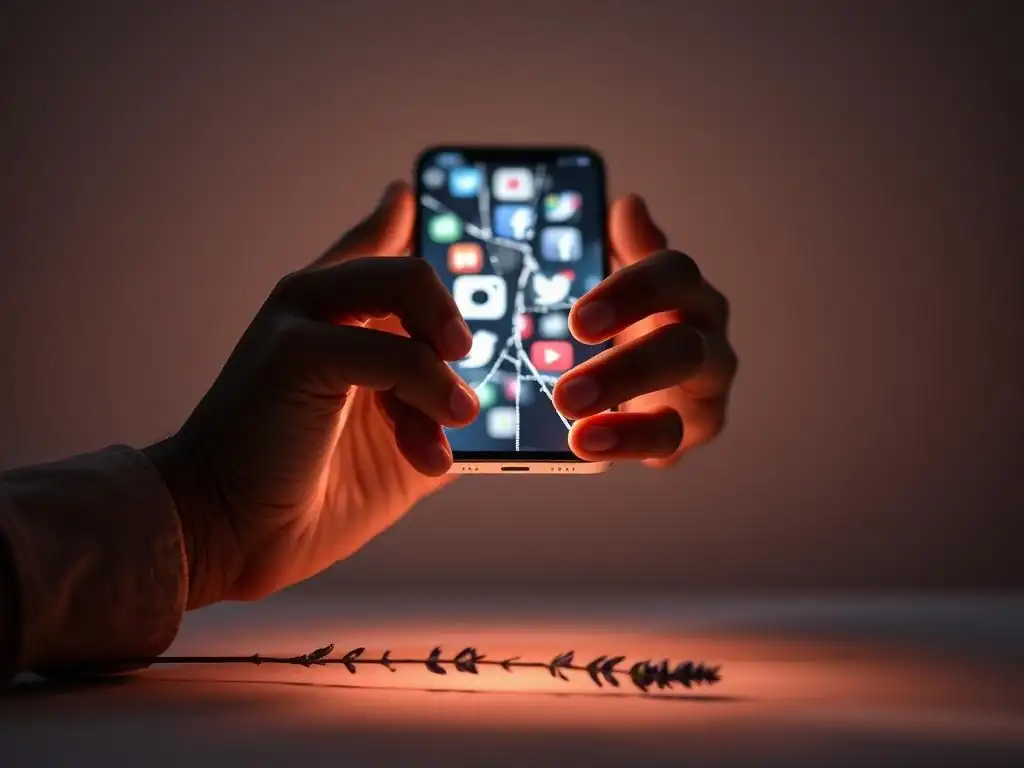
Supporting someone social media anxiety requires patience, empathy, and practical action. It's not about fixing them, but about being a steadfast ally as they navigate these challenges. Your presence and willingness to understand can make a profound difference.
Active Listening: The Foundation of Support
Active listening is perhaps the most critical component when supporting someone social media anxiety. This means giving them your full attention without interruption, judgment, or immediately jumping in with solutions. Let them express their feelings, fears, and frustrations about their social media use and its impact on them. Use non-verbal cues like nodding and maintaining eye contact to show you are engaged.
Beyond just hearing the words, active listening involves reflecting on what they've said to ensure you've understood correctly. Phrases like, "So, if I understand correctly, you feel overwhelmed when you see everyone else's perfect vacation photos?" can help clarify their feelings and show that you are truly listening. This process builds trust and creates a safe space for them to open up further about their struggles, which is essential for effective support.
It's easy for someone struggling with social media anxiety to feel like their feelings are trivial or that they should just "log off." Validating their feelings means acknowledging that their distress is real and understandable in the context of social media's pressures. Avoid dismissive statements like "It's just social media" or "Why don't you just stop using it?" Instead, use empathetic language such as, "It sounds incredibly tough dealing with those feelings after being online," or "It makes sense that seeing those posts would make you feel that way."
Validation doesn't mean you necessarily agree with how they are feeling or behaving, but that you recognize and accept that they are feeling that way. This acknowledgment can significantly reduce feelings of shame or isolation they might experience. For someone grappling with the constant comparison and curated perfection online, simply having their discomfort validated by a trusted person can be a powerful relief and strengthen their resolve to seek change.
Creating an environment where they feel comfortable discussing their social media habits and their emotional responses to them is key. Encourage them to talk openly about what they see, how it makes them feel, and why they feel compelled to use the platforms even when it causes distress. You might initiate conversations gently by asking, "How did you feel after scrolling through Instagram today?" or "Did anything you saw online today bother you?"
Establish a non-judgmental space for these conversations. The goal is not to police their behavior but to help them gain awareness of their patterns and triggers. For example, they might realize through these discussions that checking social media first thing in the morning consistently sets a negative tone for their day. This open dialogue is a fundamental step in supporting someone social media anxiety and empowering them to understand their relationship with the platforms.
Identifying specific triggers is a practical step in managing social media anxiety. A trigger could be following certain accounts that promote unrealistic lifestyles, spending time on platforms known for intense comparison (like Instagram), or engaging with specific types of content (like celebrity news or posts about peers' successes). Work with them to pinpoint these specific sources of distress.
You might sit down with them (if they are comfortable) and gently review their typical social media interactions. Ask questions like, "When do you feel the worst after being online?" or "Are there certain people's posts that consistently make you feel bad?" Helping them recognize these patterns – perhaps discovering that seeing posts from a specific friend group consistently leads to FOMO – allows them to take targeted action to reduce exposure to those triggers. This concrete identification is a powerful tool in supporting someone social media anxiety.
Once the signs are recognized and communication is open, implementing strategies to mitigate the negative impact becomes the focus. These strategies aim to shift the individual's relationship with social media towards healthier patterns and build resilience against its potential harms.
Promoting healthier habits is a cornerstone of supporting someone social media anxiety. It's not necessarily about complete abstinence, but about mindful usage. Encourage them to view social media as a tool rather than a constant source of validation or entertainment. This involves setting clear boundaries and intentional use.
- Setting Time Limits for Social Media Use
- Curating Their Feed: Unfollowing and Muting Accounts
- Encouraging Offline Activities and Hobbies
Helping Them Develop a Positive Self-Image
Social media often erodes self-image through constant comparison to idealized versions of others. Helping someone rebuild and maintain a positive self-image is crucial for counteracting these effects and supporting someone social media anxiety. This involves shifting their focus inward and valuing their intrinsic worth rather than external validation.
Encourage them to identify their strengths, talents, and accomplishments outside of their online presence. This could involve listing personal qualities they admire about themselves, celebrating small victories, or reflecting on meaningful experiences that have nothing to do with likes or followers. The goal is to reinforce that their value is inherent and not dependent on online metrics or comparisons.
Addressing Cyberbullying and Online Harassment
Cyberbullying is a serious form of online harm that directly impacts mental health. If the person you are supporting is experiencing cyberbullying, addressing it is paramount. It requires immediate action to protect them from further harm and validate their experience.
This involves documenting the harassment (screenshots, saving messages), reporting the abusive behavior to the platform administrators, and blocking the offending accounts. It's also important to assure the person being bullied that it is not their fault and that they deserve to feel safe online. Seeking external support, whether from online safety organizations or law enforcement if threats are involved, is a necessary step in protecting them and mitigating the severe distress caused by cyberbullying.

While your support is invaluable, there are times when the impact of social media on mental health requires professional intervention. Knowing when and how to seek this help is a crucial part of supporting someone social media anxiety effectively.
Recognizing When Support Isn't Enough
There are clear indicators that the level of distress caused by social media is beyond what informal support can address. These include persistent symptoms of depression or anxiety that interfere with daily life, significant changes in behavior such as withdrawal from friends and family (both online and off), difficulty sleeping or eating, or expressing feelings of hopelessness or self-harm. If their social media use feels compulsive and they are unable to cut back despite negative consequences, this also suggests a need for professional help.
Furthermore, if the individual's social media anxiety is significantly impacting their performance at work or school, damaging relationships, or leading to physical health problems (like stress-related symptoms), it's a strong signal that professional support is necessary. Your role shifts from primary supporter to helping them access the right resources and encouraging them to take that step towards getting specialized help for their social media-related struggles.
When seeking professional help, finding a therapist or counselor with experience in technology's impact on mental health or specific expertise in areas like anxiety, depression, body image, or digital well-being can be particularly beneficial. These professionals are equipped to understand the unique pressures and dynamics of the online world and how they contribute to mental health issues.
You can assist the person in finding a suitable professional by helping them research therapists in their area, checking if their insurance covers mental health services, or exploring online therapy options. Websites for professional psychological associations often have directories, or you can look for therapists who list "social media impact," "digital well-being," "anxiety," or "depression" among their specialties. Taking the initiative to help with the practical steps of finding a therapist can lower the barrier to entry for someone already feeling overwhelmed.
Beyond individual therapy, several resources offer specialized support for mental health challenges exacerbated by social media. These can include helplines, online support groups specifically focused on digital well-being or anxiety, and non-profit organizations dedicated to addressing issues like cyberbullying or body image.
Familiarize yourself with some of these resources so you can suggest them to the person you are supporting. Examples might include national mental health hotlines, crisis text lines, or organizations focused on internet safety or eating disorders, which often have resources related to social media's impact. Having a list of potential resources ready can empower the individual to seek help when they are ready, complementing the personal support you provide and helping them navigate towards recovery from social media anxiety.
Creating a broader environment of understanding and support is essential for long-term well-being when someone is struggling with social media's negative effects. Recovery is often a journey that benefits from a community effort.
The Role of Family and Friends in Recovery
Family and friends play a vital role in supporting someone social media anxiety. They can provide emotional support, encourage healthier habits, and offer real-life connection that contrasts with the often superficial interactions online. Being present, offering understanding rather than criticism, and modeling balanced technology use are powerful ways loved ones can contribute.
For instance, families can establish device-free times or zones in the home, encouraging face-to-face interaction. Friends can plan activities that don't involve constant phone use, reminding the individual of the joy of offline experiences. This collective effort helps reduce the individual's reliance on social media for connection and validation, reinforcing that they are valued and supported in the real world.
Creating a Network of Support
Encourage the individual to build and lean on a network of support beyond just yourself. This could include trusted family members, close friends, mentors, or support groups. A diverse network provides different perspectives and types of support, ensuring the person doesn't feel isolated in their struggle.
Helping them connect with others who understand their experience, perhaps through online forums dedicated to digital well-being or mental health, can also be beneficial. Sharing experiences with peers who face similar challenges can reduce feelings of shame and provide practical coping strategies. Building this robust network is crucial for sustained recovery and resilience against future social media-related distress.
Finally, fostering a culture within your immediate circle (family, friends, workplace) where people can openly discuss the challenges of social media is incredibly beneficial. This destigmatizes the struggle and encourages others to seek help if they need it.
Sharing articles like this one, discussing the topic openly, and being mindful of your own social media habits can contribute to this culture. Acknowledging that social media can be both beneficial and harmful, and that many people struggle with its impact, creates a safe space for honest conversation. This collective understanding is key to supporting not just one individual's social media anxiety, but potentially helping others recognize and address their own relationship with the digital world.
Frequently Asked Questions
You might notice changes in their behavior, such as increased irritability, withdrawal from social activities, or frequent complaining about social media. They may also express feelings of inadequacy or comparison to others online.
The most crucial first step is to listen empathetically without judgment. Let them know you're there for them and validate their feelings about the pressures of social media.
Avoid minimizing their feelings with phrases like "just get off social media" or "everyone feels that way." Instead, focus on validating their experience and offering support, not simplistic solutions.
Suggest setting time limits for social media use, unfollowing accounts that trigger negative emotions, and engaging in real-life activities and connections.
If the anxiety is significantly impacting their daily life, relationships, or mental health, it's important to suggest seeking professional help from a therapist or counselor specializing in anxiety and social media's effects.
Final Reflection: Finding Connection in a Disconnected World
The pervasive nature of social media means that almost everyone knows someone struggling with its impact, whether it's anxiety, depression, or a distorted sense of self. The pressure to present a perfect online persona, the constant stream of curated content, and the fear of missing out (FOMO) are real and deeply affecting millions. We've explored practical strategies to offer support, but the core message remains: genuine connection and empathy are paramount.
The insidious creep of social media's influence on our mental well-being is a challenge we're all grappling with, individually and collectively. It's not just about screen time; it's about the erosion of authentic self-esteem and the relentless comparison that social platforms often foster. Comparison is the thief of joy.
- Theodore Roosevelt. This quote rings truer than ever in our hyper-connected world, and understanding this is crucial to effectively supporting those struggling with social media-induced anxiety. We must actively combat the normalization of unhealthy online habits and cultivate a culture of digital well-being.
You now have the tools to help someone navigate the complexities of social media's impact. Remember, listening without judgment, offering validation, and encouraging healthy boundaries are essential steps. Take a moment to reflect on your own relationship with social media. Are you fostering a healthy online presence? Are you mindful of the impact your own usage has on others? Let's work together to create a more compassionate and supportive digital landscape, one connection at a time.
Unlock Deeper Connections: Support Your Loved Ones Today
Thank you for taking the time to learn about supporting someone struggling with social media's impact. You've gained valuable insights into a complex issue, and your empathy is already making a difference. Now, let's turn that knowledge into action!
- Prioritize a heartfelt conversation: Schedule some dedicated time to talk openly and honestly with your loved one. Listen actively and validate their feelings without judgment. This is the most crucial step.
- Share this article: Spread awareness and empower others to offer similar support. Let's build a community that understands and helps.
- Explore resources together: Find some online support groups or mental health resources that can provide additional guidance and support for both of you.
What small step will you take today to foster a healthier relationship with social media and enhance your support network?