
The Global Perspective: Workplace Mental Health Programs Around the World


Welcome to Mind Care Guide, your sanctuary for navigating the complexities of mental well-being.
Feeling overwhelmed navigating the evolving landscape of mental health support? You're not alone. In this insightful piece, we delve into " Workplace mental health programs globally," uncovering innovative strategies and best practices implemented across the world. Discover how companies are prioritizing their employees' mental well-being and what we can learn from their diverse approaches. Are you ready to explore the global perspective and discover actionable insights for a healthier workplace?
The Global Perspective: Workplace Mental Health Programs Around the World
- Introduction: Understanding the Global Need for Workplace Mental Health Initiatives
- North America: Leading the Charge in Employee Mental Well-being
- Europe: Balancing Legislation and Corporate Responsibility for Mental Health
- Asia-Pacific: Addressing Cultural Nuances in Workplace Mental Health
- Latin America: Overcoming Stigma and Expanding Access to Mental Health Support
- Africa: Addressing Unique Challenges and Promoting Mental Well-being
- Comparing Workplace Mental Health Programs Globally: Key Differences and Similarities
- Best Practices in Implementing Global Workplace Mental Health Programs
- The Future of Workplace Mental Health Programs Globally
- Conclusion: Investing in Global Employee Mental Health for a Healthier Future
-
Frequently Asked Questions
- What are some key differences in workplace mental health programs across different countries?
- How does the effectiveness of workplace mental health programs vary globally?
- What are the main barriers to implementing effective workplace mental health programs globally?
- What are some examples of innovative workplace mental health programs being implemented globally?
- How can companies ensure their workplace mental health programs are culturally sensitive and inclusive for their global workforce?
- Final Reflection: A Global Call for Workplace Wellbeing
- Unlock a World of Wellbeing: Boost Your Workplace Mental Health
Introduction: Understanding the Global Need for Workplace Mental Health Initiatives
Mental health is no longer a topic confined to personal lives; its impact on the workplace is profound and globally recognized. As organizations navigate an increasingly complex world, the well-being of their employees has become a critical factor in productivity, retention, and overall success. Addressing mental health in the workplace is not just a moral imperative but a strategic necessity, driving the development of diverse workplace mental health programs globally. This global perspective highlights the varied approaches and shared challenges faced by businesses worldwide.
Why a Global View of Workplace Mental Health Matters
Understanding workplace mental health programs globally is crucial because mental health issues manifest and are perceived differently across cultures and legislative landscapes. What is considered standard support in one country might be groundbreaking or even non-existent in another. For instance, while some European nations have strong legislative frameworks mandating psychosocial risk assessments, many countries in other regions rely more heavily on voluntary corporate initiatives or non-governmental organizations.
This disparity impacts the accessibility and effectiveness of support for employees dealing with stress, anxiety, depression, and other conditions. A global view allows organizations operating internationally to tailor their strategies effectively, ensuring culturally appropriate and legally compliant mental health support across their diverse workforce.
Moreover, economic impacts underscore the importance of global mental health strategies. The World Health Organization (WHO) estimates that depression and anxiety disorders cost the global economy US$ 1 trillion each year in lost productivity. This staggering figure reflects absenteeism, presenteeism (being at work but not functioning effectively), and increased healthcare costs associated with mental ill-health.
By examining workplace mental health programs globally, businesses can identify best practices that have proven effective in reducing these costs and fostering a healthier, more engaged workforce, regardless of geographical location. It enables shared learning and accelerates the adoption of effective interventions that benefit both employees and the bottom line on an international scale.
The Growing Recognition of Mental Health in the Workplace Worldwide
Awareness of mental health in the workplace has surged globally over the past decade, moving from a stigmatized topic to a key area of focus for human resources and leadership. This shift is driven by factors including increased research highlighting the prevalence and impact of mental health conditions, advocacy by employee groups and non-profits, and a younger generation of workers who are more open about discussing mental well-being.
Consequently, many organizations are now actively developing or enhancing their workplace mental health programs globally, recognizing that a healthy workforce is fundamental to sustainable business performance. This recognition is leading to investments in areas such as employee assistance programs (EAPs), mental health training for managers, and initiatives aimed at reducing workplace stressors.
This growing recognition is also translating into policy changes and guidelines at national and international levels. The International Labour Organization (ILO) and the WHO have published joint guidelines on mental health at work, emphasizing the need for preventive measures, risk management, and supportive environments. These guidelines serve as a framework for governments and employers worldwide.
While implementation varies significantly, the clear message is that workplace mental health is a universal concern requiring proactive strategies. This global movement towards prioritizing mental health is encouraging more organizations to implement comprehensive workplace mental health programs globally, aiming to create environments where employees feel safe, supported, and able to thrive.
North America: Leading the Charge in Employee Mental Well-being
North America has been at the forefront of developing employee well-being initiatives, with a strong emphasis on mental health support. Both the United States and Canada have seen significant growth in the implementation of workplace mental health programs, driven by a mix of corporate initiatives, evolving legal considerations, and increasing public awareness. While approaches and challenges differ slightly between the two countries, there is a shared understanding of the need to address mental health issues proactively within the workforce.
United States: Trends and Challenges in US Workplace Mental Health
In the United States, workplace mental health programs are largely driven by employers, often as part of comprehensive benefits packages. Employee Assistance Programs (EAPs) have been a long-standing component, providing confidential counseling and referral services. Recent trends show a move towards more integrated mental health support, including digital mental health platforms, on-site counselors, and mental health training for managers.
Large corporations, in particular, are investing heavily, with some studies indicating that companies with over 1,000 employees are significantly more likely to offer extensive mental health benefits. However, access and quality can vary widely depending on the employer and state regulations.
Challenges in the US include navigating a complex healthcare system where mental health parity (equal coverage for mental and physical health) is mandated but not always fully realized in practice. Stigma also remains a significant barrier, preventing many employees from seeking help. While awareness campaigns are helping, the fast-paced and highly competitive nature of many US industries can exacerbate stress and burnout. Efforts to improve workplace mental health programs globally often look to US innovations in benefits design and technology, but must also consider the unique structural challenges inherent in the US system.
Canada: Government Initiatives and Workplace Mental Health Support
Canada has adopted a more collaborative approach to workplace mental health, involving government bodies, employers, and mental health organizations. The Mental Health Commission of Canada (MHCC) played a pivotal role in developing the National Standard of Canada for Psychological Health and Safety in the Workplace, a voluntary framework providing guidelines for creating mentally healthy work environments. This standard encourages organizations to assess psychosocial risks, implement preventative measures, and provide support for employees with mental health issues. Approximately 30% of Canadian organizations are estimated to be actively working towards implementing elements of this standard, demonstrating a growing commitment.
Beyond the standard, provincial governments and federal agencies offer resources and support for employers. Many large Canadian companies have robust EAPs and are increasingly offering additional benefits such as cognitive behavioral therapy (CBT) coverage and stress reduction programs. While stigma exists, national campaigns and public figures openly discussing mental health have helped to foster a more open dialogue. Canadian workplace mental health programs globally are often viewed as a model for their focus on prevention and the involvement of national standards.
Bell Let's Talk: A Canadian Initiative Promoting Open Dialogue
Bell Let's Talk is a prominent Canadian initiative that has significantly impacted the national conversation around mental health, including within the workplace. Launched by the telecommunications company Bell Canada, it focuses on promoting awareness, acceptance, and action regarding mental health. A key component is the annual Bell Let's Talk Day, where the company donates funds for every text message, call, tweet, or social media share using the hashtag. This campaign has raised over $155 million CAD for mental health initiatives across Canada since its inception.
The initiative extends beyond public awareness into Bell's own workplace, where they have implemented comprehensive mental health programs for their employees. This includes investing in training, providing access to resources, and fostering a supportive culture. While primarily a Canadian program, its success in reducing stigma and encouraging open dialogue has been noted internationally. It serves as an example of how a large corporation can use its platform to drive national change and simultaneously enhance its own internal workplace mental health programs, contributing to the broader landscape of workplace mental health programs globally.
Europe: Balancing Legislation and Corporate Responsibility for Mental Health
Europe presents a diverse landscape for workplace mental health programs, characterized by a stronger emphasis on legislative frameworks and social dialogue compared to North America. Many European countries have regulations related to psychosocial risks, stress prevention, and employee well-being, alongside corporate initiatives. This dual approach aims to ensure a baseline level of protection and support for workers across various industries.
United Kingdom: Mental Health First Aiders and Workplace Strategies
In the United Kingdom, there's a growing focus on proactive workplace mental health strategies, partly driven by the estimated cost of poor mental health to UK employers, which is between £53 billion and £56 billion per year (according to a 2022 Deloitte report). A key development has been the widespread adoption of Mental Health First Aid (MHFA) training, which trains individuals in the workplace to recognize the signs of mental health issues and provide initial support. As of early 2023, it's estimated that hundreds of thousands of people across the UK have been trained as Mental Health First Aiders.
UK employers are also increasingly implementing comprehensive well-being strategies that go beyond traditional EAPs. These include promoting flexible working, providing access to digital mental health tools, and training managers to have supportive conversations about mental health. While there isn't a single overarching legislative requirement like in some continental European countries, the Health and Safety Executive (HSE) provides guidance on managing work-related stress, and the Equality Act 2010 protects employees with mental health conditions from discrimination. These combined efforts contribute significantly to the nature of workplace mental health programs globally.
Germany: Focus on Prevention and Stress Management in the Workplace
Germany has a robust legal framework emphasizing the prevention of work-related health risks, including psychosocial risks. The German Occupational Safety and Health Act requires employers to conduct risk assessments, which explicitly include psychological factors. This legal basis encourages companies to implement measures aimed at reducing stress, improving work organization, and fostering a positive work environment. Data suggests that work-related stress is a significant concern, with surveys indicating a substantial percentage of employees reporting high levels of stress.
Beyond legal compliance, many German companies offer extensive workplace health promotion programs (Betriebliche Gesundheitsförderung - BGF), which often include components focused on mental well-being, stress management training, and mindfulness programs. Company health insurance funds (Betriebskrankenkassen) also play a role, often offering or subsidizing mental health services and prevention programs for employees. This integrated approach, combining legal mandates with proactive health promotion, positions German workplace mental health programs as comprehensive examples within the landscape of workplace mental health programs globally.
Scandinavian countries like Sweden, Norway, and Denmark are often cited for their holistic approach to employee well-being, where mental health is integrated into broader concepts of work-life balance, job security, and strong social support systems. Legislation in these countries often includes provisions related to the work environment that cover both physical and psychological factors. For example, Swedish law requires employers to systematically work on improving the psychosocial work environment.
Workplace mental health programs in Scandinavia emphasize prevention, early intervention, and rehabilitation. This includes fostering participative management styles, ensuring reasonable workloads, and providing support for employees returning to work after illness, including mental health leave. Company health services (bedriftshelsetjeneste in Norway, företagshälsovård in Sweden) often provide counseling and support. The strong social safety nets and cultural value placed on well-being contribute to a supportive environment, making Scandinavian approaches notable examples of comprehensive workplace mental health programs globally.
The Wellbeing Strategy: A UK Program for Employee Wellbeing
The Wellbeing Strategy, often developed internally by UK organizations or guided by external frameworks, represents a comprehensive approach to supporting employee health, including mental well-being. These strategies typically aim to address multiple dimensions of well-being: physical, mental, financial, and social. For mental well-being, components might include mental health training for managers, access to counseling or therapy services (often via EAP), stress reduction initiatives, and promoting a culture of openness.
For example, a large UK retailer implemented a wellbeing strategy that included training over 1,000 line managers in mental health awareness, introducing mental health champions in stores, and enhancing their EAP to offer a wider range of digital support tools. Evaluation showed a reported increase in employees feeling comfortable discussing mental health issues with their managers and an uptick in EAP utilization. These internal strategies, tailored to specific organizational needs, are vital elements of how workplace mental health programs globally are implemented on the ground within companies.
Asia-Pacific: Addressing Cultural Nuances in Workplace Mental Health

The Asia-Pacific region presents a complex environment for workplace mental health programs, influenced by diverse cultures, rapid economic development, and varying levels of awareness and infrastructure. While some countries are rapidly adopting Western models of EAPs and well-being programs, others face significant challenges related to stigma, limited access to mental healthcare, and intense work cultures. Addressing mental health in the workplace here requires sensitivity to local context and cultural norms.
Australia: National Standards and Workplace Mental Health Promotion
Australia has been a leader in the Asia-Pacific region in promoting workplace mental health, with significant government and organizational efforts. The country has developed national standards and guidelines, such as the National Standard for Psychological Health and Safety in the Workplace, similar to Canada's, encouraging employers to create mentally healthy workplaces. Organizations like Beyond Blue and Mentally Healthy Workplace Alliance provide resources and tools for businesses. Surveys indicate that around half of Australian employees have experienced a mental health condition, highlighting the need for robust support.
Workplace mental health programs in Australia often include EAPs, mental health training, and initiatives to reduce workplace stress. There is also a focus on early intervention and supporting employees returning to work after mental health-related absences. Legislation mandates safe work environments, which increasingly includes psychological safety. The proactive approach in Australia, combining national frameworks with corporate initiatives, makes its workplace mental health programs globally recognized models for other countries in the region.
Japan: Combating Karoshi and Promoting Mental Well-being
Japan faces unique challenges related to its intense work culture, famously associated with karoshi (death from overwork). While long working hours and high-pressure environments contribute to significant stress, there has been a growing recognition of the need to address mental health in the workplace. The Japanese government introduced mandatory stress checks for companies with 50 or more employees in 2015, requiring regular assessments and providing support based on the results.
Beyond stress checks, companies are slowly implementing EAPs, counseling services, and programs to promote better work-life balance. However, cultural stigma surrounding mental health remains a significant barrier, and many employees are hesitant to seek help or disclose issues to their employers. Efforts are ongoing to shift the corporate culture towards one that prioritizes employee well-being alongside productivity. Japanese workplace mental health programs are evolving, driven by both government mandates and a growing awareness of the human and economic costs of neglecting mental health.
India: Emerging Trends in Workplace Mental Health Programs
India's approach to workplace mental health is rapidly evolving, driven by globalization, increased awareness among urban professionals, and the operations of multinational corporations. While traditional workplaces may lack formal structures, the IT sector and large corporations are increasingly investing in employee mental well-being. EAPs are becoming more common, with services often provided by external vendors.
Emerging trends include integrating mental health support into broader wellness programs, offering workshops on stress management and mindfulness, and utilizing digital platforms for counseling and support. However, significant challenges remain, including widespread stigma, limited access to qualified mental health professionals outside major cities, and varying levels of awareness among employers and employees. The development of workplace mental health programs globally is keenly observed in India as companies seek effective, culturally relevant strategies.
Optum India's EAP: An Employee Assistance Program
Optum, a leading health services and innovation company, offers Employee Assistance Programs (EAPs) in India, providing a real-world example of mental health support in the region. Their EAP services typically include confidential counseling for employees and their families, available through various channels like phone, video, and in-person sessions. They cover a range of issues, including stress, anxiety, depression, relationship problems, and work-related challenges.
Optum India's EAP often partners with companies to offer workshops and awareness sessions on mental health topics, aiming to reduce stigma and encourage help-seeking behavior. While specific utilization rates vary by client company, EAPs like this represent a vital resource in a country where formal mental healthcare access can be limited. They demonstrate how structured workplace mental health programs can be implemented and scaled within the Indian context, contributing to the broader picture of workplace mental health programs globally.
Latin America: Overcoming Stigma and Expanding Access to Mental Health Support
Latin America presents a varied landscape for workplace mental health programs, marked by efforts to overcome significant cultural stigma and expand access to mental health services. While some countries have begun to integrate mental health into occupational health frameworks, the implementation and availability of comprehensive programs vary widely. Economic disparities and limited public healthcare resources for mental health can also pose challenges.
Brazil: Addressing Workplace Stress and Mental Health Concerns
Brazil has seen increasing attention paid to workplace mental health, partly driven by the high prevalence of anxiety and depression among the population. While there isn't a single federal law specifically mandating comprehensive workplace mental health programs, existing occupational health and safety regulations provide a basis for addressing psychosocial risks. Some states and municipalities have introduced local laws or guidelines.
Many large companies in Brazil are implementing EAPs and promoting wellness initiatives. However, smaller businesses often lack the resources or awareness to provide formal support. Stress related to economic instability and long commutes in urban areas are significant factors impacting employee well-being. Efforts to develop workplace mental health programs globally often consider the unique social and economic context found in Brazil and other Latin American countries.
Mexico: Rising Awareness of Employee Mental Health Needs
In Mexico, awareness of employee mental health needs is rising, spurred by both international influence and domestic advocacy. NOM-035-STPS-2018, a mandatory standard focusing on identifying and preventing psychosocial risk factors in the workplace, represents a significant step forward. This standard requires employers to assess risks such as excessive workload, lack of control, poor leadership, and workplace violence, and implement measures to mitigate them. Compliance is mandatory for all workplaces.
Beyond this regulation, some Mexican companies are offering EAPs and wellness programs. However, stigma surrounding mental health remains a challenge, affecting help-seeking rates. Access to affordable mental healthcare is also a barrier for many. The implementation of NOM-035 is expected to drive greater investment in workplace mental health programs, pushing Mexico further in its development of comprehensive workplace mental health programs globally.
Nomina Emocional: A Mexican Emotional Well-being Platform
Nomina Emocional ("Emotional Payroll") is a Mexican platform designed to help companies measure and improve the emotional well-being of their employees, illustrating a local innovation in the field. It typically involves surveys to assess psychosocial risks and employee mental states, providing analytics and recommendations to employers. The platform aims to help organizations comply with NOM-035 and proactively address mental health issues.
By providing employers with data-driven insights into their workforce's emotional health, Nomina Emocional facilitates targeted interventions. This could include recommending specific training, changes in work processes, or enhanced support services. While not a direct EAP, it complements traditional programs by focusing on assessment and prevention. This type of localized technological solution highlights the diverse ways workplace mental health programs globally are being developed and implemented to meet regional needs.
Africa: Addressing Unique Challenges and Promoting Mental Well-being
Workplace mental health programs in Africa face unique challenges, including widespread stigma, limited access to formal mental healthcare infrastructure, and competing public health priorities. Despite these hurdles, there is growing recognition of the importance of mental well-being in the workplace, particularly in sectors with international exposure or large corporate structures. Initiatives are often driven by a mix of non-profit organizations, multinational companies, and emerging local efforts.
South Africa: Workplace Mental Health in a Diverse Context
South Africa has made strides in addressing mental health, though significant disparities persist. The country has relatively progressive mental health legislation compared to some other African nations, and there is increasing recognition of the impact of stress, economic pressures, and social challenges on employee well-being. Many larger companies, especially those with international ties, offer EAPs and wellness programs.
However, access to quality mental healthcare remains a challenge for a large portion of the population, and stigma is prevalent across many communities. Efforts are being made to integrate mental health into broader health and safety initiatives in the workplace. The unique context of South Africa's diverse workforce requires culturally sensitive approaches to be effective. Developing comprehensive workplace mental health programs globally must consider the specific socio-economic and health system factors present in countries like South Africa.
The South African Depression and Anxiety Group (SADAG) Workplace Program
The South African Depression and Anxiety Group (SADAG) is Africa's largest mental health advocacy and support group and plays a crucial role in promoting workplace mental health in South Africa. SADAG offers specific programs for workplaces, including workshops on stress management, mental health awareness training for employees and managers, and support group facilitation. They also provide a national helpline that employees can access, offering confidential counseling and referrals.
SADAG's workplace initiatives aim to educate employers and employees, reduce stigma, and provide practical tools for managing mental health challenges. Their programs are vital in a context where formal EAPs might not be universally accessible, particularly for small and medium-sized enterprises. By partnering with companies, SADAG helps extend the reach of mental health support, serving as a key player in the landscape of workplace mental health programs globally, particularly within the African continent.
Comparing Workplace Mental Health Programs Globally: Key Differences and Similarities
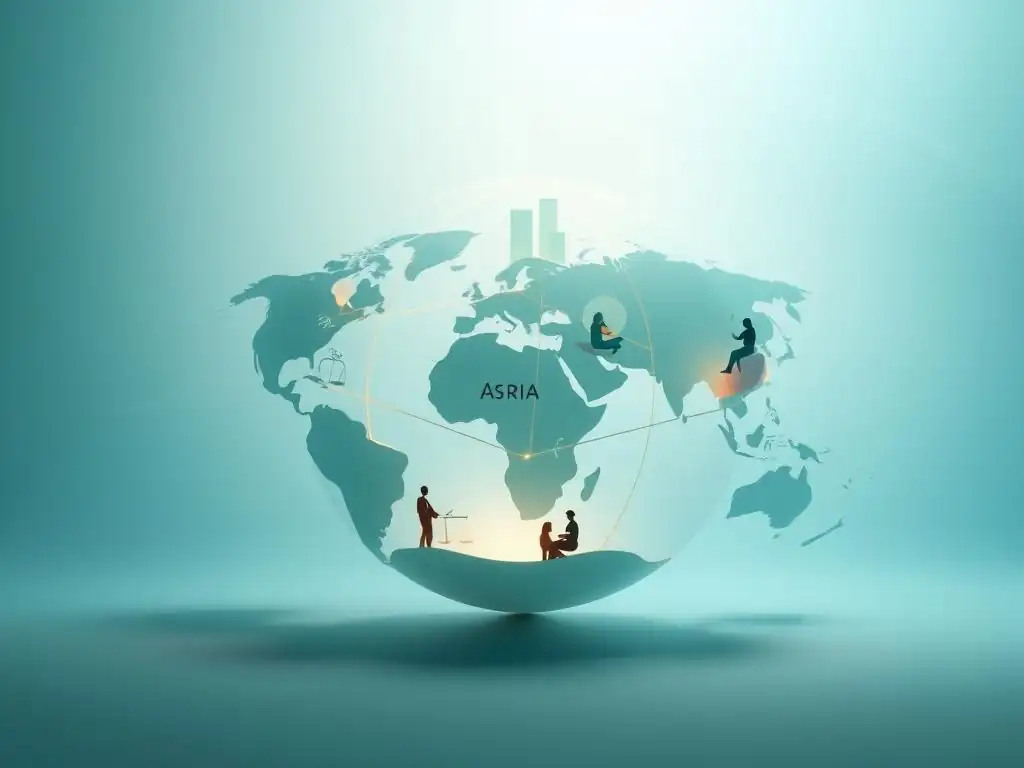
While the specific implementation of workplace mental health programs varies significantly by region and country, driven by cultural, economic, and legislative factors, several key differences and similarities emerge when comparing them globally. Understanding these nuances is essential for multinational corporations and policymakers aiming to improve mental well-being in the workplace on a global scale.
Legislative Frameworks for Employee Mental Health: A Global Comparison
A major difference lies in the presence and strength of legislative frameworks mandating workplace mental health support. Europe, particularly countries like Germany and those influenced by EU directives, often has laws requiring employers to assess and manage psychosocial risks. Mexico's NOM-035 is another example of a specific regulation.
In contrast, countries like the United States and India rely more heavily on broader occupational health laws or voluntary employer initiatives, although this is changing. Canada's National Standard provides a voluntary but influential framework. This disparity means that while some employees have a legal right to a psychologically safe workplace, others depend solely on their employer's discretion or philanthropic efforts for mental health support.
Despite these differences, there is a global trend towards recognizing the employer's responsibility in contributing to employee mental well-being. Even in regions without specific mandates, general occupational health and safety laws can often be interpreted to include psychological safety. Furthermore, international bodies like the WHO and ILO are advocating for stronger protections and guidelines worldwide. This growing global consensus on the importance of mental health at work is a key similarity driving positive change in workplace mental health programs globally, irrespective of the pace of legislative change in individual countries.
Cultural Influences on Workplace Mental Health Programs
Cultural factors profoundly influence how mental health is perceived, discussed, and addressed in the workplace. Stigma is a near-universal challenge, but its intensity and the preferred ways of seeking help vary significantly. In some Asian cultures, there may be a strong emphasis on collectivism and avoiding "losing face," making it harder for individuals to admit vulnerability or seek external help. In contrast, some Western cultures, particularly among younger generations, show greater openness.
This cultural variation impacts the design and effectiveness of workplace mental health programs globally. For instance, EAPs in some regions might need to focus more heavily on confidentiality and anonymity to encourage utilization, while in others, group support or peer networks might be more readily accepted. Communication strategies must be culturally sensitive, using language and approaches that resonate locally. Successful global programs must adapt to these cultural nuances, ensuring that support is accessible and perceived as helpful within the local context.
Common Challenges Faced by Global Employers
Despite regional differences, employers worldwide face several common challenges when implementing workplace mental health programs globally. One is overcoming stigma and encouraging employees to utilize available resources. Many employees fear negative repercussions on their careers if they disclose mental health issues. Another universal challenge is manager training; equipping managers with the skills to recognize signs of distress, have supportive conversations, and appropriately signpost resources is critical but often overlooked or inadequately addressed.
Resource allocation is another common hurdle, particularly for small and medium-sized enterprises (SMEs) compared to large corporations. Ensuring equitable access to quality mental health support across different locations, especially in countries with limited local mental healthcare infrastructure, is also difficult. Finally, measuring the return on investment (ROI) of mental health initiatives in a clear and consistent way remains a challenge globally, making it harder to advocate for sustained investment in workplace mental health programs.
Best Practices in Implementing Global Workplace Mental Health Programs
Implementing effective workplace mental health programs globally requires more than simply replicating strategies from one region to another. It demands a thoughtful, strategic approach that considers local contexts, cultural sensitivities, and the specific needs of a diverse workforce. Identifying and adopting best practices is key to ensuring programs are impactful and sustainable worldwide.
Creating a Culturally Sensitive Mental Health Strategy
A fundamental best practice for global organizations is developing a mental health strategy that is adaptable and culturally sensitive. This involves moving beyond a one-size-fits-all approach. For example, while an EAP might be a core component, the types of counseling offered, the language used in communications, and the privacy considerations must be tailored to local norms and expectations. In some cultures, group interventions or community-based support might be more effective than individual therapy.
Furthermore, involving local employees and leaders in the design and implementation of programs is crucial. Their insights can help identify specific stressors prevalent in that region (e.g., economic instability, political climate, specific industry pressures) and determine the most trusted channels for support. Training materials and awareness campaigns should be translated and localized, using relevant examples and avoiding potentially offensive or confusing terminology. A culturally sensitive strategy ensures that workplace mental health programs globally are relevant and accessible to all employees, regardless of their location.
Measuring the Impact of Workplace Mental Health Interventions Globally
Effectively measuring the impact of workplace mental health programs globally is essential for demonstrating their value and driving continuous improvement. However, this is challenging due to variations in data collection standards, privacy regulations, and cultural willingness to report mental health information across countries. Best practices involve establishing clear, measurable objectives linked to business outcomes, such as reductions in absenteeism, presenteeism, and turnover, as well as improvements in productivity and employee engagement.
Utilizing a mix of quantitative and qualitative data is often most effective. Quantitative data can include EAP utilization rates, disability claims related to mental health, and survey data on employee perceptions of support. Qualitative data can be gathered through focus groups, interviews, and feedback mechanisms. It's important to use consistent metrics where possible across locations but also to adapt measurement approaches to local contexts. For instance, in some regions, focusing on overall well-being might be more culturally appropriate than specifically tracking mental illness statistics. Robust measurement helps refine workplace mental health programs globally and secure ongoing investment.
Training and Education for Managers and Employees Worldwide
Providing comprehensive training and education on mental health for both managers and employees is a critical best practice for global organizations. For managers, this training should focus on recognizing signs of distress, having empathetic conversations, reducing stigma, and knowing how to refer employees to appropriate resources (like EAPs or local services). Training should be localized and consider cultural differences in communication styles and power dynamics. Managers in some regions may require more guidance on having direct conversations about sensitive topics.
For employees, education should aim to increase mental health literacy, reduce stigma, and raise awareness of available support services. This can be delivered through workshops, webinars, digital resources, and internal communication campaigns. Making this information easily accessible in multiple languages and formats is key for a global workforce. Empowering both groups with knowledge and skills creates a more supportive culture, enabling workplace mental health programs globally to be more effective by fostering understanding and encouraging help-seeking behavior.
The Future of Workplace Mental Health Programs Globally
The landscape of workplace mental health programs is continuously evolving, shaped by technological advancements, changes in how and where we work, and a growing global awareness of the importance of mental well-being. Looking ahead, several trends are likely to significantly influence how organizations approach mental health support for their employees worldwide.
The Role of Technology in Expanding Access to Mental Health Support
Technology is poised to play an increasingly vital role in expanding access to workplace mental health support globally, particularly in regions with limited traditional mental healthcare infrastructure. Digital platforms, mobile apps, and telehealth services can provide confidential counseling, self-help tools, mindfulness exercises, and mental health assessments directly to employees, regardless of their location or local resource availability. For instance, global EAPs are increasingly offering virtual counseling options, making support more accessible in remote areas or for employees who prefer anonymity.
Artificial intelligence (AI) is also being explored to provide personalized mental health support, such as chatbots offering initial screening or cognitive behavioral therapy (CBT) exercises. While ethical considerations and data privacy are paramount, technology offers potential solutions for overcoming geographical barriers, language differences (through translation features), and the stigma associated with seeking in-person help. The future of workplace mental health programs globally will undoubtedly involve leveraging technology to deliver scalable and accessible support.
Addressing the Mental Health Impacts of Remote Work Globally
The significant shift towards remote and hybrid work models, accelerated by global events, has brought new mental health challenges that workplace mental health programs globally must address. Employees working remotely may experience increased feelings of isolation, difficulty separating work and personal life, and heightened stress related to managing home and work responsibilities simultaneously. Managers face the challenge of supporting team members they see less frequently and identifying signs of distress remotely.
Future programs will need to adapt to these realities. This includes developing resources specifically for remote workers (e.g., virtual well-being workshops, digital connection platforms), training managers on remote leadership skills that support mental health, and implementing policies that promote healthy boundaries around working hours. Organizations must also consider the digital divide and ensure that employees without reliable internet or suitable home environments still have access to support. Addressing the unique mental health impacts of remote work is becoming a key focus for workplace mental health programs globally.
Building a More Inclusive and Supportive Workplace Culture Worldwide
Ultimately, the future of workplace mental health programs globally lies in fostering truly inclusive and supportive workplace cultures. While programs and resources are essential, a culture where employees feel safe to discuss mental health without fear of judgment or negative repercussions is foundational. This requires leadership commitment, ongoing anti-stigma campaigns, and integrating mental well-being into diversity, equity, and inclusion (DEI) initiatives.
Creating such a culture involves promoting psychological safety, ensuring fair treatment, providing opportunities for meaningful work and growth, and fostering positive relationships among colleagues. It means recognizing that mental health is influenced by factors like discrimination, workload, job security, and work-life balance. Future workplace mental health programs globally will need to focus not only on providing individual support but also on systematically addressing the organizational and cultural factors that impact mental well-being for all employees, everywhere.
Conclusion: Investing in Global Employee Mental Health for a Healthier Future
Investing in workplace mental health programs globally is no longer a choice but a necessity for organizations operating in today's interconnected world. The evidence is clear: prioritizing employee mental well-being leads to healthier, more productive, and more engaged workforces, contributing to both human welfare and business success. While approaches vary across regions, influenced by diverse cultures, economies, and legislative landscapes, the fundamental need to support employees' mental health is a shared global imperative.
From the legislative pushes in Europe and Mexico to corporate-driven initiatives in North America and emerging programs in Asia-Pacific and Africa, the global movement towards prioritizing mental health at work is gaining momentum. Real-world examples like Bell Let's Talk, Optum India's EAP, and SADAG's workplace programs demonstrate the diverse ways organizations and non-profits are making a tangible difference.
As technology expands access and the nature of work evolves, the future promises even more innovative approaches to delivering scalable and culturally sensitive support. By continuing to invest in and refine workplace mental health programs globally, businesses can contribute significantly to a healthier future for their employees and for society as a whole.
Frequently Asked Questions
What are some key differences in workplace mental health programs across different countries?
Different countries often have varying levels of government regulation and cultural acceptance surrounding mental health. This impacts the types of programs offered and their accessibility.
How does the effectiveness of workplace mental health programs vary globally?
Effectiveness depends on factors like program design, employee engagement, and cultural sensitivity. Programs tailored to specific cultural contexts tend to yield better results.
What are the main barriers to implementing effective workplace mental health programs globally?
Barriers include lack of funding, stigma surrounding mental health, and insufficient training for managers. Overcoming these requires a multi-faceted approach.
What are some examples of innovative workplace mental health programs being implemented globally?
Examples include mindfulness training programs, employee assistance programs (EAPs) offering confidential counseling, and flexible work arrangements promoting work-life balance.
How can companies ensure their workplace mental health programs are culturally sensitive and inclusive for their global workforce?
Companies must conduct thorough research on cultural norms and beliefs. They need to tailor their programs to meet the specific needs and preferences of their diverse workforce.
Final Reflection: A Global Call for Workplace Wellbeing
The urgent need for comprehensive workplace mental health programs is no longer a niche concern; it's a global imperative. The interconnectedness of our world, highlighted by the rapid spread of information and the increasing pressures of globalization, means that the mental wellbeing of employees directly impacts productivity, innovation, and overall societal health. Ignoring this reality is not only ethically irresponsible but also economically unsustainable.
The evolution of workplace mental health initiatives, from nascent programs in a few progressive nations to the growing global recognition of their importance, is a testament to the power of collective action and a shift in societal understanding. The journey, however, is far from over. The mind is everything. What you think you become.
– Buddha. This ancient wisdom underscores the critical need for workplaces to foster environments that nurture mental wellbeing, not just treat its absence. The stigma surrounding mental health remains a significant hurdle, and continued advocacy and education are crucial to dismantling it.
Consider the impact of a supportive and understanding workplace on your own life. Imagine a future where every employee feels valued, respected, and empowered to prioritize their mental health without fear of judgment or reprisal. This is not a utopian dream; it's a tangible goal achievable through continued dialogue, innovative program development, and a global commitment to prioritizing the wellbeing of our workforce. Let us all strive to create workplaces that reflect the inherent worth and dignity of every individual.
Unlock a World of Wellbeing: Boost Your Workplace Mental Health
Thanks for taking the time to explore the diverse landscape of global workplace mental health programs! We hope you gained valuable insights into innovative approaches and best practices. Now, it's time to put that knowledge into action.
- Prioritize your mental wellbeing: Identify one small, actionable step you can take today to improve your mental health at work – whether it's taking a short break, practicing mindfulness, or starting a conversation with a colleague. This is your first step towards a more supportive and fulfilling work environment.
- Share this crucial information: Spread the word! Share this article with your colleagues, friends, or on your social media channels to help others prioritize their mental health. Let's build a culture of support together.
- Explore resources in your region: Research mental health organizations and initiatives specific to your country or workplace. Discover the support systems available to you and your colleagues.
What small change will you implement this week to prioritize your mental wellbeing at work? Let's discuss in the comments below!