
Art Therapy for TraumaRelated Anxiety and Stress

Welcome to Mind Care Guide.
Feeling overwhelmed by trauma-related anxiety and stress? You're not alone. Many find healing through unexpected avenues. This article delves into the power of art therapy, exploring how creative expression can unlock pathways to recovery and resilience. Discover how art therapy trauma anxiety stress can be a powerful tool on your journey to mental well-being, and perhaps, a path you haven't yet considered. Intrigued? Let's explore.
Art Therapy for Trauma-Related Anxiety and Stress: A Mind Care Guide
- Understanding Trauma, Anxiety, and Stress: The Need for Alternative Therapies
- What is Art Therapy and How Does it Address Trauma?
-
The Benefits of Art Therapy for Trauma-Related Anxiety and Stress
- Reducing Anxiety Symptoms Through Creative Expression
- Managing Stress and Promoting Relaxation with Art
- Processing Traumatic Memories in a Safe and Controlled Environment
- Enhancing Self-Awareness and Emotional Regulation Through Art
- Building Resilience and Coping Mechanisms with Art-Based Techniques
- Art Therapy Techniques for Trauma Survivors
- Who Can Benefit from Art Therapy for Trauma?
- Finding a Qualified Art Therapist for Trauma Recovery
- Integrating Art Therapy with Other Trauma Treatment Approaches
- Case Studies: Art Therapy Transforming Lives Affected by Trauma
- Potential Challenges and Considerations in Art Therapy for Trauma
- Conclusion: Embracing Art Therapy for Healing from Trauma, Anxiety, and Stress
-
Frequently Asked Questions
- How can art therapy help with trauma-related anxiety and stress?
- What types of art activities are typically used in art therapy for trauma?
- Is art therapy a replacement for traditional therapy for trauma, anxiety, and stress?
- Who is art therapy suitable for when dealing with trauma, anxiety, and stress?
- How do I find a qualified art therapist specializing in trauma, anxiety, and stress?
- Final Reflection: The Healing Power of Self-Expression
- Unleash Your Inner Artist: Find Calm Through Creative Expression
Understanding Trauma, Anxiety, and Stress: The Need for Alternative Therapies
The Interconnectedness of Trauma, Anxiety, and Stress
Trauma, whether a single overwhelming event or chronic exposure to adversity, significantly impacts the brain and body, often leading to persistent anxiety and stress responses. The brain's threat detection system, particularly the amygdala, can become hyperactive, triggering fight, flight, or freeze responses even when no immediate danger is present. This constant state of alert manifests as heightened anxiety, difficulty relaxing, and physical symptoms of stress like muscle tension, headaches, and digestive issues. The body's stress hormones, such as cortisol, can remain elevated, contributing to long-term health problems.
Furthermore, trauma can disrupt the hippocampus, affecting memory processing and leading to fragmented or intrusive thoughts and images. The prefrontal cortex, responsible for executive functions like emotional regulation and planning, can also be impacted, making it harder for survivors to manage intense feelings or feel safe. This intricate web of neurological and physiological changes explains why trauma survivors often experience pervasive anxiety and chronic stress, sometimes years after the traumatic event has ended, creating a cycle that is difficult to break through traditional means alone.
Limitations of Traditional Therapies for Trauma Survivors
While talk therapies like Cognitive Behavioral Therapy (CBT) and Dialectical Behavior Therapy (DBT) are highly effective for many mental health conditions, they can present challenges for some individuals grappling with trauma, anxiety, and stress. Verbalizing traumatic experiences can be re-traumatizing for some survivors, leading to dissociation, emotional shutdown, or an inability to access the necessary memories or feelings in a coherent narrative form. Trauma is often stored in the body and as fragmented sensory experiences, not always as a linear story, making it difficult to articulate verbally.
Additionally, survivors may struggle with trust or feel pressure to "perform" in traditional therapy settings, hindering genuine expression. For those experiencing intense anxiety or dissociation related to their trauma, sitting and talking about difficult subjects can exacerbate symptoms rather than alleviate them. These limitations highlight the need for complementary or alternative approaches that can bypass verbal barriers and access deeper layers of trauma processing.
The Potential of Art Therapy as a Healing Modality
Art therapy offers a powerful alternative or complementary path for individuals struggling with trauma-related anxiety and stress. It utilizes creative expression through various art materials as a primary mode of communication and healing. Unlike talk therapy, art therapy allows survivors to explore difficult emotions, memories, and sensations non-verbally, providing a safe distance from potentially overwhelming content. The act of creating can be grounding, offering a sense of control and agency often lost in traumatic experiences.
This creative approach engages different parts of the brain than verbal processing, potentially accessing implicit memories and emotions stored outside of conscious recall. By externalizing internal states onto paper or through sculpture, individuals can gain perspective, process complex feelings, and begin to integrate fragmented aspects of their experience. Art therapy for trauma, anxiety, and stress provides a pathway for expression, processing, and resilience-building that complements and sometimes surpasses the limitations of purely verbal methods.
What is Art Therapy and How Does it Address Trauma?
Defining Art Therapy: A Creative Approach to Mental Well-being
Art therapy is a distinct mental health profession that uses the creative process of art-making to improve and enhance the physical, mental, and emotional well-being of individuals of all ages. Guided by a credentialed art therapist, clients explore self-expression through various art media, including painting, drawing, sculpture, collage, and more. It's not about artistic talent; the focus is on the process of creating and the insights gained from the artwork and the therapeutic relationship, rather than the aesthetic quality of the final product.
Within the context of trauma, art therapy provides a non-threatening space to confront overwhelming experiences. The art materials themselves can offer sensory experiences that are grounding and regulating. The therapist acts as a guide, facilitating the client's exploration of their artwork and its connection to their internal world, helping them to understand and process feelings and memories that may be too painful or difficult to express verbally. This makes art therapy trauma anxiety stress particularly effective.
The Theoretical Underpinnings of Art Therapy for Trauma
The efficacy of art therapy for trauma, anxiety, and stress is rooted in several psychological and neuroscientific theories. Psychodynamic theory suggests that art can bring unconscious material to the surface, allowing for processing. Humanistic approaches emphasize the client's innate capacity for healing and growth, facilitated by the supportive therapeutic environment and the empowering act of creation. Attachment theory highlights how the therapeutic relationship in art therapy can provide a secure base for exploring past relational trauma.
From a neurobiological perspective, art therapy engages multiple brain areas, including those involved in emotion, memory, and sensory processing. The act of making art can help regulate the nervous system, shifting individuals out of fight-or-flight states. It can also aid in integrating fragmented traumatic memories by engaging both hemispheres of the brain – the right side for non-verbal, emotional processing and the left for narrative and meaning-making. This multi-faceted engagement makes art therapy a powerful tool for addressing the complex impacts of trauma.
How Art Therapy Differs from Traditional Talk Therapy
The primary difference between art therapy and traditional talk therapy lies in the mode of expression. Talk therapy relies heavily on verbal language to explore thoughts, feelings, and experiences. Art therapy, conversely, prioritizes non-verbal and symbolic communication through the creation of art. While discussion is part of art therapy, it often revolves around the artwork itself – its colors, shapes, textures, and the process of making it – providing a layer of distance and safety when addressing difficult subjects.
This non-verbal approach is particularly beneficial for trauma survivors who may lack the words to describe their experiences, or for whom verbalization triggers intense distress or dissociation. Art allows for the expression of pre-verbal or non-conscious aspects of trauma. Additionally, art therapy often incorporates sensory and kinesthetic experiences (working with clay, paints, etc.) that can be deeply grounding and help regulate the nervous system, directly addressing physiological symptoms of trauma-related anxiety and stress in ways that talk therapy typically does not.
Reducing Anxiety Symptoms Through Creative Expression
Art therapy provides a direct outlet for externalizing internal anxiety, making it feel less overwhelming and more manageable. By drawing, painting, or sculpting their feelings of worry or fear, individuals can visually represent what feels intangible and consuming. This act of putting anxiety "outside" the self can create psychological distance and a sense of control. For instance, someone might draw tangled lines to represent feeling overwhelmed, or use dark colors to depict fear; seeing it on paper can be validating and the first step towards processing it.
Moreover, the process of creating art can be inherently calming and mindful. Focusing on the sensory experience of materials – the feel of clay, the flow of paint, the sound of tearing paper – can ground individuals in the present moment, interrupting anxious thought loops. Studies, such as one published in the Journal of the American Art Therapy Association in 2016, have indicated that even a short period of creative activity can significantly reduce cortisol levels, a key stress hormone, suggesting a physiological benefit in managing anxiety and stress.
Managing Stress and Promoting Relaxation with Art
The act of engaging in art-making can be a potent stress reliever. It offers a healthy, constructive way to channel pent-up energy and tension often associated with chronic stress from trauma. The rhythmic and repetitive motions involved in some techniques, like sketching or sculpting clay, can induce a state of relaxation similar to meditation. This focus on the creative process shifts attention away from stressors and towards a calming activity.
Creating art can also foster a sense of accomplishment and positive self-regard, which can counteract the negative self-talk and feelings of helplessness that often accompany trauma-related stress. Simply setting aside time to engage in a creative pursuit provides a break from daily pressures and allows for emotional processing in a gentle, self-paced manner. This makes art therapy trauma anxiety stress a valuable tool for developing healthy coping strategies.
Processing Traumatic Memories in a Safe and Controlled Environment
Art therapy offers a unique way to approach and process traumatic memories without requiring explicit verbal recounting, which can be re-traumatizing. Survivors can use metaphor, symbolism, and abstract imagery to represent aspects of their trauma, maintaining a sense of safety and emotional distance. For example, instead of describing an event directly, someone might paint a landscape that captures the feeling of being trapped, or create a collage representing fragmentation.
The art therapist facilitates this process, helping the client explore the meaning in their artwork at a pace they can tolerate. The artwork serves as a container for difficult emotions and memories, allowing them to be revisited, explored, and re-contextualized within the safety of the therapeutic space. This controlled exploration helps to integrate fragmented memories and reduce their power to trigger intense anxiety and stress in the present.
Enhancing Self-Awareness and Emotional Regulation Through Art
Creating art provides a tangible representation of one's internal state, making it easier to identify and understand emotions. By visualizing feelings – perhaps using specific colors, shapes, or textures – individuals can develop a richer emotional vocabulary and gain insight into their triggers and patterns. For instance, someone might notice they consistently use sharp lines when feeling angry or muddy colors when feeling confused.
The art-making process itself can also teach emotional regulation. Clients learn to tolerate frustration when a technique doesn't work, manage impulses when choosing materials, and experience the satisfaction of completing a piece. Discussing the artwork with the therapist helps connect the visual expression to underlying feelings and experiences, building emotional intelligence and the capacity to regulate intense emotions outside of the therapy room.
Building Resilience and Coping Mechanisms with Art-Based Techniques
Art therapy helps trauma survivors build resilience by fostering a sense of agency and competence. Successfully completing an artwork, no matter how simple, can be empowering. Clients can also use art to visualize their strengths, create visual representations of their support systems, or depict desired future states, reinforcing positive self-image and hope.
Moreover, art-based techniques learned in therapy can become lifelong coping mechanisms. Simple practices like sketching when feeling overwhelmed, using clay to ground oneself during a panic attack, or creating a visual journal can provide healthy, accessible ways to manage anxiety and stress outside of structured sessions. These tools empower survivors to actively participate in their own healing journey.
Art Therapy Techniques for Trauma Survivors
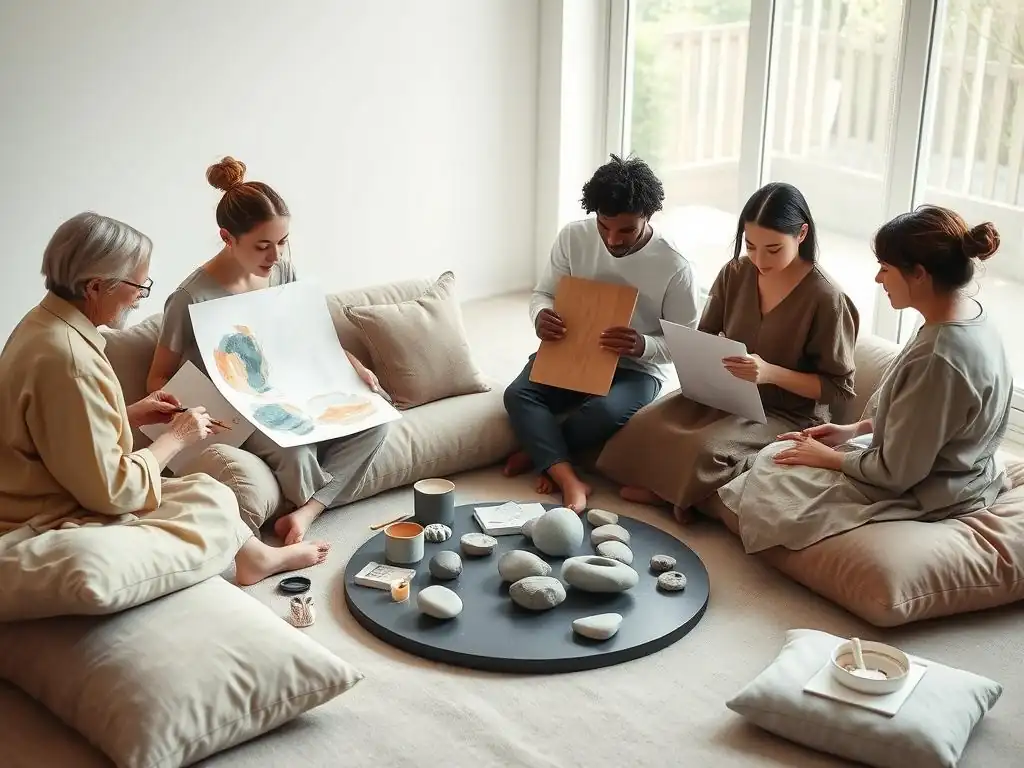
Drawing and Painting for Emotional Release
Drawing and painting are fundamental art therapy techniques offering immediate and fluid ways to express emotions. For trauma survivors, these media can be used to externalize overwhelming feelings like fear, anger, or sadness that are difficult to articulate verbally. Abstract expression, using colors, lines, and shapes without specific imagery, can be particularly helpful for releasing intense emotions or depicting states like confusion or dissociation.
Alternatively, clients might use drawing or painting to create concrete images, such as drawing their "safe place," illustrating a feeling metaphorically (e.g., painting anxiety as a storm), or even creating visual journals of their daily emotional states. The act of applying paint or making marks on paper can be cathartic, providing a safe container for emotional energy and offering insight into internal experiences through the choices of color, form, and composition. This makes drawing and painting key methods in art therapy trauma anxiety stress work.
Sculpture and Clay Modeling for Grounding and Sensory Awareness
Working with three-dimensional materials like clay or other sculpting media offers a unique sensory experience that is deeply grounding. For trauma survivors who may experience dissociation or feel disconnected from their bodies, the tactile engagement with clay – kneading, shaping, feeling its weight and texture – can help bring them into the present moment and reconnect with physical sensations.
Sculpture allows for the creation of tangible objects representing internal states or experiences. Someone might sculpt a figure representing a burden they carry, or build a structure representing their sense of safety or resilience. The physical manipulation of the material can also be a powerful way to work through feelings of powerlessness or lack of control, transforming a formless lump into something solid and intentional.
Collage and Mixed Media for Exploring Identity and Narrative
Collage involves assembling different materials – images from magazines, photographs, fabric scraps, found objects – onto a surface. This technique is particularly effective for exploring fragmented aspects of self, integrating disparate experiences, or creating a new narrative. Trauma can shatter a person's sense of identity and continuity; collage allows survivors to piece together different parts of themselves and their history in a visual, non-linear way.
Mixed media combines various materials in a single piece. This can be useful for depicting complexity and layering, reflecting the layered nature of trauma and healing. Creating collages or mixed media pieces about one's identity, past, present, or future can help survivors externalize internal conflicts, visualize their resources, and construct a more integrated sense of self, offering a visual narrative when words fail.
Journaling and Art Prompts for Self-Reflection
Combining writing with art, or using specific prompts to guide art-making, can facilitate deeper self-reflection. Art journaling involves creating visual and written entries in a notebook, allowing for a personal, ongoing dialogue between the internal world and external expression. This can be a powerful tool for tracking moods, processing daily challenges, and exploring thoughts and feelings related to trauma, anxiety, and stress.
Art prompts are specific invitations to create, designed by the therapist to gently explore particular themes or emotions. For example, a prompt might be "Draw how anxiety feels in your body" or "Create an image representing resilience." These prompts provide structure and focus, making it easier for clients to begin creating, and guide the exploration of difficult or complex internal landscapes in a safe and contained manner.
Creating a "Safe Space" Box: An Art Therapy Exercise for Trauma
A common and effective art therapy exercise for trauma survivors is creating a "Safe Space" box or container. This involves decorating a box or container and filling it with small objects, images, or symbols that represent safety, comfort, strength, and positive memories. The process of creating the box itself is therapeutic – choosing materials, decorating it in a way that feels secure and comforting.
The finished box serves as a tangible reminder of internal and external resources for coping with anxiety and stress. When feeling overwhelmed or triggered, a survivor can open the box, interact with the items inside, and use it as a tool for grounding and self-soothing. It represents a portable sanctuary and a symbol of inner resilience, making it a practical and powerful application of art therapy for trauma, anxiety, and stress management.
Who Can Benefit from Art Therapy for Trauma?
Art Therapy for Adults with Trauma History
Art therapy has demonstrated significant benefits for adults with a history of trauma, including those diagnosed with Post-Traumatic Stress Disorder (PTSD) and Complex Trauma. For adults who find it difficult to talk about their experiences due to shame, fear of re-experiencing, or dissociation, art provides a less threatening avenue for processing. A study published in 2017 in the Journal of Traumatic Stress indicated that art therapy interventions could lead to a reduction in PTSD symptoms among adult participants.
Adults can use art to explore the impact of trauma on their current lives, process fragmented memories, manage intrusive thoughts and flashbacks, and rebuild a sense of self and agency. Techniques like mask-making, creating timelines visually, or using metaphors in artwork are particularly effective for adult survivors working through complex histories and developing coping mechanisms for trauma-related anxiety and stress.
Art Therapy for Children and Adolescents Experiencing Trauma
Art therapy is often an ideal modality for children and adolescents who have experienced trauma. Younger individuals may not have the verbal skills or cognitive capacity to articulate complex traumatic experiences or emotions. Art provides a natural language for them to express what happened and how they feel. Play and creativity are inherent to childhood development, making art a less intimidating entry point into therapy.
Children might use drawing, painting, or sculpting to depict their experiences symbolically, work through fears, or create images of safety and hope. Art therapy can help them process overwhelming emotions, reduce hyperarousal and anxiety symptoms, and develop healthier coping skills. For adolescents, art offers a space for exploring identity issues complicated by trauma and expressing the intense emotions of this developmental stage in a safe and non-verbal manner.
Art Therapy for Specific Trauma Types (e.g., PTSD, Complex Trauma)
Art therapy is adaptable to the specific needs associated with different types of trauma. For individuals with PTSD, art can help externalize intrusive images and flashbacks, providing a sense of control over overwhelming visual or sensory memories. Creating images related to the trauma narrative, even symbolically, can aid in processing and integration, helping to reduce the intensity of anxiety and hypervigilance.
For those with Complex Trauma, which often involves relational issues and difficulties with emotional regulation and self-concept, art therapy can facilitate the exploration of attachment patterns, the development of a more coherent sense of self through visual representation, and the practice of emotional regulation through the creative process. Art therapy trauma anxiety stress interventions are tailored by the therapist to address the unique manifestations of trauma in each individual.
Group vs. Individual Art Therapy: Considerations for Trauma Recovery
Both individual and group art therapy settings can be beneficial for trauma recovery, each offering distinct advantages. Individual art therapy provides a focused, private space for deep personal exploration and processing with the dedicated attention of the therapist. This is often recommended for individuals who require a high level of containment or are not yet ready to share their experiences with others.
Group art therapy can reduce feelings of isolation often experienced by trauma survivors, fostering connection and shared understanding. Witnessing others express themselves creatively can be validating and inspiring. While group settings require careful facilitation to ensure safety, they can provide opportunities for developing social skills, receiving peer support, and practicing new coping strategies in a supportive community context. The choice between individual and group therapy often depends on the client's readiness, the nature of their trauma, and their specific therapeutic goals regarding trauma-related anxiety and stress.
Finding a Qualified Art Therapist for Trauma Recovery
Credentials and Qualifications to Look For
When seeking art therapy for trauma-related anxiety and stress, it is crucial to find a qualified professional. Look for credentials such as ATR (Registered Art Therapist) and ATR-BC (Board Certified Art Therapist) granted by the Art Therapy Credentials Board (ATCB). These credentials signify that the therapist has met rigorous educational, professional, and ethical standards, including supervised clinical experience.
Additionally, check for state licensure if applicable (e.g., Licensed Creative Arts Therapist - LCAT in some states). Ensure the therapist has specific training and experience in working with trauma survivors. Trauma-informed care is a critical approach that recognizes the widespread impact of trauma and integrates this understanding into practice. A qualified art therapist specializing in trauma will be knowledgeable about trauma-informed principles and evidence-based approaches to art therapy for trauma.
Questions to Ask When Choosing an Art Therapist
Selecting the right therapist is a personal decision. When interviewing potential art therapists for help with trauma, anxiety, and stress, consider asking questions such as:
- What is your experience working with trauma survivors?
- What specific art therapy approaches do you use for trauma?
- Are you trained in trauma-informed care?
- How do you ensure client safety and prevent re-traumatization in sessions?
- What is your approach to integrating art-making with verbal processing?
- How do you handle intense emotions that might arise during art creation?
- What are your credentials and licenses?
These questions can help you assess their expertise, approach, and whether you feel comfortable and safe entrusting them with your healing journey. A good therapeutic fit is essential for effective art therapy for trauma.
Resources for Finding Art Therapists: Professional Organizations and Online Directories
Several resources can help you locate qualified art therapists specializing in trauma. The American Art Therapy Association (AATA) website has a therapist locator tool that allows you to search for ATR and ATR-BC credentialed professionals by location and specialization. State art therapy chapters can also provide local referrals.
Online directories for mental health professionals, such as Psychology Today or the Anxiety & Depression Association of America (ADAA) directory, often allow filtering by specialization (e.g., art therapy, trauma, PTSD). When using these directories, always verify the therapist's credentials and ask about their specific experience with trauma-related anxiety and stress during an initial consultation.
Integrating Art Therapy with Other Trauma Treatment Approaches
Combining Art Therapy with EMDR (Eye Movement Desensitization and Reprocessing)
Art therapy and EMDR, another evidence-based trauma treatment, can be highly complementary. Art therapy can be used in the preparatory phase of EMDR to help clients develop grounding techniques and create visual "resource spots" or "containers" for difficult emotions or memories that might surface during EMDR processing. For instance, a client might draw their safe place or create a visual representation of their inner strength before engaging in reprocessing.
After an EMDR session, art can help clients process any residual feelings or insights that emerged, providing a non-verbal outlet for experiences that might still feel raw or difficult to articulate. Combining art therapy trauma anxiety stress work with EMDR allows for a multi-modal approach that addresses trauma on cognitive, emotional, and physiological levels.
Art Therapy as a Complement to Cognitive Behavioral Therapy (CBT)
Art therapy can effectively enhance the work done in traditional CBT for trauma. While CBT focuses on identifying and changing negative thought patterns and behaviors, art therapy can help clients access the underlying emotions associated with those thoughts and behaviors in a more visceral way. For example, a client might draw a visual representation of a distorted thought, making it more tangible and easier to challenge.
Art can also be used to create visual coping plans or "toolkits" based on CBT strategies learned. A client could create a collage representing their positive self-statements or draw a picture illustrating a relaxation technique. This integration helps solidify cognitive changes by engaging the creative and emotional parts of the brain, reinforcing new ways of thinking and coping with trauma-related anxiety and stress.
The Importance of a Holistic Approach to Trauma Healing
Trauma impacts the whole person – mind, body, and spirit. Therefore, a holistic approach to healing is often most effective. Integrating art therapy with other modalities like talk therapy, somatic experiencing, mindfulness practices, or movement therapies addresses the multifaceted nature of trauma, anxiety, and stress. While art therapy is powerful on its own, combining it with other evidence-based treatments can create a more comprehensive and robust healing journey.
A holistic approach recognizes that healing involves processing memories, regulating the nervous system, rebuilding a sense of self, and fostering connections. Art therapy contributes significantly to emotional processing, self-expression, and regulation, forming a vital component within a broader framework that supports comprehensive recovery and well-being for trauma survivors.
Case Studies: Art Therapy Transforming Lives Affected by Trauma
Art Therapy for a Veteran with PTSD: Reclaiming Identity Through Mask-Making
-
Illustrative Case Example: A veteran in his late 30s struggled with severe PTSD symptoms, including hypervigilance, emotional numbing, and a lost sense of identity after combat exposure. Verbal therapy felt insufficient; he found it hard to connect with his emotions or articulate his experiences. His art therapist introduced mask-making. Initially resistant, he began decorating the outside of a plaster mask to represent how he presented himself to the world – stoic, guarded.
As therapy progressed, he was invited to decorate the inside of the mask, representing his inner world. This process was challenging but allowed him to explore feelings of fear, grief, and fragmentation through color, texture, and symbolic imagery (e.g., jagged edges, dark colors). He created a second mask, exploring his pre-military identity and a potential future self.
Through working on these masks over several months, he could externalize and process aspects of his trauma and its impact on his identity in a contained way. He reported a reduction in emotional numbing and a gradual return of connection to his feelings, along with a noticeable decrease in daily anxiety levels, finding art therapy trauma anxiety stress work profoundly impactful.
Art Therapy for a Child Survivor of Abuse: Finding a Voice Through Visual Storytelling
-
Illustrative Case Example: A 7-year-old girl who had experienced abuse was withdrawn, anxious, and struggled to speak about what happened. Traditional play therapy helped somewhat, but she remained largely silent about the traumatic events. Her art therapist noticed her fascination with drawing and introduced visual storytelling. Using simple drawing materials, the therapist invited her to draw stories about animals or fictional characters experiencing difficult things.
Slowly, through drawing pictures of a scared bird hiding in a tree or a little mouse facing a big shadow, she began to express elements of her experience symbolically. She didn't have to use specific words about the abuse, but the feelings of fear, being trapped, and wanting to be safe emerged through her drawings.
The therapist helped her create drawings where the animal found a safe place or a helper, allowing her to explore resolution and safety visually. Over time, as her anxiety decreased and her sense of safety increased through art, she began to use a few words alongside her drawings, finding her voice in a way that felt manageable and safe.
Art Therapy for an Individual Experiencing Complex Trauma: Building Self-Compassion Through Self-Portraits
-
Illustrative Case Example: An individual in their 50s with a history of complex childhood trauma struggled with chronic anxiety, self-hatred, and unstable self-esteem. They found talking about their past overwhelming and often dissociated. Their art therapist suggested creating a series of self-portraits, not necessarily realistic ones, but portraits exploring different aspects of the self or different feelings.
Initially, their self-portraits were distorted and harsh, reflecting their internal self-criticism. The therapist guided them gently, encouraging exploration of different materials and colors to represent feelings without judgment. Over many sessions, the individual began to experiment with softer lines, warmer colors, and more abstract forms to represent moments of peace or emerging self-compassion.
Creating a "compassionate self" portrait, imagining what a kind inner figure would look like, was a turning point. This visual practice helped them externalize self-criticism and cultivate a kinder internal voice, leading to a significant reduction in chronic anxiety and a greater capacity for self-soothing, demonstrating the power of art therapy for complex trauma, anxiety, and stress.
Potential Challenges and Considerations in Art Therapy for Trauma
Addressing Resistance and Fear of Creative Expression
Some individuals, particularly adults, may feel resistant to art therapy due to a belief that they are "not artistic" or a fear of what might emerge during the creative process. The pressure to create something "good" can be a barrier. Trauma survivors may also fear losing control or becoming overwhelmed by emotions if they engage in art-making.
A skilled art therapist addresses these fears with empathy and flexibility. They emphasize that art therapy is about process, not product, and that there is no "right" or "wrong" way to make art. Starting with simple, non-intimidating materials and techniques, offering choices, and focusing on the sensory experience rather than the outcome can help alleviate anxiety. Building trust in the therapeutic relationship is paramount, creating a safe space where resistance can be explored and gently overcome.
Managing Emotional Overwhelm During Art-Making
Engaging in art therapy can sometimes bring intense emotions or fragmented memories to the surface, potentially leading to emotional overwhelm for trauma survivors. Working with certain colors, images, or materials might inadvertently trigger distress or dissociation. The therapist must be highly attuned to the client's emotional state throughout the session.
Effective strategies for managing overwhelm include pacing the session carefully, providing grounding techniques (e.g., focusing on the feel of the materials, deep breathing), offering containment strategies (e.g., creating a symbolic "container" for difficult feelings in the artwork), and knowing when to pause or shift focus. The art therapist's role is to help the client navigate these intense moments safely, ensuring that the process remains therapeutic rather than re-traumatizing, a key aspect of providing art therapy trauma anxiety stress care.
Ethical Considerations in Art Therapy with Trauma Survivors
Working with trauma survivors requires strict adherence to ethical guidelines. Confidentiality is paramount, creating a secure environment for sharing vulnerable experiences. Art therapists must practice within their scope of competence, seeking supervision or consultation when needed, especially with complex trauma cases. They must be acutely aware of the potential for re-traumatization and take proactive steps to prevent it.
Ethical practice also includes obtaining informed consent, ensuring the client understands the process and potential risks, and empowering them with choices regarding materials, techniques, and the pace of therapy. Cultural sensitivity is vital, recognizing that cultural backgrounds can influence how trauma is experienced and expressed through art. Maintaining clear boundaries and prioritizing the client's safety and well-being are fundamental ethical responsibilities when providing art therapy for trauma, anxiety, and stress.
Conclusion: Embracing Art Therapy for Healing from Trauma, Anxiety, and Stress
The Future of Art Therapy in Trauma-Informed Care
The recognition of art therapy as a powerful and effective treatment modality for trauma-related anxiety and stress is growing. Research is increasingly supporting its use, particularly for individuals who struggle with verbal processing or require alternative avenues for emotional expression and regulation. As trauma-informed care becomes more widely adopted across various settings – from mental health clinics and hospitals to schools and community programs – art therapy is poised to play an even more significant role.
Increased training opportunities for therapists in trauma-informed art therapy practices and greater public awareness of its benefits are paving the way for wider accessibility. The future likely holds more integrated treatment models where art therapy is seamlessly combined with other evidence-based therapies, offering survivors a comprehensive and personalized path toward healing and recovery from the profound impacts of trauma.
Encouraging Exploration and Self-Discovery Through Art
Healing from trauma, anxiety, and stress is a journey, not a destination, and art therapy offers a unique and empowering vehicle for that journey. It invites individuals to explore their inner world, process difficult experiences, and discover their innate capacity for resilience and growth through the transformative power of creativity. The act of making art can be a profound form of self-discovery, revealing strengths, insights, and possibilities that were previously hidden.
Embracing art therapy means giving yourself permission to explore, express, and heal in a way that transcends words. It is a path towards integrating fragmented experiences, regulating overwhelming emotions, and ultimately, reclaiming a sense of wholeness and well-being. Whether through painting, sculpting, collaging, or drawing, engaging in art therapy trauma anxiety stress work can unlock new pathways to healing and empower survivors to rewrite their narratives and build a future grounded in strength and hope.
Frequently Asked Questions
Art therapy provides a non-verbal outlet for expressing emotions and experiences that may be difficult to articulate. It can help individuals process trauma and reduce anxiety through creative expression. This reduces the reliance on verbal communication.
What types of art activities are typically used in art therapy for trauma?
Common activities include drawing, painting, sculpting, and collage. These techniques allow individuals to explore their feelings and create symbolic representations of their trauma experiences, under the guidance of a trained therapist.
Is art therapy a replacement for traditional therapy for trauma, anxiety, and stress?
No, art therapy is often used as a complementary therapy. It can enhance the effectiveness of traditional therapies like CBT or EMDR, providing a different avenue for processing and healing while not replacing the traditional treatments.
Who is art therapy suitable for when dealing with trauma, anxiety, and stress?
Art therapy is suitable for individuals of all ages and backgrounds, regardless of artistic skill. It can be particularly beneficial for those who struggle to express themselves verbally or who have difficulty accessing their emotions through traditional talk therapy.
How do I find a qualified art therapist specializing in trauma, anxiety, and stress?
Look for a therapist who is a registered art therapist (ATR) and has experience working with trauma survivors. Mind Care Guide and other mental health directories can help you locate qualified professionals in your area, ensuring they are specialized in your needs.
Final Reflection: The Healing Power of Self-Expression
The transformative potential of art therapy in addressing trauma-related anxiety and stress is undeniable, offering a powerful pathway to healing and self-discovery in a world increasingly burdened by mental health challenges. Its ability to bypass the limitations of verbal expression, allowing individuals to process complex emotions and experiences through creative outlets, makes it a vital tool in modern therapeutic practice. This is especially crucial given the rising prevalence of trauma and its associated anxieties in our society.
The impact of art therapy extends far beyond the individual; it fosters a deeper understanding of trauma's pervasive influence on our collective consciousness. It challenges the stigma surrounding mental health struggles, creating space for vulnerability and healing within communities. Art enables us to find ourselves and lose ourselves at the same time.
– Thomas Merton. This quote beautifully encapsulates the paradoxical yet essential journey of self-discovery that art therapy facilitates, allowing individuals to confront their inner landscapes while simultaneously finding solace and strength within the creative process.
Consider the ways in which you can harness the power of creative expression in your own life. Whether it's through painting, sculpting, drawing, music, or any other art form that resonates with you, explore the potential for self-healing and emotional release. Don't underestimate the profound impact that even small acts of creative self-expression can have on your mental well-being. Embrace the opportunity to explore your inner world, process your emotions, and discover the resilience that lies within you. Let art be your guide on this journey of healing and growth.
Unleash Your Inner Artist: Find Calm Through Creative Expression
Thanks for taking the time to explore the powerful connection between art and healing! We hope you gained valuable insights into how art therapy can help manage trauma-related anxiety and stress. Now, it's time to put that knowledge into action.
- Start your creative journey: Grab some art supplies—even a simple pencil and paper will do—and dedicate just 15 minutes to free expression. Let your emotions flow onto the page without judgment. This is your space for exploration and release.
- Share your experience: Connect with others who are exploring similar healing methods. Perhaps share a small piece of your creative process in the comments below—what surprised you? What did you learn?
- Explore resources further: Research local art therapy groups or online communities. Connecting with others can amplify your healing journey.
Ready to discover the transformative power of art therapy for yourself? What small step will you take today to nurture your emotional wellbeing?