
The Connection Between EMDR and Brain Function in Trauma Recovery


Welcome to Mind Care Guide, a safe space to explore your mental well-being.
Feeling overwhelmed by the shadows of trauma? You're not alone. Discover the powerful potential of EMDR therapy in our latest article. We delve into the EMDR trauma recovery benefits and how this innovative approach can help rewire your brain and unlock a brighter future. Curious about the connection between EMDR and lasting healing? Let's explore how it works together.
The Connection Between EMDR and Brain Function in Trauma Recovery: A Mind Care Guide
- Understanding EMDR and its Role in Trauma Recovery
- The Neuroscience of Trauma: How Trauma Affects the Brain
- EMDR and Brain Function: Unlocking the Healing Potential
- EMDR Trauma Recovery Benefits: Specific Changes in Brain Activity
- EMDR Therapy for Specific Trauma Types: Adapting Treatment for Different Needs
- Maximizing EMDR Trauma Recovery Benefits: Enhancing Treatment Outcomes
- EMDR and Long-Term Brain Health: Sustaining Trauma Recovery
- Is EMDR Right for You? Considerations and Contraindications
-
Frequently Asked Questions
- What is EMDR and how does it relate to trauma recovery?
- How does EMDR therapy work with the brain to facilitate trauma recovery?
- What are the key benefits of using EMDR for trauma recovery?
- Is EMDR a suitable therapy for all types of trauma?
- How can I find a qualified EMDR therapist for trauma recovery?
- Final Reflection: Unlocking the Brain's Healing Power Through EMDR
- Unlock Your Brain's Healing Power: Next Steps to Trauma Recovery
Understanding EMDR and its Role in Trauma Recovery
Eye Movement Desensitization and Reprocessing (EMDR) therapy is a powerful therapeutic approach designed to help individuals process distressing memories and experiences, particularly those related to trauma. Developed by Francine Shapiro in the late 1980s, EMDR has become a widely recognized and effective treatment for post-traumatic stress disorder (PTSD) and other trauma-related conditions. It operates on the principle that traumatic memories can become "stuck" or improperly stored in the brain, leading to ongoing psychological distress.
Unlike traditional talk therapy that focuses primarily on cognitive restructuring or exposure, EMDR incorporates a unique element: bilateral stimulation, typically in the form of guided eye movements. This stimulation is believed to help the brain reprocess traumatic information in a way that reduces its emotional intensity and allows for adaptive resolution. The goal is not to erase the memory, but to transform the way it is stored and experienced, leading to significant EMDR trauma recovery benefits.
What is EMDR Therapy? An Introduction to Eye Movement Desensitization and Reprocessing
EMDR therapy follows a structured eight-phase approach. It begins with history taking and treatment planning, moves into preparation and assessment, and then involves the core reprocessing phases using bilateral stimulation. This stimulation can involve following a therapist's finger or a light bar with the eyes, listening to alternating tones, or holding vibrating pulsers in each hand. The crucial element is the rhythmic, left-right pattern.
During the reprocessing phases, the client is guided to focus briefly on the traumatic memory while simultaneously experiencing the bilateral stimulation. This process is repeated in sets, with the therapist checking in between sets to observe changes in the client's thoughts, feelings, and physical sensations. The aim is to move the memory from a state of being "frozen" or unprocessed to one where it can be integrated into the individual's broader life experience without triggering intense emotional distress. This systematic approach is fundamental to achieving the desired EMDR trauma recovery benefits.
EMDR Trauma Recovery Benefits: A Holistic Approach to Healing
The benefits of EMDR trauma recovery extend beyond simply reducing PTSD symptoms. While a primary goal is often the alleviation of flashbacks, nightmares, and avoidance behaviors, EMDR also facilitates a broader sense of emotional well-being and improved functioning. Many individuals report feeling less burdened by the past, experiencing a greater capacity for joy, and developing healthier relationships after successful EMDR therapy.
One of the significant EMDR trauma recovery benefits is the shift in self-perception that often occurs. Traumatic experiences can deeply impact a person's sense of self-worth and safety. By reprocessing these memories, individuals can begin to challenge negative self-beliefs ("I am helpless," "It was my fault") and replace them with more adaptive ones ("I am a survivor," "I am capable"). This cognitive shift, coupled with reduced emotional reactivity to the memory, contributes significantly to long-term healing and resilience.
The Neuroscience of Trauma: How Trauma Affects the Brain
Trauma is not just a psychological event; it profoundly impacts the physical structure and function of the brain. When a person experiences a traumatic event, the brain's survival systems are activated, leading to a cascade of neurobiological changes. These changes are designed to help the individual cope with immediate danger but can become dysregulated if the trauma is not properly processed, leading to lasting symptoms.
Understanding the neuroscience of trauma is crucial for appreciating how therapies like EMDR work. It helps explain why traumatic memories can feel so vivid and overwhelming, why emotional regulation becomes difficult, and why the body often reacts as if the threat is still present. The persistence of these symptoms underscores the need for interventions that can directly address the brain's altered state.
The Impact of Trauma on Brain Structures: Amygdala, Hippocampus, and Prefrontal Cortex
Trauma significantly affects key brain regions involved in processing threat, memory, and regulation. The amygdala, often called the brain's "fear center," becomes hyperactive in response to trauma, leading to an exaggerated fear response even when no real danger is present. Studies using fMRI have shown increased amygdala activity in individuals with PTSD when reminded of their trauma, sometimes by as much as a 50% increase compared to non-traumatized individuals when exposed to similar stimuli.
The hippocampus, responsible for forming and retrieving explicit memories and contextualizing events in time and space, can shrink in volume in individuals with chronic trauma, sometimes by around 10-15%. This can impair the ability to differentiate between past and present and properly store traumatic memories, leading to fragmented flashbacks. The prefrontal cortex (PFC), involved in higher-level functions like decision-making, emotional regulation, and executive control, often shows decreased activity in trauma survivors. This reduced PFC function can make it difficult to manage intense emotions and impulses, further complicating recovery.
Trauma's Effect on Memory Processing and Emotional Regulation
Trauma disrupts the normal processes of memory consolidation and emotional regulation. Instead of being stored as a coherent narrative with a clear beginning, middle, and end, traumatic memories can remain fragmented and unprocessed, stored primarily in the emotional and sensory parts of the brain. When triggered, these fragments can lead to vivid sensory flashbacks, intense emotions, and physical sensations, making it feel as though the trauma is happening again in the present moment.
Emotional regulation becomes severely impaired as the brain's threat response system (amygdala) is on high alert, while the areas responsible for calming and logical processing (PFC) are less active. This imbalance makes it difficult for individuals to soothe themselves, manage stress, and respond appropriately to everyday situations. The persistent state of hyperarousal or dissociation depletes emotional resources and makes it challenging to engage in daily life, highlighting the need for interventions that can restore balance and improve emotional control – a key aspect of the EMDR trauma recovery benefits.
The Role of the Nervous System in Trauma Responses
The autonomic nervous system (ANS), which includes the sympathetic nervous system (responsible for the "fight or flight" response) and the parasympathetic nervous system (responsible for "rest and digest"), plays a critical role in trauma responses. During a traumatic event, the sympathetic nervous system floods the body with stress hormones like cortisol and adrenaline, preparing for survival.
In trauma survivors, the ANS can become dysregulated, leading to chronic states of hyperarousal (anxiety, irritability, hypervigilance) or hypoarousal (numbness, dissociation, fatigue). The body remains stuck in a state of alert or shutdown, even long after the danger has passed. This persistent physiological dysregulation contributes significantly to the physical and emotional symptoms of trauma, such as chronic pain, digestive issues, and difficulty sleeping. Addressing this nervous system dysregulation is a vital part of achieving comprehensive EMDR trauma recovery benefits.
EMDR and Brain Function: Unlocking the Healing Potential
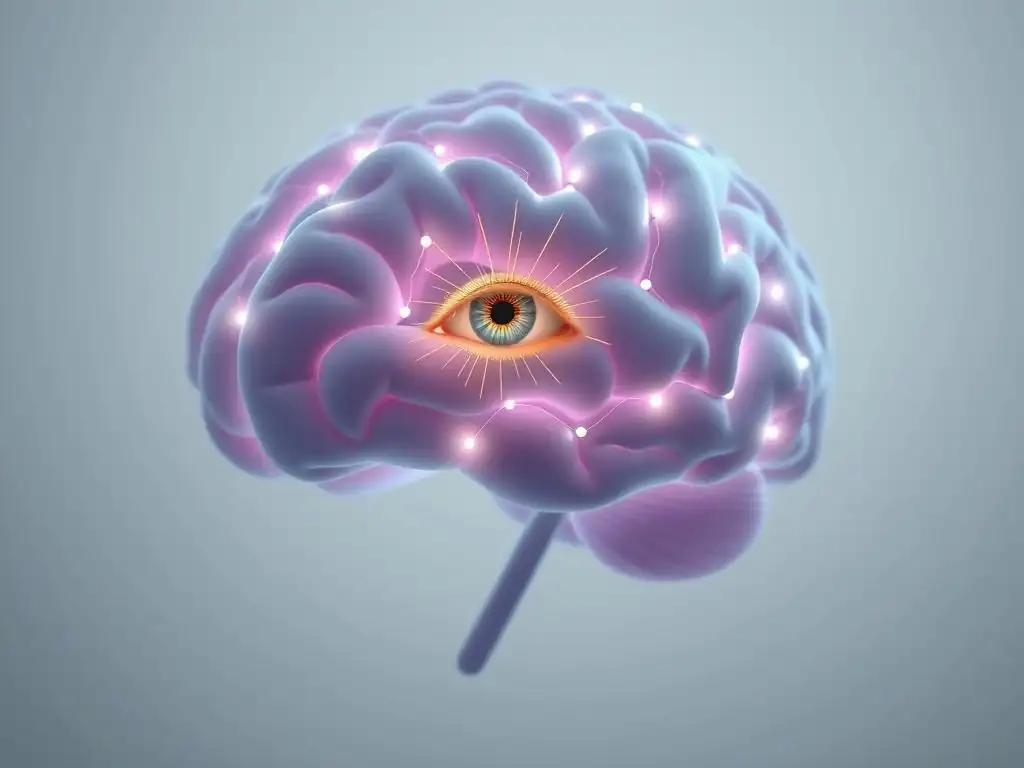
EMDR therapy is believed to facilitate the brain's natural healing processes, particularly those involved in memory consolidation and emotional processing. By introducing bilateral stimulation while the client focuses on the traumatic memory, EMDR appears to mimic aspects of REM sleep, a phase of sleep associated with processing and integrating experiences. This reprocessing allows the brain to move the traumatic memory from a state of being "stuck" in the limbic system (emotional brain) to being integrated into the neocortex (thinking brain).
This shift in memory storage reduces the emotional charge associated with the memory, making it feel less vivid and distressing. The goal is not to forget the event, but to remember it without the overwhelming fear, panic, or other intense emotions that were present during the original experience. This fundamental change in how the brain handles the memory is the core mechanism behind the significant EMDR trauma recovery benefits observed clinically.
How EMDR Works: Bilateral Stimulation and Brain Reprocessing
The exact neurobiological mechanisms of EMDR are still being researched, but the prevailing theory centers around the role of bilateral stimulation in facilitating information processing. When the brain is processing a traumatic memory while simultaneously engaged in a demanding task like tracking eye movements, it seems to reduce the vividness and emotional intensity of the memory. This process is thought to allow the memory to be re-encoded and integrated into the individual's broader memory network in a less distressing way.
Think of a computer file that is corrupted and inaccessible. Bilateral stimulation might act like a defragmentation tool, allowing the brain to reorganize the information and store it properly. This reprocessing enables the individual to access the memory without triggering the intense fight-or-flight response, allowing for a more adaptive perspective on the event. This neurological "re-filing" is key to unlocking the many EMDR trauma recovery benefits.
EMDR's Impact on Neural Pathways: Strengthening Adaptive Connections
EMDR therapy appears to influence the neural pathways involved in processing and storing emotional memories. By repeatedly pairing the traumatic memory with bilateral stimulation, the therapy seems to weaken the connections between the memory and the intense emotional responses (fear, panic) stored in the amygdala. Simultaneously, it appears to strengthen connections between the memory and more adaptive parts of the brain, such as the prefrontal cortex and hippocampus.
This strengthening of adaptive pathways allows the individual to access the memory with greater cognitive control and contextual understanding, rather than being overwhelmed by raw emotion. The brain learns to process the memory as something that happened in the past, rather than an ongoing threat. This rewiring of neural networks is a critical component of the long-lasting EMDR trauma recovery benefits.
The Mechanism of Action: Reducing Emotional Distress Associated with Traumatic Memories
The primary mechanism of action in EMDR is the reduction of emotional distress associated with traumatic memories. This is achieved through the reprocessing facilitated by bilateral stimulation. As the individual focuses on the distressing image, negative belief, and physical sensations linked to the memory while engaging in bilateral stimulation, the emotional intensity typically decreases over sets.
This desensitization allows the individual to move from feeling overwhelmed by the memory to being able to think about it with less emotional charge. The distressing emotions are "desensitized," while the memory itself is "reprocessed" in a way that integrates it into a more adaptive network. For instance, a memory that previously triggered a panic attack might, after EMDR, be recalled with sadness or regret but without the physiological alarm response. This reduction in emotional burden is perhaps the most immediate and felt of the EMDR trauma recovery benefits.
EMDR Trauma Recovery Benefits: Specific Changes in Brain Activity
Research utilizing neuroimaging techniques provides evidence for the brain changes associated with EMDR trauma recovery benefits. Studies have examined how brain activity shifts before and after successful EMDR therapy, offering insights into the neurological underpinnings of this treatment's effectiveness. These studies often compare brain scans of individuals with PTSD or other trauma-related conditions before and after a course of EMDR.
The findings from these studies consistently point towards changes in the activity levels and connectivity of brain regions known to be affected by trauma, particularly the amygdala, hippocampus, and prefrontal cortex. These observed changes correlate with the reduction in trauma symptoms reported by clients, providing a neurological basis for the clinical EMDR trauma recovery benefits.
Studies on EMDR and Brain Imaging: fMRI and EEG Findings
Functional Magnetic Resonance Imaging (fMRI) and Electroencephalography (EEG) are two primary tools used in studies investigating EMDR's impact on the brain. fMRI measures brain activity by detecting changes in blood flow, providing spatial information about which areas are more or less active. EEG measures electrical activity in the brain, offering insights into brain wave patterns and temporal dynamics.
Several studies have used fMRI to show reduced activity in the amygdala and increased activity in the prefrontal cortex after successful EMDR treatment. For example, one study involving participants with PTSD showed a significant decrease in amygdala response to trauma-related cues post-EMDR compared to baseline. EEG studies have explored changes in brain wave coherence and connectivity patterns, suggesting that EMDR promotes better integration between different brain regions involved in memory and emotion processing. These findings collectively support the idea that EMDR facilitates adaptive changes in brain function, contributing to the observed EMDR trauma recovery benefits.
EMDR and Amygdala Activity: Reducing Fear Responses
One of the most consistent findings in EMDR neuroimaging research is the reduction in amygdala activity in response to trauma-related stimuli after successful treatment. The amygdala's role is to quickly detect potential threats, and in trauma, it becomes hypersensitive. This hypersensitivity leads to exaggerated fear responses, even when the individual is safe.
Following EMDR therapy, studies have shown a significant decrease in how strongly the amygdala reacts when the individual is exposed to triggers related to their trauma. This reduction in amygdala reactivity is directly linked to the decrease in fear, anxiety, and hypervigilance symptoms that are hallmark EMDR trauma recovery benefits. The brain is learning to process the traumatic memory without activating the full-blown threat response.
EMDR and Hippocampal Function: Improving Memory Consolidation
While some studies show changes in hippocampal volume with chronic trauma, EMDR's impact on hippocampal function is also an area of interest. The hippocampus is crucial for contextualizing memories – placing them in time and space and differentiating them from the present. Trauma can impair this function, leading to fragmented memories and flashbacks that feel like they are happening now.
Preliminary research suggests that by facilitating the reprocessing of traumatic memories, EMDR may help improve the hippocampus's ability to properly encode and store these memories. This allows the individual to recall the event as something that occurred in the past, reducing the feeling of reliving it. Improved memory consolidation contributes to a sense of distance from the trauma, which is a key aspect of achieving lasting EMDR trauma recovery benefits.
EMDR and Prefrontal Cortex Activity: Enhancing Emotional Regulation
The prefrontal cortex (PFC) is the brain's executive control center, playing a key role in emotional regulation, decision-making, and impulse control. In trauma survivors, the PFC is often less active, making it difficult to regulate intense emotions triggered by traumatic memories.
Studies have shown that after successful EMDR therapy, there is often increased activity in the PFC, particularly in areas involved in modulating emotional responses. This suggests that EMDR helps strengthen the brain's capacity for top-down control over emotional reactions. Enhanced PFC function allows individuals to better manage their feelings, think more clearly under stress, and engage in more adaptive behaviors. This improved emotional regulation is a significant component of the holistic EMDR trauma recovery benefits.
EMDR Therapy for Specific Trauma Types: Adapting Treatment for Different Needs
While the core principles of EMDR therapy remain consistent, the approach is often adapted to address the unique challenges presented by different types of trauma. A skilled EMDR therapist will tailor the treatment plan, pacing, and specific targets to meet the individual needs of the client, recognizing that the impact of trauma can vary greatly depending on its nature, duration, and the individual's circumstances.
The versatility of EMDR allows it to be applied effectively to a range of trauma experiences, from single-incident traumas like accidents or natural disasters to complex, relational traumas experienced over long periods. Understanding how EMDR is adapted for specific trauma types highlights its broad applicability and the diverse EMDR trauma recovery benefits it can offer.
EMDR for PTSD: Addressing Core Trauma Symptoms
EMDR therapy is recognized by numerous international health organizations, including the World Health Organization and the American Psychiatric Association, as an effective treatment for Post-Traumatic Stress Disorder (PTSD). For individuals with PTSD, EMDR targets the specific traumatic memories that fuel symptoms like flashbacks, nightmares, avoidance, and hyperarousal.
The structured eight-phase approach is particularly well-suited for addressing the core features of PTSD. By systematically desensitizing and reprocessing the most distressing memories, EMDR helps to dismantle the triggers that maintain the disorder. Clinical trials have shown that a significant percentage of individuals with single-incident trauma PTSD can achieve remission within 3-12 sessions of EMDR, demonstrating its powerful EMDR trauma recovery benefits for this population.
EMDR for Complex Trauma: Healing Attachment Wounds
Complex trauma, often resulting from chronic, interpersonal trauma experienced during critical developmental periods (like childhood abuse or neglect), presents unique challenges. It often impacts attachment patterns, self-concept, and emotional regulation more broadly than single-incident trauma. EMDR for complex trauma typically requires a longer preparation phase to build resources, establish safety, and develop coping skills before targeting specific memories.
Therapists working with complex trauma may focus on reprocessing not just specific events, but also relational patterns, negative self-beliefs ("I am unlovable"), and attachment-related memories. The goal is to heal deep-seated wounds and build a more secure sense of self and connection. While it may take more sessions, EMDR can yield profound EMDR trauma recovery benefits for individuals with complex trauma, facilitating healing of attachment injuries and improving relational functioning.
EMDR for Sexual Assault Trauma: Tailoring Treatment for Unique Challenges
Sexual assault trauma often involves profound violations of personal safety, autonomy, and trust. EMDR therapy for sexual assault survivors requires a sensitive and carefully tailored approach. Therapists must prioritize creating a safe therapeutic space and empowering the survivor throughout the process.
Treatment may involve targeting specific assault memories, but also addressing associated issues such as shame, guilt, self-blame, and difficulty with intimacy. Reprocessing can help survivors move from feeling defined by the assault to reclaiming their sense of self and safety. While challenging, EMDR offers significant EMDR trauma recovery benefits by helping survivors process the traumatic event and its aftermath, reducing its power and facilitating healing.
Maximizing EMDR Trauma Recovery Benefits: Enhancing Treatment Outcomes

While EMDR therapy itself is highly effective, there are factors that can enhance its outcomes and help individuals maximize the EMDR trauma recovery benefits they experience. These include working with a qualified therapist, integrating EMDR with other supportive therapeutic modalities, and adopting lifestyle strategies that support brain health.
A holistic approach to trauma recovery recognizes that healing involves the mind, body, and nervous system. By incorporating these elements, individuals can create an optimal environment for the brain's reprocessing capabilities and support long-term well-being.
The Importance of a Qualified EMDR Therapist
Finding a qualified and experienced EMDR therapist is paramount to maximizing the EMDR trauma recovery benefits. EMDR therapy requires specialized training and supervision beyond standard therapeutic education. A well-trained therapist understands the nuances of the eight-phase protocol, can skillfully guide the client through the reprocessing phases, and knows how to manage potential challenges or abreactions that may arise.
A qualified therapist will ensure proper preparation, assess readiness for reprocessing, and tailor the treatment plan to the individual's specific needs and trauma history. They also provide a safe and supportive therapeutic relationship, which is foundational for any trauma work. Seeking out a therapist certified or trained by recognized EMDR organizations is highly recommended.
Integrating EMDR with Other Therapeutic Modalities: CBT and Somatic Experiencing
Integrating EMDR with other therapeutic approaches can often enhance the overall EMDR trauma recovery benefits, particularly for individuals with complex trauma or co-occurring conditions. Cognitive Behavioral Therapy (CBT) can be helpful for addressing current coping skills, challenging distorted thinking patterns outside of specific memory reprocessing, and managing symptoms like depression or anxiety.
Somatic Experiencing (SE) or other body-oriented therapies can be particularly beneficial for addressing the physiological impact of trauma and helping individuals develop a greater awareness of and capacity to regulate their nervous system responses. Combining EMDR's memory reprocessing with body-based techniques can lead to more comprehensive healing, addressing both the psychological and physiological aspects of trauma.
Nutritional Strategies that Support Brain Health and EMDR Effectiveness
Supporting overall brain health through nutrition can also play a role in enhancing EMDR effectiveness and sustaining EMDR trauma recovery benefits. The brain requires specific nutrients to function optimally, especially during periods of intense processing and change.
Consuming a diet rich in omega-3 fatty acids (found in fish, flaxseeds), antioxidants (colorful fruits and vegetables), and B vitamins is crucial for neurotransmitter function and reducing inflammation, which can be elevated in trauma survivors. Ensuring adequate hydration and minimizing processed foods, sugar, and excessive caffeine or alcohol intake can also support stable mood and cognitive function, creating a more conducive environment for the brain to engage in the demanding work of reprocessing traumatic memories during EMDR therapy.
EMDR and Long-Term Brain Health: Sustaining Trauma Recovery
The changes facilitated by EMDR therapy are not temporary fixes; they are believed to promote long-term shifts in brain function and structure that support sustained trauma recovery and resilience. By reprocessing traumatic memories and strengthening adaptive neural pathways, EMDR helps the brain move towards a more balanced and healthy state.
Sustaining the EMDR trauma recovery benefits involves not only the initial therapeutic work but also ongoing practices that support neuroplasticity and emotional well-being. The brain's remarkable capacity for change means that healing is possible, and the gains made in therapy can continue to strengthen over time.
Maintaining the Benefits of EMDR: Continued Emotional Well-being
Maintaining the benefits achieved through EMDR therapy involves incorporating healthy lifestyle practices and continuing to utilize coping skills learned in therapy. While EMDR often provides significant relief from trauma symptoms, life stressors can still arise. Having tools for emotional regulation, stress management, and self-care is crucial for long-term well-being.
This might include mindfulness practices, regular exercise, maintaining supportive relationships, and engaging in activities that bring joy and a sense of purpose. For some, occasional "booster" sessions of EMDR may be helpful if new stressors arise or if aspects of the original trauma resurface. Proactively supporting mental and emotional health helps solidify the EMDR trauma recovery benefits.
Neuroplasticity and EMDR: The Brain's Capacity for Change
Neuroplasticity, the brain's ability to reorganize itself by forming new neural connections throughout life, is the biological foundation for EMDR's long-term effectiveness. EMDR therapy leverages this innate capacity for change by facilitating the creation of new, adaptive pathways for processing traumatic information.
The bilateral stimulation and guided reprocessing seem to activate brain mechanisms that promote the formation of these new connections, essentially rewiring how the brain responds to the traumatic memory. This means that the brain doesn't just learn to cope with the trauma; it changes its fundamental way of processing it. This ongoing neuroplastic change contributes significantly to the lasting nature of the EMDR trauma recovery benefits.
EMDR as a Tool for Resilience: Building a Stronger Foundation for the Future
Beyond resolving past trauma, EMDR can serve as a tool for building resilience, equipping individuals with a stronger foundation for facing future challenges. By successfully processing deeply distressing experiences, individuals gain confidence in their ability to navigate difficult emotions and situations.
The process of EMDR itself can teach valuable lessons about the brain's capacity to heal and the individual's inner strength. Having cleared the burden of unprocessed trauma, individuals often find they have more energy and capacity to cope with everyday stressors and pursue personal growth. This enhanced resilience is one of the most valuable long-term EMDR trauma recovery benefits, empowering individuals to live more fully and confidently.
Is EMDR Right for You? Considerations and Contraindications
Deciding whether EMDR therapy is the right path for your trauma recovery journey is an important step. While EMDR is highly effective for many, it is not suitable for everyone, and certain factors should be considered. Consulting with a qualified mental health professional is essential to assess your individual needs, history, and current circumstances.
An informed decision involves understanding the potential benefits, challenges, and any contraindications that might apply. Discussing your trauma history, current symptoms, and therapeutic goals openly with a therapist trained in EMDR will help determine if this approach aligns with your needs for achieving EMDR trauma recovery benefits.
Assessing Your Suitability for EMDR Therapy
Assessing suitability for EMDR involves several factors. A therapist will typically evaluate the nature and complexity of your trauma history, your current support system, your ability to tolerate distress, and any co-occurring mental or physical health conditions. Individuals with dissociative disorders, active psychosis, or severe substance abuse issues may need to address these conditions first before engaging in EMDR processing.
A key factor is the individual's ability to self-regulate and manage intense emotions that may arise during reprocessing. The preparation phase of EMDR is designed to build these resources, but some individuals may require more extensive stabilization before proceeding. Openly discussing any concerns about managing difficult emotions with your therapist is crucial for a safe and effective EMDR experience.
Addressing Potential Challenges and Side Effects of EMDR
While EMDR is generally considered safe, it can sometimes bring up intense emotions or physical sensations during reprocessing. Some individuals may experience temporary discomfort, vivid dreams, or heightened emotions between sessions as the brain continues to process the material. These are often signs that the processing is occurring but can be challenging to navigate.
A skilled EMDR therapist will prepare you for these possibilities and provide strategies for managing any distress that arises. They will also pace the sessions appropriately and ensure you have adequate coping resources. It's important to communicate openly with your therapist about any difficulties you experience during or between sessions to ensure the process remains safe and therapeutic.
Consulting with a Mental Health Professional: Making an Informed Decision
The most important step in determining if EMDR is right for you is to consult with a mental health professional trained in EMDR therapy. They can conduct a thorough assessment of your history, symptoms, and readiness for this type of work. They can explain the process in detail, answer your questions, and discuss whether EMDR is the most appropriate treatment for your specific trauma and circumstances.
Making an informed decision involves understanding the potential EMDR trauma recovery benefits alongside any potential challenges. A qualified professional can help you weigh these factors and determine the best path forward on your journey towards healing and well-being.
Frequently Asked Questions
What is EMDR and how does it relate to trauma recovery?
EMDR, or Eye Movement Desensitization and Reprocessing, is a therapy technique used to help individuals process and recover from traumatic experiences. It utilizes bilateral stimulation to help reprocess distressing memories.
How does EMDR therapy work with the brain to facilitate trauma recovery?
EMDR is thought to help the brain reprocess traumatic memories by facilitating communication between the two hemispheres. This allows the brain to adaptively integrate the memory with other experiences.
What are the key benefits of using EMDR for trauma recovery?
Some key benefits of EMDR include reduced anxiety and distress associated with traumatic memories. It can also lead to improved emotional regulation and a sense of empowerment.
Is EMDR a suitable therapy for all types of trauma?
EMDR has been shown to be effective for a variety of traumas, including single-incident trauma and complex trauma. However, suitability should be assessed by a qualified mental health professional.
How can I find a qualified EMDR therapist for trauma recovery?
You can find a qualified EMDR therapist through professional organizations like the EMDR International Association (EMDRIA). It's crucial to verify their credentials and experience in trauma treatment.
Final Reflection: Unlocking the Brain's Healing Power Through EMDR
The groundbreaking research connecting EMDR therapy and brain function offers a powerful, evidence-based pathway to trauma recovery, revolutionizing how we understand and treat the lasting effects of adverse experiences. This isn't just about alleviating symptoms; it's about facilitating genuine neurological healing, offering hope to countless individuals struggling with the debilitating impact of trauma.
The impact of EMDR extends far beyond the individual, reshaping our understanding of trauma's societal burden and influencing the development of more effective mental health interventions. Its success in processing traumatic memories and reducing their negative influence underscores the brain's remarkable plasticity and capacity for healing. The human brain is an amazing organ. It starts working the moment you get up in the morning and doesn't stop until you get to the office.
- Robert Frost (paraphrased to fit the context). While not directly about EMDR, this highlights the power and resilience of the brain that EMDR taps into. This understanding is crucial, not only for clinicians but also for fostering empathy and support within communities affected by trauma.
Consider the potential within you. You possess the innate capacity for healing, and EMDR offers a powerful tool to unlock it. Take a moment to reflect on your own experiences, and consider how the insights presented in this article might inform your journey toward wholeness. If you or someone you know is struggling with the effects of trauma, don't hesitate to explore the possibilities of EMDR therapy. It's a testament to the brain's incredible ability to heal, and it could be the key to unlocking a brighter, more resilient future for you.
Unlock Your Brain's Healing Power: Next Steps to Trauma Recovery
We hope this article shed light on the fascinating connection between EMDR and your brain's natural healing processes. You've gained valuable insights into how trauma impacts brain function, and the powerful role EMDR can play in recovery. Now, it's time to take the next steps.
- Find an EMDR therapist: This is the most crucial step towards harnessing the power of EMDR for your healing journey. Research therapists in your area and explore their experience with trauma treatment.
- Share your newfound knowledge: Talk to friends, family, or support groups about EMDR and its potential benefits. Spreading awareness can help others find the support they need.
- Explore self-soothing techniques: Supplement your EMDR therapy (if pursuing it) by incorporating mindfulness practices or other relaxation techniques into your daily routine.
Ready to begin your healing journey? What small step will you take today to prioritize your mental well-being?