
From Crisis Mode to Calm: Charting Your Acute Stress Disorder Recovery


Welcome to Mind Care Guide, a sanctuary for your mental well-being. Feeling overwhelmed and struggling to regain your footing after a profoundly stressful experience? You're not alone. This is a safe space to explore the pathways to healing.
Our latest guide delves into Acute Stress Disorder Recovery Tips, offering practical strategies and compassionate support as you navigate the journey from crisis to calm. Are you ready to begin reclaiming your peace of mind? Dive in and discover the tools to help you heal.
From Crisis Mode to Calm: Charting Your Acute Stress Disorder Recovery
Acute Stress Disorder (ASD) can leave you feeling overwhelmed, disconnected, and on high alert after a traumatic event. It's a natural, though distressing, response to experiencing or witnessing something deeply disturbing. Navigating this period is challenging, but recovery is absolutely possible. This guide offers acute stress disorder recovery tips and strategies to help you move from the chaos of crisis mode towards a sense of calm and stability. Understanding the path forward is the first step in reclaiming your well-being.
- Understanding Acute Stress Disorder (ASD) and Recovery
- Acute Stress Disorder Recovery Tips: Your Roadmap to Healing
- Long-Term Strategies for Maintaining Mental Wellness After ASD
- Resources for Acute Stress Disorder Support and Information
- Moving Forward: Embracing a Path of Healing and Growth
-
Frequently Asked Questions
- What is Acute Stress Disorder (ASD) and how does it differ from PTSD?
- What are some common symptoms of Acute Stress Disorder?
- What are the first steps I should take if I think I have ASD?
- What types of therapy are most effective for ASD recovery?
- What are some self-care strategies I can use to support my recovery from ASD?
- Final Reflection: Finding Calm Amidst the Storm
- Unleash Your Inner Resilience: Start Your ASD Recovery Journey Now
Understanding Acute Stress Disorder (ASD) and Recovery
What is Acute Stress Disorder? Recognizing the Signs and Symptoms
Acute Stress Disorder is a mental health condition that can develop within three days to one month following exposure to a traumatic event. This exposure can be direct (experiencing the trauma yourself), witnessing it happen to others, learning that it happened to a close family member or friend, or repeated or extreme exposure to aversive details of the trauma (common in first responders). The defining feature is the onset and duration of symptoms shortly after the event.
Symptoms of ASD fall into distinct clusters. These include intrusion symptoms (like distressing memories, nightmares, or flashbacks), negative mood (persistent inability to experience positive emotions), dissociative symptoms (altered sense of reality, inability to recall key aspects of the trauma), avoidance symptoms (efforts to avoid distressing memories, thoughts, feelings, or external reminders), and arousal symptoms (sleep disturbance, irritability, hypervigilance, difficulty concentrating, exaggerated startle response). Experiencing symptoms from multiple clusters is typically necessary for a diagnosis, and these symptoms must cause significant distress or impairment in daily life.
The Difference Between ASD and PTSD: A Clear Explanation
While ASD shares many symptoms with Post-Traumatic Stress Disorder (PTSD), the primary distinction lies in the timing and duration of the symptoms. ASD occurs and resolves within one month of the traumatic event. If the symptoms persist for longer than one month, the diagnosis may change to PTSD.
Think of ASD as an immediate, short-term reaction to trauma. It's like the body and mind's initial shock response. PTSD, on the other hand, represents a more prolonged and chronic reaction that develops if those initial acute symptoms do not resolve or worsen over time. Research suggests that a significant percentage of individuals diagnosed with ASD, potentially ranging from 50% to 80% in some studies involving specific trauma types like severe injury or assault, may go on to develop PTSD if not effectively treated.
Why Early Intervention is Crucial for ASD Recovery
Acting quickly after a traumatic event is paramount in preventing the symptoms of Acute Stress Disorder from becoming chronic and potentially developing into PTSD. Early intervention, ideally within days or weeks of the trauma, can significantly disrupt the cycle of avoidance and hyperarousal that often fuels the disorder. Providing support, education about normal trauma responses, and initial coping strategies can empower individuals to process the event in a healthy way from the outset.
Therapeutic approaches implemented early, such as Trauma-Focused Cognitive Behavioral Therapy (TF-CBT) or brief forms of exposure therapy, have shown promise in reducing ASD symptoms and lowering the likelihood of a later PTSD diagnosis. For example, studies have indicated that early CBT interventions can reduce the rate of PTSD development in individuals with ASD by half or more compared to those receiving only supportive counseling or no specific trauma-focused treatment. Seeking help promptly is one of the most important acute stress disorder recovery tips you can follow.
Acute Stress Disorder Recovery Tips: Your Roadmap to Healing
Navigating recovery from Acute Stress Disorder requires a multi-faceted approach that addresses both the psychological and physical impacts of trauma. Implementing effective strategies can help you regain a sense of stability and process your experience. Here are some key acute stress disorder recovery tips to guide your journey.
Tip #1: Prioritize Self-Care During ASD Recovery
Taking deliberate steps to care for your physical and emotional needs is not a luxury; it's a fundamental part of healing from trauma. When you're experiencing ASD symptoms, your nervous system is likely in overdrive. Simple self-care practices can help regulate your responses and build a foundation for recovery.
Prioritizing self-care means acknowledging that your resources are depleted and consciously working to replenish them. This includes setting boundaries to avoid re-traumatization or excessive stress, engaging in activities that bring you comfort or peace, and being patient and compassionate with yourself throughout the healing process. Recovery from Acute Stress Disorder is a marathon, not a sprint, and consistent self-care fuels your endurance.
Implementing Mindfulness Techniques for Stress Reduction
Mindfulness involves paying attention to the present moment without judgment. For someone with ASD, who might be plagued by intrusive thoughts or flashbacks, mindfulness can be a powerful tool to anchor themselves in the here and now. Simple practices like focusing on your breath for a few minutes, doing a body scan to notice physical sensations, or mindfully engaging in a simple activity like washing dishes can interrupt the cycle of rumination or hypervigilance.
Regular mindfulness practice, even for just 5-10 minutes daily, can help reduce overall stress levels and improve emotional regulation. It teaches you to observe your thoughts and feelings without being consumed by them, which is crucial when coping with the intense emotions associated with trauma and acute stress disorder recovery. These techniques are practical acute stress disorder recovery tips for managing immediate distress.
The Importance of Rest and Nutrition in Healing
Trauma is physically exhausting. Sleep disturbances, such as difficulty falling asleep, staying asleep, or nightmares, are common ASD symptoms. Ensuring you get adequate rest is vital for both physical and mental restoration. Aim for 7-9 hours of quality sleep per night by establishing a consistent sleep schedule and creating a relaxing bedtime routine.
Similarly, nourishing your body with balanced meals provides the energy and nutrients needed for healing. Trauma can affect appetite and lead to poor eating habits. Focusing on regular meals rich in fruits, vegetables, lean protein, and healthy fats supports brain function and overall resilience. Hydration is also key. Proper rest and nutrition are foundational acute stress disorder recovery tips that support all other healing efforts.
Tip #2: Seeking Professional Support for Acute Stress Disorder
Engaging with mental health professionals is one of the most effective acute stress disorder recovery tips you can follow. Therapists trained in trauma can provide evidence-based treatments specifically designed to help individuals process traumatic experiences and manage their symptoms safely.
Don't hesitate to reach out for help. Mental health professionals offer a confidential and structured environment to explore your feelings and develop coping strategies. They can help you understand your reactions to trauma and guide you through the steps necessary for recovery.
Finding a Therapist Specializing in Trauma and ASD
When seeking professional help, it's beneficial to find a therapist with experience in trauma-informed care or specific training in treating conditions like ASD and PTSD. These therapists understand the unique challenges faced by trauma survivors and utilize approaches that prioritize safety and empowerment.
You can often find therapists through professional organizations or directories (though no specific ones can be named here). Don't be afraid to ask potential therapists about their experience with trauma and their therapeutic approach. Finding a good fit is important for building trust and ensuring effective treatment tailored to your specific needs during acute stress disorder recovery.
Cognitive Behavioral Therapy (CBT) for Managing ASD Symptoms
Cognitive Behavioral Therapy (CBT) is a widely recommended treatment for Acute Stress Disorder. It focuses on identifying and changing negative thought patterns and behaviors related to the trauma. A core component often used for trauma is Trauma-Focused CBT (TF-CBT), which helps individuals gradually process the traumatic memories and reduce avoidance behaviors.
Through techniques like cognitive restructuring, you learn to challenge distorted or unhelpful thoughts about the trauma, yourself, or the world. Exposure techniques, done safely and gradually with the therapist's guidance, can help reduce the fear and anxiety associated with trauma reminders. Studies consistently show CBT's effectiveness in significantly reducing ASD symptoms within a short period, often within 8-12 sessions.
Medication Options: When and How They Can Help
Medication is not typically the primary treatment for ASD, as the condition is often short-lived and responds well to therapy. However, in some cases, a psychiatrist may prescribe medication to manage specific, severe symptoms that are causing significant distress or impairment.
For instance, short-term use of anti-anxiety medications might be considered for severe, debilitating anxiety or panic attacks, although their use is often limited due to potential for dependence. Sleep aids might also be prescribed temporarily for severe insomnia. Antidepressants, particularly SSRIs, are more commonly used for PTSD but might be considered if depressive symptoms are prominent or if ASD is prolonged. Any decision about medication should be made in consultation with a medical doctor or psychiatrist who can assess your individual needs and potential risks and benefits, always ideally in conjunction with therapy for comprehensive acute stress disorder recovery.
Tip #3: Building a Strong Support System for ASD Recovery
Feeling isolated after trauma is common, but connecting with others is a vital part of the healing process. A strong support system can provide emotional comfort, practical assistance, and a sense of belonging.
Leaning on trusted individuals and groups can help you feel less alone in your struggles and provide encouragement as you implement acute stress disorder recovery tips. Don't underestimate the power of human connection in navigating difficult times.
Connecting with Family and Friends: The Power of Social Support
Talking about your experience and feelings with understanding family members or friends can be incredibly therapeutic. They can offer a listening ear, provide reassurance, and help with daily tasks that might feel overwhelming while you're coping with ASD symptoms.
It's important to choose people you trust and feel safe with. You don't have to share every detail if you're not ready, but expressing your needs and accepting support can make a significant difference. Remember that setting boundaries is also okay; you have the right to limit conversations or interactions that feel overwhelming.
Joining Support Groups: Sharing Experiences and Finding Solidarity
Connecting with others who have experienced trauma can foster a powerful sense of solidarity and understanding. Support groups, whether in-person or online, provide a safe space to share your story, learn from others' coping strategies, and realize you're not alone in your reactions.
Hearing how others are navigating their acute stress disorder recovery can offer hope and practical insights. These groups are not a substitute for professional therapy but can be a valuable complement, providing peer support and reducing feelings of isolation.
Tip #4: Managing Triggers and Flashbacks in ASD
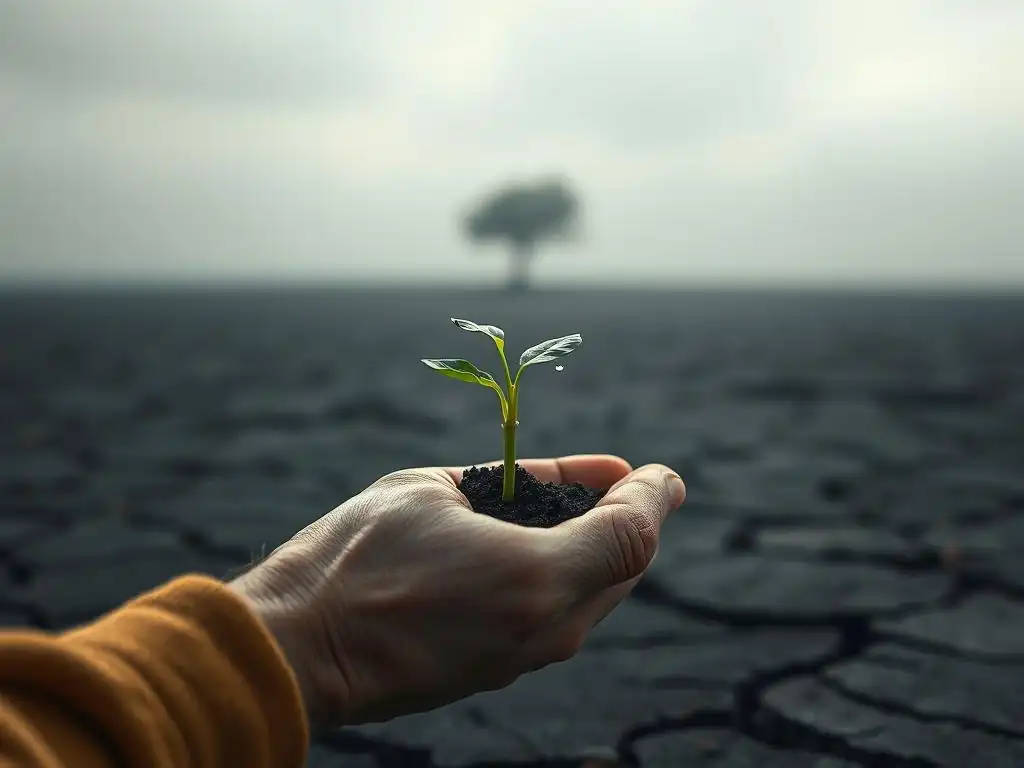
Triggers are reminders of the traumatic event that can provoke intense emotional or physical reactions, such as anxiety, panic, or flashbacks. Flashbacks are vivid, intrusive experiences where you feel like you are reliving the trauma. Learning to identify and manage these is a critical acute stress disorder recovery tip.
Managing triggers doesn't mean avoiding everything that reminds you of the trauma forever, which can be counterproductive in the long run. Instead, it involves developing strategies to cope with the distress they cause when they inevitably occur, particularly in the early stages of recovery.
Identifying Personal Triggers: A Key Step in Recovery
Triggers can be sensory (a sound, smell, sight), emotional (feeling a certain emotion that was present during the trauma), or situational (being in a place similar to where the trauma occurred). Keeping a journal can help you identify patterns and understand what situations, people, or sensations tend to trigger your symptoms.
Once you identify your triggers, you can develop strategies to manage them. This might involve learning to recognize the early signs of a trigger response, planning how to navigate potentially triggering situations, or using coping techniques when a trigger occurs.
Grounding Techniques to Cope with Flashbacks
Grounding techniques are simple strategies designed to bring you back to the present moment when you feel overwhelmed by flashbacks or intense anxiety. They help you reconnect with your surroundings and your body, pulling you out of the traumatic memory.
A common technique is the 5-4-3-2-1 method: name 5 things you can see, 4 things you can touch, 3 things you can hear, 2 things you can smell, and 1 thing you can taste. Other methods include focusing on your breath, holding a comforting object, or noticing the feeling of your feet on the ground. Practicing these techniques when you are calm makes them easier to use during moments of distress, offering practical acute stress disorder recovery tips for managing intense symptoms.
Tip #5: Rebuilding a Sense of Safety and Control After Trauma
Trauma often shatters a person's sense of safety and control over their life. Rebuilding these feelings is fundamental to recovery. This involves creating stability in your external environment and regaining a sense of agency over your internal state and your future.
Focusing on establishing predictability and setting achievable goals helps counter the chaos and helplessness that trauma can instill. These steps are crucial for regaining confidence and moving forward on your acute stress disorder recovery journey.
Establishing a Routine for Stability and Predictability
Creating and sticking to a daily routine can provide a much-needed sense of structure and predictability when the world feels unpredictable. Regular wake-up and sleep times, planned meals, scheduled activities, and dedicated time for self-care or relaxation can help ground you.
A routine reduces the mental load of making decisions and provides a framework around which you can rebuild your life. It helps reinforce that you have some control over your day, countering the feeling of powerlessness that often follows trauma.
Setting Realistic Goals for Your Recovery Journey
Recovery from ASD is a process, and it's important to set realistic expectations for yourself. Break down your recovery into small, manageable goals. This could be as simple as getting out of bed at a certain time, completing one small task, or practicing a coping technique for a set duration.
Achieving these small goals builds confidence and a sense of accomplishment, reinforcing your ability to influence your own healing. Celebrate these small victories. They are proof of your progress and resilience as you implement acute stress disorder recovery tips and navigate your path forward.
Long-Term Strategies for Maintaining Mental Wellness After ASD
While ASD symptoms typically resolve within a month, the experience of trauma can have lasting effects. Developing long-term strategies for managing stress and cultivating resilience is crucial for maintaining mental wellness and preventing future difficulties. These practices extend beyond the initial acute stress disorder recovery tips and become part of a healthy lifestyle.
Developing Healthy Coping Mechanisms for Stress
Stress is an unavoidable part of life, but how you cope with it makes a significant difference in your long-term well-being. After experiencing ASD, it's important to consciously build a repertoire of healthy coping mechanisms.
This might include engaging in regular physical activity, practicing relaxation techniques like deep breathing or meditation, pursuing hobbies, spending time in nature, journaling, or talking to trusted friends or a therapist. Identifying and replacing unhealthy coping strategies (like substance use or excessive isolation) with positive ones is a critical step in maintaining mental health post-acute stress disorder recovery.
Cultivating Resilience: Building Inner Strength
Resilience is the ability to adapt and bounce back from adversity. While trauma can challenge your resilience, it can also be an opportunity to strengthen it. Cultivating resilience involves developing a positive self-view, maintaining a hopeful outlook, building strong relationships, and having the ability to manage strong feelings.
Practices like focusing on your strengths, learning from challenges, practicing self-compassion, and finding meaning in your experiences can all contribute to building inner strength. Resilience is not about avoiding difficulty but about navigating it effectively, a vital skill for life after acute stress disorder recovery.
The Role of Exercise in Promoting Mental and Emotional Well-being
Regular physical exercise is a powerful tool for promoting both physical and mental health. It helps reduce stress hormones like cortisol and increases endorphins, which are natural mood boosters.
Engaging in activities you enjoy, whether it's walking, running, yoga, swimming, or dancing, can help manage anxiety, improve sleep, and boost overall mood. Aim for at least 30 minutes of moderate exercise most days of the week. Physical activity is not just about physical fitness; it's a crucial component of maintaining emotional balance and supporting long-term acute stress disorder recovery.
Resources for Acute Stress Disorder Support and Information

Accessing reliable information and support is essential on the path to recovery. Knowing where to turn for help can make a significant difference.
Online Resources and Websites for ASD Information
Numerous reputable mental health organizations and government health websites provide accurate information about Acute Stress Disorder, its symptoms, and treatment options. These platforms often offer articles, FAQs, and self-help resources that can deepen your understanding of the condition and acute stress disorder recovery tips.
Crisis Hotlines and Mental Health Services
If you are experiencing overwhelming distress or thoughts of harming yourself, immediate help is available. Crisis hotlines provide confidential support 24/7. Local mental health services can also connect you with emergency care, counseling, and psychiatric services.
Books and Articles on Trauma and Recovery
Many helpful books and articles are written by mental health professionals and trauma survivors that offer insights, coping strategies, and stories of hope related to trauma and recovery. Reading about others' experiences and learning more about the process can be validating and empowering.
Moving Forward: Embracing a Path of Healing and Growth
Experiencing a traumatic event and navigating Acute Stress Disorder is undoubtedly one of the most challenging experiences a person can face. However, it's crucial to remember that healing is possible. By understanding the nature of ASD, actively applying acute stress disorder recovery tips, seeking professional support, building a strong network, and committing to long-term wellness strategies, you can move through this difficult period.
Your journey from crisis mode to calm is a testament to your strength and resilience. Embrace the path of healing with patience and self-compassion. Each small step forward is progress, and with time and support, you can not only recover but also experience post-traumatic growth, finding new strength and perspective on the other side of trauma.
Frequently Asked Questions
What is Acute Stress Disorder (ASD) and how does it differ from PTSD?
ASD is a mental health condition that can occur in the weeks following a traumatic event. It differs from PTSD in that ASD symptoms are usually shorter in duration, typically resolving within a month. If symptoms persist beyond a month, it may be diagnosed as Post-Traumatic Stress Disorder (PTSD).
What are some common symptoms of Acute Stress Disorder?
Common symptoms include intrusive thoughts about the trauma, negative mood, dissociation (feeling detached from reality), avoidance of trauma-related reminders, and increased arousal (e.g., difficulty sleeping, being easily startled). These symptoms significantly impact daily life and functioning.
What are the first steps I should take if I think I have ASD?
The first step is to seek professional help. A mental health professional can provide an accurate diagnosis and recommend appropriate treatment options. It's crucial to address ASD promptly to prevent potential long-term complications.
What types of therapy are most effective for ASD recovery?
Cognitive Behavioral Therapy (CBT) and Eye Movement Desensitization and Reprocessing (EMDR) are commonly used and effective therapies for ASD. These therapies help process traumatic memories and develop coping mechanisms.
What are some self-care strategies I can use to support my recovery from ASD?
Practicing mindfulness techniques, engaging in physical activity, and maintaining a strong support network can significantly aid recovery. Prioritizing self-care helps manage stress and promotes overall well-being.
Final Reflection: Finding Calm Amidst the Storm
The pervasive nature of trauma and the urgent need for accessible recovery resources are more relevant today than ever before. The sheer volume of global stressors, from political instability to climate anxieties, means that understanding and navigating acute stress disorder (ASD) is no longer a niche concern but a vital skill for building resilience in the face of adversity. This knowledge empowers individuals to take control of their mental health and foster a path towards healing.
The journey from crisis to calm is not linear, but the potential for growth and self-discovery within that journey is profound. It's a process of reclaiming agency, of learning to listen to your body and mind, and of cultivating self-compassion. This process resonates deeply with me, as I've witnessed firsthand the transformative power of healing from trauma. The wound is the place where the Light enters you.
– Rumi. This quote beautifully encapsulates the potential for growth and transformation that emerges from facing difficult experiences. The impact of ASD extends far beyond the individual, shaping relationships, communities, and ultimately, the collective human experience.
You, the reader, now hold the tools to begin your own journey towards healing. Don't underestimate the power of small, consistent steps. Practice self-care, seek support when needed, and remember that recovery is possible. Embrace the lessons learned, and allow this experience to shape you into a stronger, more resilient version of yourself. Your journey is unique, and your strength is undeniable. Begin today.
Unleash Your Inner Resilience: Start Your ASD Recovery Journey Now
Thanks for taking the time to explore strategies for navigating acute stress disorder. We hope you found valuable insights to help you on your path to healing. Now, it's time to take the next step towards reclaiming your well-being.
- Prioritize self-care: Identify one small act of self-compassion you can do today—a warm bath, a mindful walk, or even just five minutes of quiet reflection. This is your foundation.
- Share your experience (optional): Connecting with others who understand can be incredibly powerful. Consider joining a support group or confiding in a trusted friend or family member.
- Explore additional resources: Dive deeper into evidence-based techniques for managing stress and anxiety by researching relevant books or reputable online resources.
What small step will you take today to nurture your mental and emotional strength?