
Gut Feelings: Trauma's Link to Digestive Problems

Welcome to Mind Care Guide, a supportive space dedicated to nurturing your mental well-being.
Ever wondered if that persistent discomfort in your gut might be speaking volumes about something deeper? In our lead article, "Gut Feelings: Trauma's Link to Digestive Problems," we explore the often-overlooked digestive issues trauma connection. Join us as we unravel the intricate relationship between past experiences and present-day physical symptoms, offering insights and resources to help you understand and heal. Dive in and discover how addressing trauma can unlock a path to greater well-being.
Gut Feelings: Trauma's Link to Digestive Problems
- Introduction: Exploring the Digestive Issues Trauma Connection
- The Impact of Trauma on the Gut: A Deeper Dive
- Common Digestive Problems Linked to Trauma
- The Science Behind the Connection: Trauma, Stress, and Digestion
- Recognizing the Symptoms: Identifying Trauma-Related Digestive Issues
- Healing the Gut-Brain Connection: Strategies for Relief
- Nutritional Support for Digestive Health After Trauma
- Seeking Professional Help: When to Consult a Doctor or Therapist
- Conclusion: Embracing a Mind-Body Approach to Overcoming Digestive Issues Related to Trauma
-
Frequently Asked Questions
- How does trauma impact the digestive system?
- What is the "gut-brain axis" and why is it important in understanding the digestive issues trauma connection?
- What types of digestive problems are commonly associated with trauma?
- How can therapy help address the digestive issues trauma connection?
- What are some self-care strategies that can support both mental and digestive health after trauma?
- Final Reflection: Unpacking the Gut-Brain Connection
- Unveil Your Gut's Wisdom: Take Charge of Your Digestive Health
Introduction: Exploring the Digestive Issues Trauma Connection
For many individuals, the echoes of past traumatic experiences aren't confined solely to the mind; they can manifest profoundly within the body, particularly in the digestive system. The intricate connection between our brain and our gut means that emotional and psychological distress can translate directly into physical symptoms, leading to significant digestive issues. Understanding this complex relationship is crucial for effective healing.
This article delves into the science behind the digestive issues trauma connection, exploring how traumatic stress, especially from childhood, can disrupt the delicate balance of the gastrointestinal tract. We will examine specific conditions frequently linked to a history of trauma and discuss strategies for addressing both the physical symptoms and the underlying trauma to promote holistic well-being.
Understanding the Mind-Gut Axis and its Role in Trauma Response
The mind-gut axis is a bidirectional communication system linking the central nervous system (brain) and the enteric nervous system (gut). This connection involves complex pathways, including the vagus nerve, hormones, neurotransmitters, and the immune system. It dictates how we respond to stress, process emotions, and manage digestion.
When a person experiences trauma, their body's stress response system, including the hypothalamic-pituitary-adrenal (HPA) axis, becomes highly activated. Chronic activation due to unresolved trauma can dysregulate this axis, sending persistent distress signals along the mind-gut pathway. This constant state of alert can profoundly alter gut function, leading to a variety of digestive issues trauma connection symptoms.
The Impact of Trauma on the Gut: A Deeper Dive
How Childhood Trauma Affects the Digestive System
Trauma experienced during childhood can have particularly pervasive and long-lasting effects on the developing brain and body, including the digestive system. Early adverse experiences, such as abuse or neglect, can wire the stress response system to be hyper-reactive, influencing gut motility, secretion, and permeability throughout life.
Research consistently shows a strong link between childhood trauma and the development of functional gastrointestinal disorders in adulthood. Studies indicate that individuals with a history of childhood abuse are significantly more likely to report chronic digestive symptoms compared to those without such a history, sometimes showing prevalence rates two to three times higher for conditions like IBS. This highlights the critical need to recognize the digestive issues trauma connection in clinical settings.
The Vagus Nerve: Trauma's Highway to the Gut
The vagus nerve is the longest cranial nerve and serves as a primary communication line between the brain and most internal organs, including the stomach and intestines. It is a key component of the parasympathetic nervous system, responsible for the "rest and digest" state.
In the context of trauma, the vagus nerve's function can become impaired or dysregulated. Chronic stress can suppress vagal tone, reducing its ability to calm the body and regulate digestive processes. Conversely, in some trauma responses, the vagus nerve can become overactive, leading to symptoms like nausea or fainting. Understanding the vagus nerve's role is vital when addressing the digestive issues trauma connection.
Common Digestive Problems Linked to Trauma
Irritable Bowel Syndrome (IBS) and Past Trauma
Irritable Bowel Syndrome (IBS) is one of the most frequently cited conditions linked to a history of trauma. Characterized by symptoms like abdominal pain, bloating, gas, constipation, and diarrhea, IBS is considered a functional gastrointestinal disorder, meaning there's often no structural or biochemical abnormality found.
Studies have shown that a substantial percentage of individuals with IBS report a history of trauma, particularly sexual or physical abuse, with some research suggesting that up to 50-60% of IBS patients in tertiary care settings have a history of significant trauma. This strong correlation underscores the importance of considering the digestive issues trauma connection when diagnosing and treating IBS.
Inflammatory Bowel Disease (IBD) and Trauma History
While IBS is functional, Inflammatory Bowel Disease (IBD), which includes Crohn's disease and Ulcerative Colitis, involves chronic inflammation of the digestive tract. Although IBD has genetic and immunological components, stress and trauma are increasingly recognized as factors that can influence disease onset, severity, and relapse rates.
Research suggests that individuals with IBD are more likely to report a history of adverse life events, including trauma, compared to healthy controls. While trauma may not be the direct cause of IBD, the chronic stress response associated with unresolved trauma is thought to contribute to the inflammatory processes that underpin these conditions, highlighting another facet of the digestive issues trauma connection.
Increased Risk of Functional Dyspepsia After Traumatic Events
Functional dyspepsia, often described as chronic indigestion, is another common functional gastrointestinal disorder characterized by persistent upper abdominal pain or discomfort, bloating, and early fullness. Similar to IBS, no underlying structural cause is typically found.
Traumatic experiences, especially acute ones like natural disasters or accidents, have been associated with an increased risk of developing functional dyspepsia. The intense stress response triggered by such events can immediately disrupt gastric motility and sensation, and if the trauma is not processed, these changes can persist, contributing to the development of chronic functional dyspepsia and solidifying the digestive issues trauma connection.
The Science Behind the Connection: Trauma, Stress, and Digestion
The Role of Cortisol and the Stress Response in Digestive Health
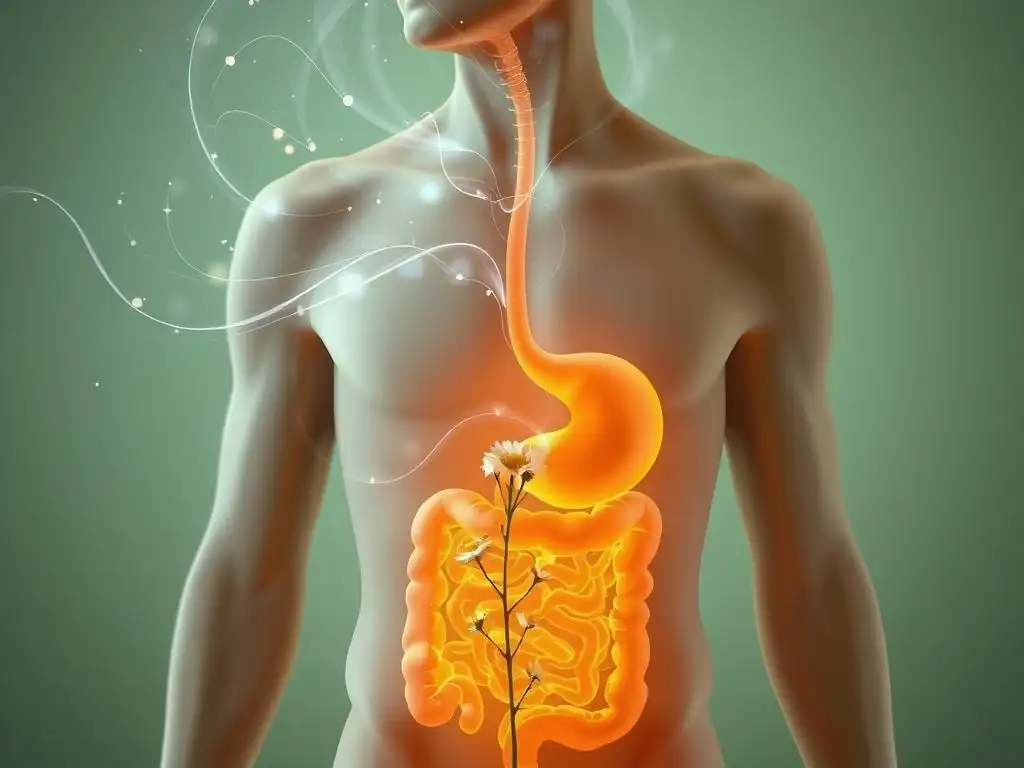
When trauma occurs, the body activates the "fight or flight" response, mediated by the sympathetic nervous system and the release of stress hormones like cortisol and adrenaline. While helpful in acute situations, chronic elevation of these hormones due to unresolved trauma has detrimental effects on the digestive system.
High cortisol levels can alter gut motility (speeding up or slowing down transit time), increase gut permeability, and suppress the immune response in the gut lining. This chronic physiological stress directly contributes to inflammation and dysfunction, providing a clear biochemical link in the digestive issues trauma connection.
Altered Gut Microbiome: Trauma's Lasting Impact on Gut Flora
The gut microbiome – the vast community of bacteria, viruses, and fungi living in our digestive tract – plays a critical role in digestion, nutrient absorption, and immune function. It also communicates with the brain via the gut-brain axis. Chronic stress from trauma can significantly alter the composition and diversity of this microbial community.
Studies in both animals and humans suggest that stress can reduce beneficial bacteria while increasing potentially harmful ones. This dysbiosis (microbial imbalance) can impair digestion, increase inflammation, and even affect neurotransmitter production in the gut, further complicating the digestive issues trauma connection. Restoring a healthy microbiome is often a focus in healing.
Inflammation and Gut Permeability: Understanding Leaky Gut After Trauma
Chronic stress and the resulting changes in the gut microbiome can lead to increased gut permeability, often referred to as "leaky gut." This condition occurs when the tight junctions between the cells lining the intestinal wall become compromised, allowing undigested food particles, toxins, and bacteria to leak into the bloodstream.
This leakage triggers an immune response, leading to systemic inflammation. In individuals with a history of trauma, this inflammatory state can be chronic, contributing not only to digestive symptoms like pain and bloating but also potentially impacting mood and overall health. Addressing gut permeability is a key strategy in managing the digestive issues trauma connection.
Physical Symptoms: Abdominal Pain, Bloating, Constipation, Diarrhea, Nausea
The physical manifestations of the digestive issues trauma connection are varied and often mimic other gastrointestinal conditions. Common symptoms include chronic or recurring abdominal pain, often described as cramping or aching, which may or may not be relieved by bowel movements. Bloating and distension are also frequent complaints.
Changes in bowel habits are hallmark signs, ranging from chronic constipation (infrequent, hard stools) to chronic diarrhea (frequent, loose stools), or alternating between the two. Nausea, feeling excessively full after small meals, and heartburn are also commonly reported physical symptoms that can be linked to the body's stress response patterns established by trauma.
Emotional and Psychological Symptoms: Anxiety, Depression, Irritability, Hypervigilance
It's rare for trauma-related digestive issues to occur in isolation. They are often accompanied by a range of emotional and psychological symptoms that are direct consequences of the trauma itself. High levels of anxiety, persistent feelings of depression, and increased irritability are common.
Furthermore, individuals may experience hypervigilance – a state of increased alertness and sensitivity to potential threats – which keeps the nervous system in a constant state of arousal. This heightened state exacerbates the physical stress response, creating a vicious cycle where psychological distress worsens digestive symptoms and vice versa, reinforcing the digestive issues trauma connection.
Healing the Gut-Brain Connection: Strategies for Relief
Trauma-Informed Therapy for Digestive Distress
Addressing the root cause of trauma is paramount for resolving trauma-related digestive issues. Trauma-informed therapies, such as Eye Movement Desensitization and Reprocessing (EMDR), Trauma-Focused Cognitive Behavioral Therapy (TF-CBT), or Somatic Experiencing, help individuals process traumatic memories and reduce the physiological hyperarousal associated with them.
By working through the trauma in a safe and supportive environment, the body's stress response system can begin to calm down, which in turn can positively impact the regulation of the gut-brain axis. Many individuals report significant improvement in their digestive symptoms as they heal from the underlying trauma, demonstrating the power of tackling the digestive issues trauma connection at its source.
Somatic Experiencing and the Gut
Somatic Experiencing (SE), developed by Dr. Peter Levine, is a body-oriented therapeutic approach that helps individuals renegotiate and heal from trauma by focusing on the bodily sensations associated with traumatic experiences. The premise is that trauma gets "stuck" in the body, leading to physical symptoms.
By gently guiding individuals to track their bodily sensations (like tension, trembling, warmth) in a safe way, SE helps release trapped energy and complete the physiological responses that were interrupted during the traumatic event. This process can directly impact the nervous system and vagal tone, offering a powerful pathway to alleviating digestive symptoms linked to the digestive issues trauma connection.
Vagal Nerve Stimulation Techniques for Digestive Health
Stimulating the vagus nerve can help restore parasympathetic tone, promoting a state of "rest and digest." Simple, accessible techniques can be incorporated into daily life.
- Deep, slow diaphragmatic breathing: Inhaling deeply into the belly and exhaling slowly activates the vagus nerve.
- Humming or singing: The vibrations stimulate the nerve.
- Cold exposure: Splashing cold water on the face or taking cold showers can increase vagal tone.
- Gargling vigorously: Stimulates the muscles connected to the vagus nerve in the throat.
Regular practice of these techniques can help regulate the nervous system, reducing the chronic stress signals that contribute to the digestive issues trauma connection.
Mindfulness and meditation practices cultivate present moment awareness without judgment. For individuals with trauma, this can be challenging, but gentle, trauma-informed approaches can be incredibly beneficial.
Regular practice has been shown to reduce stress hormones, decrease sympathetic nervous system activity, and improve vagal tone. By learning to observe thoughts and sensations without being overwhelmed, individuals can reduce the physiological reactivity associated with trauma triggers. This calmer state directly supports healthy digestive function and helps manage the digestive issues trauma connection.
Nutritional Support for Digestive Health After Trauma

Anti-Inflammatory Diet for Healing the Gut
Chronic inflammation is a hallmark of trauma's impact on the gut. Adopting an anti-inflammatory diet can support healing. This involves focusing on whole, unprocessed foods rich in antioxidants and healthy fats.
Examples include plenty of fruits and vegetables, lean proteins, fatty fish high in omega-3s (like salmon), nuts, seeds, and olive oil. Limiting inflammatory foods such as processed meats, refined sugars, excessive saturated and trans fats, and excessive alcohol is also crucial. This dietary approach helps soothe the gut lining and reduce the systemic inflammation contributing to the digestive issues trauma connection.
Probiotics and Prebiotics: Restoring Gut Microbiome Balance
Given that trauma can disrupt the gut microbiome, supporting its balance is key. Probiotics are live beneficial bacteria found in fermented foods (yogurt, kefir, sauerkraut, kimchi) or supplements. They can help repopulate the gut with healthy microbes.
Prebiotics are non-digestible fibers that feed beneficial gut bacteria. Sources include garlic, onions, leeks, asparagus, bananas, and oats. Incorporating both probiotics and prebiotics into the diet can help restore microbial diversity and function, potentially mitigating the negative effects of trauma-induced dysbiosis on the digestive issues trauma connection.
Identifying and Eliminating Common Food Sensitivities
Individuals with trauma-related digestive issues often have heightened gut sensitivity. Certain foods, even if not causing a true allergy, can trigger symptoms like pain, bloating, or changes in bowel habits.
Common culprits include gluten, dairy, soy, corn, eggs, and nightshades. Working with a nutritionist or dietitian to identify potential sensitivities through an elimination diet or testing can be helpful. Temporarily removing trigger foods can reduce gut irritation and inflammation, providing significant relief from the physical symptoms associated with the digestive issues trauma connection.
Seeking Professional Help: When to Consult a Doctor or Therapist
Finding a Trauma-Informed Healthcare Provider
If you are experiencing persistent digestive issues, especially alongside symptoms of trauma or stress, it is essential to seek professional help. Start with a medical doctor to rule out other potential causes for your symptoms. Be open about your history of trauma, as this information is crucial for understanding the potential digestive issues trauma connection.
Ideally, seek out healthcare providers – both medical doctors and mental health professionals – who are trauma-informed. These practitioners understand how trauma affects the body and mind and are equipped to provide integrated care that addresses both your physical and psychological needs in a safe and sensitive manner.
The Importance of a Holistic Approach to Healing
Healing from trauma and its physical manifestations, including digestive issues, requires a holistic approach that considers the interconnectedness of the mind and body. Relying solely on medical treatments for digestive symptoms without addressing the underlying trauma or vice versa may lead to limited or temporary relief.
An integrated approach involves working with a team of professionals, which might include a gastroenterologist, a trauma-informed therapist, a registered dietitian or nutritionist, and potentially other practitioners like acupuncturists or massage therapists. This collaborative effort ensures that all facets of the digestive issues trauma connection are addressed comprehensively.
The link between trauma and digestive problems is well-established, highlighting the profound impact of adverse experiences on physical health. Understanding the digestive issues trauma connection empowers individuals to seek appropriate, integrated care that addresses both the psychological wounds and the physical symptoms. By employing trauma-informed therapies, nervous system regulation techniques, and targeted nutritional strategies, healing is possible. Embracing a holistic, mind-body approach offers the most promising path towards alleviating digestive distress and reclaiming overall well-being after trauma.
Frequently Asked Questions
How does trauma impact the digestive system?
Trauma can disrupt the gut-brain axis, leading to changes in gut motility and increased intestinal permeability. This can manifest as various digestive issues such as IBS or chronic pain. It's a physiological response to stress.
What is the "gut-brain axis" and why is it important in understanding the digestive issues trauma connection?
The gut-brain axis is the bidirectional communication system between the gut and the brain. Trauma disrupts this delicate balance, impacting both mental well-being and digestive function.
What types of digestive problems are commonly associated with trauma?
Common digestive problems include Irritable Bowel Syndrome (IBS), chronic abdominal pain, bloating, constipation, and diarrhea. These issues are often linked to heightened stress responses and altered gut microbiota triggered by trauma.
How can therapy help address the digestive issues trauma connection?
Therapy, such as EMDR or trauma-informed CBT, can help process traumatic experiences and regulate the nervous system's response to stress. This can lead to a reduction in digestive symptoms and improved overall well-being.
What are some self-care strategies that can support both mental and digestive health after trauma?
Practicing mindfulness, engaging in regular exercise, and maintaining a balanced diet are crucial for supporting both mental and digestive health. Prioritizing stress management techniques is also highly beneficial.
Final Reflection: Unpacking the Gut-Brain Connection
The intricate link between trauma and digestive issues is not merely a medical curiosity; it's a critical understanding necessary for holistic well-being in our increasingly stressful world. The prevalence of conditions like Irritable Bowel Syndrome (IBS) and other functional gastrointestinal disorders highlights the urgent need to address the psychological roots of physical ailments. Ignoring this connection leaves countless individuals suffering needlessly, trapped in a cycle of physical pain and emotional distress.
The exploration of this gut-brain axis has profoundly impacted my understanding of health and healing. It's shifted my perspective from a purely physiological approach to one that embraces the interconnectedness of mind and body. The gut is the second brain,
a phrase often used, truly encapsulates the profound influence of our emotional landscape on our physical health. Understanding this allows for a more compassionate and effective approach to treatment, moving beyond simple symptom management to address the underlying trauma that often fuels these conditions.
Now, consider your own life. Have you experienced unexplained digestive problems? Have you faced periods of significant stress or trauma? I encourage you to explore this connection further. Seek professional help from therapists specializing in trauma-informed care and healthcare providers who understand the gut-brain axis. By acknowledging the powerful influence of our emotional well-being on our physical health, we can pave the way for a more holistic and ultimately, healthier future. Let's move beyond simply treating symptoms and begin healing the whole person.
Unveil Your Gut's Wisdom: Take Charge of Your Digestive Health
Thanks for taking the time to explore the fascinating connection between trauma and gut health! You've gained valuable insights into how past experiences can impact your digestion. Now, let's put that knowledge into action.
- Prioritize mindful eating practices: Start a food journal this week to track your meals, emotions, and digestive responses. This simple step can reveal powerful patterns.
- Explore gentle movement: Incorporate a daily walk or gentle yoga session into your routine – even just 15 minutes can make a significant difference in stress reduction and gut health.
- Share your experience: Tell someone you trust about your journey. Connecting with others can be incredibly supportive and empowering.
What small step will you take today to nurture your gut and emotional well-being?