
Prolonged Exposure (PE) Therapy: Facing Trauma Safely for Veterans


Welcome to Mind Care Guide, a compassionate space dedicated to your mental well-being.
Are you, or someone you know, a veteran grappling with the invisible wounds of trauma? You're not alone. Many struggle with the lingering effects of experiences that can feel impossible to overcome. Perhaps you've heard whispers of a treatment called PE therapy for veterans, but feel unsure or even apprehensive. This is a safe place to explore this powerful therapeutic approach. Join us as we delve into the details of Prolonged Exposure (PE) therapy, uncovering how it can help veterans reclaim their lives and find a path towards healing and lasting peace. Let's begin this journey together.
Prolonged Exposure (PE) Therapy: Facing Trauma Safely for Veterans
- Understanding Trauma's Impact on Veterans and the Need for Specialized Care
- What is Prolonged Exposure (PE) Therapy? A Detailed Explanation
- Prolonged Exposure Therapy for Veterans: A Step-by-Step Guide
- Benefits of PE Therapy for Veterans: Addressing PTSD Symptoms
- Is PE Therapy Right for You? Considerations for Veterans
- Finding a Qualified PE Therapist for Veterans
- Alternatives to Prolonged Exposure Therapy for Veteran PTSD
- Success Stories: Real-Life Examples of PE Therapy Helping Veterans Heal
- Maintaining Progress After PE Therapy: Long-Term Strategies for Well-being
-
Frequently Asked Questions
- What is Prolonged Exposure (PE) therapy, and how does it help veterans?
- How does PE therapy differ from other trauma-focused therapies?
- Is PE therapy suitable for all veterans experiencing PTSD?
- What are the potential benefits of undergoing PE therapy?
- Where can veterans find qualified therapists trained in PE therapy?
- Final Reflection: The Enduring Power of Facing Trauma
- Unveil Your Strength: Take the Next Step Towards Healing
Understanding Trauma's Impact on Veterans and the Need for Specialized Care
The Prevalence of PTSD Among Veterans: A Critical Overview
Post-traumatic stress disorder (PTSD) is a significant mental health challenge for many who have served in the military. While precise figures can vary depending on the conflict and era, estimates suggest that approximately 11% to 20% of veterans of the Iraq and Afghanistan wars, about 12% of Gulf War veterans, and roughly 15% of Vietnam veterans have PTSD in a given year.
These numbers highlight a widespread issue that affects hundreds of thousands of individuals who have dedicated their lives to service. The traumatic events experienced during deployment, including combat exposure, witnessing injuries or death, and other stressors, can leave lasting psychological scars that manifest as persistent and debilitating symptoms.
The impact of this prevalence extends beyond individual suffering. Untreated or inadequately treated PTSD can contribute to a range of co-occurring conditions, such as depression, anxiety disorders, substance use disorders, and chronic physical health problems. It can disrupt family life, hinder successful reintegration into civilian society, and impact employment stability. Recognizing the scale of PTSD among the veteran population is the first step toward providing effective support and specialized treatments like PE therapy for veterans. Addressing this complex issue requires a deep understanding of the unique experiences and needs of those who have served.
Unique Challenges Faced by Veterans Seeking Mental Health Treatment
Veterans often encounter specific hurdles when accessing or engaging in mental health care. One significant challenge is the prevailing stigma surrounding mental health issues within military culture and society at large. Many veterans may internalize the belief that seeking help is a sign of weakness, leading to reluctance or avoidance. This cultural barrier can delay seeking treatment, allowing symptoms to worsen over time. Furthermore, the transition from military life to civilian life can be disorienting, adding layers of stress related to finding new routines, employment, and social connections, all while potentially grappling with trauma symptoms.
Logistical obstacles also play a role. Navigating the healthcare system, particularly the Veterans Health Administration (VHA), can be complex and time-consuming. While the VHA offers extensive services, wait times for appointments, travel distances to facilities, and administrative processes can present barriers for veterans, especially those in rural areas or those with mobility issues. Additionally, finding therapists who have specific training and experience in understanding military culture and veteran-specific trauma, such as those providing PE therapy for veterans, can be crucial for effective treatment but may require diligent searching.
Why PE Therapy is a Promising Treatment Option for Veteran PTSD
PE therapy has emerged as one of the most effective, evidence-based treatments for PTSD, particularly for populations who have experienced significant trauma, including veterans. Its focus on directly confronting trauma memories and situations, rather than avoiding them, aligns with the goal of helping veterans process their experiences and reduce the power these memories hold. Clinical trials and studies conducted specifically with veteran populations have demonstrated significant reductions in PTSD symptom severity following courses of PE therapy.
The structured nature of PE therapy provides a clear path for recovery, which can be beneficial for individuals accustomed to structured environments. It empowers veterans by giving them tools to manage their anxiety responses and regain a sense of control over their emotional reactions and lives. By systematically addressing avoidance behaviors, a core symptom of PTSD, PE therapy for veterans helps them re-engage with activities and situations they have been avoiding due to trauma triggers, leading to improved quality of life and social functioning.
What is Prolonged Exposure (PE) Therapy? A Detailed Explanation
Defining Prolonged Exposure Therapy: Core Principles and Goals
Prolonged Exposure (PE) therapy is a specific type of cognitive behavioral therapy (CBT) designed to help people process traumatic experiences. Its core principle is based on the idea that avoiding reminders of trauma, while initially providing short-term relief, actually maintains PTSD symptoms in the long run. By repeatedly and safely confronting trauma-related memories, feelings, and situations, individuals learn that these reminders are not inherently dangerous and that they can tolerate the associated distress. This process is known as habituation and emotional processing.
The primary goals of PE therapy are to help individuals decrease distress related to traumatic memories, thoughts, and feelings, and to reduce avoidance behaviors that interfere with daily life. It aims to correct distorted beliefs about the trauma, oneself, and the world that often develop after experiencing a traumatic event. Ultimately, PE therapy seeks to help individuals regain control over their lives, enabling them to engage in activities and relationships that avoidance previously prevented, thus improving overall functioning and well-being.
How PE Therapy Differs from Other Trauma-Focused Treatments
While several therapies are effective for PTSD, PE therapy has distinct characteristics. Unlike therapies that might focus solely on changing negative thoughts about the trauma (like Cognitive Processing Therapy - CPT), PE places a strong emphasis on exposure to the trauma memory itself and trauma-related cues in a controlled environment. The detailed, repeated recounting of the traumatic event (imaginal exposure) is a hallmark of PE, aiming to process the emotional and sensory aspects of the memory directly.
Another key difference is the structured practice of confronting feared but safe situations in real life (in vivo exposure), which is a central component of PE. While other therapies might address avoidance, PE systematically guides clients through a hierarchy of feared situations.
Therapies like Eye Movement Desensitization and Reprocessing (EMDR) use bilateral stimulation (like eye movements) to process trauma memories, whereas PE primarily relies on verbal processing and direct confrontation through exposure exercises. This direct, exposure-based approach is what differentiates PE therapy for veterans and others with PTSD from treatments that focus more heavily on cognitive restructuring or alternative processing methods.
Key Components of a PE Therapy Session
A typical course of PE therapy involves around 8 to 15 sessions, usually conducted once or twice a week. Each session follows a structured format designed to facilitate the exposure process. Sessions often begin with a review of symptoms and homework assignments from the previous week, particularly in vivo exposure practice. A significant portion of the session is then dedicated to imaginal exposure, where the individual vividly recounts the traumatic memory aloud, often recording it to listen to later.
Following the imaginal exposure, the therapist and client process the experience, discussing feelings, thoughts, and any new insights that emerged. Time is also spent planning and assigning in vivo exposure homework, which involves gradually confronting real-life situations related to the trauma that the individual has been avoiding. Breathing retraining and relaxation techniques are often taught early in therapy to help manage anxiety during and between sessions. This combination of reliving the memory and confronting external triggers systematically helps dismantle the power of the trauma.
Prolonged Exposure Therapy for Veterans: A Step-by-Step Guide
Step 1: Education and Preparation for PE Therapy
The initial phase of PE therapy for veterans is crucial for building trust and preparing the individual for the work ahead. This involves psychoeducation about PTSD – what it is, how it affects the brain and body, and why symptoms like avoidance and re-experiencing occur. The therapist explains the rationale behind PE therapy, detailing how facing trauma memories and situations in a safe, controlled environment helps reduce symptoms. This helps demystify the process and alleviate fears about the therapy itself.
During this phase, the therapist also teaches the veteran skills to manage anxiety, such as breathing retraining. They discuss the structure of the therapy, the expected duration, and the commitment required, including homework assignments. This foundational step ensures the veteran understands the treatment model, feels adequately prepared, and is actively consenting to engage in the exposure process, setting realistic expectations for the challenges and potential benefits of PE therapy.
Step 2: Breathing Retraining and Relaxation Techniques
Managing physiological arousal is key to being able to engage with the exposure exercises effectively. Before diving into trauma processing, veterans are typically taught breathing retraining techniques. This might involve diaphragmatic breathing, where the individual learns to breathe deeply from the abdomen rather than shallowly from the chest. Practicing controlled, slow breathing can help reduce the intensity of the body's fight-or-flight response, which is often overactive in individuals with PTSD.
These techniques are not intended to eliminate anxiety entirely but to provide a tool that veterans can use to ground themselves when feeling overwhelmed, whether during a therapy session or in their daily lives. Regular practice of breathing exercises helps individuals become more aware of their physical sensations and gain a sense of agency over their body's stress response, making the challenging work of exposure more manageable.
Step 3: Imaginal Exposure: Reliving the Traumatic Event in a Safe Environment
Imaginal exposure is a core component of PE therapy for veterans, involving the systematic and repeated recounting of the traumatic event. The veteran is asked to close their eyes and describe the memory aloud in the first person, present tense, as if it is happening now. They are encouraged to include as many sensory details as possible – what they saw, heard, smelled, felt, and even tasted. This vivid retelling helps to activate the trauma memory fully.
The therapist guides this process, ensuring the veteran stays with the memory, tolerating the associated distress until their anxiety naturally begins to decrease (habituation). This step is repeated multiple times within a session and across sessions. The session is often recorded, and the veteran is typically assigned to listen to the recording daily as homework, reinforcing the exposure and processing between sessions. This repeated, controlled confrontation allows the emotional response linked to the memory to lessen over time.
The Importance of Detailed Recall and Emotional Processing
Detailed recall is paramount in imaginal exposure because trauma memories are often fragmented or incomplete. By recounting the event in detail, the veteran can create a more coherent narrative, filling in gaps and processing aspects of the memory that were previously avoided or suppressed. This detailed approach ensures that the full emotional and sensory experience is brought to the surface in the safe space of the therapy room, allowing for complete processing.
Emotional processing involves connecting the thoughts, feelings, and physical sensations associated with the trauma. It's not just about recalling facts but about experiencing the emotions tied to the event. Through repeated exposure and processing, the veteran can challenge maladaptive interpretations of the trauma (e.g., "I should have done more," "I am permanently damaged") and integrate the memory into their life story in a less debilitating way. This processing helps to reduce the intensity and frequency of spontaneous re-experiencing symptoms like flashbacks and nightmares.
Managing Anxiety and Distress During Imaginal Exposure
Imaginal exposure is intentionally challenging, as it requires confronting highly distressing memories. However, it is conducted within a therapeutic relationship where the therapist provides support and guidance. Therapists monitor the veteran's distress levels throughout the exercise. While some anxiety is necessary for processing, the therapist ensures it remains within a manageable range.
Veterans are encouraged to use the breathing techniques learned earlier if they feel overwhelmed. The therapist's presence and guidance help the veteran stay with the memory, offering reassurance that they are safe now, even while recalling past danger. Learning to tolerate the peak of anxiety during the recall and witnessing its subsequent decrease is a powerful part of the process, teaching the veteran that they can handle intense emotions and that these emotions are not endless. This controlled environment is key to making PE therapy for veterans a safe and effective intervention.
In vivo exposure is the second major component of PE therapy for veterans and involves confronting real-life situations, people, or places that have become associated with the trauma and are consequently avoided. This step addresses the behavioral avoidance that is a core symptom of PTSD and significantly impairs daily functioning. Avoiding triggers prevents the individual from learning that these situations are not actually dangerous in the present moment.
Working with the therapist, the veteran creates a hierarchy of feared situations, ranking them from least to most anxiety-provoking. Examples for veterans might include visiting crowded places, being in situations with loud noises, driving certain routes, or being around people who remind them of the trauma. The veteran then gradually works through this hierarchy, intentionally exposing themselves to these situations, starting with those that evoke less anxiety and progressing to more challenging ones.
Gradual Exposure to Feared Situations and Activities
The process of in vivo exposure is systematic and gradual. The veteran and therapist collaboratively design specific exposure exercises. For instance, if a veteran avoids crowded supermarkets, the first step might be driving to the supermarket parking lot, the next might be walking into the entrance, then spending five minutes inside, and so on, gradually increasing the duration and level of exposure. Each step is treated as a behavioral experiment to test feared predictions (e.g., "If I go into the supermarket, I will have a panic attack and lose control").
Between sessions, the veteran practices these in vivo exercises as homework. They monitor their anxiety levels during the exposure and observe that their anxiety decreases over time with repeated exposure, even without engaging in safety behaviors or avoidance. This repeated, direct experience helps to break the association between the feared situation and anticipated danger, demonstrating that they can safely tolerate the distress and that the situation itself is not harmful. This practical application is a vital part of PE therapy for veterans.
Overcoming Avoidance Behaviors Through In Vivo Exposure
Avoidance provides immediate relief from anxiety, but it reinforces the belief that the feared situation is dangerous and confirms the inability to cope. In vivo exposure directly challenges this cycle. By deliberately entering feared situations, veterans learn that their catastrophic predictions often do not come true and that they can tolerate the discomfort that arises. This process is called extinction – the conditioned fear response to the trigger weakens over time.
Successfully completing in vivo exercises builds confidence and self-efficacy. It demonstrates to the veteran that they are capable of facing challenges and reclaiming parts of their life that PTSD had taken away. Overcoming avoidance through in vivo exposure is critical for reducing the functional impairment associated with PTSD and enabling veterans to re-engage fully in their families, communities, and personal interests.
Benefits of PE Therapy for Veterans: Addressing PTSD Symptoms
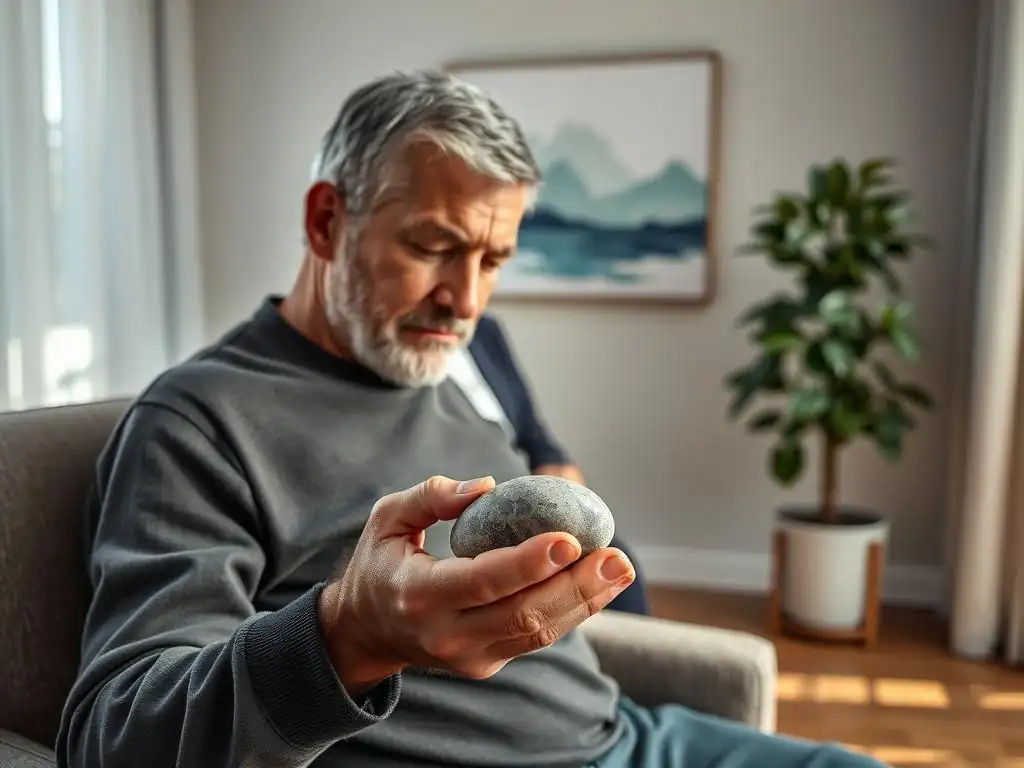
Reducing PTSD Symptoms: Intrusive Thoughts, Nightmares, and Flashbacks
One of the most significant benefits of PE therapy for veterans is the substantial reduction in the core symptoms of PTSD. Through imaginal exposure, the frequency and intensity of intrusive thoughts, flashbacks, and nightmares often decrease. By repeatedly confronting the traumatic memory in a safe setting, the memory becomes less emotionally charged and less likely to spontaneously intrude into consciousness. Instead of being a terrifying, uncontrollable event, it becomes a difficult memory that can be recalled and processed intentionally.
For example, a veteran who frequently experienced flashbacks of a combat incident might find that after several sessions of imaginal exposure, the flashbacks become less vivid, shorter, and less frequent. Nightmares might decrease or stop altogether as the brain processes the traumatic information during the day. This reduction in re-experiencing symptoms is often one of the first signs of progress and provides significant relief.
Improving Emotional Regulation and Coping Skills
PE therapy equips veterans with enhanced emotional regulation skills. By tolerating the intense emotions that arise during exposure exercises, individuals learn that difficult feelings are temporary and manageable. They practice staying with distress rather than trying to escape it, which builds tolerance and resilience. The breathing techniques taught early in therapy provide a concrete coping mechanism that can be used both during sessions and in response to triggers in daily life.
Moreover, successfully navigating the challenges of PE therapy itself builds a sense of mastery and self-efficacy. Veterans learn that they are capable of confronting difficult internal and external experiences and coming through them. This strengthens their belief in their ability to cope with stress and emotional challenges beyond the context of trauma, leading to improved overall emotional well-being.
Avoidance in PTSD often extends to social situations, leading to isolation and strain on relationships. In vivo exposure directly targets this by helping veterans re-engage with social activities and environments they have been avoiding. For instance, a veteran who stopped attending family gatherings due to anxiety might use in vivo exposure to gradually participate again, starting with shorter visits and working up to longer ones.
As PTSD symptoms like hypervigilance, irritability, and emotional numbness decrease through PE therapy, veterans often find it easier to connect with others. Reduced avoidance allows them to be more present in their interactions and rebuild trust. Improved emotional regulation means they can handle interpersonal conflicts or stressors more effectively, leading to healthier and more fulfilling relationships with partners, family, and friends. This reintegration into social life is a crucial outcome of effective PE therapy for veterans.
Increased Sense of Safety and Control
A fundamental impact of trauma is the shattering of an individual's sense of safety and control. PTSD symptoms like hypervigilance and feeling constantly on edge reflect a persistent feeling of danger. PE therapy directly addresses this by helping veterans learn that they are currently safe, even when recalling past danger or being in situations that resemble the past.
Through repeated exposure, both imaginal and in vivo, veterans learn that they can tolerate distress and that feared outcomes are unlikely in safe environments. Successfully confronting feared situations demonstrates agency and competence, counteracting the feeling of helplessness that often accompanies trauma. This process helps to restore a sense of safety in their own bodies and in the world around them, leading to a greater feeling of control over their lives and emotional responses.
Is PE Therapy Right for You? Considerations for Veterans
Assessing Suitability for PE Therapy: Important Factors to Consider
PE therapy is a highly effective treatment for PTSD, but it requires a significant commitment and readiness to engage with difficult emotions and memories. Several factors are considered when assessing if PE therapy for veterans is appropriate. Firstly, the veteran should have a primary diagnosis of PTSD. While co-occurring conditions are common, severe active symptoms of certain disorders, such as acute psychosis, severe suicidal ideation with intent and plan, or active substance dependence without concurrent treatment, may need to be addressed before or alongside PE.
Motivation is also key. PE is challenging, and the veteran needs to be willing and able to tolerate temporary increases in distress during the exposure exercises. They should have enough stability in their life (e.g., safe housing) to manage the potential emotional intensity between sessions. A thorough assessment by a trained mental health professional is essential to determine if the veteran is in a place where they can benefit from this specific type of therapy.
Contraindications and Potential Risks Associated with PE Therapy
While safe and effective for many, PE therapy is not suitable for everyone. Absolute contraindications are rare but include active psychosis or severe suicidal ideation with immediate intent and plan that requires a higher level of care. Relative contraindications might include active substance dependence (unless treated concurrently), or unstable medical conditions that could be exacerbated by stress.
Potential risks primarily involve experiencing temporary increases in anxiety, distress, and possibly sleep disturbances or nightmares as trauma memories are activated. It is crucial for the veteran to have adequate support systems and coping skills in place, and for the therapist to be skilled in managing these reactions within the session. The goal is to process these feelings safely, not to re-traumatize. These potential risks are why careful assessment and a skilled therapist are vital when considering PE therapy for veterans.
Discussing PE Therapy with Your Healthcare Provider
If you are a veteran experiencing symptoms of PTSD, discussing potential treatment options with a healthcare provider, such as a primary care doctor, a VHA clinician, or a private mental health professional, is the first step. Be open about your symptoms, how they are affecting your life, and any previous treatment attempts.
Ask specifically about trauma-focused therapies like PE therapy for veterans. Inquire if they believe it would be a good fit for your specific situation, taking into account your symptoms, history, and any co-occurring conditions. Ask about the expected duration of treatment, what the process involves, and how they can support you through it. Your provider can help you weigh the pros and cons and determine if PE is the most appropriate starting point for your recovery journey or if another approach might be better suited initially.
Finding a Qualified PE Therapist for Veterans
The Importance of Specialized Training and Experience in Veteran Mental Health
Finding a therapist with specialized training and experience in both PE therapy and veteran mental health is highly recommended. Treating trauma requires specific skills, and treating trauma in veterans adds another layer of complexity related to military culture, combat experiences, and the unique stressors of service and transition. A therapist who understands military life can build rapport more easily and better contextualize the veteran's experiences.
Therapists trained in PE therapy have undergone specific workshops and supervision to learn the manualized protocol correctly. Experience working with veterans means they are familiar with common presentations of PTSD in this population, potential co-occurring issues, and the nuances of military language and culture. This combined expertise ensures that the PE therapy for veterans is delivered effectively and sensitively, maximizing the chances of a positive outcome.
Resources for Locating PE Therapists
Several resources can help veterans find qualified PE therapists. The Veterans Health Administration (VHA) is a primary resource; their mental health clinics often have therapists trained in evidence-based trauma therapies like PE. Veterans can contact their local VHA facility or their assigned mental health provider to inquire about availability.
Outside the VHA, professional organizations often list therapists with specific training. For example, the Association for Behavioral and Cognitive Therapies (ABCT) or the Anxiety & Depression Association of America (ADAA) may have directories where you can search for therapists specializing in trauma or PTSD. Some organizations specifically focused on veteran mental health may also offer referrals. When searching, look for therapists who explicitly state training in Prolonged Exposure (PE) and experience working with military or veteran populations.
Questions to Ask When Choosing a PE Therapist
When meeting with a potential PE therapist, especially one who will provide PE therapy for veterans, it's helpful to come prepared with questions. Ask about their specific training and experience in providing PE therapy – how many veterans have they treated with PE? What is their success rate, generally? How do they handle intense emotional reactions during sessions?
Inquire about their understanding of military culture and veteran-specific issues. Ask about the typical course of PE therapy with them – how often are sessions, how long do they last, and what is the expected total number of sessions? Discuss how they handle homework assignments, particularly in vivo exposure. Feeling comfortable with your therapist and confident in their expertise is crucial for the challenging work of PE therapy.
Alternatives to Prolonged Exposure Therapy for Veteran PTSD

Cognitive Processing Therapy (CPT) as an Alternative
Cognitive Processing Therapy (CPT) is another highly effective, evidence-based treatment for PTSD, also often used with veterans. While both CPT and PE are trauma-focused CBTs, CPT primarily focuses on identifying and challenging unhelpful thoughts (cognitions) related to the trauma, oneself, others, and the world. It helps individuals examine how the trauma has changed their beliefs and how these beliefs maintain their symptoms.
CPT involves writing about the trauma, but the emphasis is on analyzing the meaning of the event and challenging distorted thoughts, rather than the detailed, repeated recounting of sensory details as in PE's imaginal exposure. For veterans whose primary struggle is with the meaning and impact of the trauma on their belief system, CPT might be a preferable or equally effective alternative to PE therapy for veterans. It is often delivered in a slightly shorter timeframe than PE (around 12 sessions).
Eye Movement Desensitization and Reprocessing (EMDR) Therapy
Eye Movement Desensitization and Reprocessing (EMDR) therapy is another evidence-based treatment for PTSD that is frequently used with veterans. EMDR uses a structured, eight-phase approach that involves processing distressing memories using bilateral stimulation, often in the form of eye movements, but sometimes tapping or auditory tones. The theory is that this stimulation helps the brain process traumatic memories that may have been improperly stored.
Unlike PE therapy for veterans which relies heavily on verbal recounting and in vivo exposure, EMDR guides the client to focus on the distressing memory while simultaneously engaging in bilateral stimulation. The therapist helps the client process the memory until the distress is reduced and positive cognitions are associated with the event. EMDR can be an effective alternative for veterans who may prefer a less direct verbal recounting approach or find the bilateral stimulation helpful.
Medication Options for Managing PTSD Symptoms
Medication can be a valuable component of a comprehensive treatment plan for PTSD, either used alone or in conjunction with psychotherapy like PE therapy for veterans. Selective Serotonin Reuptake Inhibitors (SSRIs) and Serotonin-Norepinephrine Reuptake Inhibitors (SNRIs) are the most commonly prescribed medications for PTSD and are considered first-line pharmacological treatments. Medications like sertraline (Zoloft) and paroxetine (Paxil) are FDA-approved for PTSD and can help reduce symptoms such as anxiety, depression, anger, and hyperarousal.
Other medications may be used to target specific symptoms. For example, prazosin, an alpha-blocker, is sometimes prescribed to help reduce trauma-related nightmares, a symptom often resistant to SSRIs. While medication can help manage symptoms and make psychotherapy more accessible by reducing overall distress, they do not typically address the root cause of the trauma response in the same way that exposure-based therapies like PE do. A healthcare provider can discuss whether medication is appropriate for your specific symptoms and circumstances.
Success Stories: Real-Life Examples of PE Therapy Helping Veterans Heal
Note: While specific individual case details are protected by privacy, the following are generalized examples reflecting common experiences and outcomes observed in veterans who have undergone PE therapy.
Consider the case of a veteran who served in a combat zone and developed severe PTSD, manifesting as constant hypervigilance, avoidance of loud noises and crowds, and intrusive flashbacks of a specific traumatic event involving loss. Before PE therapy, they rarely left their home, had difficulty sleeping due to nightmares, and their relationships were strained because they were emotionally withdrawn and easily startled. They had tried other therapies without significant relief.
Engaging in PE therapy, they first learned breathing techniques to manage anxiety. Then, through imaginal exposure, they repeatedly recounted the traumatic event in detail. While initially highly distressing, with the therapist's guidance, they were able to process the memory. They found that recalling it intentionally in a safe space made it less likely to erupt as an uncontrollable flashback.
Simultaneously, they worked on in vivo exposure, starting with short trips to less crowded places, gradually building up to visiting supermarkets and attending public events. After several months of PE therapy for veterans, the veteran reported a dramatic decrease in flashbacks and nightmares. They were able to attend family gatherings, go shopping without panic, and felt more present and engaged in their relationships. Their sense of safety had significantly improved, and they felt capable of managing anxiety when it arose.
Another example involves a veteran struggling with guilt and shame related to their combat experiences, leading to social isolation and difficulty holding down a job. Their PTSD symptoms included avoidance of anything that reminded them of their service and strong beliefs that they were a "bad" person because of what they had seen or done. Through imaginal exposure in PE, they were able to process the specific events contributing to their guilt, challenging their self-blame within the context of the realities of combat.
The in vivo exposure component involved gradually re-engaging with veteran community events and talking about their experiences in a controlled setting, which they had previously avoided entirely. By confronting these avoided situations and processing the traumatic memories, their feelings of guilt and shame diminished. They were able to reconnect with fellow veterans, find employment, and rebuild their self-esteem. These examples illustrate how PE therapy for veterans can effectively target both the re-experiencing symptoms and the avoidance behaviors that contribute to significant distress and functional impairment.
Maintaining Progress After PE Therapy: Long-Term Strategies for Well-being
Continued Self-Care and Coping Mechanisms
Completing a course of PE therapy is a significant achievement, but maintaining progress requires ongoing effort. Veterans are encouraged to continue practicing the coping mechanisms learned in therapy, such as breathing techniques, whenever they encounter stressful situations or potential triggers. Incorporating regular self-care practices into their routine is also vital. This includes prioritizing sufficient sleep, maintaining a healthy diet, engaging in regular physical activity, and making time for enjoyable hobbies and activities.
Self-monitoring can also be helpful. Veterans who have completed PE therapy can benefit from being aware of potential warning signs of returning symptoms and having a plan in place for how to address them. Regularly reviewing the skills and insights gained during therapy, perhaps by listening to session recordings periodically or reviewing therapy notes, can help reinforce the learned coping strategies and perspectives.
Support Groups and Community Resources for Veterans
Connecting with others who have shared experiences can be incredibly valuable for long-term well-being after PE therapy for veterans. Participating in veteran support groups, whether formal therapy groups or peer-led community groups, provides a sense of camaraderie and understanding. Sharing ongoing challenges and successes with others who "get it" can reduce feelings of isolation and provide a source of encouragement.
Utilizing community resources tailored for veterans is also important. This might include veteran service organizations, community centers, or VHA programs that offer recreational activities, vocational support, or social events. Maintaining social connections and a sense of belonging are protective factors against relapse and contribute to overall mental health resilience.
Recognizing and Addressing Potential Relapses
While PE therapy is highly effective, recovery from PTSD is often a journey, and occasional setbacks or periods of increased symptoms can occur, particularly during times of stress or after encountering unexpected triggers. It is crucial for veterans to recognize that a return of some symptoms is not a failure but a signal to re-engage with coping strategies or seek additional support.
Developing a relapse prevention plan during therapy can be helpful. This plan might outline specific triggers to be aware of, coping skills to use, and steps to take if symptoms worsen, such as contacting their therapist or a support person. Knowing how to recognize early warning signs (e.g., increased irritability, difficulty sleeping, increased avoidance) and having a clear plan for seeking help promptly can prevent a full relapse and maintain the significant gains made through PE therapy for veterans.
Frequently Asked Questions
What is Prolonged Exposure (PE) therapy, and how does it help veterans?
PE therapy is a cognitive behavioral therapy designed to help veterans process traumatic memories safely. It involves gradually exposing individuals to trauma-related thoughts, feelings, and situations to reduce avoidance behaviors and associated distress.
How does PE therapy differ from other trauma-focused therapies?
Unlike some other therapies, PE therapy specifically focuses on repeatedly revisiting the traumatic event in a safe and controlled environment. This direct exposure helps to reduce the power of the traumatic memory and associated anxiety, while other methods may focus on coping skills.
Is PE therapy suitable for all veterans experiencing PTSD?
While effective, PE therapy may not be suitable for all veterans. A mental health professional will assess individual needs and determine if PE is appropriate, considering factors like current mental state and co-occurring conditions.
What are the potential benefits of undergoing PE therapy?
Benefits include reduced PTSD symptoms like nightmares and flashbacks, improved emotional regulation, and increased ability to engage in daily life without being overwhelmed by trauma-related triggers.
Where can veterans find qualified therapists trained in PE therapy?
Veterans can find qualified therapists through the Department of Veterans Affairs (VA), mental health organizations, or by searching online directories for therapists specializing in trauma-focused therapies. Always verify the therapist's credentials and experience.
Final Reflection: The Enduring Power of Facing Trauma
The efficacy of Prolonged Exposure (PE) therapy for veterans struggling with PTSD remains profoundly relevant today. Thousands continue to grapple with the invisible wounds of war, and PE offers a powerful, evidence-based pathway towards healing and recovery. The need for accessible and effective treatment options like PE is not just a clinical imperative; it's a moral obligation to those who have served our nation.
The impact of PE therapy extends far beyond individual healing; it ripples outwards, influencing the cultural understanding and societal response to trauma. By validating the experiences of veterans and providing them with the tools to reclaim their lives, PE contributes to a broader shift in how we approach mental health challenges. The greatest glory in living lies not in never falling, but in rising every time we fall.
This quote, often attributed to Nelson Mandela, encapsulates the spirit of resilience fostered by PE therapy, a resilience that is not only personal but also contributes to a stronger, more compassionate society.
You, the reader, now hold the knowledge to understand the potential of PE therapy. Consider the veterans in your life, your community, and the world. Take a moment to reflect on the power of facing trauma safely, not as a sign of weakness, but as an act of immense courage and self-compassion. If you or someone you know is struggling with PTSD, research the availability of PE therapy in your area. Let's work together to ensure that every veteran has access to the support they need to heal and thrive.
Unveil Your Strength: Take the Next Step Towards Healing
Thank you for taking the time to learn about Prolonged Exposure (PE) therapy. We hope this article helped shed light on this powerful tool for processing trauma. You've taken a crucial first step towards healing; now let's build on that momentum.
- Research PE therapists in your area: This is the most important next step. Finding a qualified professional who understands your unique experiences is key to successful treatment.
- Share this article with a veteran friend or family member: Knowledge is power, and spreading awareness about effective trauma treatments can make a real difference.
- Consider journaling your thoughts and feelings: This can be a valuable tool in processing emotions and preparing for therapy sessions.
What specific step resonates most with you as you continue your journey towards healing and well-being?