
The Scars of Persecution: Addressing Trauma from Torture and Violence in Refugees


Welcome.
Are you seeking a path towards healing after unimaginable experiences? At Mind Care Guide, we understand the deep scars left by persecution, torture, and violence. This is a safe space where empathy meets actionable support. Our featured article, “The Scars of Persecution: Addressing Trauma from Torture and Violence in Refugees”, delves into crucial refugee trauma healing strategies, offering insights into recovery and resilience. Explore this vital information and discover a renewed sense of hope. There is a way forward, and it starts here.
- Understanding Refugee Trauma: A Comprehensive Guide
- The Devastating Effects of Persecution on Mental Health
- Refugee Trauma Healing Strategies: Pathways to Recovery
- Culturally Sensitive Care: A Cornerstone of Refugee Mental Health Support
- Building Resilience: Fostering Hope and Empowerment in Refugees
- Overcoming Barriers to Mental Health Services for Refugees
- The Role of Advocacy and Policy in Supporting Refugee Mental Health
- Seeking Help: Resources for Refugees and Mental Health Professionals
- Conclusion: A Path Towards Healing and Hope for Refugee Trauma Survivors
-
Frequently Asked Questions
- How does trauma from torture and violence specifically impact refugees?
- What are some common mental health challenges faced by refugees who have experienced torture?
- What are some effective Refugee trauma healing strategies?
- Why is cultural sensitivity important in Refugee trauma healing strategies?
- Where can refugees find support and resources for mental well-being after experiencing torture and violence?
- Final Reflection: Healing the Unseen Wounds
- Unveil Your Strength: Moving Forward from Trauma
Understanding Refugee Trauma: A Comprehensive Guide
The Unique Mental Health Challenges Faced by Refugees
Refugees face a confluence of severe stressors that distinguish their mental health challenges from those of other populations. Before displacement, they often endure persecution, conflict, and human rights abuses, including torture and violence. This initial trauma is compounded by the harrowing experience of forced migration, which can involve dangerous journeys, separation from family, loss of home and livelihood, and uncertainty about the future.
Upon arrival in asylum countries, refugees often encounter further difficulties such as navigating complex asylum systems, language barriers, cultural isolation, discrimination, and precarious living conditions. These layers of adversity create a complex trauma profile, often leading to high rates of Post-Traumatic Stress Disorder (PTSD), depression, anxiety disorders, and other mental health conditions.
Moreover, the ongoing stress of integration, potential family reunification issues, and the constant worry for loved ones left behind contribute significantly to chronic psychological distress. Studies on refugee populations in various host countries consistently report elevated prevalence rates of mental health conditions compared to host populations. For example, research indicates that rates of PTSD among refugees can range from 30% to 80%, far exceeding rates in non-refugee populations, highlighting the profound impact of their unique experiences. Addressing these multifaceted challenges requires specialized and holistic approaches to foster healing and well-being.
The Impact of Torture and Violence on Refugee Mental Well-being
Exposure to torture and extreme violence inflicts deep and lasting wounds, not only physically but profoundly on the psychological and emotional landscape of survivors. Torture is designed to break an individual's spirit, dignity, and trust, often leaving survivors with chronic physical pain, neurological damage, and severe psychological scars. The systematic nature of torture aims to dehumanize, leading to feelings of worthlessness, profound isolation, and difficulty forming trusting relationships. Survivors may experience persistent flashbacks, nightmares, hypervigilance, and avoidance behaviors characteristic of complex trauma.
The impact of such experiences extends beyond the individual, affecting families and communities. Witnessing violence, particularly against loved ones, or experiencing violence collectively can shatter social cohesion and erode community support systems that would otherwise aid recovery. The psychological sequelae of torture and violence, such as severe depression, suicidal ideation, and substance abuse, can significantly impair a refugee's ability to function, integrate into a new society, and rebuild their lives. Effective refugee trauma healing strategies must directly address the complex and often debilitating effects of these specific forms of persecution.
Recognizing Symptoms of Trauma in Refugee Populations
Recognizing symptoms of trauma in refugees requires an understanding that these manifestations can be diverse and sometimes presented differently across cultures. Common symptoms include re-experiencing the trauma through intrusive thoughts, flashbacks, or nightmares; avoidance of reminders of the trauma; negative alterations in thoughts and mood, such as persistent negative beliefs about oneself or the world, difficulty experiencing positive emotions, and feelings of detachment; and alterations in arousal and reactivity, such as irritability, hypervigilance, difficulty concentrating, and sleep disturbances.
However, symptoms may also manifest somatically, with unexplained physical complaints like chronic pain, headaches, or digestive issues being prominent in some individuals.
Furthermore, trauma can impact social functioning, leading to withdrawal, difficulty trusting others, and challenges in forming relationships within the new community. Children who have experienced trauma may exhibit regression in behavior, difficulty in school, or express trauma through play. It is crucial for healthcare providers and support staff working with refugees to be trained in trauma-informed care and cultural competence to accurately identify these symptoms and understand their context. Early recognition is vital for implementing timely and appropriate refugee trauma healing strategies.
The Devastating Effects of Persecution on Mental Health
Physical and Psychological Consequences of Torture
Torture leaves survivors with a brutal legacy of physical and psychological consequences. Physically, survivors often suffer from chronic pain syndromes, musculoskeletal problems, neurological damage (such as traumatic brain injury or peripheral neuropathy), gastrointestinal issues, and gynecological problems in cases of sexual torture. These physical ailments are not merely isolated issues but are deeply intertwined with psychological distress, often exacerbating symptoms of depression, anxiety, and PTSD. A survivor might experience debilitating back pain that is triggered or worsened by stress related to traumatic memories, creating a vicious cycle.
Psychologically, the impact is equally devastating. Survivors frequently grapple with profound feelings of shame, guilt, and worthlessness instilled by their tormentors. They may experience severe anxiety, panic attacks, and phobias. Depression is common, sometimes leading to suicidal ideation or attempts. Difficulties with memory, concentration, and decision-making can impair their ability to function in daily life. The systematic violation of their autonomy and dignity can lead to a pervasive sense of powerlessness and a shattered sense of self, making the journey towards recovery and implementing effective refugee trauma healing strategies a long and complex process.
The Long-Term Impact of Witnessing Violence
Witnessing extreme violence, especially against family members, friends, or community members, inflicts a distinct form of trauma that can have profound and lasting effects. This vicarious trauma or direct exposure to horrific events can lead to symptoms mirroring those experienced by direct victims, including PTSD, anxiety, and depression. Children, in particular, are highly vulnerable to the long-term psychological consequences of witnessing violence during conflict or persecution. They may develop chronic fear, attachment issues, developmental delays, and difficulties regulating emotions.
The experience of witnessing violence can also erode a person's sense of safety and trust in the world and others. It can lead to a state of chronic hypervigilance, where the individual is constantly on alert for danger, even in safe environments. This persistent state of arousal is exhausting and can interfere with sleep, concentration, and the ability to relax.
Over time, this can contribute to chronic stress-related physical health problems. Addressing the trauma of witnessing violence is a critical component of comprehensive refugee trauma healing strategies, requiring interventions that help individuals process these traumatic memories and rebuild a sense of safety.
Cultural Considerations in Trauma Presentation
The way trauma is experienced, expressed, and coped with is significantly shaped by cultural background. What is considered a symptom in one culture might be a normal or expected response in another. For example, some cultures may express psychological distress primarily through somatic complaints rather than verbalizing emotional pain. Headaches, fatigue, or stomach problems might be reported instead of feelings of sadness or anxiety. Conversely, some cultures have strong traditions of stoicism, where expressing vulnerability is discouraged, leading individuals to mask their distress.
Cultural beliefs about mental illness, help-seeking behaviors, and healing practices also play a crucial role. Stigma surrounding mental health is prevalent in many cultures, preventing individuals from seeking professional help. Traditional healing practices or religious beliefs may be the primary source of support for some refugees, and effective refugee trauma healing strategies must acknowledge and, where appropriate, integrate these cultural resources. Understanding these cultural nuances is essential for accurate assessment, diagnosis, and the development of culturally sensitive interventions.
Refugee Trauma Healing Strategies: Pathways to Recovery
Evidence-Based Therapeutic Approaches for Refugee Trauma
Implementing effective refugee trauma healing strategies relies heavily on evidence-based therapeutic approaches that have demonstrated efficacy in treating complex trauma populations. While research specifically on refugees is growing, many therapeutic models proven effective for trauma survivors can be adapted. Key approaches include Trauma-Focused Cognitive Behavioral Therapy (TF-CBT), Eye Movement Desensitization and Reprocessing (EMDR), Narrative Exposure Therapy (NET), and culturally adapted forms of psychotherapy. These therapies aim to help individuals process traumatic memories, reduce distressing symptoms, and develop coping skills.
The selection of the most appropriate therapy often depends on the individual's specific needs, cultural background, age, and the nature of their trauma. For instance, NET is specifically designed for survivors of multiple and complex traumas, which is common among refugees. Research indicates that engagement in these evidence-based therapies can lead to significant reductions in PTSD and depression symptoms among refugee populations. A study on resettled refugees found that participation in trauma-focused therapy led to a substantial decrease in reported trauma symptoms within months of starting treatment.
Trauma-Focused Cognitive Behavioral Therapy (TF-CBT) for Refugees
Trauma-Focused Cognitive Behavioral Therapy (TF-CBT) is an evidence-based treatment model that has been adapted and used with refugee populations, particularly children and adolescents, though principles apply to adults. TF-CBT components include psychoeducation about trauma and its effects, relaxation techniques, emotional regulation skills, cognitive processing of traumatic experiences, and gradual exposure to trauma reminders in a safe environment. The goal is to help individuals process traumatic memories and modify negative thoughts and beliefs related to the trauma.
When applied to refugees, TF-CBT often requires cultural adaptations, such as involving family members, using interpreters, and framing concepts in culturally relevant ways. For example, cognitive restructuring might involve challenging negative thoughts related to cultural shame or guilt. Studies have shown that culturally adapted TF-CBT can be effective in reducing symptoms of PTSD and depression in refugee children and adolescents, improving their emotional and behavioral functioning. This approach is considered a core component of many refugee trauma healing strategies.
Eye Movement Desensitization and Reprocessing (EMDR) Therapy for Refugee Trauma
Eye Movement Desensitization and Reprocessing (EMDR) is another widely used and empirically supported psychotherapy for trauma that has shown promise as a refugee trauma healing strategy. EMDR therapy involves recalling distressing traumatic memories while simultaneously engaging in bilateral stimulation, typically eye movements. The theory behind EMDR is that this process helps the brain reprocess traumatic memories, reducing their emotional intensity and enabling individuals to integrate them into a more adaptive understanding.
EMDR has been used with refugee populations in various settings, often requiring adaptations to address language barriers and cultural contexts. For example, sessions may be shorter or require the use of interpreters trained in mental health contexts. Research on EMDR with refugees has indicated its potential effectiveness in reducing PTSD symptoms. While more research is needed specifically within diverse refugee groups, clinical practice suggests that EMDR can be a valuable tool in the array of strategies aimed at healing trauma from persecution and violence.
Culturally Sensitive Care: A Cornerstone of Refugee Mental Health Support
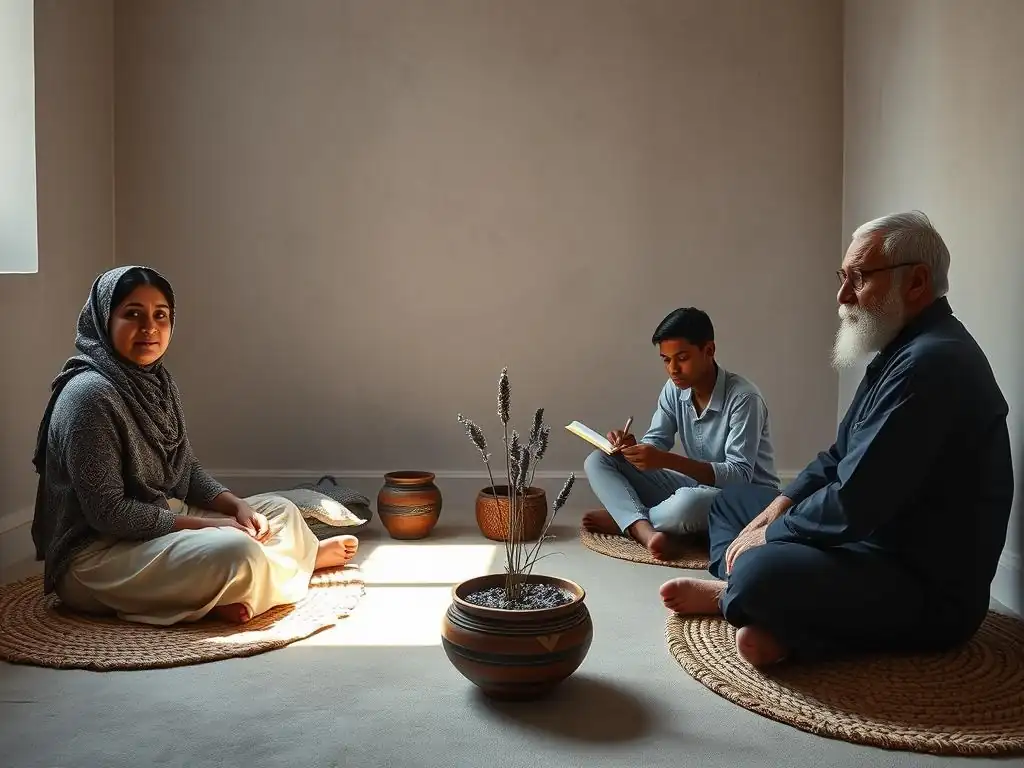
The Importance of Cultural Competence in Trauma Treatment
Cultural competence is not merely a desirable attribute but an essential requirement for effective refugee trauma healing strategies. It involves understanding and respecting the beliefs, values, customs, and communication styles of individuals from diverse cultural backgrounds. For refugees, cultural competence means recognizing how their cultural experiences influence their perception of trauma, their coping mechanisms, their willingness to seek help, and their response to therapeutic interventions. Without cultural competence, therapists may misinterpret symptoms, apply inappropriate interventions, and inadvertently perpetuate mistrust.
For example, a therapist unaware of cultural norms around gender roles might inadvertently cause distress by suggesting interventions that conflict with a refugee's deeply held beliefs. Similarly, failing to understand the collective trauma experienced by a community can lead to focusing solely on individual symptoms while neglecting the need for community-based support. Training for mental health professionals working with refugees must include comprehensive modules on cultural competence, trauma-informed care, and the specific challenges faced by displaced populations to ensure that support is effective and respectful.
Adapting Therapeutic Interventions to Specific Cultural Contexts
Adapting therapeutic interventions to align with specific cultural contexts is crucial for their effectiveness among refugees. This involves more than just using an interpreter; it requires modifying the content, delivery, and even the goals of therapy to resonate with the refugee's cultural background and lived experience. This might include incorporating traditional healing practices, involving family or community elders in the treatment process where culturally appropriate, or reframing psychological concepts using metaphors or language familiar to the refugee's culture.
For instance, Western concepts of individual autonomy and emotional expression might need to be adjusted for cultures that prioritize collectivism and emotional restraint. Psychoeducation about trauma symptoms could be explained using culturally relevant narratives or stories. Adaptation also involves being flexible with session structure, location, and duration to accommodate practical challenges refugees face. Successful refugee trauma healing strategies are those that are not only evidence-based but also thoughtfully tailored to meet the unique cultural needs of the individuals and communities they serve.
Addressing Language Barriers and Cultural Differences in Therapy
Language barriers and cultural differences present significant challenges in providing mental health support to refugees. Access to qualified, trained interpreters is paramount. However, interpretation is complex; it requires not just linguistic translation but also cultural brokerage, conveying nuances, emotional tone, and cultural context. Using untrained interpreters, especially family members or community members, can compromise confidentiality and distort therapeutic communication.
Beyond language, differing cultural norms around communication, eye contact, personal space, and the expression of emotion can impact the therapeutic relationship. A therapist might misinterpret a refugee's silence as resistance when it is a sign of respect or difficulty verbalizing painful experiences. Effective strategies involve working patiently, using visual aids or alternative communication methods, and actively seeking to understand the refugee's perspective through culturally sensitive questioning. Building trust is foundational, and navigating these linguistic and cultural divides skillfully is a critical element of successful refugee trauma healing strategies.
Building Resilience: Fostering Hope and Empowerment in Refugees
Fostering social support networks and community integration is a vital component of building resilience and promoting healing among refugees. Displacement often severs ties to family, friends, and community, leaving individuals isolated and vulnerable. Connecting refugees with their co-ethnic community members in the host country provides a sense of belonging, shared understanding, and practical support. These networks can offer emotional solace, assistance with navigating daily life, and a space to maintain cultural identity.
Host community integration is equally important. Opportunities for refugees to interact positively with members of the host society through schools, workplaces, community centers, or volunteer activities can reduce isolation, combat discrimination, and build new support systems. Participation in community activities, learning the local language, and finding meaningful roles can enhance feelings of agency and self-worth. Initiatives that facilitate these connections are essential refugee trauma healing strategies, helping survivors move from a state of survival to one of rebuilding their lives.
Cultivating Self-Care and Coping Mechanisms
Empowering refugees to cultivate self-care practices and develop healthy coping mechanisms is crucial for managing ongoing stress and trauma symptoms. Many refugees arrive having been in a state of chronic alert for prolonged periods, with limited opportunities for rest or self-preservation. Teaching practical strategies such as mindfulness techniques, relaxation exercises, healthy sleep hygiene, and balanced nutrition can help regulate their nervous system and reduce anxiety.
Furthermore, helping refugees identify and utilize positive coping mechanisms they may have used in the past, or teaching new ones, is important. This might include encouraging engagement in hobbies, creative expression (like art or music), physical activity, or spiritual practices that are meaningful to them. Psychoeducation about the effects of trauma on the body and mind, combined with practical skills training, empowers refugees to take an active role in their own healing journey. These self-management techniques are critical refugee trauma healing strategies for long-term well-being.
The Community Sponsorship Program in Canada: A Model for Integration
The Community Sponsorship Program in Canada serves as a notable example of how structured community involvement can foster integration and support refugee mental health. Under this program, groups of Canadian citizens or permanent residents provide financial, social, and emotional support to sponsored refugees for their first year in Canada. Sponsors help refugees find housing, enroll children in school, access healthcare, learn English or French, and navigate daily life.
This model significantly reduces the isolation and stress refugees often face upon arrival. By providing a welcoming community and practical assistance, sponsors help create a stable environment conducive to healing. Refugees sponsored through this program often report feeling more supported, experiencing better integration outcomes, and potentially having improved mental health compared to those arriving through government-assisted programs alone, although direct comparative studies on trauma outcomes are still emerging. This program demonstrates the power of community in implementing effective refugee trauma healing strategies by building strong social connections from day one.
Overcoming Barriers to Mental Health Services for Refugees
Addressing Stigma and Mistrust of Mental Health Care
Stigma surrounding mental illness is a significant barrier preventing refugees from accessing needed care. In many cultural contexts, mental health issues are misunderstood, feared, or seen as a sign of weakness or moral failing. This stigma can lead individuals to hide their suffering, fearing judgment or ostracization from their community. Furthermore, refugees who have experienced persecution by authorities may harbor deep mistrust of institutions, including healthcare systems, which can extend to mental health services.
Addressing this requires culturally sensitive public awareness campaigns within refugee communities, utilizing trusted community leaders or peers to promote understanding of mental health and reduce stigma. Building trust requires mental health providers to be transparent, respectful, and demonstrate a genuine understanding of the refugee experience. Offering services in accessible, non-stigmatizing locations, such as community centers rather than clinical settings, can also help. Overcoming stigma and mistrust is a foundational step in enabling refugees to benefit from refugee trauma healing strategies.
Improving Access to Affordable and Culturally Appropriate Services
Practical barriers to accessing mental health services for refugees are numerous and often interconnected. These include financial constraints, lack of health insurance, transportation difficulties, lack of childcare, and inflexible service hours. Even when services are available, finding providers who are culturally competent, trauma-informed, and speak the refugee's language or have access to qualified interpreters is a major challenge in many host countries.
Advocacy is needed to ensure that mental health services for refugees are adequately funded and integrated into primary healthcare systems. Services should be affordable or free, located in accessible areas, and offered at times that accommodate refugees' schedules. Investing in training for a diverse mental health workforce, including providers from refugee backgrounds, and ensuring access to professional interpreters are critical steps. Removing these practical barriers is essential to make refugee trauma healing strategies genuinely accessible to those who need them most.
Community-Based Outreach Programs: Increasing Refugee Engagement in Mental Health
Community-based outreach programs are effective in increasing refugee engagement with mental health services and support. These programs bring services directly into the communities where refugees live, reducing transportation barriers and increasing familiarity and trust. Outreach workers, often from the refugee community themselves, can act as cultural brokers, providing information about mental health in a culturally relevant way, explaining available services, and accompanying refugees to appointments.
Examples of successful programs include psychoeducation workshops held in community centers or mosques, peer support groups led by trained refugees, and home visits by mental health professionals or outreach workers. These initiatives help to normalize discussions about mental health, build rapport, and empower refugees to seek help. By meeting refugees where they are and involving community members in the process, these programs effectively bridge the gap between refugees and formal mental health services, making refugee trauma healing strategies more attainable.
The Role of Advocacy and Policy in Supporting Refugee Mental Health

Advocating for Refugee Rights and Protection
Advocacy for refugee rights and protection is intrinsically linked to supporting their mental health. Policies that ensure safety, security, and dignity for refugees are fundamental to healing. This includes advocating for fair and efficient asylum processes, protection from detention and deportation to unsafe countries, and access to basic rights such as housing, education, and the right to work. Precarious legal status and the constant fear of forced return are chronic stressors that severely impede psychological recovery.
Advocacy efforts also include raising awareness about the mental health needs of refugees among policymakers, the public, and within humanitarian organizations. Highlighting the long-term costs of untreated trauma, both human and economic, can galvanize support for better services. Protecting refugees from discrimination and xenophobia in host countries is also a form of advocacy that directly impacts their mental well-being and sense of safety. Strong advocacy ensures that the environment is conducive to the successful application of refugee trauma healing strategies.
Promoting Policies that Address the Root Causes of Trauma
Ultimately, preventing refugee trauma requires addressing the root causes of forced displacement: conflict, persecution, and human rights abuses. Policies aimed at conflict resolution, promoting human rights, and holding perpetrators of torture and violence accountable are crucial long-term solutions. While this is a complex global challenge, national policies can support international efforts and refrain from actions that contribute to instability or human rights violations in other countries.
Furthermore, policies within host countries that facilitate safe and legal pathways for asylum seekers can reduce the trauma associated with dangerous journeys and irregular migration. Investing in diplomacy, development aid focused on fragile states, and international cooperation to address the drivers of forced migration are all indirect but powerful ways to reduce the number of people exposed to the types of trauma that necessitate refugee trauma healing strategies.
The Impact of Sanctuary Policies on Refugee Mental Health
Sanctuary policies, which limit local law enforcement cooperation with federal immigration authorities, can have a positive impact on the mental health of refugees and asylum seekers, particularly those with precarious legal status. These policies can reduce the fear of apprehension and deportation in daily life, allowing individuals to access essential services, including healthcare and mental health support, without fear of being reported.
A climate of fear and uncertainty exacerbates trauma symptoms and prevents individuals from seeking help. By providing a degree of safety and stability, sanctuary policies can create an environment where refugees feel more secure and are more likely to engage with services that support their well-being. While the specific impact varies depending on the policy's scope and implementation, reducing the chronic stress associated with fear of deportation is a critical factor in supporting the mental health and recovery process facilitated by refugee trauma healing strategies.
Seeking Help: Resources for Refugees and Mental Health Professionals
National and International Organizations Providing Refugee Support
Numerous organizations globally provide vital support to refugees, including assistance with legal processes, housing, education, and health. International bodies like the United Nations High Commissioner for Refugees (UNHCR) coordinate global efforts and advocate for refugee rights. National organizations, such as refugee resettlement agencies in host countries, play a crucial role in the initial reception and integration process. Many of these organizations also provide direct mental health services or can refer refugees to appropriate resources.
Examples include the International Rescue Committee (IRC), which offers programs focused on mental health and psychosocial support for refugees in various countries, and national refugee councils or aid societies that provide a range of services. Mental health professionals working with refugees should be familiar with these organizations and their services to effectively refer clients for comprehensive support. These organizations are often key entry points for refugees seeking help and information about refugee trauma healing strategies.
Mental Health Resources for Refugees and Their Families
Finding appropriate mental health resources tailored for refugees and their families can be challenging. Resources often include specialized trauma treatment centers for refugees, community mental health clinics with culturally competent staff, and non-governmental organizations offering psychosocial support programs. Some resources are specifically designed for survivors of torture, providing integrated medical, psychological, and social services.
It is important that these resources offer services in relevant languages, utilize trained interpreters, and are accessible in terms of location and cost. Peer support groups, where refugees can connect with others who have shared similar experiences, are also invaluable resources for reducing isolation and fostering mutual support. Information about these resources should be disseminated through trusted community channels, including mosques, churches, community centers, and refugee-led organizations, to ensure refugees are aware of available refugee trauma healing strategies.
UNHCR Refugee Mental Health Resources Online
The United Nations High Commissioner for Refugees (UNHCR) provides a range of resources related to refugee mental health and psychosocial support (MHPSS), often available online. These resources include guidelines for MHPSS in emergency and protracted settings, training materials for humanitarian workers, and information on best practices. While not always direct service provision for refugees, the UNHCR website serves as a hub for information, research, and policy guidance related to supporting the mental well-being of displaced populations.
Mental health professionals and organizations working with refugees can access these resources to inform their practice and program development. Information sheets or general guidance materials might also be available in multiple languages, which could be helpful for refugees seeking to understand mental health challenges and potential avenues for support. While direct therapeutic resources for refugees might need to be sought locally, the UNHCR website offers valuable background information and frameworks relevant to understanding and implementing refugee trauma healing strategies on a broader scale.
Conclusion: A Path Towards Healing and Hope for Refugee Trauma Survivors
Frequently Asked Questions
How does trauma from torture and violence specifically impact refugees?
Refugee trauma often presents as complex PTSD, characterized by persistent fear, hypervigilance, and difficulties with emotional regulation. This is compounded by displacement, loss, and acculturation stress.
What are some common mental health challenges faced by refugees who have experienced torture?
Common challenges include depression, anxiety disorders, and substance abuse. These are often linked to the traumatic experiences and ongoing stressors of refugee life.
What are some effective Refugee trauma healing strategies?
Effective strategies include trauma-focused therapies like EMDR and narrative therapy. It's also crucial to provide culturally sensitive support and connect refugees with community resources.
Why is cultural sensitivity important in Refugee trauma healing strategies?
Cultural sensitivity ensures that interventions are relevant and respectful of the refugee's background and beliefs. This fosters trust and improves the effectiveness of treatment.
Where can refugees find support and resources for mental well-being after experiencing torture and violence?
Refugees can access support through community organizations, mental health clinics, and refugee resettlement agencies. These resources often provide counseling, legal aid, and social services.
Final Reflection: Healing the Unseen Wounds
The global refugee crisis continues to escalate, leaving countless individuals bearing the invisible scars of persecution. The sheer scale of trauma inflicted through torture and violence demands not only immediate humanitarian aid but also a sustained commitment to healing and rehabilitation. Ignoring these deep-seated wounds risks perpetuating cycles of suffering and hindering the integration of refugees into their new communities.
The impact of torture and violence extends far beyond the physical; it profoundly shapes the mental, emotional, and social well-being of survivors. These experiences leave lasting imprints on identity, relationships, and trust, often manifesting in complex PTSD, anxiety, and depression. The journey to healing is long and arduous, requiring specialized care and understanding. The wounds of the past do not heal by themselves; they must be treated.
This simple truth underscores the critical need for culturally sensitive and trauma-informed approaches to care.
You, the reader, now hold the knowledge to understand the multifaceted nature of refugee trauma. Consider how you can contribute to a more compassionate and supportive environment for those who have endured unimaginable suffering. Whether it's advocating for improved access to mental health services, educating yourself on trauma-informed practices, or simply offering a listening ear, your actions can make a tangible difference in the lives of refugees seeking healing and a new beginning. Let us collectively strive to build a world where the scars of persecution are not merely endured, but actively healed.
Unveil Your Strength: Moving Forward from Trauma
Thanks for taking the time to learn about the profound impact of torture and violence on refugees. You've gained valuable insight into their experiences and the crucial role of healing and support. Now, let's turn that understanding into action.
- Prioritize self-care: Take some time today to practice mindfulness or engage in an activity that brings you peace and comfort. Even small acts of self-compassion can make a big difference.
- Learn more about refugee support organizations: Research local or international organizations dedicated to helping refugees and consider volunteering your time or donating to their cause. This is a powerful way to make a tangible impact.
- Share this article: Spread awareness of the challenges faced by refugees and the importance of empathy and understanding by sharing this article with your network.
What specific step will you take today to support refugees and promote healing?