
Beyond Words: How Art Therapy Unlocks Trauma Processing

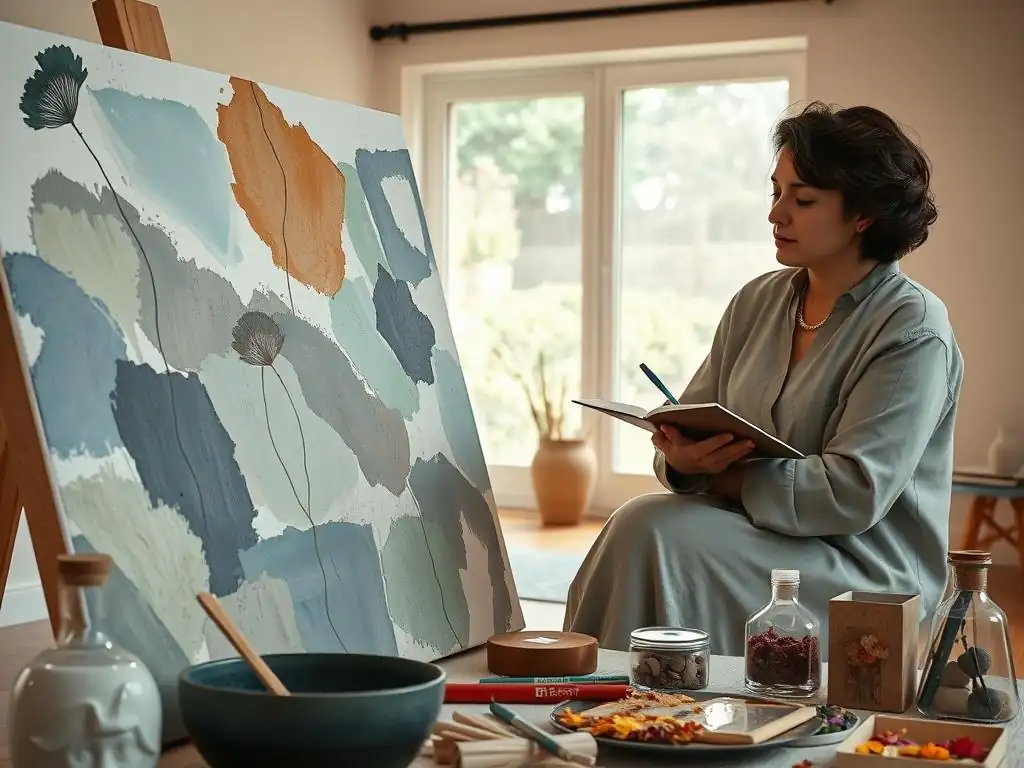
Welcome to Mind Care Guide, your sanctuary for navigating the complexities of mental well-being.
Feeling overwhelmed by the shadows of the past? You're not alone. Many find traditional talk therapy challenging when facing deep-seated trauma. That's why we've created this space.
Dive into our exploration of " Art therapy trauma processing techniques" and discover how creative expression can unlock pathways to healing and resilience. Ready to explore a different approach?
Beyond Words: How Art Therapy Unlocks Trauma Processing
- Understanding Trauma and Its Impact on Mental Well-being
- Introduction to Art Therapy for Trauma Recovery
- Art Therapy Trauma Processing Techniques: A Practical Guide
- Benefits of Art Therapy for Trauma Survivors
- Who Can Benefit from Art Therapy for Trauma?
- Finding a Qualified Art Therapist for Trauma Processing
- Integrating Art Therapy with Other Trauma-Informed Therapies
- Case Studies: Art Therapy in Action for Trauma Recovery
- Overcoming Barriers to Accessing Art Therapy
- The Future of Art Therapy in Trauma Treatment
- Conclusion: Embracing Creative Expression for Healing from Trauma
-
Frequently Asked Questions
- How does art therapy specifically help in processing trauma?
- What are some common art therapy techniques used for trauma processing?
- Is art therapy suitable for all types of trauma?
- How does art therapy differ from traditional talk therapy in trauma processing?
- Where can I find a qualified art therapist specializing in trauma processing?
- Final Reflection: The Healing Power of Unburdened Expression
- Unleash Your Inner Artist: Start Your Healing Journey Today!
Understanding Trauma and Its Impact on Mental Well-being
The Neurological Effects of Trauma
Trauma significantly alters the brain's structure and function, particularly in areas responsible for processing emotions, memory, and fear. Research indicates that the amygdala, the brain's fear center, often becomes hyperactive, leading to heightened states of alert and reactivity. Simultaneously, the prefrontal cortex, which governs rational thought and emotional regulation, may show reduced activity, making it harder to manage intense feelings or make calm decisions. The hippocampus, crucial for consolidating memories and distinguishing past from present, can also be affected, sometimes showing reduced volume, which contributes to fragmented memories and difficulty placing traumatic events in context.
These neurological changes explain many common trauma responses. The persistent activation of the stress response system, involving hormones like cortisol, can lead to chronic physical health issues over time. The brain essentially gets stuck in a survival mode, prioritizing threat detection over other functions. This makes it challenging for individuals to feel safe, even in secure environments, and contributes to symptoms like hypervigilance, intrusive thoughts, and difficulty sleeping, all rooted in altered brain circuitry trying to protect the individual from perceived danger.
How Trauma Manifests in Emotional and Behavioral Patterns
Trauma's impact extends far beyond immediate reactions, deeply embedding itself in emotional and behavioral patterns. Survivors often experience intense and unpredictable emotional swings, ranging from profound sadness and anxiety to sudden bursts of anger or emotional numbness. Difficulty regulating these emotions is common, leading to challenges in relationships and daily functioning. Avoidance is another hallmark; individuals may go to great lengths to avoid reminders of the trauma, including people, places, or even thoughts and feelings associated with the event.
Behaviorally, trauma can manifest as hyperarousal – a state of being constantly on edge, easily startled, and having trouble concentrating. Conversely, some individuals may exhibit dissociation, feeling detached from their body or reality as a coping mechanism. Self-destructive behaviors, such as substance misuse, disordered eating, or self-harm, can also emerge as attempts to cope with overwhelming pain or numb difficult feelings. These patterns, while often misunderstood, are complex responses to profound psychological injury.
The Limitations of Traditional Talk Therapy for Trauma
Traditional talk therapy, such as purely verbal processing or cognitive approaches, can be incredibly beneficial for many mental health challenges, but it sometimes faces limitations when addressing deeply embedded trauma. Trauma memories are often stored in non-verbal parts of the brain and body, manifesting as physical sensations, images, or fragmented impressions rather than coherent narratives. Relying solely on language can be difficult or impossible for individuals whose trauma occurred before language development or was so overwhelming that it bypassed verbal encoding.
For some survivors, talking directly about the traumatic event can be re-traumatizing, triggering intense emotional or physical reactions that overwhelm their capacity to cope. This can lead to avoidance of therapy or feeling stuck in the therapeutic process. While verbal therapies like Trauma-Focused Cognitive Behavioral Therapy (TF-CBT) or Eye Movement Desensitization and Reprocessing (EMDR) incorporate specific techniques to address trauma, the addition of non-verbal modalities like art therapy can provide alternative pathways to access and process these difficult experiences, offering a gentler entry point for those for whom words fall short.
Introduction to Art Therapy for Trauma Recovery
What is Art Therapy? A Definition and Overview
Art therapy is a distinct mental health profession that uses the creative process of art making to improve and enhance the physical, mental, and emotional well-being of individuals of all ages. It is based on the belief that the creative process involved in artistic self-expression helps people to resolve conflicts and problems, develop interpersonal skills, manage behavior, reduce stress, increase self-esteem and self-awareness, and achieve insight. Unlike art classes, the focus in art therapy is not on the aesthetic quality of the art produced, but on the internal experience of the creator and the process of making art itself.
In a therapeutic setting, a qualified art therapist guides the individual through art-making activities tailored to their specific needs and goals. This might involve drawing, painting, sculpting, collage, or other visual media. The therapist facilitates reflection on the art and the process, helping the individual explore thoughts, feelings, and memories that may arise. This combination of creating and reflecting provides a powerful avenue for communication, particularly when verbal expression is difficult or insufficient, making it a valuable tool for art therapy trauma processing techniques.
The Theoretical Foundations of Art Therapy for Trauma
The efficacy of art therapy for trauma is rooted in several theoretical perspectives. From a psychodynamic standpoint, art can serve as a symbolic language, allowing unconscious material, such as repressed memories or feelings associated with trauma, to surface in a safe and contained manner. The art object itself can become a container for difficult emotions, providing a sense of distance and control. Humanistic theories emphasize the inherent capacity for healing and growth; art therapy provides a non-judgmental space for self-exploration and expression, fostering self-compassion and acceptance.
Neuroscience research also supports the use of art therapy. Trauma can impair the integration between the left hemisphere (responsible for language, logic, and sequencing) and the right hemisphere (responsible for emotions, images, and bodily sensations). Art-making, which engages multiple brain areas, including those involved in sensory processing, emotion, and memory, can help bridge this gap. It allows for the processing of trauma material stored in the right hemisphere (images, feelings, body sensations) in a way that can be integrated with left-hemisphere understanding, facilitating a more holistic processing of the traumatic experience.
Why Art Therapy is Effective for Processing Trauma
Art therapy is particularly effective for processing trauma because it offers a non-verbal means of expression. Trauma often leaves individuals speechless or unable to articulate the depth of their experience. The act of creating art provides a powerful alternative language to communicate feelings, sensations, and memories that are too overwhelming or complex to put into words. This bypasses the need for direct verbal recounting, which can be triggering, and allows for a safer, more indirect exploration of traumatic material.
Furthermore, the art-making process itself can be grounding and regulating. Engaging in tactile activities like working with clay or the rhythmic motion of drawing can help soothe the nervous system, which is often dysregulated after trauma. The tangible nature of the artwork also allows individuals to externalize their internal world, creating a physical representation of their feelings or experiences. This externalization can provide a sense of distance, making the overwhelming feel more manageable and providing a concrete object to work with in therapy as they engage in art therapy trauma processing techniques.
Art Therapy Trauma Processing Techniques: A Practical Guide
Drawing and Painting for Trauma Expression
Drawing and painting are fundamental art therapy trauma processing techniques, offering versatile ways to explore internal landscapes. Individuals can use these mediums to depict their emotions, create abstract representations of their trauma, or draw images related to their traumatic memories or current feelings. The act of putting feelings onto paper or canvas provides a visual outlet for emotions that might otherwise feel overwhelming or trapped inside. For example, someone might use intense colors and chaotic lines to represent feelings of panic or anger, or softer shades and flowing shapes to depict a safe space.
Therapists often guide clients to explore the symbolism within their artwork. A drawing might contain recurring shapes, colors, or figures that hold specific meaning related to the trauma or the client's coping responses. Discussing these symbols can provide insight into the client's experience without requiring them to verbalize the explicit details of the trauma. The process allows for the externalization of internal states, making abstract feelings tangible and providing a starting point for discussion and processing within the safety of the therapeutic relationship.
Using Color and Symbolism in Art Therapy
Color is a powerful tool in art therapy trauma processing techniques. Different colors often evoke specific emotional responses or associations. For instance, black or dark colors might represent despair or fear, while bright reds could symbolize anger or danger. Therapists might ask clients to choose colors that represent how they feel right now or how they felt during the traumatic event. Exploring the chosen palette can reveal emotional states that the client may not be consciously aware of or able to articulate verbally.
Symbolism in art allows clients to represent complex or unspeakable aspects of trauma indirectly. A client might draw a locked box to symbolize repressed memories, a storm to represent emotional turmoil, or a broken shield to depict a loss of safety. These symbols provide a metaphorical language for trauma. The therapist helps the client explore the personal meaning of these symbols within their artwork, facilitating a deeper understanding of their experience and reactions without the need for explicit verbal detail, making the processing less potentially re-traumatizing.
Exploring Emotions Through Visual Art
Visual art provides a direct pipeline to emotional exploration in trauma therapy. Instead of trying to describe a feeling with words, clients can be prompted to "draw how anger feels" or "paint the color of your fear." This bypasses cognitive filters and allows for a more direct expression of raw emotion. The resulting image can be a vivid representation of an internal state, providing both the client and the therapist with valuable insight.
Furthermore, visual art allows for the exploration of complex or contradictory emotions that often coexist after trauma, such as fear mixed with relief, or anger mixed with sadness. A client might create an artwork that visually depicts these layers or juxtapositions of feeling. The process of creating and then reflecting on this visual representation can help the client better understand, tolerate, and integrate their emotional experience, which is a crucial part of art therapy trauma processing techniques.
Sculpture and Clay Work for Embodied Trauma Release
Sculpture and clay work engage the tactile and kinesthetic senses, making them potent art therapy trauma processing techniques for embodied release. Trauma is often held in the body as tension, physical sensations, or a sense of being frozen or stuck. Working with a malleable material like clay allows clients to physically manipulate and shape their internal experience. The act of pounding, squeezing, or molding clay can be incredibly cathartic, providing a physical outlet for tension, anger, or anxiety that is stored in the body.
This medium also offers a sense of control. A client can mold the clay into a shape that represents their trauma, their fear, or even their resilience. The ability to alter, destroy, or reshape this physical representation can be empowering, offering a felt sense of agency over something that once felt overwhelming and uncontrollable. The tactile engagement with the material can also be grounding, helping clients connect with the present moment and their physical body in a safe way, counteracting the dissociation often experienced after trauma.
Grounding Techniques with Clay
Clay work naturally lends itself to grounding techniques, which are vital for trauma survivors who may experience dissociation or hyperarousal. The simple act of feeling the cool, moist clay in one's hands, focusing on its texture, temperature, and malleability, can bring a client's awareness back to the present moment and into their body. Therapists might guide clients through sensory exercises, asking them to describe the feel of the clay, the pressure of their hands, or the sounds they make while working with it.
Beyond simple sensory engagement, shaping the clay into a stable, solid form, like a sphere or a grounding object, can be a deliberate grounding exercise. Clients can create a physical representation of their "safe place" or an object that symbolizes strength and stability, holding it or focusing on its physical presence during moments of distress. This practical application is a key part of using art therapy trauma processing techniques for stabilization.
Releasing Tension Through Physical Creation
Trauma often leaves the body in a state of chronic tension or readiness for danger. Activities like pounding, squeezing, or aggressively manipulating clay provide a safe and acceptable outlet for releasing this stored physical tension and energy. Clients who feel restless, agitated, or physically constricted can find relief in the vigorous physical engagement that clay work allows.
Creating and then destroying a clay sculpture can also be a powerful act of releasing pent-up emotions and energy associated with trauma. A client might build a representation of their fear or their abuser and then smash it, symbolizing the act of reclaiming power or releasing the hold the trauma has on them. This physical process, combined with therapeutic processing, helps facilitate the discharge of physiological arousal linked to traumatic memories.
Collage and Mixed Media for Narrative Reconstruction
Collage and mixed media techniques are valuable art therapy trauma processing techniques for survivors struggling with fragmented memories or a disrupted sense of self and narrative. Trauma can shatter an individual's sense of continuity and coherence, leaving them with disjointed images, feelings, and memories rather than a clear story. Collage, which involves selecting and assembling disparate images and materials, mirrors the process of piecing together a fragmented experience.
By choosing images, textures, and words from magazines, newspapers, or other sources, clients can create a visual narrative that represents their experience, their feelings, or their journey towards healing. This allows them to externalize the chaos or confusion they feel internally and begin to impose order or create meaning from it. The process of selecting and arranging materials is active and empowering, giving the client agency in constructing their story.
Creating Visual Timelines of Traumatic Events
A specific application of collage in art therapy trauma processing techniques is creating a visual timeline. For clients whose memories are fragmented or non-linear, arranging images or symbols sequentially can help externalize and organize the pieces of their experience. This doesn't necessarily mean depicting the trauma itself explicitly but representing the feelings, experiences, or significant moments surrounding it.
Clients might use different sections of the collage to represent "before," "during," and "after" the trauma, or different phases of their healing journey. This process can help them see their experience in a more structured way, understand the impact of the trauma over time, and recognize their own resilience in moving forward. It provides a concrete, visual map of their journey, aiding integration and narrative coherence.
Re-Authoring Personal Narratives Through Collage
Trauma often imposes a negative or limiting narrative on survivors ("I am broken," "The world is unsafe"). Collage offers a powerful way to challenge and re-author these narratives. Clients can create collages that represent their desired future, their strengths, their values, or a revised understanding of their past that incorporates resilience and survival.
By deliberately selecting images and words that reflect hope, strength, safety, or a positive self-image, clients actively construct a new visual story. This process is not about denying the trauma but about expanding the narrative beyond the traumatic event to include other aspects of their identity and experience. This re-authoring through visual means is a significant aspect of using art therapy trauma processing techniques to build a more integrated and empowered sense of self.
Journaling and Art Prompts for Self-Reflection After Trauma
Integrating journaling with art therapy trauma processing techniques enhances self-reflection by combining non-verbal expression with verbal processing. After creating a piece of art, clients can write about the artwork, their process, the feelings that arose, or any memories or insights the art triggered. This dual approach allows for expression through art followed by a cognitive and emotional processing through writing.
The journal serves as a space to articulate what the art piece represents, explore the connections between the visual imagery and their internal experience, and reflect on the meaning of symbols or colors used. This combination helps bridge the gap between the non-verbal, emotional experience captured in the art and the cognitive understanding, facilitating integration of the traumatic experience.
Integrating Art with Written Reflections
The process of integrating art and writing can take many forms. A client might start with a drawing or painting and then free-write about whatever comes to mind when looking at the piece. Alternatively, they might write about a feeling or experience and then create art based on their writing. Some prompts might involve creating art on a page and then writing directly onto or around the image.
This integration is particularly effective for trauma survivors because it acknowledges that trauma impacts both the emotional/sensory brain (accessed through art) and the cognitive brain (accessed through writing). By engaging both modalities, clients can move towards a more complete processing of their experience, allowing the art to express what words cannot, and the writing to provide context and understanding to the visual expression.
Art Prompts Designed for Trauma Processing
Specific art prompts are often used in art therapy trauma processing techniques to guide clients' exploration in a safe and contained manner. These prompts are carefully chosen to be inviting without being overly directive or potentially re-traumatizing. Examples include:
- Create a picture of your "safe place."
- Draw how your body feels when you remember the trauma.
- Use colors and shapes to represent your feelings today.
- Create an image of a container to hold difficult emotions.
- Draw a picture of your inner strength.
- Create a visual representation of your resilience.
These prompts encourage clients to explore specific aspects of their trauma experience or their healing journey through art. They provide a structure that can feel less overwhelming than a blank page while allowing for individual expression and interpretation. The therapist works with the client to select prompts that are appropriate for their current emotional state and therapeutic goals, ensuring the process remains safe and therapeutic.
Benefits of Art Therapy for Trauma Survivors

Reduced Anxiety and Depression Symptoms
Numerous studies and clinical observations indicate that engaging in art therapy can lead to a significant reduction in symptoms of anxiety and depression among trauma survivors. The creative process itself can be calming and meditative, lowering physiological arousal associated with anxiety. Expressing difficult emotions through art provides an outlet that can alleviate the internal pressure often contributing to depressive symptoms. For instance, a meta-analysis published in 2016 looking at various art therapy studies found a moderate effect size for reducing anxiety and depression, suggesting its clinical significance.
Furthermore, art therapy helps trauma survivors externalize their internal turmoil, making overwhelming feelings feel more manageable. By creating a tangible representation of their anxiety or depression, they gain a sense of distance and control over these difficult states. This externalization, combined with the therapeutic processing of the artwork, contributes to symptom reduction and improved emotional well-being.
Improved Emotional Regulation and Self-Awareness
Trauma often disrupts the ability to understand and regulate emotions. Art therapy trauma processing techniques provide a visual language for identifying and exploring feelings that might otherwise be confusing or overwhelming. By depicting emotions through color, shape, or form, survivors can gain clarity about their internal states. For example, a client might realize they consistently use jagged lines or dark colors when depicting certain situations, leading to an awareness of underlying anger or fear.
Through the process of creating and reflecting on their art, individuals learn to recognize emotional patterns, understand triggers, and develop healthier ways of responding to intense feelings. The act of making choices about materials, colors, and composition also fosters a sense of agency and control, which can be empowering for those who felt powerless during the trauma. This increased self-awareness is a crucial step towards improved emotional regulation.
Enhanced Communication and Interpersonal Skills
Trauma can make it difficult to communicate effectively, especially about internal experiences or needs. Art therapy offers a non-verbal pathway for communication, which can be less intimidating than verbal disclosure, particularly when discussing sensitive or painful topics. The artwork itself becomes a starting point for dialogue with the therapist, providing a concrete basis for discussion.
As survivors gain comfort expressing themselves through art and processing their experiences in therapy, they often find it easier to communicate their needs, feelings, and boundaries in interpersonal relationships outside of therapy. The process of sharing their artwork and reflections in a safe therapeutic relationship can also help rebuild trust and improve their capacity for connection with others, enhancing overall interpersonal skills.
Increased Self-Esteem and Empowerment
Trauma can severely damage a person's sense of self-worth and leave them feeling helpless or powerless. Art therapy trauma processing techniques can counteract this by fostering a sense of accomplishment and empowerment. The act of creating something tangible, of taking internal chaos and giving it form, can be incredibly validating. There is no "right" or "wrong" way to make art in therapy, removing the pressure of performance and allowing for authentic self-expression.
Successfully navigating the creative process and using art to express and process difficult experiences builds confidence. As clients witness their ability to externalize, contain, and work through trauma material via their art, they reclaim a sense of agency and strength. Completing an art piece related to resilience or healing can serve as a powerful visual reminder of their capacity to survive and grow, significantly boosting self-esteem and fostering empowerment.
Who Can Benefit from Art Therapy for Trauma?
Art Therapy for Adults with PTSD
Art therapy is a highly beneficial modality for adults diagnosed with Post-Traumatic Stress Disorder (PTSD), regardless of the source of their trauma (e.g., combat, assault, accidents, complex trauma). Adults with PTSD often struggle with verbalizing their traumatic experiences, experiencing flashbacks, nightmares, or dissociation. Art therapy provides a safe, non-verbal avenue to access and process these fragmented, often sensorimotor, trauma memories.
Using art therapy trauma processing techniques like creating containers for overwhelming feelings, depicting flashbacks symbolically, or creating images of a safe place helps adults with PTSD manage symptoms. Many find the grounding aspects of art making, like working with clay or focusing on the tactile experience of materials, help regulate their nervous system and reduce hyperarousal. Clinical outcomes often include reduced severity of intrusive symptoms, avoidance, and hyperarousal, alongside improved emotional regulation.
Art Therapy for Children and Adolescents Experiencing Trauma
Children and adolescents are particularly well-suited for art therapy, as art is a natural form of expression for these age groups, often preceding complex verbal skills. Trauma can profoundly impact a child's development, affecting their ability to feel safe, regulate emotions, and form healthy attachments. Art therapy provides a playful and less threatening way for young people to communicate their experiences and feelings related to trauma.
Therapists use age-appropriate art therapy trauma processing techniques, such as drawing their worries, creating a story through pictures, or using sandtray alongside art materials. These methods allow children and adolescents to externalize frightening memories or feelings, explore difficult themes symbolically, and gain a sense of mastery over their experience. For example, a child who was in a car accident might repeatedly draw cars or crashes, working through their fear and helping the therapist understand their processing needs. Outcomes frequently include reduced anxiety, improved behavior at home and school, and enhanced emotional expression.
Art Therapy for Veterans and First Responders
Veterans and first responders often experience trauma related to their service, including combat exposure, witnessing critical incidents, and cumulative stress. These populations may face unique challenges, including a culture that sometimes discourages verbal expression of vulnerability. Art therapy offers a different entry point for processing trauma for individuals who may find traditional talk therapy difficult or feel uncomfortable discussing their experiences openly.
Art therapy trauma processing techniques used with veterans and first responders might involve creating masks to explore their public and private selves, building symbolic structures representing their experiences, or using collaborative art projects to foster connection and shared processing. The tangible nature of art allows them to externalize their burden and communicate experiences that are difficult to translate into civilian language. Participation in art therapy programs for veterans has shown promising results in reducing PTSD symptoms, decreasing isolation, and improving overall well-being.
Finding a Qualified Art Therapist for Trauma Processing
Credentials and Training to Look For
When seeking an art therapist for trauma processing, it's crucial to find a qualified professional with specific training and experience in both art therapy and trauma-informed care. Look for credentials such as ATR (Registered Art Therapist) and especially ATR-BC (Board Certified Art Therapist), which indicate that the therapist has met national standards for education, supervised post-graduate experience, and ethical practice. The ATR-BC is the highest level of credentialing in the United States.
Beyond general art therapy credentials, inquire about their specific training in trauma-informed approaches and art therapy trauma processing techniques. Many art therapists pursue additional training in modalities like Trauma-Focused Cognitive Behavioral Therapy (TF-CBT), Eye Movement Desensitization and Reprocessing (EMDR) integrated with art, or Sensorimotor Art Therapy. Membership in professional organizations like the American Art Therapy Association (AATA) is also a positive indicator of a commitment to ethical practice and ongoing professional development.
Questions to Ask Potential Art Therapists
To ensure a good fit, prepare questions for potential art therapists during an initial consultation. Essential questions include:
- What is your experience working with trauma survivors?
- What specific art therapy trauma processing techniques do you use?
- Are you trained in trauma-informed care or specific trauma treatment modalities?
- How do you ensure safety and containment during art therapy sessions, especially when processing difficult material?
- How do you integrate art-making with verbal processing in your sessions?
- What is your approach to working with the specific type of trauma I have experienced (if comfortable sharing)?
- Can you explain your process for goal setting and measuring progress in art therapy?
Asking these questions will help you understand their expertise, approach, and how they would tailor art therapy to your specific trauma processing needs. It also allows you to gauge their empathy and how comfortable you feel communicating with them, which is vital for building a strong therapeutic alliance.
The Importance of a Safe and Supportive Therapeutic Relationship
The effectiveness of art therapy trauma processing techniques, like any therapy, is significantly influenced by the quality of the therapeutic relationship. A safe, trusting, and supportive connection with your art therapist is paramount, especially when dealing with the vulnerability inherent in trauma processing. The therapist creates a non-judgmental space where you feel safe to explore difficult emotions and memories through your art.
A good art therapist is not just skilled in art techniques but also in actively listening, providing empathetic responses, and attuning to your emotional state. They respect your pace, empower you to make choices about what and how you create, and help you feel in control of the process. This sense of safety and partnership allows you to engage more deeply with the art therapy trauma processing techniques and facilitates healing.
Integrating Art Therapy with Other Trauma-Informed Therapies
Combining Art Therapy with EMDR
Integrating art therapy trauma processing techniques with Eye Movement Desensitization and Reprocessing (EMDR) can be a powerful approach for trauma recovery. EMDR typically involves bilateral stimulation (like eye movements) while processing traumatic memories. Art can be used before, during, or after EMDR phases. For example, a client might create an image representing the target memory before starting processing, or draw how they feel after a set of bilateral stimulation.
Using art alongside EMDR can help clients access the emotional and sensory components of the trauma that EMDR targets. The artwork can provide a visual anchor or a way to express insights gained during processing. Some therapists use art to create a "container" for difficult material before beginning EMDR processing, helping the client feel more prepared and contained. This combined approach leverages the strengths of both modalities, addressing both the cognitive/memory processing (EMDR) and the non-verbal/emotional expression (art therapy).
Art Therapy and Cognitive Behavioral Therapy (CBT) for Trauma
Art therapy can complement Cognitive Behavioral Therapy (CBT) for trauma by providing alternative ways to challenge negative thoughts and beliefs stemming from the traumatic experience. CBT often focuses on identifying and modifying maladaptive thought patterns and behaviors. Art therapy trauma processing techniques can make abstract cognitive concepts more concrete and accessible.
For instance, if a client holds the belief "I am unsafe," they might create art that visually represents this feeling or belief. Then, using CBT principles, they can create another artwork that challenges this belief, perhaps depicting a safe place or their inner strength. The visual representation makes the cognitive work more tangible and emotionally resonant. Art can also be used to practice behavioral skills taught in CBT, such as creating a visual plan for facing a feared situation or drawing a representation of a healthy coping mechanism.
Complementary Therapies: Yoga, Mindfulness, and Art
Integrating art therapy with other complementary therapies like yoga and mindfulness can enhance the overall healing process for trauma survivors. Mindfulness practices, such as focusing on the breath or body sensations, can help clients become more aware of their present-moment experience, which is crucial for grounding. Art-making can be a form of mindfulness practice itself, encouraging focus on the process rather than the outcome.
Yoga can help release physical tension stored in the body due to trauma and improve body awareness. Combining yoga with art therapy trauma processing techniques allows clients to explore the connection between their physical sensations and their emotional states. For example, a client might engage in a grounding yoga practice and then create art reflecting their embodied experience. These complementary modalities work together to address the physical, emotional, and cognitive impacts of trauma in a holistic manner.
Case Studies: Art Therapy in Action for Trauma Recovery

Art Therapy for Survivors of Domestic Violence
In a case study involving survivors of domestic violence, art therapy trauma processing techniques were used to help clients externalize fear, reclaim personal space, and build self-esteem. One common approach involved creating masks. Clients would often decorate the outside of the mask to represent how they present themselves to the world (perhaps strong or guarded) and the inside to represent their inner feelings (fear, sadness, anger). This allowed for a safe exploration of their dual experience without direct verbal recounting of abuse details.
Another technique involved creating "containers" for overwhelming emotions or memories using clay or mixed media boxes. Survivors could symbolically place difficult feelings inside the container, gaining a sense of control and containment over internal chaos. Over several sessions using these and other art therapy trauma processing techniques, clients reported reduced anxiety, increased feelings of safety in their bodies, and a stronger sense of personal boundaries, demonstrating the power of non-verbal processing in a population where verbalizing trauma can be highly challenging.
Art therapy has been effectively used with veterans experiencing combat-related trauma. For veterans struggling with intrusive memories or hyperarousal, creating mandalas or repetitive patterns can serve as a grounding and calming exercise. One common theme explored is the contrast between the intensity of combat and the difficulty of reintegrating into civilian life. Veterans might create artwork depicting scenes from their service or symbolic representations of their experiences, such as creating a heavy sculpture to represent the burden they carry.
Through art therapy trauma processing techniques like creating visual narratives of their deployment or sculpting representations of their unit cohesion and subsequent loss, veterans can process complex emotions and fragmented memories. For example, some veterans create "memorial" art pieces to honor fallen comrades or process grief. Therapists often guide veterans to create art that also depicts their strengths, resilience, and hopes for the future, fostering a sense of post-traumatic growth alongside processing difficult memories. Outcomes often include decreased PTSD symptoms, improved sleep, and enhanced ability to connect with others.
Common Themes and Outcomes in Trauma-Focused Art Therapy
Across diverse trauma populations, several common themes emerge in art therapy, and consistent positive outcomes are observed. Themes often depicted include:
- Feelings of fragmentation or brokenness, often represented by disconnected shapes or torn materials.
- The trauma event itself, often depicted symbolically rather than realistically.
- Fear, anger, and sadness, expressed through color, line, and form.
- The search for safety, often depicted as a physical place, a protective barrier, or an internal state.
- Resilience and strength, symbolized by strong structures, vibrant colors, or images of growth.
- The process of healing, shown through transitions in color, form, or narrative within the artwork.
Common outcomes reported in studies and clinical practice using art therapy trauma processing techniques include reduced symptoms of PTSD, anxiety, and depression; improved emotional regulation and coping skills; increased self-awareness and self-compassion; enhanced ability to communicate about difficult experiences; and a greater sense of empowerment and hope for the future. While individual experiences vary, these recurring themes and outcomes highlight the profound potential of art therapy in facilitating trauma recovery.
Overcoming Barriers to Accessing Art Therapy
Addressing Stigma and Misconceptions About Art Therapy
One significant barrier to accessing art therapy trauma processing techniques is the stigma and misconceptions surrounding both mental health treatment and art therapy itself. Some individuals may perceive art therapy as less "serious" than traditional talk therapy or feel intimidated if they don't consider themselves "artistic." The truth is, no artistic talent or prior experience is required; the focus is on the process and expression, not the aesthetic outcome.
Educating the public and healthcare providers about the evidence base for art therapy, particularly its efficacy in trauma treatment, is crucial for addressing stigma. Highlighting that art therapy is a master's level mental health profession using clinical techniques, not just a casual art class, helps validate its therapeutic value. Sharing information about how art therapy trauma processing techniques work and showcasing successful outcomes can encourage individuals to consider it as a viable and powerful healing modality.
Affordable Art Therapy Options and Resources
Cost can be a significant barrier to accessing any form of therapy, including art therapy. While finding affordable options requires research, resources are often available. Some community mental health centers and non-profit organizations offer art therapy services on a sliding scale based on income. University art therapy programs often have training clinics where students provide therapy under supervision at reduced rates.
Additionally, exploring whether your health insurance covers art therapy services is important; coverage varies widely. Some art therapists offer pro bono or low-cost slots, and professional organizations may have directories of therapists who offer reduced fees. While not a substitute for individual therapy, community-based therapeutic art groups focused on well-being (though perhaps not specifically trauma processing techniques unless led by a qualified therapist) can also offer some benefits for emotional expression and connection at a lower cost.
Telehealth Art Therapy: Accessibility and Considerations
The rise of telehealth has increased the accessibility of art therapy trauma processing techniques for many individuals, particularly those in rural areas, with mobility issues, or who prefer the comfort of their own home. Online art therapy sessions utilize secure video conferencing platforms, with the therapist guiding the client through art-making activities using materials the client has on hand.
While convenient, telehealth art therapy requires careful consideration. Clients need access to basic art supplies and a private space where they feel comfortable creating and talking. Therapists must also be skilled in adapting techniques for a virtual format and ensuring the client's safety and containment remotely, especially when processing trauma. Despite these considerations, telehealth art therapy has proven effective for many and offers a valuable option for overcoming geographical and logistical barriers to accessing care.
The Future of Art Therapy in Trauma Treatment
Emerging Research and Innovations in Art Therapy
The field of art therapy is continually evolving, with ongoing research further substantiating its efficacy in trauma treatment. Emerging studies are utilizing neuroimaging technologies, such as fMRI, to explore the specific brain changes associated with engaging in art therapy trauma processing techniques, providing biological evidence for its impact on trauma-affected neural networks. Research is also focusing on specific populations, such as refugees or survivors of complex trauma, to refine tailored art therapy interventions.
Innovations include the integration of digital art tools into therapy, offering new possibilities for expression and manipulation of imagery. Some therapists are exploring virtual reality environments in conjunction with art therapy to create immersive experiences for processing trauma in a controlled setting. As technology advances and research deepens our understanding of the brain-body connection in trauma, the application of art therapy trauma processing techniques is likely to become even more sophisticated and evidence-based.
The Growing Recognition of Art Therapy's Therapeutic Value
There is a growing recognition within the broader mental healthcare field of art therapy's unique and valuable contribution to trauma recovery. As the limitations of purely verbal approaches for certain aspects of trauma are better understood, non-verbal and embodied therapies like art therapy are gaining prominence. Professional organizations, research publications, and increased coverage in media outlets are helping to demystify art therapy and highlight its effectiveness.
This growing recognition is leading to increased integration of art therapists into multidisciplinary treatment teams in hospitals, clinics, schools, and community organizations. Training programs are emphasizing trauma-informed care, ensuring that new art therapists are equipped with the specialized knowledge needed to work with trauma survivors. This increased acceptance is crucial for expanding access to art therapy trauma processing techniques for those who need them.
Integrating Art Therapy into Mainstream Mental Healthcare
The future holds the potential for greater integration of art therapy into mainstream mental healthcare systems. As research continues to build a strong evidence base, particularly regarding specific art therapy trauma processing techniques and their outcomes, it becomes easier to advocate for its inclusion in treatment protocols and insurance coverage. Increased awareness among healthcare providers, including physicians and psychologists, is leading to more referrals to art therapists.
Advocacy efforts by professional art therapy associations are working towards better licensure laws, increased insurance reimbursement, and greater recognition of art therapists as qualified mental health professionals. As art therapy becomes more accessible and understood, it can become a standard, rather than alternative, option within the continuum of care for trauma survivors, ensuring that more individuals have the opportunity to experience the transformative power of creative expression in healing from trauma.
Conclusion: Embracing Creative Expression for Healing from Trauma
Healing from trauma is a complex journey, often requiring approaches that go beyond words. Art therapy offers a powerful pathway for individuals to process traumatic experiences by engaging the creative process and utilizing art therapy trauma processing techniques. It provides a safe, non-verbal language to express the inexpressible, externalize overwhelming emotions, and work through fragmented memories.
From drawing and painting to sculpture and collage, these creative modalities allow survivors to gain insight, regulate their nervous system, challenge negative beliefs, and rebuild a sense of self and narrative. Art therapy is not about making pretty pictures; it is a clinical intervention that leverages the inherent human capacity for creativity to facilitate profound psychological healing. By embracing creative expression, trauma survivors can unlock new pathways to understanding, resilience, and ultimately, a more integrated and hopeful future.
Frequently Asked Questions
How does art therapy specifically help in processing trauma?
Art therapy provides a non-verbal outlet for expressing emotions and memories that may be difficult to articulate. This can help individuals access and process traumatic experiences in a safe and controlled environment. It bypasses the need to directly confront the trauma with words initially.
What are some common art therapy techniques used for trauma processing?
Common techniques include drawing, painting, sculpting, and collage. These activities can facilitate emotional release, promote self-expression, and help individuals gain new perspectives on their trauma. The process is often guided by a trained art therapist.
Is art therapy suitable for all types of trauma?
Art therapy can be beneficial for a wide range of traumas, including childhood abuse, domestic violence, and combat experiences. However, it's crucial to consult with a qualified mental health professional to determine if it's the right approach for your specific needs and to ensure appropriate trauma-informed care.
How does art therapy differ from traditional talk therapy in trauma processing?
Unlike talk therapy, which relies primarily on verbal communication, art therapy utilizes creative expression. This allows individuals to access and process trauma without the pressure of having to directly verbalize their experiences. It can be a gentler and less confrontational approach.
Where can I find a qualified art therapist specializing in trauma processing?
You can search online directories of art therapists, such as those provided by professional organizations like the American Art Therapy Association. Look for therapists who have specific training and experience in working with trauma survivors. Ensure they are licensed and board-certified.
Final Reflection: The Healing Power of Unburdened Expression
The transformative potential of art therapy in trauma processing is not merely a theoretical concept; it's a vital tool actively shaping how we understand and address mental health challenges today. The rising awareness of trauma's pervasive impact, coupled with the limitations of traditional talk therapy for some individuals, underscores the critical need for alternative approaches like art therapy. Its effectiveness lies in its ability to bypass verbal barriers, offering a safe and accessible pathway to healing.
Art therapy's influence extends far beyond the individual; it's reshaping our cultural understanding of trauma and mental well-being. It provides a tangible language for those who struggle to articulate their experiences, fostering a sense of agency and empowerment. This shift towards acknowledging the body's memory and the power of nonverbal expression is profoundly significant. Art enables us to find ourselves and lose ourselves at the same time.
– Thomas Merton. This quote perfectly encapsulates the dual nature of the art therapy process: confronting painful memories while simultaneously discovering strength and resilience.
The journey of healing is deeply personal, but the tools and techniques explored in this article offer a starting point. Consider how you might incorporate creative expression into your own life, whether through painting, sculpting, music, or any other medium that resonates with you. Don't underestimate the power of self-expression to unlock suppressed emotions and foster a deeper understanding of yourself. Embrace the opportunity to explore the healing potential within, and remember that the journey towards wholeness is a process of continuous growth and self-discovery.
Unleash Your Inner Artist: Start Your Healing Journey Today!
Thanks for taking the time to explore the powerful world of art therapy! We hope you gained valuable insights into how creative expression can help unlock trauma processing and foster emotional well-being. Ready to take the next step?
- Begin your art therapy journey: Even five minutes of sketching or painting can make a difference. Try a simple exercise—focus on a single emotion and let it flow onto the page.
- Share your creative process: Connect with others who are exploring art therapy. Discuss your experiences in the comments below – your insights could inspire others!
- Explore resources: Search for local art therapists or online resources to further deepen your understanding and find support.
What unique expression will you unlock today?