
Art Therapy for Trauma in Children and Adolescents

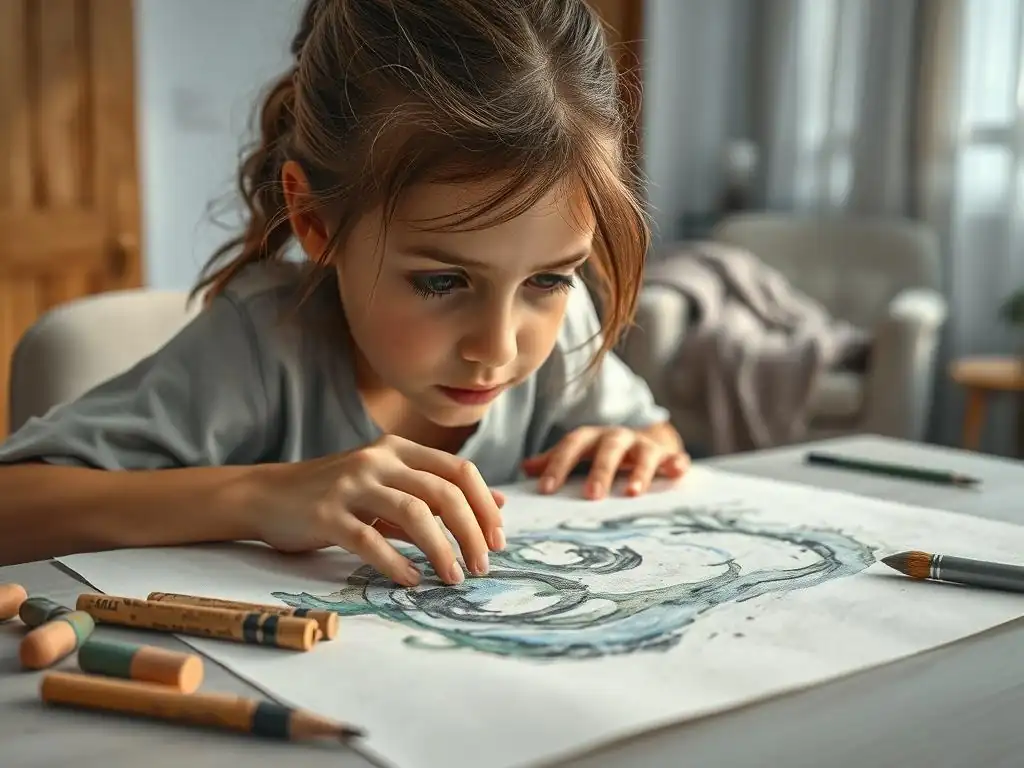
Welcome to Mind Care Guide.
Are you seeking gentle pathways to healing for a child or teen grappling with the aftermath of trauma? It's understandable to feel overwhelmed. This safe space offers insights and resources, starting with a powerful, creative outlet: art therapy. Discover how art therapy can provide a non-verbal language for children and teens processing trauma, unlocking emotions and fostering resilience. Curious to learn more about this therapeutic approach? Let's begin.
Art Therapy for Trauma in Children and Adolescents: A Mind Care Guide
- Understanding Trauma and Its Impact on Young Minds
- Art Therapy: A Creative Pathway to Healing Trauma
- Art Therapy Techniques for Trauma: Specific Approaches
- Art Therapy Activities and Exercises for Children and Teens
- Finding a Qualified Art Therapist for Your Child
- Creating a Safe and Supportive Environment for Art Therapy
- Art Therapy for Trauma: Success Stories and Case Studies
- Complementary Therapies to Support Art Therapy for Trauma
- Addressing Common Concerns About Art Therapy for Trauma
- Long-Term Benefits of Art Therapy for Trauma
- Conclusion: Empowering Children and Adolescents Through Art Therapy for Trauma
-
Frequently Asked Questions
- What is art therapy and how can it help children and teens who have experienced trauma?
- How does art therapy specifically address the needs of children and adolescents dealing with trauma?
- What are some common art therapy techniques used with children and teens who have experienced trauma?
- How can parents or caregivers find a qualified art therapist specializing in trauma for children and teens?
- What are the potential benefits of art therapy for children and teens struggling with the effects of trauma?
- Final Reflection: The Healing Power of Art in Young Lives
- Unlock Your Child's Healing Journey
Understanding Trauma and Its Impact on Young Minds
Trauma in children and adolescents refers to the psychological, emotional, and physiological response to one or more harmful or life-threatening events. These events can include physical or sexual abuse, neglect, witnessing violence, experiencing a natural disaster, serious accidents, or loss of a loved one. Unlike adults, children and teens may lack the coping mechanisms and cognitive understanding to process overwhelming experiences, making them particularly vulnerable to the long-term effects of trauma. The impact can be profound, affecting their sense of safety, ability to trust, and overall development.
Studies indicate that a significant percentage of children and adolescents will experience at least one traumatic event before the age of 18. For example, estimates suggest that between 25% and 40% of children and adolescents in the United States will experience a traumatic event, and many will experience multiple traumas. This widespread exposure underscores the critical need for effective interventions like art therapy trauma children teens can benefit from. Understanding the pervasive nature of trauma is the first step in identifying those who need support and exploring avenues for healing.
Defining Trauma in Childhood and Adolescence
Defining trauma in young people goes beyond just the event itself; it encompasses the child's subjective experience and their response. What might be traumatic for one child may not be for another, depending on factors like age, developmental stage, support systems, and previous experiences. Complex trauma, which involves repeated or prolonged exposure to traumatic events, often within the context of interpersonal relationships like abuse or neglect, is particularly damaging to developing brains and attachment systems. This type of trauma requires specialized, sensitive approaches to healing.
The definition also includes the impact on the child's functioning. Trauma can disrupt a child's ability to regulate emotions, form healthy relationships, perform academically, and even affect their physical health. The long-term effects can manifest as post-traumatic stress disorder (PTSD), anxiety disorders, depression, behavioral problems, and difficulties with trust and intimacy later in life. Recognizing these varied manifestations is crucial for early identification and intervention, highlighting the value of therapies like art therapy for trauma in children and teens.
How Trauma Affects Children's Emotional and Cognitive Development
Trauma can fundamentally alter the trajectory of a child's emotional and cognitive development. The brain, especially during critical developmental periods, is highly susceptible to the effects of stress hormones released during traumatic experiences. This can impact areas responsible for fear processing (amygdala), memory (hippocampus), and executive functions (prefrontal cortex). As a result, children with trauma histories may struggle with emotional regulation, experiencing intense mood swings, difficulty calming down, or conversely, emotional numbing. Their ability to focus, remember, and learn can also be impaired, affecting school performance and social interactions.
Furthermore, trauma can disrupt the development of a secure attachment style. Children who experience trauma, particularly in early relationships, may develop difficulties trusting others, leading to challenges in forming healthy bonds. This can impact their social skills and their sense of belonging. Cognitively, they might develop negative beliefs about themselves, others, and the world, such as believing they are unsafe or unlovable. Addressing these deep-seated emotional and cognitive impacts is a primary goal of therapeutic interventions aimed at healing art therapy trauma children teens have experienced.
Recognizing the Signs of Trauma in Children and Teens
Recognizing the signs of trauma in young people can be challenging as they often manifest differently depending on age, personality, and the type of trauma experienced. In younger children, signs might include regression (e.g., wetting the bed after being potty-trained), increased clinginess, difficulty sleeping, nightmares, irritability, or repetitive play that mirrors the traumatic event. Behavioral changes like aggression, withdrawal, or hypervigilance are also common indicators.
In adolescents, symptoms might be more internalized or externalized. Internalized signs can include anxiety, depression, self-harming behaviors, eating disorders, or substance use. Externalized signs might involve risk-taking behaviors, defiance, academic decline, difficulty with authority, or problems with peers. Physical complaints like headaches or stomachaches with no medical cause can also be linked to trauma. It's important for parents, educators, and caregivers to be aware of these potential signs and consider professional help, including exploring options like art therapy trauma children teens might respond well to, if concerns arise.
Art Therapy: A Creative Pathway to Healing Trauma
Art therapy offers a unique and powerful approach to healing trauma, especially for children and adolescents who may not have the verbal language to express their experiences. It utilizes the creative process of making art to explore feelings, reduce anxiety, resolve conflicts, and increase self-awareness. For young people who have experienced overwhelming events, art can provide a safe distance from the trauma, allowing them to process difficult emotions and memories in a non-threatening way. The therapist acts as a guide, helping the child interpret their artwork and connect it to their internal world and experiences.
Unlike traditional talk therapy, where children might struggle to articulate complex feelings or memories associated with trauma, art therapy allows for expression through symbols, colors, and forms. This non-verbal communication can bypass cognitive defenses and access deeper emotional layers. The tactile and sensory experience of creating art can also be grounding and self-soothing for children who feel overwhelmed or disconnected due to trauma.
The process itself can be therapeutic, offering a sense of control and mastery in the aftermath of events where they felt powerless. This makes art therapy a particularly effective modality for addressing art therapy trauma children teens often struggle to talk about.
What is Art Therapy for Trauma Recovery?
Art therapy for trauma recovery is a specialized form of psychotherapy that integrates creative expression with psychological principles to help individuals process traumatic experiences. It's not about creating "good" art, but about using the creative process and the resulting artwork as tools for communication, exploration, and healing. In the context of trauma, the therapist guides the child or adolescent in using various art materials—like paint, clay, markers, collage—to express feelings, memories, and sensations related to the trauma that words cannot easily capture.
A core principle of trauma-informed art therapy is creating a safe and predictable environment. The therapist focuses on building trust and ensuring the child feels in control of the art-making process and the pace of therapy. The artwork becomes a tangible representation of the child's inner world, allowing the therapist and child to explore difficult themes indirectly.
This can help reduce feelings of being overwhelmed or re-traumatized. The goal is not necessarily to recount the traumatic event explicitly through art, but to help the child process the emotional and cognitive impact, build coping skills, and integrate the experience into their life narrative in a healthy way. This approach is fundamental when considering art therapy trauma children teens need sensitive support to overcome.
The Benefits of Art Therapy for Children and Adolescents with Trauma
Art therapy offers a multitude of benefits specifically tailored to the needs of children and adolescents healing from trauma. One primary benefit is its ability to facilitate non-verbal expression. Trauma can leave individuals speechless or unable to articulate their pain; art provides a voice where words fail. A study involving children exposed to community violence showed that those participating in art therapy reported significant reductions in symptoms of PTSD and anxiety compared to a control group. The act of creating allows for the externalization of internal distress, making it more manageable.
Beyond expression, art therapy helps with emotional regulation. Engaging in creative activities can be calming and grounding, teaching children coping skills to manage overwhelming feelings. It can also help identify and differentiate emotions, which is often challenging for traumatized youth. Furthermore, art therapy can aid in processing traumatic memories. By creating images or symbols related to their experiences, children can gain a sense of control over the narrative, re-organize fragmented memories, and begin to integrate the trauma in a less overwhelming way. This process contributes significantly to the effectiveness of art therapy trauma children teens utilize for recovery.
Why Art Therapy is Effective for Trauma Processing
Art therapy is effective for trauma processing because it taps into multiple facets of the brain and body affected by trauma. Trauma is often stored in the body and the non-verbal parts of the brain, making it difficult to access and process through talk alone. Art-making engages sensory experiences (touch, sight, smell of materials) and the body, which can help release trapped tension and access trauma memories stored in these areas. For example, kneading clay can be a powerful way to process anger or frustration related to feeling powerless during a traumatic event.
The symbolic nature of art allows children to represent traumatic experiences and feelings metaphorically, creating a safe distance. A child might draw a monster to represent their fear or a dark storm cloud to depict the feeling of depression, rather than having to describe the literal event. This symbolic language makes overwhelming experiences more approachable and less likely to trigger re-traumatization.
The creative process also fosters resilience, providing a sense of agency and accomplishment. Completing an artwork can be empowering, counteracting the feelings of helplessness often associated with trauma. This combination of non-verbal access, symbolic representation, and empowerment explains the profound impact of art therapy trauma children teens experience, making it a cornerstone in creative healing approaches.
Art Therapy Techniques for Trauma: Specific Approaches
Art therapy utilizes a wide range of techniques, each offering unique ways for children and adolescents to explore and process their trauma. These techniques are chosen based on the child's age, developmental stage, specific needs, and comfort level. The therapist adapts the approach to ensure the child feels safe and supported throughout the process. The focus is always on the child's experience during creation and their interpretation of the finished piece, rather than the aesthetic quality of the artwork.
Some common techniques include directive activities, where the therapist suggests a theme or material, and non-directive activities, where the child is free to create whatever they wish. Both approaches can be valuable in trauma work. Directive activities might help a child focus on a specific feeling or situation in a structured way, while non-directive activities allow underlying emotions and unconscious material to emerge organically. The skill of the therapist lies in knowing when and how to introduce different techniques to facilitate healing for art therapy trauma children teens are navigating.
Drawing and Painting Techniques for Trauma Processing
Drawing and painting are fundamental techniques in art therapy, offering versatile ways to express emotions, memories, and narratives related to trauma. Simple drawing materials like crayons, markers, and pencils are often non-intimidating and accessible, allowing children to quickly translate internal experiences onto paper. Techniques might include drawing feelings using colors and shapes, creating a timeline of events (if appropriate and safe), or drawing images associated with nightmares or intrusive thoughts. For instance, a child might use sharp, dark lines to depict fear or bright, swirling colors to show anger.
Painting, particularly with watercolors or tempera, allows for fluid and expressive exploration of emotions. The act of blending colors or creating washes can be very soothing for some children. Techniques could involve painting abstract representations of feelings, creating self-portraits that show internal states, or painting images of what safety feels or looks like. A common technique is the "feeling face" drawing, where a child draws a face representing how they feel inside, which can be less intimidating than directly stating the emotion. These visual techniques are essential components of effective art therapy trauma children teens benefit from.
Clay Modeling and Sculpture in Art Therapy for Trauma
Working with clay or other sculptural materials offers a powerful tactile and kinesthetic way to process trauma. The physical act of manipulating clay—kneading, pounding, shaping—can be incredibly grounding and help release tension and aggression that may be stored in the body. For children who feel disconnected from their bodies due to trauma, engaging physically with material can help them reconnect and feel more present. Clay is also forgiving; it can be reshaped and changed, mirroring the possibility of transformation and change in one's own life story.
Techniques with clay might involve creating figures that represent people or feelings involved in the trauma, building a "safe place" or protective barrier, or simply working with the material in an unstructured way to express overwhelming emotions. A child might pound clay to release anger or gently smooth it to represent a desire for calm.
Creating small worlds or dioramas can also help children gain a sense of control over their environment and process complex scenarios. The three-dimensional nature of sculpture allows for a different kind of externalization compared to two-dimensional art, making it a valuable tool in art therapy trauma children teens engage in.
Collage and Mixed Media for Trauma Expression
Collage and mixed media techniques provide a rich and varied way for children and adolescents to express complex aspects of trauma and its impact. Using pre-existing images, textures, and materials allows for symbolic representation without the pressure of drawing or painting skills. Children can select images from magazines, photographs, or other sources that resonate with their feelings or experiences and assemble them in a way that tells their story or represents their internal state. This can be particularly helpful for children who feel creatively blocked or intimidated by drawing.
Mixed media involves combining different art materials, such as drawing with paint, adding fabric or objects to a collage, or incorporating text. This allows for layered expression, reflecting the complexity of trauma. A child might create a collage representing their fragmented sense of self or use mixed media to build a visual narrative of their journey towards healing.
The process of selecting, cutting, and arranging materials can be both expressive and therapeutic, providing a sense of control and agency. These techniques are highly adaptable and can be tailored to explore a wide range of themes in art therapy trauma children teens are working through.
Journaling and Creative Writing in Trauma-Informed Art Therapy
While art therapy primarily focuses on visual expression, incorporating journaling and creative writing can significantly enhance the therapeutic process, especially for older children and adolescents. Writing can serve as a complement to visual art, allowing individuals to articulate thoughts, feelings, and narratives that emerge during or after the art-making process. This can help bridge the gap between the non-verbal language of art and verbal processing, providing a more integrated understanding of their experience.
Techniques might include writing about the artwork created, free association writing prompted by an image, creating poems, stories, or dialogues related to the art or the trauma themes being explored. For example, after drawing a picture of a scary place, a teenager might write a short story about a character navigating a similar challenge. Journaling can also be used to track feelings, thoughts, and coping strategies over time. Combining visual and written expression allows for a deeper and more comprehensive exploration of the trauma experience, supporting the healing journey in art therapy trauma children teens undertake.
Art Therapy Activities and Exercises for Children and Teens
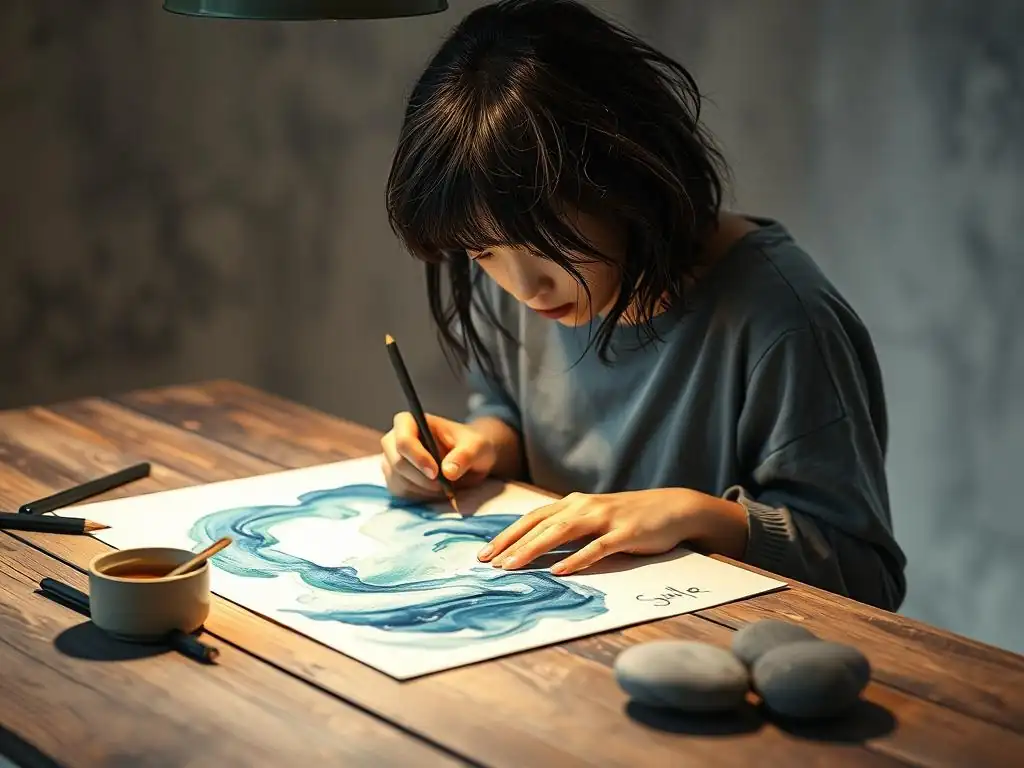
Art therapy involves more than just providing materials; therapists often use structured activities and exercises designed to address specific therapeutic goals related to trauma recovery. These activities are carefully chosen to be age-appropriate, engaging, and sensitive to the child's trauma history. The goal is to facilitate expression, build coping skills, process difficult emotions, and promote a sense of safety and empowerment.
The therapist introduces these activities gradually, ensuring the child feels comfortable and in control. The emphasis is on the process and the child's insights, not on the final product. These exercises provide a framework for exploring complex issues in a contained and supportive environment, making art therapy trauma children teens engage with both structured and flexible.
Sample Art Therapy Activities for Emotional Regulation
Emotional regulation is a key challenge for children and adolescents who have experienced trauma. Art therapy offers creative ways to identify, express, and manage intense emotions.
- Feeling Faces Chart: Draw or paint different faces showing a range of emotions (happy, sad, angry, scared, confused). Discuss what each face represents. The child can then point to or draw the face that matches how they are feeling in the moment.
- Color Your Feelings: Provide a palette of colors and ask the child to choose colors that represent different emotions. They can then create an abstract painting using these colors to express their current mood or feelings about a specific situation.
- Calm Place Drawing: Ask the child to draw or paint a place where they feel completely safe and calm. This can be a real or imagined place. This activity helps them visualize and internalize a sense of security, which they can return to mentally during moments of distress. (Detailed below)
- Tension Release Sculpture: Using clay or playdough, encourage the child to represent their feelings of tension or stress. They can then physically manipulate the material (pound, squeeze, twist) to express and release these feelings.
These activities help children externalize internal states, making overwhelming emotions feel more manageable and providing them with tangible tools for self-soothing and expression, crucial elements in art therapy trauma children teens need support with.
Art Therapy Exercises for Trauma Narrative and Processing
Processing the trauma narrative in a safe and controlled manner is often a goal in trauma-informed art therapy. These exercises help children and adolescents create a coherent story about their experience without being re-traumatized.
- Story in a Box: Provide a shoebox and various art materials (magazines, fabric scraps, small objects). Ask the child to create a world inside the box that represents their experience or feelings related to the trauma. They can add figures, symbols, or abstract elements. This creates a contained space for a potentially overwhelming topic.
- Sequential Drawing: For older children, drawing a series of pictures that represent different moments related to or surrounding the traumatic event can help organize fragmented memories. The therapist guides this process carefully, focusing on safety and pacing.
- Bridge Drawing: Ask the child to draw two islands. One island represents life before the trauma, and the other represents life now or the desired future. They then draw a bridge connecting the two islands, representing the healing journey. This activity focuses on resilience and moving forward.
- Mask Making: Creating masks can allow children to explore different aspects of themselves or their experience – perhaps one mask showing how they feel inside and another showing how they present to the world. This can facilitate discussion about hidden feelings and identity shifts post-trauma.
These exercises provide a structured way to approach difficult memories and feelings, allowing the child to process their experience at their own pace and in a symbolic way, central to the effectiveness of art therapy trauma children teens engage in.
Creating a "Safe Place" Drawing: An Art Therapy Activity for Promoting Security
The "Safe Place" drawing is a foundational and incredibly valuable activity in art therapy for children and adolescents with trauma. Trauma shatters a child's sense of safety, making it difficult for them to feel secure anywhere. This exercise helps them visualize and create a mental and physical representation of safety. The therapist invites the child to imagine a place where they feel completely safe, secure, and calm. This place can be real, imagined, or a combination of elements.
The child is then provided with art materials and encouraged to draw or paint this safe place in as much detail as possible. They might include specific colors, objects, people (if appropriate and safe to include), animals, or natural elements that contribute to their feeling of security. As they work, the therapist encourages them to describe the place, focusing on sensory details: What does it look like? What sounds are there? What smells?
What does it feel like to be there? This process helps solidify the image and the associated feelings of calm. The finished drawing serves as a tangible reminder of safety. The child can keep the drawing and use it as a visual anchor to return to mentally when feeling anxious or overwhelmed. This simple yet powerful technique is a cornerstone in building coping resources through art therapy trauma children teens can rely on.
Finding a Qualified Art Therapist for Your Child
Finding the right therapist is a critical step in ensuring effective art therapy for a child or adolescent with trauma. Not all art therapists specialize in trauma, and it's important to seek out someone with specific training and experience in this area, particularly with the age group of your child. A qualified trauma-informed art therapist understands the complex impact of trauma on development and knows how to create a safe and therapeutic environment.
Taking the time to research and interview potential therapists can make a significant difference in the success of the therapy. Parents and caregivers should feel comfortable with the therapist and confident in their ability to work with their child's specific needs. This careful selection process is vital when seeking art therapy trauma children teens need sensitive, expert care to heal.
What to Look For in an Art Therapist Specializing in Trauma
When searching for an art therapist for a child or teen who has experienced trauma, several key qualifications and characteristics are essential. First and foremost, look for someone who is a Registered Art Therapist (ATR) or Board Certified Art Therapist (ATR-BC) through the Art Therapy Credentials Board (ATCB). These credentials ensure they have met rigorous educational and supervised practice requirements. Beyond basic certification, inquire about their specific training and experience in trauma-informed care, particularly with children and adolescents.
A therapist specializing in art therapy trauma children teens should have a deep understanding of child development, attachment theory, and the neurobiology of trauma. They should be skilled in creating a safe and predictable therapeutic environment, using interventions that prioritize the child's sense of control and avoid re-traumatization. Ask about their approach to working with trauma; they should be able to explain how they use art materials to process difficult experiences non-verbally and build coping skills. Empathy, patience, and a non-judgmental attitude are also crucial personal qualities.
Questions to Ask Potential Art Therapists
Asking specific questions during an initial consultation can help determine if a therapist is a good fit for your child's needs related to art therapy trauma children teens are dealing with.
- What are your credentials and how long have you been practicing art therapy?
- What is your experience working specifically with children/adolescents who have experienced trauma?
- What is your approach to trauma-informed care in art therapy? How do you ensure the child feels safe?
- Can you describe some art therapy techniques you use for trauma processing with this age group?
- How do you involve parents/caregivers in the therapy process (if appropriate and safe)?
- What is the typical structure of a session?
- What are your fees and do you accept insurance?
- How do you assess progress in therapy?
These questions provide insight into the therapist's qualifications, experience, therapeutic approach, and practical considerations, helping families make an informed decision about seeking art therapy trauma children teens will benefit from.
Resources for Finding Art Therapists for Children and Adolescents
Several resources can help families locate qualified art therapists specializing in working with children and adolescents with trauma. The Art Therapy Credentials Board (ATCB) website offers a national directory of credentialed art therapists, which can be filtered by location and specialization. The American Art Therapy Association (AATA) also has a therapist locator tool on their website.
Additionally, asking for referrals from pediatricians, school counselors, mental health clinics, or other healthcare providers familiar with your child's situation can be helpful. Local mental health associations or children's hospitals may also have lists of recommended specialists. When using these resources, it's still important to verify credentials and inquire about their specific experience with art therapy trauma children teens have experienced during the initial consultation.
Creating a Safe and Supportive Environment for Art Therapy
The therapeutic environment plays a crucial role in the success of art therapy for children and adolescents healing from trauma. A safe, predictable, and supportive space allows the child to feel secure enough to explore difficult emotions and memories through art. This goes beyond the physical space and includes the emotional atmosphere created by the therapist and, where appropriate, supported by caregivers.
Building trust is paramount, as trauma often involves broken trust. The therapist's consistent presence, empathy, and respect for the child's pace are foundational. Parents and caregivers also play a significant role in supporting the therapeutic process by creating a supportive home environment and understanding the nature of the work being done in art therapy trauma children teens are engaging in.
The Importance of Trust and Rapport in Art Therapy
Establishing a strong sense of trust and rapport between the child and the art therapist is the bedrock of effective trauma work. Trauma survivors often struggle with trust, particularly if the trauma involved interpersonal harm. The therapist must demonstrate reliability, consistency, and genuine care. This is built through predictable session times, clear boundaries, active listening, and validating the child's feelings and experiences without judgment.
In art therapy, trust means the child feels safe using the materials, expressing themselves through art, and sharing their artwork and its meaning with the therapist. They need to trust that the therapist will not push them too hard, interpret their art without their input, or share their work without permission. This trusting relationship allows the child to feel secure enough to explore vulnerable aspects of their trauma narrative through creative expression, which is essential for positive outcomes in art therapy trauma children teens receive.
Tips for Parents and Caregivers Supporting Art Therapy
Parents and caregivers are vital partners in supporting a child's healing journey through art therapy. While they may not be directly involved in every art-making session, their attitude and actions outside of therapy significantly impact the child's progress.
- Respect Confidentiality: Do not pressure the child to share details about their art therapy sessions or show you their artwork unless they choose to do so. The therapy space is their private space for processing.
- Be Patient: Healing from trauma takes time. Progress may not be linear, and there might be ups and downs. Celebrate small victories and be patient with the process.
- Provide a Supportive Home Environment: Ensure the child feels safe and loved at home. Maintain predictable routines and provide opportunities for positive experiences.
- Communicate with the Therapist (Appropriately): Maintain open communication with the therapist about your child's overall well-being and any concerns (with the child's consent if appropriate for their age). The therapist can provide guidance on how to best support your child at home.
- Encourage Creative Expression at Home: Provide art supplies and opportunities for creative play at home, without making it feel like "homework" or therapy. This reinforces the value of creative expression.
By following these tips, parents and caregivers create a nurturing ecosystem that enhances the effectiveness of art therapy trauma children teens are undergoing.
Addressing Resistance and Emotional Outbursts During Art Therapy
It is not uncommon for children and adolescents in trauma-informed art therapy to exhibit resistance or experience emotional outbursts. This is often a sign that they are approaching difficult material or feeling overwhelmed. Resistance might manifest as refusing to make art, being disruptive, or being overly silly. Emotional outbursts could include crying, anger, or anxiety during or after a session.
A skilled art therapist views these behaviors not as defiance but as communication. They understand that resistance might be a protective mechanism to avoid overwhelming feelings, and outbursts can be the release of pent-up emotions. The therapist will respond with empathy, patience, and containment.
They might slow down the pace, offer different materials or activities, validate the child's feelings ("It looks like this feels really hard right now"), and focus on grounding techniques. Parents should also be prepared for potential emotional fluctuations at home after sessions and provide calm, non-judgmental support, reinforcing the safety and containment learned in art therapy trauma children teens experience.
Art Therapy for Trauma: Success Stories and Case Studies
Real-life examples and case studies provide powerful illustrations of how art therapy can facilitate profound healing in children and adolescents impacted by trauma. While respecting privacy and confidentiality, generalized accounts demonstrate the transformative potential of using creative expression to process difficult experiences and build resilience.
These stories highlight various scenarios, from single-incident traumas like natural disasters to complex, long-term traumas like neglect. They showcase how art provides a unique language for young people to articulate the inexpressible, find meaning in their experiences, and move towards recovery. These examples serve as hopeful testaments to the effectiveness of art therapy trauma children teens can overcome with the right support.
Real-Life Examples of Art Therapy Helping Children Heal from Trauma
Numerous accounts from art therapists and families demonstrate the positive impact of art therapy on young trauma survivors. For instance, a group of children displaced by a hurricane who participated in group art therapy sessions used drawing and sculpture to process their fears about the storm and the loss of their homes. Through creating images of powerful winds or damaged houses, they were able to externalize their fear and grief. As therapy progressed, they began incorporating images of rebuilding, safety, and hope into their artwork, reflecting their journey towards resilience.
Another example involves a teenager who experienced a serious car accident. Initially withdrawn and anxious, she struggled to talk about the event. Through art therapy, she began creating abstract paintings using dark, chaotic colors to represent her feelings of panic and confusion immediately after the accident. Over time, her use of color and form shifted, incorporating brighter hues and more organized structures, mirroring her increasing ability to process the event and regain a sense of control and calm. These examples underscore the power of art therapy trauma children teens can use to regain emotional equilibrium and rebuild their lives.
Case Study 1: Art Therapy for a Child Experiencing Trauma After a Natural Disaster
"Leo," a 9-year-old boy, was referred for art therapy after his home was destroyed by a tornado. He became withdrawn, had difficulty sleeping due to nightmares, and exhibited increased anxiety, particularly during storms. In his initial art therapy sessions, Leo primarily used dark colors and sharp lines to draw swirling vortexes and broken structures, representing the tornado and his damaged home. He struggled to talk about the event directly but readily expressed his terror and confusion through his drawings.
The art therapist provided a safe space for Leo to externalize these overwhelming feelings. As trust grew, Leo began to incorporate small details into his drawings, like a tiny figure hiding under a table or a symbol representing his family. Through these images, the therapist helped him process the sequence of events and identify moments of safety and connection.
Over several months, Leo started drawing images of rebuilding, sunshine, and his family being together in a new, safe place. His sleep improved, his anxiety lessened, and he became more engaged in school and with friends. The art provided a narrative and a way for him to process the trauma when words were insufficient, illustrating the impact of art therapy trauma children teens face after natural disasters.
Case Study 2: Art Therapy for a Teenager Dealing with Childhood Neglect
"Chloe," a 16-year-old girl, entered therapy struggling with depression, low self-esteem, and difficulty forming healthy relationships, stemming from years of childhood neglect. She found it challenging to articulate the complex feelings of abandonment, shame, and anger she carried. In art therapy, Chloe initially created abstract collages using fragmented images and muted colors, reflecting her sense of brokenness and emotional emptiness.
As therapy progressed, the art therapist introduced activities focused on self-identity and emotional expression. Chloe began painting self-portraits that depicted both her outward presentation and her internal struggle. Using clay, she created symbolic objects representing the heavy burdens she carried.
The art became a way for her to express her pain, anger, and unmet needs in a safe, contained way. Through processing these difficult emotions via her artwork, Chloe started challenging negative self-beliefs and building a stronger sense of self-worth. She began incorporating brighter colors and more integrated forms into her art, mirroring her progress in healing and forming healthier connections, demonstrating the transformative power of art therapy trauma children teens can experience through neglect.
Complementary Therapies to Support Art Therapy for Trauma
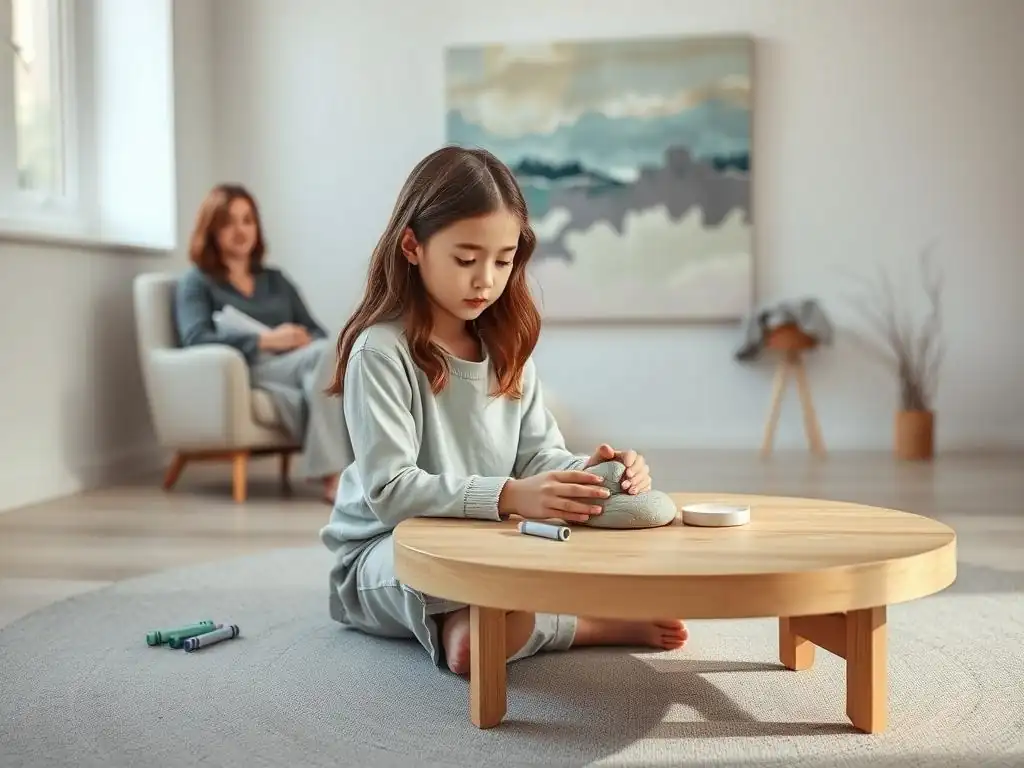
While art therapy is a powerful modality on its own, it is often most effective when integrated with other therapeutic approaches, especially in the complex landscape of trauma recovery. Combining art therapy with other forms of therapy can provide a more comprehensive and multi-faceted approach to healing, addressing different aspects of the trauma experience.
The choice of complementary therapies depends on the child's specific needs, age, and the nature of the trauma. Collaboration between therapists is key to ensuring a cohesive and supportive treatment plan. This integrated approach enhances the overall effectiveness of art therapy trauma children teens receive, addressing their needs on multiple levels.
Integrating Play Therapy with Art Therapy
For younger children, integrating play therapy with art therapy can be particularly beneficial. Play is a child's natural language, and combining it with art allows for a powerful blend of symbolic expression and narrative processing. Play therapy utilizes toys and imaginative play to help children express feelings, resolve conflicts, and practice new behaviors. When combined with art, a child might draw a picture of a scenario they are acting out in play or use art materials to create props or characters for their play narrative.
For instance, a child might use dolls in play to re-enact a difficult situation and then draw a picture of how the characters in their play felt. Or they might build a structure out of blocks in play therapy and then paint it in art therapy to represent their feelings about home or safety. This integration allows children to move fluidly between play and art, providing multiple avenues for expression and processing, making the art therapy trauma children teens engage with feel more natural and less intimidating.
Combining Art Therapy with Talk Therapy
For older children and adolescents, combining art therapy with traditional talk therapy (such as Trauma-Focused Cognitive Behavioral Therapy - TF-CBT, or Eye Movement Desensitization and Reprocessing - EMDR) can be highly effective. Art therapy can help access and express emotions and memories that are difficult to verbalize, while talk therapy provides a framework for processing these insights cognitively and developing coping strategies.
An adolescent might create an artwork representing a traumatic memory or feeling in art therapy. This artwork then becomes a starting point for discussion in a talk therapy session, allowing them to articulate thoughts and feelings that emerged during the creative process. Conversely, insights gained in talk therapy about triggers or beliefs can be explored further through art-making. This integrated approach leverages the strengths of both modalities, providing a comprehensive path for healing art therapy trauma children teens are navigating.
The Role of Family Therapy in Trauma Recovery
Trauma often impacts the entire family system, not just the individual child. Therefore, incorporating family therapy alongside individual art therapy can be crucial for comprehensive healing. Family therapy helps improve communication within the family, strengthens relationships, and educates family members about the impact of trauma and how to support the child's recovery.
In a family therapy context, art can be used to facilitate communication about difficult topics. Families might create a collaborative artwork representing their experience of the trauma or their hopes for the future. This can help family members understand each other's perspectives and feelings in a non-threatening way. Supporting the child's art therapy at home and creating a consistent, supportive environment are also key components that can be addressed in family therapy. This holistic approach recognizes that healing happens within the context of relationships, enhancing the overall effectiveness of art therapy trauma children teens receive.
Addressing Common Concerns About Art Therapy for Trauma
Parents and caregivers may have questions or concerns when considering art therapy for a child or adolescent with trauma. These concerns are valid and often stem from a desire to find the best possible support for their child. Addressing these common questions can help families feel more informed and comfortable pursuing art therapy as a treatment option.
Understanding the process, what to expect, and how art therapy works regardless of artistic skill can alleviate anxieties and pave the way for a positive therapeutic experience. Open communication with the art therapist is key to addressing any concerns that arise throughout the process of art therapy trauma children teens engage in.
Is Art Therapy Right for My Child?
Determining if art therapy is the right fit depends on the individual child's needs, personality, and preferences. Art therapy is often particularly well-suited for children and adolescents who struggle to express themselves verbally, who are highly anxious or withdrawn, or who have experienced trauma that is difficult to talk about directly. Children who enjoy creative activities or respond well to hands-on approaches may find art therapy more accessible and engaging than traditional talk therapy.
However, art therapy is not a one-size-fits-all solution. It is important to consult with a mental health professional specializing in childhood trauma to determine the most appropriate course of treatment. They can assess your child's specific situation and recommend whether art therapy, perhaps in combination with other therapies, would be beneficial. Ultimately, the child's willingness to engage in creative activities, even minimally at first, is a good indicator of potential suitability for art therapy trauma children teens are considering.
What if My Child is Not "Artistically Inclined"?
A very common concern is that a child needs to be "good at art" for art therapy to be effective. This is a misconception. Art therapy is not about creating aesthetically pleasing artwork; it's about using the process of creation and the art materials as tools for expression, exploration, and healing. The focus is on the child's internal experience, their choices of materials and colors, their process of making, and their interpretation of the finished piece, not on their technical skill.
An art therapist is trained to work with individuals of all artistic abilities, or lack thereof. Simple scribbles, abstract shapes, or even just manipulating materials without creating a recognizable image can be incredibly therapeutic and communicative. The therapist helps the child find their own way of expressing themselves creatively, whatever that looks like. The goal is self-expression and processing, not producing a masterpiece. Therefore, a child does not need any prior artistic skill or inclination to benefit from art therapy trauma children teens receive.
Understanding the Cost and Insurance Coverage for Art Therapy
The cost of art therapy sessions can vary depending on location, the therapist's experience, and whether they are in private practice or part of a clinic or organization. Session fees can range widely, sometimes from $75 to $200 or more per hour. It is important to discuss fees upfront with the therapist or clinic.
Insurance coverage for art therapy also varies. Many insurance plans cover art therapy when provided by a licensed mental health professional (which many credentialed art therapists are, depending on state regulations) and when it is deemed medically necessary for the treatment of a mental health condition like trauma or PTSD. However, coverage depends on the specific insurance plan and state laws.
It is crucial to contact your insurance provider directly to understand your benefits, verify the therapist's network participation, and inquire about coverage for art therapy services. Some therapists may also offer sliding scale fees or payment plans. Understanding the financial aspects is a practical step when considering art therapy trauma children teens may need.
Long-Term Benefits of Art Therapy for Trauma
The benefits of art therapy extend far beyond the immediate processing of traumatic events. Participating in art therapy can equip children and adolescents with valuable skills and internal resources that support their long-term well-being and resilience. The creative process fosters growth and positive change that can impact various aspects of their lives for years to come.
These long-term benefits contribute to a stronger sense of self, improved relationships, and a greater capacity to navigate future challenges. Art therapy helps build a foundation for continued healing and emotional health, demonstrating its lasting impact on art therapy trauma children teens experience.
Building Resilience and Coping Skills Through Art
One of the most significant long-term benefits of art therapy for trauma is the development of increased resilience and effective coping skills. Through the process of externalizing difficult emotions and experiences in a safe space, children learn to manage overwhelming feelings without being consumed by them. They develop a greater tolerance for distress and learn techniques for self-soothing through creative activities.
Art therapy helps children identify their internal strengths and resources. For example, successfully completing an art project, even a small one, can foster a sense of accomplishment and agency, counteracting feelings of helplessness associated with trauma. Learning to use art as a way to relax, express anger constructively, or visualize a safe space provides concrete coping tools that children can utilize throughout their lives when faced with stress or difficult emotions. This empowers them to navigate future challenges with greater strength and adaptability, a key outcome of art therapy trauma children teens receive.
Promoting Emotional Well-being and Self-Esteem
Trauma can significantly damage a child's emotional well-being and self-esteem, leaving them feeling damaged, unworthy, or different. Art therapy provides a pathway to repair this damage by promoting self-expression, self-discovery, and self-acceptance. Through creating art, children can explore their identity, process feelings of shame or guilt, and gain a more integrated sense of self.
As children express their inner world through art and feel understood and validated by the therapist, their self-esteem can gradually improve. The act of creating itself can be empowering, fostering a sense of mastery and competence. Seeing their own creations can help them externalize negative self-perceptions and begin to see themselves in a more positive light. Healing from trauma through creative expression helps children build a stronger foundation for emotional health and a more positive self-image, contributing to lasting emotional well-being through art therapy trauma children teens experience.
Fostering Healthy Relationships and Communication
Trauma, particularly interpersonal trauma, can severely impact a child's ability to form and maintain healthy relationships. Difficulties with trust, fear of intimacy, or challenges in communicating needs and feelings are common. Art therapy can help address these issues by improving emotional literacy and communication skills.
By learning to identify and express their feelings through art, children develop a greater capacity to understand their own emotional states and communicate them to others, even non-verbally. The therapeutic relationship with the art therapist, built on trust and empathy, serves as a corrective experience for children who have experienced relational trauma, modeling healthy interaction.
Group art therapy can also provide opportunities to practice social skills and build connections with peers. Learning to communicate their inner world through art can translate into improved verbal and non-verbal communication in their relationships, fostering healthier connections long after engaging in art therapy trauma children teens.
Conclusion: Empowering Children and Adolescents Through Art Therapy for Trauma
Art therapy offers a unique and powerful pathway to healing for children and adolescents who have experienced trauma. By providing a non-verbal language for expression, a safe space for exploration, and creative tools for processing difficult experiences, art therapy empowers young people to navigate the complex aftermath of trauma. It helps them externalize overwhelming emotions, build coping skills, process memories, and regain a sense of safety and self-worth.
The integration of creative expression with therapeutic principles makes art therapy particularly well-suited for the developmental needs of children and teens, offering a less intimidating alternative or complement to talk-based therapies. As awareness of trauma-informed care grows, the role of art therapy in supporting the recovery of young survivors is increasingly recognized. It is a vital tool in helping them not only heal from the past but also build resilience and hope for the future. Seeking qualified art therapy trauma children teens can access is a crucial step towards fostering their long-term well-being and potential.
The Future of Art Therapy in Trauma Treatment
The field of art therapy is continuously evolving, with increasing research supporting its effectiveness in treating trauma in children and adolescents. As our understanding of the neurobiology of trauma deepens, so does our appreciation for modalities that engage multiple areas of the brain and body, which art therapy inherently does. Future developments may include further integration with digital tools, expanded research into specific populations and trauma types, and greater recognition and accessibility within healthcare systems.
There is a growing movement towards integrating art therapy into schools, community centers, and disaster relief efforts to provide immediate and accessible support to children impacted by trauma. As the evidence base grows, art therapy is poised to become an even more central component of comprehensive trauma treatment plans for young people, ensuring that art therapy trauma children teens need is readily available.
Resources and Support for Families Seeking Art Therapy
Families seeking art therapy for a child or adolescent with trauma can find support and information through various channels. Starting with a consultation with a pediatrician or mental health professional can help determine if art therapy is appropriate. Organizations like the American Art Therapy Association (AATA) and the Art Therapy Credentials Board (ATCB) offer valuable resources, including therapist directories and information about the profession.
Many local community mental health centers, children's hospitals, and non-profit organizations specializing in trauma or child welfare also offer art therapy services or can provide referrals. Online resources and support groups for parents of trauma survivors can also offer guidance and shared experiences. Taking the step to explore art therapy trauma children teens can use to heal is an act of hope and an investment in their future well-being.
Frequently Asked Questions
What is art therapy and how can it help children and teens who have experienced trauma?
Art therapy is a form of psychotherapy that uses creative methods like painting, drawing, and sculpting to help individuals process emotions and experiences. For children and teens with trauma, it provides a safe and non-verbal way to express feelings that may be difficult to articulate. It can promote emotional regulation and healing.
How does art therapy specifically address the needs of children and adolescents dealing with trauma?
Art therapy offers a less confrontational approach compared to traditional talk therapy. It allows children and teens to externalize their trauma through art, providing a sense of control and mastery. It also helps to reprocess traumatic memories in a safe and manageable way.
What are some common art therapy techniques used with children and teens who have experienced trauma?
Common techniques include drawing, painting, sculpting, and collage. Specific exercises might involve creating a safe space image, drawing their trauma narrative, or using art to express unspoken feelings. The therapist tailors the techniques to the individual's needs and developmental stage.
How can parents or caregivers find a qualified art therapist specializing in trauma for children and teens?
Look for a therapist who is a Registered Art Therapist (ATR) or Board Certified Art Therapist (ATR-BC). Verify their experience working with trauma survivors and their understanding of child and adolescent development. Consider recommendations from mental health professionals.
What are the potential benefits of art therapy for children and teens struggling with the effects of trauma?
Art therapy can reduce symptoms of anxiety and depression, improve emotional regulation, and enhance self-esteem and resilience. It can also foster healthy coping mechanisms and promote a sense of safety and empowerment in the aftermath of trauma.
Final Reflection: The Healing Power of Art in Young Lives
The creative process is not merely a therapeutic tool; it's a lifeline for children and adolescents grappling with trauma. The overwhelming evidence presented throughout this article underscores the profound impact art therapy can have on the emotional well-being of young people navigating the complex landscape of trauma. Its ability to bypass verbal limitations and access the subconscious makes it an invaluable resource in their journey toward healing and resilience.
Art therapy's influence extends far beyond the individual; it shapes the very fabric of our understanding of trauma and its treatment. It challenges traditional approaches, offering a gentler, more accessible pathway to recovery. It empowers young voices often silenced by their experiences, allowing them to reclaim their narratives and find strength in self-expression.
As Viktor Frankl so eloquently stated, >“Between stimulus and response there is a space. In that space is our power to choose our response. In our response lies our growth and our freedom.” Art therapy provides that crucial space, fostering the agency and self-determination essential for healing.
Consider the potential within your own sphere of influence. Are you a parent, educator, or community member? Learning about the benefits of art therapy, advocating for its accessibility, or simply offering a supportive presence can make a world of difference. You have the power to help create a future where every child and adolescent who has experienced trauma has access to the healing power of art. Let us collectively champion this vital approach and empower the next generation to thrive.
Unlock Your Child's Healing Journey
Thanks for taking the time to learn about the powerful benefits of art therapy for young trauma survivors. We hope this article provided valuable insights into this transformative approach. Ready to take the next step?
- Schedule a consultation with an art therapist: This is the most impactful action you can take to begin your child's healing process. Find a qualified professional who specializes in trauma-informed care.
- Explore online resources: Discover further information and support networks dedicated to art therapy and childhood trauma. Many valuable resources are available to deepen your understanding.
- Share this article with other parents and caregivers: Help spread awareness about the incredible power of art therapy in supporting children through difficult experiences.
What specific strategies will you explore to help your child navigate their trauma journey using the power of creative expression?