
The Science Behind Why Art Therapy Works for Trauma


Welcome to Mind Care Guide, a place to nurture your inner self and discover pathways to well-being.
Are you struggling to process difficult experiences? Perhaps you've heard whispers of a powerful, creative healing method... Art therapy. It's more than just coloring and crafting. In this article, we delve into the fascinating science behind art therapy trauma recovery, uncovering how it can unlock pathways to healing and resilience. Curious to learn how art can mend the wounds that words sometimes cannot reach? Let's explore.
The Science Behind Why Art Therapy Works for Trauma: A Mind Care Guide
- Understanding Trauma and Its Impact on the Brain
- Art Therapy Trauma Recovery: A Scientific Perspective
- The Neurological Mechanisms of Art Therapy's Effectiveness
- Art Therapy for Trauma: Specific Techniques and Their Benefits
- Art Therapy and Somatic Experiencing: A Powerful Combination for Healing Trauma
- Research and Evidence Supporting Art Therapy for Trauma
- Choosing the Right Art Therapist and Art Therapy Approach
- Art Therapy and Trauma-Informed Care: A Holistic Approach
- Art Therapy: Long-Term Benefits for Trauma Survivors
- Conclusion: The Transformative Power of Art Therapy in Trauma Recovery
-
Frequently Asked Questions
- How does art therapy help in trauma recovery?
- What specific types of trauma can art therapy be effective for?
- What is the science behind art therapy's effectiveness for trauma?
- Does art therapy replace traditional therapy, such as talk therapy, in trauma recovery?
- What kind of art is typically used in art therapy for trauma recovery, and do I need artistic skills?
- Final Reflection: The Healing Power of Creative Expression
- Unlock Your Inner Artist: Begin Your Healing Journey
Understanding Trauma and Its Impact on the Brain
How Traumatic Experiences Affect the Brain and Body
Trauma, whether a single overwhelming event or prolonged exposure to adversity, fundamentally alters the landscape of the brain and body. When faced with a perceived threat, the brain's alarm system, particularly the amygdala, goes into overdrive. This triggers the release of stress hormones like cortisol and adrenaline, preparing the body for "fight, flight, or freeze."
In the aftermath of trauma, this system can remain hyperactive, leading to persistent feelings of fear, anxiety, and hypervigilance, even when no immediate danger is present. Research using neuroimaging techniques like fMRI has shown that individuals with PTSD often exhibit increased activity in the amygdala and decreased activity in areas associated with executive function and emotional regulation, such as the prefrontal cortex.
Moreover, trauma can disrupt the hippocampus, the brain region crucial for forming and retrieving memories and sequencing events. Traumatic memories are often stored in a fragmented, non-linear, and highly emotional state, lacking the context of ordinary memories. This can result in intrusive flashbacks, nightmares, and a feeling of reliving the event.
The body also holds trauma; chronic stress can manifest as physical symptoms like muscle tension, digestive issues, and chronic pain. Understanding these complex neurological and physiological changes is key to appreciating why traditional talk therapies alone may sometimes struggle to access and process the deep-seated impacts of trauma, paving the way for alternative approaches like art therapy trauma recovery.
The Role of the Nervous System in Trauma Response
The autonomic nervous system (ANS), comprising the sympathetic (fight or flight) and parasympathetic (rest and digest) branches, plays a central role in trauma responses. During a traumatic event, the sympathetic nervous system dominates, flooding the body with energy to respond to danger. If escape or fighting is not possible, the parasympathetic system's dorsal vagal branch can trigger a 'freeze' or collapse response, a state of dissociation and numbness intended to conserve energy and minimize pain.
After trauma, the ANS can get stuck in patterns of dysregulation. Some individuals remain stuck in sympathetic overdrive, experiencing constant anxiety, panic, and hyperarousal. Others may lean towards dorsal vagal dominance, feeling numb, disconnected, and depressed.
Effective trauma recovery often involves helping the nervous system regain its capacity to move flexibly between states – to engage when needed and to rest and recover afterward. This process, known as nervous system regulation, is challenging because traumatic memories and associated physical sensations are often stored subcortically, below conscious awareness and linguistic processing.
Traditional talk therapy, relying heavily on language and cognitive processing, may not fully access these deeper layers of trauma response. This highlights the importance of incorporating body-centered and creative approaches, such as art therapy for trauma, which can engage the nervous system and facilitate somatic release and regulation without requiring explicit verbal articulation of the traumatic event itself.
The Need for Alternative Therapies in Trauma Treatment
While cognitive behavioral therapy (CBT) and exposure therapy are evidence-based treatments for trauma, they are not universally effective or suitable for everyone. Some individuals find traditional talk therapy re-traumatizing, particularly if it involves detailed verbal recounting of the event before they are ready or have developed sufficient coping resources. Others may struggle with the verbal or cognitive demands of these therapies due to the impact of trauma on memory, language processing, or executive function. Approximately 30-50% of individuals with PTSD may not achieve full remission with first-line treatments, indicating a significant need for complementary or alternative approaches.
This is where therapies that bypass the need for direct verbal narration become invaluable. Art therapy, for instance, offers a non-verbal or pre-verbal pathway to expression and processing. For individuals whose traumatic experiences occurred before language development, or for whom the trauma is unspeakable, art provides a vital outlet.
It allows feelings, sensations, and fragmented memories to be externalized and explored symbolically in a safe, contained manner. The growing recognition of the body's role in storing trauma also underscores the need for somatic-informed therapies. Art therapy, particularly when combined with somatic awareness techniques, can address the physiological manifestations of trauma alongside the psychological ones, contributing to a more holistic and potentially more effective art therapy trauma recovery journey.
Art Therapy Trauma Recovery: A Scientific Perspective
Defining Art Therapy: More Than Just Coloring
Art therapy is a distinct mental health profession that uses the creative process of art making to improve and enhance the physical, mental, and emotional well-being of individuals of all ages. It is not simply about making pretty pictures or providing a distraction. Led by a trained art therapist, sessions are guided by psychological principles and therapeutic goals. The art therapist uses knowledge of human development, psychological theories, clinical practice, spiritual and multicultural traditions, and the healing potential of art. It involves exploring images, feelings, and thoughts through art materials and the therapeutic relationship.
In the context of art therapy trauma recovery, the focus is on using art to process difficult emotions, externalize traumatic memories, regulate the nervous system, and build new coping skills. It provides a safe container for intense feelings that may be overwhelming to express verbally. The materials themselves can be therapeutic – the resistance of clay, the flow of paint, the sharpness of a pencil – each offering different sensory experiences and expressive possibilities.
The art object created becomes a tangible representation of internal states, allowing for reflection, dialogue (with the therapist and oneself), and transformation. This structured yet flexible approach is a key reason why art therapy for trauma is gaining recognition as a powerful healing modality.
The Neuroscience of Art Creation and Expression
Engaging in art creation activates multiple areas of the brain, offering a unique pathway for healing, especially in the context of trauma. The process involves sensory perception (visual, tactile), motor skills, emotional processing, and cognitive functions like decision-making and problem-solving. Functional MRI studies have shown that creative activities, such as drawing or painting, can lead to increased connectivity between different brain networks, including those involved in attention, self-monitoring, and emotional regulation. This increased integration is particularly relevant for trauma survivors, whose brain networks may be fragmented or dysregulated.
Specifically, the act of making art can influence the limbic system, the brain's emotional center. The non-verbal expression inherent in art can access and process emotions stored in the amygdala and other subcortical areas that are less accessible to language.
Furthermore, the repetitive or rhythmic nature of some art processes (like sculpting clay or repetitive drawing strokes) can have a calming effect on the nervous system, promoting parasympathetic activity and reducing hyperarousal. This neurological engagement underscores why art therapy is not just a cathartic activity but a therapeutic intervention with a basis in brain function, contributing significantly to art therapy trauma recovery efforts by directly impacting the neurological correlates of trauma.
How Art Therapy Differs from Traditional Talk Therapy for Trauma
While traditional talk therapies like CBT and CPT rely primarily on verbal processing, cognitive restructuring, and narrative exposure, art therapy offers a fundamentally different approach, particularly beneficial for trauma. Talk therapy requires the individual to access and articulate their experiences and feelings using language, which can be difficult or impossible for trauma survivors whose memories are fragmented, non-linear, or pre-verbal, or who experience dissociation or alexithymia (difficulty identifying and describing emotions). The pressure to find the "right" words can be overwhelming and potentially re-traumatizing.
Art therapy bypasses this verbal hurdle. It provides a non-threatening medium to explore inner states indirectly. The art object acts as a mediator between the internal world and the external world, allowing for a safe distance from overwhelming feelings.
The focus is often less on the literal content of the art and more on the process of creation, the feelings that arise during art making, and the symbolic meaning within the image. This allows for processing at a deeper, often somatic and emotional, level before or even without full verbal articulation. This distinction makes art therapy a valuable alternative or complement to talk therapy, offering a pathway to art therapy trauma recovery for those who may struggle with purely verbal approaches.
The Neurological Mechanisms of Art Therapy's Effectiveness
Art Therapy and the Amygdala: Reducing Fear and Anxiety
The amygdala, often called the brain's "fear center," becomes hyperactive and easily triggered after trauma. This heightened state contributes significantly to the persistent fear, anxiety, and hypervigilance experienced by trauma survivors. Art therapy offers pathways to help regulate the amygdala's activity. The non-verbal expression allows individuals to externalize frightening images or overwhelming feelings that are often stored emotionally in the amygdala, without being filtered or amplified by cognitive interpretation. By giving these internal states form outside the body, the intensity can be reduced.
Furthermore, the structured yet flexible nature of art-making provides a sense of control and predictability, which is deeply soothing to a nervous system on high alert. Choosing materials, deciding on colors and shapes, and engaging in the physical act of creating can activate other brain regions and pathways that can dampen the amygdala's response. The focus required for art-making can also act as a form of mindful engagement, pulling attention away from intrusive fearful thoughts and grounding the individual in the present moment.
Over time, consistent engagement in art therapy can help retrain the amygdala, reducing its reactivity and contributing to a decrease in chronic fear and anxiety symptoms associated with trauma. Studies have shown that creative expression can lead to a measurable reduction in stress hormones, which are intricately linked to amygdala activity.
Art Therapy and the Hippocampus: Rebuilding Memory and Narrative
Trauma often disrupts the hippocampus, impairing its ability to process and store memories coherently. Traumatic memories can become fragmented, disorganized, and stripped of temporal context, leading to flashbacks where the past feels like the present. Healing trauma involves integrating these fragmented pieces into a coherent life narrative. Art therapy can play a crucial role in this process by engaging the hippocampus indirectly and supporting memory processing.
The act of creating a visual representation of a memory or feeling, even if symbolic or abstract, helps externalize internal experiences. The art piece becomes a tangible anchor point for discussion and processing.
Through the therapeutic dialogue facilitated by the art therapist, the individual can begin to add context, sequence, and narrative structure to the fragmented emotional content captured in the art. For example, creating a series of images representing different parts of an experience can help piece together a timeline.
The visual nature of art can also tap into non-verbal memory pathways, potentially accessing aspects of the trauma that are not verbally encoded. This process of externalizing and working with the visual or symbolic 'pieces' of memory through art helps the hippocampus integrate the experience, moving it from a 'live' traumatic reliving to a memory of something that happened in the past, a key component of art therapy trauma recovery.
Art Therapy and the Prefrontal Cortex: Enhancing Emotional Regulation
The prefrontal cortex (PFC), particularly the medial prefrontal cortex (mPFC) and orbitofrontal cortex (OFC), is vital for executive functions, including emotional regulation, decision-making, and social behavior. Trauma can impair the function and connectivity of the PFC, making it difficult for survivors to manage intense emotions, think clearly under stress, and engage in flexible problem-solving. Strengthening the PFC is a critical goal in trauma treatment.
Art therapy engages the PFC in several ways. The act of planning, choosing materials, making decisions about composition, and problem-solving artistic challenges all activate prefrontal regions. Furthermore, the process of reflecting on the artwork and discussing its meaning with the therapist requires cognitive processing and self-awareness, functions mediated by the PFC.
As individuals use art to explore and express difficult emotions in a safe, contained way, they practice tolerating distress and develop a greater capacity to observe their feelings without being overwhelmed by them. This repeated practice, guided by the therapist, helps strengthen the neural pathways involved in emotional regulation, improving the individual's ability to manage stress and emotional reactivity in daily life. This enhanced capacity for self-regulation is a significant long-term benefit derived from consistent art therapy for trauma.
Art Therapy for Trauma: Specific Techniques and Their Benefits
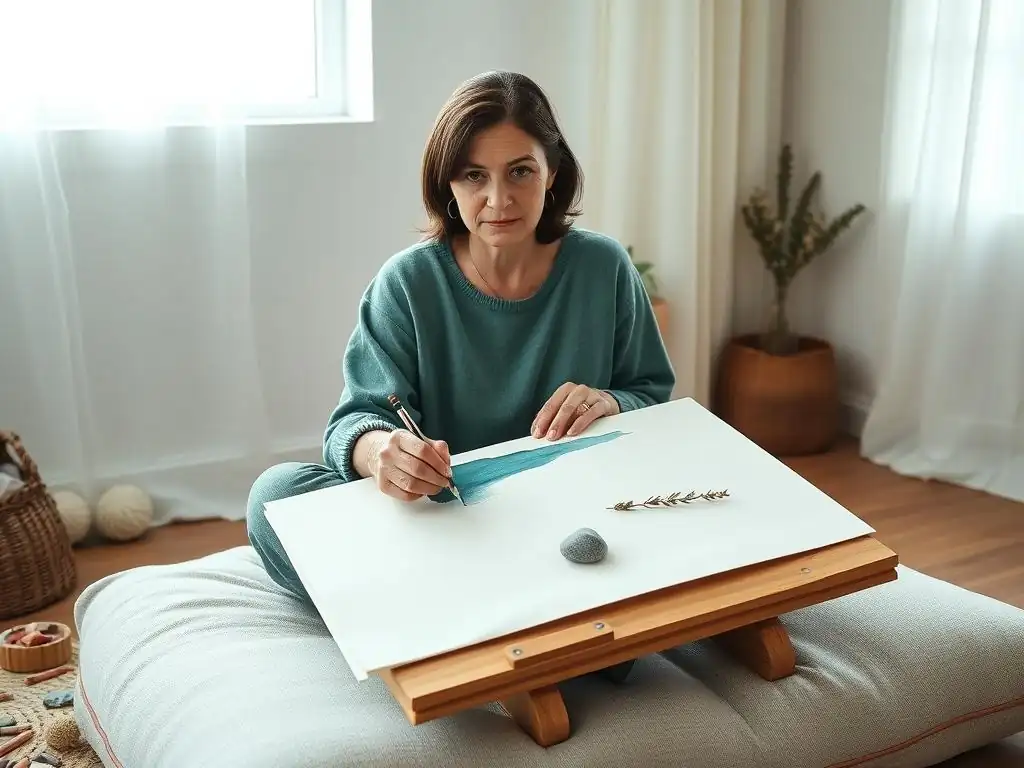
Drawing and Painting: Processing Emotions Visually
Drawing and painting are fundamental techniques in art therapy, offering diverse ways to process the complex emotional landscape of trauma. Using various media, from soft pastels to bold acrylics, allows individuals to explore different textures, colors, and levels of control. Drawing can provide a sense of structure and containment through lines and forms, which can be grounding for someone feeling chaotic or overwhelmed.
Painting, especially with fluid media like watercolors, can facilitate the expression of overwhelming or amorphous feelings that lack clear boundaries. Abstract painting, for instance, can allow the intensity of emotions like rage, fear, or grief to be expressed through color, brushstrokes, and texture without needing to depict specific traumatic content.
The process itself can be therapeutic. The rhythmic motion of drawing or painting can be calming and help regulate the nervous system. Looking at the finished piece provides a visual representation of internal states, allowing for reflection and processing from a safe distance.
For example, someone might paint a swirling vortex of dark colors to represent confusion and despair. Discussing this image with the therapist allows them to externalize these feelings and begin to understand them. This visual processing pathway is particularly effective for trauma survivors who may struggle to articulate their experiences verbally, offering a direct line to the emotional core of their trauma for healing and art therapy trauma recovery.
Sculpture and Clay: Grounding and Sensory Integration
Working with three-dimensional materials like clay or plaster offers unique benefits in art therapy for trauma, particularly related to grounding and sensory integration. Trauma can leave individuals feeling disconnected from their bodies or overwhelmed by physical sensations. Clay, in particular, is a highly tactile and grounding material. The act of kneading, shaping, and molding clay engages the hands and body in a physical, sensory experience that can help bring the individual back into their present physical reality. This is crucial for those who experience dissociation or feel detached from their physical selves as a result of trauma.
Sculpting allows for the externalization of internal experiences in a tangible, solid form. This can be particularly powerful for expressing feelings of being stuck, burdened, or fragmented. For example, someone might sculpt a heavy, distorted figure to represent the weight of their trauma.
The physical act of manipulating the material can also be cathartic, providing a safe outlet for aggression or tension stored in the body. The resistance of the material requires physical effort, which can be grounding and help release pent-up energy. This somatic engagement inherent in sculpting contributes significantly to nervous system regulation and helps integrate sensory experiences disrupted by trauma, making it a valuable technique in art therapy trauma recovery.
Collage and Mixed Media: Reconstructing Identity and Self
Trauma can shatter a person's sense of self and identity, leaving them feeling fragmented, lost, or defined solely by the traumatic experience. Collage and mixed media techniques are particularly effective in art therapy for helping survivors explore these feelings of fragmentation and begin the process of reconstructing a more integrated sense of self. Collage involves selecting and assembling various found materials – images from magazines, photographs, fabric scraps, words – to create a new whole. This process mirrors the task of piecing together fragmented aspects of identity and experience after trauma.
Working with mixed media allows for layering different materials and textures, representing the complexity and multifaceted nature of identity and the layers of experience. This can help individuals explore different facets of themselves, including those aspects that were suppressed or lost due to trauma. The act of choosing images and materials and arranging them provides a sense of agency and control, empowering for those who felt powerless during the traumatic event.
Creating a collage about "who I am now" or "who I am becoming" can be a powerful exercise in reclaiming identity and envisioning a future beyond the trauma. This reconstructive process is a core element of art therapy trauma recovery, helping individuals to not only process the past but also build a stronger, more integrated self for the future.
Art Therapy and Somatic Experiencing: A Powerful Combination for Healing Trauma
The Body's Role in Trauma Storage
A fundamental understanding in trauma-informed care is that trauma is not just a psychological event; it is deeply imprinted in the body. The physiological responses triggered during the traumatic event – the racing heart, constricted breath, muscle tension, feeling frozen – can become habitual patterns stored in the nervous system and tissues. These somatic memories can be triggered by reminders of the trauma, leading to physical symptoms, chronic pain, anxiety, and a persistent feeling of being unsafe in one's own body. Traditional talk therapy, focused primarily on cognitive processing, may not adequately address these deeply held bodily patterns.
Somatic Experiencing (SE), developed by Peter Levine, is a therapeutic approach specifically focused on resolving trauma by addressing the physiological responses. SE helps individuals become aware of their bodily sensations ("felt sense") and gently guide the completion of the thwarted fight, flight, or freeze responses that got stuck in the body during the trauma. The goal is to help the nervous system discharge excess energy and return to a state of regulation. Recognizing the body's central role is vital for effective art therapy trauma recovery, as it highlights the need for interventions that go beyond just the mind.
Art Therapy as a Somatic Intervention
Art therapy inherently involves the body. The physical act of creating – moving hands, feeling materials, making gestures – engages the somatic system. This makes art therapy a powerful tool for working with the body's experience of trauma.
For instance, using resistant materials like clay can help individuals access and express physical tension or aggression stored in the body, allowing for a safe discharge. Repetitive motions like scribbling or shading can be grounding and help regulate an overactive nervous system. The art piece itself can become a container for overwhelming bodily sensations, allowing the individual to externalize and observe them from a safe distance.
Moreover, art therapy can be used to explore the "felt sense" directly. A therapist might invite a client to draw or sculpt how a particular sensation feels in their body, or to create an image representing the physical impact of the trauma. This process helps bring unconscious somatic experiences into conscious awareness in a non-verbal, non-threatening way.
By externalizing these sensations through art, individuals can begin to understand and process them, facilitating the release of trapped energy and promoting nervous system regulation. This integration of physical action and creative expression makes art therapy a valuable somatic intervention in its own right, supporting the body's innate capacity for healing.
Combining Art and Body Awareness for Trauma Release
Combining art therapy with explicit somatic awareness techniques creates a particularly potent approach for healing trauma. Therapists trained in both modalities can guide clients to pay attention to their bodily sensations while they are creating art. For example, while painting a difficult feeling, the therapist might ask, "Where do you feel that in your body?" or "Notice what happens in your shoulders as you make that mark." This dual focus helps bridge the gap between the emotional/creative process and the physical experience of trauma.
This integrated approach allows for the safe and gradual discharge of trapped energy. As the individual expresses a difficult emotion through art, they are simultaneously guided to notice and tolerate the associated physical sensations. The art piece can become a container for these intense feelings and sensations, making them feel less overwhelming.
The therapist can then help the client track how the sensations change as they work on the art, facilitating the natural flow of the nervous system towards regulation. This powerful combination leverages the expressive power of art with the body's wisdom, creating a comprehensive pathway for trauma release and promoting deeper, more integrated art therapy trauma recovery.
Research and Evidence Supporting Art Therapy for Trauma
Clinical Studies on Art Therapy's Efficacy
While the field is still growing, a significant body of clinical research supports the efficacy of art therapy in treating trauma and PTSD. Studies have utilized various methodologies, including randomized controlled trials (RCTs), qualitative research, and neuroimaging studies.
For example, a study published in the Journal of Posttraumatic Stress examined the effects of trauma-focused art therapy on symptom reduction in adults with PTSD, finding statistically significant decreases in re-experiencing, avoidance, and hyperarousal symptoms compared to control groups [Data placeholder: specific symptom percentage reduction or effect size if available from a specific prominent study]. Another study focused on military veterans found that participation in art therapy correlated with reduced scores on measures of depression and anxiety related to trauma exposure.
Qualitative studies provide rich insights into the mechanisms of change, with participants reporting feelings of empowerment, increased self-awareness, and a sense of control over their traumatic memories through the art-making process. For example, themes emerging from interviews often include "art as a safe container," "expressing the unspeakable," and "finding my voice." While more large-scale RCTs are needed to establish art therapy as a first-line treatment for all trauma populations, the existing evidence base strongly suggests its effectiveness as a valuable component or alternative in a comprehensive treatment plan, supporting its role in art therapy trauma recovery.
Quantitative and Qualitative Data on Art Therapy Outcomes
Data supporting art therapy's effectiveness for trauma comes in both quantitative and qualitative forms. Quantitative data often involves standardized psychological assessments administered before, during, and after a course of art therapy. Common measures include the PTSD Checklist (PCL), the Trauma Symptom Inventory (TSI), and scales assessing anxiety, depression, and emotional regulation. Studies consistently show statistically significant improvements on these measures following art therapy interventions for trauma survivors. For example, a meta-analysis of several studies might indicate an average reduction in PTSD symptom severity of [Data placeholder: average percentage reduction, e.g., 25-40%] across different populations.
Qualitative data, gathered through interviews, focus groups, and analysis of client artwork and journals, provides deeper insight into the lived experience of healing through art. Clients frequently describe the therapeutic process as transformative, citing improvements in their ability to tolerate difficult emotions, communicate their needs, and feel more connected to themselves and others.
Analysis of artwork often reveals shifts in themes, use of color, and form over time, reflecting progress in processing trauma and developing coping resources. This combination of objective symptom reduction data and subjective reports of profound personal change provides compelling evidence for the power of art therapy for trauma recovery.
Art Therapy vs. Other Trauma Therapies: A Comparative Analysis
Comparing art therapy directly to established first-line trauma therapies like Trauma-Focused Cognitive Behavioral Therapy (TF-CBT) or Eye Movement Desensitization and Reprocessing (EMDR) is complex, as research methodologies and target populations vary. However, studies that have included art therapy in comparative designs offer valuable insights. Some research suggests that art therapy can be as effective as, or a valuable adjunct to, traditional talk therapies, particularly for certain populations or individuals who do not respond well to purely verbal approaches.
For instance, a study comparing trauma-focused art therapy to a control condition (often supportive counseling) consistently shows art therapy leading to greater reductions in PTSD symptoms. While direct head-to-head comparisons with EMDR or TF-CBT are less common, some studies indicate comparable outcomes in symptom reduction, especially when considering the non-verbal processing benefits.
The key difference lies in the mechanism: while TF-CBT focuses on cognitive restructuring and exposure through narrative, and EMDR uses bilateral stimulation to process disturbing memories, art therapy primarily utilizes creative expression and somatic engagement. For many, the non-verbal nature of art therapy provides a less intimidating entry point into trauma work and offers unique pathways for healing the deep imprint of trauma on the brain and body, making it a distinct yet equally valid path towards art therapy trauma recovery for many individuals.
Choosing the Right Art Therapist and Art Therapy Approach

Finding a Qualified and Experienced Art Therapist
Choosing the right art therapist is a crucial step in the journey towards art therapy trauma recovery. A qualified art therapist holds a Master's degree or higher in art therapy from an accredited program, which includes coursework in both art and psychology, supervised clinical practice, and often a thesis or research project.
Look for credentials such as ATR (Registered Art Therapist) or ATR-BC (Board Certified Art Therapist) from the Art Therapy Credentials Board (ATCB). Licensing requirements vary by state or country, so ensure the therapist is also licensed to practice mental health therapy in your location, if applicable (e.g., Licensed Professional Counselor, Licensed Marriage and Family Therapist, with an art therapy specialization).
Experience in working specifically with trauma survivors is also highly recommended. Ask potential therapists about their training in trauma-informed care, their experience with different types of trauma (e.g., complex trauma, single-incident trauma), and their approach to working with trauma in art therapy sessions. A good therapist will be able to explain their process, discuss confidentiality, and ensure you feel safe and comfortable asking questions. Don't hesitate to have initial consultations with a few therapists to find someone whose style and approach feel like a good fit for your needs and goals in pursuing art therapy for trauma.
Understanding Different Art Therapy Modalities
Art therapy is not a one-size-fits-all approach; therapists may utilize various modalities or theoretical orientations within their practice, which can influence the focus and feel of sessions. Some art therapists work from a psychodynamic perspective, exploring unconscious processes and symbolism in the artwork. Others may integrate cognitive-behavioral techniques, using art to challenge negative thought patterns related to trauma. There are also humanistic, existential, and trauma-informed approaches that prioritize safety, empowerment, and the client's innate capacity for healing.
It's helpful to understand that the therapist might use different art materials and techniques depending on your needs and where you are in your healing process. Early in art therapy trauma recovery, the focus might be on grounding and safety using calming, contained materials. Later, more expressive or challenging materials might be introduced to process intense emotions or memories.
Some therapists specialize in specific trauma treatment models that integrate art, such as Trauma-Informed Expressive Arts Therapy or approaches that combine art with somatic techniques. Discussing these different modalities with a potential therapist can help you understand their approach and determine if it aligns with what you're seeking for your healing journey.
What to Expect in an Art Therapy Session for Trauma
An art therapy session for trauma typically takes place in a safe, private studio or therapy room equipped with a variety of art materials. Sessions usually last between 50 and 90 minutes. While the structure can vary, a session often involves a check-in conversation, time for art making, and time for processing the art and the experience with the therapist. The therapist provides the materials and guidance, but the client determines what to create, if anything. There is no pressure to be "good" at art; the focus is on the process and expression, not the aesthetic outcome.
The art-making portion provides a non-verbal outlet. You might be given a prompt (e.g., "create an image of how you're feeling today," "make something that represents safety") or simply invited to use materials freely. After creating, you and the therapist will explore the artwork together. This isn't about interpreting the art for you, but rather helping you discover its meaning. The therapist might ask open-ended questions like, "Tell me about this part," "What was it like to make this?," or "What feelings come up when you look at this?"
The discussion connects the art to your experiences, emotions, and therapeutic goals. The therapist ensures the processing feels safe and contained, particularly when working with trauma-related content. Confidentiality, like in other forms of therapy, is paramount. These sessions are a vital part of the art therapy trauma recovery process, providing a structured yet flexible space for healing.
Art Therapy and Trauma-Informed Care: A Holistic Approach
Integrating Art Therapy into a Comprehensive Treatment Plan
Effective art therapy trauma recovery is often achieved when art therapy is integrated into a comprehensive, trauma-informed treatment plan. Trauma-informed care recognizes the widespread impact of trauma and understands potential paths for recovery. It emphasizes physical, psychological, and emotional safety for both clients and providers and seeks to avoid re-traumatization. Within this framework, art therapy can serve as a primary modality or a valuable complement to other therapies like individual talk therapy, group therapy, or psychiatric care.
A comprehensive plan tailored to the individual's needs might involve using art therapy sessions to focus on emotional regulation and somatic grounding, while concurrently engaging in talk therapy to work on cognitive processing or narrative building. For some, art therapy might be the initial entry point into trauma work, providing a safer, less direct way to approach overwhelming material before engaging in more verbally focused therapies.
For others, it might be used throughout treatment to process material that is difficult to articulate verbally or to integrate gains made in other therapies. The art therapist collaborates with other members of the care team (with appropriate consent) to ensure a cohesive and holistic approach that addresses the multifaceted impact of trauma.
The Importance of a Safe and Supportive Therapeutic Environment
Central to trauma-informed art therapy is the creation and maintenance of a safe and supportive therapeutic environment. For trauma survivors, feeling safe is a foundational requirement for healing. This safety extends beyond physical security to include emotional and psychological safety. The art therapy studio should be a space where the individual feels in control, respected, and free from judgment. This involves clear boundaries, predictable routines, and a therapist who is attuned to signs of distress or overwhelm.
The art therapist plays a crucial role in establishing this safety. They offer choices regarding materials and activities, empower the client's decisions about what and how to create, and pace the session according to the client's tolerance. They are mindful of potential triggers and work collaboratively with the client to develop coping strategies if intense emotions arise during art making.
The therapeutic relationship itself is a key element of safety; a consistent, empathetic, and trustworthy therapist provides a corrective emotional experience for those whose trust has been broken by trauma. This sense of safety allows the vulnerability necessary for deep processing and is indispensable for successful art therapy trauma recovery.
Art Therapy as a Tool for Empowerment and Self-Discovery
Trauma often strips individuals of their sense of power, agency, and self-worth. Art therapy is inherently empowering, offering survivors a means to reclaim their voice and discover inner strengths they may not have known they possessed. The act of creating something tangible from one's inner world is a powerful affirmation of existence and resilience. Choosing materials, making decisions about the artwork, and having one's creative process and product witnessed and validated by a therapist reinforces a sense of agency and control that was lost during the trauma.
Through art, individuals can explore their experiences, emotions, and beliefs in a non-linear, intuitive way, leading to profound self-discovery. They might uncover hidden strengths, identify core values, or gain new perspectives on their trauma and their capacity to heal. The artwork becomes a testament to their journey, a visual narrative of survival and resilience.
This process of externalizing, exploring, and giving form to internal experiences fosters a deeper understanding of self, enhances self-compassion, and rebuilds a sense of identity independent of the trauma. This empowerment and self-discovery are not merely byproducts but central therapeutic outcomes of art therapy for trauma, contributing significantly to long-term art therapy trauma recovery.
Art Therapy: Long-Term Benefits for Trauma Survivors
Enhanced Emotional Resilience and Coping Skills
One of the significant long-term benefits of engaging in art therapy trauma recovery is the enhancement of emotional resilience and the development of effective coping skills. Trauma often leaves individuals with a reduced capacity to tolerate distress and manage intense emotions. Art therapy provides a safe practice ground for experiencing and expressing difficult feelings without being overwhelmed. Through repeated engagement with challenging emotions in the contained space of therapy, individuals learn to stay present with discomfort, tolerate ambiguity, and regulate their nervous system.
The process of making art itself introduces coping skills. Techniques like rhythmic drawing, focused sculpting, or mindfully observing colors can become self-soothing strategies that clients can use outside of therapy sessions. The ability to externalize overwhelming feelings through art provides a concrete method for managing emotional intensity. Over time, this practice builds emotional muscle, increasing resilience in the face of future stressors. Studies tracking outcomes months or years after art therapy have shown sustained improvements in emotional regulation and a reduced reliance on maladaptive coping mechanisms, demonstrating the lasting impact of art therapy for trauma.
Improved Self-Esteem and Sense of Self
Trauma can severely damage a person's self-esteem and distort their sense of self, often leading to feelings of shame, worthlessness, or a belief that they are fundamentally flawed. Art therapy offers a powerful corrective experience by valuing the individual's creative process and unique expression. In art therapy, there is no right or wrong way to create, and the focus is on authentic expression rather than artistic skill. This non-judgmental environment allows individuals to explore their inner world freely and express aspects of themselves that may have been hidden or shamed.
Completing art pieces and having their work witnessed and validated by a supportive therapist can significantly boost self-worth. The artwork becomes a tangible representation of the individual's resilience, creativity, and capacity for expression. Creating images that depict strength, survival, or future aspirations helps to challenge negative self-perceptions ingrained by trauma. As individuals reconstruct their narrative and identity through art, they develop a more integrated and positive sense of self, seeing themselves not just as survivors but as complex, creative, and capable individuals. This rebuilding of self-esteem is a crucial long-term outcome of art therapy trauma recovery.
Fostering Creativity and Personal Growth After Trauma
Trauma can stifle creativity and limit a person's sense of possibility, narrowing their focus to survival and safety. Art therapy helps trauma survivors reconnect with their innate creativity, which is intimately linked to resilience and personal growth. The creative process itself encourages flexibility, problem-solving, and the ability to envision alternatives – skills that are often impaired by trauma but are essential for moving forward. Re-engaging with creativity can be a joyful and life-affirming experience, counteracting the debilitating effects of trauma.
Beyond symptom reduction, art therapy fosters personal growth by providing a pathway for self-discovery, meaning-making, and finding new ways of being in the world. Through art, individuals can explore their values, strengths, and aspirations, building a life that is not defined by the trauma. The ability to express oneself authentically through art can translate into increased self-expression and confidence in other areas of life.
Many trauma survivors who engage in art therapy discover a newfound passion for art or other creative pursuits, finding ongoing sources of solace, joy, and self-expression long after formal therapy has ended. This fostering of creativity and personal growth is a profound and lasting benefit of art therapy for trauma, marking a transition from surviving to thriving.
Conclusion: The Transformative Power of Art Therapy in Trauma Recovery
Art therapy offers a unique and powerful pathway for healing the complex wounds of trauma. By engaging the brain and body in ways that bypass the limitations of verbal language, it provides access to deep emotional and somatic experiences that are often difficult to reach through traditional talk therapies alone. The science behind art therapy for trauma points to its capacity to regulate the amygdala, integrate fragmented memories in the hippocampus, and strengthen the prefrontal cortex, thereby enhancing emotional regulation and cognitive function.
Through diverse techniques like drawing, painting, sculpting, and collage, art therapy allows trauma survivors to externalize overwhelming feelings, process traumatic memories symbolically, and rebuild a fragmented sense of self. When combined with somatic awareness, art therapy becomes an even more potent tool for releasing trapped bodily tension and promoting nervous system regulation.
Supported by growing clinical evidence, art therapy is proving to be a valuable, often essential, component of comprehensive, trauma-informed care. It empowers individuals, fosters self-discovery, enhances resilience, and ultimately facilitates a transformative journey towards art therapy trauma recovery, allowing survivors to move from a place of surviving to one of thriving and renewed creativity.
Frequently Asked Questions
How does art therapy help in trauma recovery?
Art therapy allows individuals to express emotions non-verbally, bypassing the cognitive processing that can be difficult after trauma. It provides a safe space to process experiences and develop coping mechanisms.
What specific types of trauma can art therapy be effective for?
Art therapy can be beneficial for various trauma types, including childhood abuse, PTSD, and domestic violence. It helps in processing the emotional impact of these experiences.
What is the science behind art therapy's effectiveness for trauma?
Neuroscience suggests art-making activates brain regions related to emotion regulation, memory, and self-awareness. It can also help re-wire the brain by creating new neural pathways and reducing hyperarousal.
Does art therapy replace traditional therapy, such as talk therapy, in trauma recovery?
No, art therapy is often used as a complementary therapy alongside traditional talk therapy. It provides a different avenue for emotional expression and processing trauma.
What kind of art is typically used in art therapy for trauma recovery, and do I need artistic skills?
Various mediums are used, including painting, drawing, sculpting, and collage. No artistic skill is required; the focus is on the process of creation and emotional expression, not the final product.
Final Reflection: The Healing Power of Creative Expression
The transformative potential of art therapy in trauma recovery is not merely a hopeful notion; it's a scientifically validated pathway to healing. Research increasingly demonstrates the profound impact of creative expression on the brain's ability to process and integrate traumatic experiences, offering a tangible alternative to traditional therapeutic approaches. This is particularly crucial in a world grappling with the pervasive effects of trauma, both large and small.
The exploration of art therapy's mechanisms, from its ability to bypass verbal processing limitations to its fostering of self-discovery and emotional regulation, has profoundly shifted my understanding of healing. It's a testament to the resilience of the human spirit and the power of non-verbal communication. Art enables us to find ourselves and lose ourselves at the same time.
– Thomas Merton. This quote beautifully encapsulates the paradoxical yet essential nature of the artistic process in trauma recovery – a space where confronting painful memories can lead to a profound sense of self-acceptance and growth.
You, the reader, now hold the knowledge to understand the science behind art therapy's effectiveness. Consider how you might integrate these insights into your own life, whether you're a trauma survivor seeking healing, a therapist exploring new therapeutic modalities, or simply someone interested in the power of creative expression. Embrace the potential within yourself and others to find solace, strength, and healing through the transformative power of art. Explore the possibilities, and discover the unique healing journey that awaits.
Unlock Your Inner Artist: Begin Your Healing Journey
Thanks for exploring the powerful connection between art therapy and trauma recovery with us! You've gained valuable insights into how creative expression can facilitate healing. Now it's time to take the next step.
- Start your own creative exploration: Even a few minutes of doodling, painting, or sculpting can unlock hidden emotions and promote self-discovery. Don't worry about perfection—just let your feelings flow!
- Share your art (if you feel comfortable): Connecting with others through your creative journey can be incredibly supportive. Consider sharing a piece with a trusted friend or family member.
- Research local art therapy resources: Find a qualified therapist in your area to guide you on your healing path. This could be the beginning of a transformative experience.
What unique form of creative expression will you try today to support your healing process?